आयुर्वेदिक डॉक्टर से प्रश्न पूछें और निःशुल्क या भुगतान मोड में अपनी चिंता की समस्या पर ऑनलाइन परामर्श प्राप्त करें। 2,000 से अधिक अनुभवी डॉक्टर हमारी साइट पर काम करते हैं और आपके प्रश्नों का इंतजार करते हैं और उपयोगकर्ताओं को उनकी स्वास्थ्य समस्याओं को हल करने में प्रतिदिन मदद करते हैं।


Body DetoxEar, Nose, and Throat DisordersGeriatrics & RejuvenationImmunodeficiencyInfertility TreatmentNutritionOrthopedic DisordersPediatricsRespiratory DisordersSexually Transmitted Diseases (STDs)Surgery RecoveryUrological DisordersVascular DisordersDental DisordersEndocrinological DisordersGastrointestinal DisordersYoga TherapyGeneral MedicineAllergic DisordersCardio DisordersGynecology and ObstetricsCosmetologySkin and Hair DisordersEye DisordersInfectious DiseasesMental DisordersNeurological DisordersOncologyPanchakarmaSexual Health & DisordersSports Medicine
पर प्रकाशित 03/14/25
(को अपडेट 08/15/26)
3,803
Punarnava Guggulu Uses: Benefits, Research, and Precautions
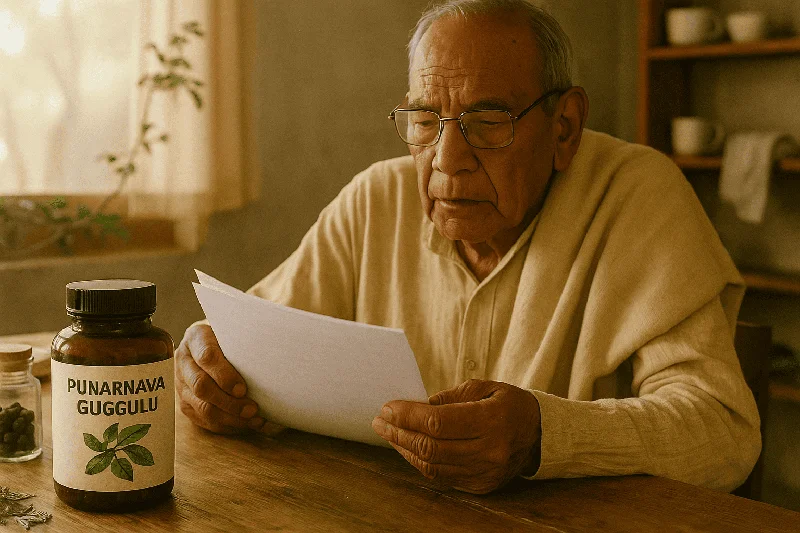
The world of traditional Ayurvedic medicine is teeming with time-honored formulations that many people use to address an array of health issues. One such polyherbal blend is Punarnava Guggulu, often praised for its potential to support joint health, metabolic balance, and more. If you’ve been curious about the uses of Punarnava Guggulu, the latest scientific studies, or the best ways to incorporate it into your health regimen, this comprehensive guide covers all you need to know.
In this article, we will explore:
- The basics of Punarnava Guggulu and its Ayurvedic origins
- The primary uses and purported benefits, including evidence-based findings
- Research insights, including references to peer-reviewed studies
- Practical advice on dosage, safety, and potential side effects
- Common questions people ask about Punarnava Guggulu
Before we proceed, please note: This article is for informational purposes only and does not substitute professional medical guidance. Always consult a qualified healthcare provider before starting any new supplement.
Understanding Punarnava Guggulu
What Is Punarnava?
Punarnava (Boerhavia diffusa) is a well-known herb in Ayurveda, recognized for its potential diuretic and anti-inflammatory properties. The term “Punarnava” translates to “renewed” or “brought back to life,” reflecting the herb’s capacity to rejuvenate and revitalize. Historically, Punarnava has been used in formulations aimed at supporting kidney function, fluid balance, and joint health.
Clinical interest in Punarnava has grown over the past decade, with researchers studying its phytochemical components—such as alkaloids, flavonoids, and glycosides—and their impacts on physiological functions. A study published in the Journal of Ethnopharmacology suggests that Punarnava may show promising anti-inflammatory and antioxidant activities [1].
What Is Guggulu?
“Guggulu” typically refers to the resin derived from the Commiphora mukul tree. In Ayurveda, Guggulu is revered for its ability to enhance metabolism, support healthy cholesterol levels already within the normal range, and promote joint comfort. Guggulu resin is a cornerstone of many Ayurvedic combinations, including the popular “Triphala Guggulu” and “Yogaraj Guggulu,” each aiming to support different aspects of health.
Modern research validates some of Guggulu’s benefits. For instance, a meta-analysis in the journal Phytotherapy Research highlighted Guggulsterones—active compounds in Guggulu resin—for their potential anti-inflammatory and lipid-lowering properties [2].
Punarnava Guggulu: A Polyherbal Powerhouse
When Punarnava is combined with Guggulu and other Ayurvedic botanicals (like ginger, black pepper, and Indian gooseberry), you get Punarnava Guggulu, a synergistic blend that allegedly delivers multiple benefits. According to classical Ayurvedic texts, Punarnava Guggulu is commonly indicated for:
- Supporting kidney and urinary tract health
- Maintaining fluid balance in the body
- Promoting comfortable movement of joints and muscles
- Assisting in healthy weight management
However, these uses are based primarily on traditional Ayurvedic principles. Let’s dive into the scientific research that supports (or questions) these claims.
Key Evidence and Modern Research
Supports Joint and Muscle Comfort
Traditionally, Punarnava Guggulu has been used to ease discomfort related to joints, muscles, and connective tissues. One reason for this may be the blend’s high content of bioactive compounds with anti-inflammatory properties.
- Research Insight: A 2015 study in the International Journal of Basic & Clinical Pharmacology examined the effectiveness of Punarnava in reducing inflammatory markers. Although the study did not specifically focus on Punarnava Guggulu, it indicated that Punarnava extracts had notable anti-inflammatory effects [3]. Guggulu, on the other hand, is already recognized for its potential to modulate inflammatory pathways [2].
The combination of these herbal components could potentially offer synergistic action, making Punarnava Guggulu a popular choice in Ayurvedic therapies aimed at joint health.
May Assist in Fluid Balance
Punarnava has a long history of use for supporting healthy fluid balance, including kidney and urinary function. This is why Ayurvedic practitioners sometimes recommend Punarnava Guggulu to people experiencing water retention or edema-like symptoms.
- Research Insight: A study available in the Journal of Ayurveda and Integrative Medicine [4] points to Punarnava’s diuretic effects, noting a reduction in fluid accumulation in experimental models. While more human trials are needed to confirm these findings, such preliminary data lend support to Ayurvedic claims.
Potential Weight Management Benefits
Punarnava Guggulu is sometimes marketed for “weight loss.” While the direct scientific evidence is still emerging, certain individual components have shown promise:
- Guggulsterones: Found in Guggulu, these compounds have been investigated for their role in lipid metabolism. A 2011 review in the journal BioMed Research International observed that Guggulsterones might support healthy cholesterol levels [5]. However, evidence for direct weight reduction is inconclusive.
- Punarnava Extract: May help regulate fluid retention, which could indirectly influence weight management if water retention is an issue.
It’s important to keep your expectations grounded. Weight management involves a holistic approach—diet, exercise, and lifestyle factors all play crucial roles.
Digestive and Metabolic Support
Ayurveda suggests that Punarnava Guggulu may help maintain a healthy digestive “agni,” or metabolic fire. Components like ginger and black pepper (often included in Punarnava Guggulu formulations) can aid in digestion and nutrient absorption.
- Research Insight: Spices such as ginger and black pepper are clinically proven to have thermogenic and digestion-supporting properties [6]. Although more specific, large-scale human trials focusing on Punarnava Guggulu are needed, existing data on its constituent herbs is promising.
Safety, Dosage, and Precautions
Recommended Dosage
In traditional Ayurvedic practice, Punarnava Guggulu is often administered in powder form or as tablets. Typical doses range from 1 to 2 tablets twice daily, or about 1–3 grams of the powdered formulation per day, taken with warm water. However, the exact dosage can vary depending on:
- The specific formulation or brand
- Individual constitution (Prakriti)
- The advice of a qualified Ayurvedic practitioner or healthcare provider
Important: Self-prescribing herbal supplements can lead to unintended side effects. Always consult a healthcare professional for personalized recommendations.
Potential Side Effects and Interactions
Most people tolerate Punarnava Guggulu well when used appropriately. However, side effects are still possible:
- Mild digestive upset, such as gas or acid reflux
- Allergic reactions to any of the constituent herbs
- Interactions with diuretic medications (due to Punarnava’s diuretic properties)
If you’re pregnant, nursing, or taking prescription medications (especially those for liver or kidney conditions), consult a qualified healthcare provider before using Punarnava Guggulu. According to a review in the Journal of Alternative and Complementary Medicine, herbal formulas with Guggulu may interact with drugs that affect lipid metabolism [7].
Quality Control and Sourcing
Ensuring the quality and purity of herbal products is crucial. Look for:
- Reputable Brands: Companies that adhere to Good Manufacturing Practices (GMP).
- Third-Party Testing: Certificates of Analysis (CoA) confirming the absence of heavy metals, microbial contamination, or adulterants.
- Transparent Labeling: Full disclosure of all ingredients and their concentrations.
Consult consumer protection agencies or watch for seals of approval from organizations like the U.S. Pharmacopeia (USP) or NSF International for an added layer of trust.
स्वयं दवा न लें और प्रतीक्षा न करें। अभी डॉक्टर से चैट शुरू करें
Practical Tips for Using Punarnava Guggulu
- Start Slowly: If you’re new to herbal supplements, begin with a lower dosage and monitor your body’s response.
- Pair with the Right Diet: An Ayurvedic-friendly diet rich in whole grains, lean protein, vegetables, and spices like turmeric or ginger can complement Punarnava Guggulu’s properties.
- Stay Hydrated: If you’re using Punarnava Guggulu for its diuretic effect, maintain proper hydration to support kidney health.
- Lifestyle Matters: Incorporate mild exercise, adequate rest, and stress-reduction techniques (like yoga or meditation) to enhance the overall efficacy of any Ayurvedic regimen.
- Professional Guidance: Periodic check-ins with an Ayurvedic doctor or integrative medicine specialist can help you optimize results and adjust dosages if needed.
FAQs About Punarnava Guggulu Uses
1. Is Punarnava Guggulu Safe for Long-Term Use?
Generally, when taken at recommended dosages and with the guidance of a healthcare professional, Punarnava Guggulu is considered safe for many individuals. However, the long-term safety profile hasn’t been extensively studied in large clinical trials. If you plan on long-term use, consult your doctor for regular check-ups and blood tests to monitor liver and kidney function.
2. Can Punarnava Guggulu Help With Arthritis?
Ayurvedic texts often recommend Punarnava Guggulu for joint and muscle comfort, including arthritic conditions. Modern studies on Punarnava and Guggulu suggest anti-inflammatory effects. While these findings are encouraging, they do not guarantee that Punarnava Guggulu will work for everyone. Always discuss with a medical professional before starting any regimen for arthritis.
3. How Quickly Will I See Results?
The time frame to notice changes can vary from a few weeks to several months, depending on individual health status, dosage, and lifestyle factors. Remember that herbal supplements generally work more slowly than conventional medications.
4. Can I Take Punarnava Guggulu With Other Ayurvedic Formulas?
Punarnava Guggulu is often combined with other Ayurvedic remedies such as Triphala Guggulu or Shilajit to target multiple issues simultaneously. However, multi-herbal regimens should be tailored by a qualified practitioner to avoid overlapping or excessive dosages of particular ingredients.
5. Do I Need a Prescription?
In many countries, Punarnava Guggulu is classified as a dietary supplement and can be purchased over the counter. Even so, obtaining personalized medical advice ensures safe and targeted usage.
Conclusion: Is Punarnava Guggulu Right for You?
From traditional Ayurvedic texts to emerging modern research, Punarnava Guggulu stands out for its potential to support joint health, fluid balance, and healthy metabolism. While preliminary studies and anecdotal reports are promising, the need for larger, high-quality clinical trials remains. If you’re considering Punarnava Guggulu, consult a healthcare professional to ensure it aligns with your medical history and current treatments.
Ultimately, the best health outcomes often come from a blend of balanced nutrition, proper exercise, mindful living, and a combination of evidence-informed therapies. Punarnava Guggulu could be one piece of that puzzle—provided it’s used wisely and under expert supervision.
Disclaimer
This article is for informational purposes only and is not a substitute for medical advice, diagnosis, or treatment. Always seek the advice of your physician or another qualified health provider with any questions about a medical condition.
References
Research on the anti-inflammatory and antioxidant activity ofBoerhavia diffusain theJournal of Ethnopharmacology Meta-analysis on Guggulu’s properties inPhytotherapy Research Study on Punarnava’s anti-inflammatory potential in theInternational Journal of Basic & Clinical Pharmacology Punarnava diuretic effect in theJournal of Ayurveda and Integrative Medicine Role of Guggulsterones in lipid metabolism inBioMed Research International Thermogenic effect of ginger and black pepper in various clinical trials Herbal-drug interactions with Guggulu inJournal of Alternative and Complementary Medicine
Call to Action
If you’ve found this article helpful, share it on social media or leave a comment below. For more evidence-based insights on Ayurveda and other holistic health practices, subscribe to our newsletter. By staying informed, you can make better decisions for your well-being and explore how Punarnava Guggulu might fit into your holistic health journey.
उपयोगकर्ताओं के प्रश्न
How does Punarnava Guggulu affect blood sugar levels in users?
Client_46eb27
6 दिनों पहले
Punarnava Guggulu may help in managing blood sugar levels, although its primary use is for reducing inflammation and treating joint pain. The formulation contains bioactive compounds that could indirectly support blood sugar regulation by improving metabolic functions. However, specific scientific evidence directly linking Punarnava Guggulu to significantly lowering blood sugar levels is limited. If you are considering using this supplement for blood sugar management, consult with a healthcare provider to ensure it is safe and appropriate for your individual health needs and to avoid potential side effects.
What are the long-term effects of using Punarnava Guggulu?
Client_4cb1a2
16 दिनों पहले
The long-term effects of using Punarnava Guggulu aren't extensively documented. However, some potential concerns include mild digestive issues such as gas or acid reflux, allergic reactions to its herbal components, or interactions with diuretic medications due to Punarnava’s natural diuretic properties. If you experience persistent side effects, it's advisable to consult a healthcare professional. Pregnant or nursing individuals and those with liver or kidney conditions should seek medical advice before using Punarnava Guggulu.
How does Punarnava Guggulu support muscle recovery after exercise?
Client_a97cbe
26 दिनों पहले
Punarnava Guggulu can support muscle recovery after exercise primarily through its anti-inflammatory properties. The herbal blend contains compounds like guggulsterones, which are noted for reducing inflammation. This can help manage exercise-induced muscle inflammation, potentially reducing soreness and aiding recovery. However, evidence is mostly anecdotal or limited to preliminary studies; definitive conclusions on muscle recovery specifically aren't well-established. If muscle pain persists, it may be beneficial to consult a healthcare professional for tailored advice.
What are the benefits of Punarnava Guggulu for detoxifying the liver?
Client_43384e
35 दिनों पहले
Punarnava Guggulu may offer some benefits for liver detoxification, primarily due to its constituent herbs known for anti-inflammatory and detoxifying properties. This herbal supplement often combines Punarnava (Boerhavia diffusa) along with other traditional ingredients that may support liver health by aiding in the removal of toxins and reducing inflammation. However, more specific, large-scale studies are needed to confirm these effects directly. Be cautious about dosage, as this should be personalized by a qualified practitioner. It's advisable to consult a healthcare provider before using Punarnava Guggulu, especially if you have liver concerns.
What research exists on the effectiveness of Guggulu for cholesterol management?
Client_20a197
45 दिनों पहले
Research on Guggulu's effectiveness for cholesterol management is limited and mixed. Some studies suggest that Guggulsterones, the active compounds in Guggulu, may help lower cholesterol and have anti-inflammatory effects. However, evidence from large-scale, high-quality clinical trials is lacking. Results can vary, and it may take several weeks or months to see any potential benefits. Individuals interested in trying Guggulu should consult with a healthcare professional, especially if they have existing health conditions or are taking other medications.
What lifestyle factors can enhance the benefits of taking Punarnava Guggulu?
Client_6901ac
55 दिनों पहले
To enhance the benefits of Punarnava Guggulu, focusing on lifestyle can make a difference! Try to have a balanced diet suited to your dosha, keep active with regular exercise like yoga or walking, and maintain a good sleep routine. Plus, reducing stress through meditation or deep-breathing can really help balance the doshas! Keep a check on agni - it’s all about harmony :)
Can Punarnava Guggulu support overall wellness in addition to digestive health?
Client_9c668e
64 दिनों पहले
Yes, besides aiding digestion, Punarnava Guggulu might support overall wellness too! It's thought to balance doshas and boost energy by maintaining a healthy agni (digestive fire), which is central to good health. While it's helpful, it's best to consult an expert for a tailored approach and to consider any potential side effects or interactions.
Is it safe to take Punarnava Guggulu while on a low-sodium diet?
Client_2af9ab
73 दिनों पहले
Taking Punarnava Guggulu on a low-sodium diet should generally be safe, as this herbal formula doesn't directly affect salt content. But always check the specific formulation you have, since products can vary. Remember, it's good to talk to an Ayurvedic practitioner to tailor it for your needs and ensure it fits your overall health plan.
What is the best way to take Punarnava Guggulu for maximum health benefits?
Client_a1434e
82 दिनों पहले
For taking Punarnava Guggulu, it's best to follow the instructions on the product or ask an Ayurvedic practitioner cuz it can vary based on one's dosha balance and specific health needs. It's typically taken with warm water, like before meals to boost digestion. Start slow, see how your body feels, and keep an eye on any changes.
How does Punarnava Guggulu interact with other herbal supplements in treatment plans?
Client_90eb25
91 दिनों पहले
Punarnava Guggulu can interact well with other herbs because it's usually part of a holistic plan in Ayurveda. But be mindful! Since it's a complex mix, integrating it with other supplements might need a practitioner’s guidance, especially if you're addressing specific dosha imbalances or taking herbs with similar effects like Triphala. Watch for any unusual symptoms.
संबंधित आलेख

Gastrointestinal Disorders
तककरिश्ता
तक्रारिष्ट की खोज
2,125

Gastrointestinal Disorders
Gandharva Haritaki Tablet Uses: An Ayurvedic Remedy for Holistic Health
Gandharva Haritaki is an herbal preparation widely used in Ayurveda to support digestive health, detoxification, and vitality.
4,635

Gastrointestinal Disorders
Rasnasaptakam Kashayam: Metabolic Health Booster
Learn about the benefits, proper dosage, side effects, and scientific research behind Rasnasaptakam Kashayam Tablets, a potent Ayurvedic herbal remedy.
3,399

Gastrointestinal Disorders
What Causes Acid Reflux: Ayurvedic Explanation and Triggering Foods
What causes acid reflux? Explore Ayurvedic causes, foods and habits that trigger it, and natural remedies to relieve and prevent acid reflux symptoms
1,944

Gastrointestinal Disorders
Peptic Ulcer Ayurvedic Treatment: Natural Ways to Heal Stomach Ulcers
Discover effective Ayurvedic treatments for peptic ulcers, including herbal remedies, therapies, and lifestyle changes supported by scientific research to alleviate symptoms and promote healing.
3,630
Gastrointestinal Disorders
Understanding Pitta Shamak in Ayurveda
Discover how pitta shamak methods in Ayurveda may help balance internal heat and support overall wellness. Explore research, tips, and expert insights.
3,462

Gastrointestinal Disorders
Tantu Pashan Tablet – Ayurvedic Solution for Kidney Stones & Urinary Health
earn about Tantu Pashan Tablet, an Ayurvedic remedy for kidney stones, promoting urinary health, and supporting the detoxification of the urinary tract.
3,318

Gastrointestinal Disorders
अम्लपित्त मिश्रण के फायदे, खुराक, सामग्री, साइड इफेक्ट्स
अम्लपित्त मिश्रण के फायदे, खुराक, सामग्री, और साइड इफेक्ट्स की खोज
5,589

Gastrointestinal Disorders
Digestion from the view of Ayurveda
Healthy digestion is the fundamental aspect of wellness in Ayurveda.
225,349
Gastrointestinal Disorders
Hutabhugadi Churnam: Powerful Ayurvedic Powder for Optimal Health
Learn about the benefits, proper dosage, uses, and scientific evidence behind Hutabhugadi Churnam, a powerful Ayurvedic herbal powder for holistic health.
2,578
विषय से संबंधित परामर्श
अतिरिक्त दस्तावेज़
© 2024 Ask Ayurveda. सर्वाधिकार सुरक्षित।