आयुर्वेदिक डॉक्टर से प्रश्न पूछें और निःशुल्क या भुगतान मोड में अपनी चिंता की समस्या पर ऑनलाइन परामर्श प्राप्त करें। 2,000 से अधिक अनुभवी डॉक्टर हमारी साइट पर काम करते हैं और आपके प्रश्नों का इंतजार करते हैं और उपयोगकर्ताओं को उनकी स्वास्थ्य समस्याओं को हल करने में प्रतिदिन मदद करते हैं।


Body DetoxEar, Nose, and Throat DisordersGeriatrics & RejuvenationImmunodeficiencyInfertility TreatmentNutritionOrthopedic DisordersPediatricsRespiratory DisordersSexually Transmitted Diseases (STDs)Surgery RecoveryUrological DisordersVascular DisordersDental DisordersEndocrinological DisordersGastrointestinal DisordersYoga TherapyGeneral MedicineAllergic DisordersCardio DisordersGynecology and ObstetricsCosmetologySkin and Hair DisordersEye DisordersInfectious DiseasesMental DisordersNeurological DisordersOncologyPanchakarmaSexual Health & DisordersSports Medicine
पर प्रकाशित 08/19/25
(को अपडेट 08/11/26)
star_border 5
12,872
Is Ginger Good for Piles: Ayurvedic Insights and Practical Tips

Living with piles can be frustrating and honestly, a little embarrassing to talk about. The burning, itching, and discomfort often push people to look for natural remedies that can bring fast relief. One common question people ask is: is ginger good for piles? Some believe ginger in piles works like a healing spice, while others worry and ask, can ginger cause piles? or does ginger cause piles if eaten too much? It’s confusing, right? In this article, we’ll explore the role of ginger for piles — how it helps, when it may harm, and what Ayurveda has to say about it. If you’ve ever wondered can we eat ginger in piles or ginger is good for piles or not, you’re in the right place.
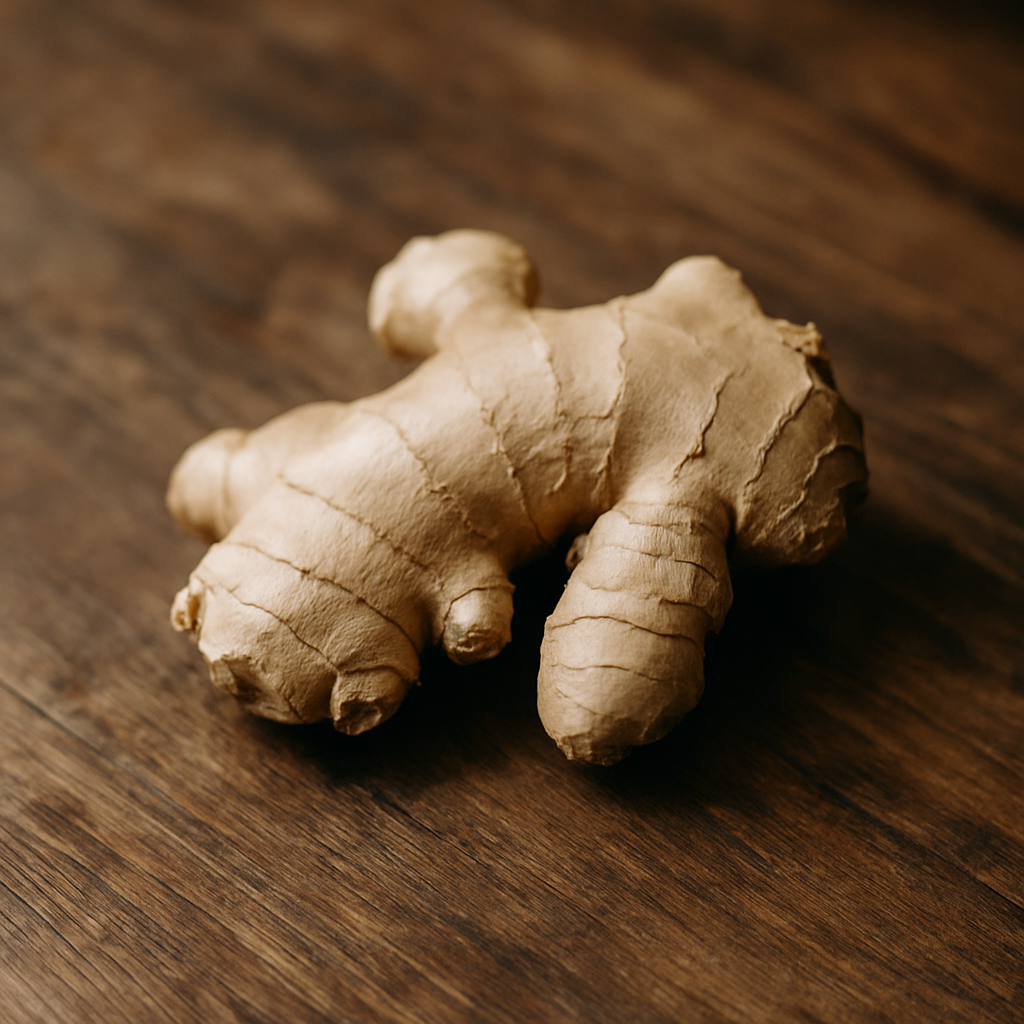
Is Ginger Good for Piles?
Ginger has been celebrated for thousands of years as both a spice and a medicine. From Ayurveda to modern herbal medicine, it is praised for improving digestion, reducing inflammation, and even calming nausea. But when it comes to piles, things get a little more complicated. Some people swear by ginger’s soothing effects, while others feel it worsens burning sensations. So, what’s the truth?
Ginger in Piles: Ayurvedic Perspective
According to Ayurveda, piles (or Arsha) often arise due to imbalances in digestion, poor elimination, and aggravation of the body’s doshas. Ginger is considered a warming spice that stimulates Agni (digestive fire). That’s why Ayurvedic doctors sometimes recommend it in small, balanced amounts for better bowel movement.
However, Ayurveda also warns that too much heat can irritate swollen veins in the rectal area. This means ginger can be both friend and foe. If used correctly, it may relieve constipation and bloating, which are triggers for piles. But overdoing it could make the burning sensation worse. So yes — ginger for piles is helpful, but with caution.
Ginger Is Good for Piles or Not: Common Beliefs vs. Facts
Many home remedies pass around in whispers: “ginger is good for piles” or “don’t touch ginger if you have hemorrhoids.” The truth lies somewhere in between. Scientifically, ginger has anti-inflammatory compounds like gingerol that can help reduce swelling. But it can also increase warmth in the body, which may not feel pleasant if piles are already inflamed.
So instead of asking simply is ginger good for piles or not, it’s better to ask: how much ginger, in what form, and when?
Benefits of Ginger for Piles Relief
Now let’s dig into why so many people find ginger helpful in their piles journey.
Ginger for Piles: Digestive and Anti-Inflammatory Effects
Constipation is one of the biggest culprits behind piles. Ginger helps stimulate digestion, soften stools indirectly, and ease bowel movements. By reducing strain during toilet visits, it can prevent piles from worsening. The anti-inflammatory effect of ginger also means less swelling and irritation in rectal veins.
Some people even say their bloating and heaviness vanished after a week of adding small amounts of ginger tea to their diet. Of course, everyone’s body reacts differently.
Is Ginger Tea Good for Piles?
Ah, ginger tea — soothing for the throat, refreshing for the stomach. But is ginger tea good for piles? The answer is mostly yes, but with moderation. Drinking warm ginger tea can help digestion and reduce gas, both of which ease piles symptoms.
Still, avoid making it too strong. Over-spiced tea may increase heat in the digestive tract, leading to irritation. Adding honey or a squeeze of lemon balances the flavor and reduces the fiery effect.
Possible Risks and Side Effects of Ginger in Piles
Like most natural remedies, ginger isn’t all sunshine. While many people find it useful, some also experience side effects. One common concern is can ginger cause piles? The truth is, ginger itself doesn’t cause piles — piles happen due to constipation, pressure, poor circulation, or lifestyle issues.
But, if you already have piles, eating too much ginger may worsen symptoms. For example, its heating nature can increase burning sensation in the rectal area. Some people even report itching or irritation after having large quantities. That doesn’t mean ginger is “bad,” just that it must be balanced.
Another thing worth noting: ginger can thin the blood slightly. So if you’re on blood-thinning medicines, or if your piles are bleeding, large doses of ginger tea or raw ginger might not be the smartest choice. Always better to check with your doctor before adding a lot of ginger into your diet.
And let’s be honest — sometimes people overdo home remedies thinking “more is better.” In reality, too much ginger may lead to stomach upset, diarrhea, or increased acidity. That’s the last thing you want when dealing with piles.
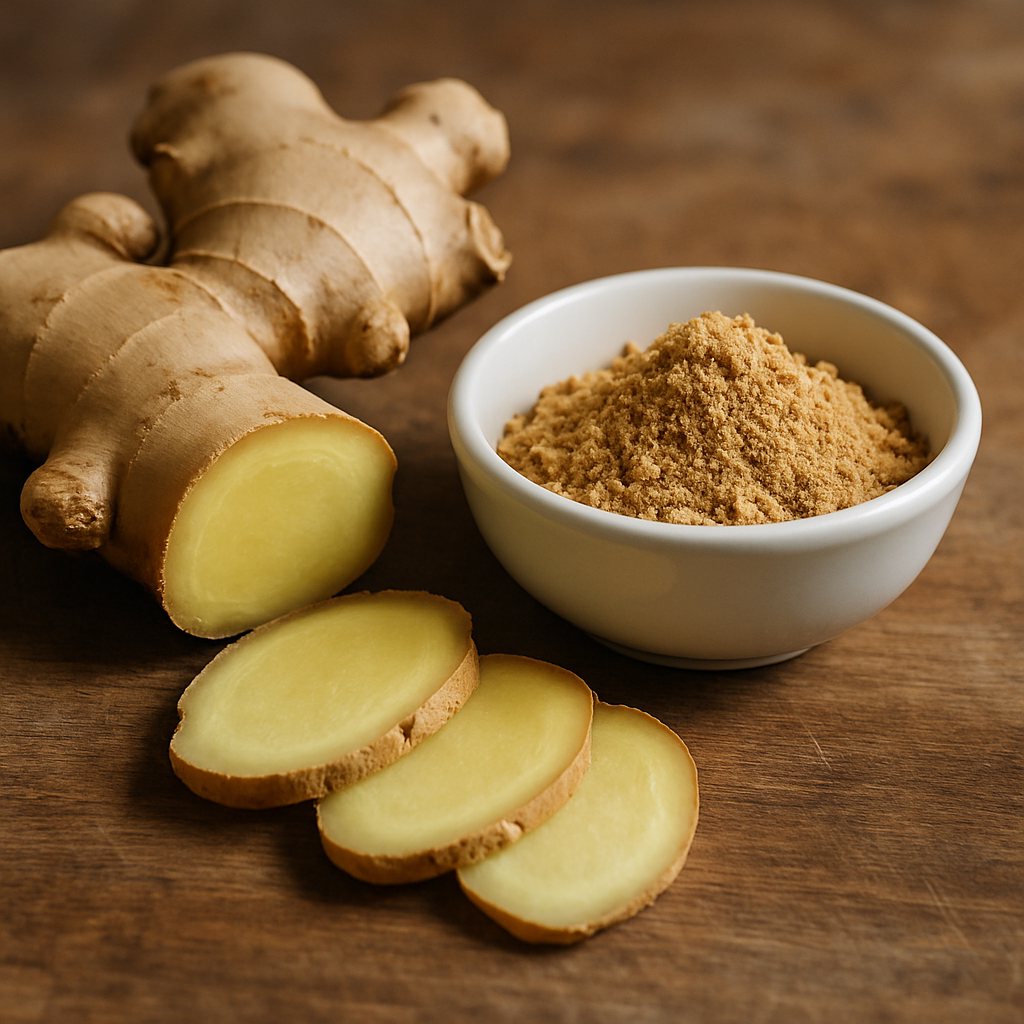
How to Use Ginger Safely for Piles
So, can we eat ginger in piles? Yes, but wisely. The key is moderation and smart combinations. Let’s explore a few safe and practical ways.
Ginger and Piles: Herbal Blends That May Help
Instead of eating raw ginger, which can be too harsh, try gentle blends. For example:
-
Ginger with honey: A classic combination that soothes the stomach. A teaspoon of ginger juice with a few drops of honey can reduce bloating without causing irritation.
-
Ginger with lemon water: Drinking warm lemon water with a pinch of ginger in the morning may improve digestion and help regulate bowel movements.
-
Herbal teas: Mix ginger with cooling herbs like mint or chamomile. This balances its heating property and makes it more suitable for piles sufferers.
In Ayurveda, it’s often suggested to combine ginger with other spices like fennel or coriander, which help reduce excessive heat. That way, you still get the digestive benefits without the fiery downside.
Ginger Effect on Piles When Mixed with Other Remedies
Here’s something interesting: ginger effect on piles may actually improve when used in combination with other natural remedies. For instance, pairing ginger tea with a fiber-rich diet (oats, fruits, leafy veggies) supports smoother bowel movements.
Some traditional remedies even recommend mixing small amounts of dry ginger powder with buttermilk. The cooling nature of buttermilk offsets the heat of ginger. While not scientifically “proven,” many people in India swear by this combo for piles relief.
The bottom line: ginger and piles don’t have to be enemies. It’s all about how you prepare and consume it.
Conclusion
So, is ginger good for piles or not? The answer isn’t black and white. Ginger can help with digestion, reduce inflammation, and prevent constipation — all of which are crucial in managing piles. But on the flip side, too much ginger or consuming it in the wrong way may worsen burning, irritation, or even bleeding.
The smartest approach is moderation. Use ginger in light forms like herbal teas, mixes with honey, or diluted in meals, instead of raw, concentrated doses. And always listen to your body: if something doesn’t feel right, cut back.
Remember: piles are not just about food. Lifestyle changes — like regular exercise, drinking water, and eating high-fiber meals — play a much bigger role. Ginger can be a helpful companion, but it’s not a miracle cure.
FAQs
1. Can ginger cause piles if consumed in excess?
Not exactly. Ginger doesn’t directly cause piles, but too much may increase burning and discomfort in people who already have piles.
2. Does ginger tea help in piles relief?
Yes, mild ginger tea can aid digestion and reduce constipation. Just avoid making it too strong, or drinking it too often.
3. How much ginger should I eat if I have piles?
Small amounts — about half to one teaspoon daily, mixed with food or tea — is usually safe. Avoid eating large chunks of raw ginger if you’re sensitive.
उपयोगकर्ताओं के प्रश्न
Can ginger tea help prevent the recurrence of piles?
Client_6e43a0
1 घंटा पहले
Ginger tea can potentially help in preventing the recurrence of piles by relieving constipation and bloating, two common triggers. It has anti-inflammatory properties that may reduce inflammation associated with piles. However, consuming it in excess could irritate the digestive tract and exacerbate symptoms. Drinking ginger tea in moderation, while ensuring a high-fiber diet and sufficient hydration, is beneficial. If symptoms persist or worsen, consult with a healthcare professional to rule out other underlying issues. Avoid large amounts if you have a sensitive digestive system.
How long does it take for ginger tea to relieve piles symptoms?
Client_e1a6a7
5 दिनों पहले
Ginger tea may help relieve piles symptoms such as discomfort and digestive issues, but it typically takes several days to notice a positive effect. Ginger aids digestion and reduces gas, which can ease the stress on inflamed tissues associated with piles. However, it's important to keep ginger tea mild, as excessive ginger may irritate the digestive tract. If symptoms persist beyond a week or become severe, it's advisable to consult a healthcare professional for a comprehensive treatment plan, which may involve dietary changes or medications.
What are the potential side effects of consuming ginger with piles?
Client_1c8850
10 दिनों पहले
Consuming ginger when you have piles, or hemorrhoids, can have both positive and negative effects. Ginger may aid digestion and relieve constipation, which can benefit those with piles by making stool easier to pass without straining. However, ginger's warming properties may exacerbate swelling and irritation of the hemorrhoids if consumed in excess. Consuming small amounts, such as half to one teaspoon daily in food or tea, is generally considered safe. If you notice increased discomfort or irritation after consuming ginger, it's advisable to reduce intake and consult a healthcare provider for personalized advice. See a doctor if symptoms persist or worsen.
How does ginger help with digestion and inflammation for piles?
Client_213707
15 दिनों पहले
Ginger helps with digestion and inflammation for piles primarily due to its active compound, gingerol, which has anti-inflammatory properties. This can help reduce the swelling associated with piles, also known as hemorrhoids. Additionally, ginger aids digestion by stimulating digestive enzymes and thereby can help prevent constipation, a common trigger for piles. For effective use, consume ginger in moderation—like as ginger tea or a small amount in meals. Avoid large doses especially if you're sensitive. If symptoms persist or worsen, consult your doctor.
How does ginger aid in reducing inflammation associated with piles?
Client_7ef270
20 दिनों पहले
Ginger aids in reducing inflammation associated with piles, or hemorrhoids, by providing anti-inflammatory properties that can reduce swelling and irritation in the rectal veins. Consuming ginger tea in moderation can help stimulate digestion, soften stools, and promote easier bowel movements, which may relieve pressure on the hemorrhoids and reduce discomfort. However, excessive intake may aggravate symptoms due to its warming nature. Watch for increased irritation and consult a healthcare professional for persistent symptoms or if you're unsure about your symptoms.
Does ginger juice improve gut health and reduce bloating?
Client_41072e
30 दिनों पहले
Yes, ginger juice can improve gut health and reduce bloating. The active compounds in ginger, such as gingerol, can help promote efficient digestion and alleviate gastrointestinal discomfort, including bloating. A practical dose could be a teaspoon of ginger juice mixed with a few drops of honey. When drinking ginger with lemon water in the morning, it may aid digestion and regularize bowel movements. However, excessive consumption might lead to gastrointestinal irritation, so start with small amounts. If bloating persists despite using ginger, consult a healthcare provider to rule out underlying conditions.
How much ginger should I consume daily for piles relief?
Client_1269ea
39 दिनों पहले
For piles relief, a typical daily intake of ginger is about 1 to 2 grams, or approximately half to one teaspoon of fresh grated ginger or powdered ginger. Ginger, due to its anti-inflammatory properties, may help in reducing swelling and discomfort associated with piles. However, consuming it in moderation is key, as excessive intake may cause gastrointestinal irritation. Be cautious if you have a sensitive stomach or if ginger does not settle well with you. Consult a doctor if symptoms persist, worsen, or if you experience significant pain or bleeding, as these could indicate complications requiring professional treatment. While Ayurveda suggests combining ginger with cooling spices like fennel or coriander to balance its heating effect, evidence for such combinations is mostly anecdotal.
What dietary changes can enhance the effectiveness of ginger for piles relief?
Client_cd3178
49 दिनों पहले
To enhance the effectiveness of ginger for piles relief, consider incorporating more fiber-rich foods, such as vegetables, fruits, and whole grains. Increasing fiber intake helps soften stools, reducing strain during bowel movements, which can alleviate piles symptoms. Drinking plenty of water is also essential for stool consistency. Avoid spicy foods and alcohol, as they can exacerbate symptoms. While ginger can reduce inflammation, it should be consumed moderately and balanced with foods like honey or lemon. If symptoms persist, consulting a healthcare professional is advisable.
How does ginger impact blood circulation, and is it beneficial for piles?
Client_81fb93
59 दिनों पहले
Ginger can positively impact blood circulation by promoting vasodilation, which helps improve blood flow throughout the body. For people with piles, consuming ginger in moderation might offer some digestive benefits, potentially easing constipation, a key factor in piles discomfort. However, excessive ginger intake might worsen symptoms like burning or irritation in the rectal area due to its heating properties. Generally, consuming small amounts, such as half to one teaspoon daily mixed in food or as a mild tea, is advisable. If symptoms worsen, consult a healthcare professional for an appropriate treatment plan.
What should I avoid mixing with ginger to prevent irritation if I have piles?
Client_6b5089
68 दिनों पहले
When dealing with piles, it’s good to be cautious with ginger and avoid mixing it with very hot spices like chili or excess black pepper, as these can increase irritation. Instead, consider combining ginger with calming spices like fennel or coriander to balance its heating effect. Always listen to your body and adjust!
संबंधित आलेख

Gastrointestinal Disorders
Is Ajwain Good for Constipation? Ayurvedic Perspective and Remedies
Find out if ajwain is good for constipation, how to eat ajwain, and benefits of ajwain water. Learn Ayurvedic ways to relieve constipation at home
9,821

Gastrointestinal Disorders
पतंजलि दिव्य उदरकल्प चूर्ण
पतंजलि दिव्य उदरकल्प चूर्ण की खोज
3,762

Gastrointestinal Disorders
एच पाइलोरी और आयुर्वेद – प्राकृतिक आंत स्वास्थ्य समाधान
आयुर्वेद कैसे H. pylori संक्रमण को प्राकृतिक तरीके से ठीक करता है, इसके बारे में जानें। समग्र उपचार, हर्बल उपाय, खुराक, सावधानियाँ और वैज्ञानिक दृष्टिकोण के बारे में जानकारी प्राप्त करें।
8,178

Gastrointestinal Disorders
Audumbaravleha – Ayurvedic Remedy for Digestive and Respiratory Health
Savor the benefits of Audumbaravleha, an Ayurvedic herbal jam that boosts immunity, aids digestion, and promotes overall wellness. Discover the sweet path to natural h
3,543

Gastrointestinal Disorders
Chitrakasavam Uses: A Comprehensive Ayurvedic Guide
Discover the top Chitrakasavam uses for digestive health and metabolism, backed by Ayurvedic tradition and scientific insights. Learn safety tips and FAQs.
3,027

Gastrointestinal Disorders
Shaddharanam Gulika – Benefits, Uses & Dosage in Ayurveda
Learn about Shaddharanam Gulika, an Ayurvedic remedy known for its detoxifying, digestive, and therapeutic properties, and how it supports overall health.
3,990
Gastrointestinal Disorders
Drakshadi Vati: Antioxidant Power for Liver & Wellness
Dive into Drakshadi Vati’s powerful antioxidant benefits. Learn how it supports liver health, boosts energy, and promotes overall wellness naturally.
3,043

Gastrointestinal Disorders
विस्कोवास कैप्सूल: उपयोग, खुराक, सामग्री, साइड इफेक्ट्स
विस्कोवास कैप्सूल की खोज: उपयोग, खुराक, सामग्री, साइड इफेक्ट्स
3,467
Gastrointestinal Disorders
Ayurvedic Medicine for Gastritis: What Actually Works (And What Doesn’t)
One day, I’m sipping my second coffee on an empty stomach (bad idea, by the way), and the next, I’m curled up in bed, feeling like my insides are staging a protest. Burning, bloating, that weird nausea that doesn’t quite become vomiting—it was all there.
6,149

Gastrointestinal Disorders
How to Get Rid of a Stomach Ache in 5 Minutes: Quick Ayurvedic Relief
Get rid of a stomach ache in 5 minutes: discover Ayurvedic remedies, yoga poses, essential oils, and quick tips for gas pain, IBS, and stomach cramps relief
4,012
विषय से संबंधित परामर्श
अतिरिक्त दस्तावेज़
© 2024 Ask Ayurveda. सर्वाधिकार सुरक्षित।