
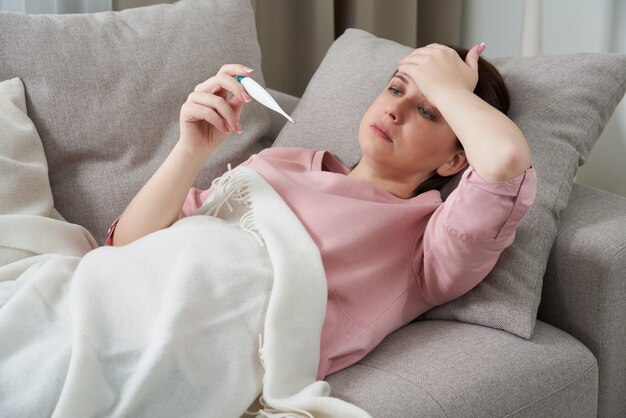
आयुर्वेदिक डॉक्टर से प्रश्न पूछें और निःशुल्क या भुगतान मोड में अपनी चिंता की समस्या पर ऑनलाइन परामर्श प्राप्त करें। 2,000 से अधिक अनुभवी डॉक्टर हमारी साइट पर काम करते हैं और आपके प्रश्नों का इंतजार करते हैं और उपयोगकर्ताओं को उनकी स्वास्थ्य समस्याओं को हल करने में प्रतिदिन मदद करते हैं।


Body DetoxEar, Nose, and Throat DisordersGeriatrics & RejuvenationImmunodeficiencyInfertility TreatmentNutritionOrthopedic DisordersPediatricsRespiratory DisordersSexually Transmitted Diseases (STDs)Surgery RecoveryUrological DisordersVascular DisordersDental DisordersEndocrinological DisordersGastrointestinal DisordersYoga TherapyGeneral MedicineAllergic DisordersCardio DisordersGynecology and ObstetricsCosmetologySkin and Hair DisordersEye DisordersInfectious DiseasesMental DisordersNeurological DisordersOncologyPanchakarmaSexual Health & DisordersSports Medicine
पर प्रकाशित 03/17/25
(को अपडेट 08/06/26)
5,003
Jwara Samprapti: A Comprehensive Guide to the Ayurvedic Understanding of Fever

Jwara Samprapti refers to the step-by-step pathogenesis of fever (Jwara) as described in classical Ayurvedic texts, primarily Charaka Samhita, Sushruta Samhita, and Ashtanga Hridaya. It explains how vitiated Doshas disturb Agni, produce Ama, and displace Ushma (body heat) from its normal seat in the Amashaya to the entire body — resulting in Santapa (raised body temperature and mental distress). Understanding Samprapti is not just academic; it's the very foundation upon which Ayurvedic treatment is designed, because the principle of Samprapti Vighatana — breaking the chain of pathogenesis — is what guides every therapeutic decision.
This guide covers every aspect of Jwara Samprapti in a way no single resource has done before: from the mythological origin and Nidana, through Shat Kriyakala mapping, to modern pathophysiological correlation. Whether you're a BAMS student preparing for exams, a PG scholar, or a practitioner refining your clinical understanding, this is meant to be the most complete reference you will find.
Introduction to Jwara
Definition and Synonyms of Jwara
Jwara is derived from the root "Jvar" meaning to be feverish or to suffer. Charaka defines Jwara as a disease that causes Santapa (burning sensation) of the body and mind, and is considered the king of all diseases (Roga Rajya — Charaka Samhita, Chikitsa Sthana 3).
Classical synonyms include: Vikara, Roga, Vyadhi, Atanka, Yakshma, Jvara, Parvata (metaphorically, as it is heavy and difficult to overcome).
The famous shloka from Charaka Samhita states:
> "Jwaro nāma sa vikāro yaḥ santāpam karoti dehasya manasaśca"
> (That which produces Santapa of both body and mind is called Jwara.)
This dual nature — affecting both Sharira and Manas — makes Jwara fundamentally different from the modern biomedical concept of "fever," which focuses primarily on temperature elevation.
Prakriti (Nature) of Jwara
Jwara is classified based on several axes:
- Sharira Jwara (physical) and Manasa Jwara (mental — Kama, Krodha, Bhaya, Shoka etc.)
- Saumya (cold, Kapha dominant) and Agneya (hot, Pitta dominant)
- Antarvega (internal manifestation) and Bahirvega (external manifestation)
- Prakruta (physiological — occurs during birth and death) and Vaikruta (pathological)
- Nija (endogenous) and Agantu (exogenous)
Charaka describes Jwara as the first disease to appear during creation and the last to trouble a being at the time of death — making it both the beginning and end of all suffering.
Mythological Origin of Jwara (Daksha Yajna)
- The origin story of Jwara is rooted in the Daksha Yajna episode from Puranic literature and is referenced in Charaka Samhita and other texts. When Daksha organized a grand Yajna but deliberately excluded Lord Shiva, Sati (Shiva's consort) immolated herself in humiliation. Consumed by grief and rage, Shiva manifested Virabhadra from his matted locks, who destroyed the Yajna.
- The intense fury of this destruction gave birth to Jwara — a being of fire, anger, and suffering.
- According to the texts, Shiva then divided this Jwara into multiple parts and distributed it across all living beings.
- This is why Jwara is considered universal — it affects humans, animals, birds, and even plants (in the form of wilting or drying).
This mythological framing isn't merely symbolic. It establishes Jwara's connection to Agni (fire), Manasika factors (Krodha/anger, Shoka/grief), and its ubiquitous nature — all of which have direct clinical implications.
Jwara Nidana — Etiological Factors
Aharaja Nidana (Dietary Causes)
Dietary transgressions form a major category of causative factors:
- Intake of Guru (heavy), Abhishyandi (channel-blocking), Vidahi (burning) foods
- Excessive consumption of Amla (sour), Lavana (salty), and Katu (pungent) Rasa
- Viruddha Ahara (incompatible food combinations) — e.g., fish with milk
- Consuming food before the previous meal is digested (Adhyashana)
- Excessive intake of Masha (black gram), Tila (sesame), Kulatha (horse gram) for Vataja and Kaphaja varieties
Viharaja Nidana (Lifestyle Causes)
- Divaswapna (daytime sleep) — particularly after heavy meals
- Excessive physical exertion or, conversely, complete sedentarism
- Exposure to extreme heat followed by sudden cold (or vice versa)
- Suppression of natural urges (Vegadharana) — especially of vomiting, urine, and stool
- Injury, trauma, and fatigue from excessive travel
Manasika Nidana (Psychological Causes)
This is an area often underappreciated. Charaka clearly states that Kama (desire), Krodha (anger), Lobha (greed), Moha (delusion), Irshya (jealousy), Bhaya (fear), and Shoka (grief) can independently trigger Jwara by vitiating the Doshas through their effect on Manas and Agni.
Nidana Specific to Dosha Types
| Jwara Type | Key Nidana |
|---|---|
| Vataja | Ruksha, Sheeta Ahara; excessive fasting; Vegadharana; excessive exertion |
| Pittaja | Katu, Vidahi, Ushna Ahara; Krodha (anger); sun exposure |
| Kaphaja | Guru, Snigdha, Madhura Ahara; Divaswapna; sedentary habits |
| Dwandaja | Combined Nidana of respective two Doshas |
| Sannipataja | All three Dosha Nidana operating simultaneously |
| Agantuja | Abhighata (trauma), Abhichara (black magic), Abhishapa (curse), Abhishanga (infection/contact) |
Samprapti of Jwara — The Core Pathogenesis
This is the heart of the article. Samprapti describes the exact mechanism by which Nidana Sevana (exposure to causative factors) leads to the manifestation of Jwara.
The Classical Samprapti Chain
The general Samprapti of Jwara, as described by Charaka (Chi. 3) and Madhava Nidana, follows this sequence:
- Nidana Sevana → Vitiation of one, two, or all three Doshas
- Vitiated Doshas reach Amashaya (stomach/seat of Agni)
- They cause Mandagni (diminished digestive fire)
- Mandagni leads to Ama Utpatti (formation of undigested toxic metabolites)
- Ama combines with vitiated Doshas (Sama Dosha)
- Sama Doshas obstruct Rasa Dhatu Vaha Srotas
- This obstruction displaces Pachakagni / Ushma from Amashaya
- Displaced Ushma spreads throughout the body via Rasa Dhatu
- Santapa manifests — rise of body temperature and mental disturbance
> Key Shloka (Madhava Nidana 2/3):
> *"Āmāśayasthitān doṣān prakupitān sa mārutaḥ |
> Rasaṃ ca dhātum āviśya jvarayatyakhilam tanum ||"*
This means: The vitiated Doshas situated in Amashaya, propelled by Vayu, enter the Rasa Dhatu and produce fever in the entire body.
Jwara Samprapti Shloka — Key References
For students searching for Jwara Samprapti shloka and Jwara definition shloka, here are the essential references with their sources:
- Charaka Samhita, Chikitsa Sthana 3/30-33 — Primary Samprapti description
- Madhava Nidana 2/1-5 — Concise Samprapti with Ama concept
- Sushruta Samhita, Uttara Tantra 39 — Surgical tradition's perspective on Jwara
- Ashtanga Hridaya, Nidana Sthana 2 — Vagbhata's systematization
Each of these texts presents slightly different emphases but the core mechanism remains consistent.
Samprapti Ghataka — Components of Pathogenesis (Table)
No competitor has presented this in a clear tabular format.
Here is the complete Samprapti Ghataka for each Jwara type:
| Samprapti Ghataka | Vataja Jwara | Pittaja Jwara | Kaphaja Jwara | Sannipataja Jwara |
|---|---|---|---|---|
| Dosha | Vata (Prana, Udana, Samana) | Pitta (Pachaka, Ranjaka) | Kapha (Kledaka, Avalambaka) | Tridosha |
| Dushya | Rasa, Rakta | Rasa, Rakta, Sweda | Rasa, Meda, Mamsa | Rasa + all Dhatus progressively |
| Srotas | Rasavaha, Swedavaha | Rasavaha, Raktavaha, Swedavaha | Rasavaha, Medovaha | Rasavaha + multiple Srotas |
| Srotodushtiprakara | Sanga (obstruction) | Sanga + Vimargagamana | Sanga (predominant) | Sanga + Vimargagamana |
| Agni | Vishama | Tikshna → Manda | Manda | Completely deranged |
| Ama | Present (Vishama) | Present (intense) | Present (heavy, sticky) | Severe Ama |
| Udbhavasthana | Amashaya + Pakvashaya | Amashaya | Amashaya + Uras | Amashaya |
| Vyaktasthana | Sarva Shareera | Sarva Shareera | Sarva Shareera | Sarva Shareera |
| Rogamarga | Abhyantara | Abhyantara | Abhyantara | Abhyantara |
Shat Kriyakala Applied to Jwara Samprapti
This is a critical framework that none of the existing top-ranking articles have mapped onto Jwara. The Shat Kriyakala (six stages of disease development from Sushruta Samhita) provides a clinical timeline for intervention.
Stage-by-Stage Mapping
| Kriyakala Stage | What Happens in Jwara | Clinical Markers | Ideal Intervention |
|---|---|---|---|
| 1. Sanchaya (Accumulation) | Dosha accumulates in its own site due to Nidana Sevana | Mild discomfort, loss of appetite, subtle fatigue; patient may not notice | Nidana Parivarjana (avoidance of cause) |
| 2. Prakopa (Aggravation) | Accumulated Dosha becomes aggravated | Increased restlessness (Vata), mild warmth (Pitta), heaviness (Kapha); anorexia becomes noticeable | Langhana, light diet |
| 3. Prasara (Spread) | Doshas overflow from their own site and begin spreading via Srotas | This is when Doshas move toward Amashaya; patient feels generalized malaise — corresponds to Purvarupa stage | Shamana therapy, Deepana |
| 4. Sthanasamshraya (Localization) | Doshas localize in Rasa Dhatu Vaha Srotas and Amashaya, interact with Ama | Clear Purvarupa manifest: yawning, body ache, lethargy, heaviness in head, watering of eyes | Pachana, still avoid Shodhana |
| 5. Vyakti (Manifestation) | Full-blown Jwara with Santapa; Ushma displaced from Amashaya spreads throughout body | Pratyatmaka Lakshana: raised body temperature, mental distress, anorexia, thirst, body ache | Stage-specific treatment — Ama Jwara vs Nirama Jwara protocols |
| 6. Bheda (Complications) | Untreated or improperly treated Jwara leads to complications | Vishama Jwara (intermittent fevers), Dhatugata Jwara, chronic fever, Upadrava (complications like Atisara, Kasa) | Shodhana if patient has Bala; specific formulations |
- Understanding where a patient falls on this spectrum radically changes treatment approach.
- This is why Shat Kriyakala is not just theoretical — it's the most practical diagnostic framework Ayurveda offers.
Poorvaroopa and Roopa — Prodromal and Clinical Features
Poorvaroopa (Prodromal Symptoms)
Before Jwara fully manifests, the body gives warning signals.
Charaka lists these Poorvaroopa:
- Angamarda — body ache, soreness in limbs
- Aruchi — distaste for food
- Trishna — excessive thirst
- Jrimbha — excessive yawning
- Ashru — watering of eyes without reason
- Gourava — heaviness in body
- Alasya — lethargy and disinclination toward activity
- Romharsha — horripilation (goosebumps)
- Klama — fatigue without exertion
These correspond remarkably to what modern medicine calls the prodromal phase of infection — that "something is coming" feeling before fever sets in.
Pratyatmaka Lakshana (Cardinal Signs)
The defining sign of Jwara is Santapa — which is not merely "elevated temperature" but a composite of:
- Deha Santapa: Physical heat, measurable rise in body temperature
- Manas Santapa: Mental disturbance — restlessness, irritability, discomfort, inability to think clearly
- Indriya Santapa: Sensory discomfort — eyes burn, sounds feel harsh, touch becomes unpleasant
This three-dimensional definition is actually more comprehensive than the modern definition of fever, which typically focuses only on hypothalamic set-point elevation.
स्वयं दवा न लें और प्रतीक्षा न करें। अभी डॉक्टर से चैट शुरू करें
Bheda — Classification of Jwara
Nija Jwara (Endogenous — 7 Types)
- 1.Vataja Jwara — irregular fever, body ache, insomnia, variable temperature
- 2.Pittaja Jwara — high fever, burning sensation, diarrhea, yellowish discoloration
- 3.Kaphaja Jwara — mild fever, heaviness, cold clammy skin, excessive salivation
- 4.Vata-Pittaja Jwara — combined symptoms of Vata and Pitta
- 5.Vata-Kaphaja Jwara — combined symptoms of Vata and Kapha
- 6.Pitta-Kaphaja Jwara — combined symptoms of Pitta and Kapha
- 7.Sannipataja Jwara — all three Doshas vitiated; most dangerous, often fatal
Agantu Jwara Samprapti (Exogenous Fever)
This is a significant gap in existing literature. Agantu Jwara originates from external causes and has four subtypes:
- Abhighata — trauma, injury (physical cause)
- Abhishanga — contact with infectious agents, poisonous substances, environmental toxins
- Abhichara — effects attributed to black magic or negative spiritual influences
- Abhishapa — fever arising from curses or intense emotional shock from others
Critical point: Agantu Jwara initially does not involve Dosha vitiation. However, if not treated promptly, the external cause eventually vitiates the Doshas, and the Agantu Jwara converts into Nija Jwara. This transition follows the same Samprapti pathway as endogenous fever — Dosha → Ama → Srotas blockage → Ushma displacement → Santapa.
This concept has a striking parallel in modern medicine: a traumatic injury (external cause) can trigger SIRS (Systemic Inflammatory Response Syndrome), which follows the same inflammatory cascade as infection-induced fever.
Vishama Jwara Samprapti (Intermittent Fever)
Vishama Jwara deserves special attention because of its correlation with malaria-type fevers.
The types include:
| Vishama Jwara Type | Fever Pattern | Modern Correlation |
|---|---|---|
| Santataka | Continuous fever (no remission) | Continuous fever pattern (typhoid-like) |
| Satataka | Fever with partial remission | Remittent fever |
| Anyedyushka | Fever recurring every day | Quotidian malaria (P. falciparum) |
| Tritiyaka | Fever recurring every third day | Tertian malaria (P. vivax) |
| Chaturthaka | Fever recurring every fourth day | Quartan malaria (P. malariae) |
The Samprapti of Vishama Jwara involves Doshas lodging in deeper Dhatus (Asthi, Majja) — which is why the fever recurs cyclically. The Doshas take a specific time to accumulate, aggravate, and manifest again, creating the characteristic periodicity. This concept beautifully mirrors the erythrocytic cycle of Plasmodium species.
Ama–Pachyamana–Nirama Avastha: Clinical Staging
Ama Jwara (Stage of Undigested Toxins)
Duration: Typically first 7 days Features: Coated tongue, loss of appetite, constipation, heaviness, body ache, mild to moderate fever Agni status: Severely depressed (Mandagni) Treatment principle: Only Langhana (fasting). Absolutely no Shodhana (purification) or heavy medicines.
Pachyamana Jwara (Stage of Digestion/Processing)
Duration: Days 7-14 approximately Features: Intermittent appetite, some relief in heaviness, fever fluctuates, thirst increases Agni status: Gradually recovering Treatment principle: Light Pachana drugs (digestive herbs), continuation of light diet
Nirama Jwara (Toxin-Free Stage)
Duration: After day 14 (variable) Features: Clean tongue, good appetite returns, fever reduces, body feels lighter, sweating occurs naturally Agni status: Normalizing or normalized Treatment principle: Now Shodhana (Virechana etc.) can be given if needed. Shamana Aushadhi, Rasayana.
Diagnostic Checklist: Ama → Nirama Transition
This practical checklist is for practitioners to assess which stage a patient is in:
| Parameter | Ama Jwara | Nirama Jwara |
|---|---|---|
| Tongue | Coated (Sama Jihva) | Clean (Nirmal Jihva) |
| Appetite | Absent (Aruchi) | Returning or present |
| Body | Heavy (Gaurava) | Light (Laghava) |
| Thirst | Absent or excessive | Normal |
| Stool | Constipated or sticky | Normal formation |
| Fever pattern | Continuous, heavy | Reducing, intermittent |
| Sweat | Absent | Present naturally |
| Mental state | Clouded, lethargic | Clearing, alert |
Clinical pearl: Giving Shodhana or heavy medicines during Ama Avastha is one of the most common errors — it worsens the condition by further suppressing Agni.
Modern Correlation — Jwara Samprapti and Contemporary Pathophysiology
No existing article on Jwara Samprapti has attempted this correlation systematically, which is surprising given how well the concepts align.
Hypothalamic Set-Point Theory vs. Ushma Displacement
Modern medicine explains fever through exogenous pyrogens (bacteria, viruses) triggering endogenous pyrogens (IL-1, IL-6, TNF-α, prostaglandins — particularly PGE2), which act on the hypothalamic thermoregulatory center to raise the body's temperature set-point.
In Ayurvedic terms, this mirrors the displacement of Ushma (Pachakagni's heat) from Amashaya. The "set-point elevation" in modern terms is remarkably similar to the concept of Agni being displaced from its functional seat and spreading non-specifically.
Ama and the Inflammatory Cascade
Ama — the product of impaired Agni — correlates conceptually with:
- Endotoxins and incompletely metabolized substances
- Circulating immune complexes
- Pro-inflammatory cytokines that propagate the inflammatory response
A 2017 review published in the Journal of Ayurveda and Integrative Medicine noted that the Ama concept shares functional similarities with the modern understanding of metabolic endotoxemia and gut-derived inflammation.
Srotas Blockage and Microcirculatory Dysfunction
The concept of Srotavarodha (channel obstruction) by Sama Dosha finds its modern parallel in microcirculatory dysfunction during sepsis, where inflammatory mediators cause capillary leak, micro-thrombi formation, and tissue hypoperfusion.
Vishama Jwara and Malarial Periodicity
As mentioned earlier, the cyclical nature of Vishama Jwara types directly mirrors the erythrocytic schizogony cycle of Plasmodium species. The periodicity (Anyedyushka = 24 hrs, Tritiyaka = 48 hrs, Chaturthaka = 72 hrs) corresponds precisely to the multiplication cycles of P. falciparum, P. vivax, and P. malariae respectively.
Chikitsa Siddhanta — Treatment Principles Based on Samprapti Vighatana
The Concept of Samprapti Vighatana
Charaka establishes that the reversal of Samprapti is the treatment of disease:
> "Samprapti Vighatanaṃ eva chikitsa"
> (That which breaks the pathogenesis is the treatment.)
This means every link in the Samprapti chain is a potential therapeutic target:
- Nidana → Nidana Parivarjana (avoidance of causative factors)
- Dosha vitiation → Dosha Shamana or Shodhana
- Mandagni → Deepana (kindling digestive fire)
- Ama → Pachana (digesting Ama) + Langhana (fasting)
- Srotavarodha → Srotoshodhana (clearing channels)
- Ushma displacement → Restoring Agni to its normal seat
Guna Vikalpa Samprapti and Treatment Selection
An advanced concept from Vagbhata: the permutation of Dosha Gunas determines which specific treatment approach is needed.
For example:
- If Vataja Jwara has predominance of Sheeta Guna → Ushna Chikitsa
- If it has predominance of Ruksha Guna → Snigdha Chikitsa
This Guna-based analysis allows for personalized treatment even within the same Jwara type — two patients with Vataja Jwara may need different approaches based on which Gunas are most aggravated.
Stage-Wise Treatment Summary
| Stage | Treatment | Contraindicated |
|---|---|---|
| Ama Jwara (Day 1-7) | Langhana, Deepana, Pachana, thin gruel (Peya) | Shodhana, heavy foods, Basti |
| Pachyamana Jwara (Day 7-14) | Light Pachana herbs, Yavagu, gradual diet progression | Virechana, heavy Shamana drugs |
| Nirama Jwara (After Day 14) | Shodhana (if indicated), Shamana Aushadhi, Rasayana, normal diet gradually | No contraindication if patient has adequate Bala |
Sadhya-Asadhya (Prognosis)
- Sadhya (Curable): Nava Jwara (new onset), single Dosha involvement, strong patient, clear Nidana
- Yapya (Manageable): Dwandaja Jwara with moderate patient strength
- Asadhya (Incurable): Sannipataja Jwara with severe Dhatu Kshaya, multiple Upadrava (complications), extremely weak patient, Jwara with loss of consciousness and convulsions
Jwara During Varsha Rutu (Monsoon Season)
The rainy season aggravates all three Doshas — particularly Vata (due to sudden temperature changes) and Pitta (accumulated from Grishma Rutu). The naturally weakened Agni during Varsha Rutu makes individuals especially susceptible to Jwara.
Seasonal fever during monsoon follows the classic Samprapti but with environmental Nidana: contaminated water, humidity-induced Kapha aggravation, and Vata vitiation from erratic weather patterns. Preventive measures include Agni-boosting diet (ginger, pepper, warm foods), avoidance of daytime sleep, and seasonal Panchakarma (Basti is indicated during Varsha Rutu as per Ritucharya).
Frequently Asked Questions (FAQ)
What is the difference between Jwara Samprapti in Charaka Samhita and other texts?
Charaka Samhita (Chikitsa Sthana 3) provides the most detailed Samprapti with emphasis on Ama and Agni. Madhava Nidana gives a more concise version ideal for diagnostic purposes. Sushruta Samhita (Uttara Tantra 39) adds the surgical perspective and discusses Agantu Jwara more thoroughly. Ashtanga Hridaya systematizes the content of both. The core mechanism remains the same across all texts.
Where can I find Jwara Samprapti PPT or presentation material?
Many BAMS and MD Ayurveda scholars create Jwara PPT presentations for academic use. Platforms like SlideShare host several Jwara Chikitsa PPT and Jwara Nidana PPT resources. However, for authentic and comprehensive content, always cross-reference with original Samhita texts — particularly Charaka Samhita Chikitsa Sthana Chapter 3 and Madhava Nidana Chapter 2.
How does Jwara Samprapti differ from modern pathophysiology of fever?
- Modern pathophysiology focuses on pyrogens, cytokines, and hypothalamic set-point elevation as the mechanism. Ayurvedic Samprapti focuses on Dosha vitiation, Ama formation, Srotas blockage, and displacement of Agni/Ushma.
- While the terminology differs, the functional sequence — trigger → metabolic disruption → systemic inflammatory response → temperature elevation — is remarkably parallel in both systems.
Why is Langhana the first treatment in Ama Jwara?
Because the root of Ama Jwara is Mandagni (weakened Agni). Giving food or heavy medicines would further burden an already impaired digestive system, increasing Ama. Langhana (fasting or very light diet) gives Agni the space to recover and begin processing the existing Ama. This is comparable to the modern clinical practice of "bowel rest" during acute infections.
What is Guna Vikalpa Samprapti in Jwara?
Guna Vikalpa Samprapti analyzes which specific Gunas (qualities like Sheeta, Ushna, Ruksha, Snigdha, Guru, Laghu) of the vitiated Doshas are most dominant in a particular case. This allows the physician to tailor treatment using the principle of "opposite Guna" therapy rather than applying a one-size-fits-all protocol for each Dosha type.
Conclusion
- Jwara Samprapti is far more than a theoretical construct — it is a living clinical framework that has guided Ayurvedic physicians for thousands of years.
- By understanding the precise chain of pathogenesis — from Nidana Sevana through Dosha vitiation, Ama formation, Srotas blockage, to the displacement of Ushma causing Santapa — a practitioner can intervene at any stage with targeted precision.
What makes this framework genuinely brilliant is the principle of Samprapti Vighatana: you don't just treat symptoms, you systematically dismantle the disease process at its weakest link. Combined with the staging system of Ama-Pachyamana-Nirama and the diagnostic clarity of Shat Kriyakala, Jwara Samprapti offers a sophisticated, individualized approach to managing fever that complements — and in some ways surpasses — modern frameworks.
If you found this article helpful for your studies or clinical practice, share it with fellow Ayurveda students and practitioners. For personalized guidance on specific Jwara cases, consult a qualified Ayurvedic physician who can assess your individual Prakriti, Dosha state, and disease stage before recommending treatment.
Scientific Sources
- Clinical studies in Ayurveda: A bibliometric analysis of articles indexed in AYUSH research portal — Thrigulla SR et al., 2022, Ayu
- Exploring larger evidence base for contemporary Ayurveda — Rastogi S, 2010, International journal of Ayurveda research
- Culture and complementary therapies — Engebretson J, 2002, Complementary therapies in nursing & midwifery
- Legal status of ayurveda in the healthcare system — Pashkov VМ et al., 2025, Polski merkuriusz lekarski : organ Polskiego Towarzystwa Lekarskiego
- Neuronutritional enhancement of antioxidant defense system through Nrf2/HO1/NQO1 axis in fibromyalgia — Inferrera F et al., 2025, Neurochemistry international
- Was Hawan Designed to Fight Anxiety-Scientific Evidences? — Romana RK et al., 2020, Journal of religion and health
- Ayurveda: a multilectic interpretation — Nordstrom CR, 1989, Social science & medicine (1982)
- Ayurveda Management of Allergic Rhinitis: Protocol for a Randomized Controlled Trial — Mata S et al., 2024, JMIR research protocols
- AYUSH for COVID-19: Science or Superstition? — Priya R et al., 2020, Indian journal of public health
- Berberine in Cardiovascular and Metabolic Diseases: From Mechanisms to Therapeutics — Feng X et al., 2019, Theranostics
- Jasada bhasma, a Zinc-Based Ayurvedic Preparation: Contemporary Evidence of Antidiabetic Activity Inspires Development of a Nanomedicine — Umrani RD et al., 2015, Evidence-based complementary and alternative medicine : eCAM
- Ayurvedic interventions for osteoarthritis: a systematic review and meta-analysis — Kessler CS et al., 2015, Rheumatology international
- Research, biomedicine and Ayurveda: From evidence-based medicine to evidence-informed healthcare — Chaturvedi S et al., 2021, Indian journal of medical ethics
- Chyawanprash: A review of therapeutic benefits as in authoritative texts and documented clinical literature — Narayana DB et al., 2017, Journal of ethnopharmacology
- Neuroprotective Potential of Bacopa monnieri: Modulation of Inflammatory Signals — Costantini E et al., 2023, CNS & neurological disorders drug targets
- The neuroendocrine system: organization and homeostatic role — Toni R, 2004, Journal of endocrinological investigation
- Herbal remedies for urinary stones used in India and China: A review — Kasote DM et al., 2017, Journal of ethnopharmacology
- Ayurveda for chemo-radiotherapy induced side effects in cancer patients — Metri K et al., 2013, Journal of stem cells
- Traditional medicine-inspired approaches to drug discovery: can Ayurveda show the way forward? — Patwardhan B et al., 2009, Drug discovery today
- Withaferin A: From Ancient Remedy to Potential Drug Candidate — Sultana T et al., 2021, Molecules (Basel, Switzerland)
उपयोगकर्ताओं के प्रश्न
What are the signs of Ama in Ayurveda during fever?
Client_ba5ceb
3 दिनों पहले
Signs of Ama during a fever in Ayurveda may include a thick, white coating on the tongue, sluggish digestion, feeling of heaviness, fatigue, and a general sense of malaise. Unlike regular fevers, an Ama fever can make you feel particularly bogged down due to incomplete digestion and toxin accumulation. To alleviate these symptoms, it's crucial to follow a light diet or fast, as this gives the digestive fire, or Agni, a chance to recover. This aligns with the body’s need to reset and fight the underlying inflammation. If these symptoms persist or the fever is high, consult a healthcare professional to rule out more serious conditions.
How long should light Pachana treatments be used during fever recovery?
Client_b0c52f
8 दिनों पहले
Light Pachana treatments should typically be used during fever recovery from days 7 to 14. During this Pachyamana Jwara stage, symptoms include intermittent appetite, fluctuating fever, and increased thirst, indicating the body's digestive fire (Agni) is recovering. Treatment should involve digestive herbs and a light diet. If symptoms persist beyond day 14 or worsen, consult a healthcare professional. After day 14, entering the Nirama Jwara stage, heavier treatments like Shodhana may be introduced if appropriate, but only under professional guidance.
What are the primary causes of Jwara according to Ayurvedic texts?
Client_b894fe
13 दिनों पहले
Ayurvedic texts attribute the primary causes of Jwara, or fever, to the imbalance and aggravation of Doshas—specifically Vata, Pitta, and Kapha—triggered by factors like improper diet, seasonal changes, and infection, which accumulate toxins (Ama) in the body. This imbalance manifests through symptoms such as body ache, lethargy, and heaviness in the head. If the fever persists beyond a few days or is accompanied by severe symptoms, seek medical attention. Treatment often involves addressing the causative factors, dietary modifications, and in some cases, medication.
What preventative measures are recommended for seasonal fevers in Ayurveda?
Client_b87ef5
18 दिनों पहले
To prevent seasonal fevers as per Ayurveda, measures include enhancing digestion through an Agni-boosting diet with ingredients like ginger and pepper, avoiding sleeping during the day, and undergoing seasonal Panchakarma therapies such as Basti during the Varsha Rutu. Additionally, maintaining warmth with appropriate clothing and staying hydrated with warm drinks can help. If fevers are persistent, recurring, or accompanied by severe symptoms, it’s important to consult a healthcare professional to rule out infections or other health concerns.
How does Jwara Samprapti influence recovery time from fever?
Client_0fb098
23 दिनों पहले
Jwara Samprapti in Ayurvedic medicine outlines the progression and treatment of fever by breaking down its pathogenesis, aiming to identify specific imbalances causing the fever. While it offers a unique framework for understanding fever, it doesn't directly dictate recovery time, which varies depending on the cause and severity. Recovery from fever is typically aided by rest, hydration, and, if needed, antipyretics. If a fever exceeds three days, or is accompanied by severe symptoms, consult a healthcare provider for appropriate intervention, as modern medicine can provide rapid diagnostics and targeted treatments.
What are the key clinical markers in Jwara stages?
Client_8b60fa
33 दिनों पहले
The key clinical markers in the stages of Jwara, or fever, include increased body temperature, chills, and sometimes accompanying symptoms like headache or fatigue. As Jwara progresses through different stages, these markers can evolve. In initial stages, subtle signs like fatigue may emerge, progressing to significant fever and discomfort in later stages. Identifying these markers early can guide timely intervention through hydration, rest, and over-the-counter antipyretics. If fever persists more than a few days, consult a doctor as it could indicate a more serious underlying condition. Ayurveda may suggest specific herbs or dietary changes but should complement modern medical advice rather than replace it.
How can lifestyle changes help in preventing fever according to Ayurveda?
Client_020b56
43 दिनों पहले
To prevent fever, Ayurveda emphasizes lifestyle changes such as maintaining a balanced diet, regular exercise, and proper sleep. Eating seasonal and locally-sourced foods can support the immune system, while staying hydrated helps to flush out toxins. Regular, moderate physical activity enhances circulation and aids in maintaining optimal organ function. Sufficient rest is crucial for the body’s natural repair processes. These habits can generally strengthen the body and may help in preventing conditions that lead to fever. If a fever persists or is recurrent, it's essential to consult a healthcare professional for a proper diagnosis and treatment.
How does Agantu Jwara differ from Nija Jwara in treatment?
Client_63edea
52 दिनों पहले
Agantu Jwara, or fever caused by external factors like infections or injuries, differs from Nija Jwara, which arises from internal imbalances, in its treatment approach. Initially, Agantu Jwara treatment focuses on removing or addressing the external cause, such as administering antibiotics for bacterial infections. Once the external influence is controlled, and if the fever progresses to Nija Jwara, treatment involves balancing the affected doshas through dietary changes, herbal remedies, and lifestyle modifications. Timelines for recovery vary depending on the severity and cause of the fever, typically ranging from days to weeks. If symptoms persist or worsen, it is important to consult a healthcare professional for appropriate diagnosis and treatment.
How can fasting during fever improve digestive health according to Ayurveda?
Client_d57dc6
62 दिनों पहले
Fasting during a fever can help improve digestive health by reducing the burden on the digestive system, a principle supported by Ayurveda. Fever can compromise your digestive fire, or "Agni," leading to the accumulation of undigested food or toxins, known as "Ama." During fever, fasting or consuming a light diet can give the digestive system a rest, allowing Agni to recuperate and metabolize existing Ama efficiently. However, it's important to monitor your hydration and nutrition levels. If your fever persists or you feel worsened symptoms, consult a healthcare professional.
What specific dietary guidelines should I follow during the Ama Jwara stage of fever?
Client_56d5c0
72 दिनों पहले
During the Ama Jwara stage, it's all about lightening up the load on your digestive system. Since your agni is weak, stick to easy-to-digest foods. Think thin rice gruel or barley water, basically, keep it liquidy and simple. Avoid heavy, oily, or spicy foods; those can worsen the condition. And yeah, don't forget to hydrate!
संबंधित आलेख

General Medicine
Ayurvedic Treatments for Interstitial Lung Disease
Discover Ayurvedic treatments for interstitial lung disease, their benefits, proper dosage, and scientific evidence. Learn how Ayurveda supports respiratory health.
4,310
General Medicine
Lasunadi Vati for Cholesterol: Ayurvedic Heart Health Solution
Discover Lasunadi Vati for cholesterol management. Learn about its benefits, uses, ingredients, dosage, and how this Ayurvedic formulation supports heart health and lipid balance.
3,923

General Medicine
Balaguluchyadi Kashayam Uses – Traditional Ayurvedic Elixir for Wellness
Discover the benefits and uses of Balaguluchyadi Kashayam, a traditional Ayurvedic decoction known for its healing properties, digestive support, and skin rejuvenation benefits.
4,351

General Medicine
शिलाजीतवाड़ी लौह वटी के फायदे, खुराक, सामग्री, साइड इफेक्ट्स
शिलाजीतवाड़ी लौह वटी के फायदे, खुराक, सामग्री, और साइड इफेक्ट्स की जानकारी
3,084

General Medicine
Nagaradi Choornam: Ayurvedic Uses, Benefits & Dosage Guide
Discover the benefits, uses, dosage, and Ayurvedic insights of Nagaradi Choornam. Learn how this traditional remedy supports digestive health and vitality.
4,534

General Medicine
पुरुष प्रजनन क्षमता के सप्लीमेंट्स: क्या वाकई में काम करता है?
CoQ10, जिंक, सेलेनियम, L-कर्निटाइन और फोलेट के शोधित डोज़, साथ ही अश्वगंधा और कपिकच्छु — कौन से पुरुष प्रजनन सप्लीमेंट्स स्पर्म की क्वालिटी को बदलते हैं।
131

General Medicine
कल्याणकम कषायम: आधुनिक स्वास्थ्य के लिए प्राचीन उपचार
कल्याणकम कषायम का अन्वेषण करें: एक पारंपरिक आयुर्वेदिक काढ़ा जो इम्युनिटी बढ़ाता है, शरीर को डिटॉक्स करता है, और आधुनिक स्वास्थ्य के लिए श्वसन स्वास्थ्य को समर्थन देता है।
6,515

General Medicine
दूषीविषारी गुलिका – उपयोग, सामग्री और खुराक
दूषीविषारी गुलिका की खोज – उपयोग, सामग्री और खुराक
2,849

General Medicine
मेनोपॉज डाइट: वजन घटाने के लिए 5 दिन की योजना
एक पूरा 5-दिन का मेनोपॉज भोजन योजना जिसमें नाश्ता, दोपहर का भोजन, रात का खाना और स्नैक्स शामिल हैं, साथ ही आयुर्वेदिक तर्क और जड़ी-बूटियाँ जो इसे प्रभावी बनाती हैं।
154

General Medicine
Ayurvedic Medicine for Infection – Natural Remedies & Holistic Healing
Discover effective Ayurvedic medicines for infection, utilizing natural herbs and holistic practices to combat infections, boost immunity, and promote overall health.
3,515
विषय से संबंधित परामर्श
अतिरिक्त दस्तावेज़
© 2024 Ask Ayurveda. सर्वाधिकार सुरक्षित।