
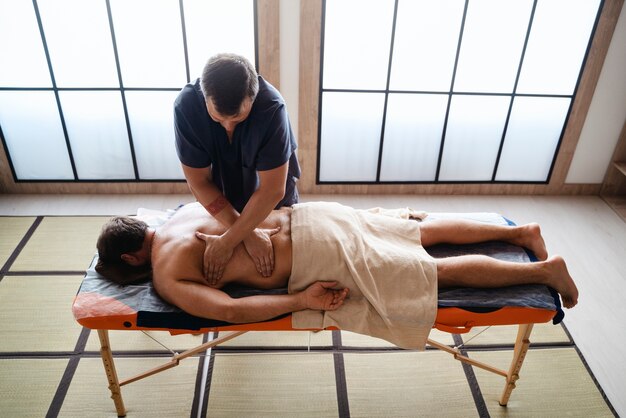
आयुर्वेदिक डॉक्टर से प्रश्न पूछें और निःशुल्क या भुगतान मोड में अपनी चिंता की समस्या पर ऑनलाइन परामर्श प्राप्त करें। 2,000 से अधिक अनुभवी डॉक्टर हमारी साइट पर काम करते हैं और आपके प्रश्नों का इंतजार करते हैं और उपयोगकर्ताओं को उनकी स्वास्थ्य समस्याओं को हल करने में प्रतिदिन मदद करते हैं।


Body DetoxEar, Nose, and Throat DisordersGeriatrics & RejuvenationImmunodeficiencyInfertility TreatmentNutritionOrthopedic DisordersPediatricsRespiratory DisordersSexually Transmitted Diseases (STDs)Surgery RecoveryUrological DisordersVascular DisordersDental DisordersEndocrinological DisordersGastrointestinal DisordersYoga TherapyGeneral MedicineAllergic DisordersCardio DisordersGynecology and ObstetricsCosmetologySkin and Hair DisordersEye DisordersInfectious DiseasesMental DisordersNeurological DisordersOncologyPanchakarmaSexual Health & DisordersSports Medicine
पर प्रकाशित 03/21/25
(को अपडेट 08/09/26)
7,197
Kshar Sutra Thread Change Pain: Causes & Expert Insights
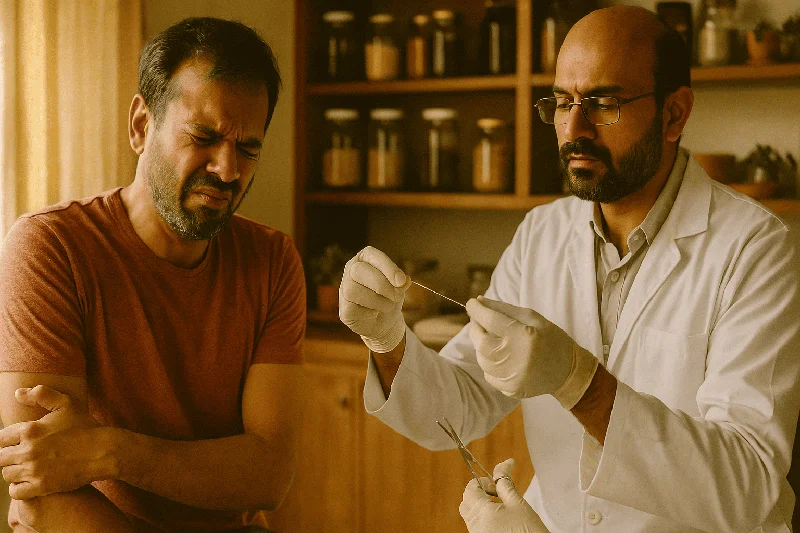
Kshar Sutra therapy stands out as a time-honored Ayurvedic procedure used for the treatment of anorectal conditions like fistula-in-ano, hemorrhoids (piles), and anal fissures. While widely recognized for its effectiveness and minimal invasiveness, one critical aspect patients often worry about is the kshar sutra thread change pain. This article aims to break down what causes this discomfort, how to manage it, and the latest scientific findings that shed light on its efficacy and challenges.
Disclaimer: This article is for informational purposes only and does not substitute professional medical advice. Always consult a qualified healthcare provider for personalized guidance.
Table of Contents
- Introduction to Kshar Sutra Therapy
- Scientific Basis of Kshar Sutra
- Why Does Kshar Sutra Thread Change Pain Occur?
- Research and Evidence on Kshar Sutra Procedure
- Managing Kshar Sutra Thread Change Pain
- Step-by-Step Guide: What to Expect During a Thread Change
- Potential Side Effects and Complications
- Frequently Asked Questions (FAQ)
- Conclusion and Call to Action
1. Introduction to Kshar Sutra Therapy
Imagine you have a persistent anal fistula that refuses to heal through conventional approaches. Then you learn about an ancient Ayurvedic procedure called Kshar Sutra, which involves using a specialized medicated thread to cut and heal the affected tract. This approach has shown impressive results in many clinical settings, with success rates in some studies reaching up to 80–90% for certain anorectal conditions (
Despite these optimistic figures, patients often experience discomfort or pain—particularly during the thread change. Because the therapy can span several weeks, it’s critical to understand how best to manage this pain.
Quick Facts
- Origin: Derived from Ayurvedic texts such as Sushruta Samhita, Kshar Sutra therapy has been practiced in India for centuries.
- Modern Adoption: It has gained recognition by the Indian Council of Medical Research (ICMR) and the Ministry of AYUSH for its effectiveness in treating certain anorectal disorders.
- Keyword Focus: We will continually address the issue of kshar sutra thread change pain and explore ways to mitigate discomfort.
2. Scientific Basis of Kshar Sutra
The Kshar Sutra is not just any thread; it is carefully coated with herbal alkali (kshar) along with ingredients like turmeric and other antimicrobial or healing substances. This medicated thread is designed to:
- Gradually Cut Through Tissues: The caustic (alkaline) and medicated properties of the thread help in cutting through the fistula tract or hemorrhoidal mass in a controlled manner.
- Promote Healing: The herbs used can promote granulation (formation of new tissue) and reduce infection, aiding faster wound healing.
- Minimize Recurrence: By destroying infected tissues and creating a clean environment, it helps reduce the risk of recurrence.
Various studies published in peer-reviewed journals, including some randomized controlled trials, suggest that Kshar Sutra therapy can be as effective or, in certain cases, more effective than conventional surgical treatments, especially in terms of reducing recurrence rates (
3. Why Does Kshar Sutra Thread Change Pain Occur?
Despite its demonstrated benefits, kshar sutra thread change pain remains one of the most common challenges. Pain can be attributed to several factors:
- Tissue Tension: The tightening action of the thread as it gradually cuts through tissues can generate tension and irritation in the localized area.
- Inflammation and Edema: The body’s inflammatory response is a natural step in healing but may increase swelling and pain.
- Chemical Irritation: The caustic (alkaline) chemicals in the coating can irritate sensitive tissues in the anal canal or fistula tract.
- Frequent Manipulation: During the thread change process, the wound is disturbed, which can exacerbate discomfort.
In simpler terms, the discomfort results from a combination of the mechanical cutting action of the thread and the body’s immune and inflammatory responses.
4. Research and Evidence on Kshar Sutra Procedure
Notable Studies
- A 2017 meta-analysis published in the Journal of Ayurveda and Integrative Medicine looked at 10 clinical trials. It found Kshar Sutra to be significantly effective in managing anal fistulas with fewer recurrences compared to some conventional surgeries.
- Another study in the AYU Journal (2019) highlighted how thread changes are crucial for maintaining the effectiveness of the procedure, although they can be a source of pain for many patients.
Expert Consensus
Guidelines from various Ayurvedic institutes, including the National Institute of Ayurveda, point out that the procedure is generally safe with a low complication rate. However, they acknowledge the need for effective pain management strategies to ensure patient comfort and compliance throughout the therapy.
5. Managing Kshar Sutra Thread Change Pain
Given that discomfort is often the number one concern, here are several strategies healthcare professionals recommend:
-
Preemptive Pain Medication
- Over-the-counter (OTC) analgesics like ibuprofen or acetaminophen can be used under medical guidance to reduce pain and inflammation.
- Some practitioners also suggest short-term use of prescription pain relievers if the discomfort is severe.
-
Topical Anesthetics
- Applying an analgesic gel or ointment around the affected area can numb the site temporarily, making thread changes less uncomfortable.
-
Warm Sitz Baths
- A sitz bath—sitting in a tub of warm water—helps relax the anal sphincter muscles and increase blood flow to the region, thus alleviating pain and reducing inflammation.
-
Lifestyle Modifications
- High-Fiber Diet & Hydration: Minimizing straining during bowel movements can reduce tension on the wound site.
- Gentle Cleansing: Keeping the area clean with mild solutions or specialized wipes can reduce irritation.
-
Stress Management Techniques
- Deep Breathing & Meditation: Anxiety can worsen pain perception, so relaxation techniques may help you cope better.
- Guided Imagery: Some patients find that visualizing peaceful settings can help distract from the discomfort during a thread change.
-
Analgesic Sprays or Suppositories
- Depending on the case, a doctor may recommend specific medicated sprays or suppositories to control localized inflammation and pain.
Pro Tip: Always consult a medical professional or a qualified Ayurvedic practitioner for personalized care plans. Self-medicating without proper guidance can be risky.
6. Step-by-Step Guide: What to Expect During a Thread Change
-
Preparation
- The healthcare provider may advise you to take a mild painkiller or use a local anesthetic cream 30 minutes before the appointment.
- Ensure you have emptied your bowels and cleaned the area gently to reduce discomfort.
-
Removal of Old Thread
- The old Kshar Sutra is carefully removed. This step can be uncomfortable but usually brief.
- Light bleeding or mild discharge is normal.
-
Inspection
- The doctor will inspect the wound or fistula tract for signs of infection or delayed healing.
- If needed, additional cleaning with antiseptic or normal saline is performed.
-
Application of New Thread
- A fresh Kshar Sutra is threaded through the tract. The tension is adjusted to continue the controlled cutting-and-healing process.
- The chemical coating begins its therapeutic action upon contact with tissues.
-
Aftercare
- You may be advised to rest briefly.
- Follow-up with a sitz bath or topical analgesic to manage post-procedure discomfort.
Note: Thread changes typically occur every 7–10 days, or as recommended by your healthcare provider, until the tract is fully healed.
7. Potential Side Effects and Complications
While Kshar Sutra therapy is generally considered safe and effective, it’s crucial to be aware of potential side effects and complications:
- Excessive Pain: Some individuals may experience more than the usual discomfort, possibly indicating infection or improper technique.
- Infection: Although rare, infection can occur if the wound is not kept clean or if sterile procedures are not followed.
- Allergic Reaction: Very rarely, patients may show an allergic reaction to certain herbal components.
- Delayed Healing: If the thread does not cut uniformly or the body’s response is slow, healing can be prolonged.
Always report unusual swelling, severe pain, or fever to your healthcare provider immediately. Early intervention is critical for preventing serious complications.
8. Frequently Asked Questions (FAQ)
Q1: How long does Kshar Sutra therapy usually last?
A: The duration varies based on the complexity of the fistula or hemorrhoid. Most cases resolve within 4–8 weeks, but complicated cases can take longer.
Q2: Is Kshar Sutra thread change pain unavoidable?
A: Mild discomfort is common, but proper pain management, topical anesthetics, and prescribed medications can help minimize it.
Q3: Can I return to work after a Kshar Sutra thread change?
A: Most patients can resume light activities within a day or two. However, strenuous activities or heavy lifting should be avoided until cleared by a doctor.
Q4: Is Kshar Sutra therapy covered by health insurance?
A: Coverage varies by region and insurance provider. Some insurance plans do cover Kshar Sutra therapy under Ayurvedic or alternative treatments.
Q5: What happens if the Kshar Sutra thread falls out prematurely?
A: Contact your practitioner right away. An early reapplication might be necessary to maintain the treatment’s effectiveness.
9. Conclusion and Call to Action
Kshar Sutra therapy remains a scientifically backed and time-tested option for managing anorectal disorders such as fistula-in-ano, hemorrhoids, and anal fissures. While kshar sutra thread change pain is a valid concern, many patients find relief through a combination of medication, lifestyle adjustments, and proper aftercare. By staying informed and closely following a healthcare provider’s instructions, you can significantly reduce discomfort and improve treatment outcomes.
- Key Takeaway: The pain experienced during thread changes is usually manageable with appropriate strategies.
- What You Can Do: Talk to your doctor about pain relief options, maintain a high-fiber diet, and be vigilant about hygiene.
If you’ve found this guide helpful, please share it with friends or family who might benefit from learning more about Kshar Sutra therapy. Feel free to leave a comment or subscribe to our newsletter for more evidence-based articles on Ayurvedic and conventional medical treatments. Your experiences, insights, and questions can help build a community of well-informed readers!
Remember: Always consult a qualified medical professional for personalized diagnosis and treatment plans.
References and Further Reading
- Journal of Ayurveda and Integrative Medicine – Meta-Analysis on Kshar Sutra (
Link ) - AYU Journal (2019) – Clinical Trials on Kshar Sutra Efficacy
- Indian Council of Medical Research (ICMR) – Guidelines on Ayurvedic Interventions
- National Institute of Ayurveda – Protocols for Anorectal Disorders
उपयोगकर्ताओं के प्रश्न
Can Kshar Sutra therapy be done under local anesthesia?
Client_4bc331
11 घंटे पहले
Kshar Sutra therapy can typically be performed under local anesthesia. This option helps numb the treatment area, reducing pain and discomfort during the procedure. The therapy is used for conditions like fistula-in-ano, hemorrhoids, and anal fissures, and is generally considered minimally invasive. Patients should expect mild discomfort after the procedure, but pain management techniques, including local anesthetics and prescribed medications, can help. If severe pain occurs or if there are signs of infection, contact your doctor promptly.
What should I know about insurance coverage for Kshar Sutra therapy?
Client_289035
5 दिनों पहले
Insurance coverage for Kshar Sutra therapy varies widely depending on your specific health insurance plan. Some insurance plans might cover Kshar Sutra therapy under their Ayurvedic or alternative medicine benefits, while others may not recognize it as a reimbursable treatment. It's crucial to contact your insurance provider directly to verify whether they cover Kshar Sutra under your policy. Ensure to inquire about any required documentation or the need for a referral. If insurance does not cover this treatment, discuss alternative financial options with your healthcare provider.
How is Kshar Sutra therapy performed for anorectal conditions?
Client_fda462
10 दिनों पहले
Kshar Sutra therapy is a minimally invasive procedure used to treat anorectal conditions like fistula-in-ano, hemorrhoids, and anal fissures. The process involves using a medicated thread, known as a Kshar Sutra, which is inserted into the fistulous tract or hemorrhoid. This thread helps in cutting, draining, and healing the affected area over time. The therapy usually involves weekly changes of the thread until the tract or hemorrhoid heals completely, which can take several weeks to months depending on severity. Pain during thread changes can occur, but it's generally manageable. If severe pain or complications arise, it's important to consult a healthcare provider. While this therapy has roots in Ayurveda, its effectiveness is also supported by modern research.
What are the best pain relief options during Kshar Sutra therapy?
Client_a71a79
15 दिनों पहले
The best pain relief options during Kshar Sutra therapy typically include local anesthetics, nonsteroidal anti-inflammatory drugs (NSAIDs), and warm sitz baths to ease discomfort. These options can help manage kshar sutra thread change pain, which is often a concern. Topical anesthetics might be applied during and after the procedure to target localized pain. If over-the-counter pain medication does not suffice, consulting with your healthcare provider is necessary. They may recommend stronger analgesics or other interventions. Always report persistent or severe pain, as this may indicate complications. Ayurveda may suggest dietary or herbal adjuncts, but these should complement, not replace, conventional treatments.
What follow-up care is needed after Kshar Sutra treatment?
Client_74d979
20 दिनों पहले
After Kshar Sutra treatment, regular follow-up is essential to ensure proper healing and to monitor for complications. Initially, follow-up visits might be recommended every 1-2 weeks. Care involves keeping the area clean and dry to prevent infection and following your doctor’s guidance on activity levels. Most cases resolve within 4-8 weeks, but some can take longer. Watch for signs of infection such as increased pain, redness, or pus. Contact your healthcare provider if these occur or if you experience significant discomfort. While Kshar Sutra stems from Ayurveda, focus on evidence-based follow-up care practices.
How long does recovery take after Kshar Sutra therapy?
Client_c78bef
30 दिनों पहले
Recovery after Kshar Sutra therapy typically takes 4–8 weeks for most patients. This Ayurvedic procedure is used to treat anorectal conditions such as fistulas, hemorrhoids, and anal fissures. Complicated cases may require a longer recovery period. During recovery, it is essential to follow your healthcare provider's advice regarding wound care, activity levels, and medication. Watch out for signs of infection, unusual pain, or delayed healing, and consult your doctor if these occur. While there is some discomfort associated with thread changes, using pain management strategies like topical anesthetics can help.
What are the potential side effects of Kshar Sutra therapy?
Client_f0416e
40 दिनों पहले
Kshar Sutra therapy, primarily used for conditions like fistula-in-ano and hemorrhoids, can cause several potential side effects. Pain during thread change is a significant concern, as are localized infection, bleeding, or irritation. Although Kshar Sutra is minimally invasive, some patients may experience discomfort or inflammation around the treated area. Healing varies, typically taking weeks to months depending on the lesion size and patient's health. Consult a doctor if you notice excessive swelling, severe pain, high fever, or other unusual symptoms.
What lifestyle changes can enhance the effectiveness of Kshar Sutra therapy?
Client_1d0b4b
49 दिनों पहले
To enhance the effectiveness of Kshar Sutra therapy, focus on diet, exercise, and hygiene. Consume a high-fiber diet to prevent constipation, reducing strain during bowel movements which can exacerbate pain. Hydration is also crucial. Engage in regular, moderate exercise like walking to improve circulation and overall health. Maintain meticulous hygiene around the affected area to minimize infection risk. Address pain with medication as advised by your doctor. If pain worsens or complications occur, consult your healthcare provider promptly. Always follow your doctor’s guidance tailored to your specific condition.
How does Kshar Sutra therapy affect healing time for anal fistulas?
Client_d8500f
59 दिनों पहले
Kshar Sutra therapy, an Ayurvedic treatment, can impact the healing time for anal fistulas by potentially reducing it; studies report success rates of 80–90% for various anorectal conditions. Healing time can vary depending on factors like the fistula's complexity and patient health. A typical course may span weeks to a few months. It's crucial to monitor for signs of infection or complications and consult a healthcare provider if pain or bleeding worsens. While the therapy can induce discomfort during thread changes, this is normal, and early intervention improves outcomes.
What should I do if Kshar Sutra therapy doesn't seem to be working for my condition?
Client_9a562b
69 दिनों पहले
If Kshar Sutra therapy isn't doing the trick, first thing, talk to your Ayurvedic doctor. They might adjust the treatment approach or add supportive therapies, like herbal remedies or lifestyle changes, based on your dosha balance and specific condition. It's really key to customize the treatment to your unique constitution.
संबंधित आलेख

Panchakarma
Urustambha Chikitsa – Ayurvedic Approach to Leg Stiffness and Pain Relief
Explore the Ayurvedic treatment of Urustambha Chikitsa, a traditional remedy for relieving leg stiffness, muscle pain, and improving flexibility and mobility.
3,682

Panchakarma
Avarta Marma – Harnessing Vital Energy for Balance & Healing
Explore Avarta Marma, a key vital energy point in Ayurveda. Learn about its significance, therapeutic benefits, and how it contributes to holistic healing and energy balance.
3,240

Panchakarma
Panchakola Choornam Benefits, Dosage, Ingredients, Side Effects
Exploration of Panchakola Choornam Benefits, Dosage, Ingredients, Side Effects
3,110

Panchakarma
Ksheera Basti – Traditional Ayurvedic Milk Enema for Detox and Rejuvenation
Discover the benefits and uses of Ksheera Basti, a traditional Ayurvedic milk enema therapy known for detoxification, dosha balancing, and rejuvenation, harnessing ancient healing wisdom.
4,385

Panchakarma
Panchagavya Ghrita Benefits, Dosage, How To Use, Side Effects, Ingredients, Reference
Exploration of Panchagavya Ghrita Benefits, Dosage, How To Use, Side Effects, Ingredients, Reference
4,252

Panchakarma
Scoliosis Treatment in Ayurveda: A Holistic Approach
Scoliosis, a condition characterized by an abnormal curvature of the spine, can significantly impact one’s quality of life.
3,671

Panchakarma
Griva Basti – Ayurvedic Therapy for Neck Health & Relief
Discover Griva Basti, an Ayurvedic therapy focusing on neck pain relief, improved mobility, and holistic healing through traditional herbal treatments and specialized techniques.
3,436

Panchakarma
क्षीरबला तेल (Kshirabala Oil)
क्षीरबला थैलम (क्षीरबला तेल) की खोज
7,613

Panchakarma
Mrityunjaya Rasa Uses – Traditional Ayurvedic Formula for Detoxification & Rejuvenation
Discover the uses of Mrityunjaya Rasa, a potent Ayurvedic formulation known for detoxification, rejuvenation, and overall healing. Learn how this traditional remedy supports holistic wellness.
2,786

Panchakarma
Kala Basti: Ayurvedic Insights & Modern Perspectives
Discover the science of Kala Basti, an Ayurvedic detox therapy. Learn its benefits, procedure, research evidence, and expert recommendations.
3,361
विषय से संबंधित परामर्श
What Are The Early Signs Of Nervous System Deterioration?
11 दिनों पहले
क्या मैं अपने पीरियड्स खत्म होने के बाद तेल उपचार फिर से शुरू कर सकती हूँ अगर मैंने विरेचन शुरू किया और तेल लगाने के 3 दिन बाद मुझे पीरियड्स आ गए?
84 दिनों पहले
92 साल के व्यक्ति के लिए, जिनको एटिपिकल पार्किंसन और डायबिटीज है, पंचकर्म उपचार जीवन की गुणवत्ता में कितना सुधार कर सकता है?
84 दिनों पहले
अतिरिक्त दस्तावेज़
© 2024 Ask Ayurveda. सर्वाधिकार सुरक्षित।