आयुर्वेदिक डॉक्टर से प्रश्न पूछें और निःशुल्क या भुगतान मोड में अपनी चिंता की समस्या पर ऑनलाइन परामर्श प्राप्त करें। 2,000 से अधिक अनुभवी डॉक्टर हमारी साइट पर काम करते हैं और आपके प्रश्नों का इंतजार करते हैं और उपयोगकर्ताओं को उनकी स्वास्थ्य समस्याओं को हल करने में प्रतिदिन मदद करते हैं।


Body DetoxEar, Nose, and Throat DisordersGeriatrics & RejuvenationImmunodeficiencyInfertility TreatmentNutritionOrthopedic DisordersPediatricsRespiratory DisordersSexually Transmitted Diseases (STDs)Surgery RecoveryUrological DisordersVascular DisordersDental DisordersEndocrinological DisordersGastrointestinal DisordersYoga TherapyGeneral MedicineAllergic DisordersCardio DisordersGynecology and ObstetricsCosmetologySkin and Hair DisordersEye DisordersInfectious DiseasesMental DisordersNeurological DisordersOncologyPanchakarmaSexual Health & DisordersSports Medicine
पर प्रकाशित 04/09/25
(को अपडेट 08/13/26)
2,996
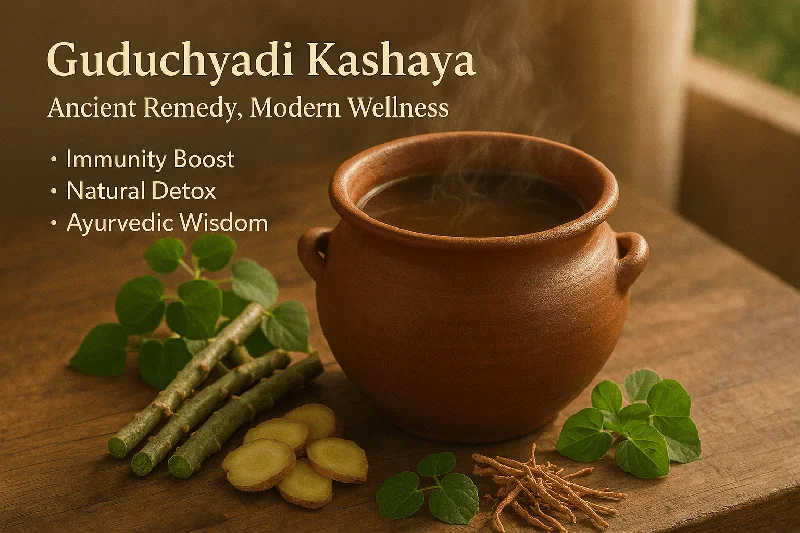
Guduchyadi Kashaya: Benefits, Research, and Expert Insights
Introduction
Imagine a time-honored Ayurvedic remedy so versatile that it has been used for generations to support overall health, bolster the immune system, and promote a balanced lifestyle. Enter Guduchyadi Kashaya, an herbal decoction widely recognized in Ayurveda for its potential to address various health concerns. Increasingly, modern science is also paying attention to this traditional preparation, exploring the possibilities of its bioactive compounds. In this article, we will delve deep into the history, composition, clinical evidence, and best practices surrounding Guduchyadi Kashaya. We aim to offer you a clear understanding of how it fits into both ancient Ayurvedic principles and contemporary medical perspectives.
What Is Guduchyadi Kashaya?
In Ayurveda, Kashaya refers to a water-based decoction made by boiling specific herbs according to standardized proportions and cooking times. These preparations are believed to harness the full range of plant phytoconstituents for better absorption and therapeutic efficacy. Guduchyadi Kashaya, in particular, is a formulation that features Guduchi (Tinospora cordifolia) as a primary ingredient, along with other carefully chosen herbs.
-
Guduchi (Tinospora cordifolia) is revered for its adaptogenic and immune-modulatory properties.
-
The suffix “–adi” indicates that other components are added to Guduchi to form a synergistic blend.
-
“Kashaya” underscores its nature as a decoction, different from powders (churna), pills (vati), or other Ayurvedic forms like ghrita (medicated ghee).
Modern scientific research and anecdotal evidence both hint at Guduchi’s wide-ranging benefits—ranging from anti-inflammatory actions to immune system support. By combining Guduchi with other herbs in a decoction, practitioners aim to optimize therapeutic benefits.
Key Ingredients and Their Properties
While formulations can vary based on traditional lineages and regional practices, the typical recipe for Guduchyadi Kashaya includes the following herbs:
-
Guduchi (Tinospora cordifolia): Often called “Amrita” in Sanskrit, meaning “immortal,” Guduchi is rich in alkaloids, glycosides, and steroids with potential immunomodulatory and hepatoprotective effects.
-
Other Complementary Herbs (the exact combination can differ):
-
Dry Ginger (Zingiber officinale): May help with digestion and exhibit anti-inflammatory properties.
-
Punarnava (Boerhavia diffusa): Traditionally used for kidney and liver health.
-
Mustaka (Cyperus rotundus): Often cited for its digestive and carminative benefits.
-
Kutki (Picrorhiza kurroa): Known for liver-supporting and detoxifying features.
-
These herbs are typically co-boiled to make a concentrated liquid that captures each plant’s active molecules.
How Guduchyadi Kashaya Works: An Ayurvedic Perspective
According to Ayurvedic principles, Guduchyadi Kashaya works by balancing the three doshas—Vata, Pitta, and Kapha. The synergy of bitter, pungent, and astringent tastes found in the included herbs is thought to reduce excess Pitta and Kapha, which Ayurveda correlates with inflammation and metabolic imbalance, respectively.
-
Digestive Agni (Metabolic Fire): Spices like ginger stimulate the digestive fire (agni), promoting efficient nutrient absorption.
-
Immune Strength (Ojas): Guduchi is often credited for improving Ojas (vital energy), thereby fortifying the immune system.
-
Detoxification (Ama Clearance): By aiding in liver and kidney function, it helps the body’s natural detox pathways.
While these concepts are unique to Ayurveda, they align with certain modern interpretations of inflammation reduction, improved metabolic processes, and enhanced immune modulation.
Scientific Evidence and Current Research
Immunomodulatory and Anti-inflammatory Properties
A systematic review published in the Journal of Ethnopharmacology (2019) highlighted Tinospora cordifolia’s potential to modulate immune response and reduce inflammation. Several in vitro and animal studies suggest that the polysaccharides and alkaloids in Guduchi can influence cytokine levels and immune cells.
Hepatoprotective Effects
Clinical observations and smaller-scale human studies point toward Guduchi’s supportive role in liver function. Researchers in a 2020 study in the Journal of Ayurveda and Integrative Medicine found that using Guduchi-based formulations correlated with improvements in liver enzymes, indicating a restorative effect.
Role in Metabolic Conditions
Some pilot studies have explored the impact of Guduchi on blood sugar regulation, with initial findings pointing to improved insulin sensitivity in certain patient groups. These studies often recommend further large-scale, randomized controlled trials to confirm efficacy and explore potential side effects.
Complementary to Conventional Therapies
While Guduchyadi Kashaya should not replace modern treatments, there is a growing body of research suggesting it can complement conventional interventions. For instance, some healthcare providers incorporate Guduchi-based therapies as adjunct support in managing chronic inflammatory conditions.
Disclaimer: These findings are preliminary and do not constitute clinical guidelines. Always consult a qualified healthcare provider before adding new herbal formulations to your routine.
स्वयं दवा न लें और प्रतीक्षा न करें। अभी डॉक्टर से चैट शुरू करें
Therapeutic Uses in Healthcare
Guduchyadi Kashaya is traditionally indicated for:
-
Immune Support: Used to reinforce resilience against common infections.
-
Joint and Muscle Wellness: Believed to reduce inflammation and discomfort.
-
Digestive Health: Often used for bloating or indigestion, thanks to ginger and other carminative ingredients.
-
Liver and Kidney Care: Tinospora cordifolia and Punarnava may promote healthy liver enzyme levels and fluid regulation.
-
Skin Health: Ayurvedic practitioners sometimes recommend it for skin-related issues due to its “cooling” and detoxifying nature.
Modern medical professionals may see potential in these areas, but robust, peer-reviewed clinical trials are still needed to formulate standardized recommendations.
Expert Guidelines and Safety Precautions
-
Dosage Recommendations
-
Dosage can vary based on age, general health condition, and the severity of the issue. Traditional Ayurvedic texts often suggest taking 15–30 ml of Guduchyadi Kashaya twice daily, diluted with warm water.
-
Professional Supervision: Working with a certified Ayurvedic practitioner ensures you receive personalized advice.
-
-
Potential Side Effects
-
Guduchi is generally considered safe, but high doses or prolonged use without guidance may cause digestive discomfort.
-
Always monitor for allergies. Discontinue if you experience itching, rash, or gastrointestinal disturbances.
-
-
Interactions with Medications
-
Consult your healthcare provider if you are on medication for diabetes, hypertension, or immunosuppression, as certain herbs can interact with pharmaceutical drugs.
-
Be vigilant about potential herb-drug interactions, especially if you have a chronic condition.
-
-
Pregnancy and Lactation
-
Pregnant or breastfeeding women should consult an obstetrician or a qualified Ayurvedic expert before initiating Guduchyadi Kashaya to ensure safety.
-
-
Medical Disclaimer
-
The information provided here is for educational purposes. It does not replace professional medical advice, diagnosis, or treatment. Seek a licensed healthcare provider for individualized guidance.
-
How to Prepare Guduchyadi Kashaya at Home (Step-by-Step)
If you prefer to prepare it yourself, here is a general step-by-step guideline:
-
Gather Ingredients
-
Dried Guduchi stem (tinospora)
-
Supporting herbs (e.g., dry ginger, Punarnava, Mustaka)
-
Clean, potable water
-
-
Proportion
-
Typically, 1 part dried herb mixture to 8 parts water. Some variations exist, so consult your Ayurvedic practitioner or follow a reputable formula.
-
-
Boiling Process
-
Combine the herbs with water in a deep pan.
-
Bring to a rolling boil, then reduce to a simmer.
-
Continue simmering until the liquid volume reduces by half.
-
-
Straining
-
Filter out the plant materials using a clean muslin cloth or fine strainer.
-
Store the decoction in a glass container.
-
-
Usage
-
Drink when warm and fresh. If making in bulk, refrigerate and consume within 24 hours. Warm before use.
-
Pro Tip: Ayurvedic texts often suggest consuming decoctions on an empty stomach for optimal absorption. However, modern practitioners may recommend taking it post-meal if you experience gastric sensitivities.
Frequently Asked Questions (FAQ)
1. Can Guduchyadi Kashaya help with seasonal allergies?
Some Ayurvedic practitioners recommend Guduchyadi Kashaya during pollen-heavy seasons due to its immune-supportive properties. While there is anecdotal evidence for its potential benefits, more rigorous scientific data is required.
2. Is Guduchyadi Kashaya safe for children?
Ayurvedic experts sometimes adapt dosages for children, but it must be done under professional guidance. Consult a pediatrician or an Ayurvedic physician specialized in pediatric care.
3. How does Guduchyadi Kashaya differ from Guduchi tablets or capsules?
Guduchyadi Kashaya is a decoction that often includes additional herbs besides Guduchi. Tablets or capsules may contain isolated extracts, sometimes lacking the synergistic effects that come from a multi-herb blend and water-based preparation.
4. Is there scientific proof that Guduchyadi Kashaya works?
Existing studies on Tinospora cordifolia show immunomodulatory and anti-inflammatory benefits, but large-scale human clinical trials on Guduchyadi Kashaya specifically are still limited. Ongoing research is promising, yet not conclusive.
5. Where can I buy high-quality Guduchyadi Kashaya?
Look for GMP-certified Ayurvedic pharmacies or consult an Ayurvedic professional who can guide you toward reputable brands. When purchasing, check for clear labeling, expiration dates, and authenticity certifications.
Conclusion and Call to Action
Guduchyadi Kashaya stands out as a fascinating convergence of Ayurvedic wisdom and modern research. This herbal decoction, anchored by the potent Guduchi plant, may offer benefits ranging from immune modulation and digestive support to potential liver and kidney health. While scientific investigations are still ongoing, preliminary data provides a compelling rationale for its use as a complementary approach, rather than a substitute for conventional medicine.
Ready to explore how Guduchyadi Kashaya could fit into your wellness journey? Always start with professional advice: consult your doctor or a qualified Ayurvedic expert to tailor recommendations to your individual needs.
As you continue your quest for holistic health solutions, feel free to share this article with friends, family, or colleagues who might benefit from learning about Guduchyadi Kashaya. For further questions or personalized advice, visit AskAyurveda.com and ask a free question to expert doctors who can guide you through evidence-based Ayurvedic practices.
Take the next step toward informed self-care—empower yourself with knowledge, consult the right experts, and discover the potential of Guduchyadi Kashaya for balanced well-being.
Disclaimer: The information provided in this article is for educational purposes only and does not replace professional medical advice. Always consult your healthcare provider for personalized recommendations.
उपयोगकर्ताओं के प्रश्न
How can Guduchyadi Kashaya improve digestive health after meals?
Client_769d8f
27 दिनों पहले
Guduchyadi Kashaya can potentially improve digestive health after meals by soothing the gut and reducing gastric sensitivities. It is an herbal decoction prominent in Ayurveda for aiding digestion, possibly by regulating digestive enzymes and reducing inflammation in the gastrointestinal tract. While it may help alleviate symptoms like bloating or indigestion, it should be consumed as directed by an Ayurvedic practitioner. Effects can vary, and if symptoms persist beyond a few weeks, or if you experience severe discomfort, consulting a healthcare professional is advisable for tailored advice.
How long can Guduchyadi Kashaya be stored in the refrigerator?
Client_656a38
37 दिनों पहले
Guduchyadi Kashaya, when stored in the refrigerator, should ideally be consumed within 24 hours to maintain its potency and flavor. Beyond this time, the herbal preparation might not only lose its intended effectiveness but also be at risk of spoilage. It's important to observe any changes in color, odor, or taste before consuming leftovers. If you notice any unusual changes, it's best to prepare a fresh batch. For safety and quality, always consult a healthcare professional or an Ayurvedic expert for personalized advice if unsure.
How does Guduchi support kidney health and function?
Client_d502f6
47 दिनों पहले
Guduchi, also known as Tinospora cordifolia, may support kidney health primarily through its anti-inflammatory and antioxidant properties. Studies suggest that it can help modulate immune responses and protect against oxidative stress, which are essential for kidney health. However, evidence on Guduchi’s direct effects on human kidney function is limited, and benefits often come from more comprehensive health practices. Improvements, if any, might take weeks to notice. Always watch for any adverse reactions and consult a healthcare provider before starting any new supplement, especially if you have existing kidney conditions.
What is the historical significance of Guduchyadi Kashaya in Ayurveda?
Client_148bcc
56 दिनों पहले
Guduchyadi Kashaya holds historical significance in Ayurveda as a herbal decoction traditionally used for balancing various health issues, often enhancing immunity and detoxification. This formulation typically combines herbs like Guduchi (Tinospora cordifolia), known for its anti-inflammatory and antioxidant properties. While anecdotal evidence suggests its benefits, concrete clinical data remains sparse. Always consult a healthcare provider before use, especially if you're pregnant, nursing, or taking other medications. Keep an eye out for any adverse reactions, such as allergies or digestive issues, and discontinue use if they appear.
How does Guduchi affect energy levels and overall vitality?
Client_b0e295
66 दिनों पहले
Guduchi is known in Ayurveda for boosting energy and vitality by balancing doshas and supporting immune system and liver health. Helps enhance ojas, or vital energy, by improving agni (digestive fire). Its action on cytokines may also play a role. It's like a revitalizing tonic and works gently but consistency is key!
What does current research say about the liver health benefits of Guduchyadi Kashaya?
Client_041ea5
75 दिनों पहले
Current research suggests Guduchyadi Kashaya, mainly due to Guduchi or Tinospora cordifolia, might have liver health benefits, like improving liver enzymes. But, large-scale studies are kinda limited, so it's promising but not definitive. Keep an eye on future research for more concrete evidence!
What is the best time of day to take Guduchyadi Kashaya for optimal results?
Client_2d7d73
84 दिनों पहले
Guduchyadi Kashaya is usually best taken in the morning on an empty stomach to maximize its effects, aligning with your natural digestive fire (agni). But it's always good to check with an ayurvedic doc to match it with your specific dosha and unique body constitution. :)
What is the shelf life of Guduchyadi Kashaya once opened?
Client_1e29fc
93 दिनों पहले
Good question! Once you open Guduchyadi Kashaya, you should ideally keep it in the fridge to help maintain it's freshness. It's best to consume it within about a week though, just to make sure it stays potent and safe. Keep an eye on how it smells or looks, any change can mean it's time to get a fresh batch.
What is the role of Guduchi in traditional Ayurvedic medicine?
Client_7c5786
103 दिनों पहले
Guduchi plays a key role in Ayurvedic medicine as a powerful rasayana, which rejuvenates the body and supports the immune system. It's known for its ability to detoxify, support healthy liver function, and boost overall wellness. Unique phytocompounds in Guduchi help regulate the body's response to stress and balance all three doshas.
Is it safe to take Guduchyadi Kashaya if I have a pre-existing health condition?
Client_add94d
112 दिनों पहले
If you have a pre-existing health condition, it might be best to consult with a qualified Ayurvedic practitioner before taking Guduchyadi Kashaya—even though it's generally safe. They can look at your full health picture and figure out how it fits with your individual needs and condition. Better safe than sorry!
संबंधित आलेख

General Medicine
डाडिमावलेह के फायदे, खुराक, साइड इफेक्ट्स, उपयोग कैसे करें, सामग्री
डाडिमावलेह के फायदे, खुराक, साइड इफेक्ट्स, उपयोग कैसे करें, और सामग्री की खोज
3,525

General Medicine
Heel Pain Remedies in Ayurveda for Natural Relief
Discover the best Ayurvedic remedies for heel pain, including natural treatments, causes, and lifestyle tips for long-term relief and comfort.
3,455

General Medicine
ट्रिशुन टैबलेट
त्रिशुन टैबलेट की खोज
3,481

General Medicine
Can We Take Allopathy and Ayurvedic Medicines Together Safely?
Explore the difference between ayurveda and allopathy, their benefits, and when combining both systems is safe. Learn if ayurveda is better than allopathy
7,402

General Medicine
Jawahar Mohra Pishti Benefits, Dosage, Ingredients, Side Effects
Exploration of Jawahar Mohra Pishti Benefits, Dosage, Ingredients, Side Effects
2,293

General Medicine
Spazex Syrup: Benefits & Uses for Muscle Relaxation
Discover the benefits, proper dosage, uses, and scientific research behind Spazex Syrup, an effective muscle relaxant for pain relief and recovery.
2,455

General Medicine
Anda Thailam: An Ayurvedic Solution for Joint and Muscle Pain Relief
Discover the uses, benefits, proper dosage, and scientific research behind Anda Thailam, a potent Ayurvedic oil formulation for enhancing health and vitality.
3,560

General Medicine
Phalasarpis Benefits – Natural Ayurvedic Rejuvenation & Vitality Booster
Explore the phalasarpis benefits, a traditional Ayurvedic formulation renowned for its rejuvenative, aphrodisiac, and holistic health properties. Enhance vitality and promote overall wellness naturally with phalasarpis.
3,175

General Medicine
Rudraksha: The Mystical Bead with Spiritual and Medicinal Power
Rudraksha: The Mystical Bead with Spiritual and Medicinal Power
3,775

General Medicine
Punarnava Mandur – Tablets, Benefits, Dosage, Ingredients, Side Effects
Exploration of Punarnava Mandur – Tablets, Benefits, Dosage, Ingredients, Side Effects
4,394
विषय से संबंधित परामर्श
अतिरिक्त दस्तावेज़
© 2024 Ask Ayurveda. सर्वाधिकार सुरक्षित।