Ayurvedic Treatment for Fatty Liver: A Down‑to‑Earth, No‑Nonsense Guide

Introduction
Fatty liver disease (or hepatic steatosis) is becoming more common than you’d think. Some estimates suggest that around 25–30% of adults worldwide have some form of it, even if they’ve never touched a drop of alcohol. In India the numbers are growing fast.
What’s worse? Most people don’t even know they have it until it’s advanced.
Your liver isn’t just an organ. It’s part of an intricate system of energy, balance, and digestion that reflects your habits, your emotions, and even your sleep.
In this guide, we’ll explore fatty liver the way an Ayurvedic doctor might. We’ll dig into causes (not just physical, but emotional), look at symptoms people often miss, talk about herbs, therapies, diet, and lifestyle tips, and even peek into what modern science is starting to say about all this.
By the end, you’ll walk away with a clear, practical roadmap—something that actually makes sense.
Understanding Fatty Liver
What Exactly Is Fatty Liver?
Fatty liver happens when your liver stores too much fat.
There are two main types: Alcoholic Fatty Liver Disease (AFLD) and Non-Alcoholic Fatty Liver Disease (NAFLD).
The second one now more common—and no, you don’t have to be overweight or diabetic to get it (although that definitely raises your chances).
At first, it might not cause any real symptoms. But over time that fat buildup can cause inflammation, scarring (that’s fibrosis), and even liver failure in extreme cases.
Ayurvedic Perspective: Imbalance of Doshas
Ayurveda doesn’t look at fatty liver as a single isolated disease. It sees it as a manifestation of Pitta and Kapha imbalance. Sometimes Vata gets involved too, especially when things go chronic.
Let me explain:
Pitta governs digestion and metabolism. When Pitta goes haywire - think spicy food, stress, irregular meals - you get hyper-acidity, heat, and inflammation.
Kapha is about structure, stability, and lubrication. Too much Kapha? Think heaviness, sluggishness, and you guessed it - fat accumulation.
Add in emotional suppression, overeating, poor sleep, or long hours sitting at a desk?
This condition is often categorized in Ayurveda as a mix of disorders like Yakrit Roga (liver disease), Medoroga (obesity-related disorder), and Ama accumulation (toxins from undigested food clogging your channels). The Agni, or digestive fire, gets weak, leading to fat deposition and poor liver function.
So no, it’s not just about the liver. It’s about everything that affects it - food, thoughts, routines, even how much you laugh (seriously).
How Ayurveda’s View Differs From Conventional Medicine
This is worth pausing on.
Modern medicine is incredible at diagnosing fatty liver using blood tests, ultrasounds, MRIs, and biopsies. It can give you exact fat percentages and enzyme levels. But when it comes to treatment? It often boils down to: “Lose weight, eat better, exercise, take some vitamin E.”
Ayurveda, on the other hand, doesn’t treat the liver - it treats the person. That means identifying your Dosha, tweaking your diet in very personalized ways, detoxing the body through therapies like Virechana or Basti, and reviving your digestion slowly and systematically.
It’s not always fast. And it’s not always easy. But for some people, that slower, holistic, and frankly kinder approach works way better long-term.
Causes and Triggers of Fatty Liver (Ayurvedic Insights)
Main Underlying Ayurvedic Causes of Fatty Liver
Okay, let’s dig into why this actually happens according to Ayurveda.
The number one culprit? Mandagni—a sluggish digestive fire. When your Agni is weak, food doesn’t digest properly. Instead of nourishing your tissues, it creates sticky, heavy byproducts known as Ama (toxins). Ama, in turn, clogs your body’s srotas (channels), including those leading to the liver and fat metabolism.
Add to that an imbalanced Kapha Dosha, and you’ve got the perfect conditions for Medo Dhatu vriddhi—which is just a mouthful for excess fat tissue. The liver, being the body’s metabolic powerhouse, gets overloaded and fatty.
Here are a few classic Ayurvedic causes that might surprise you:
- Eating when not hungry (yep, even that counts)
- Heavy, oily, or cold food taken regularly (think fried stuff, ice creams, cheese)
- Eating late at night or skipping meals (that Netflix snack habit—yeah)
- Suppressing natural urges (like holding in pee, farts, or even emotions)
- Stress and overthinking (yes, mental ama is real)
Common Triggers and Risk Factors in Ayurveda
Some triggers make the dosha imbalance worse, especially in certain body types:
- Kapha-type individuals are more prone to fatty buildup.
- Pitta types may experience inflammation, heat, and faster liver deterioration.
Vata types may get more fatigue and erratic digestion as a symptom.
Even the season matters! Cold, damp climates or winter (Kapha-dominant seasons) can worsen symptoms.
And don’t underestimate emotional suppression—Ayurveda links repressed anger, resentment, and guilt with liver dysfunction.
Why Modern Lifestyle Contributes to Rising Cases
Let’s be real—our modern lives are not doing us any favors here.
- Sedentary jobs + late-night binge eating + ultra-processed snacks = metabolic chaos.
- Constant screen time? Disrupts sleep and messes with biological rhythms.
- Chronic stress? Kills Agni. Triggers Ama. Wrecks everything.
Ayurveda was designed for a slower, cyclical life that respected nature’s rhythms. The more we move away from that, the more our bodies react—often silently, until something like fatty liver shows up.
Recognizing Symptoms & Early Signs of Fatty Liver
Typical Symptoms of Fatty Liver (According to Ayurveda & Modern Medicine)
Here’s the annoying thing: Fatty liver often has no early symptoms.
But when it does speak up, it does so subtly. Ayurvedic texts don’t call it "fatty liver" exactly, but many descriptions under Yakrit Roga and Medoroga match the symptoms. Here's what to watch for:
- Constant fatigue, especially after meals
- A sense of heaviness in the abdomen
- Mild pain or pressure in the upper right quadrant (under the ribs)
- Loss of appetite or irregular hunger
- Coated tongue and foul-smelling breath
- Mild nausea
- Occasional constipation or sluggish digestion
- Unexplained weight gain (especially around the belly)
As the condition worsens, you might get:
- Dark urine
- Yellowish tint in eyes or skin (early signs of liver stress)
- Swelling in the legs or feet
- Itchy skin
- Visible veins on the torso or spider-like blood vessels
Less Obvious or Overlooked Signs
This is where it gets interesting.
Sometimes, people come in complaining about:
- Brain fog or poor concentration
- Anxiety and irritability
- Bloating that comes and goes
- Heat intolerance (especially in the afternoon)
- A weird metallic taste in the mouth
- Aversion to fatty foods
These are not classically "liver" symptoms in Western medicine, but in Ayurveda, they point toward Pitta aggravation, poor fat metabolism, and weak liver function.
When Should You Seek Ayurvedic Help?
Short answer? The sooner, the better. If you’ve had:
- Repeated episodes of fatigue or bloating
- Abnormal liver enzymes in blood work
- Ultrasound showing fatty infiltration
- Or even just a strong gut feeling something’s off
...then Ayurveda can offer a powerful early intervention.
However, let’s be honest - Ayurveda may not be the right tool alone for advanced liver cirrhosis, cancer, or severe fibrosis. In those cases, it works best alongside modern care. Ayurveda is brilliant at prevention, managing mild to moderate fatty liver, and improving liver function - but it’s not a miracle wand.
Ayurvedic Diagnosis Methods for Fatty Liver
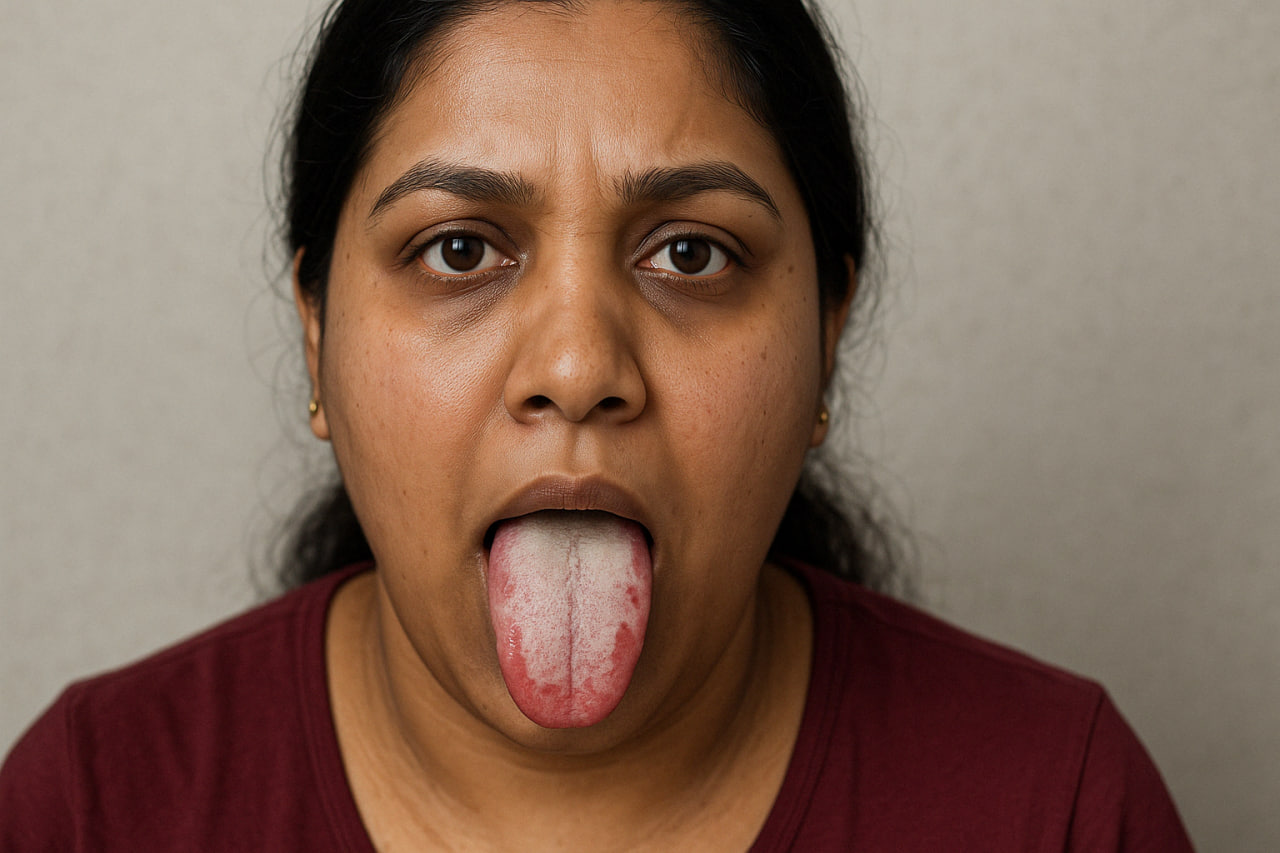
Pulse Diagnosis, Tongue Analysis & More
Ayurvedic diagnosis is kind of like detective work. The practitioner doesn’t just look at your reports—they read your body like a story.
- Nadi Pariksha (Pulse Reading): A skilled vaidya can detect dosha imbalances, organ stress, and subtle blocks just by feeling your pulse. It’s wild. You lie there and they’ll tell you about your digestion, stress, even sleep patterns—without asking a thing.
- Jihva Pariksha (Tongue Analysis): A coated tongue suggests Ama, especially when it’s white and thick in the center. Cracks, color changes, or dryness also tell a story.
- Mutra & Mala Pariksha (Urine & Stool): Changes in color, smell, texture—they all signal what’s happening inside.
- Drik Pariksha (Eyes): Yellowish eyes, dull sclera, or red capillaries? Could point to liver imbalance.
- Skin and voice tone, emotional tone, even sweat smell are all considered during a proper Ayurvedic checkup.
Determining Dosha Imbalance Specific to Fatty Liver
Every fatty liver case has a dosha blueprint. Here's a quick breakdown:
- Kapha-dominant fatty liver: Sluggish digestion, sweet cravings, weight gain, emotional dullness.
- Pitta-dominant fatty liver: Inflammation, acidity, irritability, red eyes, heat intolerance.
- Vata-dominant fatty liver: Dryness, nervous energy, constipation, irregular appetite, fatigue.
Most people are a mix, but identifying the dominant pattern helps tailor herbs, diet, and detox therapies more precisely. It’s why no two treatments are ever exactly the same.
Ayurvedic Treatments & Remedies for Fatty Liver
Ayurvedic Herbs and Medicines (Detailed Breakdown)
1. Bhumyamalaki (Phyllanthus niruri)
- Dose: 500 mg twice daily
- Form: Capsule or powder
- Benefits: Known for its strong liver detoxifying properties, Bhumyamalaki helps reduce liver inflammation and supports healthy liver function.
2. Kutki (Picrorhiza kurroa)
- Dose: 250–500 mg twice daily
- Form: Powder or tablet
- Benefits: A bitter and cooling herb, Kutki helps balance excess Pitta, a key factor in liver inflammation. It's especially effective in chronic liver conditions.
3. Punarnava (Boerhavia diffusa)
- Dose: 250–500 mg twice daily
- Form: Tablet or decoction
- Benefits: Punarnava is excellent for reducing water retention and promoting kidney-liver synergy, which is crucial for detoxification.
4. Triphala
- Dose: 1–2 teaspoons at bedtime
- Form: Powder or tablet
- Benefits: A mild detoxifier, Triphala helps regulate digestion and bowel movements, indirectly supporting liver health.
5. Arogyavardhini Vati
- Dose: 1 tablet twice daily
- Form: Classical Ayurvedic formulation
- Benefits: A potent herbal blend traditionally used for liver and skin disorders. Due to its strength, this formulation should be taken under professional supervision.
Ayurvedic Therapies and Panchakarma for Fatty Liver
Detox is a big deal in Ayurveda. If your body is ready, these treatments can help reset your system:
- Virechana (therapeutic purgation): Especially helpful in Pitta-related liver issues.
- Basti (medicated enema): Useful for Vata disorders; helps in chronic cases.
- Udwartana (herbal dry powder massage): Stimulates fat metabolism.
- Abhyanga + Swedana (oil massage + steam): Improves lymph flow, clears channels.
These aren’t spa treatments. They’re customized and supervised—especially during Panchakarma.
Home Remedies and Self-Care Tips
Sometimes it’s the simple stuff that sticks:
- Warm water with a pinch of turmeric first thing in the morning
- Light dinners (soups, kichadi) before 7 PM
- 15 minutes of sunlight every morning
- Eating your biggest meal at lunch (when Agni is strongest)
- Keeping regular bowel movements (Triphala helps)
Small things. Big difference.
Diet & Lifestyle Recommendations for Managing Fatty Liver
Recommended Foods and Dietary Guidelines (Detailed)
Ayurveda isn’t about fad diets. It’s about eating in a way that supports your Prakriti and strengthens your Agni (digestive fire). For fatty liver, that means foods that are:
- Light, easy to digest
- Bitter, astringent, and pungent in taste
- Kapha- and Pitta-balancing
Here’s the real breakdown:
Best Foods:
- Vegetables: Bottle gourd (lauki), bitter gourd, ridge gourd, spinach, kale, fenugreek, drumsticks
- Grains: Old rice (basmati), barley, millet, quinoa — always warm, never straight from the fridge
- Legumes: Green gram (moong dal, especially split and hulled), lentils — no rajma or chana during flare-ups
- Spices: Turmeric, cumin, coriander, fennel, ginger, black pepper (lightly), ajwain — all aid digestion and clear Ama
- Healthy Fats: Small quantities of cow ghee — supports liver, nourishes tissues
- Fruits: Amla (Indian gooseberry), pomegranate, apple (stewed), papaya — avoid too sweet or sour ones
- Cooking method: Steamed, sautéed, pressure-cooked. Use cast iron or clay pots. No microwaves.
- Meal timings: Biggest meal at lunch, smallest at dinner. Avoid snacking unless genuinely hungry.
Eat slowly. Sit while eating. Don’t multitask. Chew well. These basics? They’re magic.
Foods and Drinks to Avoid (and Why)
Let’s not sugarcoat this. Certain foods directly mess with liver health — and from an Ayurvedic lens, they destroy Agni or aggravate Kapha/Pitta. Here's what to cut back or totally avoid:
Avoid:
- Heavy/oily foods: Fried snacks, paneer, cheese, greasy curries — create Ama, overwhelm liver
- Cold or refrigerated foods: Ice cream, cold water, yogurt straight from the fridge — dampens Agni
- Red meat, eggs, shellfish: Hard to digest, Kapha-heavy
- Sugar & artificial sweeteners: Kapha + Ama combo = metabolic disaster
- Alcohol: No surprises here
- Fermented foods: Idli/dosa, vinegar, kombucha — these can aggravate Pitta
- Sour fruits and juices: Orange juice, pineapple, tamarind — too heating
- Canned and processed foods: Full of preservatives and weird chemicals
- Dangerous combos: Milk + salty/sour foods, fruit + dairy, yogurt + meat — these disturb all three Doshas
Restrict quantity and frequency even for borderline items. Your liver needs a break, not a battlefield.
Daily Routine & Lifestyle Tips
This is one of the most ignored pieces of the puzzle. Ayurveda says your dinacharya (daily routine) deeply affects your metabolism.
Here’s what your day could look like:
- Wake up before sunrise (5:30–6:30 am): Clears mind, supports detox
- Drink warm water: Kickstarts digestion, flushes the system
- Bowel movement before breakfast: If this isn’t happening, Triphala or light laxatives help
- Exercise 30 mins daily: Yoga, brisk walking, surya namaskar — get that lymph moving
- Work in blocks: Don’t sit for 4 hours straight — get up every hour
- Meditate or breathe: Pranayama calms Pitta, balances stress
- Sleep by 10 pm: Liver detoxes at night — don’t rob it
Be consistent. The body loves rhythm.
Real Patient Experiences & Success Stories
“I didn’t even know I had fatty liver until I went for a routine blood test,” says Neelima, a 38-year-old IT consultant from Pune. “My SGPT levels were almost double. I wasn’t overweight, but I did skip meals and snack a lot.”
She visited an Ayurvedic physician who put her on a 3-month plan with light diet, Triphala at night, and weekly Abhyanga massages.
“After two months, my bloating was gone. I felt light and energetic. My follow-up liver function test showed everything back to normal.”
Ayurveda takes time. But when followed patiently, the stories tend to end well.
Scientific Evidence & Research on Ayurvedic Effectiveness
Quick Summary of Relevant Studies
The last decade has seen a quiet surge in research validating traditional remedies. Here are a few highlights:
- Bhumyamalaki (Phyllanthus niruri): Shown in animal and human studies to reduce hepatic lipid accumulation and improve enzyme levels.
- Kalmegh (Andrographis paniculata): Demonstrated anti-inflammatory and hepatoprotective effects.
- Triphala: Mild detoxifier, supports bowel health, and improves liver markers in early-stage NAFLD.
- Panchakarma therapy: Clinical trials show improved lipid profiles and liver enzymes post therapy, especially Virechana.
Common Misconceptions About Fatty Liver and Ayurveda
Myth 1: “Ayurveda is too slow for liver issues.”
Truth? It’s slow because it addresses the root cause. Not just symptoms.
Myth 2: “Only fat or alcoholic people get fatty liver.”
Nope. Stress, poor digestion, even skipping breakfast regularly can cause it.
Myth 3: “Once you have fatty liver, you can’t reverse it.”
False. Early and mid-stage fatty liver is reversible—especially with the right plan.
Myth 4: “Ayurveda can replace allopathic treatment.”
Not always. It complements it. Especially in advanced stages, integrated care works best.
Myth 5: “Ayurvedic herbs are just like supplements.”
Wrong again. Ayurvedic medicines are potent, complex, and often need supervision.
Conclusion
Fatty liver disease is real, common, and 100% dependent on how we live our lives.
What’s amazing is that Ayurveda foresaw it — thousands of years ago.
Weak digestion, toxin buildup, poor daily routines, emotional baggage — it all adds up.
The good news? Ayurveda gives us tools. Not magic pills, but real, evidence-based practices. Herbs that detoxify without harm. Therapies that clear blockages. Diets that actually heal. And a lifestyle that supports, rather than stresses, our bodies.
Are you feeling down, bloated, tired, or just worried about test results? Ayurveda may be a gentler, wiser way to move forward.
And hey, you don’t have to figure it out alone.
👉 Need a personalized Ayurvedic consultation? Visit Ask-Ayurveda.com and speak to a certified practitioner today. Trust me—it’s worth it.
Frequently Asked Questions (FAQ)
Q1: Can fatty liver be completely reversed with Ayurveda?
Yes, especially in early stages. With consistent herbs, dietary changes, and lifestyle routines, many patients have reversed Grade 1 and even Grade 2 fatty liver using Ayurvedic care.
Q2: How long does it take for Ayurveda to show results?
Typically 3–6 months for mild cases. You may feel better in 2–3 weeks, but full recovery takes time. Panchakarma speeds things up, but patience is key.
Q3: Are there any side effects to Ayurvedic herbs?
If taken without supervision—yes. Some herbs are potent and not suited for pregnant women, people with certain allergies, or those on other medications. Always consult a practitioner.
Q4: Is Panchakarma necessary for treating fatty liver?
Not always. It depends on the stage and your constitution. In some cases, diet and herbs are enough. But for stubborn or chronic cases, Panchakarma can be a game-changer.
Q5: Can I combine Ayurveda with allopathic medicines?
Absolutely. Just make sure your Ayurvedic doctor knows what you're taking. Integration is the future—and it's powerful when done right.
आयुर्वेदिक डॉक्टर से एक प्रश्न पूछें और मुफ़्त या सशुल्क मोड में अपनी चिंता की समस्या पर ऑनलाइन परामर्श प्राप्त करें।
2,000 से अधिक अनुभवी डॉक्टर हमारी साइट पर काम करते हैं और आपके प्रश्नों की प्रतीक्षा करते हैं और प्रतिदिन उपयोगकर्ताओं को उनकी स्वास्थ्य समस्याओं को हल करने में मदद करते हैं।
संबंधित आलेख