

आयुर्वेदिक डॉक्टर से प्रश्न पूछें और निःशुल्क या भुगतान मोड में अपनी चिंता की समस्या पर ऑनलाइन परामर्श प्राप्त करें। 2,000 से अधिक अनुभवी डॉक्टर हमारी साइट पर काम करते हैं और आपके प्रश्नों का इंतजार करते हैं और उपयोगकर्ताओं को उनकी स्वास्थ्य समस्याओं को हल करने में प्रतिदिन मदद करते हैं।


Body DetoxEar, Nose, and Throat DisordersGeriatrics & RejuvenationImmunodeficiencyInfertility TreatmentNutritionOrthopedic DisordersPediatricsRespiratory DisordersSexually Transmitted Diseases (STDs)Surgery RecoveryUrological DisordersVascular DisordersDental DisordersEndocrinological DisordersGastrointestinal DisordersYoga TherapyGeneral MedicineAllergic DisordersCardio DisordersGynecology and ObstetricsCosmetologySkin and Hair DisordersEye DisordersInfectious DiseasesMental DisordersNeurological DisordersOncologyPanchakarmaSexual Health & DisordersSports Medicine
पर प्रकाशित 03/24/25
(को अपडेट 08/15/26)
star_border 5
4,480
Understanding Agnimandya in Ayurveda: Causes & Research
Introduction
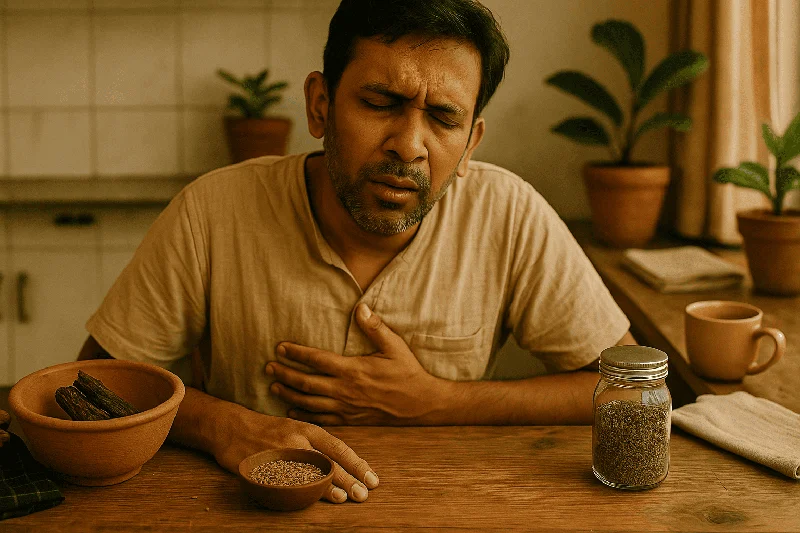
Imagine waking up every morning with persistent bloating and discomfort that just won’t go away. You’ve tried varying your diet, exercising, and even taking multiple over-the-counter medications—but relief is fleeting. If this sounds familiar, you may be experiencing what Ayurveda refers to as agnimandya, commonly described as the “diminished digestive fire.”
In this article, we’ll dive into a comprehensive overview of agnimandya in Ayurveda, exploring its causes, clinical symptoms, and potential remedies. We’ll also juxtapose these Ayurvedic concepts with current scientific research to provide a balanced, authoritative perspective on digestive health. Whether you’re an Ayurveda enthusiast, a healthcare provider, or simply curious about alternative medicine, read on for evidence-based insights, practical steps, and an in-depth look at how agnimandya is understood and managed today.
Article Outline
-
What Is Agnimandya in Ayurveda?
-
Definition and Core Principles
-
The Concept of “Digestive Fire”
-
-
Causes and Contributing Factors
-
Dietary Habits
-
Lifestyle and Stress
-
Environmental Influences
-
Modern Research Correlations
-
-
Clinical Presentation
-
Symptoms of Diminished Digestive Fire
-
Identifying “Ama” or Toxin Build-Up
-
-
Ayurvedic Perspectives and Approaches
-
Herbal Formulations
-
Dietary Modifications
-
Panchakarma Therapies
-
-
Modern Research and Clinical Evidence
-
Peer-Reviewed Studies
-
Integrative Medicine Perspectives
-
-
Practical Tips to Restore Digestive Balance
-
Step-by-Step Lifestyle Changes
-
Evidence-Based Dietary Adjustments
-
-
FAQs About Agnimandya in Ayurveda
-
Conclusion and Call to Action
What Is Agnimandya in Ayurveda?
Definition and Core Principles
In Ayurveda, the term agnimandya merges two Sanskrit words: “agni,” meaning fire, and “mandya,” implying a state of dormancy or suppression. Agni is considered the transformative energy responsible for digestion, absorption, and assimilation of nutrients. When agni is robust, it converts food into life-sustaining energy efficiently. When compromised, as in agnimandya, it fails to metabolize food properly, potentially leading to the formation of “ama,” or toxic waste.
From a holistic standpoint, agnimandya is more than mere indigestion. It suggests an imbalance that could affect the entire body–mind complex. According to classical Ayurvedic texts like the Charaka Samhita and Sushruta Samhita, a poorly functioning digestive fire can be the root cause of numerous chronic ailments.
The Concept of “Digestive Fire”
The notion of digestive fire (agni) in Ayurveda parallels certain Western biomedical ideas of metabolic rate and enzyme function. While these systems do not map onto each other perfectly, modern research does acknowledge the importance of gut health in overall wellness. Recent studies on the microbiome (e.g., in journals available on
Causes and Contributing Factors
Dietary Habits
-
Irregular Eating Schedules
Consuming meals at erratic times disrupts the biological rhythms associated with digestion. Research from the International Journal of Food Sciences and Nutrition supports the idea that consistent meal timing promotes healthier metabolic markers. -
Overeating or Undereating
Both extremes can stress the digestive system. Modern clinical guidelines from nutrition experts emphasize portion control for maintaining optimal gastric function. -
Excessive Intake of Processed Foods
Food items loaded with preservatives, refined sugars, and unhealthy fats can slow down digestion and disrupt gut flora. From an Ayurvedic perspective, these foods are “tamasic,” contributing to heaviness and the potential build-up of ama.
Lifestyle and Stress
High-stress levels and sedentary habits can dampen digestive fire. A study published in the Journal of Behavioral Medicine showed that chronic stress can affect the vagus nerve, reducing digestive efficiency.
Environmental Influences
Exposure to high pollution levels and toxins can impair metabolic processes. Ayurvedic science links these external pollutants to internal toxic accumulation, emphasizing detoxification and environmental mindfulness.
Modern Research Correlations
Contemporary research on irritable bowel syndrome (IBS), acid reflux, and other digestive disorders suggests that factors like gut dysbiosis, psychological stress, and poor dietary patterns share similarities with the Ayurvedic concept of disturbed agni. While modern medicine uses terms like “hypochlorhydria” (low stomach acid) or “malabsorption,” the foundational idea resonates with the notion of compromised digestive fire.
Clinical Presentation of Agnimandya
Symptoms of Diminished Digestive Fire
-
Bloating and Excessive Gas
-
Frequent Burping or Acid Reflux
-
Constipation or Loose Stools
-
General Fatigue and Lethargy
-
Loss of Appetite or Unresolved Cravings
It’s important to note that agnimandya can present differently depending on individual constitution (Prakriti). For instance, a person with a Vata dominance might experience constipation and dryness, while someone with a Pittaimbalance could have acid reflux and heartburn.
Identifying “Ama” or Toxin Build-Up
In Ayurveda, the byproduct of incompletely digested food is referred to as ama, a sticky, foul-smelling substance believed to clog the channels of the body. Symptoms of ama accumulation may include a coated tongue, foul body odor, and chronic lethargy. Some practitioners suggest that detoxification methods—like simple fasting, herbal cleanses, or panchakarma—can help remove ama and reignite agni.
Ayurvedic Perspectives and Approaches
Herbal Formulations
-
Triphala
A blend of three fruits—Amalaki, Bibhitaki, and Haritaki—commonly prescribed to support regular bowel movements and strengthen digestion. -
Ginger (Zingiber officinale)
Revered for its warming properties, ginger can be consumed as a tea or spice to boost the digestive fire. -
Ajwain (Carom Seeds)
Rich in thymol, ajwain aids in reducing gas and bloating.
Disclaimer: While many herbal remedies are considered safe, always consult a qualified healthcare provider for personalized advice, especially if you’re on other medications or have underlying medical conditions.
Dietary Modifications
-
Eat Fresh, Warm Foods
Ayurveda suggests consuming freshly prepared, warm meals that are easier to break down. -
Include Digestive Spices
Coriander, cumin, fennel, and turmeric can enhance the digestive process. -
Avoid Incompatible Food Combinations
Certain traditional Ayurvedic guidelines discourage mixing milk with fish or fruits with dairy.
Panchakarma Therapies
Panchakarma, a core detoxification approach in Ayurveda, includes five major procedures to eliminate toxins. Vamana(therapeutic emesis) and Virechana (therapeutic purgation) are among the most commonly employed for digestive issues. Although widely acclaimed in Ayurvedic circles, clinical studies are still ongoing to fully validate the efficacy of Panchakarma in modern medical contexts.
Modern Research and Clinical Evidence
Peer-Reviewed Studies
-
Gut-Brain Axis
Recent meta-analyses highlight the communication pathways between the gut and brain, reinforcing Ayurveda’s holistic view that mental stress can dampen agni. -
Microbiome Research
Ongoing studies link balanced gut flora to improved digestion, immunity, and psychological well-being. Many of these findings, accessible onPubMed , align with the Ayurvedic principle of maintaining a robust agni to prevent ama accumulation.
Integrative Medicine Perspectives
A growing number of integrative clinics and research centers (e.g., the National Center for Complementary and Integrative Health) advocate combining dietary adjustments, stress management, and selective herbal supplements. This multi-pronged approach often mirrors Ayurvedic recommendations, demonstrating an emerging consensus between Eastern and Western perspectives on digestive health.
Practical Tips to Restore Digestive Balance
If you suspect you may be dealing with agnimandya, or if you simply want to optimize your digestive system, consider the following evidence-based and Ayurvedic-informed suggestions:
-
Regularize Meal Times
-
Stick to consistent eating schedules, allowing at least 3–4 hours between meals.
-
Avoid late-night snacking.
-
-
Emphasize Mindful Eating
-
Chew food thoroughly and avoid distractions like phones or TV.
-
Pay attention to satiety signals to prevent overeating.
-
-
Hydration & Warm Beverages
-
Sip warm water or herbal teas throughout the day to support digestion.
-
Avoid excessive cold drinks during or immediately after meals.
-
-
Incorporate Digestive Spices
-
Use moderate amounts of ginger, cumin, coriander, and fennel in your cooking.
-
Try a cup of warm ginger tea 30 minutes before meals.
-
-
Stress Management
-
Practice yoga, meditation, or relaxation techniques to reduce cortisol levels.
-
Physical activities like brisk walking or gentle yoga can stimulate digestive enzymes.
-
-
Herbal Support
-
Triphala at bedtime can help regularize bowel movements.
-
Consult a certified Ayurvedic practitioner for personalized herbal formulations.
-
-
Consider Professional Evaluation
-
Seek medical advice to rule out underlying conditions like gastric ulcers, IBS, or food intolerances.
-
An integrative approach may include lab tests (e.g., stool analysis) to understand gut microbiota.
-
Frequently Asked Questions (FAQs) About Agnimandya in Ayurveda
1. How do I know if I have agnimandya?
Common indicators include persistent indigestion, bloating, foul-smelling stools, and a general feeling of heaviness. However, an accurate diagnosis often requires assessment by an Ayurvedic practitioner or medical professional.
2. Can I self-treat agnimandya?
Simple dietary and lifestyle modifications—like mindful eating, stress management, and incorporation of digestive spices—may provide relief. For chronic issues or severe symptoms, professional guidance is recommended.
3. Are herbal supplements safe?
Many Ayurvedic herbs have centuries of anecdotal use, but “natural” doesn’t always mean risk-free. Consult your healthcare provider to discuss potential interactions with any current medications.
4. How long does it take to see results?
Depending on severity, you may notice improvements in a few days or weeks. Sustained benefits often require long-term commitment to healthy dietary and lifestyle choices.
5. Does Ayurveda have scientific backing?
While Ayurveda is a traditional system, increasing modern research (e.g., studies found on PubMed) explores its efficacy. Certain Ayurvedic practices, such as the use of turmeric or ginger, are well-documented for their health benefits.
Conclusion and Call to Action
Agnimandya in Ayurveda provides a fascinating lens through which to understand digestive disorders. By focusing on the concept of a balanced digestive fire, practitioners aim to eliminate toxins and enhance overall well-being. Modern research supports many facets of this approach, especially the focus on diet, stress reduction, and individualized care.
Ultimately, effective management of agnimandya in Ayurveda requires combining time-honored wisdom with contemporary clinical insights. If you’re experiencing persistent digestive issues or seeking a preventive approach, consider speaking with both an Ayurvedic expert and a medical professional to craft a comprehensive plan.
Ready to learn more, share your experiences, or contribute to ongoing discussions? Feel free to comment, share this article on social media, or subscribe to our newsletter for regular updates on integrative healthcare. By spreading awareness of integrative digestive health strategies, you can help others discover new avenues for lasting vitality and well-being.
Important Disclaimer
This article is for informational purposes only and is not intended as a substitute for professional medical advice, diagnosis, or treatment. Always consult a qualified healthcare provider before making significant changes to your diet, supplements, or lifestyle routines, especially if you have an existing medical condition or are on prescription medications.
उपयोगकर्ताओं के प्रश्न
How effective are Ayurvedic treatments for digestive disorders?
Client_18d75a
6 दिनों पहले
Ayurvedic treatments for digestive disorders can offer some symptom relief, though their effectiveness varies and scientific evidence is still emerging. Remedies often include herbal supplements like ginger, triphala, and cumin, dietary adjustments, and lifestyle changes, such as practicing regular yoga or meditation. Improvements might be observed in a few weeks but results can differ greatly among individuals. For chronic digestive disorders or severe symptoms, it's important to consult a medical professional to create a comprehensive treatment plan.
How to identify symptoms of diminished digestive fire (agnimandya)?
Client_5f9f48
16 दिनों पहले
To identify symptoms of diminished digestive fire, or agnimandya, look for indicators such as bloating, gas, indigestion, a heavy feeling in the stomach, loss of appetite, and sluggishness after meals. These symptoms align with a reduced metabolic rate and insufficient enzyme activity in Western terms. If you frequently experience these symptoms, it might be useful to adopt lifestyle changes like eating smaller meals, avoiding processed foods, and incorporating regular physical activity. Persistent symptoms should be evaluated by a healthcare professional to rule out any underlying conditions.
How does chronic stress impact my digestive health and function?
Client_628042
26 दिनों पहले
Chronic stress negatively impacts digestive health by disrupting the normal function of the vagus nerve, which is crucial for digestion. This disruption can lead to issues like indigestion, bloating, and irregular bowel movements. Stress hormones can also alter gut flora and increase intestinal permeability. Symptoms vary, but persistent digestive discomfort suggests a problem. If you experience severe or continuing symptoms, consult a healthcare provider. Addressing stress through relaxation techniques and lifestyle changes can help, and results may take from days to weeks to manifest.
Can I use lifestyle changes to enhance my digestive health naturally?
Client_b69863
35 दिनों पहले
Yes, lifestyle changes can significantly enhance your digestive health naturally. Start by adopting mindful eating habits, which involve eating slowly and paying attention to hunger cues. Incorporate a diet rich in fiber from fruits, vegetables, and whole grains to support regular bowel movements. Manage stress through practices like yoga or meditation, as stress can negatively impact digestion. Adding digestive spices such as ginger and fennel may also aid in digestion. If you experience chronic issues or severe symptoms, seek professional medical advice.
Can I trust the safety claims of herbal supplements for digestion?
Client_b6ebad
45 दिनों पहले
The safety claims of herbal supplements for digestion can vary, and "natural" doesn't automatically mean they're safe. Some herbs have long histories of use, but they can have side effects or interact with medications. It's crucial to research individual herbs, assess any potential risks, and consult a healthcare provider before starting any supplement, especially if you have underlying health issues. Look for supplements that are third-party tested for quality. If you experience adverse effects or persistent digestive issues, see a doctor for further evaluation.
Is it safe to use Ayurvedic herbs alongside a conventional diet?
Client_63fbb9
55 दिनों पहले
Yes, Ayurvedic herbs can generally be used alongside a conventional diet, but it's always best to be cautious. Some herbs might interact with perservatives or other processed food components, slowing digestion or affecting gut flora. Best to consult with a practitioner to ensure you're balancing your agni and avoiding any unwanted interactions.
What is the significance of digestive fire in Ayurveda and how does it affect overall wellness?
Client_f55712
64 दिनों पहले
In Ayurveda, digestive fire, or agni, is like the engine of your body. It breaks down food, nutrients and keeps everything running smoothly! If your agni is weak, it can lead to toxin buildup, called ama, causing issues like fatigue or digestion problems. Keeping agni balanced is key for overall wellness and energy. Consider practices that support digestion, like mindful eating or spices like ginger. :)
What is the connection between Ayurvedic principles and modern digestive health treatments?
Client_4e8c91
73 दिनों पहले
Ayurvedic principles often focus on balancing doshas and maintaining strong agni (digestive fire), which parallels modern focus on gut health. It looks at root causes like diet, stress, and lifestyle, much like modern digestive health treatments. Irregular eating, for instance, disrupts the body's natural rhythm, similar to how Ayurveda views imbalanced agni. To connect the two, consider consistency in diet, mindful eating, and recognizing stress’s impact on digestion. They draw from the same foundation- a healthy gut leads to overall balance and well-being.
What is the role of mindful eating in managing digestive health according to Ayurveda?
Client_a003b8
82 दिनों पहले
Mindful eating plays a big role in Ayurveda for managing digestive health. It's all about being present during meals, which helps agni—your digestive fire—to work better. When you focus on your food and eat slowly, you're more in tune with your body's hunger signals. It helps balance doshas and supports digestion overall. Just keeps things simple and mindful! 😊
Can I use herbal supplements safely while managing agnimandya symptoms?
Client_978bec
91 दिनों पहले
Yes, herbal supplements can help manage agnimandya symptoms, but you should be careful. It's best to consult with an Ayurvedic practitioner to choose the right herbs for your dosha and condition. Some herbs like ginger, fennel, and cumin might be helpful. Just start slow, pay attention to how your body responds, and adjust as needed! 🍃
संबंधित आलेख

Gastrointestinal Disorders
पाइलक्स टैबलेट
पाइलक्स टैबलेट की खोज
5,296

Gastrointestinal Disorders
Dhanwantara Vati: Ayurvedic Remedy for Holistic Healt
In Ayurveda, the ancient science of natural healing, Dhanwantara Vati holds a significant place for its wide-ranging therapeutic properties.
3,748

Gastrointestinal Disorders
Kuberaksha Vati Uses, Benefits, Dosage & Safety Insights
Discover the uses, benefits, dosage, and safety precautions of Kuberaksha Vati. Learn how this Ayurvedic formulation supports health and well-being.
4,771

Gastrointestinal Disorders
Chavikasavam – Ayurvedic Proprietary Medication for Digestive & Urinary Health
Discover Chavikasavam, a traditional Ayurvedic proprietary medication effective in managing digestive issues and urinary disorders. Learn about its components, benefits, and usage guidelines.
2,080

Gastrointestinal Disorders
लघु सुत्शेखर रस के फायदे, खुराक, सामग्री, साइड इफेक्ट्स
लघु सुत्शेखर रस के फायदे, खुराक, सामग्री, और साइड इफेक्ट्स की जानकारी
10,556

Gastrointestinal Disorders
Anuloma DS Tablet – Uses, Ingredients, Dose, Side Effects
Exploration of Anuloma DS Tablet – Uses, Ingredients, Dose, Side Effects
7,179

Gastrointestinal Disorders
मुष्ठारिष्ट के उपयोग, खुराक, सामग्री, और साइड इफेक्ट्स
मुष्ठारिष्टम के उपयोग, खुराक, सामग्री और साइड इफेक्ट्स की खोज
1,700

Gastrointestinal Disorders
Khanjanikari Ras: Benefits, Uses & Ayurvedic Insights
Discover Khanjanikari Ras, an Ayurvedic remedy. Learn about its benefits, applications, ingredients, dosage, and how it supports overall health and wellness.
3,014

Gastrointestinal Disorders
Peptic Ulcer Ayurvedic Treatment: Natural Ways to Heal Stomach Ulcers
Discover effective Ayurvedic treatments for peptic ulcers, including herbal remedies, therapies, and lifestyle changes supported by scientific research to alleviate symptoms and promote healing.
3,630

Gastrointestinal Disorders
Amruthotharam Kashayam for Weight Loss
Discover how Amruthotharam Kashayam can help support weight loss naturally. Explore the powerful herbal blend of this traditional Ayurvedic remedy to achieve a healthier, balanced lifestyle.
4,082
विषय से संबंधित परामर्श
अतिरिक्त दस्तावेज़
© 2024 Ask Ayurveda. सर्वाधिकार सुरक्षित।