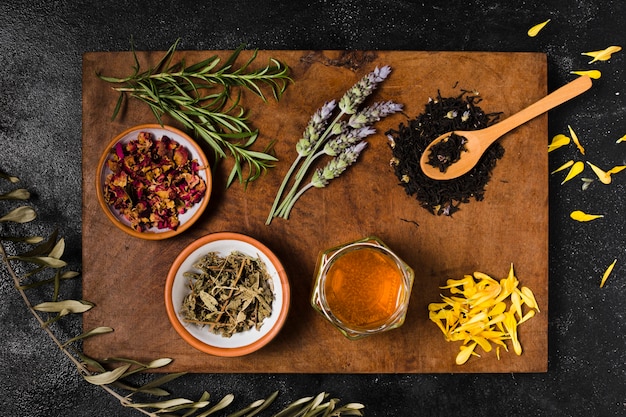
आयुर्वेदिक डॉक्टर से प्रश्न पूछें और निःशुल्क या भुगतान मोड में अपनी चिंता की समस्या पर ऑनलाइन परामर्श प्राप्त करें। 2,000 से अधिक अनुभवी डॉक्टर हमारी साइट पर काम करते हैं और आपके प्रश्नों का इंतजार करते हैं और उपयोगकर्ताओं को उनकी स्वास्थ्य समस्याओं को हल करने में प्रतिदिन मदद करते हैं।


Body DetoxEar, Nose, and Throat DisordersGeriatrics & RejuvenationImmunodeficiencyInfertility TreatmentNutritionOrthopedic DisordersPediatricsRespiratory DisordersSexually Transmitted Diseases (STDs)Surgery RecoveryUrological DisordersVascular DisordersDental DisordersEndocrinological DisordersGastrointestinal DisordersYoga TherapyGeneral MedicineAllergic DisordersCardio DisordersGynecology and ObstetricsCosmetologySkin and Hair DisordersEye DisordersInfectious DiseasesMental DisordersNeurological DisordersOncologyPanchakarmaSexual Health & DisordersSports Medicine
पर प्रकाशित 02/28/25
(को अपडेट 08/14/26)
3,355
Arka Vati – Traditional Ayurvedic Tablet for Detoxification and Digestive Wellness

Arka Vati is a classical Ayurvedic tablet primarily used to treat Agnimandya (impaired digestion), support liver detoxification, and restore healthy gastrointestinal function. Derived from the potent herb Arka (Calotropis procera), combined with Trikatu and other digestive stimulants, this formulation has been referenced in traditional Ayurvedic texts for centuries. It works by kindling Jatharagni (the central digestive fire), eliminating accumulated ama (toxins), and balancing Kapha and Vata doshas — the primary culprits behind sluggish digestion, bloating, and metabolic weakness.
- If you've been struggling with chronic indigestion, loss of appetite, or a feeling of heaviness after meals, Arka Vati might be exactly what your Ayurvedic practitioner recommends. But understanding what's inside the tablet, how it works, and when to be cautious is absolutely essential before you begin.
- This guide covers everything — from the botany of its key ingredient to clinical research, dosage protocols, and how it compares to similar formulations.
What Is Arka Vati?
Definition & Ayurvedic Classification
Arka Vati falls under the Vati/Gutika (tablet) category in classical Ayurvedic pharmacology. The term "Vati" refers to medicines prepared by rolling herbal powders into small pill form, sometimes with the addition of binding agents like guggulu or jaggery. Arka Vati specifically belongs to the sub-group of Deepana-Pachana (appetite-stimulating and digestion-promoting) formulations.
The word "Arka" refers to Calotropis procera (sometimes Calotropis gigantea), a plant found abundantly across the Indian subcontinent. In Ayurveda, Arka is classified as a Tikshna (sharp) and Ushna (hot potency) herb — qualities that make it exceptionally effective at cutting through metabolic sluggishness and accumulated Kapha.
It is important to note that raw Arka plant parts are considered toxic in Ayurveda and must undergo Shodhana (purification) before being used in any internal medicine. This purification process is what transforms a potentially harmful plant into a powerful therapeutic agent.
Historical Background & Classical References
Arka Vati's roots trace back to classical Ayurvedic compendia. References to formulations containing Arka can be found in texts such as Rasatarangini and Bhaishajya Ratnavali, where the plant's medicinal uses are documented alongside specific purification methods. The formulation was traditionally prescribed by Vaidyas (Ayurvedic physicians) for conditions categorized under Grahani Roga (diseases of the duodenum) and Agnimandya.
A relevant Sanskrit verse describing the properties of Arka states:
> "Arko laghu ushna tikshnasch deepano vatakaphanut"
> — Arka is light, hot, sharp, kindles digestive fire, and alleviates Vata and Kapha.
This verse encapsulates exactly why the plant serves as the cornerstone of this formulation — its inherent pharmacodynamic properties directly address the pathophysiology of indigestion as understood in Ayurvedic theory.
Key Ingredient: Arka (Calotropis procera)
Botanical Description
Calotropis procera is a perennial shrub belonging to the family Asclepiadaceae. It grows up to 4–5 meters in height and is commonly found in dry, sandy, and alkaline soils across India, particularly in Rajasthan, Gujarat, and the Deccan Plateau. The plant produces characteristic pale purple or white flowers and exudes a milky white latex when any part is cut or broken.
In Indian folk medicine and Ayurveda alike, different parts of the plant — the root bark, leaves, flowers, and latex — have been used for diverse therapeutic purposes. However, for Arka Vati, the root bark and occasionally the leaves are the parts most commonly employed after proper processing.
Pharmacological Properties (Rasa, Guna, Virya, Vipaka)
| Property | Value |
|---|---|
| Rasa (Taste) | Katu (Pungent), Tikta (Bitter) |
| Guna (Quality) | Laghu (Light), Ruksha (Dry), Tikshna (Sharp) |
| Virya (Potency) | Ushna (Hot) |
| Vipaka (Post-digestive effect) | Katu (Pungent) |
| Dosha Karma | Kapha-Vata Shamaka (reduces Kapha & Vata) |
From a modern pharmacological standpoint, studies have identified several bioactive compounds in Calotropis procera, including calotropin, calactin, uscharidin (cardenolides), as well as flavonoids and terpenes. Research published in the Journal of Ethnopharmacology (2012) has documented its anti-inflammatory, analgesic, hepatoprotective, and antimicrobial properties in animal models.
Shodhana (Purification) Process
This is a critical aspect that most sources fail to explain adequately. Raw Arka is considered Visha Dravya (toxic substance) in Ayurveda. The latex contains cardiac glycosides that can cause serious adverse effects if ingested without proper processing.
The classical Shodhana method involves:
- Collecting fresh Arka root bark or leaves
- Immersing them in Gomutra (cow's urine) or Kanji (sour gruel) for a specified period — typically 3–7 days
- Washing thoroughly with clean water
- Drying in shade (not direct sunlight, which can degrade certain compounds)
- Repeating the process if the text specifies multiple cycles
This process neutralizes or significantly reduces the concentration of toxic cardenolides while preserving the therapeutically beneficial compounds. The concept is somewhat analogous to modern pharmaceutical detoxification — a brilliant example of how ancient Ayurvedic scientists understood toxicology at a practical level.
Complete Ingredients & Composition
Full Formula Breakdown
While the exact composition can vary slightly between manufacturers and textual references, the classical Arka Vati formulation generally includes these core ingredients:
| Ingredient | Sanskrit Name | Botanical/Chemical Name | Proportion |
|---|---|---|---|
| Purified Arka | Shuddha Arka | Calotropis procera (root bark) | Chief ingredient |
| Dry Ginger | Shunthi | Zingiber officinale | Equal part |
| Black Pepper | Maricha | Piper nigrum | Equal part |
| Long Pepper | Pippali | Piper longum | Equal part |
| Rock Salt | Saindhava Lavana | Sodium chloride (natural) | As needed |
| Lemon juice | Nimbu Swarasa | Citrus limon | Bhavana Dravya (levigating agent) |
Note: Some formulations may include additional ingredients like Haritaki (Terminalia chebula), Chitraka (Plumbago zeylanica), or Hingu (Asafoetida), depending on the reference text and manufacturer.
Role of Each Ingredient
Shuddha Arka (Purified Calotropis procera): The primary active ingredient. Stimulates Agni at its deepest level, reduces Kapha accumulation in the GI tract, and promotes expulsion of ama. Its Tikshna (sharp) quality enables it to "cut through" metabolic stagnation. Shunthi (Dry Ginger): One of the most extensively studied Ayurvedic herbs. A 2019 systematic review in Food Science & Nutrition confirmed ginger's gastroprotective, antiemetic, and digestive enzyme–stimulating properties. In this formula, Shunthi enhances bioavailability and reduces potential GI irritation. Maricha (Black Pepper): Contains piperine, which enhances absorption of other herbal compounds by up to 2,000% according to research by Shoba et al. (1998). Also stimulates hydrochloric acid secretion in the stomach, directly supporting protein digestion. Pippali (Long Pepper): A Rasayana (rejuvenative) herb that uniquely combines hot potency with a sweet post-digestive effect. It rejuvenates the liver, enhances bile production, and has demonstrated hepatoprotective properties in multiple pre-clinical studies.
Together, Shunthi, Maricha, and Pippali form the legendary Trikatu combination — perhaps the most well-known digestive stimulant trio in all of Ayurveda.
Saindhava Lavana (Rock Salt): Enhances taste perception, stimulates salivary and gastric secretions, and acts as a mild laxative. Unlike processed table salt, Saindhava is considered tridosha-balancing. Nimbu Swarasa (Lemon Juice): Used as a Bhavana Dravya during preparation, it activates certain phytochemicals through acid-mediated extraction and improves tablet binding.
Method of Preparation
The classical manufacturing process of Arka Vati follows the general Vati Kalpana (tablet-making) guidelines described in texts like Sharangadhara Samhita:
- 1.Shodhana of Arka — The Arka root bark undergoes purification as described above
- 2.Drying and Powdering — All ingredients are individually dried and ground into fine powder (Churna)
- 3.Mixing — The powders are combined in specified proportions
- 4.Bhavana (Levigation) — The mixed powder is triturated with lemon juice or sometimes Arka patra swarasa (juice of Calotropis leaves) in a mortar. This wet grinding process is repeated for a specified number of cycles — typically until the mixture achieves a dough-like consistency
- 5.Rolling — Small, uniform pills are hand-rolled, usually weighing approximately 250 mg each
- 6.Drying — Pills are shade-dried to preserve potency
Modern GMP-certified manufacturers follow these traditional steps with additional quality control measures, including testing for microbial contamination and heavy metal content (recommended limit: <4 PPM for lead, arsenic, mercury, and cadmium).
How Does Arka Vati Benefit the Digestive System? (Therapeutic Uses)
Agnimandya (Impaired Digestion) & Digestive Health
- This is the primary indication for Arka Vati.
- In Ayurvedic pathology, Agnimandya — the weakening of digestive fire — is considered the root cause of virtually all diseases. When Agni is weak, food is incompletely digested, producing ama (metabolic toxins) that circulate through the body and lodge in various tissues.
Arka Vati addresses Agnimandya through multiple mechanisms:
- Directly stimulating Jatharagni through its Ushna Virya
- Breaking down accumulated ama through its Tikshna quality
- Clearing Kapha obstruction from the Annavaha Srotas (GI channels)
Specific digestive conditions where Arka Vati is indicated include:
- Anorexia (Aruchi) — loss of appetite and taste aversion
- Dyspepsia (Ajirna) — indigestion with bloating and discomfort
- Flatulence (Adhmana) — excessive gas formation
- Constipation (Vibandha) — particularly when caused by Kapha-type sluggishness
- GERD/Acid reflux — specifically the Kapha-type with heavy, dull sensation (not Pitta-type with burning)
Can Arka Vati Support Liver Detoxification?
- Yes — and this is one of its most valuable secondary benefits. The liver, referred to as Yakrit in Ayurveda, plays a central role in the Ranjaka Pitta function (metabolism and blood formation).
- Arka Vati supports hepatic health through:
- Stimulating bile secretion (Cholagogue effect) — particularly through Pippali and Arka
- Antioxidant protection — flavonoids in Calotropis and gingerols in Shunthi scavenge free radicals that damage hepatocytes
- Hepatocyte regeneration — Pippali has shown hepatoprotective activity in carbon tetrachloride–induced liver damage models (Patel et al., 2012)
This makes Arka Vati relevant not only for digestive complaints but also for early-stage fatty liver, sluggish liver function, and as a supportive therapy during detoxification protocols including Panchakarma.
Effect on Doshas: Kapha & Vata Balancing
Arka Vati is predominantly Kapha-Vata Shamaka. Its hot, sharp, light, and dry qualities directly oppose the cold, heavy, oily, and dull qualities of aggravated Kapha. Meanwhile, its digestive fire–kindling action pacifies Vata by addressing the irregular Agni (Vishamagni) that characterizes Vata imbalance.
Importantly, this formulation can potentially aggravate Pitta due to its heating nature. Individuals with pre-existing Pitta conditions (gastric ulcers, hyperacidity, inflammatory conditions) should either avoid it or use it under strict practitioner supervision with cooling adjuvants.
Anti-inflammatory & Antioxidant Effects
Beyond digestion, the formulation offers systemic anti-inflammatory benefits. Calotropis procera extracts have demonstrated inhibition of COX-2 and lipoxygenase pathways in laboratory studies. The Trikatu combination further enhances these effects, with black pepper's piperine showing NF-κB inhibition in multiple in-vitro models.
Other Indications
- Ama Vata (rheumatoid conditions caused by toxin accumulation)
- Shotha (inflammatory swelling)
- Krimi (intestinal worms — due to the anthelmintic properties of Arka)
- Medoroga (obesity-related metabolic dysfunction)
स्वयं दवा न लें और प्रतीक्षा न करें। अभी डॉक्टर से चैट शुरू करें
Mechanism of Action: How Arka Vati Works
Ayurvedic Perspective (Agni, Ama, Dosha)
From the classical viewpoint, the mechanism follows a clear therapeutic logic:
- Deepana (appetite stimulation) → Tikshna and Ushna Guna kindle the dormant Agni
- Pachana (digestion of ama) → The sharp quality "burns" accumulated ama in the Koshtha (GI tract)
- Kapha Shamana → Reducing excess Kapha that was smothering Agni (like water dampening a fire)
- Srotoshodhana → Clearing the subtle channels of obstruction, allowing nutrients to reach dhatus (tissues)
Modern Pharmacological Perspective
Translating this into contemporary terms:
- Gastric acid & enzyme secretion↑ — Piperine and gingerol stimulate parietal cells and chief cells
- Bile flow↑ — Cholagogue action improves fat digestion and liver detoxification
- Gut motility normalization — Prokinetic effects reduce bloating and stasis
- Gut microbiome modulation — Antimicrobial compounds may reduce SIBO-related symptoms
- Hepatoprotective signaling — Upregulation of glutathione and SOD (superoxide dismutase) enzyme systems
Clinical Evidence & Research
Comparative Study: Arka Vati 1 vs Arka Vati 2
The most significant clinical study on Arka Vati was conducted by Gautam et al. (2013), published in an Ayurvedic research journal. This randomized comparative clinical trial evaluated two variants of Arka Vati on 40 patients diagnosed with Agnimandya.
Study Design:
- 40 patients divided into two groups of 20
- Group A received Arka Vati formulation No. 1
- Group B received Arka Vati formulation No. 2
- Treatment duration: 40 days
- Assessment parameters: appetite, digestion, bloating, nausea, bowel regularity, fatigue/laziness
Key Findings:
- Both formulations showed statistically significant improvement in all measured symptoms of Agnimandya
- The one exception was Alasya (laziness/fatigue), where improvement did not reach statistical significance
- Both groups demonstrated improvements in appetite score, reduction in abdominal distension, and normalization of bowel habits
- No serious adverse events were reported in either group during the 40-day trial period
Summary of Findings
While this remains the only dedicated clinical trial on Arka Vati, the results are encouraging. The fact that both formulation variants produced significant results suggests that the core ingredients — Arka and Trikatu — are the primary therapeutic drivers. The non-significant result for laziness makes clinical sense, as Alasya is often a systemic Kapha-Tamas condition requiring broader lifestyle interventions beyond herbal medicine alone.
Additional pharmacological evidence supporting individual ingredients is more abundant. For example, a 2020 meta-analysis in Phytomedicine confirmed ginger's efficacy for functional dyspepsia across 11 RCTs involving 586 participants.
Dosage & Administration
Recommended Dosage for Adults
| Parameter | Recommendation |
|---|---|
| Dose | 1–2 tablets (250 mg each), twice daily |
| Timing | Before meals (30 minutes prior) |
| Anupana (Adjuvant) | Warm water, or buttermilk, or ginger juice |
| Duration | 30–40 days as a standard course |
Dosage for Children
Pediatric use of Arka Vati requires extra caution due to the Tikshna nature of Calotropis.
General guidelines:
Age-Based Adjustments
- Children under 5 years: Generally not recommended without expert guidance
- Children 5–12 years: ½ tablet once or twice daily, strictly under practitioner supervision
- Adolescents 12–16 years: 1 tablet twice daily
Always consult a qualified Ayurvedic practitioner before administering Arka Vati to children. The developing GI tract is more sensitive to Tikshna Dravyas.
Best Time to Take & Anupana
The ideal time is before meals (Pragbhakta Kala), which is the standard administration time for Deepana-Pachana medicines. Taking it before food allows the formulation to prime the digestive system before the arrival of food.
Choice of Anupana matters:
- Warm water — General use, Kapha-type indigestion
- Buttermilk (Takra) — When there's associated Grahani or IBS-like symptoms
- Ginger juice + honey — For pronounced Kapha-Ama conditions with thick white tongue coating
How Long Does It Take to See Results from Arka Vati?
Most patients report noticeable improvement in appetite and reduction in bloating within 7–10 days. However, for chronic Agnimandya or deep-seated ama conditions, a full 30–40 day course is typically necessary. Some practitioners recommend a gap of 2 weeks between courses before starting another cycle.
Diet & Lifestyle During Treatment (Pathya-Apathya)
This is an area almost completly ignored by other sources, yet it's crucial for treatment success. Ayurveda emphasizes that medicine without proper diet is only half the treatment.
Pathya (Favorable)
- Foods: Moong dal, old rice (Purana Shali), warm soups, cooked vegetables, buttermilk, light khichdi
- Spices: Cumin, coriander, fennel, hing (asafoetida), turmeric
- Habits: Eating at fixed times, chewing food thoroughly, walking 100 steps after meals (Shatapavali), avoiding sleeping immediately after lunch
Apathya (Unfavorable)
- Foods: Cold beverages, ice cream, heavy fried foods, excessive dairy (especially cold milk), raw salads in excess, junk food, curd at night
- Habits: Eating before previous meal is digested (Adhyashana), suppressing natural urges, excessive daytime sleep, staying up past 11 PM
- Substances: Alcohol, excessive caffine, tobacco
Following these guidelines can significantly amplify the therapeutic effect of Arka Vati and often makes the difference between mediocre and excellent clinical outcomes.
Side Effects & Precautions
Are There Any Side Effects Associated with Arka Vati?
When taken in recommended doses after proper Shodhana of ingredients, Arka Vati is generally considered safe.
However, potential side effects include:
- Gastric irritation or burning — particularly in Pitta-predominant individuals
- Loose stools — usually mild and self-limiting in the first few days
- Dry mouth or excessive thirst — due to the Ruksha (drying) quality
- Skin rashes — rare, but possible in sensitive individuals
If any of these symptoms persist beyond 3–4 days or worsen, discontinue use and consult your practitioner.
Contraindications
- Pregnancy: Strictly contraindicated. Calotropis has uterine-stimulant properties that could potentially risk miscarriage
- Breastfeeding: Not recommended unless specifically prescribed, as active compounds may pass into breast milk
- Active peptic ulcers / Gastric bleeding: The Tikshna nature can aggravate ulcerative conditions
- Pitta Prakruti with active inflammation: Use with caution and only with cooling Anupana
- Severe dehydration: The drying quality can worsen fluid depletion
Drug Interactions
This is an area that deserves far more attention than it typicaly receives:
- Cardiac glycoside medications (Digoxin, etc.): Calotropis contains natural cardenolides — concurrent use could potentiate cardiac effects. Avoid combination.
- Anticoagulants (Warfarin): Piperine may alter drug metabolism through CYP450 enzyme inhibition, potentially increasing bleeding risk
- Antidiabetic drugs: Arka Vati may enhance hypoglycemic effects — monitor blood sugar closely
- Antihypertensive medications: Possible additive effects — blood pressure monitoring recommended
- Phenytoin and other narrow therapeutic index drugs: Piperine's bioavailability-enhancing effect could raise drug levels to toxic ranges
Always inform both your Ayurvedic practitioner and allopathic doctor about all medicines you are taking.
Arka Vati vs Similar Ayurvedic Formulations
Arka Vati vs Agnitundi Vati
| Parameter | Arka Vati | Agnitundi Vati |
|---|---|---|
| Primary Action | Deepana-Pachana (kindling & digesting) | Deepana-Pachana with stronger Pachana |
| Key Ingredient | Calotropis procera | Multiple herbs + minerals |
| Contains Metals/Minerals | No (purely herbal) | Yes (may contain Vanga Bhasma) |
| Best For | Kapha-Vata type Agnimandya | Severe indigestion with ama |
| Safety Profile | Simpler, fewer interactions | Requires more careful monitoring |
| Pitta Suitability | Low | Very Low (even more heating) |
Arka Vati vs Chitrakadi Vati
| Parameter | Arka Vati | Chitrakadi Vati |
|---|---|---|
| Primary Action | Deepana-Pachana + detox | Deepana-Pachana + anti-Kapha |
| Key Ingredient | Calotropis procera | Chitraka (Plumbago zeylanica) |
| Classical Text | Rasatarangini / Bhaishajya Ratnavali | Ashtanga Hridaya |
| Strength | Moderate | Strong |
| Best For | Mild-moderate Agnimandya | Severe Kapha, Ama, Grahani |
| Availability | Moderate | Very widely available |
Lavanbhaskar Churna is another commonly compared formulation, but it is a Churna (powder) rather than a Vati, making it more suitable for patients who prefer powder form with buttermilk. It is milder than Arka Vati and better suited for Pitta-sensitive individuals.
Available Brands, Price & Where to Buy
Popular Manufacturers
Several established Ayurvedic pharmaceutical companies manufacture Arka Vati, including:
- Baidyanath — One of the oldest manufacturers with wide distribution
- Dabur — Available in select product lines
- Dhootapapeshwar — Known for classical formulations
- Unjha Pharmacy — Gujarat-based traditional manufacturer
- Kottakkal Arya Vaidya Sala — South Indian tradition
Quality & Purity Standards
When purchasing Arka Vati, look for:
- GMP Certification — Ensures the manufacturing facility meets Good Manufacturing Practice standards mandated by the Indian government for Ayurvedic medicines
- Heavy Metal Testing — Reputable brands test for lead, arsenic, mercury, and cadmium with limits below 4 PPM
- FSSAI License — For products sold as health supplements
- Batch number and expiry date — Shelf life is typically 3–5 years from manufacturing for properly stored Vati preparations
Where Can I Purchase Authentic Arka Vati?
Authentic Arka Vati is available through:
- Licensed Ayurvedic pharmacies
- Reputable online platforms (1mg, Amazon India, Ayurvedic brand websites)
- Direct from practitioner clinics
Approximate price range: ₹150–₹400 for a bottle of 60 tablets, depending on the manufacturer and formulation specifics. For reference, one well-known manufacturer prices their Arka Vati at approximately ₹380 for 60 tablets. Caution: Avoid purchasing from unverified sellers or platforms without proper labeling. Counterfeit Ayurvedic products are a real concern, and improperly processed Arka poses genuine toxicity risks.
Differences Between Manufacturers
One thing worth noting — and something rarely discussed — is that Arka Vati is not a completely standardized product across manufacturers.
Variations exist in:
- Exact ingredient proportions — Different companies may follow different textual references
- Source of Calotropis — C. procera vs C. gigantea (both are called "Arka" but have slightly different phytochemistry)
- Shodhana method employed — Some use Gomutra-based purification, others use Kanji
- Additional ingredients — Some brands add Chitraka, Haritaki, or mineral components not present in the basic formula
- Tablet excipients — Modern manufacturing may add binding agents or coatings
This is why it is always best to consult a practitioner who can recommend a specific brand based on your Prakruti and condition.
Frequently Asked Questions (FAQ)
What Are the Benefits of Arka?
The Arka plant (Calotropis procera) offers a wide spectrum of benefits in Ayurvedic medicine — digestive stimulation, anti-inflammatory action, anthelmintic properties, wound healing (external use), and detoxification support. When properly purified and formulated as Arka Vati, its primary benefit is restoring impaired digestive fire.
What Is the Best Treatment for Liver Cirrhosis in Ayurveda?
While Arka Vati supports general liver health and early-stage hepatic dysfunction, liver cirrhosis is a serious condition requiring comprehensive treatment. Ayurvedic approaches for cirrhosis typically involve formulations like Arogyavardhini Vati, Kumaryasava, Bhumyamalaki, and Punarnava Mandura — along with Panchakarma therapies like Virechana. Arka Vati alone is not sufficient for cirrhosis but may serve as a supportive adjunct for the digestive component.
What Is Harad Used For?
- Harad (Haritaki / Terminalia chebula) is sometimes included in enhanced Arka Vati formulations. It is known as the "King of Medicines" in Ayurveda, used for constipation, digestive disorders, respiratory ailments, and as a potent Rasayana.
- It balances all three doshas — a rare quality among herbs.
What Are the Benefits of Vati Preparations in General?
Vati (tablet) preparations offer several advantages in Ayurvedic therapeutics: precise dosing, longer shelf life compared to Churnas and Kashayams, ease of administration, portability, and palatability. They are especially useful for patients who find the taste of Ayurvedic powders or decoctions unpleasant.
Final Thoughts
Arka Vati represents an elegant example of Ayurvedic pharmaceutical wisdom — taking a potentially toxic plant, purifying it through time-tested methods, combining it with synergistic herbs, and creating a medicine that effectively addresses one of the most fundamental problems in human health: poor digestion.
- Whether you're dealing with chronic indigestion, sluggish metabolism, or early-stage liver congestion, Arka Vati offers a classical, time-honored approach backed by both traditional knowledge and emerging scientific evidence.
- The key is to use it correctly — right dosage, right timing, right diet, and most importantly, under the guidance of a qualified Ayurvedic practitioner.
- Don't self-medicate with Arka Vati, especially given the toxicological profile of raw Calotropis. Consult a certified Ayurvedic doctor who can assess your Prakruti, Vikruti, and the specific nature of your digestive complaint before starting treatment.
- Your digestive fire is worth protecting — treat it with both respect and the right medicine.
Scientific Sources
- A comprehensive review on ethnomedicine, phytochemistry, pharmacology, and toxicity of Tephrosia purpurea (L.) Pers — Rao AS et al., 2020, Phytotherapy research : PTR
- Development of Lepidium sativum Extracts/PVA Electrospun Nanofibers as Wound Healing Dressing — Amer AA et al., 2022, ACS omega
- Post-operative Ayurvedic management of non-healing idiopathic granulomatous mastitis - A case report — Balakrishnan M et al., 2021, Journal of Ayurveda and integrative medicine
- Methodological implications of nonlinear dynamical systems models for whole systems of complementary and alternative medicine — Bell IR et al., 2012, Forschende Komplementarmedizin (2006)
- Rational use of Ashwagandha in Ayurveda (Traditional Indian Medicine) for health and healing — Joshi VK et al., 2021, Journal of ethnopharmacology
- Preparation and standardization of Mathan Tailam: A classical Siddha formulation for diabetic ulcerative wound healing — Arunadevi R et al., 2020, Journal of Ayurveda and integrative medicine
- Impact of aloe vera on post-surgical wound healing in chronic periodontitis patients undergoing periodontal flap surgery: A randomized controlled trial — Agrawal MC et al., 2025, Bioinformation
- Contention and collaboration: the tenuous encounter of modern Ayurveda and Western medicine in the twentieth and twenty-first centuries — Katial JM, 2024, Medical humanities
- Wound healing promoting activity of stem bark extract of Semecarpus anacardium using rats — Lingaraju GM et al., 2012, Natural product research
- Wound healing efficacy of Jatyadi Taila: in vivo evaluation in rat using excision wound model — Shailajan S et al., 2011, Journal of ethnopharmacology
- Phyto-chemical and pharmacological applications of Berberis aristata — Potdar D et al., 2012, Fitoterapia
- Health benefits of ghee: Review of Ayurveda and modern science perspectives — Kataria D et al., 2024, Journal of Ayurveda and integrative medicine
- The healing bird — Couper JL, 1990, South African medical journal = Suid-Afrikaanse tydskrif vir geneeskunde
- Wound healing efficacy of novel ayurveda formulation- Pentabark Kashaya: In wistar rats using excision wound model- an in vivo study — Madiwalar MB et al., 2022, Journal of Ayurveda and integrative medicine
- Therapeutic properties and pharmacological activities of asiaticoside and madecassoside: A review — Bandopadhyay S et al., 2023, Journal of cellular and molecular medicine
- Exploring the efficacy of panchavalkal extract and Zinc-Copper Bhasma in promoting wound healing in incision and excision wound models in the rat — Pathak PC et al., 2024, Journal of ethnopharmacology
- A biostatistical approach to ayurveda: quantifying the tridosha — Joshi RR, 2004, Journal of alternative and complementary medicine (New York, N.Y.)
- Ayurveda--the science of healing — Gokani T, 2014, Headache
- Phytochemical constituents, distributions and traditional usages of Arnebia euchroma: A review — Kumar A et al., 2021, Journal of ethnopharmacology
- Chemical Diversity and Medicinal Potential of Vitex negundo L.: From Traditional Knowledge to Modern Clinical Trials — Sharma D et al., 2023, Chemistry & biodiversity
उपयोगकर्ताओं के प्रश्न
How does Arka Vati compare to other herbal remedies for digestion?
Client_6aad8d
7 दिनों पहले
Arka Vati, an herbal remedy, shows potential in enhancing digestion by targeting Agnimandya, or digestive impairment. Compared to other herbal remedies, Arka Vati's unique formulation includes sharp (Tikshna) qualities aimed at clearing metabolic stagnation, which can improve digestion. Its anti-inflammatory and hepatoprotective properties, documented in animal studies, could offer benefits over basic remedies. However, unlike some other herbs that might address a wider spectrum of digestive issues, Arka Vati may require complementary lifestyle changes for optimal results. For persistent digestive problems, consulting with a healthcare provider is advisable.
What is the scientific evidence for Arka Vati's health benefits?
Client_407895
17 दिनों पहले
The scientific evidence for Arka Vati's health benefits is limited, primarily stemming from preliminary research studies on its components, like Calotropis procera, rather than the formulation itself. Studies published in the Journal of Ethnopharmacology have shown that Calotropis procera exhibits anti-inflammatory, analgesic, hepatoprotective, and antimicrobial properties in animal models. However, these findings need confirmation in human clinical trials to establish clear benefits and safety profiles. If considering Arka Vati for any health condition, consult a healthcare provider, particularly if you have a Pitta imbalance, as it may aggravate this dosha.
What precautions should I take when using Arka Vati for digestion?
Client_f656b5
27 दिनों पहले
When using Arka Vati for digestion, it is important to take some precautions to ensure safe and effective use. Arka Vati should ideally be taken before meals, as this timing aligns with its intended use for enhancing digestion (Deepana-Pachana). Always start with the dosage recommended on the product label or by a healthcare professional. Since Arka Vati can be potent, individuals with sensitive gastrointestinal tracts or underlying health conditions should consult a healthcare provider before starting. Watch for any adverse reactions such as nausea or gastrointestinal discomfort. If symptoms persist or worsen, seek medical advice immediately. Pregnant or lactating women, and children should use it only under professional supervision.
What supporting herbs can enhance the effects of Arka Vati?
Client_35aca7
36 दिनों पहले
To enhance the effects of Arka Vati, supporting herbs like Harad (Haritaki/Terminalia chebula) can be beneficial. Harad is known to aid in digestion by stimulating hydrochloric acid secretion, which can complement the digestive benefits of Arka Vati. Another potential supportive herb is Ginger (Zingiber officinale), which can help reduce nausea and improve digestion. Typically, the effects of these combinations can be noticed within a few days to weeks, but individual responses may vary. Consult a healthcare provider to understand possible interactions with other medications or conditions.
What are the traditional uses of Calotropis procera in herbal medicine?
Client_a21446
46 दिनों पहले
Calotropis procera, commonly known as the milkweed plant, is traditionally used in herbal medicine for its potential anti-inflammatory, analgesic, and purgative properties. The root bark and leaves are often employed after processing. It is used to manage ailments such as skin conditions, digestive disorders, and pain relief. While it holds a place in traditional remedies, caution is advised due to its toxic components, like cardenolides. Always consult a healthcare provider for safe use and proper dosing, as misuse can be harmful.
What is the role of Shunthi in Arka Vati and how does it enhance its effects?
Client_9463db
55 दिनों पहले
Shunthi, or dry ginger, in Arka Vati, plays a key role by boosting bioavailability, helping your body absorb the other ingredients better and reducing potential gastrointestinal irritation. It's great for digestion and boosting that digestive fire, or agni, which is crucial in Ayurveda to process foods properly and maintain balance. If you want to delve deeper, you might look into how Shunthi's warming qualities aid in balancing Vata and Kapha doshas!
Can I take Arka Vati for weight loss benefits?
Client_c64471
66 दिनों पहले
Arka Vati can support digestion and detoxification which might indirectly aid in weight management but it's not specifically a weight loss remedy. It's always good to consult a practitioner to understand if it's right for your body type and health goals. Focusing on a balanced diet and lifestyle alongside could be more effective!
What are the signs that Arka Vati is effectively supporting my digestion?
Client_faa144
75 दिनों पहले
If you're taking Arka Vati, you might notice smoother digestion, less bloating, more regular bowel movements, and feeling overall lighter and more energized. It might also boost ur appetite or help with nutrient absorption. But remember, everyone's different, so trust how your body feels too! If it feels off, check in with your Ayurvedic practitioner.
What are the potential side effects of using Arka Vati for detoxification?
Client_8fbcf1
84 दिनों पहले
Some potential side effects of Arka Vati might include digestive upset like gas or diarrhea, especially if dosha dosha imbalances aren't properly considered. Some folks could be sensitive to specific herbs used, so it's good to pay attention to how your body reacts and consult an Ayurvedic pro if any issues crop up. Experiment gently!
What is the recommended duration for taking Arka Vati for effective detoxification?
Client_73017d
93 दिनों पहले
The duration for taking Arka Vati can differ from person to person. Typically, a course lasts about 2-3 months, but it's important to consult an Ayurvedic practitioner. They'll take your dosha type and specific health needs into account to give you the best advice. Just remember, consistency matters!
संबंधित आलेख

Gastrointestinal Disorders
Pushyanuga Churna Benefits, Dosage, Ingredients, Side Effects, Reference
Exploration of Pushyanuga Churna Benefits, Dosage, Ingredients, Side Effects, Reference
1,871
Gastrointestinal Disorders
Amrutadi Guggul Uses: Bridging Ayurvedic Tradition and Modern Science
Explore Amrutadi Guggul Uses from an Ayurvedic and scientific perspective. Learn about traditional benefits, research insights, dosage guidelines, and practical tips for wellness.
2,910

Gastrointestinal Disorders
Agnitundi Vati – Ayurvedic Medicine for Digestive Health
earn about Agnitundi Vati, an Ayurvedic formulation for digestive wellness. Discover its benefits, usage, and potential side effects to ensure safe and effective treatment.
3,726

Gastrointestinal Disorders
लिवोकॉट टैबलेट के उपयोग, खुराक, सामग्री, साइड इफेक्ट्स
लिवोकॉट टैबलेट के उपयोग, खुराक, सामग्री, और साइड इफेक्ट्स की जानकारी
3,049

Gastrointestinal Disorders
Vilwadi Gutika: Scientific Insights & Practical Applications
Explore the science behind Vilwadi Gutika, its Ayurvedic origins, research findings, and expert tips for safe, effective use in holistic healthcare.
3,182
Gastrointestinal Disorders
Guggulu Tiktaka Ghrita: Uses, Benefits, and How to Use It Effectively
Explore the uses, benefits, proper dosage, and scientific research behind Guggulu Tiktaka Ghrita, a potent Ayurvedic formulation for joint health and inflammation.
6,398

Gastrointestinal Disorders
वैश्वानर चूर्ण के फायदे, खुराक, सामग्री, साइड इफेक्ट्स
वैश्वानर चूर्ण के फायदे, खुराक, सामग्री, और साइड इफेक्ट्स की जानकारी
3,331
Gastrointestinal Disorders
Parijatak Ghan Vati
Parijatak Ghan Vati is a powerful Ayurvedic remedy that addresses a range of health concerns while promoting holistic wellness. Its ability to manage inflammation, support joint health, and boost immunity makes it a valuable addition to your wellness rout
4,050

Gastrointestinal Disorders
Kapardika Bhasma Uses – Ayurvedic Remedy for Enhancing Health and Vitality
Explore the therapeutic benefits of Kapardika Bhasma, an Ayurvedic formulation used for various health conditions, including improving digestion, boosting immunity, and promoting overall wellness.
3,441

Gastrointestinal Disorders
Bilwadi Vati – Traditional Ayurvedic Remedy for Holistic Health
Discover the benefits of Bilwadi Vati, an Ayurvedic formulation renowned for supporting digestive health, detoxification, and overall wellness through a unique blend of natural herbs.
3,573
विषय से संबंधित परामर्श
अतिरिक्त दस्तावेज़
© 2024 Ask Ayurveda. सर्वाधिकार सुरक्षित।