जब आपकी त्वचा पित्त दोष से परेशान हो: एक आयुर्वेदिक नजरिया जो सच में मदद करता है

Pitta on Skin — and Why Ayurveda Might Be the Only Thing That Makes Sense Right Now
If you’ve ever found your skin throwing random tantrums — red patches, mysterious inflammation, breakouts that arrive with a vengeance, or even that constant prickly heat — then you might be dealing with a pitta imbalance on the skin. And if none of the usual skin advice (drink more water, use this serum, blah blah) is doing the trick, you’re not alone.
Ayurveda — the ancient Indian system of medicine that’s surprisingly relevant even in a world of LED face masks and 20-step skincare routines — has a fascinating take on this. Pitta, one of the three doshas (bio-energetic forces), governs heat, metabolism, and transformation in the body. When it’s balanced? Glowing skin. But when it’s off? Think irritation, inflammation, rashes, acne, and generally feeling like your skin hates you.
Why Ayurveda? Because it doesn’t just throw a cream at the problem. It asks bigger questions. Why is your skin reacting? Where is the excess heat coming from? What’s your constitution? What did you eat last night? How are you sleeping? Are you stressing out too much? It’s a system that treats the root, not just the rash.
In this article, we’ll dive deep — but casually — into how Ayurveda handles pitta on the skin through lifestyle choices, daily habits, food, and inner emotional balance. You’ll get real, practical, maybe even a little weird advice. But it works. And it’s surprisingly intuitive once you start living it.
Ready to stop fighting your skin and start listening to it? Let’s go.
How Ayurveda Actually Understands Skin Stuff — Especially When It’s All Pitta’d Out
What Ayurveda Says About Pitta on the Skin
Okay, so in Ayurvedic speak, when your skin is “angry” — red, burning, breaking out — it’s not just a skin problem. It’s a pitta problem. Pitta is made up of fire and a bit of water, and when that fire gets too intense, it starts burning through your skin’s chill.
You’ll notice:
-
Hot, inflamed conditions like acne, rosacea, eczema with redness
-
Sensitivity to heat or sunlight
-
Oiliness followed by sudden dryness (yes, the contradiction is real)
-
A tendency to react emotionally fast — frustration, irritation
According to Ayurveda, skin is a reflection of internal balance. So if you're living in a high-heat city, eating spicy street food at midnight, and doom-scrolling before bed? That's like inviting pitta to throw a party on your face.
This isn’t just poetic stuff. The skin, in Ayurvedic philosophy, is governed by rasa dhatu (plasma/tissue fluid) and rakta dhatu (blood), both of which are highly sensitive to pitta aggravation. When pitta invades these tissues, it manifests externally — hello, breakouts.
How Lifestyle and Diet Directly Impact Pitta Skin Imbalance
Ayurveda’s annoying habit of asking “what’s your daily routine?” over and over again is not just nosiness. It’s clinical observation.
Here’s the gist: Pitta thrives on heat, intensity, sharpness, and movement. So anything that adds more heat — whether it’s a literal hot bath or metaphorical heat like caffeine or emotional pressure — fans the flames.
What messes with pitta on skin?
-
Spicy, sour, fermented, salty foods
-
Skipping meals (fire gets erratic)
-
Overexposure to sun or heat
-
Stress (especially competitive, perfectionist stress)
-
Overuse of harsh skincare products (acids, retinoids, etc.)
On the flip side, calming the fire with cooling, sweet, bitter foods, gentle routines, and downtime makes your skin go, “Thank you. Finally.”
Why Ayurveda Doesn’t Just Say “One Size Fits All” (Because It Never Does)
This part is crucial. Just because you have pitta issues on your skin doesn’t mean you’re a full-blown pitta type. You might be a kapha-pitta, or vata-pitta, or something in between. Which means: the way your skin reacts might look similar to someone else’s, but the why behind it could be totally different.
For instance:
-
A vata-pitta person might get dry, flaky skin with red inflammation
-
A kapha-pitta person could get cystic acne with oiliness and swelling
Ayurveda always goes back to prakriti (your natural constitution) and vikriti (your current imbalance). So before you copy someone’s “ayurvedic skincare routine” from Instagram, take a second to ask: is this even right for me?
If you want your skin to improve, you need an approach that actually sees you — not a generic list of “pitta skin hacks.”

What You Eat Becomes Your Skin: Ayurvedic Diet Tips for When Pitta Is Wrecking Your Glow
Foods Recommended by Ayurveda for Pitta on Skin
If your skin’s flaring up with heat, you don't throw more fuel on the fire. Simple, right? Ayurveda looks at food through the lens of taste (rasa) and energy (virya). For pitta imbalances, the winning combination is sweet, bitter, and astringent. And yes, sweet doesn’t mean cake — sorry.
Here’s what actually helps:
-
Coconut (water, oil, meat — it’s all good): One of the best natural coolants.
-
Leafy greens: Think spinach, kale, coriander — loaded with bitter and astringent taste.
-
Cucumber, zucchini, asparagus: Light, hydrating, and pacifying.
-
Fresh dairy (in moderation): Ghee, milk, soft cheeses — but not processed or fermented stuff.
-
Sweet fruits like melons, pears, grapes, and mangoes (if they're not overripe).
-
Grains like rice, barley, oats: Grounding and not too heating.
Ayurveda’s not about “eat this for your skin” like modern diets — it’s more like, “eat to calm your whole inner thermostat.”
And herbs? Oh yes:
-
Shatavari (cooling and moisturizing)
-
Neem (great if there's toxicity in the blood)
-
Manjistha (fantastic blood purifier)
Foods Ayurveda Says Nope To (for Now) When Your Skin’s in a Pitta Flare
This part might sting if you’re a spice-lover or caffeine junkie. But when pitta’s up, you gotta pause on the firecrackers.
Avoid or minimize:
-
Chilies, garlic, onions – aka the Trifecta of Inner Combustion
-
Fermented foods like vinegar, pickles, kombucha (too acidic)
-
Tomatoes, eggplant, and peppers – nightshades can trigger heat
-
Sour fruits like grapefruit, kiwi, oranges (unless really sweet)
-
Coffee and black tea – stimulating = aggravating
-
Alcohol – sorry, but it’s one of the most heating substances in Ayurveda
Does this mean you can never eat these again? Nah. Just until the skin calms down. Then, reintroduce slowly if your system tolerates it.
Meal Planning and Timing Tips in Ayurveda for Pitta on Skin
Here’s where most people mess up — they eat “healthy” but at weird times or in giant portions. For pitta, regularity is key.
-
Never skip meals, especially lunch. Pitta = digestion, and it peaks around noon. That’s your big meal time.
-
Eat in a calm place — no eating while arguing, driving, or watching true crime.
-
Portion size: Eat till you’re 75% full. It’s vague, yes, but your body knows. Listen.
-
Include cooling spices like fennel, coriander, and mint.
Quick sample day (not a prescription, just vibes):
-
Morning: Warm oatmeal with dates and coconut
-
Lunch: Rice, sautéed greens, mung dal, ghee
-
Dinner: Quinoa, steamed zucchini, sweet potato, fresh cilantro
Easy on the oils, low on the spice, high on the “ahhh.”
Hydration and Beverage Recommendations for Pitta
Water’s not just water in Ayurveda. Temperature, timing, and what’s infused in it matter.
-
Sip room temp or slightly cool water throughout the day — never icy.
-
Try coriander seed water: Soak 1 tsp overnight in a cup of water, strain and drink in the morning.
-
Coconut water is your friend.
-
Avoid carbonated, caffeinated, or alcoholic drinks during pitta flare-ups.
Bonus? Aloe vera juice (unsweetened, good-quality) in small amounts can be surprisingly soothing to both gut and skin.
Ayurvedic Lifestyle Practices for People Who Want to Stop Fighting Their Skin
Daily Routines (Dinacharya) That Actually Help Calm Pitta on Skin
Consistency, not intensity. That's the Ayurvedic mantra.
-
Wake up early (before 6:00 a.m. ideally) to align with cooler vata energy.
-
Self-massage (abhyanga) with cooling oils like coconut or sunflower before showering.
-
Dry brushing can be too stimulating — skip it if you’re inflamed.
-
Cooling showers (not cold-cold, but not steaming hot either).
-
Gentle stretching or walks in the early morning when it’s cool out.
-
Limit screen time or doomscrolling at night — mental heat adds up too.
It’s not about adding 100 rituals. It’s about subtracting what’s throwing you off.
Sleep Patterns and Why Ayurveda Cares So Much About Them for Skin
Sleep is detox. Period. Pitta gets active at night (10 p.m. to 2 a.m.), so if you’re still up watching YouTube at midnight, you’re basically marinating in your own metabolic fire.
Tips:
-
Sleep before 10:30 p.m. if possible
-
No spicy food or work emails before bed
-
Use brahmi oil or sandalwood on your temples to cool the mind
-
Keep your bedroom cool and dark
-
Avoid overuse of heated blankets or saunas during a pitta phase
This one change — just sleeping better — can honestly shift skin health like magic.
Ayurvedic Personal Care: Your Skin Wants Gentleness, Not War
Skincare’s gotten wild. But Ayurveda? It’s all about snehana — nurturing, oiling, softening.
-
Use aloe vera gel, rose water, or sandalwood paste on rashes or red patches
-
Try a weekly face mask of manjistha + turmeric + yogurt
-
Avoid over-washing — once or twice a day max, with lukewarm water
-
Switch to natural, fragrance-free products or just… less of everything
Less stripping, more soothing. That’s how skin heals.

Yoga & Breathing for When Your Skin Is Crying “Too Much Heat!”
Yoga Asanas That Actually Cool You Down
Not every yoga session should be sweaty. In fact, for pitta skin, the point is to decrease internal heat.
Stick with:
-
Moon Salutations instead of sun salutes
-
Seated forward folds like Paschimottanasana
-
Twists (but gentle ones)
-
Viparita Karani (legs-up-the-wall pose)
-
Child’s Pose, Supine Spinal Twist, Cat-Cow
No hot yoga. Ever. Not during a flare. Your skin will hate you for it.
Pranayama for Pitta: Breathe Like It’s Summer
Breathing is underrated, and in Ayurveda it’s kind of sacred. Certain techniques cool the body down directly.
Best options:
-
Sheetali and Sheetkari (the cooling breaths)
-
Nadi Shodhana (alternate nostril) for balancing left and right channels
-
Chandra Bhedana (left-nostril-only breath)
Avoid Bhastrika and Kapalabhati — too heating.
Do 5–10 minutes daily. Morning is ideal. If you're consistent, skin inflammation might start to dial down all on its own.
How Often Should You Do Yoga and Pranayama for Pitta Skin Issues?
More isn’t always better. You’re not trying to win a flexibility trophy. You’re trying to calm the fire.
-
Yoga: 20–30 mins, 3–5 days a week
-
Pranayama: 5–10 mins, daily
-
Meditative savasana? Honestly, as often as possible.
It’s not about crushing a routine. It’s about feeling cooled, calm, and a little more in love with being in your own skin.
Pitta and the Emotional Skin Connection: Because You Can’t Separate Them
Ayurvedic Ways to Handle the Stress Behind Your Skin Woes
Stress feeds pitta like dry grass feeds wildfire. And guess what often triggers stress? Perfectionism, competitiveness, over-scheduling — all classically pitta traits.
Best Ayurvedic ways to de-stress:
-
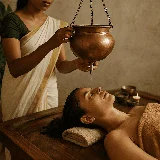
Shirodhara therapy (warm oil on the forehead) — worth seeking out if you can
-
Aromatherapy with rose, sandalwood, or vetiver
-
Spending time in moonlight or nature — no really, it’s a thing
-
Saying “no” more often (pitta types tend to overcommit)
Meditation & Mindfulness That Feels Like Skin Care from the Inside
Not everyone vibes with “sit quietly and clear your mind.” That’s fine. Even walking meditations or mantra chanting (like So Hum) help.
Try:
-
5 minutes in the morning of silent sitting — no phone
-
Journaling before bed (especially emotional outbursts or frustrations)
-
Guided meditations focused on the cooling element of water or moonlight
Your skin reflects not just your food — but your feelings. Let some of that heat leave you.
The Subtle Psychological Side of Pitta Skin Problems
This gets real: Sometimes, skin issues reflect deeper inner conflicts. Ayurveda sees pitta-related skin flare-ups as expressions of repressed anger, impatience, or inner criticism.
Crazy? Maybe. But track your breakouts and emotions and you might see a pattern.
So part of healing might involve therapy, honest emotional expression, or simply forgiving yourself for not being perfect.
Your skin doesn’t want you to be flawless. It wants you to be kind to yourself.
Home Remedies and Recipes for When Your Skin Just Can’t With the Pitta Anymore
Simple Ayurvedic Remedies That Don’t Involve 19 Steps or Weird Ingredients
Ayurvedic home care isn’t about 12-step skincare. It’s more like, “Here’s a thing your grandma might have done, and weirdly, it still works.”
A few old-but-gold remedies:
-
Sandalwood + rose water paste: Apply this cooling combo directly to inflamed skin. Instant calm.
-
Manjistha powder with aloe vera gel: Use it as a face pack. Helps reduce redness and clears minor breakouts.
-
Coriander seed water: Steep 1 tsp overnight in a cup of water. Drink in the morning to cool from the inside.
-
Turmeric + honey (raw, good-quality) for spot treatment. Just don't go crazy with turmeric — it stains.
-
Licorice root tea: Internally cooling and great for calming gut-related pitta.
These aren’t miracle fixes. But they shift your skin into a calmer, less angry state.
Ayurvedic Recipe Ideas to Support Skin from the Inside
If you’re still eating spicy ramen at midnight, no external remedy’s gonna save you. But Ayurvedic recipes are pretty comforting. Warm, gentle, grounding.
Try these:
-
Pitta-pacifying kitchari: Split mung dal + basmati rice + zucchini + cilantro + cumin
-
Amla smoothie: Amla powder + coconut water + dates + soaked chia (cooling and vitamin C-rich)
-
Sattvic stew: Pumpkin, carrots, and barley with coriander and fennel
Even desserts can be skin-kind: Think rice pudding with saffron and cardamom in almond milk.
How to Prep Ayurvedic Remedies Without Losing Your Mind
You don’t need to grind herbs in a stone mortar at sunrise. A few hacks:
-
Buy organic powders from trusted brands (Manjistha, Neem, Shatavari)
-
Make big batches of coriander or fennel seed water and store for 2–3 days
-
Use silicone ice cube trays to freeze aloe or herbal infusions into cubes for face cooling
Ayurveda works better when it’s doable. Rituals are great, but if they’re stressful? They kinda defeat the point.
You’re Doing It Wrong (And It’s Okay): Mistakes People Make With Ayurveda and Pitta
The Big Myths That Keep Popping Up
Let’s bust a few, real quick:
-
“Ayurveda is just about food” — Nope. Lifestyle, emotions, and sleep matter just as much.
-
“Pitta means you're just naturally inflamed” — No, it means you’re temporarily imbalanced. You can come back to center.
-
“Everyone should avoid spicy food” — Not true! Some people thrive on it. Just not during pitta flares.
Typical Mistakes People Make With Ayurvedic Skin Care
Guilty of any of these?
-
Going too hard with detoxes or fasting — worsens pitta.
-
Overusing turmeric or neem — they’re drying when overdone.
-
Mixing modern acids (like AHA/BHA) with Ayurvedic masks — ouch.
-
Thinking “natural = harmless” — poison ivy is natural too.
Ayurveda is nuanced. And your skin will tell you when you’re forcing it.
So How Do You Avoid These Traps?
Start simple. Observe. Adjust. Repeat.
-
Pick 2–3 practices to start with — don’t overhaul your whole life.
-
Always test herbs or oils on a small area first.
-
Track your skin and mood in a journal — patterns show up.
-
When in doubt? See an Ayurvedic practitioner. A good one will read you better than any Google search.
Real People, Real Skin: Stories That Show This Isn’t Just Theory
How People Turned Around Pitta Skin Problems Using Ayurveda
Meet Anjali, 29, who had chronic breakouts for years. Harsh dermatological treatments just made her skin raw. She started with:
-
Cutting spicy foods
-
Sleeping before 10:30
-
Daily coconut oil abhyanga
Four months in, her skin was calmer, clearer, and she said, “I finally feel like I’m not at war with my own face.”
Or there’s Jay, 43 — adult rosacea, endless redness. He started doing Sheetali pranayama and switched to a mostly pitta diet. “It didn’t vanish overnight. But I stopped waking up feeling inflamed. That was enough.”
Real Benefits You Can Expect (If You Actually Commit)
Let’s be real: This isn’t a quick-fix system. But here’s what people report consistently:
-
Less reactive, more resilient skin
-
Reduced acne, rashes, or mystery inflammation
-
More comfort in their own body (and mind)
-
A weird but beautiful sense of being in rhythm again

Does Science Back This Up? (Spoiler: Kinda, Yes)
What Research Actually Says About Food, Skin, and Pitta-Like Issues
Modern science doesn’t talk about pitta, but it does support:
-
Anti-inflammatory diets (Ayurveda’s been saying this for 3,000 years)
-
Gut-skin axis: your digestion affects your face
-
Herbs like turmeric, neem, and manjistha showing antimicrobial and anti-inflammatory effects
-
Stress and sleep affecting skin quality — no-brainer
Clinical Studies on Ayurvedic Skin Treatments
While still early, some notable studies show:
-
Manjistha effective in reducing acne-related inflammation
-
Aloe vera + turmeric helping wound healing and calming dermatitis
-
Triphala + neem improving gut and skin issues in combination
And yes — more research is needed. But the early signs? Pretty promising.
What Experts Are Saying
Dermatologists and holistic practitioners are starting to say the same thing: “We can’t just treat the surface.”
Many now recommend integrative approaches:
-
Clean diets
-
Emotional balance
-
Sleep hygiene
-
Herbal support
Ayurveda’s basically the OG of this approach.
Here’s What to Take Away from All This Pitta-Skin Talk
If you’ve read this far, you already know: Pitta on the skin isn’t just about the skin. It’s an invitation to cool down — inside and out.
Key takeaways?
-
Eat to balance heat — not trend
-
Sleep like it matters (because it does)
-
Let your routine slow you down, not hype you up
-
Skincare should nourish, not fight
-
Don’t ignore the emotional layer — it always shows up eventually
If nothing else, let Ayurveda remind you that your body is trying — always trying — to return to balance. You just have to help it along.
And if you're feeling overwhelmed or not sure what your dosha even is?
👉 Get personalized Ayurvedic guidance. You deserve support that actually sees you.
FAQs About Ayurveda for Pitta on Skin
1. Can I still eat spicy food if I have pitta-related skin issues?
Occasionally, yes — but avoid it during flare-ups. Once your skin is balanced, you can reintroduce in moderation.
2. How long before I see results using Ayurvedic methods?
Some feel changes within a week. For deeper transformation? Give it 4–8 weeks of consistent practice.
3. Is coconut oil safe for everyone with pitta skin?
Usually yes, but test a patch first. Some folks with congestion-prone skin may need lighter options like sunflower oil.
4. Can I combine modern skincare with Ayurvedic practices?
You can — but be gentle. Avoid layering harsh actives over Ayurvedic masks or oils.
5. Do I need to follow a 100% Ayurvedic lifestyle for this to work?
Nope. Even 50% makes a difference. The goal is balance, not perfection.
References & Credible Sources
For deeper reading and credibility, explore these well-established Ayurvedic and health organizations:
-
National Ayurvedic Medical Association -
The Ayurvedic Institute -
Banyan Botanicals -
Ayurveda Research and Education Foundation -
National Center for Complementary and Integrative Health (NIH)
आयुर्वेदिक डॉक्टर से एक प्रश्न पूछें और मुफ़्त या सशुल्क मोड में अपनी चिंता की समस्या पर ऑनलाइन परामर्श प्राप्त करें।
2,000 से अधिक अनुभवी डॉक्टर हमारी साइट पर काम करते हैं और आपके प्रश्नों की प्रतीक्षा करते हैं और प्रतिदिन उपयोगकर्ताओं को उनकी स्वास्थ्य समस्याओं को हल करने में मदद करते हैं।
संबंधित आलेख