आयुर्वेदिक डॉक्टर से प्रश्न पूछें और निःशुल्क या भुगतान मोड में अपनी चिंता की समस्या पर ऑनलाइन परामर्श प्राप्त करें। 2,000 से अधिक अनुभवी डॉक्टर हमारी साइट पर काम करते हैं और आपके प्रश्नों का इंतजार करते हैं और उपयोगकर्ताओं को उनकी स्वास्थ्य समस्याओं को हल करने में प्रतिदिन मदद करते हैं।


Body DetoxEar, Nose, and Throat DisordersGeriatrics & RejuvenationImmunodeficiencyInfertility TreatmentNutritionOrthopedic DisordersPediatricsRespiratory DisordersSexually Transmitted Diseases (STDs)Surgery RecoveryUrological DisordersVascular DisordersDental DisordersEndocrinological DisordersGastrointestinal DisordersYoga TherapyGeneral MedicineAllergic DisordersCardio DisordersGynecology and ObstetricsCosmetologySkin and Hair DisordersEye DisordersInfectious DiseasesMental DisordersNeurological DisordersOncologyPanchakarmaSexual Health & DisordersSports Medicine
पर प्रकाशित 05/09/25
(को अपडेट 08/10/26)
2,285
Why Being Kapha Dominant Isn’t a Bad Thing (And How Ayurveda Makes It Your Superpower)

Let’s just get this out of the way: being Kapha dominant doesn’t mean you’re doomed to a life of sluggish mornings, sugar cravings, and a metabolism that feels like it’s stuck in molasses. That’s the stereotype—but Ayurveda? Ayurveda sees Kapha for what it really is: your anchor. The energy of steadiness, calm, and sweet strength.
So, yeah—if you're Kapha dominant, there’s stuff to watch out for. Weight gain, lethargy, emotional stagnation, over-attachment, all that. But instead of fighting your nature, Ayurveda gives you tools to partner with it. This article is your handbook for doing just that: learning how to live better in your body and mind using Ayurvedic diet, daily rituals, and a whole philosophy that actually makes sense.
Spoiler: there are no calorie counts here. No trendy detox teas. Just thousands of years of common sense—adapted for your modern, slightly messy, beautiful life.

So What’s the Deal with Being Kapha Dominant? And Why Does Ayurveda Care So Much About It?
(Expect a little backstory, a few tangents, and a lot of truth here.)
Okay, let’s set the scene. Imagine three friends: one’s all energy and movement (that’s Vata), another’s sharp and fiery (Pitta), and the third one? Calm, grounded, maybe a bit too chill sometimes? That’s Kapha. If you’re Kapha dominant, you're probably the one people turn to when their world’s on fire. You hold space. You're probably kind. Probably loyal. Probably love food and naps more than most. And that’s beautiful—but, yeah, it can also backfire.
Ayurveda, the ancient Indian system of medicine, sees health as a balancing act between these energies—called doshas. Everyone has all three, but in different ratios. If Kapha is your VIP, it means you’ve got this solid foundation. But when it goes out of whack? That's when stuff like sluggish digestion, water retention, depression, or excessive sleep creep in.
So Ayurveda doesn’t say: change who you are. It says: adjust the inputs. Eat this instead of that. Wake up earlier. Move more, sleep less. Sounds simple—and it is—but only if you understand why it matters.
Why Ayurvedic Lifestyle and Diet Hit Different for Kapha
Kapha types thrive on stimulation, warmth, lightness—because your natural energy tends to be cold, heavy, and stable. That’s not just personality—it’s also physiology. That means:
-
Warm, spicy, light foods help you metabolize better.
-
Daily movement isn’t optional—it’s medicine.
-
Waking before sunrise isn’t a flex—it’s what keeps your mind from fogging up all day.
When your choices support your constitution, you feel alive again. Your mind clears. Your digestion kicks in. Your emotions stop clinging to old patterns. That’s the promise Ayurveda makes to you.
And here’s the benefit-packed part:
-
Consistent energy throughout the day (no more 3 p.m. crashes)
-
Improved digestion and less bloating
-
Better emotional balance (less brooding or emotional overeating)
-
Deeper, more restorative sleep
-
A renewed sense of motivation and clarity
Basically, you start feeling like yourself—just a clearer, lighter, more awake version.
How Ayurveda Actually Helps When You’re Kapha Dominant
This section’s a bit more brainy—because, honestly, people don’t give Ayurveda enough credit for how logical it is.
What Ayurveda Says About Kapha Dominance
Kapha is made up of earth and water elements. That means: heavy, cool, soft, slow, oily, stable, sweet. In balance? You’re empathetic, patient, strong, and dependable. Out of balance? You might feel lazy, gain weight easily, become overly attached (to people, things, routines), or sink into depressive moods.
You’re not “lazy.” You’re stuck. Ayurveda gets that—and offers specific antidotes.
How Lifestyle and Diet Directly Impact Kapha
Here’s the Ayurvedic 101 most people skip:
Your dosha reacts to what you eat, how you sleep, what time you wake up, even your emotional environment. Kapha, being so steady, resists change—but it’s also malleable when you apply the right inputs.
-
Food: Heavy foods (like dairy, fried stuff, cold desserts) increase Kapha. Light, warming, spicy foods reduce it.
-
Activity: Sedentary routines aggravate Kapha. Movement lightens it.
-
Sleep: Oversleeping increases stagnation. Waking early keeps Kapha in check.
It’s kind of like pushing a heavy boulder—it takes effort to get going, but once it moves? Momentum kicks in.
Why Individualized Approaches Matter
This is where Ayurveda gets juicy.
Not all Kapha types are the same. You might be Kapha-Vata or Kapha-Pitta, or just pure Kapha. That changes how you eat, when you fast (yes, Ayurveda sometimes suggests fasting), how intense your exercise should be, even whether certain herbs help or hurt.
One-size-fits-all advice? That’s not Ayurvedic. That’s modern wellness trying to be cute. Real Ayurveda listens to your body’s story. It adapts to your environment, your season, your stress level, your cravings.
Honestly, it's the kind of self-care that feels like self-care—not punishment.
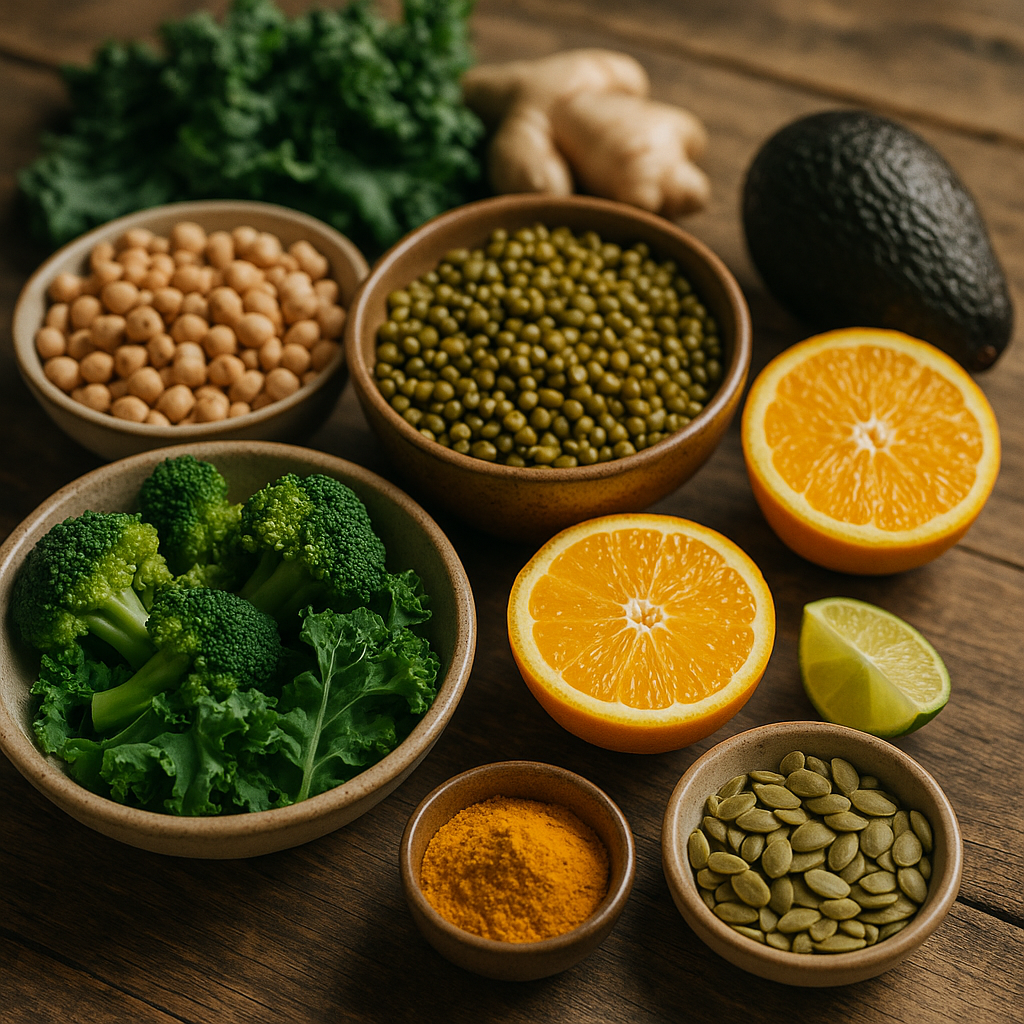
The Food Game for Kapha: Ayurvedic Dietary Guidelines That Actually Work
Let’s not pretend food doesn’t run your life a little. Especially if you’re Kapha dominant, where the combo of comfort eating and sluggish digestion becomes this weird, self-reinforcing loop. Ayurveda doesn’t shame that. It just hands you a better menu.
Foods Ayurveda Recommends for Kapha Dominant Types
You want food that’s:
-
Light (think: dry, crunchy, airy)
-
Warming (spices are your BFFs)
-
Stimulating (to break up that internal inertia)
Here's what that might look like:
-
Grains: Barley, millet, buckwheat, quinoa (dry and light). Avoid the sticky, heavy types.
-
Veggies: Bring on the bitter and pungent—leafy greens, Brussels sprouts, cauliflower, radish. Cook them, but not until they’re mush.
-
Fruits: Apples, pears, pomegranates, berries—especially if they’re a little tart or astringent.
-
Legumes: Chickpeas, mung beans, lentils. All good. Just keep it well-spiced.
-
Spices: Ginger, black pepper, turmeric, cinnamon, mustard seed…basically anything that heats and energizes.
And yes, eat mindfully. But also? Eat like you mean it. Kapha digestion needs that agni kickstart—don’t graze or nibble. Sit down. Enjoy.
Foods Ayurveda Suggests Avoiding for Kapha
This is the hard part, I know. But hear me out.
Kapha’s already heavy and oily. So what happens when you add more of that? You get a swampy gut and a foggy brain. That’s not just poetic—it’s literal Kapha overload.
Here’s the stuff to steer clear of (as often as possible):
-
Dairy: Especially cold milk, cheese, yogurt. It clogs. It chills. It sticks.
-
Wheat & white rice: Too sticky, too heavy.
-
Fried or greasy food: Makes you feel like a walking nap.
-
Cold anything: Iced drinks, ice cream, cold leftovers. Warm it up, always.
-
Sugar: Yeah… sorry. Kapha craves it the most and tolerates it the least.
Is this a ban list? No. But you’ll notice how your body responds when you cut back—even for a week. And once you feel that lightness, you might not want to go back.
Meal Planning & Timing Tips for Kapha
Okay, timing is huge. Kapha is slow—so we have to support metabolism by eating in a way that builds fire, not dampness.
Here’s the rhythm:
-
Breakfast? Optional. Skip it if you’re not hungry (Kapha types often aren’t). That’s not a bad thing—it’s a gift.
-
Biggest meal: lunch. That’s when your digestion is strongest (sun’s at its peak, agni is too).
-
Dinner: early and light. Think veggie soup, warm grains, small portions.
And no snacking just because you’re bored. Kapha doesn’t need constant fuel. It needs space to process what’s already in the tank.
Hydration & Beverages for Kapha
Yep, you need to hydrate. But cold water? Nope.
-
Sip warm water or ginger tea throughout the day.
-
Avoid excessive caffeine or sweetened drinks.
-
Try hot lemon water first thing in the morning—classic Ayurvedic wake-up trick for digestion.
You’d be amazed how much a simple hot cup of spiced tea can energize a Kapha-dominant body. It’s basically legal magic.
Ayurvedic Lifestyle Hacks for Kapha That Aren’t Just “Wake Up Early”
But seriously, wake up early.
Kapha time starts at 6 a.m., and if you’re still in bed past then, you’re marinating in your own heaviness. I say this with love—I’ve done it myself. That 7:30 wake-up fog is real.
Daily Routines (Dinacharya) That Break the Kapha Fog
You don’t need a 20-step guru-level morning. Start here:
-
Wake before 6 a.m. If that’s all you do, you’ll feel the shift.
-
Dry brushing: Stimulates circulation, removes ama (toxins), wakes you up.
-
Tongue scraping: Removes overnight buildup. Clear tongue = clearer digestion.
-
Movement: A brisk walk, some yoga, anything to break that inertia.
-
Warm shower, uplifting scents: Try eucalyptus or rosemary oil.
Routine is everything for Kapha. Not because you need more control—but because inertia is sneaky. Structure wakes you up.
Sleep Patterns That Support Kapha Balance
-
Bedtime by 10 p.m. Kapha sleep is deep, so you don’t need 9 hours.
-
Don’t nap. I know. I KNOW. But naps just feed the heaviness. Unless you're sick, skip them.
Ayurvedic Self-Care That Actually Helps Kapha
-
Abhyanga (oil massage)? Yes—but use light oils (mustard or flaxseed), not sesame.
-
Nasya (nasal oiling): Clears sinus heaviness, especially in damp/cold seasons.
-
Spicy or invigorating scents: Keep one in your bag for mid-day pick-me-ups.
Think of these as gentle nudges out of your Kapha cave. They don’t have to be perfect. They just need to be consistent.
Yoga and Breathing: Moving Kapha Out of Hibernation Mode
Yoga isn’t about flexibility for you. It’s about circulation, heat, and breaking the freeze. You need dynamic, energizing movement—not long, sleepy savasanas.
Yoga Poses That Work for Kapha Dominance
Go for a flow that builds internal fire. Here are a few go-tos:
-
Sun Salutations (Surya Namaskar) – start your day this way. Non-negotiable.
-
Chair Pose (Utkatasana) – engages the thighs, builds strength and warmth.
-
Twists – wring out that stagnation (both physical and emotional).
-
Backbends – open up the chest, counter emotional heaviness.
Keep it moving. Keep it warm. Avoid overly restorative poses unless you’re balancing with another dosha.
Pranayama That Wakes Up Kapha
Breath is HUGE here. You want breathwork that stimulates:
-
Kapalabhati (Skull-Shining Breath): Fast, sharp exhales. Great for detox and energy.
-
Bhastrika (Bellows Breath): Like pumping your inner bellows. Clears mental fog.
-
Nadi Shodhana (Alternate Nostril): Balances both brain hemispheres, great for stability and clarity.
Just 5–10 minutes a day. Best done early morning or before meals.
How Often Should You Practice Yoga and Pranayama?
Honestly? Daily. But don’t aim for perfection.
-
Yoga: Even 20–30 minutes a day keeps Kapha moving.
-
Pranayama: 5–15 minutes, ideally before or after yoga.
The trick is consistency, not intensity. Don’t let the inner “I’ll start tomorrow” Kapha voice win.
Managing Stress and Emotional Slumps — Kapha Edition
Kapha doesn’t show its stress like Pitta or Vata. You don’t burn out or freak out. You kind of… shut down. Withdraw. Overeat. Sleep. Smile on the outside, fog inside.
Ayurvedic Tools to Reduce Kapha-Driven Stress
Start simple:
-
Movement. Move your body and your emotions start to shift.
-
Stimulating scents: Citrus, eucalyptus, basil.
-
Fasting (intermittently): Done wisely, helps reset both digestion and mood.
-
Warming spices: Cumin, ginger, black pepper—literally move stuff inside you.
Meditation & Mindfulness That Actually Work for Kapha
Stillness isn’t always your friend. You need active focus:
-
Walking meditations: Move while you breathe.
-
Trataka (candle gazing): Stimulates focus and clears inner fog.
-
Guided meditations with uplifting themes (joy, gratitude, vitality).
You might resist it—but once you do it? You’ll feel lighter. Every time.
Emotional & Psychological Insights for Kapha Types
Kapha tends to hold on. To people. To past hurt. To routines that no longer serve.
That stickiness can turn into emotional hoarding. Ayurveda says: let go. Of stuff. Of stories. Of stale habits.
Journaling helps. Therapy helps. Talking to that one friend who sees through your “I’m fine” smile? That helps too.
You’re the most emotionally resilient dosha. Just don’t confuse that with not needing help.
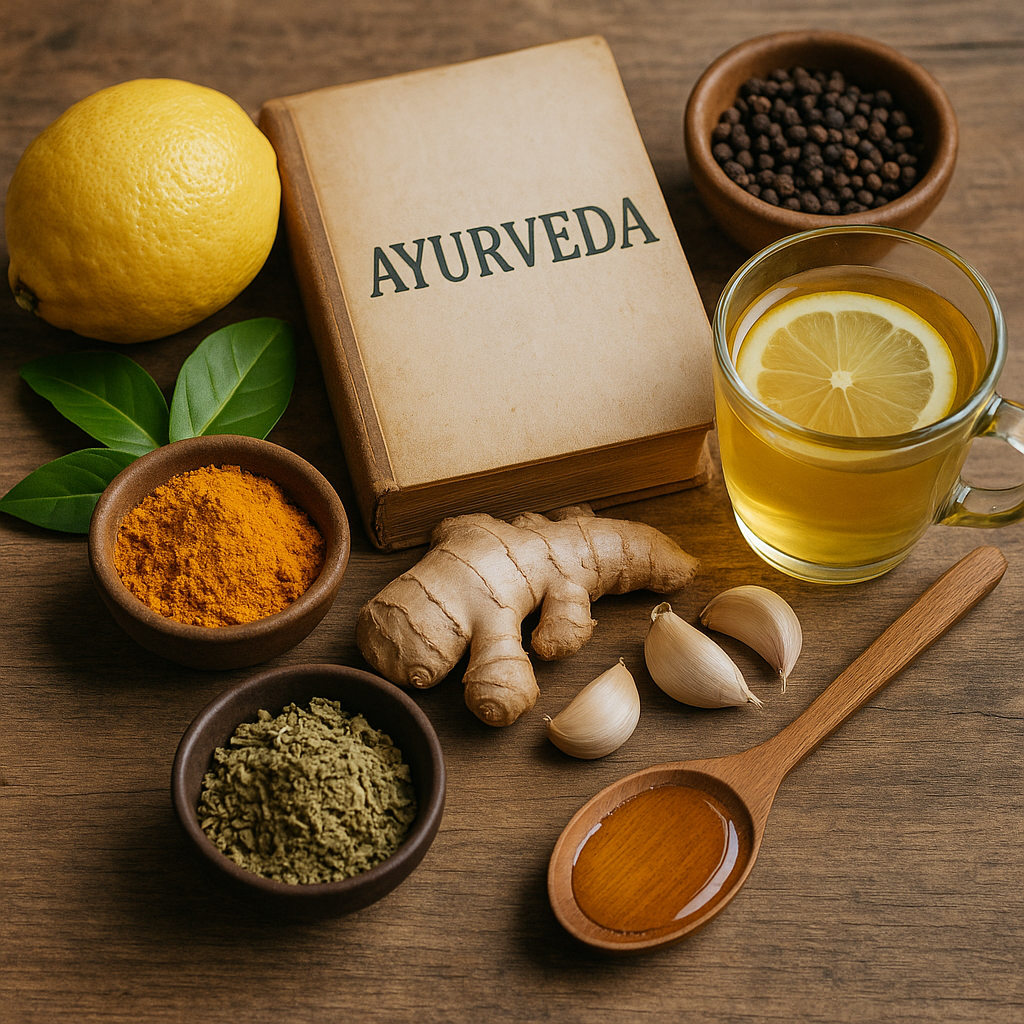
Real Talk: Home Remedies & Kitchen Fixes for Kapha Dominance
Sometimes you don’t need a clinic. You need your kitchen, your grandmother’s memory, and a little faith in turmeric.
Ayurveda is full of practical remedies that don’t require exotic ingredients or obscure mantras. And they work—not instantly like a caffeine jolt, but steadily, rhythmically, the way Kapha likes to heal.
Simple Home Remedies That Make a Big Difference
-
Dry Ginger + Honey Paste
Take ½ tsp dry ginger powder with raw honey in the morning. It boosts agni and clears mucus. (But don’t heat the honey—Ayurveda really hates that.) -
Trikatu Powder (Pippali, Black Pepper, Ginger)
Take with warm water before meals. Think of it like a metabolism whisperer. -
Cinnamon Tea
Not just a cozy flavor—it warms, stimulates, clears fog. Add a little clove if you're feeling brave. -
Steam Inhalation with Eucalyptus or Tulsi Leaves
Clears chest and sinus heaviness, especially during kapha-dominant seasons (late winter, early spring).
Ayurvedic Recipes Specifically for Kapha
You don’t need fancy recipes. You need food that feels alive in your body.
-
Spiced Mung Bean Soup: Light, warming, and easy to digest. Add cumin, mustard seed, coriander, a pinch of hing.
-
Quinoa + Veggie Stir-fry: Use light oils like sunflower or mustard. Load up on cabbage, kale, carrots.
-
Kapha-Busting Chutney: Cilantro, mint, ginger, lemon juice, black salt. Electrifying, in a good way.
-
Warm Spiced Apple Bowl: Cook with cinnamon, black pepper, and a dash of ghee. Morning reset.
Prep Tips That Matter More Than Ingredients
-
Cook fresh. Don’t reheat yesterday’s comfort food.
-
Use a clay or iron pot if you’re feeling fancy—it enhances prana.
-
Sit down to eat. Don’t scroll. Don’t multitask. Kapha digestion needs attention.
-
Eat warm food. Always.
Mistakes People Make with Ayurveda for Kapha (And How Not to Be That Person)
Ayurveda isn’t magic. It’s a system. And like any system, it’s easy to misapply.
Myths About Ayurveda & Kapha
-
“Kapha types should avoid fat entirely.”
Not true. You need light oils, not no oils. -
“Ayurveda means going vegetarian forever.”
Not necessarily. Some Kapha types thrive with small amounts of lean meat or bone broth. -
“If it’s Ayurvedic, it must be good for me.”
Nope. Ayurveda is personalized. A recipe for Vata might bog Kapha down.
Common Mistakes Kapha People Make
-
Doing everything slowly. Movement needs to counteract your natural tendency, not match it.
-
Oversleeping because ‘rest is healing.’ Not for Kapha—it’s often a trap.
-
Overusing dairy and sweet fruits. They feel comforting but clog up everything.
How to Avoid the Classic Pitfalls
-
Track how you feel, not just what you eat.
-
Don’t romanticize “balance.” Sometimes, imbalance teaches you more.
-
Check your cravings. They’re not always telling the truth.
-
Work with a practitioner if you’re overwhelmed. Self-diagnosing your dosha from a meme isn’t the move.
The People Who’ve Actually Done It: Real Kapha Stories
Sometimes you just need proof. So here it is.
Meet Anita, 38, NYC — “I Didn’t Know I Was Numb”
“I wasn’t unhappy, I just... didn’t feel much. I’d sleep 9 hours, snack all day, and wonder why everything felt gray. My Ayurvedic coach told me to wake up at 5:30 and drink ginger-lemon tea. I thought, ‘That’s it?’ But something clicked. Within two weeks, I was lighter. Emotionally too.”
What People Report After Following Kapha Protocols
-
Clearer mind, less brain fog
-
Weight shifts naturally without extreme dieting
-
Better mood stability
-
Motivation comes back (the real kind—not forced hustle)
Ayurveda doesn’t fix you. It reminds you. Of who you are underneath the heaviness.
But… Is There Science Behind This? (Yes, and It’s Fascinating)
People think Ayurveda is “woo.” Turns out, the research says otherwise—especially around diet, circadian rhythms, and gut health.
Studies on Diet’s Impact on Kapha Traits
Modern studies show that high-fat, high-dairy diets correlate with sluggish digestion, insulin resistance, and mood decline—basically, textbook Kapha imbalance. When people switch to lighter, warming, plant-heavy diets? Their metabolic markers improve. That’s no coincidence.
Clinical Evidence for Ayurvedic Practices
-
Morning routines (Dinacharya) have been shown to improve mental clarity and reduce cortisol levels.
-
Pranayama reduces respiratory issues and improves oxygen uptake—Kapha types especially benefit from that extra stimulation.
-
Herbs like trikatu and ginger have been proven to improve digestion and reduce systemic inflammation.
Experts Are Paying Attention
Ayurvedic doctors, functional medicine practitioners, even mental health professionals are integrating these approaches. Because they work—not just on the body, but on the mind-body connection, which is where Kapha often hides.
Wrapping It All Up: Your Personalized Kapha Game Plan
Let’s not overcomplicate it. You’re Kapha dominant. That means you’re strong, steady, loving… and sometimes heavy, stuck, tired, foggy.
Here’s what you need:
-
Eat warm, light, spicy foods.
-
Wake up early—even if it feels evil.
-
Move daily, sweat a little.
-
Skip naps, reduce dairy, question your cravings.
-
Use breath, herbs, and rhythm to keep things flowing.
Ayurveda isn’t here to guilt you. It’s here to remind you that your body wants to feel good—and you actually already know how to help it.
Want personalized help?
It’s hard to do this alone. An Ayurvedic practitioner can tweak all of this exactly to your constitution. Your environment. Your cravings. Your patterns.
👉 Schedule a consultation — get real about your Kapha journey, with someone who speaks the language of your body.
FAQs About Ayurvedic Lifestyle for Kapha Dominance
Q1: I’m Kapha dominant—do I really need to wake up before 6 a.m.?
A: Yep. Kapha energy gets heavier after 6 a.m. If you sleep in, you’re waking up into that heaviness. Getting up earlier gives you clarity and momentum.
Q2: Can Kapha types ever eat cheese or dairy?
A: Occasionally, yes—but it should be light (like goat cheese) and eaten warm with spices. Cold dairy is the real culprit.
Q3: Why do I crave sweets if they’re bad for Kapha?
A: Emotional comfort. Kapha craves stability, and sugar mimics that. The trick is to replace it with warm, spiced alternatives—like cinnamon apple or herbal teas.
Q4: Is fasting good for Kapha?
A: Intermittent fasting (like skipping breakfast if not hungry) can be beneficial. But listen to your body. If you feel depleted, you’ve gone too far.
Q5: Can I still follow this if I have mixed doshas (like Kapha-Vata)?
A: Absolutely. You’ll just balance based on the current imbalance. If Kapha symptoms dominate, you focus there—even if you're also Vata by constitution.
उपयोगकर्ताओं के प्रश्न
What are effective meditation techniques for balancing Kapha energy?
Client_fe9f50
20 घंटे पहले
To balance Kapha energy through meditation, focus on techniques that cultivate alertness, energy, and lightness. Practices like dynamic meditation, breath-based meditation such as Kapalabhati pranayama, and guided visualizations that emphasize heat or sunlight can be very effective. Aim to meditate for at least 10-15 minutes daily to see results within a few weeks. Avoid overly passive forms of meditation that may exacerbate lethargy. Consult a doctor if you experience persistent fatigue or emotional issues, as these may require professional medical attention beyond meditation.
What daily rituals can help energize Kapha individuals effectively?
Client_56ada6
5 दिनों पहले
For individuals with a Kapha constitution looking to boost their energy levels, incorporating specific daily rituals can be beneficial. Regular physical activity like brisk walking or dynamic yoga can invigorate the typically slower-moving Kapha type. Eating lighter meals with warming spices such as ginger or pepper can aid digestion and prevent lethargy. Aim to wake up around sunrise to maximize daytime energy and limit naps to avoid daytime sluggishness. If fatigue persists despite lifestyle changes, consulting a healthcare provider is advisable to rule out underlying health issues.
How to effectively manage Kapha-related seasonal allergies?
Client_27fdf3
10 दिनों पहले
To manage Kapha-related seasonal allergies effectively, focus on reducing dampness and excess mucus production, which are common symptoms. Regular exercise, a diet emphasizing warm, light, and spicy foods, and using a saline nasal rinse can help. Hydration is crucial, but avoid heavy, greasy foods and dairy which can worsen mucus. Symptoms may reduce within a few weeks, but if allergies persist or worsen, seek medical advice. Allergy medications or immunotherapy can be prescribed by a healthcare professional.
What lifestyle changes support emotional wellness for Kapha individuals?
Client_3a090c
15 दिनों पहले
To support emotional wellness, Kapha individuals can benefit from integrating specific lifestyle changes to balance their natural tendencies. Regular exercise is crucial, such as brisk walking or light cardio, to maintain energy levels and prevent stagnation. Embrace a varied, stimulating routine to combat feelings of heaviness, including new hobbies or socializing. A diet rich in warm, light foods can improve mood. Avoid oversleeping; rising early, ideally before 6 a.m., is recommended. Persistent emotional issues warrant a consultation with a mental health professional.
How long does it take to notice changes after following Kapha protocols?
Client_7ed8fa
20 दिनों पहले
The time it takes to notice changes after following Kapha protocols varies by individual but generally ranges from a few weeks to a couple of months. Changes reported by individuals include a clearer mind and less brain fog, natural weight adjustments, improved mood stability, and a return of genuine motivation. It's important to combine dietary changes, exercise, and better sleep hygiene for optimal results. If no changes are noticed after a few months, or if symptoms worsen, consulting a healthcare provider is advisable to rule out any underlying conditions.
How to choose the right herbal teas for Kapha balancing?
Client_e56501
30 दिनों पहले
To choose the right herbal teas for balancing Kapha, select those that are warming and invigorating. Herbal teas with ingredients like ginger, cinnamon, and tulsi are excellent choices as they help stimulate digestion and boost metabolism while countering Kapha's naturally cold and sluggish tendencies. Such teas can be enjoyed ideally in the morning or during the afternoon slump. It is important to watch for any adverse reactions, especially if you're taking medications that might interact with herbs. If symptoms of imbalance such as persistent fatigue or congestion persist, consult a healthcare provider.
What foods should I avoid to manage Kapha imbalance effectively?
Client_6362e4
40 दिनों पहले
To manage a Kapha imbalance, avoid heavy, oily, and overly sweet foods. Limit consumption of dairy products, fried foods, and excessive sweets as these can increase Kapha traits like lethargy and sluggishness. Opt for lighter proteins and incorporate spices like ginger and black pepper to stimulate digestion. Eating warm, cooked meals rather than cold or raw foods can also help balance Kapha. If symptoms persist, consult a healthcare professional for personalized advice, as this can vary from person to person.
What natural ingredients can help clear sinus congestion related to Kapha?
Client_f17aa2
50 दिनों पहले
Natural remedies for clearing sinus congestion often include steam inhalation and drinking warm fluids, which can help thin mucus. Spicy foods like ginger, cayenne pepper, and turmeric are beneficial as they contain anti-inflammatory properties that can reduce congestion. Consuming warm herbal teas such as peppermint or chamomile may also soothe sinus passages. Essential oils like eucalyptus or peppermint added to a diffuser can help clear the nasal passages. If symptoms persist beyond 10 days or are accompanied by fever, consult a healthcare provider.
How long should I exercise daily to effectively manage Kapha energy?
Client_eaef8f
59 दिनों पहले
To effectively manage Kapha energy, aim to exercise for at least 30 to 60 minutes daily. This can include activities like brisk walking, jogging, cycling, or dancing, as they help counteract the lethargy often associated with Kapha. Look for signs of improved energy and mood within a few weeks. Be mindful of not over-exercising, which can lead to physical strain. If you experience persistent fatigue or other health concerns, consult a healthcare professional. Consistency is key, and pairing exercise with a balanced diet can enhance results.
What is the best way to incorporate warming spices into my meals for Kapha balance?
Client_164107
69 दिनों पहले
Oh, definitely start with adding things like ginger, black pepper, and turmeric to your meals. They're perfect for warming up Kapha. You could sprinkle them on veggies, soups or even in morning teas. Maybe experiment a bit to see what works best taste-wise! Just keep it balanced and listen to how your body responds.
संबंधित आलेख

Body Detox
आयुर्वेद में स्नेहपान क्या है?
आयुर्वेद में स्नेहपान क्या है, इसके स्वास्थ्य लाभ, प्रक्रिया और संभावित साइड इफेक्ट्स के बारे में जानें। जानें कि यह तैलाभ्यंग कैसे शरीर को डिटॉक्स के लिए तैयार करता है।
4,852

Body Detox
Is Tapioca Good for Weight Loss? Ayurvedic Insight
Is tapioca good for weight loss or not? Learn about tapioca benefits, boiled tapioca, chips, night consumption, and how it helps in weight loss naturally
8,018

Body Detox
Panchakarma Cleanse: Ayurvedic Detox and Rejuvenation
If you've been feeling heavy, foggy, maybe just... off, you're definitely not alone. It’s wild how modern life pulls us out of balance without us even noticing until one day we wake up thinking, something's not right. That's actually how I stumbled into t
3,111

Body Detox
What Is Vetiver? Ayurvedic Guide to Vetiver Roots, Oil, and Healing Benefits
What is vetiver? Learn about vetiver roots, grass, oil, and water benefits. Discover how this plant is used in Ayurveda for skin, cooling, and healing
12,317

Body Detox
How to Reduce Vata from the Body Without Losing Your Mind (or Your Appetite)
In Ayurveda — that ancient, often misunderstood science from India that goes way deeper than turmeric lattes — Vata is one of the three doshas. Doshas are like energies or forces that make up your constitution. Vata is made of air and ether. So think: mov
3,066

Body Detox
Sookshma Triphala: A Potent Ayurvedic Blend for Holistic Wellness
Sookshma Triphala is a versatile and potent Ayurvedic remedy that supports holistic health. Its ability to detoxify, rejuvenate, and balance bodily functions makes it a valuable addition to your wellness routine.
2,887

Body Detox
Ayurvedic Liver Detox: Facts & Insights
Liver detoxification is vital for maintaining overall health as the liver filters toxins; a cleanse can improve its function.
3,609

Body Detox
घर पर प्राकृतिक तरीके से खून को शुद्ध कैसे करें: आयुर्वेदिक उपाय और आहार
आयुर्वेदिक खाद्य पदार्थों, जूस, सब्जियों और प्राणायाम के साथ घर पर ही प्राकृतिक तरीके से खून को शुद्ध करना सीखें। आंतरिक सफाई और डिटॉक्स के लिए आसान दैनिक टिप्स।
9,080

Body Detox
Why Vata Dosha Symptoms Can’t Be Ignored — And What Ayurveda Really Has to Say
Let’s start with something simple — ever feel like your mind is racing, your skin is dry no matter how much you moisturize, or your digestion just won’t cooperate? Yeah. That’s not just “life being hectic.” According to Ayurveda, you might be experiencing
3,203

Body Detox
अमृतोत्तरा कषायम के फायदे, खुराक, साइड इफेक्ट्स और सामग्री
अमृतोत्तरा कषायम के फायदे, खुराक, साइड इफेक्ट्स और सामग्री की खोज
2,391
विषय से संबंधित परामर्श
अतिरिक्त दस्तावेज़
© 2024 Ask Ayurveda. सर्वाधिकार सुरक्षित।