आयुर्वेदिक डॉक्टर से प्रश्न पूछें और निःशुल्क या भुगतान मोड में अपनी चिंता की समस्या पर ऑनलाइन परामर्श प्राप्त करें। 2,000 से अधिक अनुभवी डॉक्टर हमारी साइट पर काम करते हैं और आपके प्रश्नों का इंतजार करते हैं और उपयोगकर्ताओं को उनकी स्वास्थ्य समस्याओं को हल करने में प्रतिदिन मदद करते हैं।


Body DetoxEar, Nose, and Throat DisordersGeriatrics & RejuvenationImmunodeficiencyInfertility TreatmentNutritionOrthopedic DisordersPediatricsRespiratory DisordersSexually Transmitted Diseases (STDs)Surgery RecoveryUrological DisordersVascular DisordersDental DisordersEndocrinological DisordersGastrointestinal DisordersYoga TherapyGeneral MedicineAllergic DisordersCardio DisordersGynecology and ObstetricsCosmetologySkin and Hair DisordersEye DisordersInfectious DiseasesMental DisordersNeurological DisordersOncologyPanchakarmaSexual Health & DisordersSports Medicine
पर प्रकाशित 08/01/25
(को अपडेट 08/11/26)
2.33
11,743
What Is Mango Ginger? Ayurvedic Guide to Benefits, Tea, and Usage

If you've ever stumbled across the curious-sounding term mango ginger, you're not alone. It's not quite mango, not quite ginger — so what is mango ginger exactly? Surprisingly, it's a rhizome (root) that looks like ginger, smells a bit like raw mango, and boasts a range of health and culinary benefits that have been praised in Ayurveda for centuries. Packed with antioxidants, digestive-friendly compounds, and skin-loving properties, this under-the-radar superfood is finally stepping into the spotlight.
So whether you're here to learn about mango ginger benefits, figure out the best uses of mango ginger, or you're just wondering can we use mango ginger in tea — you're in the right place. This article explores it all: what it is, how it's different from regular ginger, its role in ancient Ayurvedic practices, mango ginger tea, and even potential side effects of mango ginger that you should be aware of.
Let’s dive in!
What Is Mango Ginger in Ayurveda?
In Ayurvedic tradition, mango ginger — also known as Curcuma amada — holds a unique place among healing herbs. Though it resembles common ginger (Zingiber officinale), mango ginger is actually more closely related to turmeric, believe it or not. It’s often used in Ayurveda for balancing pitta and kapha doshas due to its cooling, calming nature.
Unlike fiery ginger, which heats the body, mango ginger is soothing. It’s used in poultices, digestive tonics, and skin treatments — especially in southern parts of India, where it's part of daily life in both kitchens and home apothecaries.
Mango Ginger vs Ginger: What’s the Difference
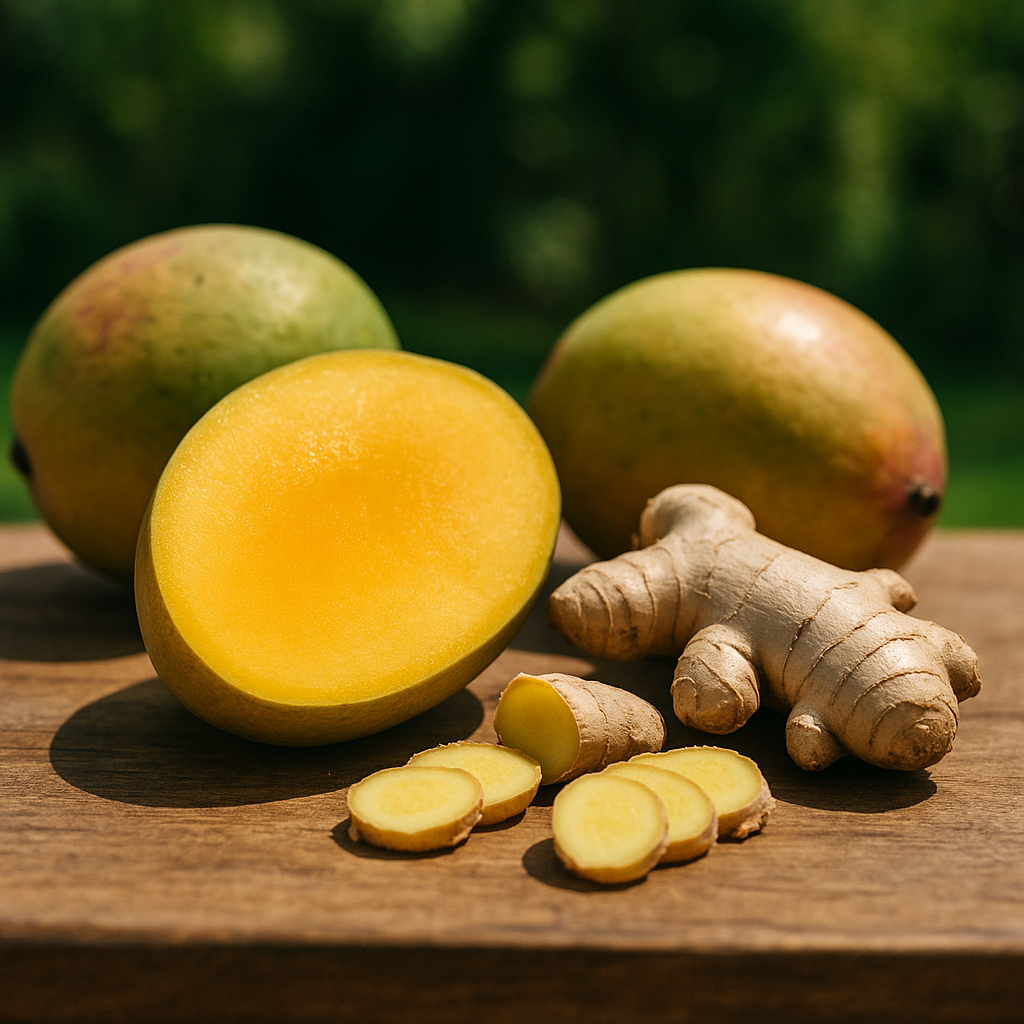
Here's where people often get tripped up: mango ginger and regular ginger look almost identical from the outside. Both are knobbly, beige rhizomes. But once you slice them open, the difference is clear. Mango ginger has a pale yellow interior and a crisp texture, with a fragrant, tangy aroma reminiscent of raw mangoes — hence the name.
Taste-wise? Regular ginger is spicy and pungent, often overpowering in large doses. Mango ginger is milder, slightly sweet, with a hint of mango-like acidity that makes it perfect for pickling or blending into refreshing teas.
Medicinally, they serve different purposes too. Ginger is heating and great for warming the body, fighting cold symptoms. Mango ginger, on the other hand, is more soothing and anti-inflammatory without the bite. That makes it ideal for sensitive stomachs or skin-related remedies.
Appearance, Taste, and Properties of Mango Ginger
The color of mango ginger can range from cream to light yellow, and it has a smooth skin compared to the rougher ginger root. It snaps cleanly when broken, and the smell — it's hard to forget. Somewhere between citrus, mango peel, and fresh earth.
From a health perspective, mango ginger is loaded with bioactive compounds like curcuminoids (just like turmeric), flavonoids, and essential oils. These contribute to its antioxidant, antibacterial, and anti-inflammatory properties — all central to its traditional uses.
And yep, it’s not just used in Indian cooking; some Southeast Asian cultures use it too. But in Ayurveda, it has long been a staple — whether dried and ground into powder or sliced and steeped into decoctions. So... not only tasty, but time-tested.
Mango Ginger Benefits for Health and Wellness
Let’s talk benefits. Mango ginger isn’t just a pretty name — it’s packed with healing potential. For centuries, it's been used to calm the gut, cool inflammation, and even promote glowing skin. These benefits of mango ginger are rooted in both tradition and science, making it a valuable ally for modern wellness too.
Benefits of Mango Ginger for Digestion and Inflammation
Struggling with bloating, indigestion, or that sluggish post-meal fog? Mango ginger might help. Known for its carminative and anti-flatulent properties, it aids digestion gently without the spicy punch of regular ginger.
Unlike its spicy cousin, mango ginger has a cooling effect on the body — which is perfect if your digestive issues are linked to excess heat (hello, Pitta imbalances!). It helps to calm stomach spasms, support bile production, and promote smoother digestion overall.
Also, inflammation. It’s at the root of so many modern illnesses — from joint pain to chronic fatigue. Mango ginger contains natural anti-inflammatory compounds, including curcuminoids, which help reduce internal swelling and ease discomfort. This makes it useful not only for gut health but also for folks with arthritis or skin flare-ups like eczema.
One small 2020 study from India (don’t quote me on the exact title — I misplaced the link 🙈) even noted a significant drop in inflammatory markers in participants who consumed mango ginger extract regularly for four weeks.
Mango Ginger Benefits for Skin and Internal Detox
Your skin often reflects what’s going on inside, right? That’s why detoxifying herbs like mango ginger are gold in Ayurveda. Thanks to its antioxidant content, mango ginger helps cleanse the liver and blood, supporting natural detox processes. When your insides are clear, your skin tends to glow. True story.
Now, when it comes to mango ginger benefits for skin directly, here’s where it gets interesting. Traditional face masks in South India often include mango ginger paste — it’s believed to soothe acne, reduce redness, and calm sensitive skin. Its natural antimicrobial properties also make it a gentle yet effective ingredient for managing breakouts.
And while there’s not tons of Western research on it yet, anecdotal evidence and Ayurvedic wisdom strongly support these uses. It’s not a miracle cure, but definitely a worthwhile addition to your skincare and wellness routine.
You can also consume it in various forms — raw slices, powders, or teas — to support gentle detox. Just don’t overdo it (more on that when we talk about mango ginger side effects later).
Common Mango Ginger Uses in Daily Life
Alright, now you’re probably thinking: “Cool, but how do I actually use mango ginger?”
You’re in luck — it’s pretty versatile. From spicing up your meals to sipping it in teas, there are so many uses of mango ginger that feel both practical and enjoyable.
Uses of Mango Ginger in Ayurvedic Cooking and Home Remedies
In Indian households, mango ginger is often used in pickles — its tangy flavor holds up well when preserved. But that’s not all. You’ll also find it in chutneys, spice pastes, and even infused oils. It’s especially popular during monsoon season, when digestive troubles tend to rise.
Ayurvedic remedies also use mango ginger for everything from nausea relief to joint massage oils. It’s gently rubbed on aching joints or temples to reduce swelling and tension.
One quirky home remedy involves boiling mango ginger slices in milk with a pinch of turmeric and black pepper. Sounds weird, but it’s a surprisingly soothing nightcap.
Can We Use Mango Ginger in Tea or Herbal Infusions?
Absolutely. In fact, mango ginger tea is one of the easiest and most effective ways to enjoy its benefits.
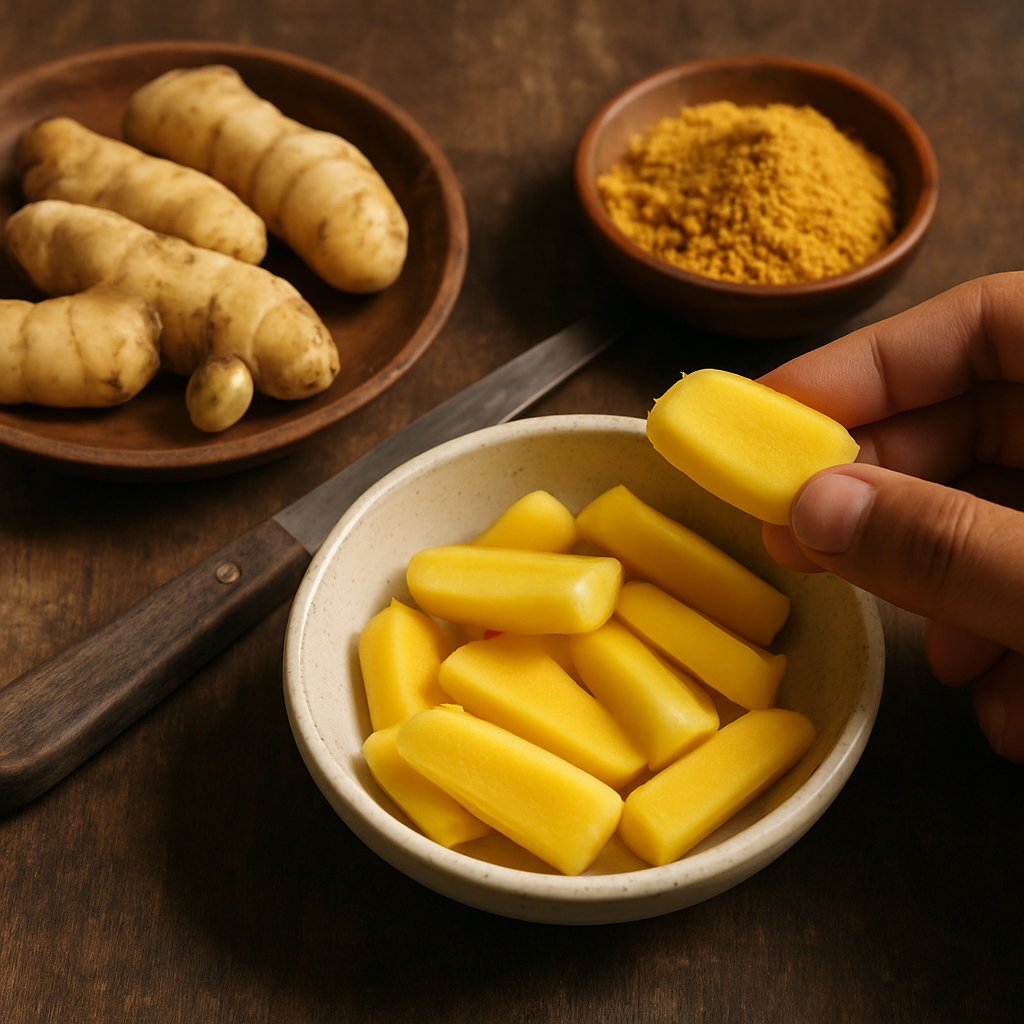
Just slice a few thin pieces of fresh mango ginger, toss them in boiling water, and let it steep for 10–12 minutes. Add lemon or honey if you like. It’s fragrant, refreshing, and surprisingly cooling — great for summer afternoons or post-meal sips.
So to answer the question — can we use mango ginger in tea? — 100% yes.
It’s an easy, low-effort way to tap into the detoxifying and digestive benefits without needing a mortar and pestle or complicated prep. Just steep and sip.
Mango Ginger Side Effects and Precautions
While mango ginger is generally considered safe and gentle, like anything in wellness, moderation is key. And yep — mango ginger side effects are real, even if they're rare.
Most people can enjoy it without any issues, but here are a few things to watch out for:
-
Allergic Reactions: If you're allergic to ginger, turmeric, or other members of the Zingiberaceae family, you might react to mango ginger too. Start small if it’s your first time.
-
Digestive Upset: Ironically, while it helps digestion, overconsumption (especially in raw form) can lead to loose stools or mild stomach cramps. So don’t go overboard.
-
Skin Sensitivity: Applying mango ginger paste topically is popular in Ayurveda, but patch test first. Some people have reported mild itching or redness, especially with sensitive skin.
Also, if you're pregnant, breastfeeding, or on medications (like blood thinners or anti-inflammatories), check with your doctor before consuming large amounts. It's natural, sure, but still potent. Nature packs a punch.
So, in short: enjoy mango ginger, but don’t treat it like candy or chug mango ginger tea all day long. A little goes a long way.
Conclusion
Mango ginger is one of those hidden gems in the world of healing herbs — packed with benefits, deeply rooted in tradition, and surprisingly versatile. From easing digestion and reducing inflammation to helping skin detox naturally, the benefits of mango ginger are both broad and meaningful.
Its gentle flavor makes it easy to add to your routine — whether through herbal teas, Ayurvedic dishes, or even DIY skincare. And while there are some mild mango ginger side effects to be aware of, it's generally well tolerated by most folks.
So next time someone asks you, “what is mango ginger?” — you’ll know exactly what to say. And hey, you might even convert a few people to the mango ginger fan club. (We’re friendly. And slightly obsessed.)
✅ Final tip?
Try starting with mango ginger tea 2–3 times a week. It’s an easy way to get started, especially if you’re not sure how to cook with it yet. Just remember: keep it simple, listen to your body, and enjoy the journey.
स्वयं दवा न लें और प्रतीक्षा न करें। अभी डॉक्टर से चैट शुरू करें
FAQs
Can I drink mango ginger tea daily?
Technically, yes — but it’s best to start slowly. 2–3 cups per week is a good baseline. Daily use is usually safe for most people, but watch for digestive changes or allergic reactions. If anything feels off, take a break.
What are the benefits of mango ginger for the skin?
Mango ginger has anti-inflammatory and antibacterial properties that can help calm acne, reduce redness, and support clearer skin. It’s used both internally (through teas or powders) and externally in masks or poultices in traditional Ayurvedic remedies.
Are there any side effects of mango ginger?
Yep, though they're uncommon. Possible side effects include digestive discomfort, allergic reactions (especially for those sensitive to ginger or turmeric), and mild skin irritation when applied topically. Always start with small amounts and monitor how your body reacts.
🌿 Want to get started with mango ginger?
Try making a simple mango ginger tea this week, or look for it at your local spice market. If you’re into holistic skincare or clean eating, this root might become your new go-to.
And hey — if you found this helpful, share it with a friend who loves natural remedies or is always on the hunt for underrated superfoods.
Stay curious, and stay well. 🧡
उपयोगकर्ताओं के प्रश्न
What potential interactions does mango ginger have with medications?
Client_2a6706
22 दिनों पहले
Mango ginger, or Curcuma amada, may interact with medications, particularly those affecting blood clotting and diabetes management. Due to its potential to enhance or inhibit blood clotting, combining it with anticoagulants like warfarin can increase bleeding risks. Additionally, mango ginger might affect blood sugar levels, thus warranting caution if you are on diabetes medications. Always watch for unexpected symptoms such as increased bruising or unusual fluctuations in blood sugar. It is advisable to consult a healthcare provider before combining mango ginger with any medication to ensure it is safe for your individual health situation.
What are the best ways to incorporate mango ginger into my diet?
Client_693ef4
27 दिनों पहले
To incorporate mango ginger into your diet, start by making mango ginger tea. Simply slice thin pieces of fresh mango ginger and steep them in boiling water for 10-12 minutes. This tea can aid digestion by calming stomach spasms and supporting bile production. You can also add mango ginger to chutneys and spice pastes or infuse it into oils for cooking. These methods provide a flavorful way to enjoy its anti-inflammatory benefits. If you have digestive issues or symptoms persist, consult a healthcare professional to ensure it's appropriate for you.
What is the best way to store mango ginger for maximum freshness?
Client_fa44f9
32 दिनों पहले
To maximize the freshness of mango ginger, store it in a cool, dry place, away from direct sunlight. Ideally, you should keep it in a perforated plastic bag or an airtight container in the refrigerator. This can help extend its shelf life up to 2-3 weeks. If you plan to store it for longer durations, consider freezing sliced or grated mango ginger, which will help retain its flavor and aroma. Watch out for any signs of mold or soft spots, and discard any damaged portions immediately. If you're unsure about spoilage or have persistent concerns, consult a doctor or a food safety expert.
How does mango ginger compare to turmeric in health benefits?
Client_f163fb
37 दिनों पहले
Mango ginger and turmeric both have health benefits, but they serve different purposes. Mango ginger, known for its milder flavor, is often used for digestive support and is thought to have anti-inflammatory properties. Turmeric is well-known for its strong anti-inflammatory effects, primarily due to its active compound, curcumin, and is studied for its potential in managing chronic conditions like arthritis. Typical timelines for feeling benefits may vary—turmeric can take several weeks to show effects. Mango ginger may have mild side effects like bloating, but is generally well tolerated. See a doctor if you have allergies or are taking medications.
What are the nutritional benefits of mango ginger root?
Client_7f72f0
42 दिनों पहले
Mango ginger root is known for its anti-inflammatory and antioxidant properties, providing potential benefits for digestive health and joint pain relief. This rhizome is rich in curcumin, a compound also found in turmeric that may help reduce inflammation. For best results, it can be consumed in teas, smoothies, or as a spice in cooking. While typically well-tolerated, some may experience digestive discomfort or allergic reactions. If symptoms persist or worsen, it is advisable to consult a healthcare professional.
What are the traditional uses of mango ginger in herbal medicine?
Client_aa2b04
47 दिनों पहले
Mango ginger, a distinct root compared to regular ginger, is traditionally used in herbal medicine to alleviate digestive issues, reduce inflammation, and promote healthy skin. It is beneficial for calming stomach spasms and supporting bile production, thereby aiding smoother digestion. Typically found in poultices and digestive tonics, mango ginger helps cool inflammation and is popular in daily life in southern India. While generally safe, consult a healthcare provider if you have persistent symptoms or are considering significant dietary changes involving mango ginger.
Can mango ginger enhance the effectiveness of other herbs in teas?
Client_eb1214
52 दिनों पहले
Mango ginger, also known as Curcuma amada, has known antioxidant and anti-inflammatory properties, but there is limited scientific evidence to suggest it directly enhances the effectiveness of other herbs in teas. It can complement the benefits of other ingredients by contributing its own unique health properties. When combined with other herbs, like mint or lemongrass, it may improve overall flavor and aromatic profile, potentially making herbal infusions more appealing and soothing. If using these combinations for potential health benefits, consult a healthcare professional for personalized advice, especially if you have existing health conditions or take medications.
Can mango ginger aid in respiratory health and how?
Client_1af514
57 दिनों पहले
Mango ginger, a plant known for its bioactive compounds like curcuminoids and flavonoids, may offer some support for respiratory health. These compounds have anti-inflammatory and antioxidant properties that can help reduce inflammation in respiratory pathways and support overall lung health. While it might help alleviate mild symptoms associated with the common cold, consistent benefits for serious respiratory conditions are not well-documented. It's important to note that if you experience persistent or serious respiratory issues, consult a healthcare professional for tailored medical advice. Always discuss with your doctor before significantly increasing your intake if you're pregnant, breastfeeding, or on medications.
How can mango ginger enhance the flavor of dishes?
Client_4e797a
62 दिनों पहले
Mango ginger can enhance the flavor of dishes by adding a unique, subtle taste that combines notes of mango and the mild heat of ginger. It pairs well with a variety of culinary styles, thanks to its less pungent profile compared to regular ginger. You can incorporate mango ginger into soups, curries, salads, and pickles. When cooking with mango ginger, start with a small amount to balance flavors and gradually increase to suit your preference. Be cautious of overpowering the dish if combined with other strong spices. If you're unsure about using mango ginger, consulting a recipe or a culinary expert can help.
Can mango ginger help with arthritis pain relief?
Client_412344
67 दिनों पहले
Mango ginger, also known as Curcuma amada, contains anti-inflammatory compounds like curcuminoids, potentially reducing inflammation associated with arthritis. While promising, scientific evidence specifically supporting mango ginger for arthritis pain relief is limited. It may be beneficial as part of a balanced diet, but it's not a standalone treatment for arthritis pain. If considering it for arthritis, monitor any adverse reactions, and consult with a healthcare provider for personalized advice, especially if symptoms persist or worsen.
संबंधित आलेख

Body Detox
प्रसारिणी थैलम – फायदे, उपयोग करने का तरीका, सामग्री और साइड इफेक्ट्स
प्रसारिणी थैलम की खोज – फायदे, उपयोग करने का तरीका, सामग्री और साइड इफेक्ट्स
3,010

Body Detox
Powder Massage in Ayurveda: More Than Just a Skin Thing
So, let’s talk powder massage. Maybe you've seen a clip online — someone getting vigorously scrubbed with what looks like cinnamon dust. Or maybe your aunt's into Ayurveda and won’t stop talking about "Udvartana" (that’s the fancy Sanskrit name, by the wa
3,897

Body Detox
How to Prepare Fenugreek Water: Ayurvedic Recipes and Benefits
Learn how to prepare fenugreek water at home for hair, weight loss, and daily health. Discover methi water recipe, tips, and Ayurvedic benefits
19,006

Body Detox
Raj Pravartini Vati Uses – Natural Ayurvedic Formulation for Holistic Health
Discover the benefits and uses of Raj Pravartini Vati, a traditional Ayurvedic herbal formulation renowned for detoxification, dosha balancing, and supporting overall vitality.
4,031

Body Detox
Vata Dosha Meaning in Ayurveda: What It Is, Signs of Imbalance, and How to Calm It Naturally
If you’ve ever felt kind of scattered, dry-skinned, anxious for no good reason, constantly chilly, or like your mind races ahead of your body—then yeah, you’ve probably danced with Vata Dosha. And if you’re anything like me, once you start digging into Ay
4,425

Body Detox
आयुर्वेद में बस्ती क्या है: पंचकर्म थेरेपी और इसके फायदे
आयुर्वेद में बस्ती क्या है? पंचकर्म में इसकी भूमिका, इसके विभिन्न प्रकार, स्वास्थ्य लाभ, और बस्ती थेरेपी का डिटॉक्स और वात संतुलन के लिए कैसे उपयोग किया जाता है, जानें।
11,260

Body Detox
Vata Dosha Remedies That Actually Work: Ayurvedic Diet, Lifestyle & Real-World Advice to Feel Grounded Again
It’s not just an “Ayurveda thing.” It's a real-life thing. And yeah — Ayurveda has some wildly practical, deeply ancient, and surprisingly soothing ways to bring you back to center. This guide? Not another floaty wellness blog. This is the stuff that work
3,648

Body Detox
Kanak Sundar Ras – Ayurvedic Formula for Skin Health and Radiance
Discover Kanak Sundar Ras, a traditional Ayurvedic formulation known for its benefits in promoting glowing skin, detoxifying the body, and improving overall complexion and health.
3,391

Body Detox
Bharangyadi Kwath – Natural Ayurvedic Detox & Healing Decoction
Discover the benefits and uses of Bharangyadi Kwath, a traditional Ayurvedic bitter decoction known for detoxification, balancing doshas, and promoting overall well-being.
3,499

Body Detox
Guggulu Marichadi Thailam: Benefits & Scientific Insights
Discover the Ayurvedic benefits, applications, proper usage, and scientific insights of Guggulu Marichadi Thailam, a traditional herbal oil for holistic healing.
3,485
विषय से संबंधित परामर्श
अतिरिक्त दस्तावेज़
© 2026 Ask Ayurveda. सर्वाधिकार सुरक्षित।