Vata Dosha Remedies That Actually Work: Ayurvedic Diet, Lifestyle & Real-World Advice to Feel Grounded Again
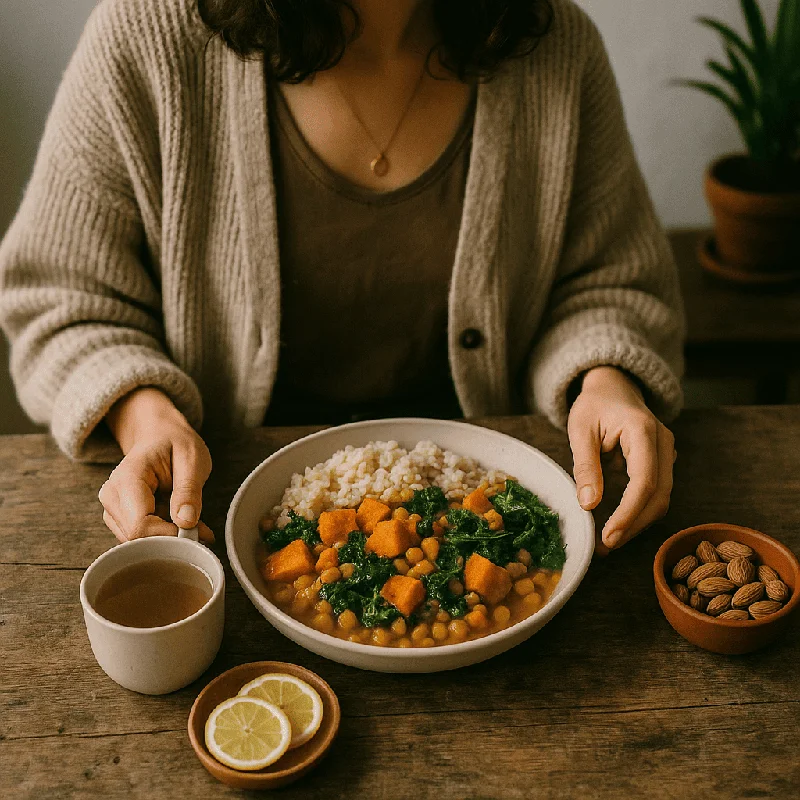
Wait, Can You Really Fix Vata With Ayurveda?
Look, if you're here, chances are you're tired of feeling all over the place.
Maybe your sleep’s a mess. Maybe your skin’s flaking off like it’s made of ancient parchment. Maybe you’re freezing in 70-degree weather while overthinking your entire life.
Welcome to the world of Vata dosha imbalance.
It’s not just an “Ayurveda thing.” It's a real-life thing. And yeah — Ayurveda has some wildly practical, deeply ancient, and surprisingly soothing ways to bring you back to center. This guide? Not another floaty wellness blog. This is the stuff that works. The warm food, the oil massages, the “put your phone down before bed” kind of wisdom that sounds simple — but hits different when you're truly off-kilter.
You’re about to learn how to calm your inner windstorm. No incense required (unless you're into that). Just tools that actually feel human.
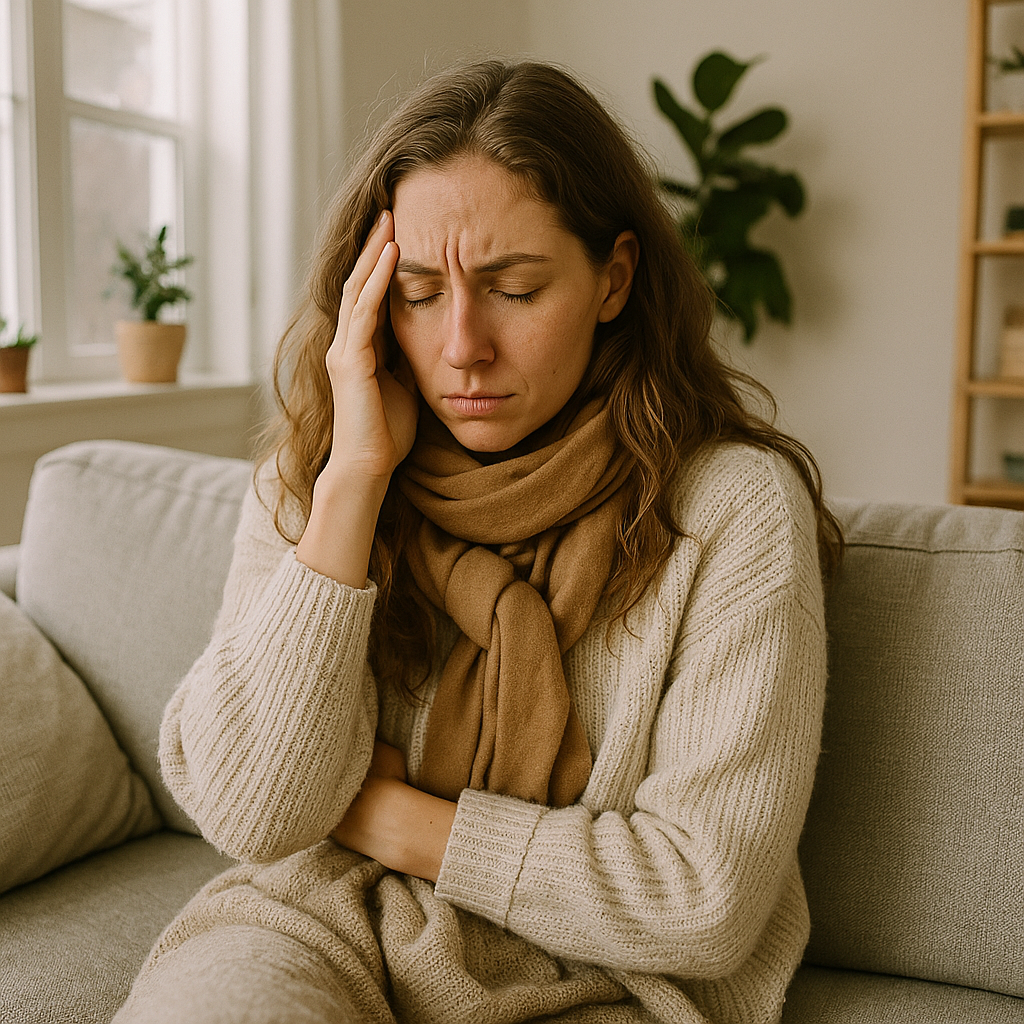
What Are Vata Dosha Remedies, Really — And Why Ayurveda Cares So Much
Let’s clear this up: in Ayurveda, Vata is the dosha of movement. It’s made of air and ether — sounds dreamy, but when it's out of balance, it's anything but.
You start forgetting things. Your digestion checks out. Your body feels cold and dry. Your mind becomes a spinning hamster wheel. (Hi, 3 a.m. anxiety.)
Ayurveda gets this — because it’s been tracking this pattern for thousands of years. In its view, health isn’t a fixed state. It’s a moving target, a dynamic dance between three doshas: Vata, Pitta, and Kapha.
Vata is the first one to lose balance — and when it does, everything else unravels.
So when we talk about Vata dosha remedies, we’re not talking about “fixing” you. You’re not broken. We’re talking about rebalancing you with opposite qualities:
-
Warm instead of cold
-
Moist instead of dry
-
Slow instead of scattered
-
Nourishing instead of stimulating
And yes, this includes how you eat, how you sleep, how you move — even how you think.
TL;DR: Ayurvedic remedies for Vata are about grounding. Slowing down. Coming back to your body. And they really help.
What’s In It for You (Aside from Not Losing Your Mind)?
-
A calmer, steadier nervous system
-
Better digestion (aka less bloating, gas, constipation)
-
More restful sleep
-
Less anxiety, less racing brain
-
A body that feels like yours again — warm, lubricated, settled
It’s not about perfection. It’s about giving your body what it’s craving — but forgot how to ask for.
Why Ayurveda Is So Good at Handling Vata (Even If You’re Skeptical)
What Ayurveda Actually Says About Vata Dosha
Let’s break this down with no Sanskrit needed (okay, maybe a little).
Vata = movement. Breath, thoughts, nerve impulses, elimination, speech, joint mobility — all of it falls under Vata's rule. Which is kind of beautiful. Until it’s not.
When Vata goes haywire, you’ll know:
-
Constipation or gas
-
Dry, cracking joints
-
Anxiety, panic, or restlessness
-
Insomnia or weird dreams
-
Random aches, cold limbs, brittle nails
Ayurveda doesn’t treat these as isolated issues. It sees them as signs that air and space have taken over — too much mobility, not enough stability.
So what does it suggest? Grounding. Consistency. Oil. Heaviness. Warmth. Routine.
How Ayurvedic Diet & Lifestyle Impact Vata
Here’s the hard truth: most of modern life is a Vata nightmare.
-
We skip meals.
-
Eat salads and smoothies in winter.
-
Doom-scroll in bed.
-
Move fast, think faster, sleep badly.
And our bodies are like: “What the hell?”
Ayurveda says: Do less. Eat warm. Go to bed early. Massage yourself.
Doesn’t sound revolutionary, but it works because it speaks the language your nervous system understands.
Even if you did just these things:
-
Eat warm, oily meals at regular times
-
Stick to a daily rhythm
-
Avoid screens after 9 p.m.
-
Rub oil on your body before a shower
...you’d already feel 40% better. No joke.
Why It Has to Be Personalized (Sorry, No One-Size-Fits-All)
Here’s the kicker: even if you’re mostly Vata, your exact experience won’t be like anyone else’s.
Maybe you’re a creative Vata type with Pitta fire — or a high-Kapha body with Vata mind spirals. Maybe your digestion is wrecked but your sleep is fine. Maybe you need warmth but hate dairy.
Ayurveda gets this. It factors in:
-
Your constitution (what you were born with)
-
Your current imbalance (what’s going wrong now)
-
Your season, climate, stress level, even location
That’s why we’ll walk through a range of options. You’ll get suggestions — not rules. Ayurveda isn’t dogma. It’s an invitation to listen to your body, and trust it again.
Ayurvedic Dietary Guidelines for Vata Dosha: What to Eat (and Not Eat) When You Feel Unbalanced
Let’s start with this: food is therapy in Ayurveda. Not just fuel, not just flavor — therapy.
For Vata types or those in a Vata imbalance, what you eat can literally stabilize your body and calm your nervous system. It’s that powerful.
Foods Ayurveda Loves for Vata Dosha
If Vata is dry, cold, light, and rough... then your food should be the opposite.
Think:
-
Warm
-
Moist
-
Heavily spiced
-
Easy to digest
-
Slightly oily
-
Comforting
Top Vata-Pacifying Foods:
-
Root vegetables (sweet potatoes, carrots, beets — grounding as hell)
-
Oats, rice, quinoa (soft-cooked)
-
Stewed fruits (apples, pears with cinnamon and ghee — game changer)
-
Ghee, olive oil, sesame oil (your new best friends)
-
Lentil soups, kitchari, mung dal
-
Almonds, walnuts (soaked, not raw — soften that crunch)
-
Dairy (if tolerated — warm milk with turmeric? Classic Vata fix)
-
Spices like ginger, cinnamon, cumin, fennel, hing
Honestly, if it smells like a warm kitchen in the middle of winter and feels like a hug? It’s probably good for Vata.
What to Avoid If You’re Trying to Ground Vata
You know how sometimes your cravings betray you? That’s a Vata problem. You’ll reach for crunchy chips or cold smoothies because they feel stimulating, but that’s the opposite of what your body wants long-term.
Avoid or reduce:
-
Raw salads, especially in colder months
-
Cold drinks (just... stop icing everything)
-
Crackers, popcorn, rice cakes — all those dry, airy snacks
-
Caffeine overload — it spikes the mind and dries the body
-
Fermented foods — kombucha, pickles, etc. can aggravate dryness and gas
-
Frozen foods — hard on digestion, especially for Vata
This isn’t about being strict forever. Just notice how your body reacts. One week off iced coffee and you might sleep like a log.
Meal Planning & Timing Tips That Actually Matter
Routine is magic for Vata. Skipping meals? Chaos.
Eating at random times? Even worse.
Tips:
-
Eat three warm meals a day — no skipping, no grazing
-
Stick to similar times daily — your body craves rhythm
-
Cook fresh if you can — leftovers are okay, but 3-day-old quinoa? Not ideal
-
Sit down when eating — like actually sit down and chew
-
Spice every meal with gentle warming herbs (ginger, cumin, coriander)
Bonus: Start your day with something like warm stewed apples with cinnamon and a spoonful of ghee. You’ll feel the shift in under 3 days.
Hydration & Beverages That Don’t Mess With Vata
Forget the 3 liters of cold water advice. Vata thrives on warm, spiced, nourishing fluids.
Try:
-
Warm herbal teas — especially ginger, fennel, or tulsi
-
Cumin-coriander-fennel tea (CCF tea) — classic for digestion
-
Warm milk with nutmeg or turmeric at bedtime — yes, it helps sleep
-
Hot water sipped throughout the day — oddly calming
-
Avoid iced drinks, fizzy sodas, or anything with a “cooling” energy
Hydration isn't just quantity — it’s quality. Vata hydration should feel like broth, not glacier melt.

Ayurvedic Lifestyle Practices That Actually Help Balance Vata (Even If You’re Busy)
Daily Routines (Dinacharya) That Calm Vata
If food is medicine, routine is the prescription pad.
Vata needs rhythm — otherwise, the wind blows it everywhere.
Try this skeleton routine:
-
Wake up before sunrise — avoid chaos energy of late wakeups
-
Drink warm water — with lemon or ginger
-
Oil massage (Abhyanga) with sesame oil — before shower, even just 5 min
-
Warm breakfast — stewed fruit, spiced grains
-
Midday largest meal — digestion strongest here
-
Wind down by 8:30 p.m. — dim lights, no screens
-
Sleep by 10 p.m. — body resets best before midnight
You don’t need to follow this like a monk. Start with one piece. Build from there.
Sleep & Vata: A Complicated Relationship
Vata minds don’t shut off easily — that’s why you’re up at 2 a.m. planning your week or replaying a weird text from 2009.
Sleep tips:
-
Stick to a regular bedtime
-
Warm oil foot massage at night — seriously, this is magic
-
Warm spiced milk or chamomile tea before bed
-
No screens after 9 p.m. — or at least wear blue light glasses
-
Journal or brain dump thoughts so they stop spinning
Vata needs rest more than most — but resists it more than any.
Ayurvedic Personal Care That Grounds Vata
Beyond food and sleep, how you care for your body matters.
-
Oil massage (Abhyanga) — again, can’t overstate it. Warm sesame oil, 10 mins. Total reset.
-
Nasya oil — lubricates dry nasal passages, calms mind (especially in dry climates)
-
Tongue scraping — clears toxins, improves digestion
-
Baths with calming herbs — try lavender, rose, sandalwood
-
Essential oils — vetiver, geranium, frankincense — for anxiety or scattered energy
Treat your skin, senses, and body with a softness that says: “Hey, you’re safe now.”
Yoga & Breathwork to Ground That Vata Energy
When Vata is high, your energy is scattered. You need movement, yes — but slow, deliberate, warming movement. No frantic cardio here.
Yoga Asanas to Calm Vata
Stick to slow, grounding, stretching postures. Long holds. Gentle transitions.
Recommended Poses:
-
Child’s Pose (Balasana)
-
Forward Folds
-
Cat-Cow (Marjaryasana–Bitilasana)
-
Seated Forward Bend (Paschimottanasana)
-
Cobra (Bhujangasana)
-
Legs-Up-the-Wall (Viparita Karani)
-
Reclined Bound Angle Pose
Focus on floor poses, not high-energy standing sequences. Warm, cozy yoga is the vibe.
Breathing Practices (Pranayama) to Balance Vata
Breath = life = Vata regulation.
Best for Vata:
-
Nadi Shodhana (Alternate Nostril Breathing) — balances left/right brain
-
Bhramari (Bee Breath) — soothes the nervous system
-
Ujjayi (Ocean Breath) — calming and centering
-
Avoid rapid breathing practices (like Kapalabhati) when Vata is high
Just 5 minutes of mindful breathing daily can change your internal weather.
How Often to Practice
-
Yoga: 20–30 minutes, 3–5x/week
-
Breathwork: Daily if possible, even 5 minutes
-
Consistency > intensity
-
Mornings are best, but any time works — just avoid overstimulation before bed
Think of this as nervous system maintenance — not performance.
Managing Stress & Emotions When Vata Takes Over
Here’s the thing about Vata: it’s deeply tied to the nervous system. That means emotional health and stress levels hit Vata types hard. You don’t just feel stress — you become it.
Ayurvedic Techniques to Reduce Stress for Vata Types
-
Warm oil massage — yep, again. Touch calms Vata like nothing else.
-
Regular mealtimes and rest — avoid that frazzled energy spike
-
Walking in nature — especially barefoot or with sunlight
-
Calming scents — sandalwood, vetiver, rose
-
Weighted blankets — not Ayurvedic per se, but Vata loves weight
Meditation & Mindfulness That Vata Can Actually Stick To
Vata minds don’t always love sitting still. So let’s make it doable.
-
Guided meditations work better than silent sits
-
Try trataka (candle gazing) — grounding and beautiful
-
Even mantra repetition like “So Hum” or “Om Shanti” helps
-
Walking meditations or slow movement (like tai chi) count too
Start with 5 minutes. Make it sensory-rich. Don’t force silence — invite stillness.
Emotional Considerations: Vata Is Sensitive, Period
Vata types often carry the weight of the world in their shoulders — and minds.
Emotions you may struggle with:
-
Anxiety, fear, overwhelm, loneliness, insecurity
Ayurveda says: acknowledge, nourish, hold gently.
Don’t fight the emotion — feed the part of you that’s hungry for grounding, safety, and warmth.
Sometimes the best Vata remedy is simply: slow down. Ask yourself, “What would feel nourishing right now?” Then do that.
Practical Ayurvedic Home Remedies and Recipes for Vata Dosha
You don’t need a full pantry of obscure herbs or a wellness retreat to manage Vata. Some of the best remedies? Already in your kitchen.
Simple, Effective Home Remedies to Calm Vata
Here are a few classics — straight from grandma’s medicine cabinet meets Ayurvedic playbook:
-
Warm ghee in milk
One tsp of ghee in warm milk (with a pinch of nutmeg) before bed = instant grounding. Helps sleep, digestion, and dry skin from within. -
Oil pulling
Swish sesame oil in your mouth first thing in the morning for 5–10 minutes. Sounds odd, feels incredible. Calms nerves, supports digestion, clears the mind. -
Castor oil pack
Rub warm castor oil on the belly for bloating or constipation. Cover with an old cloth and lay down with a hot water bottle. Weird but effective. -
Ginger powder foot soak
For cold feet and anxiety, soak feet in warm water with a tsp of ginger powder. Warms up the whole system and chills out your mind.
Ayurvedic Recipes That Nourish Vata
Cooking for Vata doesn’t mean “boring and bland.” It means soft, spiced, and deeply satisfying. Think comfort food with intelligence.
Favorites include:
-
Kitchari – The OG Ayurvedic reset: basmati rice + split mung beans + cumin, ginger, turmeric + ghee. Easy to digest, warm, and oh so soothing.
-
Stewed apples and dates with cinnamon – Ideal for breakfast or snack. Add ghee for extra Vata-pacifying effect.
-
Golden milk – Warm milk + turmeric + black pepper + cardamom + ghee or almond oil. Drink before bed or mid-afternoon to stabilize energy.
-
Sweet potato & lentil soup – Add cumin, ginger, coriander, and a swirl of ghee.
Make them creamy. Make them warm. Spice generously, but gently.
Tips to Prepare Ayurvedic Remedies at Home
-
Always cook with intention. Ayurveda says your energy affects your food. Chill out while you cook. Play soft music. Light a candle. Be present.
-
Don’t microwave everything. Stove > microwave for maintaining prana (life force).
-
Use seasonal, local ingredients when possible. If you’re in winter, ditch the coconut water.
-
Taste and adjust spices intuitively. Start with the basic triad: cumin, coriander, and fennel — and build from there.
You’re not just feeding your stomach. You’re feeding your entire system.
Common Mistakes & Misconceptions About the Ayurvedic Lifestyle for Vata Dosha
Let’s be honest — the internet’s full of Ayurveda “experts” who kinda butcher it. Let’s clean that up.
Common Myths About Ayurveda & Vata Dosha
-
“You can’t eat dairy if you’re Vata.”
False. Warm milk is one of the most nourishing Vata foods — unless you're lactose intolerant. -
“Raw = healthy.”
Maybe for Kapha types. For Vata? Raw = digestive disaster. -
“Ayurveda is just a fad or woo-woo.”
It’s a 5,000-year-old science. The fad is thinking every symptom needs a synthetic fix. -
“You need tons of herbs and powders to do Ayurveda.”
No. Warm food, sleep, and oil massage go a long way.
Mistakes People Make When Starting Ayurvedic Lifestyle
-
Trying to do everything at once.
Ayurveda isn’t a crash diet. It’s a lifelong adjustment. Start small. -
Skipping oil massage because it’s “messy.”
Totally get it. But 5 minutes of warm sesame oil can reset your entire day. Use a towel you don’t care about and go. -
Following general advice without customization.
Just because a food is “good for Vata” doesn’t mean it’s good for you right now. -
Forcing rigid routines.
Vata people often hate structure but need it. Start with one anchor — breakfast time or bedtime. Then build.
How to Avoid These Pitfalls
-
Track how your body reacts. Ayurveda is experiential. Listen to your belly, your mood, your energy.
-
Focus on how things feel, not just what they are. Cold smoothies = Vata nightmare. Even if it’s packed with “superfoods.”
-
Find a real Ayurvedic practitioner if you’re confused or overwhelmed. Seriously — they’ll customize it and save you months of guesswork.
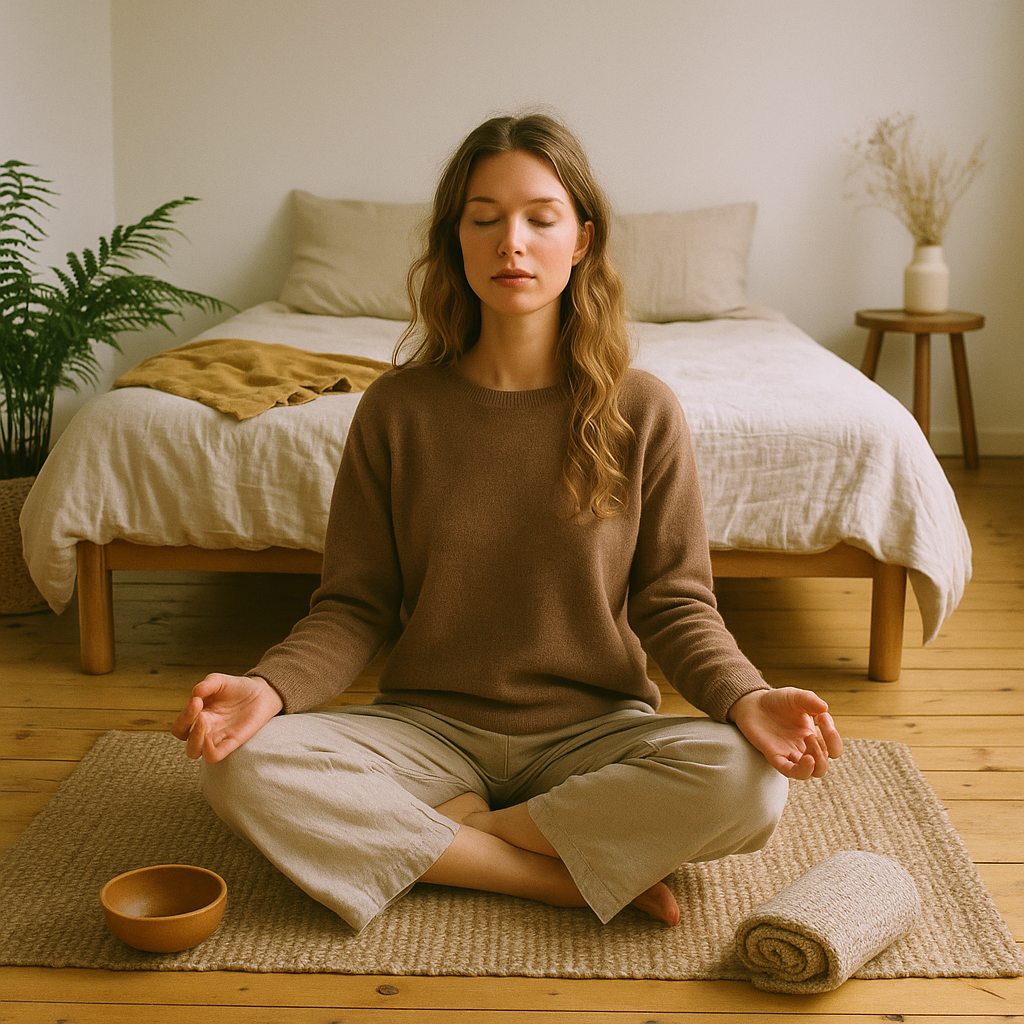
Real-Life Success Stories & Testimonials
People Who've Balanced Their Vata — And Their Lives
“I thought I had IBS and insomnia forever. After two weeks of warm meals, oil massage, and ditching smoothies, I slept through the night and felt calm for the first time in months.”
— Rina, 32
“I’m a writer, so I live in my head. Ayurveda gave me a body again. Kitchari, yoga, and going to bed before 11 changed everything.”
— Joel, 40
“I always thought Ayurveda was for hippies. But the anxiety was wrecking my life. Now? I eat warm food, breathe more, and I’m not afraid to slow down.”
— Amira, 28
What These Results Look Like in the Real World
-
Fewer anxiety attacks
-
Better bowel movements (TMI? Sorry, but this is real)
-
No more waking up at 3 a.m.
-
Less bloating, more energy
-
Skin that glows — without ten serums
This stuff works. Not overnight, but steadily. Like returning home to yourself.
Scientific Evidence Supporting Ayurvedic Lifestyle & Diet for Vata Dosha
Ayurveda isn’t just tradition — it’s being scientifically validated, too.
Research on Diet’s Impact on Vata-Related Symptoms
-
A 2020 review in Journal of Integrative Medicine found that warm, oily, spiced foods improve gut health, particularly in individuals with symptoms aligning with Vata imbalance.
-
A study published in Ayurveda and Integrative Medicine showed that regularity in meal timing helps stabilize circadian rhythms and improve digestion.
Clinical Studies on Ayurvedic Practices for Vata
-
Abhyanga (oil massage) has been shown to reduce cortisol and improve parasympathetic activity (aka relaxation).
-
Yoga and Pranayama: Numerous trials show lower heart rate, improved HRV (heart rate variability), and reduced anxiety.
-
Triphala and Dashamoola, two Ayurvedic herbal formulas, have been linked to better elimination and reduced inflammation — both key for Vata imbalances.
What Experts Are Saying
“Ayurveda offers a holistic framework that aligns beautifully with what we know about the nervous system and gut-brain axis. Vata imbalance often mimics sympathetic dominance — Ayurveda helps reverse that.”
— Dr. Meera Sen, Ayurvedic MD & Integrative Medicine Specialist
Ayurveda isn’t replacing science. It’s enhancing it — with thousands of years of field research.
Conclusion: A Gentle Life Is a Grounded Life
So here we are. If you’ve read this far, you’re either:
-
Already Vata dominant and nodding furiously
-
Dealing with a rough patch of anxiety, dryness, insomnia, or overwhelm
-
Just curious, but a little cautious
Wherever you land — know this: Vata imbalance isn’t a flaw. It’s just a signal. A whisper from your body that it’s time to slow down, nourish, and root yourself.
Key Takeaways:
-
Eat warm, oily, spiced foods on a schedule
-
Massage your body like you actually live in it
-
Breathe. Move. Rest.
-
Choose grounding over stimulation
-
Personalize your approach — no cookie-cutter fixes here
Ayurveda isn’t about becoming someone else. It’s about coming back to who you’ve always been — before life pulled you in ten directions.
Want Real Help With This?
Working with a qualified Ayurvedic practitioner can save you time, confusion, and trial-and-error. Get personalized guidance, dietary recommendations, and lifestyle plans that fit you — not just your dosha label.
FAQ: Ayurvedic Lifestyle for Vata Dosha
Q: What’s the fastest way to calm Vata when I feel anxious?
A: Warm food, deep breathing, and a 5-minute oil foot massage. Seriously. Try that first.
Q: Can I still eat salad if I’m Vata?
A: Occasionally — but add olive oil, spices, and make sure it’s not cold. Better yet, opt for lightly steamed veggies instead.
Q: How do I know if my Vata is out of balance?
A: Look for dryness, coldness, anxiety, gas, constipation, or insomnia. If your energy feels scattered and your body dry — that’s your sign.
Q: Do I need to follow Ayurveda 100% to see results?
A: Not at all. Even doing one or two things consistently — like eating warm lunches or oil massage — can make a big difference.
Q: What time should Vata types go to bed?
A: Ideally by 10 p.m. — before the “second wind” hits. Earlier is better, especially in fall or winter.
आयुर्वेदिक डॉक्टर से एक प्रश्न पूछें और मुफ़्त या सशुल्क मोड में अपनी चिंता की समस्या पर ऑनलाइन परामर्श प्राप्त करें।
2,000 से अधिक अनुभवी डॉक्टर हमारी साइट पर काम करते हैं और आपके प्रश्नों की प्रतीक्षा करते हैं और प्रतिदिन उपयोगकर्ताओं को उनकी स्वास्थ्य समस्याओं को हल करने में मदद करते हैं।
संबंधित आलेख