आयुर्वेदिक डॉक्टर से प्रश्न पूछें और निःशुल्क या भुगतान मोड में अपनी चिंता की समस्या पर ऑनलाइन परामर्श प्राप्त करें। 2,000 से अधिक अनुभवी डॉक्टर हमारी साइट पर काम करते हैं और आपके प्रश्नों का इंतजार करते हैं और उपयोगकर्ताओं को उनकी स्वास्थ्य समस्याओं को हल करने में प्रतिदिन मदद करते हैं।


Body DetoxEar, Nose, and Throat DisordersGeriatrics & RejuvenationImmunodeficiencyInfertility TreatmentNutritionOrthopedic DisordersPediatricsRespiratory DisordersSexually Transmitted Diseases (STDs)Surgery RecoveryUrological DisordersVascular DisordersDental DisordersEndocrinological DisordersGastrointestinal DisordersYoga TherapyGeneral MedicineAllergic DisordersCardio DisordersGynecology and ObstetricsCosmetologySkin and Hair DisordersEye DisordersInfectious DiseasesMental DisordersNeurological DisordersOncologyPanchakarmaSexual Health & DisordersSports Medicine
पर प्रकाशित 06/27/25
(को अपडेट 08/10/26)
5
7,718
How to Take Steam Bath at Home: Ayurvedic Guide to Detox and Relaxation

Ever felt like you just need to hit the pause button, sweat it out, and let your whole body breathe again? That’s exactly what a good steam bath can do—right from the comfort of your home. Whether you're curious about how to take steam bath at home for the first time, or you've been wondering about the herbal bath powder at home ingredients that your grandma swore by, this guide is for you. We’re diving into the soothing world of Ayurvedic steam, and yes, you’ll even learn how to make steam bath at home without needing a fancy spa setup.
By the time you finish reading this, you’ll know how to steam bath at home like a pro—from setup to herbal touches to those after-steam rituals that make all the difference. Plus, we’ll show you how to make natural bath powder at home, because why not keep it 100% natural and DIY?

What Is a Steam Bath and Its Benefits in Ayurveda
Ayurvedic Concept of Swedana (Therapeutic Sweating)
In Ayurveda, steam therapy is known as Swedana, which literally means to sweat. This ancient practice has been used for centuries to eliminate toxins (or ama) from the body. It’s considered a vital part of detox routines and is often paired with Abhyanga, the warm oil massage that precedes it.
Swedana helps open up the srotas (body channels), improves circulation, and balances the doshas—Vata, Pitta, and Kapha. Ayurvedic practitioners recommend it to relieve stiffness, enhance skin glow, and support respiratory health. Kinda cool that something so old is still so relevent, right?
Benefits of Steam Bath at Home
You don’t need a five-star spa to get the benefits. Doing a steam bath at home can:
-
Promote detoxification through sweat
-
Relieve stress and calm the nervous system
-
Loosen up tight muscles and joints
-
Improve skin clarity and softness
-
Support respiratory health, especially when herbs are added
It’s like hitting refresh, but for your whole body.
When and How Often to Do Steam Baths at Home
Ideally, a steam bath can be taken 2–3 times a week, depending on your body constitution. For those with a dominant Pitta dosha (think fiery personalities), once or twice may be enough to avoid overheating. Winters are an excellent time to incorporate steam baths more regularly.
Timing-wise, go for the morning or evening—never immediately after meals. Your stomach’s working hard, let it chill. Also, it’s better to do it on a day when you can relax afterward (so maybe not before back-to-back Zoom calls, okay?).

How to Take a Steam Bath at Home Step-by-Step
How to Make Steam Bath at Home with Basic Tools
So, here’s the million-rupee question: how to make a steam bath at home without buying a big sauna box? You’d be surprised how simple it is.
What you need:
-
A small steam inhaler or facial steamer
-
A large bucket of boiling water
-
A thick bedsheet or towel
-
A comfortable stool or chair
-
Optional: herbal decoctions (we’ll get to that soon)
Steps:
-
Place the boiling water bucket in a small bathroom or closed-off space.
-
Sit comfortably, keeping the bucket near your legs or feet.
-
Drape the towel or sheet over your body to trap the steam.
-
Stay in the steam for 10–15 mins, or until you start sweating.
Be careful, though—not too hot. You’re not a dumpling 😅
Steam Bath Setup at Home Using Herbal Decoctions
Want to go the extra Ayurvedic mile? Add herbs like neem, turmeric, eucalyptus, or tulsi to the boiling water. These herbs enhance detoxification and add a relaxing aroma to your steam bath setup at home.
Add the herbs to the water and let them steep for 5–10 minutes before you start. It’s basically herbal therapy and skin treatment rolled into one.
Safety Tips and Precautions Before and After the Steam
Some quick pointers you really shouldn’t skip:
-
Don’t steam if you have fever, sunburn, or are pregnant (talk to a doc first)
-
Hydrate before and after (srsly, drink that water)
-
Avoid cold drafts immediately after steaming
-
Wait at least 30 mins before showering or eating
And yeah, don’t do it every day. Even good things need moderation.

How to Use Herbal Bath Powders and Ingredients at Home
Herbal Bath Powder at Home: Ingredients and Preparation
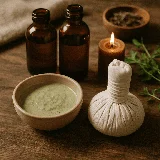
After your steam session, your pores are open, your skin is soft, and your body’s kinda like a sponge ready to soak in all the goodness. This is the perfect moment to bring in a homemade herbal bath powder. Forget those store-bought scrubs with twenty unpronounceable ingredients—you can whip up a super effective and natural version with things from your kitchen or local Ayurvedic store.
Basic ingredients for bath powder at home:
-
Green gram (moong dal) – exfoliates and brightens skin
-
Sandalwood powder – cools and calms inflammation
-
Vetiver root – natural fragrance, anti-bacterial
-
Turmeric – well-known anti-inflammatory and glow-booster
-
Neem leaves (dried & powdered) – deep cleanses and fights acne
-
Rose petals – adds aroma and softens skin
Just grind these into a fine powder (use a dry grinder or blender). Store in an air-tight jar. You’ve now got your very own herbal bath powder at home ready to go!
How to Make Natural Bath Powder at Home for Skin Rejuvenation
To make it really effective, you can tailor your herbal bath powder to your skin type:
-
Oily skin? Add fuller’s earth (Multani mitti).
-
Dry skin? Add a spoon of milk powder or almond flour.
-
Sensitive skin? Go easy on turmeric and focus more on soothing herbs like rose and sandalwood.
Mix the powder with rose water, milk, or just plain water before use. It should be a thick paste—kind of like face mask texture. Apply this all over your body after steam, wait 5-7 minutes, and gently scrub it off while rinsing.
Not only does this cleanse your skin, but it also restores moisture balance and enhances that post-steam glow. It’s like you’re treating yourself to an Ayurvedic spa day right in your shower stall. No lie.
How to Use Bath Powder After Steam for Maximum Effect
Here’s the flow most folks miss: timing matters.
Right after your steam bath at home, your skin is super absorbent. So instead of jumping into a shower with soap (which can be harsh right then), apply your natural bath powder all over and let it sit for a bit.
Rinse it off gently with lukewarm or slightly cool water—not hot! The idea is to close your pores slowly and lock in the benefits of both the steam and the herbs.
Bonus tip? Don’t use soap at all on these days. The herbal powder cleanses without stripping natural oils. Plus, you’ll smell kinda amazing without those synthetic fragrances.

Ayurvedic Rituals Before and After Steam Bath
Abhyanga (Oil Massage) Before Steam Bath
Ask any Ayurvedic therapist and they’ll tell you: don’t skip Abhyanga. This is the full-body warm oil massage you do before stepping into the steam. It’s not just for luxury—there’s a whole science behind it.
Sesame oil is commonly used, especially in winter. For Pitta types (who run hot), coconut oil is cooling and better suited.
Warm the oil slightly, apply generously all over your body, and massage using circular motions on joints and long strokes on limbs. This not only lubricates the tissues but also loosens up toxins to be eliminated during the steam.
It also kinda makes you feel like royalty tbh.
Rest, Hydration, and Cooling After Sweating
Post-steam, your body’s been through a lot! You’ve detoxed, scrubbed, and pampered your skin. Now it’s time to cool down slowly, not abruptly.
-
Sip warm water or herbal tea (coriander or cumin is great)
-
Sit quietly or lie down for at least 15–30 minutes
-
Avoid screens and noise—your nervous system needs the break
-
Take a gentle shower with lukewarm or room-temp water
It’s tempting to check your phone right after, but resist the urge. Just breathe. Let your body fully absorb the benefits of your steam bath setup at home.
Conclusion
Doing a steam bath at home isn’t just about sweating out stress (though that part’s awesome too). It’s a full-on Ayurvedic ritual that nourishes your mind, body, and skin when done right. From learning how to make a steam bath at home to whipping up your own herbal bath powder at home ingredients, you’ve now got the tools to turn your bathroom into a healing sanctuary.
What makes this practice so special isn’t just the detox or the glow—it’s the intention behind it. When you carve out 30–60 minutes for yourself, you’re telling your body and brain: “Hey, you matter.” That’s powerful stuff. Especially in a world where we're often running on fumes.
So next time you're craving a reset, skip the scroll and go steam instead.
Feel like this could help a friend? Share this guide! Self-care isn’t meant to be kept secret.
स्वयं दवा न लें और प्रतीक्षा न करें। अभी डॉक्टर से चैट शुरू करें
FAQs
How to make a steam bath at home without special equipment?
You don’t need fancy machines. A bucket of boiling water, a closed bathroom, a chair, and a thick sheet can do the trick. Sit close to the steam source (but not too close—don’t burn yourself, pls), drape the sheet over your body to trap the steam, and enjoy for 10–15 minutes.
Want to level it up? Add herbs like tulsi, eucalyptus, or even kitchen stuff like turmeric to the water.
What are the best herbs or oils for steam bath in Ayurveda?
Great Q! Here are some classic Ayurvedic go-tos:
-
Neem: great for skin cleansing, especially acne-prone
-
Eucalyptus: opens sinuses, clears lungs
-
Tulsi (Holy Basil): balances kapha, great for immunity
-
Turmeric: anti-inflammatory, skin-friendly
-
Vetiver: calming and grounding
-
Sandalwood: cooling, especially for pitta types
As for oils, use sesame oil for general body types and coconut oil if you tend to overheat or live in a hot climate. Massage it in before steaming as part of your Abhyanga.
How long should a steam bath session last?
Most steam baths should last between 10 to 20 minutes, depending on your body’s tolerance. If you're new to it, start with just 7–10 minutes and build from there.
Don't go overboard. Too long can cause dizziness, dehydration, or fatigue. Remember: It’s about balance, not punishment.
Also, if you feel dizzy, too hot, or just off—stop immediately. This is your body saying “yo, enough.”
Final Thoughts (and a Little Nudge)
Ayurveda isn’t just ancient mumbo jumbo. It’s a practical, deeply intuitive way of taking care of yourself. And by learning how to do steam bath at home, crafting your own bath powder at home, and understanding when and how to use it all—you’re taking charge of your well-being in a really grounded, natural way.
If this guide helped you, why not bookmark it or share it with someone who could use a little detox and chill? You deserve to feel amazing in your own skin. And honestly? A little sweat and herbal dust can go a long way 😌
उपयोगकर्ताओं के प्रश्न
What are the benefits of performing a warm oil massage before steam baths?
Client_7dab86
22 दिनों पहले
Performing a warm oil massage before steam baths can significantly enhance detoxification, improve circulation, and soothe muscle tension. The oil helps to moisturize the skin, making it more receptive to the heat and humidity of the steam bath, which can open pores and promote the release of toxins and impurities. This can lead to a cleaner, glowing complexion. Typically, a massage of 7–10 minutes is sufficient, with a gradual increase as you get accustomed to the routine. If you experience any skin irritation or discomfort during or after the process, consult a healthcare provider.
How to choose a safe time for a steam bath?
Client_c7d16e
27 दिनों पहले
The best time to take a steam bath is when your schedule allows you to relax afterward, avoiding immediate physical exertion or mental stress like meetings or tasks. Steam baths promote relaxation and detoxification, so having time to unwind afterward maximizes these benefits. Limit sessions to 15-20 minutes to avoid overheating and dehydration. Be cautious if you're pregnant, have cardiovascular concerns, or a fever, and seek advice from a doctor if you have underlying health conditions or concerns.
How can I make my own herbal bath powder at home?
Client_123117
32 दिनों पहले
To make your own herbal bath powder at home, start with a base like gram flour or rice flour. Mix with finely ground herbal powders such as neem for antibacterial properties, sandalwood for a calming effect, and rose petals for a pleasant aroma. Adding a small amount of turmeric can benefit your skin, but be cautious as it may stain. Combine the dry ingredients to form a paste using water or milk just before use. Store any excess in an airtight container to maintain freshness. If you have sensitive skin or allergies, test the mixture on a small skin area first or consult a doctor for personalized advice.
How to choose the right herbs for home steam baths?
Client_ec7e74
37 दिनों पहले
To choose the right herbs for home steam baths, consider your specific needs and goals, such as respiratory relief or stress reduction. Common herbs include eucalyptus for sinus relief, lavender for relaxation, and peppermint to invigorate and refresh. The timeline for noticeable benefits can vary; immediate relaxation may be evident, but respiratory benefits might take a few sessions. Be cautious if you have respiratory conditions or skin sensitivities, and consult a doctor if any adverse reactions occur. When considering an Ayurvedic approach, select herbs based on your primary health concerns rather than dosha classifications.
How to prepare my skin for a steam bath?
Client_86bc9d
42 दिनों पहले
To prepare your skin for a steam bath, start by cleansing it to remove dirt and makeup, allowing steam to penetrate more effectively. Exfoliating gently can also help by removing dead skin cells, but avoid harsh scrubs to prevent irritation. A steam bath typically lasts 10-20 minutes; you should see smoother, more hydrated skin immediately afterward. However, avoid overexposure to prevent dehydration or irritation. If you have skin conditions like rosacea or eczema, consult a dermatologist before using steam therapies.
What are the skin benefits of using eucalyptus during a steam bath?
Client_c1d4f2
47 दिनों पहले
Using eucalyptus in a steam bath can offer several skin benefits due to its natural antiseptic and anti-inflammatory properties. The steam helps open up your pores, allowing the eucalyptus to penetrate the skin and cleanse it of impurities, which can help reduce acne and promote clearer skin. This process can also enhance the moisture retention of your skin and give it a refreshed appearance. To protect your skin, don’t steam for longer than 15-20 minutes and stay hydrated. If you have sensitive skin or respiratory issues, consult a healthcare professional before using eucalyptus in a steam bath.
What precautions should I take before starting a steam bath at home?
Client_94fa9f
52 दिनों पहले
Before starting a steam bath at home, ensure proper hydration by drinking water beforehand, as steam can lead to perspiration and dehydration. Limit your initial sessions to 7–10 minutes and gradually increase the duration as you become more accustomed. Avoid steam baths if you have heart conditions, hyperthermia, or respiratory issues, and consult a doctor if you experience dizziness or discomfort. Enhancing the experience with herbs like neem or eucalyptus can be beneficial but is optional. Keep the area well-ventilated and have someone nearby, especially if you're new to steam baths.
How to set up a homemade steam bath without fancy equipment?
Client_1a19ef
57 दिनों पहले
To set up a homemade steam bath without fancy equipment, you can simply use your bathroom or a small room that can trap steam. Start by closing all doors and windows to create a sealed environment. Bring a pot of water to a boil on the stove, then carefully place it in the room or bathroom. You can add herbs like eucalyptus or lavender for additional benefits. Sit or stand a safe distance from the steam and enjoy for 10-15 minutes. Always listen to your body; if you feel lightheaded, stop immediately. Consult a doctor if you have cardiovascular issues before using steam baths.
Can steam baths help with muscle recovery after exercise?
Client_453a7f
62 दिनों पहले
Steam baths can aid in muscle recovery after exercise by increasing blood flow and loosening tight muscles, which may help reduce soreness. Typically, using a steam bath for about 15-20 minutes can improve circulation and aid relaxation. However, steam baths alone are not a comprehensive recovery solution; they should be combined with hydration, adequate rest, and proper nutrition. If muscle pain persists beyond a few days or worsens, it is advisable to consult a healthcare professional. While some Ayurvedic practices like Swedana incorporate steam for detoxification, modern science supports steam use primarily for its physical benefits on sore muscles rather than detoxification alone.
How long should I wait after eating before taking a steam bath?
Client_a33fdd
67 दिनों पहले
You should wait at least 1 to 2 hours after eating before taking a steam bath. This allows your body to properly digest the meal without added stress or discomfort from the heat of the steam. Eating raises your body's metabolic activity, and adding the heat of a steam bath can further increase your heart rate and body temperature, potentially leading to nausea or dizziness. If you have specific health conditions like cardiovascular issues, consult your doctor. Generally, taking steam baths in the morning or evening when your stomach is not full is ideal.
संबंधित आलेख
Body Detox
How to Actually Balance Vata Dosha — Without Driving Yourself Nuts
In Ayurveda — India’s ancient system of natural healing — Vata is one of the three doshas, or bodily energies. It’s made of air and ether, so you can guess it’s kind of floaty. It governs movement, speech, creativity, quick thinking, but also... anxiety,
3,851

Body Detox
चित्रक हरितकी के उपयोग, खुराक, साइड इफेक्ट्स और सामग्री
चित्रक हरितकी के उपयोग, खुराक, साइड इफेक्ट्स और सामग्री की खोज
4,683

Body Detox
आयुर्वेद और दैनिक जीवन में नीम का उपयोग क्या है?
नीम के कई उपयोगों की खोज करें: नीम की पत्तियों से लेकर नीम का तेल और नीम पाउडर तक। जानें कि कैसे नीम का इस्तेमाल त्वचा, सेहत और रोज़मर्रा की वेलनेस के लिए प्राकृतिक तरीके से किया जा सकता है।
8,233

Body Detox
Is Tapioca Good for Weight Loss? Ayurvedic Insight
Is tapioca good for weight loss or not? Learn about tapioca benefits, boiled tapioca, chips, night consumption, and how it helps in weight loss naturally
8,309
Body Detox
Raj Pravartini Vati Uses – Natural Ayurvedic Formulation for Holistic Health
Discover the benefits and uses of Raj Pravartini Vati, a traditional Ayurvedic herbal formulation renowned for detoxification, dosha balancing, and supporting overall vitality.
4,031

Body Detox
What Pitta Dosha Symptoms Actually Mean (And Why You Should Care)
Ever feel like your body runs hot — not just temperature-wise, but emotionally, mentally, maybe even digestively? You get irritated over small things. You’re sharp and productive one moment, but crashing or lashing out the next. Acne? Acid reflux? Random
4,264

Body Detox
What Is Vetiver? Ayurvedic Guide to Vetiver Roots, Oil, and Healing Benefits
What is vetiver? Learn about vetiver roots, grass, oil, and water benefits. Discover how this plant is used in Ayurveda for skin, cooling, and healing
12,881

Body Detox
Gandhak Vati Benefits, Dosage, Ingredients, And Side Effects
Exploration of Gandhak Vati Benefits, Dosage, Ingredients, And Side Effects
3,243

Body Detox
वैद्य पाटणकर आयुर्वेदिक काढ़ा
वैद्य पाटणकर आयुर्वेदिक काढ़े की खोज
3,992

Body Detox
अमृतोत्तरा कषायम के फायदे, खुराक, साइड इफेक्ट्स और सामग्री
अमृतोत्तरा कषायम के फायदे, खुराक, साइड इफेक्ट्स और सामग्री की खोज
2,783
विषय से संबंधित परामर्श
अतिरिक्त दस्तावेज़
© 2026 Ask Ayurveda. सर्वाधिकार सुरक्षित।