आयुर्वेदिक डॉक्टर से प्रश्न पूछें और निःशुल्क या भुगतान मोड में अपनी चिंता की समस्या पर ऑनलाइन परामर्श प्राप्त करें। 2,000 से अधिक अनुभवी डॉक्टर हमारी साइट पर काम करते हैं और आपके प्रश्नों का इंतजार करते हैं और उपयोगकर्ताओं को उनकी स्वास्थ्य समस्याओं को हल करने में प्रतिदिन मदद करते हैं।


Body DetoxEar, Nose, and Throat DisordersGeriatrics & RejuvenationImmunodeficiencyInfertility TreatmentNutritionOrthopedic DisordersPediatricsRespiratory DisordersSexually Transmitted Diseases (STDs)Surgery RecoveryUrological DisordersVascular DisordersDental DisordersEndocrinological DisordersGastrointestinal DisordersYoga TherapyGeneral MedicineAllergic DisordersCardio DisordersGynecology and ObstetricsCosmetologySkin and Hair DisordersEye DisordersInfectious DiseasesMental DisordersNeurological DisordersOncologyPanchakarmaSexual Health & DisordersSports Medicine
पर प्रकाशित 05/07/25
(को अपडेट 08/09/26)
5
4,266
What Pitta Dosha Symptoms Actually Mean (And Why You Should Care)

Introduction
Ever feel like your body runs hot — not just temperature-wise, but emotionally, mentally, maybe even digestively? You get irritated over small things. You’re sharp and productive one moment, but crashing or lashing out the next. Acne? Acid reflux? Random inflammation? Yep, those too. If any of this sounds familiar, you might be dealing with pitta dosha symptoms — and trust me, it's more common than people realize.
In Ayurveda, an ancient Indian system of health and healing, pitta is one of the three doshas or body-mind types. Pitta governs transformation — everything from digestion and metabolism to intellect and emotions. When it's balanced, you're decisive, driven, and glowing with good health. But when it’s out of whack? Oh boy. You feel it everywhere — in your skin, your gut, your mood, even your sleep.
Now, why should you care about this ancient system in 2025? Because it works. And not just in a vague “drink herbal tea and do yoga” kind of way. There’s growing scientific backing for Ayurvedic treatments. Studies have shown their efficacy in managing chronic conditions like IBS, skin disorders, and even stress-induced hypertension. In fact, according to data from India’s Ministry of AYUSH, over 77% of patients reported significant symptom relief using classical Ayurvedic therapies for digestive and inflammatory conditions — many of which fall under the "pitta imbalance" umbrella.
Pitta-related issues are rising globally — think diet, climate, stress, tech addiction, and zero downtime. That perfect storm is heating us up from the inside out. From increased acid reflux and rashes to chronic anger and burnout, pitta is raging. And most conventional treatments? They target symptoms. Ayurveda goes deeper — to causes, patterns, and sustainable change.
In this article, I’m going to break all this down for you. You’ll get:
-
A solid understanding of what pitta dosha symptoms are and how they show up.
-
The Ayurvedic explanation behind it all (spoiler: it’s more intuitive than you think).
-
Practical remedies, lifestyle tweaks, foods to eat (and skip), real patient stories, and more.
Think of this as a long, thoughtful conversation with someone who’s spent too many nights Googling “why am I so irritated and bloated” — and finally found answers that made sense.

Understanding Pitta Dosha Symptoms – Ayurvedic Overview
What exactly are pitta dosha symptoms?
From a scientific point of view, pitta symptoms can seem scattered: skin inflammation, acid reflux, excess hunger, irritability, night sweats, and thinning hair. But in Ayurveda, they're all signs of the same root issue — excess heat or "agni" (digestive fire) going rogue.
Let’s nerd out a little. Pitta is made of fire and water elements. It’s responsible for all forms of digestion — food, thoughts, experiences. So when there’s too much pitta, it’s like an overheated engine: things burn out, break down, or blow up. This shows up as ulcers, heartburn, anger issues, red itchy skin, and even premature graying. Ayurveda sees this as a process, not a switch — meaning pitta imbalances build over time, often unnoticed until they erupt.
The stages of pitta aggravation, according to classical Ayurvedic texts, are:
-
Accumulation (Sanchaya) – You feel hot, irritable, maybe a little acidic.
-
Aggravation (Prakopa) – Symptoms intensify; digestion becomes too sharp, emotions get explosive.
-
Overflow (Prasara) – Heat moves beyond digestion into the skin, eyes, liver, etc.
-
Localization (Sthana Samshraya) – It nests in weak areas (skin, liver, etc.) causing disease.
-
Manifestation (Vyakti) – Full-blown disease sets in — think eczema, hepatitis, or migraines.
-
Complication (Bheda) – The body’s systems start breaking down — leading to chronic disorders.
Left unchecked, pitta imbalance can lead to serious morbidity: ulcers, autoimmune skin issues, liver problems, or chronic stress disorders. And we often miss the early signs because they’re so normalized — "That’s just how I am," we say. But Ayurveda disagrees.
Ayurvedic perspective: What throws pitta off?
Ayurveda lays blame on three things: food, lifestyle, and emotions. And honestly? That makes sense. Spicy food, erratic routines, working late, constant competition — these are all modern-day pitta triggers.
Here are some classic Ayurvedic culprits:
-
Eating too many spicy, sour, salty foods (hot wings, vinegar, cheese, fermented stuff)
-
Overexposure to heat (summer, saunas, even hot yoga)
-
High-stress environments (corporate grind, exams, toxic relationships)
-
Suppressing emotions — especially anger
-
Excess alcohol, caffeine, fried food
Emotionally, pitta types are driven perfectionists — but when imbalanced, that sharp mind becomes overly critical, impatient, even aggressive. Ever heard someone say they feel like they’re about to explode? That’s textbook pitta.
Ayurveda vs. conventional medicine: A different lens
This is where things get interesting. Conventional medicine looks at symptoms in isolation. Heartburn? Take an antacid. Acne? Prescribe isotretinoin. Anger issues? Try therapy or medication.
Ayurveda zooms out. It doesn’t separate mind from body — it sees patterns. That same person with reflux likely also gets irritated easily, has rashes, and sleeps poorly. Ayurveda would say, “Your pitta’s flaring.” And instead of suppressing the symptoms, it seeks to cool the system down — with herbs, food, habits, and mindset shifts.
Some might call it holistic. I’d just call it sensible.
What Actually Causes Pitta Dosha Symptoms (And Why It's Not Just the Spice)
Main Ayurvedic Causes of Pitta Imbalance
Okay, so here’s the thing — most people assume pitta gets triggered only by spicy food or hot weather. That’s like saying forest fires only happen in summer. Technically true, but wildly incomplete.
According to Ayurveda, pitta rises when anything fiery takes over your life: your food, your emotions, your environment, your ambitions. It could be that extra chili in your curry. Or that competitive mindset where rest feels like failure. Or even your favorite “productivity playlist” that never lets your brain settle.
The classical texts — Charaka Samhita, Ashtanga Hridaya, and so on — pinpoint three main causes:
-
Ahara (Diet): Excess spicy, sour, salty, oily, fermented, or overly acidic foods. Think pickles, alcohol, cheese, tomatoes, garlic-heavy dishes. Even too much ginger or mustard seeds.
-
Vihara (Lifestyle): Overworking, staying up late, lack of cooling downtime, overexposure to sun or heat (like desk jobs with poor ventilation or daily driving in hot climates).
-
Manas (Mind/Emotions): Anger, jealousy, constant comparison, and perfectionism. These aren't just “bad vibes” — they literally stoke internal heat.
It’s not about one bad meal or a rough day. It’s about patterns that stack up over time. Pitta isn’t offended easily, but once it gets going? It’s relentless.
Triggers & Risk Factors According to Ayurveda
Let me paint a picture of a typical pitta-aggravating day:
-
Wake up late after barely sleeping
-
Skip breakfast, drink strong black coffee
-
Rush into a high-pressure job, barely blinking till 2 PM
-
Grab a spicy street snack with Coke
-
Work more, stress more, maybe argue a bit
-
Go home, doom-scroll social media (cue envy and overthinking)
-
Eat a greasy, salty dinner at 10 PM
-
Fall asleep with hot flashes or indigestion
That’s the modern pitta lifestyle in action. And it’s absolutely everywhere.
Common triggers Ayurveda warns against:
-
Summer season or tropical climates
-
Sudden lifestyle changes or emotional traumas
-
Overuse of heating herbs or supplements (yes, even "healthy" stuff like ashwagandha in excess)
-
Irregular eating patterns (eating too late or skipping meals)
-
Highly processed or reheated foods
Why Modern Living is Basically a Pitta Generator
Let’s be blunt — everything about the modern hustle is basically pitta on steroids.
Fast food, faster decisions, hotter emotions, 24/7 stimulation — we’ve normalized heat in all forms. The grind culture says “more is better,” but Ayurveda gently shakes its head and whispers, “You’re overheating.”
And it’s not just a vibe. Research shows rising cases of gut disorders, autoimmune skin conditions, and anxiety — all classically linked to pitta. Ayurveda predicted this burnout epidemic centuries ago. We just weren’t listening.
Recognizing Pitta Dosha Symptoms Before They Wreck You
Classic Signs of Pitta Gone Rogue
So what does it look like when pitta spirals? Let’s get brutally specific.
Common physical symptoms:
-
Constant acidity or sour burps
-
Excessive hunger (hangry is real!)
-
Burning sensation in stomach, chest, or even during urination
-
Inflammatory skin issues: acne, eczema, hives, rashes
-
Red, bloodshot, or sensitive eyes
-
Sweating even when it’s not hot
-
Loose stools or diarrhea
-
Premature graying or thinning of hair
Common mental/emotional symptoms:
-
Short temper, sarcasm, irritability
-
Perfectionism or critical thinking turned toxic
-
Impatience, frustration with “slow people”
-
Difficulty relaxing or unwinding
-
Intense focus that leads to burnout
The disease doesn’t just "appear." It whispers first. We just don’t hear it over the noise.
Subtle (But Telling) Signs Most People Miss
Not every pitta imbalance is loud. Sometimes it’s that vague feeling of being on edge all the time. Or waking up at 2 a.m. in a pool of sweat. Or having perfectly healthy digestion that suddenly turns acidic for “no reason.”
Here are some signs that fly under the radar:
-
Sensitivity to heat or sun (you tan too quickly or get heatstroke easily)
-
Intolerance to spicy food you used to love
-
Nightmares or vivid dreams (especially about fire or conflict)
-
Always feeling like you're “doing too much”
-
Aversion to loud noises or bright lights
These aren’t random quirks. They’re pitta waving a flag.

When Should You Actually See an Ayurvedic Practitioner?
Honestly? Before it gets ugly.
If you’re seeing multiple signs — digestive + skin + mood shifts — it’s time. Ayurveda works best in the pre-disease stage (called Purva Rupa). That’s when it can reverse the imbalance fully.
But even in chronic cases, it can manage and often drastically improve symptoms. That said, Ayurveda isn’t magic. It won’t reverse irreversible damage or replace emergency care. If you’re dealing with:
-
Sudden severe pain or bleeding
-
Unexplained weight loss
-
Autoimmune flares with acute symptoms
…get conventional help first. Then use Ayurveda to stabilize.
स्वयं दवा न लें और प्रतीक्षा न करें। अभी डॉक्टर से चैट शुरू करें
How Ayurveda Actually Diagnoses Pitta Dosha Symptoms
Traditional Tools: More Art Than Science (But Strangely Accurate)
The way Ayurvedic doctors diagnose isn’t just clinical — it’s intuitive. And weirdly, it works.
Here’s how they do it:
-
Nadi Pariksha (Pulse Diagnosis): The practitioner reads your pulse — not just for rate, but for rhythm, depth, and force. A strong, forceful pulse? Classic pitta.
-
Jihva Pariksha (Tongue Analysis): A red tongue with a thin yellow coating, or red dots on the tip? Hello, internal heat.
-
Drik Pariksha (Eye Observation): Bloodshot, sharp, or piercing eyes suggest pitta.
-
Sparsha (Touch): Skin temperature, texture, and moisture are assessed.
-
Other clues: Sweat odor, thirst level, voice sharpness, and even how you talk or sit. It’s like body language meets biochemistry.
Determining Dosha Imbalance: It’s All About Pattern Recognition
Ayurveda isn’t about one test or number. It’s about context. Your constitution (Prakriti) + your current imbalance (Vikriti). A trained Vaidya will ask:
-
What foods make your symptoms worse?
-
When do you feel hottest or angriest?
-
How’s your poop? (Yes, we go there.)
It’s detective work. But once they spot the pitta pattern, the whole story clicks.
And here’s the cool part: you start to see the pattern too. That’s when the healing really begins.
Ayurvedic Treatments & Remedies for Pitta Dosha Symptoms
Panchakarma: The Big Guns
For stubborn or chronic cases, Panchakarma — Ayurveda’s detox protocol — can work wonders.
Recommended therapies for pitta symptoms:
-
Virechana: Purgation therapy — flushes out excess pitta from the intestines. It’s not as scary as it sounds, promise.
-
Abhyanga with cooling oils: Think Brahmi or Chandanadi oils.
-
Takradhara: Buttermilk poured gently on your forehead — sounds odd, feels divine.
-
Pitta Shamana Basti: Enemas with herbs that cool and nourish.
These treatments need supervision — don’t try a DIY detox based on some TikTok reel.
Home Remedies That Actually Work
If you're not ready for big treatments, start with these:
-
Coriander tea: Soak coriander seeds overnight, boil the water in the morning, sip through the day.
-
Aloe vera juice: 15–30 ml on an empty stomach — but only for 2–3 weeks, not long-term.
-
Coconut water + mint: Daily during hot months.
-
Rose water spray: Amazing for hot flashes and skin irritation.
Also, try silence. Or watching the sunset. Or literally putting your bare feet on cool grass. Sounds cheesy? Maybe. But they lower pitta.
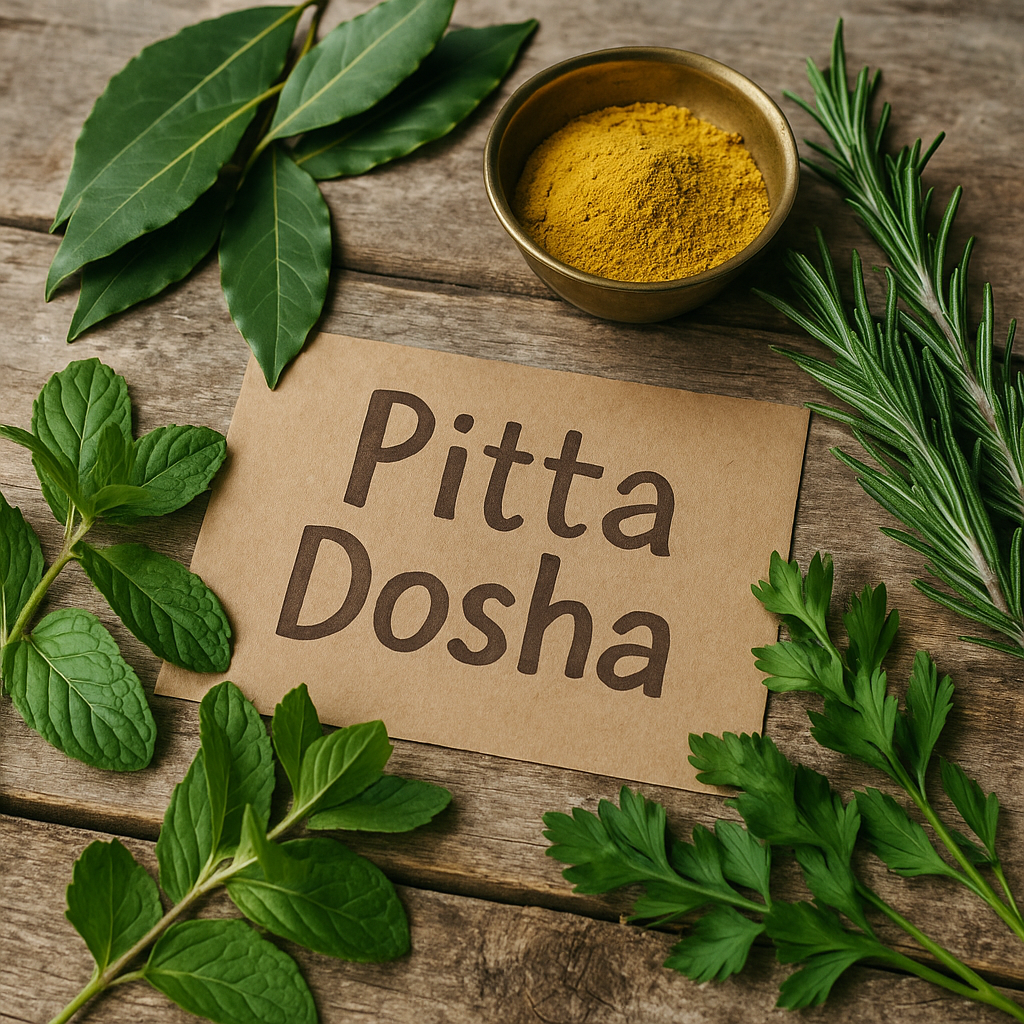
Diet & Lifestyle Tips for Calming the Pitta Storm (Without Becoming a Monk)
What to Eat (And How to Eat It)
This part is about cooling, not depriving. Pitta thrives on sweet, soft, hydrating foods that calm inflammation and soothe internal fire — and yes, they can still taste great.
Eat more of these:
-
Fresh vegetables like cucumbers, zucchini, leafy greens, and bitter gourd — they're cooling and help eliminate excess heat.
-
Sweet, juicy fruits such as melons, grapes, pears, pomegranates, and ripe mangoes (in moderation).
-
Grains like basmati rice, barley, oats, and quinoa — gentle on the gut and nourishing.
-
Cooling dairy in small amounts — boiled and cooled milk, fresh ghee, and diluted buttermilk. Avoid yogurt at night.
-
Coconut in all its forms — water, meat, milk, or oil — is practically a pitta antidote.
-
Mild spices like fennel, coriander, cardamom, and turmeric (small amounts) can be used, but skip the chili and black pepper.
-
Cooked foods are best — lightly sautéed or steamed, with some healthy fat like ghee.
Don't skip meals or delay eating. Pittas are sensitive to hunger, and skipping food can make symptoms worse (especially irritability and acidity).
What to Avoid (Sorry, But Yes)
Yes, you’ll need to avoid or at least cut back on the following:
-
Spicy foods: Red chilies, hot sauce, jalapeños — all stoke internal fire.
-
Sour or fermented foods: Vinegar, pickles, aged cheese, wine, kombucha — these trigger pitta digestion and can cause heartburn or rashes.
-
Too much salt: It retains heat and aggravates pitta. Go easy.
-
Overly oily or fried food: Pitta is already oily by nature, and excess oils just overload the system.
-
Acid-forming items: Tomatoes, garlic, onions (raw), and citrus in large quantities can cause digestive heat.
-
Caffeine and alcohol: These are practically gasoline on a pitta fire — stimulating, dehydrating, and inflammatory.
-
Processed or preserved foods: They’re tamasic (dull), overly salty, and hard to digest — especially for inflamed guts.
Watch your food combinations too. Ayurveda warns against eating fruit with dairy (like bananas and milk) or combining yogurt with meat or fish — it builds up toxins over time.
Daily Rhythm for Soothing Pitta
Your daily routine can either cool the system or crank up the heat. A few simple shifts can make a huge difference.
-
Wake up early — ideally before 6:30 a.m., before the sun starts heating the day.
-
Begin your morning with cool or room-temperature water, maybe infused with rose or mint.
-
Keep movement gentle: try yoga, walking, swimming, or stretching. Avoid intense cardio or hot yoga.
-
Eat breakfast around 8 a.m. and lunch by noon. Lunch should be your main meal, as digestion is strongest then.
-
Wind down in the late afternoon. Avoid high-pressure work in the evening if possible.
-
Dinner should be early (by 7 or 8 p.m.), light, and mild.
-
Screen-free, quiet evenings — think candlelight, light reading, soft music.
-
Aim to sleep by 10 p.m. sharp. Staying up late aggravates pitta and interferes with natural detox processes.
Ayurvedic Herbs & Medicines (Use Smartly)
If diet and routine are step one, herbs are step two. But they should be used thoughtfully.
-
Amalaki (Indian gooseberry) is cooling, boosts digestion, and supports liver health. Try 1 teaspoon of powder in warm water or as a capsule, daily.
-
Shatavari is fantastic for calming both the gut and emotional fire — great for women especially. Powder or capsules work well (1–2 teaspoons/day).
-
Guduchi is anti-inflammatory and helps reduce internal heat. A decoction or tablet (around 500 mg twice daily) is common.
-
Neem is powerful for clearing heat from the skin and blood, but avoid during pregnancy or if you're underweight.
-
Bhringraj, often used as an oil, supports hair and liver health, especially useful if pitta has begun to affect your skin or hair.
Always consult a qualified practitioner before taking any Ayurvedic medicines — especially if pregnant, breastfeeding, or on medication.
Real People, Real Results: What Actually Happened When They Balanced Pitta
Let’s get out of theory for a moment. Real people are out there doing the work — and getting real results.
Priya, a 34-year-old marketing manager, had constant heartburn, adult acne, and mood swings she called “ragey blips.” Her Ayurvedic doctor diagnosed her with classic pitta aggravation. She started a cooling diet, added herbs like Amalaki and Guduchi, and made space for quiet evenings. Within two months, her skin cleared, digestion improved, and she could finally sleep through the night. “I still stress out sometimes,” she said, “but now I can pull back instead of crashing.”
James, a 42-year-old software developer, didn’t believe in Ayurveda until his psoriasis got so bad he couldn’t type comfortably. After a full Panchakarma detox and diet overhaul, his inflammation dropped dramatically. He still flirts with spicy food but knows how to rebalance when things flare up.
These are people with full lives, careers, kids, bad days — not monks. They simply found a system that helped them listen to what their body was trying to say.
What the Science Actually Says (Yep, There's Data)
It’s not all ancient scrolls and herbal tea. Modern science is catching up with what Ayurveda’s been saying for 5,000 years.
What Research Shows
-
A clinical study published in the Journal of Ayurveda and Integrative Medicine showed that patients with acid reflux who followed a pitta-pacifying diet and took Guduchi had better results than those on antacids alone.
-
Several dermatology trials out of India’s CCRAS programs reported notable improvements in psoriasis and eczema symptoms with pitta-balancing herbs like neem and manjistha.
-
Studies also suggest Panchakarma detox therapies help reduce markers of inflammation, including C-reactive protein and gut permeability — both of which are pitta-driven issues.
Ayurveda vs. Modern Medicine
They’re not in opposition — they just take different approaches.
-
Ayurveda addresses root imbalances, considering diet, emotions, climate, and constitution.
-
Conventional medicine is amazing for acute care, but often manages symptoms without addressing why they appeared.
-
Ayurveda is gentler and slower, but more sustainable. Allopathy is faster, but often comes with side effects or temporary relief.
Honestly? Use both if needed. But don’t ignore what your gut, skin, or emotions are whispering.
Credible Sources to Dive Deeper
If you want to go full geek mode:
-
AYUSH Research Portal (India’s official Ayurvedic science body)
-
Journals like Ancient Science of Life and J-AIM (Journal of Ayurveda and Integrative Medicine)
-
Ayurveda departments at BHU (Banaras Hindu University), AIIA (Delhi), and other government institutes.
Common Myths About Pitta and Ayurveda (Let’s Clear the Air)
Let’s kill some confusion:
“Only hot-tempered people have pitta issues.”
Not true. Even chill folks can get pitta imbalance from bad food, weather, or stress. Personality doesn’t equal dosha type.
“Cooling foods are boring.”
Hard nope. Ever had rose-infused ghee rice with fennel and mint chutney? Or sweet pomegranate juice on a hot day? It’s delicious — just different.
“Ayurveda takes forever to work.”
It depends. Some people feel better in days. Others take weeks or months. But the goal is sustained healing, not just short-term symptom masking.
“All detox is good detox.”
Please stop. Not everyone needs Panchakarma. And forcing purgation or enemas when you’re not ready can backfire — hard.
Final Thoughts (Just Cool It Already)
If you’re still reading — you’re clearly serious about understanding pitta dosha symptoms. So let’s wrap this up in one simple truth:
Pitta needs cooling — not just physically, but emotionally and mentally too.
When your body overheats, it’s asking for space, gentleness, routine. A life that flows instead of burns. You don’t have to quit your job or flee to the Himalayas. Just:
-
Eat fresh, simple, cooling meals.
-
Honor your emotions without letting them run the show.
-
Sleep on time.
-
Breathe.
When you live in rhythm with your dosha, life becomes easier — not harder.
🌿 Want real help with this? Visit
FAQs About Pitta Dosha Symptoms
Q1: Can pitta dosha cause anxiety or anger issues?
Yes. When pitta builds up, it leads to emotional intensity. You might feel more irritable, impatient, judgmental, or angry. It’s not “just your personality” — it’s heat in the system.
Q2: Is it possible to have both pitta and another dosha out of balance?
Totally. Most of us have a mix. You might be pitta-vata or pitta-kapha — and your symptoms will reflect both. That’s why personalized treatment matters.
Q3: Does pitta imbalance get worse in summer?
Yes. Pitta is naturally high during summer (hot weather = more fire). That’s the time to focus on cooling foods, relaxing routines, and less screen time.
Q4: Can kids or teens show signs of pitta imbalance?
Absolutely. Acne, mood swings, excessive hunger, tantrums — these can all be early signs. Ayurveda can gently help with diet, herbs, and routine.
Q5: How long does it take to fix a pitta issue?
If it’s mild and recent, changes can happen in a few weeks. Deeper or older issues can take a few months. But consistency is everything.
उपयोगकर्ताओं के प्रश्न
What lifestyle changes help improve pitta-related digestive health?
Client_fb78c6
24 दिनों पहले
To improve pitta-related digestive health, focus on lifestyle changes that cool the body and avoid aggravating pitta. Prioritize a diet rich in cooling foods like cucumbers, melons, and leafy greens, and reduce spicy, oily, and acidic foods. Regular yoga or meditation can lower stress, which often exacerbates pitta imbalances. Avoid excessive heat, such as hot showers or midday sun. Symptoms might improve in a few weeks, but persistent issues should prompt a visit to a healthcare provider for proper evaluation and treatment.
What time should I go to bed to reduce pitta aggravation?
Client_7ea8ff
29 दिनों पहले
To reduce pitta aggravation, aim to go to bed by 10 PM. This timing helps align your sleep schedule with the natural circadian rhythms, promoting proper digestion and detoxification processes. Going to bed later can increase heat in the body, leading to issues like acid reflux, skin rashes, and heightened stress or irritability. If you frequently experience these symptoms or have trouble managing your pitta, consider consulting a healthcare professional. Ayurveda suggests that routines, along with appropriate herbs, can help maintain balance, but professional advice is crucial for personalized care.
What are the long-term effects of pitta imbalance on mental health?
Client_b3e485
34 दिनों पहले
A long-term pitta imbalance can potentially affect mental health by contributing to conditions such as irritability, emotional intensity, and stress-related symptoms. Routine incorporation of lifestyle changes, like a cooling diet, stress reduction techniques, and Ayurvedic herbs such as Amalaki, may help in managing these imbalances. However, monitoring symptoms is crucial. If you experience persistent mood swings, excessive irritability, or severe anxiety or depression, it is essential to consult with a healthcare professional for a thorough evaluation and appropriate treatment plan.
Is it safe to combine exercise routines with pitta-pacifying practices?
Client_503f84
39 दिनों पहले
Yes, it is generally safe to combine your exercise routine with pitta-pacifying practices. Exercise is an important part of maintaining overall health, but if you tend to have an excess of pitta, you should opt for exercises that are cooling and calming rather than overly intense or competitive, such as yoga or swimming. It's key to stay hydrated and avoid exercising during the hottest parts of the day. If you experience symptoms like persistent heartburn or skin irritation while combining these practices, it would be wise to consult a healthcare provider to ensure your regimen is balanced and safe for your specific health needs.
How does excessive heat exposure affect overall health and pitta dosha?
Client_cf781f
44 दिनों पहले
Excessive heat exposure can lead to dehydration, heat exhaustion, or heat stroke, which are immediate health concerns. Over time, it can worsen conditions like inflammation, headaches, and hypertension. In Ayurveda, such exposure can aggravate the pitta dosha, which is linked to these symptoms. Managing heat exposure involves staying hydrated, avoiding prolonged sun exposure, and ensuring proper ventilation. Symptoms like dizziness, headaches, or confusion warrant immediate medical attention. If lifestyle changes don't help manage symptoms, consulting a healthcare provider is advisable.
What are the signs of emotional overheating due to pitta imbalance?
Client_66536f
49 दिनों पहले
Signs of emotional overheating due to a pitta imbalance can manifest as irritability, impatience, and frequent anger. Individuals may also experience frustration, critical thoughts, or an overwhelming sense of pressure. Physically, this can accompany indigestion, skin issues, or disrupted sleep, particularly waking up in the early morning. It's crucial to cool down emotionally and mentally through stress management techniques like deep breathing, regular routines, and cooling foods. If symptoms persist or worsen, consulting a healthcare professional is advised for tailored advice.
How to choose the right Ayurvedic herbs for pitta dosha?
Client_c56ba5
54 दिनों पहले
To choose the right Ayurvedic herbs for balancing pitta dosha, focus on herbs with cooling, calming, and anti-inflammatory properties. Common choices include amla, guduchi, and brahmi, which can help manage excess heat and inflammation. Consult a healthcare professional to personalize your herbal regimen, particularly if you have existing health conditions or are taking other medications. Improvements may be seen in a few weeks, but chronic conditions might require longer. Seek professional advice if symptoms like severe heartburn or skin issues persist.
How to identify early signs of pitta dosha overheating?
Client_e7cb47
59 दिनों पहले
Early signs of pitta dosha overheating can include symptoms like increased irritability, impatience, acid reflux, heartburn, excessive sweating, and feeling hot or flushed. To manage these, focus on cooling dietary changes, such as incorporating raw fruits and vegetables, and avoiding spicy or fried foods. Staying hydrated and practicing stress-reduction techniques like yoga or meditation can also help. Monitor these symptoms, and if they persist or worsen, consult a healthcare professional. Ayurveda may offer additional insights, but medical advice is crucial if symptoms are severe.
How does stress impact pitta imbalances and symptoms?
Client_307b1c
64 दिनों पहले
Stress can exacerbate pitta-related symptoms such as inflammation, acid reflux, acne, anger, and heartburn by increasing heat and intensity in the body. Managing stress through regular physical activity, maintaining a balanced diet rich in cooling and calming foods like cucumber and coconut water, and practicing techniques such as meditation or deep breathing can help mitigate these symptoms. If symptoms persist or worsen, consult a healthcare professional to rule out underlying conditions and discuss appropriate treatments.
What natural remedies can help soothe digestive issues related to pitta?
Client_dc45fa
69 दिनों पहले
To naturally soothe digestive issues related to pitta, focus on cooling remedies and dietary choices. Opt for foods that are naturally cooling such as cucumbers, melons, and leafy greens. Herbal teas like peppermint or fennel can be beneficial. Shatavari is an herb noted for its calming effects on the gut and can be taken as a supplement. Stress-reduction techniques such as yoga or meditation may also help as stress can exacerbate digestive issues. If symptoms persist for more than a few weeks or worsen, consult a healthcare professional for a comprehensive evaluation.
संबंधित आलेख

Body Detox
Mahasudarshan Kadha – Herbal, Benefits, Uses, Dosage
Exploration of Mahasudarshan Kadha – Herbal, Benefits, Uses, Dosage
4,866

Body Detox
How to Balance Vata Dosha Without Losing Your Mind (or Your Sleep)
Yeah, that title might sound dramatic, but if you've ever experienced a Vata imbalance, you’ll get it. Racing thoughts, dry skin, irregular digestion, insomnia... it’s like your body forgot the rhythm of life. So, how do we bring it back into balance?
3,528

Body Detox
सुपारी क्या है: आयुर्वेदिक उपयोग, फायदे और जोखिम
जानें कि सुपारी क्या है, इसके फायदे, साइड इफेक्ट्स और प्रकार। सुपारी के प्रभाव, आयुर्वेद में इसके उपयोग, सुपारी के प्रकार और जायफल से इसके अंतर को एक्सप्लोर करें।
23,868

Body Detox
What Is Vetiver? Ayurvedic Guide to Vetiver Roots, Oil, and Healing Benefits
What is vetiver? Learn about vetiver roots, grass, oil, and water benefits. Discover how this plant is used in Ayurveda for skin, cooling, and healing
12,886

Body Detox
Ayurvedic Liver Detox: Facts & Insights
Liver detoxification is vital for maintaining overall health as the liver filters toxins; a cleanse can improve its function.
3,968

Body Detox
दूषीविषारी गुलिका: उपयोग, सामग्री, खुराक
दूषीविषारी गुलिका की खोज: उपयोग, सामग्री, खुराक
3,329

Body Detox
पंचकोला चूर्ण के फायदे, खुराक, सामग्री, साइड इफेक्ट्स
पंचकोला चूर्ण के फायदे, खुराक, सामग्री, और साइड इफेक्ट्स की खोज
4,065

Body Detox
Vata Dosha Meaning in Ayurveda: What It Is, Signs of Imbalance, and How to Calm It Naturally
If you’ve ever felt kind of scattered, dry-skinned, anxious for no good reason, constantly chilly, or like your mind races ahead of your body—then yeah, you’ve probably danced with Vata Dosha. And if you’re anything like me, once you start digging into Ay
4,429

Body Detox
कौन सी सब्जी गैस्ट्रिक समस्या और पाचन के लिए अच्छी है?
पता करें कि कौन सी सब्जी गैस्ट्रिक समस्या के लिए अच्छी है, गैस्ट्रिक सब्जियों की पूरी सूची और किन खाद्य पदार्थों से बचना चाहिए। पाचन के लिए सबसे अच्छे विकल्प और आयुर्वेदिक टिप्स जानें।
7,582

Body Detox
पंच निम्बा चूर्ण – फायदे, खुराक, सामग्री और साइड इफेक्ट्स
पंच निम्बा चूर्ण की खोज – फायदे, खुराक, सामग्री और साइड इफेक्ट्स
4,788
विषय से संबंधित परामर्श
अतिरिक्त दस्तावेज़
© 2026 Ask Ayurveda. सर्वाधिकार सुरक्षित।