आयुर्वेदिक डॉक्टर से प्रश्न पूछें और निःशुल्क या भुगतान मोड में अपनी चिंता की समस्या पर ऑनलाइन परामर्श प्राप्त करें। 2,000 से अधिक अनुभवी डॉक्टर हमारी साइट पर काम करते हैं और आपके प्रश्नों का इंतजार करते हैं और उपयोगकर्ताओं को उनकी स्वास्थ्य समस्याओं को हल करने में प्रतिदिन मदद करते हैं।


Body DetoxEar, Nose, and Throat DisordersGeriatrics & RejuvenationImmunodeficiencyInfertility TreatmentNutritionOrthopedic DisordersPediatricsRespiratory DisordersSexually Transmitted Diseases (STDs)Surgery RecoveryUrological DisordersVascular DisordersDental DisordersEndocrinological DisordersGastrointestinal DisordersYoga TherapyGeneral MedicineAllergic DisordersCardio DisordersGynecology and ObstetricsCosmetologySkin and Hair DisordersEye DisordersInfectious DiseasesMental DisordersNeurological DisordersOncologyPanchakarmaSexual Health & DisordersSports Medicine
पर प्रकाशित 05/14/25
(को अपडेट 08/10/26)
star_border 3.33
3,255
How to Balance Vata Dosha Without Losing Your Mind (or Your Sleep)

Yeah, that title might sound dramatic, but if you've ever experienced a Vata imbalance, you’ll get it. Racing thoughts, dry skin, irregular digestion, insomnia... it’s like your body forgot the rhythm of life. So, how do we bring it back into balance?
That’s what this deep-dive is all about.
Introduction to How to Balance Vata Dosha and Ayurveda’s Approach
When I first learned about the doshas in Ayurveda, I had no clue what to make of them. “Vata,” I was told, is the energy of movement—light, dry, cold, fast, erratic. It governs everything from nerve impulses to elimination, and when it’s in balance, you feel alive, creative, adaptable. But when it’s not? Oh boy.
Think gas, bloating, anxiety, joint pain, restlessness, forgetfulness. Like your system’s gotten unmoored.
So let’s start here: balancing Vata is not about becoming a different person. It’s about grounding, warming, and stabilizing the wild winds inside you.
And Ayurveda? Ayurveda’s not just some ancient philosophy whispered in candlelit temples (though yeah, it does sound cooler when said by someone in linen). It’s a living, breathing system of personalized health that actually listens to your body. Its principles help you tune into the seasons, your inner rhythms, your constitution.
Why focus on Ayurvedic lifestyle and diet for this?
Because Vata is super sensitive to lifestyle disruptions. Travel, cold weather, skipping meals, random sleep hours — it loves a bit of chaos and then completely panics from it. The Ayurvedic path doesn’t just throw herbs or hacks at the issue. It rewires your daily flow. It teaches you how to nurture consistency, warmth, and calm.
And honestly? That’s what balancing Vata comes down to: a consistent rhythm of nourishment, inside and out.
Benefits of implementing these Vata-balancing practices:
-
Better sleep (yes please)
-
More regular digestion (no more mystery bloating)
-
Calmer, more grounded thoughts
-
Improved skin, joints, and circulation
-
A sense of control — like you’re back in the driver’s seat
You don’t need to do it all perfectly. You just need to begin.

Understanding the Role of Ayurveda in Managing Vata Dosha
Let’s break this down, because people tend to jump into “what to eat” without really getting the why.
What Ayurveda Says About Vata Dosha
According to Ayurveda, everything in the universe—including your body—is composed of five elements: space, air, fire, water, and earth. Vata is the combination of air and space. So yeah... it’s light, mobile, dry, cold, subtle, and rough by nature.
Now think about your symptoms. Dry skin? Cold hands and feet? Racing mind? Irregular periods or digestion? That’s Vata being Vata—but on overdrive.
When it’s balanced, Vata gives you energy, creativity, intuition, quick thinking, and great communication. You’re the type of person who can make magic from nothing. But when it’s off balance, it’s like that same creative energy gets spun into chaos.
How Ayurvedic Lifestyle & Diet Directly Impact Vata Dosha
Vata is hyper-sensitive to change—in weather, schedules, environments, relationships. Anything erratic or overly stimulating throws it out of whack. And guess what modern life is? Pretty much a Vata-disrupting factory.
That’s why Ayurveda leans heavily on daily routines (Dinacharya) and seasonal living (Ritucharya). Predictability helps pacify Vata. So does warmth, oiliness, and grounding foods.
If you’re eating dry salads on the go, multi-tasking, skipping meals, or doing cold showers because some YouTuber said it boosts testosterone... just stop. Ayurveda would say that’s like throwing wind into a windstorm.
The Importance of Individualized Ayurvedic Approaches for Vata Dosha
Not all Vata types are the same. Some people are Vata-dominant by nature (Prakriti), while others might just be going through a Vata imbalance (Vikriti) because of stress, age (hello, Vata increases after 50), or seasonal shifts (autumn is classic Vata season).
So don’t just follow a “Vata diet” you found online. You need to understand your body’s current state. Are you dry and cold? Anxious but constipated? Or feeling ungrounded and sleep-deprived?
Ayurveda respects those nuances. It won’t throw a generic one-size-fits-all pill at you. Instead, it tailors lifestyle, food, herbs, even music and smells (!) to soothe your particular pattern of imbalance.
And that’s kind of beautiful, isn’t it? You’re not broken. You’re just out of rhythm. And Ayurveda helps you tune back in.
What to Eat (and Not Eat) to Balance Vata Dosha Without Going Crazy Over It
Food is medicine — yeah, yeah, you’ve heard that before. But in Ayurveda, it’s more than just medicine. It’s rhythm. It’s ritual. It’s stability.
And for a dosha like Vata — which is all about movement, air, dryness, and cold — food is your anchor. The goal here is to counter Vata's qualities with the opposite: warm, oily, grounding, moist, and sweet (but not sugar-sweet).
Foods Recommended by Ayurveda for Vata Dosha
Here’s the thing: Vata thrives on warmth and regularity.
-
Cooked grains like rice, oats, and quinoa (but soft and well-cooked, not crunchy or raw).
-
Root vegetables — think carrots, sweet potatoes, beets.
-
Healthy oils — sesame oil is practically a miracle. Ghee is a godsend.
-
Nuts and seeds, soaked overnight if possible.
-
Warming spices — cinnamon, ginger, cumin, fennel, cardamom.
-
Warm milk, preferably spiced or with a pinch of nutmeg at night.
-
Soups, stews, kitchari — anything you’d crave on a cold, blustery day.
Oh, and don’t skip meals. Ever. Your nervous system needs regular nourishment to feel safe.
Foods Ayurveda Suggests Avoiding for Vata Dosha
I’ll admit, this part can sting — especially if you’re a raw kale smoothie enthusiast.
Avoid (or really minimize):
-
Cold and raw foods (salads, smoothies, cold cereal, iced drinks — ouch)
-
Dry snacks like crackers, popcorn, rice cakes
-
Beans unless they’re very well-cooked and spiced
-
Caffeine overload, which overstimulates your already-wired Vata
-
Nightshades like tomatoes, potatoes, eggplants — can be too drying
-
Leftovers — they lack prana (life energy), which Vata really needs
You don’t have to be militant. But once you feel the shift after a few weeks of warm, grounding food... you might just lose the taste for the crunchy stuff.
Meal Planning and Timing Tips in Ayurveda for Vata Dosha
Here’s the golden rule: Eat at the same times every day. Don’t skip meals. Don’t graze all day. And don’t eat dinner at 10 p.m. just because you forgot.
-
Breakfast: Warm porridge with cinnamon and ghee is classic. Or an egg scramble with ghee and veggies.
-
Lunch: Your biggest meal. A nourishing stew, dahl with rice, or vegetable curry.
-
Dinner: Light but still warm and cooked — maybe soup or kitchari.
And don’t multitask while eating! Vata needs to focus and relax to digest properly.
Hydration and Beverage Recommendations for Vata Dosha
Ice water? Not today.
-
Warm herbal teas — ginger, fennel, licorice, chamomile.
-
Warm water with lemon or a touch of honey.
-
Golden milk (turmeric latte) before bed.
-
Avoid alcohol, carbonated drinks, and too much coffee — they’re all Vata-aggravating.
Honestly, just sipping warm water throughout the day can be a game-changer. Not sexy, but super effective.
The Ayurvedic Lifestyle: Small Shifts That Totally Change the Vata Game
Ayurveda loves routines. I used to hate that. But then I realized — it’s not about being boring. It’s about giving your body a steady beat to dance to.
Vata needs that predictability. That sense of "I know what’s coming."
Daily Ayurvedic Routines (Dinacharya) to Manage Vata Dosha
Here’s a gentle morning routine that calms Vata right from the start:
-
Wake up before sunrise, but not too early (6–7 a.m. is good for Vata).
-
Scrape your tongue, rinse your mouth.
-
Drink warm water — plain or with lemon.
-
Oil massage (Abhyanga) with warm sesame oil. This is non-negotiable. Your nervous system will thank you.
-
Gentle yoga or stretching.
-
Poop (yep, regular elimination is key).
-
Eat a warm breakfast.
Repeat similar rhythms in the evening — warm bath, light dinner, maybe oiling your feet. You want to signal calm and safety to your body.
Sleep Patterns and Ayurvedic Guidelines Relevant to Vata Dosha
Vata imbalance and insomnia go hand-in-hand.
-
Go to bed by 10 p.m., before that creative second wind hits.
-
Avoid screens and stress right before bed (I know, easier said than done).
-
Warm spiced milk at night helps — seriously, it's not just a grandma thing.
-
Oil your feet before sleep — weirdly magical.
Sleep is how your body resets. Don’t skimp on it.
Ayurvedic Personal Care Practices for Vata Dosha
-
Nasal oiling (Nasya) — a few drops of warm sesame or Anu taila in the nose.
-
Soothing scents like sandalwood, rose, or vetiver.
-
Basti (oil enema) is a powerful Ayurvedic treatment for deeper Vata issues — but see a practitioner for that.
Little rituals go a long way. The body starts to trust you again.
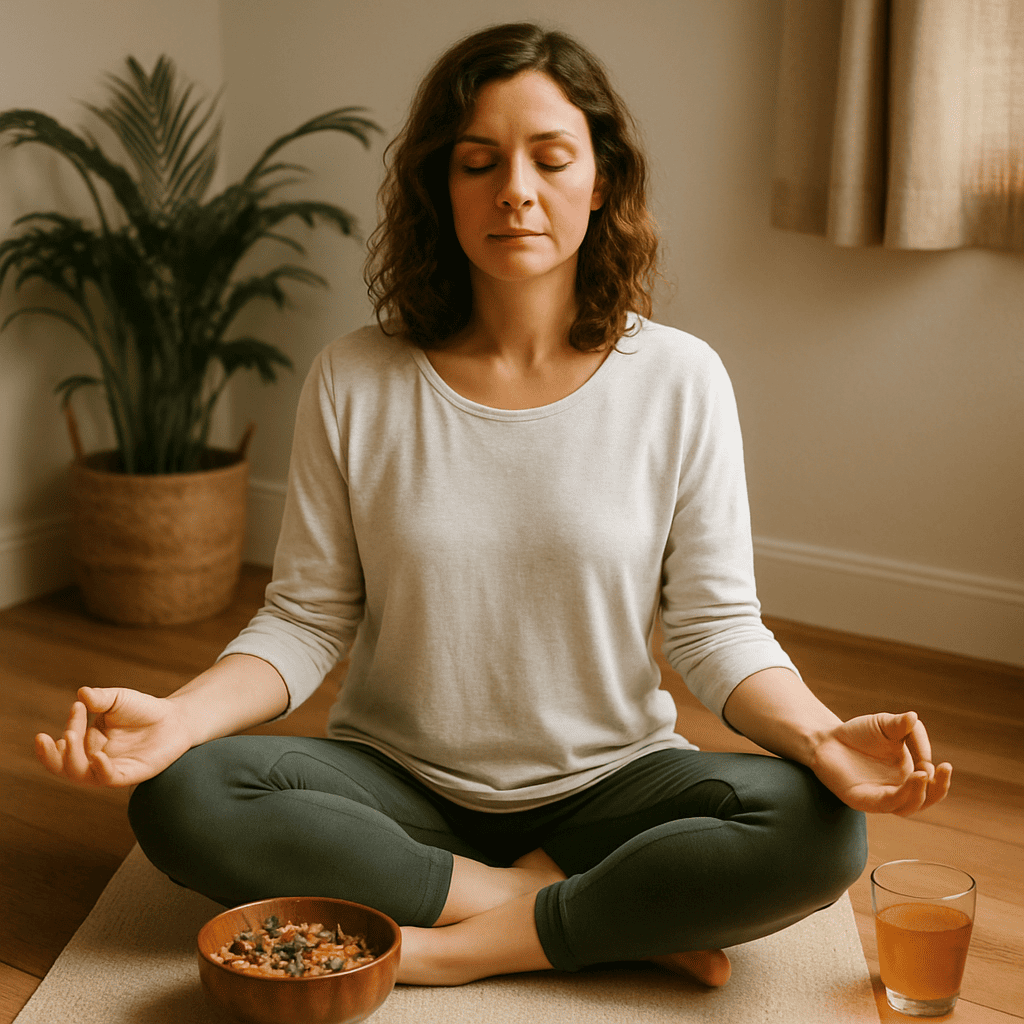
Yoga & Breathing Techniques to Help Vata Chill the Heck Out
Vata needs grounding. Not hot power yoga. Not fast flows. Not sweat-for-the-sake-of-sweat workouts.
What it craves is slowness, stillness, stability.
Yoga Asanas Specifically Recommended for Vata Dosha
Think slow, deep, steady.
-
Child’s Pose (Balasana)
-
Forward folds – seated or standing
-
Legs-up-the-wall (Viparita Karani)
-
Bridge pose
-
Supine twists
-
Savasana — like, stay there a while
Use props. Stay longer in each pose. Breathe deeply. Feel the earth beneath you.
No need to “perform.” Just soften.
Pranayama (Breathing Exercises) That Improve Vata Dosha
Your breath is the bridge between body and mind.
Best practices for Vata:
-
Nadi Shodhana (Alternate Nostril Breathing) — absolute gold.
-
Bhramari (Bee Breath) — super calming.
-
Deep belly breathing — inhale through nose, expand abdomen, exhale fully.
Skip anything too activating (like Kapalabhati). The point here is soothing, not stimulating.
How Often to Practice Yoga & Breathing Techniques for Vata Dosha
-
Daily, even if it’s just 15 minutes.
-
Consistency > intensity.
-
Practice during Vata times of day — early morning and late afternoon.
It’s not about doing a bunch. It’s about doing what brings you back into your body.
स्वयं दवा न लें और प्रतीक्षा न करें। अभी डॉक्टर से चैट शुरू करें
Managing the Storm: Stress, Emotions & the Vata Mind
Let’s not sugarcoat it — Vata is super prone to anxiety. Overthinking, catastrophizing, worrying... it’s like the mental version of wind blowing in a hundred directions.
Ayurveda sees emotional balance as part of physical balance. You can’t separate them.
Ayurvedic Techniques to Reduce Stress Related to Vata Dosha
-
Oil massage (again!) — especially feet, ears, scalp.
-
Grounding rituals like sitting on the floor, walking barefoot, gardening.
-
Spending time in nature — earthy, stable environments work wonders.
-
Warm baths with calming herbs — like lavender or ashwagandha.
Make your life feel safe and held — sensory input matters.
Meditation and Mindfulness Practices Beneficial for Vata Dosha
Try:
-
Trataka (candle gazing) — calms scattered thoughts.
-
Guided meditation with earthy visuals (forests, soil, slow rain).
-
Chanting or humming — vibration soothes the Vata nervous system.
-
Walking meditation — focus on the contact between foot and earth.
Even five minutes can make a difference. The mind slows down when the body feels rooted.
Emotional and Psychological Considerations in Ayurveda for Vata Dosha
Emotionally, Vata types can be incredibly sensitive, intuitive, and creative. But when they’re out of balance, they lose that spark in a sea of restlessness.
Key ideas:
-
Avoid overcommitting — Vata loves to say yes to everything.
-
Create emotional boundaries.
-
Journal to release mental clutter.
-
Laugh more. Like, really laugh — it’s grounding.
Also? Ask for help. Vata often feels like it has to figure everything out solo. You don’t.
Real-Deal Home Remedies and Recipes to Calm the Vata Madness
Sometimes, all you need is a warm cup of spiced milk or a spoonful of ghee to remind your body that it’s okay to exhale. These aren't just old-wives’ tales — they’re time-tested, gentle medicine for Vata.
Simple and Effective Home Remedies for Vata Dosha
Here’s what you can do at home without needing an Ayurvedic degree or a suitcase of herbs:
-
Warm sesame oil massage (Abhyanga): Every. Single. Morning. Even just 10 minutes changes everything — dry skin, stiff joints, anxiety.
-
Spiced milk before bed: Warm cow or almond milk with nutmeg, cardamom, and a pinch of cinnamon. Boom — lights out.
-
Ginger tea with ghee: Sip it slowly if digestion is feeling off.
-
Triphala at night: A mild herbal formula that keeps digestion regular (and therefore Vata calm).
-
Hot water bottle on your belly: Instant grounding when you’re stressed, cold, or can’t sleep.
These are simple. But when done consistently? Life-changing.
Ayurvedic Recipe Ideas Specifically Beneficial for Vata Dosha
Let’s cook — but in a chill, no-pressure, grounding kind of way.
-
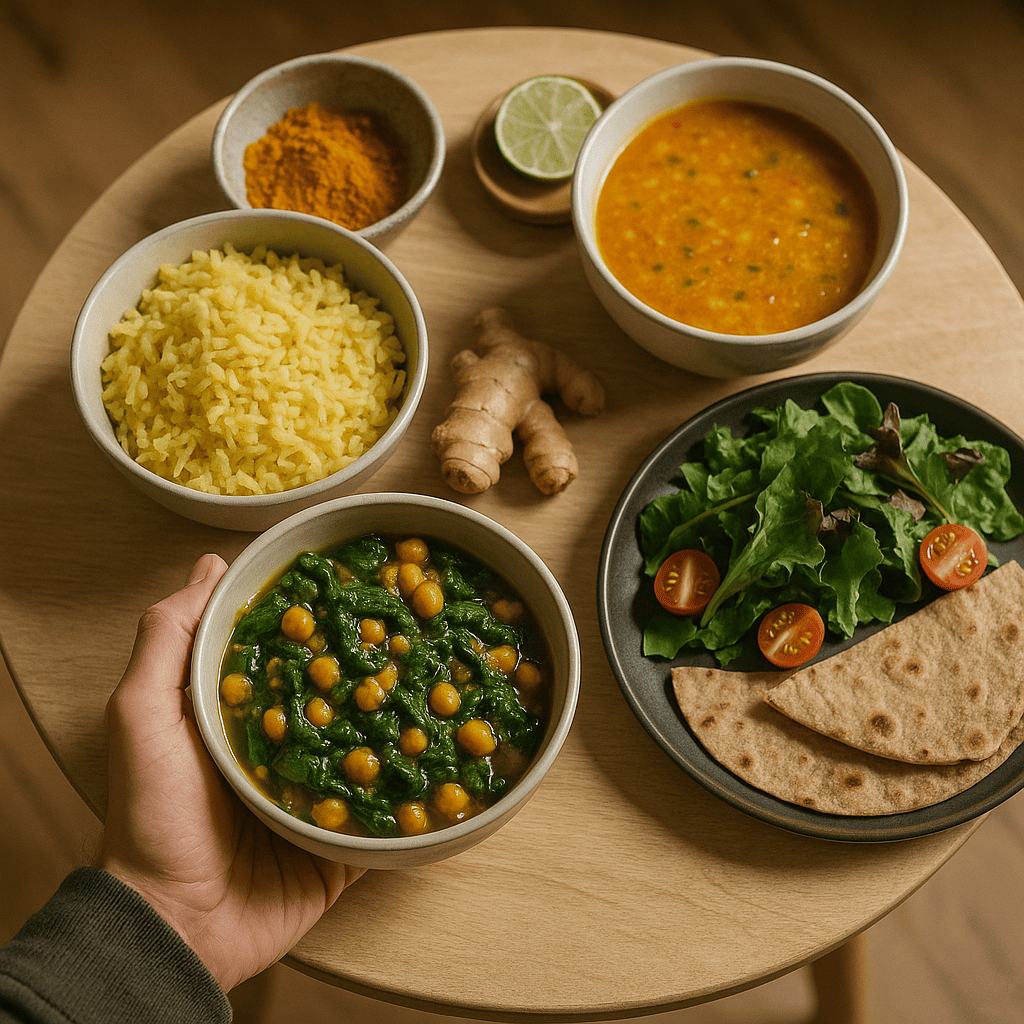
Kitchari (mung dal + basmati rice + ghee + spices): The gold standard. Add root veggies and make it soupy.
-
Stewed apples or pears with cinnamon: A perfect Vata breakfast or snack.
-
Sweet potato mash with ghee and cumin: So good. So grounding.
-
Spiced carrot soup with ginger and turmeric.
-
Oat porridge cooked with almond milk, dates, and cardamom.
Basically, you want warm, moist, soft, and spiced.
Preparation Tips and Guidelines for Ayurvedic Remedies for Vata Dosha
-
Always cook your food — raw = rough = Vata aggravation.
-
Don’t overdo spices — just enough to aid digestion.
-
Use ghee generously — it’s the OG Vata soother.
-
Avoid cold or frozen ingredients.
-
Eat sitting down. In peace. Without scrolling. Radical, I know.
And seriously — cook with love. Energy matters.
Mistakes People Make When Trying to “Fix” Their Vata With Ayurveda
Let’s get honest. Ayurveda is amazing, but it’s easy to get lost in the rabbit hole.
Common Myths About Ayurveda & Vata Dosha
-
“Ayurveda is just about herbs.” Nah. Herbs are the sprinkles. Lifestyle is the cake.
-
“You should follow a strict Vata diet forever.” Nope. Ayurveda’s all about balance, not rigidity.
-
“You can Google your way to healing.” Hmm... maybe? But your body deserves more than guesswork.
-
“You need to be vegetarian.” Not necessarily. Some Vata types do really well with small amounts of meat broth or eggs.
It’s not about perfection — it’s about personalization.
Typical Mistakes People Make When Adopting Ayurvedic Lifestyle for Vata Dosha
-
Doing too much too fast. Vata hates overwhelm.
-
Skipping meals while trying to “detox.” Vata + fasting = recipe for burnout.
-
Following online advice blindly. What works for your yoga teacher may wreck you.
-
Overusing stimulants (even “natural” ones). Too much ashwagandha? Not always great.
-
Using essential oils and herbs without understanding their effects.
Sometimes, less is more.
How to Avoid These Mistakes
-
Start small — a warm breakfast is a better start than a complete lifestyle overhaul.
-
Consult a real Ayurvedic practitioner. Seriously. Personalized help makes all the difference.
-
Tune into your body daily. Your needs change with seasons, stress levels, even the time of day.
-
Track your sleep, mood, digestion. Those are your guideposts.
And if something feels off, don’t push harder. Step back and listen.
Real-Life Wins: Stories from People Who Actually Balanced Their Vata
Honestly, the most convincing part of Ayurveda isn’t the ancient texts — it’s when you hear someone say, “This changed my life.”
Inspirational Stories from Individuals Who Improved Vata Through Ayurvedic Lifestyle
Nina, 34, Creative Director:
“I used to wake up at 3 a.m. every night with anxiety, couldn’t eat without bloating, and felt exhausted all the time. I started oil massage and made a big deal out of breakfast. Within a week, I was sleeping through the night. Three months later? I feel human again.”
David, 50, Musician:
“I thought it was aging, but it was just my Vata acting up. I gave up raw foods, started doing Nasya and legs-up-the-wall every night. Even my arthritis feels better now. And I’m less moody. My wife noticed first.”
Real-world Benefits & Results Achieved Using Ayurvedic Recommendations for Vata
-
Restored regular digestion (buh-bye, random bloating)
-
Dramatic improvement in sleep quality
-
Increased sense of calm and focus
-
Better skin, hair, and circulation
-
Emotional resilience — less “floaty” and more centered
It’s not magic. It’s consistent care.
Does the Science Back Ayurveda on Vata Dosha? Let’s Take a Look
Skepticism is healthy. So is curiosity. Fortunately, science is catching up with what Ayurveda’s been saying for centuries.
Research Findings About Diet’s Impact on Vata Dosha
Several studies highlight how warm, moist, and easy-to-digest foods improve gut health, lower cortisol levels, and enhance parasympathetic nervous system activity — all of which help manage Vata-like symptoms (e.g., IBS, anxiety, insomnia).
There’s growing support for:
-
The gut-brain connection (relevant to Vata's sensitive digestion + anxious mind)
-
The benefits of circadian eating (aligned with Dinacharya)
-
Warm food improving nutrient absorption vs. raw/cold
Clinical Studies Confirming the Benefits of Ayurvedic Practices for Vata Dosha
-
Abhyanga (oil massage) has shown reduction in stress, improved circulation, and reduced inflammatory markers.
-
Triphala has documented laxative and gut-regulating effects.
-
Nasya has been explored for sinus issues and stress reduction.
Also, mindfulness-based yoga and breathing (which Ayurveda has always recommended) now enjoy mainstream validation.
Expert Opinions on Ayurvedic Approaches to Vata Dosha
Functional medicine experts often echo Ayurvedic advice without realizing it:
-
Limit cold/raw foods.
-
Support digestion with spices and timing.
-
Focus on nervous system regulation.
Integrative practitioners are increasingly recommending Vata-balancing techniques like grounding routines, warm foods, and lifestyle rhythms — especially for people with chronic anxiety and fatigue.
Bottom line? The ancient wisdom’s holding up.
Wrap-Up: So, What Have We Learned About Balancing Vata Dosha?
Let’s not pretend you’re going to overhaul your entire life tonight. But you can begin.
Here’s what matters:
-
Vata is air and space — it needs warmth, routine, nourishment, grounding.
-
Ayurveda works because it meets you where you are — not where the wellness industry says you should be.
-
You don’t need 20 herbs or a strict diet. You need a few consistent rituals, tailored to you.
-
Listening to your body is a radical act. And a healing one.
Practical Benefits You Can Expect:
-
More energy without the crash
-
Mental calm and emotional clarity
-
Regular digestion, better sleep
-
A body that feels like it’s not fighting itself anymore
Ready to Get Help?
You don’t have to do this alone. A trained Ayurvedic practitioner can guide you in understanding your Prakriti, current imbalances, and the best path forward.
→ Book your Ayurvedic consultation now.
Let’s get you grounded, nourished, and back in rhythm.
Frequently Asked Questions About Ayurvedic Lifestyle for Vata Dosha
Q1: Can Vata people eat raw vegetables?
Generally, no. Raw veggies are cold, rough, and hard to digest — all things that aggravate Vata. Cook them with oil and spices instead.
Q2: Is fasting good for balancing Vata?
Not really. Vata types need consistent, nourishing meals. Skipping food can lead to anxiety, bloating, and fatigue.
Q3: Can I balance Vata without herbs or supplements?
Absolutely. Lifestyle and food are the foundation. Herbs help, but they’re secondary.
Q4: How long does it take to see results from Vata-balancing practices?
Some people feel better in a few days; for others, it takes weeks. Consistency is key.
Q5: What’s the best season to focus on balancing Vata?
Autumn and early winter — when it’s cold, dry, and windy. That’s classic Vata season.
उपयोगकर्ताओं के प्रश्न
How to incorporate mindfulness into daily routines for Vata balance?
Client_104569
14 घंटे पहले
To incorporate mindfulness into daily routines for Vata balance, you can start with simple practices like setting consistent meal and sleep times. Mindfulness activities such as meditative breathing or slow yoga can help calm the mind and provide the predictability and routine Vata types benefit from. Engaging fully in tasks with awareness, such as savoring each bite of a meal or focusing on the sensory experience of a warm bath, can also help. If you experience persistent anxiety, digestive issues, or insomnia, consulting with a healthcare provider may be necessary.
How does sleep quality affect Vata dosha balance?
Client_1bde04
5 दिनों पहले
Sleep quality significantly affects Vata dosha balance. Poor sleep or irregular sleep patterns can exacerbate Vata imbalances, leading to symptoms such as anxiety, restlessness, and fatigue. Maintaining a consistent sleep schedule, ensuring a restful sleep environment, and engaging in calming activities before bed, like gentle yoga or meditation, can help stabilize Vata. If sleep disturbances persist for more than a few weeks and impact daily life, it is advisable to consult a healthcare professional to rule out underlying issues. While Ayurveda can offer lifestyle suggestions, medical advice should guide comprehensive health management.
What mindfulness practices can help reduce Vata imbalance symptoms?
Client_ac4e42
10 दिनों पहले
Mindfulness practices like meditation, deep breathing, and yoga can help reduce Vata imbalance symptoms. These activities promote calmness, focus, and relaxation, mitigating anxiety and restlessness often associated with Vata imbalances. Regular daily practice is crucial, ideally practiced in a consistent routine, particularly during the autumn and early winter months when Vata tendencies may exacerbate. If symptoms persist or worsen, consider consulting a healthcare provider for personalized guidance. Ayurveda can be a useful supplementary approach, emphasizing grounding routines and warm environments.
How can lifestyle changes improve Vata dosha balance?
Client_b69b1f
15 दिनों पहले
Lifestyle changes can effectively improve the balance of Vata dosha by incorporating routine, warmth, and nourishment. Prioritize a regular daily schedule with consistent sleep and meal times to stabilize Vata's natural irregularity. Opt for warming, cooked foods and avoid raw and cold items that may aggravate Vata. Regular exercise, such as gentle yoga or walking, combined with stress-reduction techniques like meditation, can also calm Vata imbalances. If symptoms persist beyond a few months or if they significantly impact your well-being, consult a healthcare professional to address potential underlying conditions.
What are the signs of Vata imbalance in women?
Client_d030c2
20 दिनों पहले
Signs of Vata imbalance in women may include symptoms such as dry skin, constipation, anxiety, insomnia, and bloating. Women may also experience irregular menstrual cycles and increased feelings of restlessness or unease. Managing Vata imbalance often involves lifestyle modifications like maintaining a regular eating schedule with warm, nourishing foods, staying hydrated, and engaging in calming activities. If symptoms persist beyond a few weeks or worsen, it is advisable to consult with a healthcare professional for a thorough evaluation. Ayurveda may help as an adjunct to other treatments by incorporating grounding practices, but it’s important to approach it within a balanced health strategy.
How does stress impact Vata imbalance in daily life?
Client_282f32
30 दिनों पहले
Stress exacerbates Vata imbalance by heightening symptoms like anxiety, restlessness, digestive issues, and insomnia. This imbalance often manifests as feeling cold, dry, and irregular in daily patterns, especially during autumn and early winter. Consistent routines, including regular meals and sleep, along with grounding activities like yoga, can help mitigate these effects. Watch out for persistent symptoms; if they continue despite these changes, it's advisable to consult a healthcare provider for personalized advice. While Ayurveda can offer insights, prioritize evidence-based approaches for more effective management.
What foods should I eat to calm Vata symptoms?
Client_1a05cd
40 दिनों पहले
To calm Vata symptoms, focus on eating warm, moist, and nourishing foods such as soups, stews, and cooked grains like rice and oats. Opt for sweet, sour, and salty flavors, which can balance Vata's airiness and dryness. Incorporate good fats like ghee, olive oil, and nuts, avoiding raw, cold, or dry foods that may aggravate symptoms. Typical timelines for dietary adjustments to show effects vary, but a few weeks of consistent changes often help. If symptoms persist or worsen, consult a healthcare provider for a tailored approach.
How can I use tea to support Vata digestion effectively?
Client_421a14
50 दिनों पहले
To support Vata digestion effectively, consider sipping ginger tea, which can help promote warmth and soothe digestive discomfort. Incorporating a small amount of ghee into the ginger tea may enhance its soothing effects. Consuming Triphala at night can also assist in maintaining regular digestion, which helps calm Vata. It's essential to consume these teas warm, as warmth counteracts Vata's cold nature. If digestive issues persist, interfere with your daily routine, or worsen, consult with a healthcare professional for tailored advice.
How long should I practice yoga daily to balance my Vata?
Client_84ec0e
59 दिनों पहले
To help balance Vata, practicing yoga for about 30 to 60 minutes daily can be beneficial. Focus on grounding poses and a slow-paced practice to counteract Vata's natural lightness and erratic energy. Staying consistent is key, as irregular routines can aggravate Vata. It may take several weeks to notice changes as the body adjusts, but improvements in mental and physical balance should gradually emerge. If symptoms like dry skin, poor digestion, or anxiety persist despite regular practice, consider consulting a healthcare professional.
How to create a calming evening routine to benefit my nervous system?
Client_9f34a8
69 दिनों पहले
A calming evening routine can do wonders! Think simple: start with a warm bath to relax your muscles, followed by a light dinner to keep digestion easy. Try a bit of gentle yoga or stretching to release tension. Oiling your feet can be soothing too. Maybe read a positive book or meditate. Consistency is key, even if it's small steps!
संबंधित आलेख

Body Detox
मल्ला तेल
मल्ला तेल की खोज
6,906

Body Detox
Guggulu Marichadi Thailam: Benefits & Scientific Insights
Discover the Ayurvedic benefits, applications, proper usage, and scientific insights of Guggulu Marichadi Thailam, a traditional herbal oil for holistic healing.
3,174

Body Detox
How to Detox Adrenal Glands Naturally: Ayurvedic Cleansing Guide
Learn how to detox adrenal glands naturally with Ayurvedic herbs, diet, and lifestyle tips. Discover remedies for adrenal fatigue and stress-related burnout
3,510

Body Detox
What Is Ojas in Ayurveda and Why It Matters for Health
What is ojas in Ayurveda? Learn the meaning of ojas, how it’s defined, its role in health and vitality, and why ojas is key to immunity and inner strength
7,515

Body Detox
Raj Pravartini Vati Uses – Natural Ayurvedic Formulation for Holistic Health
Discover the benefits and uses of Raj Pravartini Vati, a traditional Ayurvedic herbal formulation renowned for detoxification, dosha balancing, and supporting overall vitality.
3,732

Body Detox
What Is Ayurveda? Ancient Wisdom for Modern Wellness
What is Ayurveda? Discover its meaning, doshas, and philosophy. Learn how this ancient holistic system brings balance to mind, body, and modern life
2,262

Body Detox
आभा गुग्गुल
अभा गुग्गुल की खोज
2,245

Body Detox
Ayush Kwath Powder: How to Use It, Benefits, and Daily Dosage
Explore Ayush kwath powder uses. Learn the correct dosage, benefits, uses, and ingredients of Ayush kwath powder and how to prepare it at home for immunity
3,644
Body Detox
What No One Tells You About an Ayurvedic Diet Chart for Weight Loss
The Ayurvedic diet chart for weight loss isn't just about cutting carbs or tracking macros. It’s more like tuning a slightly out-of-sync instrument: your body. Instead of following some generic, one-size-fits-all program, Ayurveda looks at you—your habits
2,304

Body Detox
How to Lose Weight Fast with Ayurveda: Natural and Safe Methods
Discover how to lose weight fast with Ayurvedic methods. Learn the best diet, fasting tips, calorie deficit strategies, and more for natural weight loss support
2,219
विषय से संबंधित परामर्श
अतिरिक्त दस्तावेज़
© 2024 Ask Ayurveda. सर्वाधिकार सुरक्षित।