मुफ्त! आयुर्वेदिक डॉक्टरों से पूछें 24/7

 तेज़ प्रतिक्रियाएँ
 1000+ सत्यापित डॉक्टर
What Is Vetiver? Ayurvedic Guide to Vetiver Roots, Oil, and Healing Benefits

Vetiver — ever heard of it? You may have walked past this grassy plant without realizing it holds a treasure chest of natural wellness secrets. Known for its deeply grounding aroma and remarkable healing properties, vetiver roots have been prized in Ayurveda for centuries. But what is vetiver, really? And why are so many people raving about vetiver benefits these days?
From its cooling essence in summer drinks to its calming power in essential oils, the vetiver plant is more than just a bunch of roots. It's a traditional remedy, a natural coolant, a skin soother, and even a fragrant air purifier. If you're into holistic living, you’re going to want to know all about vetiver grass, vetiver root benefits, and how you can use vetiver oil or even vetiver water in your everyday life.
Let’s dig in. Literally.
What Is Vetiver and Where Does It Come From?
Vetiver, also known by its botanical name Chrysopogon zizanioides, is a type of tall perennial grass native to India but now cultivated in tropical regions all over the world. It grows in dense clumps with long, narrow leaves and strong aromatic roots that plunge deep into the soil. That earthy, smoky-sweet scent? It all comes from the vetiver roots.
This isn't just any grass. Vetiver grass is considered sacred in Ayurvedic and traditional Southeast Asian healing systems. Farmers love it for its strong root system that prevents soil erosion, while herbalists and healers love it for its cooling and grounding properties. In fact, the vetiver plant is often referred to as the “oil of tranquility” in aromatherapy circles. And yeah, it smells kinda like the earth after a rainstorm—pretty magical.
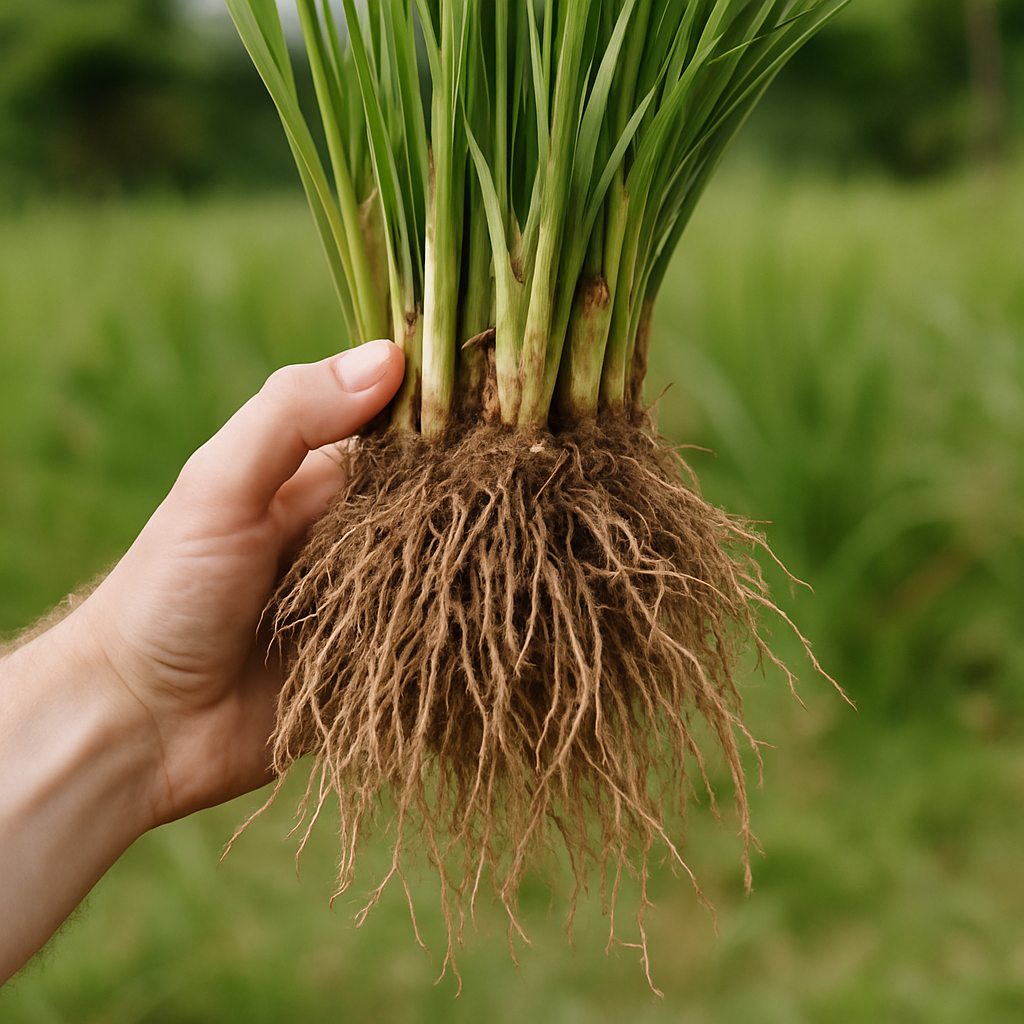
Vetiver Roots and Their Healing Benefits
Vetiver Root Benefits for Body and Mind
When it comes to wellness, vetiver root is the MVP. These tangled, wiry roots are packed with antimicrobial, antioxidant, and calming compounds that support overall health. From ancient India to modern wellness blogs, the buzz around vetiver root benefits hasn't slowed down.
Here’s a snapshot of what vetiver root can do:
-
Calms the nervous system: The scent of vetiver roots has been shown to reduce anxiety and improve focus. Great for meditation, studying, or winding down after a stressful day.
-
Promotes restful sleep: Many Ayurvedic sleep remedies include vetiver for its grounding and sedative-like effect.
-
Supports skin healing: When soaked in water or distilled into oil, vetiver helps reduce inflammation and promotes clear, healthy skin.
-
Acts as a natural coolant: Especially helpful in the blazing summer heat—more on this in the next section.
Interestingly, some people also say it improves libido and hormonal balance, though research on that is still... evolving.
How Vetiver Roots Are Used in Daily Ayurvedic Life
In traditional Ayurvedic households, you’ll often find dried vetiver roots tucked into linen closets or soaking in a clay pot of water on the porch. That’s not just for decoration. It’s for purification and balance.
Vetiver uses include:
-
Making vetiver-infused water to drink or bathe in (super refreshing!).
-
Crafting mats, fans, or sachets with vetiver roots to cool rooms naturally and repel insects.
-
Burning dried vetiver in incense or using it in smudge sticks for energy cleansing.
And then there's vetiver oil, extracted from the roots through steam distillation—an essential we’ll explore in the next section.
Vetiver Oil Benefits for Skin, Relaxation, and Sleep
Vetiver oil is one of the most prized essential oils in both aromatherapy and natural skincare. It's thick, amber-colored, and has a warm, grounding scent that’s kinda like being in a forest after rain.
Its benefits? Oh, let us count the ways:
-
Soothes dry and irritated skin: Thanks to its anti-inflammatory and cicatrisant (scar-reducing) properties.
-
Reduces anxiety and promotes deep sleep: Diffuse it before bed or add a few drops to your bath.
-
Acts as a natural perfume: Unlike synthetic scents, vetiver oil has depth and lasts for hours. Plus, no weird chemicals.
Fun fact: In traditional perfumery, vetiver oil is used as a base note because it helps other scents “stick” and linger longer. It’s a secret ingredient in many luxury colognes. Fancy, right?
Just be careful—pure vetiver oil is potent. Always dilute it with a carrier oil like jojoba or coconut before applying to your skin.
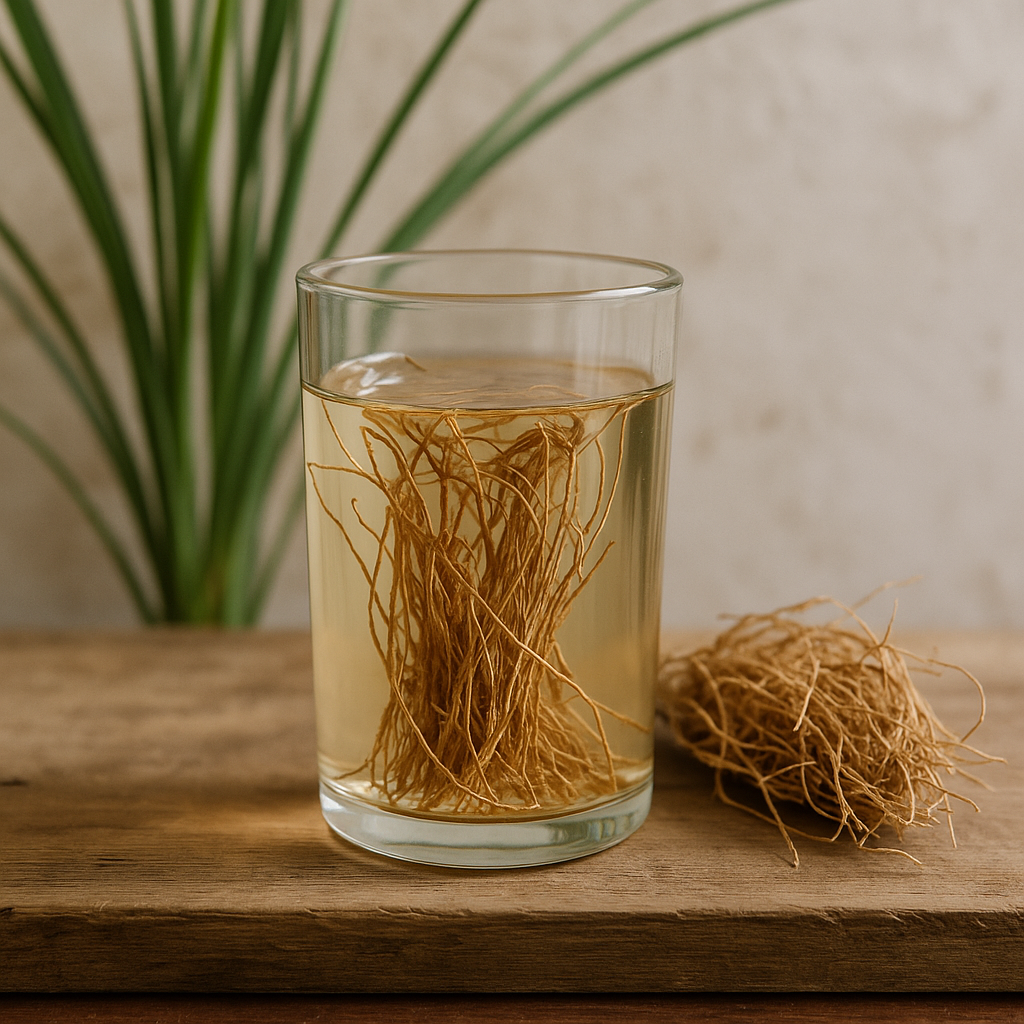
Vetiver Water Benefits for Cooling and Hydration
Okay, so imagine this: it’s 100°F outside, you're sweating buckets, and someone hands you a glass of vetiver water. Heaven.
Vetiver water is made by soaking vetiver roots in clean drinking water for a few hours (or overnight). The water takes on a light golden hue and a delicate earthy aroma. It’s not only refreshing but comes with surprising health perks.
Here are some key vetiver water benefits:
-
Cools the body naturally, making it ideal during hot weather or after workouts.
-
Detoxifies the system, flushing out toxins gently.
-
Improves digestion, especially when consumed regularly in small quantities.
-
Balances Pitta dosha, according to Ayurvedic principles—perfect for those who run hot or get irritable easily.
You can also splash it on your face as a toner or use it in your hair for a cooling rinse. Who knew hydration could be so... holistic?
(Quick side note: Always wash the roots before soaking, especially if you got 'em fresh from a local market. Learned that the hard way.)
Other Traditional Vetiver Uses
Vetiver Grass Uses in Home and Herbal Practices
Vetiver grass isn’t just the source of those magical roots—it’s a powerful material in its own right. In fact, entire homes and traditions have been built around it. Literally.
Here are some traditional and modern vetiver grass uses:
-
Home cooling mats and screens: In many Indian villages, vetiver grass is woven into window shades. When water is sprinkled on them, they cool the air as it flows through—natural AC!
-
Aromatic storage: Vetiver roots and grass are placed in drawers and wardrobes to repel moths and bugs, while keeping clothes smelling earthy and clean.
-
Crafts and baskets: Artisans use dried vetiver to make eco-friendly, beautifully textured bags, mats, and even shoes. Yes, really.
-
Air purification: Studies suggest vetiver grass has antibacterial properties and may help purify the air in small spaces.
It’s sustainable, it’s beautiful, and it smells like the earth. Win-win-win.
Vetiver Seeds and Vetiver Flower in Folk Medicine
While most people focus on the roots, vetiver seeds and vetiver flower (though rare) have their place in folk and Ayurvedic medicine too.
-
Vetiver seeds are said to have mild diuretic properties and are sometimes used in decoctions to support urinary health.
-
The vetiver flower isn’t often seen—it rarely blooms—but when it does, it's considered a sign of strong root health and environmental purity. In traditional healing, the flower is occasionally used in sacred offerings or infused in oils.
These parts of the plant aren’t as widely available, but if you’re a curious herbalist, they might be worth exploring.
Conclusion
So, what is vetiver? It’s more than a plant—it’s a whole mood, a lifestyle, a healing tradition passed down for generations. From the deeply calming vetiver roots to the nourishing vetiver oil and the refreshing benefits of vetiver water, this ancient grass has proven itself time and time again.
Whether you're sipping vetiver-infused tea on a hot day, diffusing its oil before bed, or just learning about natural healing for the first time—vetiver meets you where you are.
Give it a try. Your body, mind, and even your laundry drawer might thank you.
And hey—if you found this guide helpful, share it with a friend who needs a little grounding (don’t we all?). 🌱
FAQs
What are the benefits of vetiver roots?
Vetiver roots help calm the nervous system, promote restful sleep, improve digestion, soothe the skin, and naturally cool the body. They're also used for detox and balancing the Pitta dosha in Ayurveda.
Can I drink vetiver water daily?
Yes, you can—just make sure the roots are clean and organic. Drinking vetiver water in moderation (a glass or two a day) is generally safe and can be cooling, hydrating, and detoxifying.
Is vetiver oil safe for skin use?
Vetiver oil is safe for most skin types when diluted with a carrier oil. It helps with inflammation, dryness, and scars. But always do a patch test first—everyone’s skin is different!
आयुर्वेदिक डॉक्टर से एक प्रश्न पूछें और मुफ़्त या सशुल्क मोड में अपनी चिंता की समस्या पर ऑनलाइन परामर्श प्राप्त करें।
2,000 से अधिक अनुभवी डॉक्टर हमारी साइट पर काम करते हैं और आपके प्रश्नों की प्रतीक्षा करते हैं और प्रतिदिन उपयोगकर्ताओं को उनकी स्वास्थ्य समस्याओं को हल करने में मदद करते हैं।
संबंधित आलेख


