Vata Dosha Meaning in Ayurveda: What It Is, Signs of Imbalance, and How to Calm It Naturally
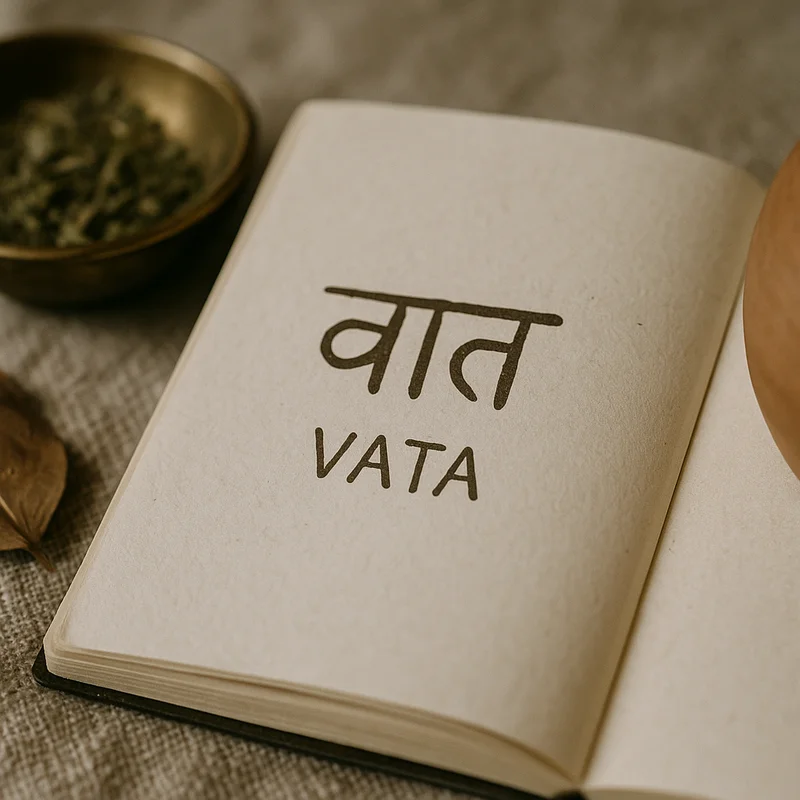
Introduction to Vata Dosha Meaning and Ayurveda’s Approach
Okay, so let’s talk Vata.
If you’ve ever felt kind of scattered, dry-skinned, anxious for no good reason, constantly chilly, or like your mind races ahead of your body—then yeah, you’ve probably danced with Vata Dosha. And if you’re anything like me, once you start digging into Ayurveda, that word "Vata" starts showing up everywhere. But what does it really mean?
In Ayurveda—the ancient, slightly mystical, beautifully intricate health system born in India thousands of years ago—Vata is one of the three doshas, or mind-body energies. Think of doshas like archetypes of energy that govern all physical and mental processes. There’s Pitta (fiery, intense), Kapha (earthy, stable), and then Vata—the energy of movement, change, and the wind.
Vata is dry, light, cold, rough, and mobile. It governs things like your breath, your heartbeat, your thoughts, your circulation—basically, anything that moves inside you. It’s the most “invisible” of the doshas, and yet when it’s out of whack, it’s loud. That ungrounded feeling? Vata. Constipation? Vata. Sleepless nights full of buzzing thoughts? Yep, still Vata.
Here’s where things get practical: Ayurveda’s brilliance lies in how it helps us live in balance with our dominant dosha(s). It’s not about suppressing who you are—it’s about understanding your unique nature and learning how to support it through food, lifestyle, and daily rituals.
When Vata is balanced, it’s brilliant. Creativity flows. Thoughts are quick, clear, and inspired. Skin glows. Joints feel flexible. Sleep is restful. But when it’s imbalanced (and let’s face it, modern life loves to throw Vata off), things unravel quickly.
This article is your full-on, no-fluff guide to managing Vata using Ayurvedic wisdom. You’ll find:
-
Practical food and lifestyle tips to calm Vata down;
-
Ayurvedic rituals to stabilize that nervous energy;
-
Real-life examples, gentle reminders, and maybe a few “ah-ha” moments;
-
And yeah, a whole lot of encouragement to honor your Vata nature rather than fight it.
Ready to feel a little more grounded? Good. Let’s keep going.
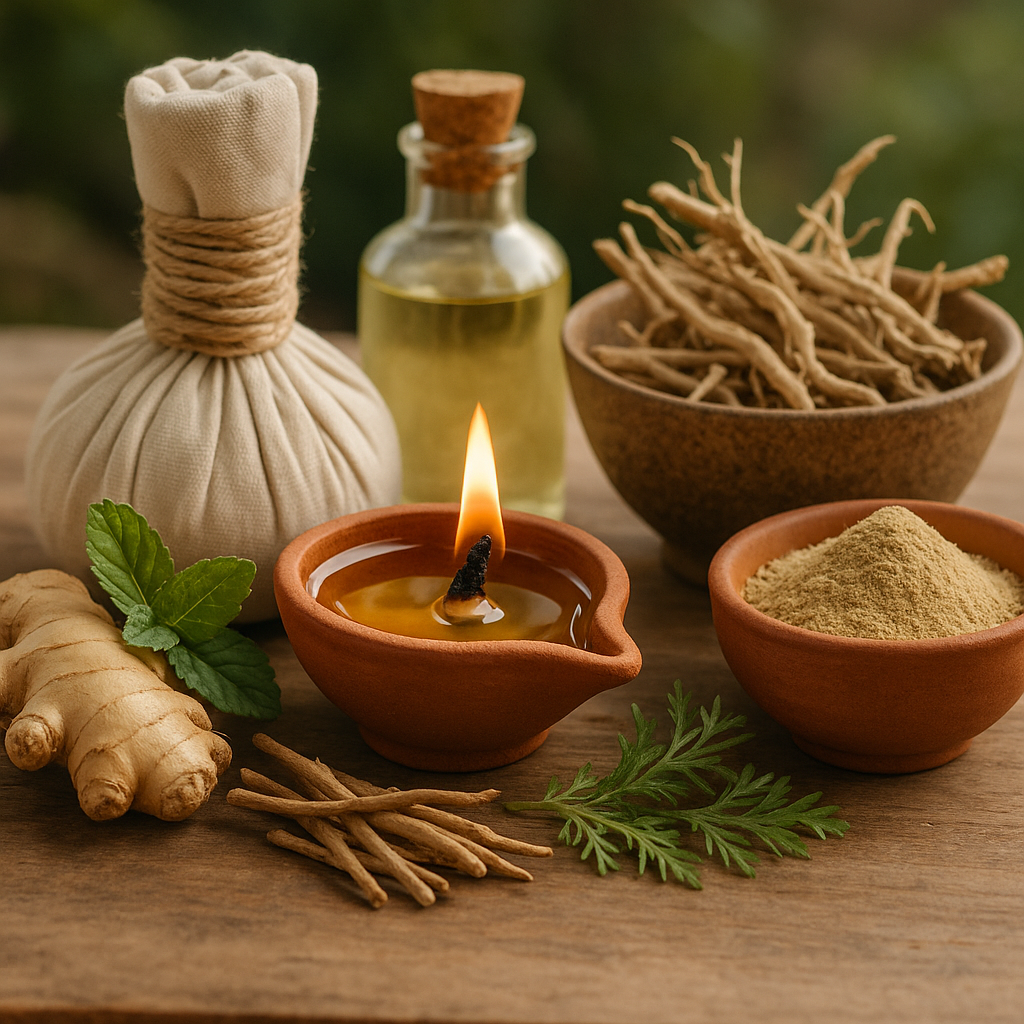
Understanding the Role of Ayurveda in Managing Vata Dosha Meaning
You know how sometimes, you feel like your body’s doing one thing, your brain’s sprinting off in another direction, and your emotions are somewhere else entirely? That’s a classic Vata moment.
What Ayurveda Says About Vata Dosha Meaning
In Ayurvedic terms, Vata is the dosha of air and ether. It’s mobile, subtle, and fast. It’s what makes the wind blow, the blood flow, and your nervous system fire. Ayurveda sees Vata as the “leader” of the doshas—because without movement, nothing else can function. No digestion (Pitta), no stability or growth (Kapha).
But here’s the catch: because Vata is so light and quick, it gets knocked out of balance the easiest. Especially in our overstimulated, under-rested, tech-fueled world. Ayurveda doesn’t just slap a label on you and call it a day. It gives you a toolkit: how to eat, how to live, how to breathe, and how to sleep in a way that supports your doshic balance.
When Vata’s elevated, Ayurveda usually sees:
-
Dryness (in skin, hair, stool, everything);
-
Bloating or constipation;
-
Anxiety or racing thoughts;
-
Insomnia;
-
Irregular periods or irregular digestion;
-
Cold hands and feet (or cold everything);
-
Fatigue that feels wired-but-tired.
Ayurveda doesn’t say “fix” Vata. It says pacify it—by bringing in the opposite qualities: warmth, moisture, grounding, stability, rhythm. It’s like giving the wind a cozy room to settle in, rather than letting it rip through your nervous system 24/7.
How Ayurvedic Lifestyle & Diet Directly Impact Vata Dosha
This is where the magic happens. Every meal, every morning routine, every breath you take—it all sends a signal to your body. “We’re safe.” Or “We’re not.”
For Vata, structure is soothing. Warm food tells your body it’s nourished. Regular sleep reminds your nervous system it’s held. Oil massages (hello, abhyanga) calm the chaotic movement. Slow yoga brings the mind back to the present moment.
The Vata-calming lifestyle isn’t glamorous, but it’s powerful. We’re talking:
-
Warm, oily, spiced foods (hello kitchari, goodbye kale smoothies);
-
Going to bed before 10pm (yes, seriously);
-
Daily routines that mimic the rhythms of nature;
-
Gentle movement—less HIIT, more grounding yoga;
-
Saying no more often (because overstimulation = Vata overload).
The Importance of Individualized Ayurvedic Approaches for Vata Dosha
Here’s something people often miss: Vata manifests differently in different people.
One person might have Vata in their digestion (think gas, bloating, irregular appetite). Another might feel it in their mind (anxiety, panic attacks). Someone else might see it in their skin (dryness, cracking, flakiness).
Ayurveda doesn’t do one-size-fits-all. A Vata-predominant person in Minnesota in winter needs a different plan than a Pitta-Vata type living in humid Kerala. Your prakriti (natural constitution) and your vikriti (current imbalance) both matter.
This is where working with an Ayurvedic practitioner can change your life. They’ll look at your tongue, your pulse, your poop, your habits—and they’ll see you. Deeply. Holistically. With nuance.
But even without a pro, you can start tuning in. This guide will show you how.
Ayurvedic Dietary Guidelines for Vata Dosha Meaning
You are what you eat—but in Ayurveda, it’s more like: you are what you digest. And for Vata, digestion can be... tricky.
Vata digestion is typically irregular. One day you’re starving, the next—meh, food sounds like a chore. Bloating, gas, constipation? Classic signs. The goal? Warm it up, slow it down, and keep it grounded.
Foods Recommended by Ayurveda for Vata Dosha
Vata needs warm, moist, oily, and grounding foods. Think comfort food—but Ayurvedic-style.
Here’s what to love:
-
Cooked grains: Rice, oats, wheat (if tolerated), quinoa—especially as porridge or khichdi.
-
Root vegetables: Sweet potatoes, carrots, beets—roasted or soupy.
-
Healthy fats: Ghee, sesame oil, avocado, almond butter—Vata thrives on lubrication.
-
Warm spices: Ginger, cumin, cinnamon, cardamom, fennel. These spark digestive fire without overheating.
-
Dairy (if tolerated): Warm milk with spices like nutmeg or turmeric can be deeply soothing.
-
Soups & stews: Nothing helps Vata like a spiced lentil soup in winter.
The golden rule? No raw kale salads. (I mean, you can, but Vata will throw a silent tantrum.)
Foods Ayurveda Suggests Avoiding for Vata Dosha
Now, what throws Vata out of balance?
-
Cold, dry, and raw foods: Smoothies, raw salads, popcorn, crackers—nope.
-
Caffeine: Especially on an empty stomach. It sends Vata’s already fast brain into overdrive.
-
Light, air-like snacks: Rice cakes, dry toast, chips—they just add to the airiness.
-
Excess beans: Especially unsoaked or poorly cooked. Hello, bloating.
-
Cold drinks: Ice water shuts down Agni (digestive fire). Vata digestion can’t afford that.
Basically, if your food feels like birdseed or a fridge-cold energy bar, it’s not going to land well.
Meal Planning and Timing Tips in Ayurveda for Vata Dosha
Routine is like medicine for Vata. So:
-
Eat at regular times (even if you’re “not that hungry”).
-
Don’t skip meals—Vata does terribly with fasting.
-
Three warm meals a day is the sweet spot. Light breakfast, hearty lunch, grounding dinner.
-
Mindful eating helps too: sit down, breathe, chew. Vata gets easily distracted.
Think slow cooker, not microwave. Candlelight, not fluorescent. Nourish, don’t rush.
Hydration and Beverage Recommendations for Vata Dosha
Hydration matters, but not just any hydration.
-
Warm herbal teas: Fennel, ginger, chamomile, licorice—all Vata-calming.
-
Spiced milk: Almond or cow’s milk with turmeric, nutmeg, or ashwagandha.
-
Warm water: Sipped throughout the day. No ice.
Avoid cold carbonated drinks, excessive alcohol, and anything that dries you out from the inside.
Ayurvedic Lifestyle Practices Specifically Beneficial for Vata Dosha
Now, food is just one piece. Lifestyle is where Vata can really shift. Ayurveda’s lifestyle prescriptions aren’t just charming rituals—they’re nervous system therapy.
Daily Ayurvedic Routines (Dinacharya) to Manage Vata Dosha
Dinacharya = daily rhythm. And rhythm = Vata’s best friend.
-
Wake up early—but not too early (6–7am is fine).
-
Tongue scraping and oil pulling to gently stimulate digestion and clear the senses.
-
Abhyanga (oil massage): Warm sesame oil on your body before a warm shower. It grounds like nothing else.
-
Gentle yoga or stretching in the morning—nothing explosive or fast.
-
Evening wind-down rituals: Foot massage with warm oil, journaling, low lights, zero screens.
Basically, create predictability. In meals. In movement. In bedtime. Vata is soothed by the familiar.
Sleep Patterns and Ayurvedic Guidelines Relevant to Vata Dosha
Vata’s mind loves to wake up at 2am and start planning your week. So sleep hygiene is non-negotiable.
-
Sleep by 10pm—seriously. After that, Vata gets stirred and you’ll be up spinning.
-
Warm bath or oil massage before bed.
-
No screens after 9pm—yes, including your calming yoga videos on YouTube.
-
Weighted blankets or cozy layers can feel very stabilizing.
Vata loves rest but resists routine. So you have to set the rhythm first—then the body follows.
Ayurvedic Personal Care Practices for Vata Dosha
-
Nasal oil (nasya): A couple drops of sesame or Anu taila in the nose helps with anxiety and dryness.
-
Bathing with calming herbs like lavender, rose, or sandalwood.
-
Essential oils like vetiver, frankincense, or sweet orange to calm the mind.
It's not “self-care” in the modern spa-day sense. It’s ancient, intentional, and nervous-system-deep.

Yoga & Breathing Techniques for Vata Dosha
Movement is medicine—but not all movement is created equal.
Vata people often crave intense workouts. Ironically, that can make them feel worse. What you need is stability, not speed.
Yoga Asanas Specifically Recommended for Vata Dosha
-
Grounding postures: Child’s Pose, Forward Folds, Seated Twists.
-
Balance-enhancing: Tree Pose, Warrior II—held longer, with steady breath.
-
Hip openers: Pigeon, Butterfly—helps with Vata’s tension.
Slow your practice down. Hold postures. Feel the floor. Think yin, not power flow.
Pranayama (Breathing Exercises) That Improve Vata Dosha
-
Nadi Shodhana (Alternate Nostril Breathing): Balances left and right energy channels.
-
Bhramari (Humming Bee Breath): Soothes anxiety like a lullaby.
-
Deep belly breathing: Simple. Powerful. Underrated.
Avoid overly forceful or energizing pranayama like Kapalabhati—too stimulating for Vata.
How Often to Practice Yoga & Breathing Techniques for Vata Dosha
-
Daily, gently. 20–40 minutes max.
-
Ideally morning or early evening.
-
Focus on feeling, not performance. You’re not training for anything.
Stress Management and Emotional Health Advice for Vata Dosha
Here’s where it gets real. Vata is the dosha most prone to anxiety, overwhelm, fear, and nervous tension. Not because you’re broken—because you’re sensitive, intuitive, and open to the world.
But openness needs boundaries.
Ayurvedic Techniques to Reduce Stress Related to Vata Dosha
-
Abhyanga (again)—that warm oil massage is more emotional armor than skincare.
-
Grounding rituals: Morning journaling, evening candle gazing (trataka), or just a slow tea ritual.
-
Mantra chanting or japa meditation—sound vibration grounds scattered energy.
Most importantly: less input, more presence. Limit screen time. Avoid doom-scrolling. Go outside. Touch earth.
Meditation and Mindfulness Practices Beneficial for Vata Dosha
-
Guided meditations: Helps keep the mind anchored.
-
Loving-kindness (Metta) practice: Soothes fear, builds connection.
-
Mindful walking in nature: With bare feet if possible.
No need for long sits in silence—just come back to the body, the breath, the now.
Emotional and Psychological Considerations in Ayurveda for Vata Dosha
Emotionally, Vata can be:
-
Highly creative, but easily drained.
-
Deeply loving, but sometimes detached.
-
Imaginative, but prone to worry and fear.
What helps? Supportive relationships. Time in nature. Slowness. Boundaries. Nourishment. Routine. Warmth—in every sense.
Practical Ayurvedic Home Remedies and Recipes for Vata Dosha Meaning
You don’t always need a fancy herbal formula from a far-off apothecary. Often, the most effective Ayurvedic support for Vata is already sitting in your kitchen.
Simple and Effective Home Remedies for Vata Dosha
-
Warm sesame oil massage (abhyanga): Do this before your shower. It’s not optional—it’s nervous system therapy.
-
Ginger tea with jaggery and lemon: Eases bloating and warms digestion.
-
Triphala at night: A gentle detoxifier that supports Vata’s sluggish bowels.
-
Soaked raisins with ghee in the morning: Yes, weird—but trust me, it helps constipation and energy.
-
Golden milk (turmeric + warm milk + pinch of black pepper + ghee): Calms inflammation and the mind.
Most of these sound like grandma’s wisdom—because they are. And grandma was right.
Ayurvedic Recipe Ideas Specifically Beneficial for Vata Dosha
-
Khichari: The one-pot lentil-rice wonder that’s basically a hug in food form. Add ginger, cumin, fennel, and ghee.
-
Sweet potato soup with ghee and warming spices: Sweet, oily, warm = Vata balm.
-
Oat porridge with dates, cardamom, and almond butter: Breakfast that sticks to your ribs and your heart.
-
Stewed apples with cinnamon: Great way to start the day gently.
Don’t overthink this. Warm, spiced, and cooked = you’re doing it right.
Preparation Tips and Guidelines for Ayurvedic Remedies Vata Dosha
-
Always use fresh spices—old cumin is just dusty sadness.
-
Cook in cast iron or clay pots if you can. Adds a grounding quality.
-
Bless your food—seriously. A short prayer, a pause of gratitude—it makes a difference.
-
Eat in silence or soft conversation. Vata digestion is picky about its vibe.
And please—don’t microwave your soul food.
Common Mistakes & Misconceptions About Ayurvedic Lifestyle for Vata Dosha
Vata types are often the most drawn to Ayurveda—and the most likely to overdo it, ironically. Let’s clear some things up.
Common Myths About Ayurveda & Vata Dosha Meaning
-
“Ayurveda means eating Indian food.” Nah. It means eating for your dosha, wherever you are.
-
“I’m Vata, so I’m broken.” Also no. You’re wired differently. That’s not a flaw—it’s your design.
-
“More supplements = more healing.” Ayurveda is actually about less, but done consistently.
Ayurveda is subtle. Slow. Gentle. It’s not a quick-fix smoothie cleanse.
Typical Mistakes People Make When Adopting Ayurvedic Lifestyle for Vata Dosha
-
Too many raw or detox foods: Vata does not want your celery juice.
-
Doing 12 things at once: Vata people love the idea of routines… until they have 15.
-
Over-meditating: Stillness is good, but Vata also needs tangible, sensory experiences.
-
Forcing discipline: Ayurveda is about rhythm, not restriction.
You don’t have to be a monk. Just start with warm food, regular meals, and oil on your skin.
How to Avoid These Mistakes Vata Dosha
-
Pick just one or two practices to begin. Nail those.
-
Focus on what feels nourishing, not just “correct.”
-
Accept that consistency beats perfection.
-
Keep asking: “Does this make me feel more grounded, or more scattered?”
And if you fall off track? That’s fine. Vata’s lesson is self-compassion.
Real-Life Success Stories & Testimonials Related to Vata Dosha
Sometimes, it’s the stories—not the science—that inspire us to change. So here are a couple voices that stuck with me.
Inspirational Stories from Individuals Who Improved Vata Dosha Through Ayurvedic Lifestyle
“I used to wake up at 3am every night, spiraling into panic. Just adding oil massage and warm dinners changed my whole system. My anxiety dropped by 80% in a month.”
— Elena, 37, graphic designer
“After years of bloating and IBS, I finally gave up cold smoothies and switched to cooked lentils and rice. My digestion literally normalized in two weeks.”
— Kumar, 29, yoga teacher
It doesn’t always take years. Often, it takes listening.
Real-world Benefits & Results Achieved Using Ayurvedic Recommendations for Vata Dosha
-
Better sleep
-
More stable moods
-
Healthier bowel movements
-
Clearer skin
-
Less anxious looping thoughts
The effects are subtle—but profound.
Scientific Evidence Supporting Ayurvedic Lifestyle & Diet for Vata Dosha
Ayurveda is ancient—but modern science is starting to catch up.
Research Findings About Diet’s Impact on Vata Dosha
Recent studies suggest:
-
Warm, spiced meals improve parasympathetic tone (aka rest & digest).
-
Mindful eating regulates gut motility and anxiety markers.
-
Routine meals stabilize blood sugar—key for mental clarity and mood swings.
You don’t have to believe in doshas to get the benefits.
Clinical Studies Confirming the Benefits of Ayurvedic Practices for Vata Dosha
-
Journal of Ayurveda and Integrative Medicine reports that abhyanga lowers cortisol levels significantly.
-
Ashwagandha has shown promising results in managing anxiety and sleep in Vata-prone individuals.
-
Yoga and pranayama were proven in multiple trials to reduce symptoms of anxiety and digestive irregularity.
Still early days for large-scale trials—but the trend is real.
Expert Opinions on Ayurvedic Approaches to Vata Dosha
“Modern science might call it vagus nerve regulation. Ayurveda called it Vata pacification 2,000 years ago.”
— Dr. Claudia Welch, Ayurvedic Physician
“For Vata imbalances, no pharmaceutical matches the power of warm oil and regular meals.”
— Dr. Vasant Lad
Conclusion & Summary of Ayurvedic Recommendations for Vata Dosha
So, where does this all leave us?
Vata dosha isn’t a flaw. It’s a vital force—your creativity, your intuition, your motion. But it’s also delicate. Sensitive. And sometimes, loud.
Summary of Ayurvedic Wisdom for Vata Dosha Meaning
-
Eat warm, oily, spiced meals on a regular schedule.
-
Sleep before 10pm. Every night. Non-negotiable.
-
Oil your body. Touch the earth. Move gently.
-
Breathe slowly. Think less. Feel more.
-
Build rhythms. Reduce input. Choose stillness.
It’s not about controlling Vata—it’s about partnering with it.
Why This Matters
Because if you are Vata, and you live in a world that’s constantly pushing speed and stimulation… you’ll burn out. But when you honor your nature, when you nourish it with warmth and rhythm and softness—you begin to glow.
Final Thoughts & CTA
If this resonates and you want deeper guidance, connect with an experienced Ayurvedic practitioner. They can design something that fits you—your body, your season, your life.
Balance isn’t an abstract idea. It’s a way of living.
Frequently Asked Questions (FAQ) about Ayurvedic Lifestyle for Vata Dosha Meaning
Q1: What is Vata Dosha, in simple terms?
Vata dosha is the Ayurvedic energy of air and space. It governs movement in the body—breathing, circulation, thoughts. When out of balance, it leads to dryness, anxiety, and irregular digestion.
Q2: How can I naturally balance Vata Dosha at home?
Stick to a routine, eat warm and grounding foods, avoid raw or cold meals, practice oil massage, and get plenty of rest. Simplicity and warmth are key.
Q3: Can Vata Dosha cause anxiety?
Yes. Vata governs the nervous system, and when it's out of balance, it can lead to anxiety, insomnia, and restlessness.
Q4: What time should Vata types go to bed?
Before 10pm is ideal. Staying up past that tends to overstimulate Vata, making it harder to sleep deeply.
Q5: Are smoothies okay for Vata Dosha?
Generally no—especially cold or raw ones. They tend to aggravate Vata. If you must, make them warmish with cooked fruits and warming spices.
आयुर्वेदिक डॉक्टर से एक प्रश्न पूछें और मुफ़्त या सशुल्क मोड में अपनी चिंता की समस्या पर ऑनलाइन परामर्श प्राप्त करें।
2,000 से अधिक अनुभवी डॉक्टर हमारी साइट पर काम करते हैं और आपके प्रश्नों की प्रतीक्षा करते हैं और प्रतिदिन उपयोगकर्ताओं को उनकी स्वास्थ्य समस्याओं को हल करने में मदद करते हैं।
संबंधित आलेख