आयुर्वेदिक डॉक्टर से प्रश्न पूछें और निःशुल्क या भुगतान मोड में अपनी चिंता की समस्या पर ऑनलाइन परामर्श प्राप्त करें। 2,000 से अधिक अनुभवी डॉक्टर हमारी साइट पर काम करते हैं और आपके प्रश्नों का इंतजार करते हैं और उपयोगकर्ताओं को उनकी स्वास्थ्य समस्याओं को हल करने में प्रतिदिन मदद करते हैं।


Body DetoxEar, Nose, and Throat DisordersGeriatrics & RejuvenationImmunodeficiencyInfertility TreatmentNutritionOrthopedic DisordersPediatricsRespiratory DisordersSexually Transmitted Diseases (STDs)Surgery RecoveryUrological DisordersVascular DisordersDental DisordersEndocrinological DisordersGastrointestinal DisordersYoga TherapyGeneral MedicineAllergic DisordersCardio DisordersGynecology and ObstetricsCosmetologySkin and Hair DisordersEye DisordersInfectious DiseasesMental DisordersNeurological DisordersOncologyPanchakarmaSexual Health & DisordersSports Medicine
पर प्रकाशित 05/22/25
(को अपडेट 08/10/26)
4,296
What Is Kava? Benefits, Effects & How to Use It
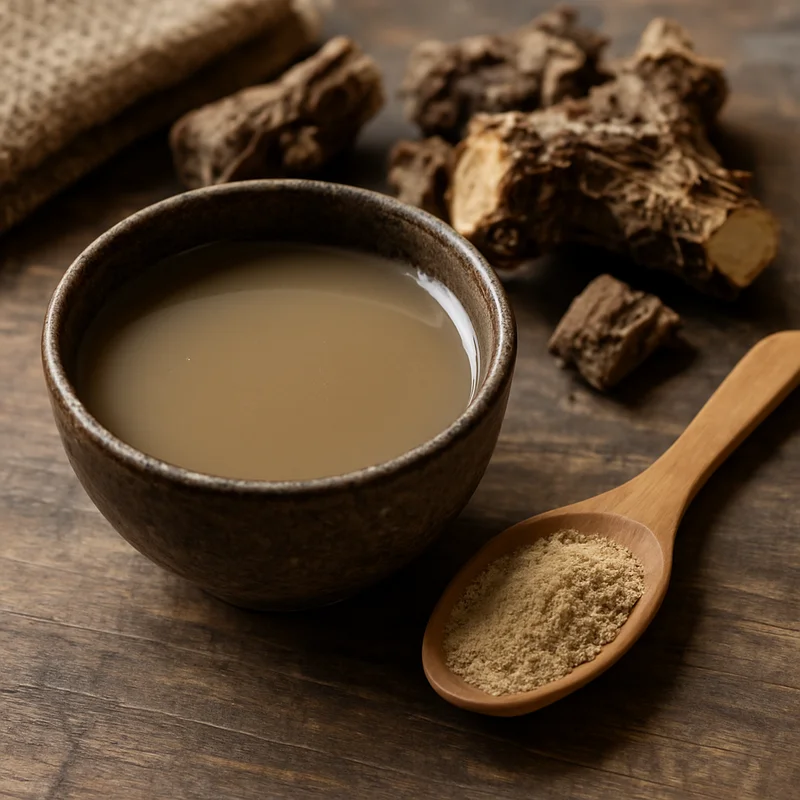
So... what is kava, really? The name pops up now and then — especially if you’ve ever Googled natural remedies for stress or stumbled into wellness forums full of herbal aficionados. But for all the buzz, a lot of people still don’t know what kava actually is. And no, it’s not a trendy new fruit or some obscure mushroom blend.
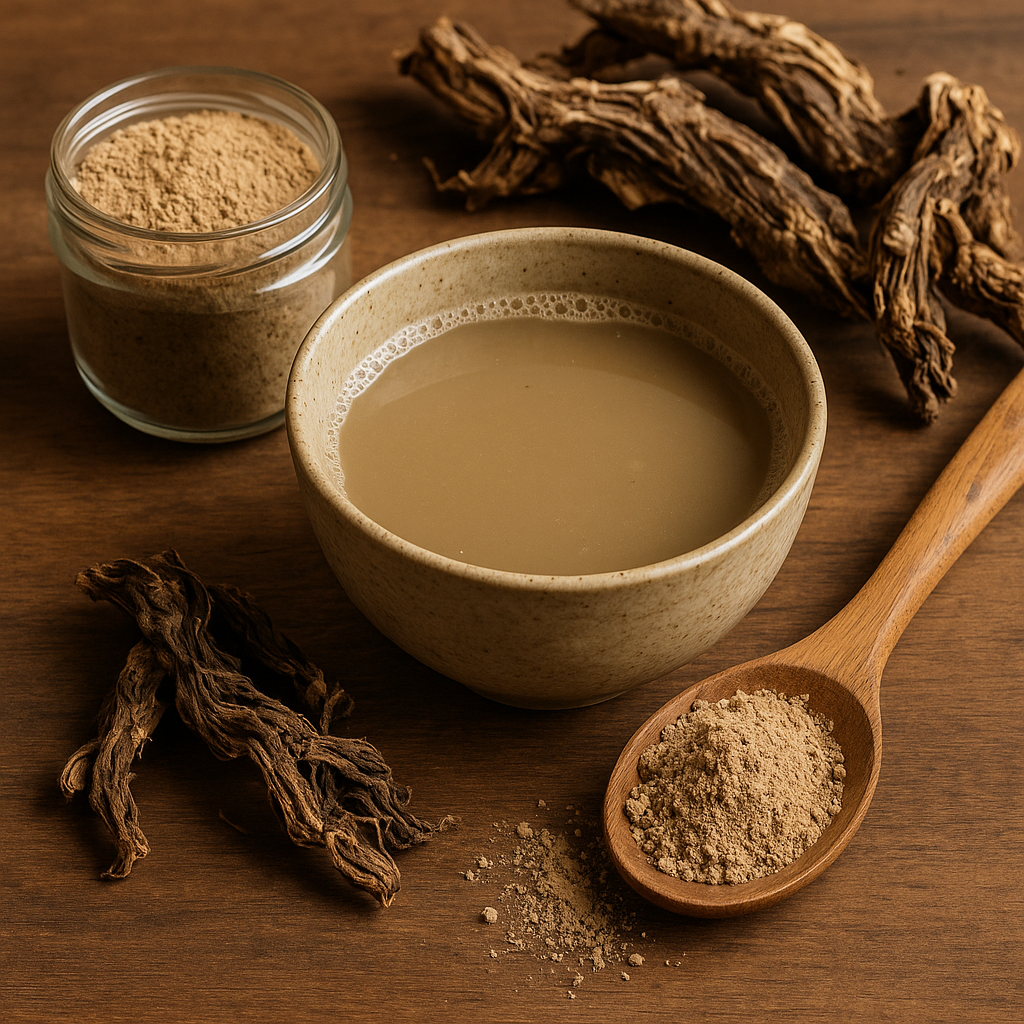
Kava, or Piper methysticum, is a root. It comes from the South Pacific, and traditionally, island cultures have used it to chill out — socially, ceremonially, and even spiritually. People would grind up the root, mix it with water, and drink it in communal settings. It’s not alcohol, but it feels a bit like it in the body. Sort of. We'll get to that.
In recent years, the Western world has caught on, mostly because of the kava benefits people swear by: less anxiety, better sleep, a calm mind. If you’re exploring holistic or Ayurvedic approaches, or you're just tired of feeling wired and fried, learning how to use kava could be surprisingly helpful. But there’s nuance — you’ve got to understand the kava effects, the right forms, and yes, the kava side effects too.
Let’s get into it.
What Is Kava?
Kava meaning and origin
The word kava literally means “bitter” in many Polynesian languages — which makes sense once you taste the stuff. Traditional kava drinks have a gritty, earthy flavor that’s... well, an acquired taste. But flavor aside, kava root has a deep cultural significance. In Vanuatu, Fiji, Tonga, and Hawaii, it’s been used for centuries in ceremonies that promote connection, storytelling, and inner stillness.
From an herbalist’s point of view, the “magic” in kava comes from compounds called kavalactones. These active constituents interact with the brain’s GABA receptors — kind of like how anti-anxiety meds work, but with a plant twist.
How it works in the body
Okay, so let’s talk mechanics. When you consume kava — especially in potent forms like kava tea or concentrated kava supplements — the kavalactones get to work. They don’t just dull you out. They seem to selectively reduce tension, promote muscle relaxation, and bring on a gentle euphoria.
Kava for anxiety is where it gets most attention. Some studies have shown it can be as effective as certain pharmaceuticals — minus the grogginess and dependence issues. And yes, kava for sleep is another big reason people turn to it. It’s not a sedative in the way sleeping pills are, but many find it helps them wind down, fall asleep faster, or stop ruminating at night.
That said, it’s not instantaneous. Effects can vary depending on your body chemistry, the preparation method, and how much you're taking. It’s not a magic bullet, but more like a reliable friend who says, “Hey, slow down. Let’s breathe.”
Benefits of Kava
Alright, let’s get into the good stuff. Why are people so into kava lately? And do the benefits actually hold up?
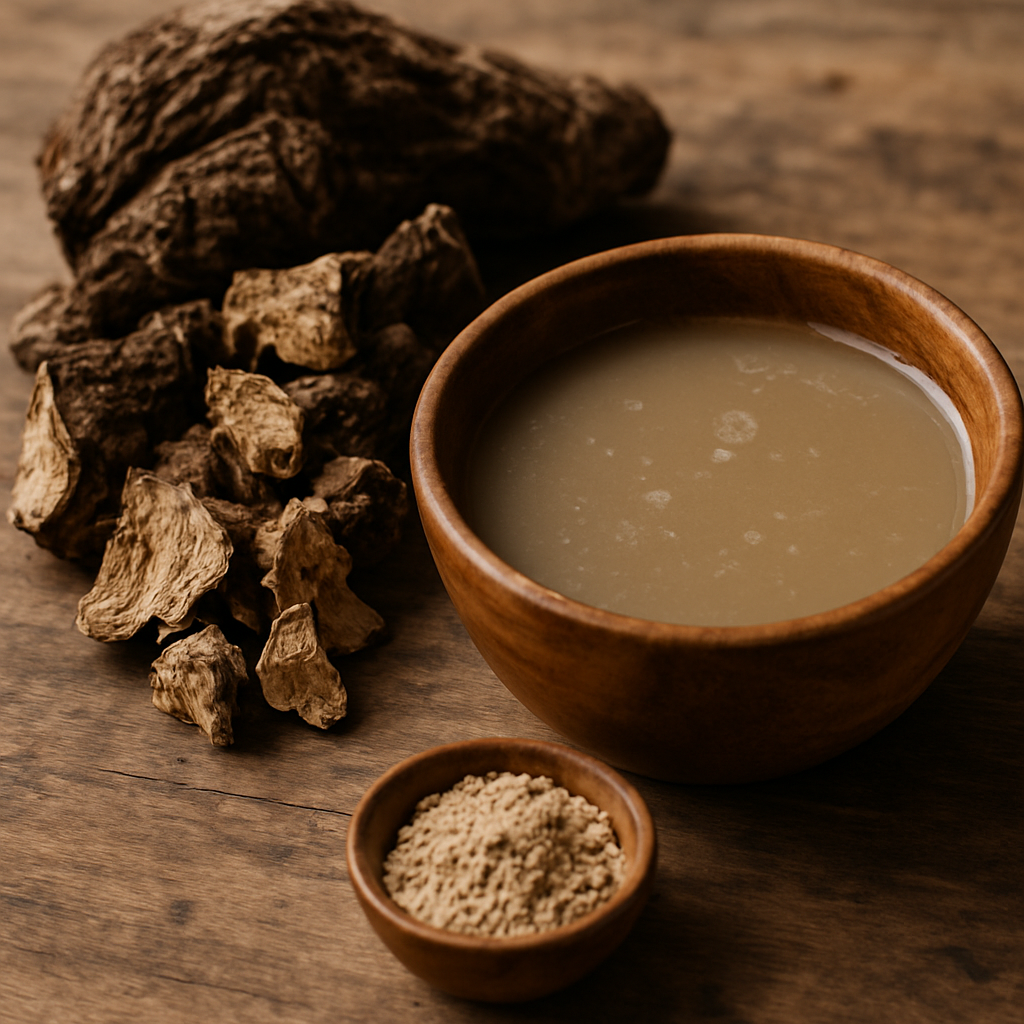
There’s a lot of noise online — influencers sipping kava tea on their yoga mats, supplement brands throwing around words like “natural calm” and “plant-powered chill.” But beneath the hype, there’s something worth paying attention to. Kava’s not just a trend. The benefits can be real, especially if you're dealing with stress, sleep issues, or just the general mental buzz that never seems to shut up.
Stress and anxiety reduction
Let’s be honest — modern life is kind of a pressure cooker. Emails, deadlines, doomscrolling, trying to meditate while your brain replays that one awkward conversation from last week. It’s a lot.
This is where kava for anxiety really shines. People report that after a cup of kava tea or a low-dose kava supplement, the edges of stress soften. It’s not a knockout effect like Valium — more like your nervous system takes a deep exhale. You’re still you, just… a less reactive version.
And this isn’t just anecdotal. Clinical trials (yes, actual peer-reviewed stuff) have found that kava extract can reduce symptoms of generalized anxiety disorder. It works by boosting GABA activity in the brain — the same calming neurotransmitter targeted by many anti-anxiety meds. The difference? Kava doesn’t seem to create dependency in the same way.
That said, it’s not a miracle cure. If your anxiety is chronic or severe, talk to someone. Kava can help — it’s not a substitute for therapy or real support.
Better sleep and calmness
Now let’s talk about kava for sleep — which honestly might be one of its best use cases. If you’re the type who gets stuck in your head at bedtime, this root could be a game changer. It doesn’t sedate you like a heavy sleep aid. Instead, it eases the transition. Your mind stops spinning, your body lets go.
Some people drink kava tea as part of a wind-down ritual — sort of like a more serious version of chamomile. Others use kava capsules or tinctures, especially if they’re trying to avoid sugar or don’t like the taste.
The calmness it brings is different than a “high.” You won’t feel spaced out (unless you overdo it). It’s more like your brain finally stops scrolling and lets the screen go black.
Interestingly, in traditional Pacific Island cultures, kava isn’t just for night-time. It’s used in the daytime, too — especially during social gatherings or stressful negotiations. So if you’re looking for a mid-day de-stress alternative that won’t leave you foggy, kava might be worth exploring.
How to Use Kava Safely
Of course, not all kava is created equal. And yeah, you can definitely mess it up. So let’s look at how to use it smartly.
Kava tea and extracts
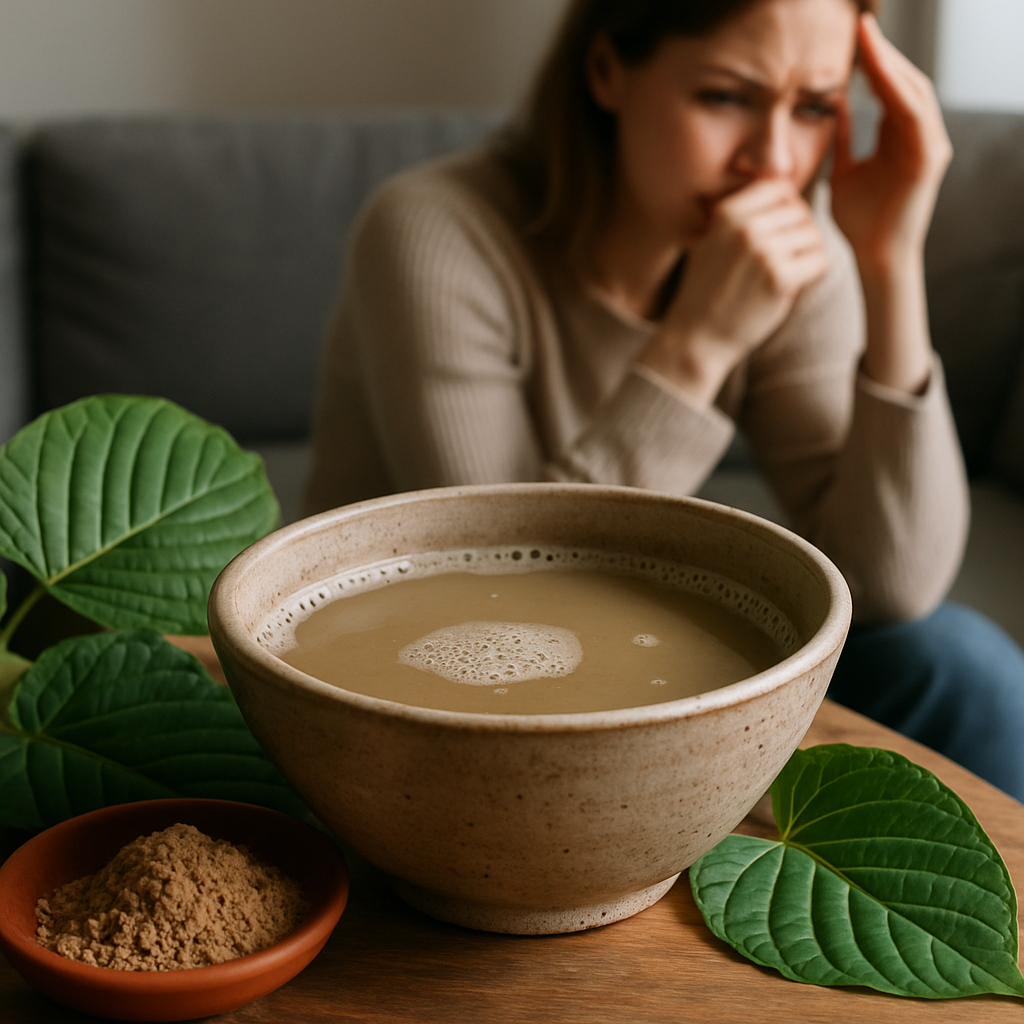
First off, kava tea is probably the gentlest intro. You can find it in natural food stores or make your own using ground kava root. The taste is, um, earthy. Think muddy almond water. But it’s mellowing.
If you want something stronger, kava extracts or supplements come in capsules, tinctures, or even paste. Just make sure they’re made from noble kava — not “tudei” varieties, which can be harsher on the liver (more on that soon).
Dosage and precautions
Okay, real talk — kava is powerful. It’s not something you want to throw into your smoothie without thinking.
So how much is safe? For most adults, 250 to 300 mg of kavalactones per day is considered a moderate dose. That’s usually what you’ll find in reputable kava supplements. But everyone’s different. Start low, go slow. See how your body responds. And definitely don’t mix it with alcohol or other substances that depress the central nervous system — not unless you enjoy liver roulette.
Also, check the label. Some products are made from stems and leaves (bad idea). You want noble kava root, ideally water-extracted, which preserves the calming benefits without harsh solvents or chemical residues.
And if you’re pregnant, nursing, or dealing with liver issues — kava’s probably not for you. Talk to a real human doctor.
Ayurvedic View on Kava
Let’s zoom out a little.
From an Ayurvedic lens, kava is a curious plant. It’s not traditionally part of Ayurvedic medicine — it’s from a different part of the world. But if we try to fit it into the dosha model, it makes a surprising kind of sense.
Balance of mind and nerves
Kava’s cooling, grounding nature makes it ideal for excess Vata — you know, the restless, scattered, can’t-turn-your-brain-off type. If your mind feels like it’s constantly running a to-do list in 14 tabs, kava could help settle that air-and-ether energy.
It’s also useful for calming Pitta rage — that fiery impatience and pressure that builds under deadlines or arguments. Not always, but sometimes. In small doses.
Kava isn’t a long-term balancing herb, though. It’s more of a situational ally. Great for the acute moments when you need support — a rough day, a sleepless night, a social setting that triggers your nerves.
Alternative calming herbs
That said, kava isn’t the only show in town.
If you’re Ayurvedically inclined (or just plant-curious), try pairing or rotating kava with herbs like:
-
Ashwagandha – great for adrenal fatigue and long-term stress
-
Brahmi (Gotu kola) – supports cognitive clarity and calm
-
Chamomile – a mild classic, safe for most people
-
Tulsi (Holy Basil) – calming with a spiritual edge
Different herbs for different needs. Kava’s a sharper tool — don’t overuse it.
Side Effects and Warnings
So, about those warnings. Yeah, kava isn’t without controversy.
When to avoid kava
Some people just don’t react well to it. Drowsiness, nausea, a weird numbing mouth feeling (that one’s actually normal). If you notice headaches, digestive issues, or just feel off — stop. No herb is perfect for everyone.
And absolutely avoid if you’re on anti-anxiety meds, sleeping pills, or have liver problems. Which brings us to…
Kava and liver health
This is the big red flag.
Kava got a bad rap in the early 2000s when some cases of liver toxicity emerged. It wasn’t totally fair — most of those involved poor-quality extracts or people taking ridiculous doses. Still, it’s a valid concern. Use only high-quality kava root (no stems/leaves), and don’t overdo it.
Cycle off now and then. And again: no alcohol + kava. Ever.
स्वयं दवा न लें और प्रतीक्षा न करें। अभी डॉक्टर से चैट शुरू करें
Conclusion
Kava is not some trendy fix-all. But it can be a powerful tool — especially if you're navigating stress, anxiety, or just need to slow the mental scroll for a while.
Start with small doses. Find your rhythm. And if you’re serious about integrating it into your wellness path, consider chatting with an Ayurvedic practitioner who understands both traditional and modern plant uses.
FAQs
Is kava safe to use daily?
Not ideally. It’s best to use it a few times a week and cycle off. Long-term daily use can strain the liver.
What does kava feel like?
Like a gentle melt. Muscles relax, mind quiets, but you stay present — unless you take too much.
Can kava help with anxiety?
Yes, especially mild to moderate anxiety. It works similarly to anti-anxiety meds but naturally. Still, check with a healthcare provider if symptoms persist.
Are there any natural alternatives to kava?
Absolutely — ashwagandha, chamomile, tulsi, and passionflower are solid calming options, depending on your needs.
उपयोगकर्ताओं के प्रश्न
What is the history and traditional use of kava in social rituals?
Client_a22762
2 दिनों पहले
Kava has a rich history as a ceremonial and social drink in the South Pacific, particularly in countries like Fiji, Tonga, and Vanuatu. Traditionally, participants in social and ceremonial gatherings prepared kava by grinding the kava root, mixing it with water, and then consuming it communally. It's often used to promote relaxation and social bonding, as kava produces a calming effect that can help ease conversation and create a friendly atmosphere. These ceremonies often involve specific rituals and a shared, respectful acknowledgment of peace and unity.
What are the potential side effects of using kava regularly?
Client_07c843
12 दिनों पहले
The potential side effects of using kava regularly include liver damage, digestive issues, dizziness, and headache. Regular use can also affect cognitive functions and lead to dependency. The liver toxicity risk is especially concerning; signs to watch for include yellowing skin or eyes, abdominal pain, and persistent fatigue. Generally, it is advised not to consume kava with alcohol or other medications that affect the liver. If you start experiencing any severe symptoms or signs of liver issues, discontinue use and consult a doctor promptly. Moderation is key, and cycling off periodically may minimize risks.
How long does it take for kava to kick in after consumption?
Client_9f8a53
22 दिनों पहले
Kava typically begins to take effect within 15 to 30 minutes after consumption, with peak effects occurring around 1 to 2 hours in. The effects can last for several hours. It's important to use kava responsibly due to potential side effects, including liver issues, especially when used in large amounts or over a long period. If you're experiencing adverse effects or if you have preexisting health conditions such as liver problems, it's wise to consult with a healthcare professional before using kava. Always consider quality, opting for noble kava root that is water-extracted to avoid unwanted chemical residues.
Can kava be effective for reducing muscle tension or pain?
Client_842fa4
31 दिनों पहले
Kava can be effective for reducing mild muscle tension and pain, due to its muscle relaxant properties, though it is not a universal remedy for all types of muscle discomfort. It works by affecting the central nervous system, possibly influencing neurotransmitters that alleviate tension. For significant or persistent muscle pain, clinical methods such as physical therapy, anti-inflammatory medications, or muscle relaxants prescribed by a doctor are typically more effective. If you experience prolonged symptoms or adverse reactions, consulting a healthcare professional is essential.
Can kava be used to enhance social interactions or reduce shyness?
Client_39d274
41 दिनों पहले
Kava is often used to reduce anxiety and enhance social interactions, and some people find it helps to reduce shyness. The active compounds in kava, called kavalactones, interact with neurotransmitters in the brain to promote relaxation and a sense of well-being. It is considered safe at doses of 250 to 300 mg of kavalactones per day, but effects can vary. If using kava to improve social ease or reduce shyness, start with a low dose, observe how your body responds, and be mindful of any possible side effects, like drowsiness or liver issues. Consult a healthcare professional if you have liver problems or take medications.
Is it safe to mix kava with other herbal supplements for enhanced effects?
Client_66f353
50 दिनों पहले
Mixing kava with other herbal supplements can be tricky! Kava can affect your liver, so mixing it with other stuff might add more stress to your liver. If you're thinking of trying this, it’s best to chat with a healthcare pro who knows herbs or ayurvedic principles to make sure it's all good! Stay safe!
Can kava be safely consumed with caffeine, or should I avoid mixing them?
Client_1e1a14
60 दिनों पहले
Mixing kava with caffeine can be tricky! Kava's relaxing effects might clash with caffeine's stimulating nature. It could go either way— cancel each other out or make you feel a bit odd. Listen to your body, start with a small amount. If you're not sure, maybe ask someone who knows your health history to give a clearer picture.
Can kava help with managing daily stress, and how quickly can I expect results?
Client_e8317c
69 दिनों पहले
Yes, kava can help with daily stress by boosting GABA, a calming neurotransmitter. It’s not Ayurvedic, so balance if you have dosha concerns. Results? Some folks feel it work quickly, like within a couple hours, but it's good to start slow to see how your body reacts. Keep an eye out for side effects like drowsiness or that funny numbing feeling in your mouth!
What is the ideal dose of kava for managing anxiety symptoms safely?
Client_5ab281
78 दिनों पहले
Kava's great for anxiety but figuring out the right dose can be tricky since it's a bit individual. For most folks, starting with a low dose like 100-200 mg of kava extract is generally safe. It’s wise to go slow and see how it feels. Chatting with a health pro familiar with kava, like an Ayurvedic practitioner, can really help find your sweet spot.
Is it safe to use kava for stress relief if I have anxiety disorders?
Client_09495a
87 दिनों पहले
It's generally advised to be cautious with kava if you have anxiety disorders. While kava is often used for stress, it can interact with anxiety meds and might not be suited for everyone. Best to chat with a healthcare pro before diving in, just to be safe!
संबंधित आलेख
Body Detox
Kapha Dosha in Ayurveda: How to Balance It with Diet, Lifestyle & Real-Life Tools
If you’ve ever felt sluggish, bloated, emotionally stuck, or just plain heavy — like your body’s moving through molasses — chances are Kapha might be at play. No, it’s not some trendy new supplement or obscure Instagram health hack. Kapha is one of the th
3,408

Body Detox
Krimighatini Vati: Effective Ayurvedic Treatment for Digestive Health
Explore the benefits, proper dosage, uses, and scientific research behind Krimighatini Vati, a potent Ayurvedic medicine for skin health and detoxification.
3,197

Body Detox
पंचकोला चूर्ण के फायदे, खुराक, सामग्री, साइड इफेक्ट्स
पंचकोला चूर्ण के फायदे, खुराक, सामग्री, और साइड इफेक्ट्स की खोज
3,505

Body Detox
वीर्य शोधन बटी
वीर्य शोधन बटी की खोज
3,813

Body Detox
Pichu in Ayurveda: A Deceptively Simple Yet Deeply Healing Therapy You’ve Probably Overlooked
Let’s be honest — if you’re not deeply into Ayurveda, “Pichu” probably sounds like a mispronounced cartoon character. But here’s the thing: Pichu is one of the most deeply relaxing, restorative, and deceptively simple Ayurvedic therapies you can experienc
3,301

Body Detox
आभा गुग्गुल
अभा गुग्गुल की खोज
2,135

Body Detox
अमृतोत्तरा कषायम के फायदे, खुराक, साइड इफेक्ट्स और सामग्री
अमृतोत्तरा कषायम के फायदे, खुराक, साइड इफेक्ट्स और सामग्री की खोज
2,287

Body Detox
Raj Pravartini Vati Uses – Natural Ayurvedic Formulation for Holistic Health
Discover the benefits and uses of Raj Pravartini Vati, a traditional Ayurvedic herbal formulation renowned for detoxification, dosha balancing, and supporting overall vitality.
3,644

Body Detox
Can We Drink Water After Eating Watermelon? Ayurvedic Perspective and Facts
Wondering if you can drink water after eating watermelon? Learn the Ayurvedic view, possible side effects, and how long you should wait for better digestion
12,390

Body Detox
Vimliv Syrup: Benefits, Dosage & Science-Backed Insights
Discover the proven benefits, proper dosage, side effects, and scientific research behind Vimliv Syrup, the powerful Ayurvedic liver tonic.
3,193
विषय से संबंधित परामर्श
अतिरिक्त दस्तावेज़
© 2024 Ask Ayurveda. सर्वाधिकार सुरक्षित।