आयुर्वेदिक डॉक्टर से प्रश्न पूछें और निःशुल्क या भुगतान मोड में अपनी चिंता की समस्या पर ऑनलाइन परामर्श प्राप्त करें। 2,000 से अधिक अनुभवी डॉक्टर हमारी साइट पर काम करते हैं और आपके प्रश्नों का इंतजार करते हैं और उपयोगकर्ताओं को उनकी स्वास्थ्य समस्याओं को हल करने में प्रतिदिन मदद करते हैं।


Body DetoxEar, Nose, and Throat DisordersGeriatrics & RejuvenationImmunodeficiencyInfertility TreatmentNutritionOrthopedic DisordersPediatricsRespiratory DisordersSexually Transmitted Diseases (STDs)Surgery RecoveryUrological DisordersVascular DisordersDental DisordersEndocrinological DisordersGastrointestinal DisordersYoga TherapyGeneral MedicineAllergic DisordersCardio DisordersGynecology and ObstetricsCosmetologySkin and Hair DisordersEye DisordersInfectious DiseasesMental DisordersNeurological DisordersOncologyPanchakarmaSexual Health & DisordersSports Medicine
पर प्रकाशित 04/22/25
(को अपडेट 08/15/26)
3,544
How to Actually Balance Vata Dosha — Without Driving Yourself Nuts
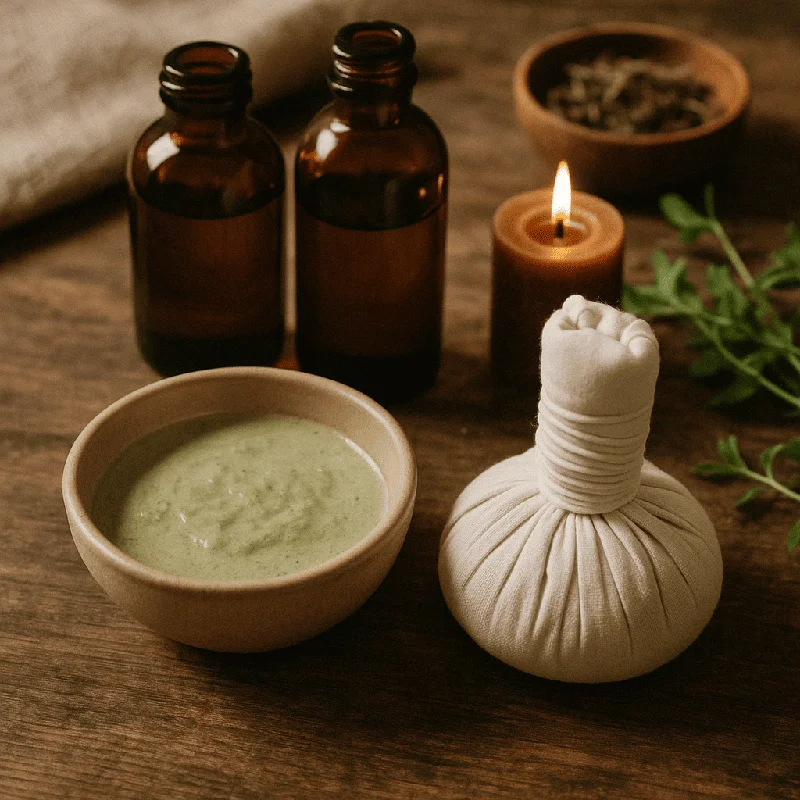
So, What’s the Deal with Vata Dosha Treatment Anyway?
You ever meet someone who’s all over the place? I don’t mean emotionally unstable or anything — just like, mind always racing, feet cold, forgets to eat lunch, talks a mile a minute? Chances are, they’ve got a little (or a lot) of Vata imbalance going on.
In Ayurveda — India’s ancient system of natural healing — Vata is one of the three doshas, or bodily energies. It’s made of air and ether, so you can guess it’s kind of floaty. It governs movement, speech, creativity, quick thinking, but also... anxiety, dryness, bloating, insomnia, and forgetfulness when it’s out of whack.
Vata dosha treatment, then, is about grounding. Slowing down. Adding warmth. Moisture. Routine. Honestly, it’s about anchoring yourself in a world that feels like it’s going 100 miles an hour — both inside your body and out.
But here’s the kicker: Ayurveda doesn’t do one-size-fits-all. If you’re looking for a clean little “eat this, don’t eat that” chart and call it a day — yeah, no. It’s a lifestyle shift. A rhythm thing. And a deeply personal one at that.
What this article gives you:
-
A grounded (but still human) look at how Ayurveda treats Vata imbalance.
-
Lifestyle and diet strategies that actually work — and feel doable.
-
A blend of wisdom, practicality, and let’s be honest — occasional ranting.
Let’s go, one bite-sized piece at a time.
Understanding the Role of Ayurveda in Managing Vata Dosha Treatment
If you’re new to Ayurveda, buckle in. This isn’t your average “wellness” system. Ayurveda doesn’t just ask, “What’s wrong?” — it wants to know, “Why is your system out of sync with nature?”
What Ayurveda Says About Vata Dosha Treatment
Vata is considered the most easily disturbed dosha. Because it’s light, dry, cold, mobile, and subtle — the smallest things throw it off. A cold wind, skipping meals, scrolling your phone at midnight, raw salads in winter — bam. Aggravation. You might not even realize it’s happening until your digestion crashes or your mind won’t stop spinning.
So, what does Ayurveda suggest?
Balance with opposites. Vata is dry? Add oil. It’s cold? Go warm. It’s erratic? Stick to a schedule. Think of it like calming a nervous child. You wouldn’t yell — you’d soothe, hug, offer hot cocoa. Same idea.
How Ayurvedic Lifestyle & Diet Directly Impact Vata Dosha
I used to think “diet” was the whole thing — like if I just ate the right kitchari, I’d be fine. Nope. Ayurveda looks at the full lifestyle ecosystem. That includes:
-
When you eat
-
How fast you’re moving through the day
-
How you sleep
-
Whether you breathe deeply or shallowly
-
The temperature of your food and your bath water
Vata needs stability. Routine. Grounding rituals. A steady rhythm to soothe that high-speed energy. You can’t heal Vata if your life is all over the place, no matter how many Ayurvedic teas you sip.
The Importance of Individualized Ayurvedic Approaches for Vata Dosha Treatment
This part can’t be emphasized enough.
You might read online that Vata types should avoid beans. But I know someone (let’s call her Mira) who thrives on mung dal — but only if it’s soaked overnight and cooked with ghee and cumin. The key? Customization.
That’s why a real Vata dosha treatment plan needs to account for:
-
Your age (Vata increases as we get older)
-
Your current climate and season (cold + dry? Double whammy)
-
Your emotional state
-
Your digestion (is your agni strong or flickering like a candle in the wind?)
Ayurveda is like jazz — there are rules, yes, but it’s all about how you apply them to the situation.
Let’s Talk Food — Ayurvedic Dietary Guidelines for Vata Dosha
I’ll just say it: Vata types tend to forget to eat. Or they snack on crackers, drink three coffees, and wonder why they’re jittery and bloated by 4 p.m. (Been there.)
So, when Ayurveda talks about food for Vata, it’s not just about nutrients. It’s about texture, temperature, timing, and mood. Yep — food is medicine, but only if taken the right way.
Foods Recommended by Ayurveda for Vata Dosha
Think: warm, oily, moist, grounding.
If it comes out of the oven bubbling, has ghee in it, and feels like a hug in a bowl — that’s Vata-friendly.
Here’s what usually works wonders:
-
Cooked grains: Rice, oats, quinoa (but warm, always warm)
-
Root veggies: Sweet potatoes, carrots, beets — roasted or stewed
-
Oils: Ghee, sesame oil, olive oil — don’t skimp!
-
Dairy: Warm milk with nutmeg or turmeric? Yes. Cold smoothies? Nooope.
-
Nuts & seeds: Almonds (soaked!), sesame, flax — again, lightly toasted is better than raw
-
Spices: Warming ones — ginger, cinnamon, cumin, cardamom, fennel
Pro tip? Add ghee to literally everything. It’s like Ayurvedic duct tape — it fixes everything.
Foods Ayurveda Suggests Avoiding for Vata Dosha
Now, I don’t believe in food fear. But I do believe in food that doesn’t serve you.
Here’s what tends to mess with Vata:
-
Cold, raw stuff: Salads, ice water, smoothies — your gut basically goes, “Nope.”
-
Dry snacks: Popcorn, crackers, rice cakes (aka “dust with crunch”)
-
Caffeine & stimulants: Sorry, but that 4-shot latte? It’s spinning your Vata out.
-
Beans & legumes: Unless super well-cooked with lots of oil and spices, they can make you bloated and gassy.
It’s not that you can’t have these. It’s about how and when. And again — what works for your neighbor’s Vata might wreck yours.
Meal Planning and Timing Tips in Ayurveda for Vata Dosha
Routine. Routine. Routine. Seriously — Vata thrives on consistency.
-
Eat at the same times daily. Even if you’re not super hungry, try a warm tonic or a little kitchari.
-
Don’t skip meals. Especially lunch — that’s when digestive fire is strongest.
-
Make dinner early and light. But still warm and cooked. No cold cereal, please.
-
Sit down to eat. No driving, scrolling, arguing, or doomscrolling Reddit while chewing.
Ayurveda says digestion isn’t just about what you eat — it’s about how you’re being while eating.
Hydration and Beverage Recommendations for Vata Dosha
Vata is dry. Like, desert-dry. But that doesn’t mean chugging icy water.
-
Sip warm water throughout the day, ideally infused with ginger or fennel.
-
Avoid cold drinks — they shut down digestion like slamming on the brakes.
-
Try herbal teas: Licorice, chamomile, tulsi, or a Vata-balancing blend with ashwagandha.
Ayurvedic Lifestyle Practices Specifically Beneficial for Vata Dosha
So you’ve got your ghee and your stewed carrots. But if your life still feels like you’re juggling flaming swords... yeah, no amount of soup will fix that.
Lifestyle matters. Honestly? It’s probably more important than diet when it comes to Vata.
Daily Ayurvedic Routines (Dinacharya) to Manage Vata
This might sound rigid, but trust me — Vata people NEED structure like plants need sun.
-
Wake up early-ish (but not too early — no 4 a.m. heroics if you’re exhausted)
-
Oil massage (Abhyanga): Warm sesame oil rubbed all over your body before a warm shower? Game changer.
-
Consistent meal and sleep times
-
Evening wind-down ritual: Candle, tea, journaling — whatever grounds you
Routines are your best friend when you’re a walking whirlwind of energy.
Sleep Patterns and Ayurvedic Guidelines Relevant to Vata
Vata often brings light, disrupted sleep. Or that annoying “I’m wide awake at 2 a.m.” thing.
To fix it:
-
No screens an hour before bed — blue light = chaos
-
Warm milk with nutmeg or a calming herbal tea
-
Oil your feet before bed (yes, really — try it)
-
Keep your room warm and cozy
Sleep is therapy. Don’t mess with it.
Ayurvedic Personal Care Practices for Vata
Beyond diet and routine, there’s a whole world of self-care for Vata.
-
Warm baths with essential oils (lavender or vetiver)
-
Nasal oiling (Nasya) to prevent dryness and anxiety
-
Tongue scraping and gentle dry brushing — keeps things moving, detox-wise
Also: dress warm. Don’t tough it out in a tank top in October. That’s just asking for imbalance.
Yoga & Breathing Techniques for Vata Dosha
You ever take a Vata-heavy person to a spin class? They walk out buzzing like a bee trapped in a jar. What Vata needs isn’t more speed — it’s more stillness.
Yoga Asanas Specifically Recommended for Vata Dosha
Go for slow, steady, grounding poses:
-
Forward folds
-
Child’s pose
-
Seated twists
-
Cat-cow
-
Legs-up-the-wall (Viparita Karani)
No hot power yoga. No fast flows. No backflips or Cirque du Soleil poses. (Unless you’re balancing out with stillness after.)
Pranayama (Breathing Exercises) That Improve Vata
Your breath can either rev you up or calm you down. Guess which one Vata needs?
-
Nadi Shodhana (Alternate Nostril Breathing): Clears the mind, balances energy
-
Bhramari (Humming Bee Breath): Crazy calming
-
Deep belly breathing: Not fancy, but so needed
Avoid super energizing ones like Kapalabhati unless you’re very grounded already.
How Often to Practice Yoga & Breathing Techniques for Vata
-
Daily, if possible. Even 15–20 minutes helps.
-
Slow and steady wins. Think of yoga like tea — it needs time to steep.
-
Evening practices are especially helpful to unwind the wind (aka Vata).
स्वयं दवा न लें और प्रतीक्षा न करें। अभी डॉक्टर से चैट शुरू करें
Stress Management and Emotional Health Advice for Vata Dosha
Vata and anxiety go together like thunder and lightning. Fast-moving thoughts, overthinking, sudden mood swings — all classic Vata stuff.
Ayurvedic Techniques to Reduce Stress Related to Vata
-
Oil massage (again — yes, it’s that important)
-
Grounding herbs like ashwagandha, brahmi, or shankhpushpi
-
Spending time in nature — especially EARTH stuff: trees, dirt, gardens
Vata’s element is air. You gotta bring it back to earth.
Meditation and Mindfulness Practices Beneficial for Vata
-
Guided meditations work well for the Vata mind that can't sit still
-
Trataka (candle gazing) — mesmerizing and helps with focus
-
Mantra repetition — even just humming "Om" helps stabilize energy
Don’t force silent sitting for an hour if your brain’s doing somersaults. Meet your mind where it is.
Emotional and Psychological Considerations in Ayurveda for Vata
Here’s a big one:
Vata types tend to be super sensitive, imaginative, creative... and fragile when out of balance. Emotional winds blow hard. So—
-
Avoid overstimulation.
-
Cut down news & social media.
-
Nurture safe, warm connections.
And most of all? Be gentle with yourself. No one thrives in chaos — least of all Vata.
Ayurvedic Home Remedies and Recipes for Vata Dosha That You’ll Actually Use
Look, I’m not going to tell you to mix rare Himalayan moss with moonlight and chant for seven nights. Home remedies should be simple, earthy, and — most importantly — doable.
Simple and Effective Home Remedies for Vata Dosha
-
Oil Pulling (Gandusha): Swish warm sesame oil in your mouth every morning for 5–10 minutes. Yeah, it’s weird at first. But it calms the nervous system, strengthens gums, and somehow even helps with clarity of mind. Vata win.
-
Digestive Tea: Simmer cumin, coriander, fennel in water. Sip warm throughout the day — it’ll de-bloat you like magic.
-
Turmeric-Ginger Paste: A spoonful in warm milk before bed supports immunity, calms inflammation, and helps Vata-induced insomnia.
-
Warm Foot Oil at Night: Warm sesame oil on your soles, covered with socks — this is like a sleep hack disguised as a spa treatment.
Ayurvedic Recipe Ideas Specifically Beneficial for Vata Dosha
These aren’t just “healthy.” They’re warm, grounding, soul-soothing.
-
Sweet Potato & Carrot Soup with Ghee & Ginger
-
Vata-Balancing Kitchari: Add a little more oil, root veggies, and a pinch of hing (asafoetida)
-
Warm Spiced Milk: Almond milk (or dairy, if you digest it), with cardamom, cinnamon, and turmeric
If it smells like autumn and hugs your gut, you’re on the right track.
Preparation Tips and Guidelines for Ayurvedic Remedies
-
Warm over cold, always.
-
Cook with intention — not like you’re on a cooking show, but with presence.
-
Spices aren’t extras — they’re the medicine.
-
Don’t rush meals. It matters more than we admit.
Common Mistakes & Misconceptions About Ayurvedic Lifestyle for Vata Dosha
Okay, let’s be real: there’s a lot of half-baked Ayurveda advice floating around. Especially on Instagram. Let’s clear the air a bit.
Common Myths About Ayurveda & Vata Dosha
-
“Vata people can’t eat legumes ever.” False. You just need to prepare them properly.
-
“You have to be vegetarian.” Nope. Ayurveda uses meat broths, especially for Vata.
-
“You can balance doshas with supplements alone.” Hard pass. Lifestyle is the foundation. Pills are the bonus round.
Typical Mistakes People Make When Adopting Ayurvedic Lifestyle for Vata
-
Doing too much at once. Vata gets overwhelmed fast.
-
Skipping the routine part. They fixate on diet but ignore structure.
-
Thinking Ayurveda means “exotic” or “expensive.” Most remedies are in your spice drawer or fridge.
How to Avoid These Mistakes
-
Start with one or two changes. Like a warm breakfast and set wake-up time.
-
Track how you feel. Ayurveda is intuitive once you tune in.
-
Work with a practitioner if you can. Personalized guidance saves a lot of trial and error.
Real-Life Success Stories & Testimonials Related to Vata Dosha Treatment
Inspirational Stories from Individuals Who Improved Vata Through Ayurveda
Meet Arjun, a software developer in Bangalore. Always on his laptop, anxious, barely sleeping. He started doing abhyanga (oil massage) and added a warm lunch daily — no fancy herbs, just routine and warm food. Three months later? More energy. Way less stress.
Or Leela, a yoga teacher who couldn’t figure out why she was always bloated and freezing. She ditched raw kale and smoothies, switched to root veggies and warm teas. Game changer.
Real-world Benefits & Results Achieved
-
Better sleep
-
More consistent digestion
-
Fewer “panic spiral” episodes
-
A weird but lovely sense of being grounded and safe
That last one’s underrated.
Scientific Evidence Supporting Ayurvedic Lifestyle & Diet for Vata Dosha
Ayurveda’s 5,000 years old, but modern science is finally catching up.
Research Findings About Diet’s Impact on Vata
-
Studies show warm, oily foods help regulate gut motility and reduce IBS-like symptoms (very Vata).
-
Eating on a schedule improves circadian rhythm, digestion, and even mood regulation — key for Vata types.
Clinical Studies Confirming the Benefits of Ayurvedic Practices
-
Abhyanga (oil massage): Linked to reductions in cortisol and improved parasympathetic response.
-
Triphala and Ashwagandha: Proven adaptogens — help balance stress and support immunity.
-
Yoga & Pranayama: Reduce anxiety, stabilize heart rate, enhance sleep — all relevant for Vata conditions.
Expert Opinions on Ayurvedic Approaches
Dr. Vasant Lad, Dr. Robert Svoboda, and others often emphasize: Vata imbalance is the root of many modern ailments. Ayurveda offers time-tested, gentle, deeply effective solutions.
Wrapping It Up: Summary of Ayurvedic Recommendations for Vata Dosha Treatment
Let’s not overthink it — that’s Vata’s job.
Here’s what actually helps:
-
Eat warm, oily, grounding food.
-
Keep a routine — even a simple one.
-
Move slowly. Rest deeply. Breathe consciously.
-
Nourish your body like it’s a delicate ecosystem. Because it is.
Vata imbalance isn’t just about digestion or sleep — it’s about feeling scattered, disconnected, unmoored. Ayurveda offers an anchor. And honestly? It feels like coming home.
If you’re serious about balancing your Vata for good — not just surviving, but actually feeling centered — it’s worth working with a qualified Ayurvedic practitioner. There’s no shame in needing guidance. That’s what Ayurveda’s always been about: wisdom passed down, person to person.
Frequently Asked Questions (FAQ) About Ayurvedic Lifestyle for Vata Dosha
1. Can Vata types eat raw foods occasionally?
Yes, but sparingly. Raw foods are cold and dry — the opposite of what Vata needs. If you must, balance them with warm, oily sides.
2. Is intermittent fasting good for Vata dosha?
Generally, no. Skipping meals can destabilize Vata. Regular meals are more grounding and supportive.
3. What time should Vata types wake up?
Around 6:30–7:00 a.m. works well. Too early and they feel wiped. Too late and they miss the morning energy window.
4. Can I be Vata dominant and still have other doshas?
Absolutely. Everyone is a mix of all three — but you may express one more prominently. And imbalances can shift.
5. Is coffee bad for Vata dosha?
Not “bad,” but risky. Caffeine stimulates already-active Vata. Try switching to warm herbal infusions or add cardamom and ghee to your coffee to soften the impact.
References & Credible Sources
Here are some authoritative sources to dive deeper into Ayurvedic wisdom and research:
-
National Center for Complementary and Integrative Health (NCCIH) -
Ayurveda at Johns Hopkins Medicine -
The Ayurvedic Institute -
National Ayurvedic Medical Association (NAMA) -
PubMed — for digging into clinical studies on Ayurveda
उपयोगकर्ताओं के प्रश्न
How can warming spices benefit Vata dosha digestion?
Client_0e622b
7 दिनों पहले
Warming spices like ginger, cumin, and coriander can aid Vata digestion by stimulating appetite, enhancing digestive fire, and reducing bloating. These spices help counteract the cold and dry qualities of Vata by promoting warmth and moisture in the digestive tract. Typically, people may notice improvements in digestion within a few days of incorporating these spices regularly. Be mindful of any discomfort or persistent digestive issues and consult a healthcare professional if symptoms persist despite dietary changes.
How does Vata dosha impact sleep quality and duration?
Client_9c748e
16 दिनों पहले
Vata dosha, characterized by its airy and erratic nature, can significantly impact sleep quality by causing restlessness and disrupted sleep patterns. Individuals with a predominant Vata tend to experience difficulty falling asleep, frequent waking during the night, and in some cases, insomnia. To improve sleep quality, it is recommended to establish a consistent bedtime routine, create a warm and calming sleep environment, and avoid stimulants like caffeine, especially in the evening. Relaxation techniques, such as warm baths, gentle yoga, or herbal teas, can also be beneficial. If sleep disturbances persist despite these changes, consult a healthcare professional for further evaluation and support.
What are some daily habits to help strengthen Vata dosha balance?
Client_9269bd
26 दिनों पहले
To strengthen Vata dosha balance, incorporate daily habits such as maintaining a routine, consuming warm and nourishing foods, and practicing calming activities like gentle yoga or meditation. Regular daily routines help stabilize Vata, which is characterized by its airy and mobile nature. Warm and cooked meals with healthy fats, such as soups or stews, are beneficial. Breathing exercises like pranayama can also help, especially those focusing on calm and deep breathing. If symptoms of imbalance persist, such as dry skin or anxiety, consider consulting a healthcare professional for personalized guidance.
Can I incorporate intermittent fasting with a Vata-friendly diet?
Client_142132
36 दिनों पहले
Yes, you can incorporate intermittent fasting with a Vata-friendly diet, but proceed cautiously. Vata dosha is associated with elements of air and space, creating a constitution that may become imbalanced with irregular eating patterns. If you choose to try intermittent fasting, it's crucial to maintain a consistent routine and prioritize warm, cooked, and easily digestible foods. A typical timeline for adaptation may take a few weeks, but listen to your body's signals. If you experience increased anxiety, digestive issues, or fatigue, it might be best to stop or consult a healthcare professional.
How can reducing social media improve mental well-being for Vata individuals?
Client_01669a
45 दिनों पहले
Reducing social media can significantly improve mental well-being by minimizing overstimulation, which is particularly beneficial for people who experience high levels of anxiety and restlessness. Social media often contributes to a fast-paced, information-heavy environment that can exacerbate stress and disrupt sleep. Cutting back allows for more mental space and calmness, offering time for restorative activities and fostering in-person connections, which are essential for mental health. Look for signs of insomnia or heightened anxiety as indicators to reduce screen time and consult a healthcare provider if mental health concerns persist.
What is the best way to stay hydrated for someone with a Vata dosha?
Client_1d390c
55 दिनों पहले
For Vata types, staying hydrated means sipping warm or room-temp water throughout the day. Avoid icy drinks. Herbal teas like ginger or cinnamon can be great too! Think about adding a pinch of salt or a splash of lemon – it helps with absorption. Just keep it easy, don’t guzzle; sip slow and steady to balance that airy Vata energy. 😊
What are the benefits of adding warm lunches to my daily routine for Vata balance?
Client_557c3e
64 दिनों पहले
Adding warm lunches can be really grounding for Vata — think of it as giving your body a cozy hug. Warm, cooked foods are easier to digest and help soothe that airy, restless vibe Vata often has. Plus, it nourishes your dhatus, helping you feel more centered and less scattered. It's like providing a stable foundation in the middle of a whirlwind!
Is it safe to practice yoga poses if I have a Vata dosha imbalance?
Client_5f6e4b
73 दिनों पहले
Sure, you can practice yoga even with a Vata imbalance, just be gentle with yourself! Go for calming, grounding poses—like Child's Pose or Forward Bends. Avoid anything too intense or fast, since that can overstimulate Vata. Keep it warm, slow, and steady to find balance. Listen to your body, it's your best guide. 😊
What is the role of routine in managing Vata dosha effectively?
Client_98f5e4
82 दिनों पहले
Routine for managing Vata dosha is huge. Vata is light and irregular, so a consistent routine helps ground it. Try sticking to regular meal times, sleeping and waking up close to the same time, and keeping activities steady. It balances out Vata’s natural tendency to be all over the place! Consider it like adding weight to a balloon so it doesn't float away!
Can I drink cold water if I have a Vata dosha or should I avoid it?
Client_6b8494
92 दिनों पहले
With a Vata dosha, it's best to avoid cold water, as it can disrupt your digestion, which is already sensitive. Warm or room temp water is better, and sipping it with ginger or fennel is ideal. Cold drinks can slow the agni, or digestive fire, which is important for balancing Vata. Keep that digestive fire going strong!
संबंधित आलेख

Body Detox
लिव 52 ड्रॉप्स
लिव 52 ड्रॉप्स की खोज
5,657
Body Detox
What Is Kava? Benefits, Effects & How to Use It
Learn what kava is, how it works, and its benefits for anxiety, stress, and sleep. Explore Ayurvedic insights, effects, dosage, and safe use. Find out how it compares to other calming herbs
4,296

Body Detox
Panchakarma Cleanse: Ayurvedic Detox and Rejuvenation
If you've been feeling heavy, foggy, maybe just... off, you're definitely not alone. It’s wild how modern life pulls us out of balance without us even noticing until one day we wake up thinking, something's not right. That's actually how I stumbled into t
3,041
Body Detox
Vata Dosha Meaning in Ayurveda: What It Is, Signs of Imbalance, and How to Calm It Naturally
If you’ve ever felt kind of scattered, dry-skinned, anxious for no good reason, constantly chilly, or like your mind races ahead of your body—then yeah, you’ve probably danced with Vata Dosha. And if you’re anything like me, once you start digging into Ay
4,090

Body Detox
Hirak Bhasm: The Miracle Ayurvedic Medicine for Detoxification & Rejuvenation
Discover the proven benefits, proper dosage, side effects, and scientific research behind Hirak Bhasm, a powerful Ayurvedic mineral preparation for holistic health.
2,687
Body Detox
Powder Massage Ayurveda: A Deep Dive into a Traditional Therapy That Still Surprises
But don’t let the image fool you. In the realm of Ayurvedic therapies, powder massage — more traditionally known as Udwarthanam — holds a seriously special place. It's one of those lesser-known treatments that, once you experience it (or even just learn a
2,923

Body Detox
महासुदर्शन घनबटी टैबलेट
महासुदर्शन घनवटी टैबलेट की खोज
2,596

Body Detox
इसबगोल का उपयोग: फायदे और आयुर्वेदिक उपयोग
जानें इसबगोल का उपयोग, इसके फायदे और सुरक्षित उपयोग के टिप्स। इसबगोल पाउडर, बीज और साइलियम हस्क का बेहतर स्वास्थ्य के लिए कैसे उपयोग करें।
11,409

Body Detox
दालचीनी पानी कैसे पिएं: आयुर्वेदिक गाइड और फायदे
दालचीनी पानी पीकर वजन घटाने और सेहत के लिए कैसे फायदेमंद हो सकता है, इसे पीने का सबसे अच्छा समय क्या है, और क्या आप इसे रोजाना या रात में पी सकते हैं, यह जानें।
19,191

Body Detox
त्रिवृत लेह्यम के फायदे, खुराक, साइड इफेक्ट्स, उपयोग कैसे करें, सामग्री
त्रिवृत लेह्यम के फायदे, खुराक, साइड इफेक्ट्स, उपयोग कैसे करें, सामग्री की खोज
1,904
विषय से संबंधित परामर्श
अतिरिक्त दस्तावेज़
© 2024 Ask Ayurveda. सर्वाधिकार सुरक्षित।