आयुर्वेदिक डॉक्टर से प्रश्न पूछें और निःशुल्क या भुगतान मोड में अपनी चिंता की समस्या पर ऑनलाइन परामर्श प्राप्त करें। 2,000 से अधिक अनुभवी डॉक्टर हमारी साइट पर काम करते हैं और आपके प्रश्नों का इंतजार करते हैं और उपयोगकर्ताओं को उनकी स्वास्थ्य समस्याओं को हल करने में प्रतिदिन मदद करते हैं।


Body DetoxEar, Nose, and Throat DisordersGeriatrics & RejuvenationImmunodeficiencyInfertility TreatmentNutritionOrthopedic DisordersPediatricsRespiratory DisordersSexually Transmitted Diseases (STDs)Surgery RecoveryUrological DisordersVascular DisordersDental DisordersEndocrinological DisordersGastrointestinal DisordersYoga TherapyGeneral MedicineAllergic DisordersCardio DisordersGynecology and ObstetricsCosmetologySkin and Hair DisordersEye DisordersInfectious DiseasesMental DisordersNeurological DisordersOncologyPanchakarmaSexual Health & DisordersSports Medicine
पर प्रकाशित 05/05/25
(को अपडेट 08/09/26)
5
5,726
What to Eat (and Avoid) If You’ve Got a Pitta Body Type
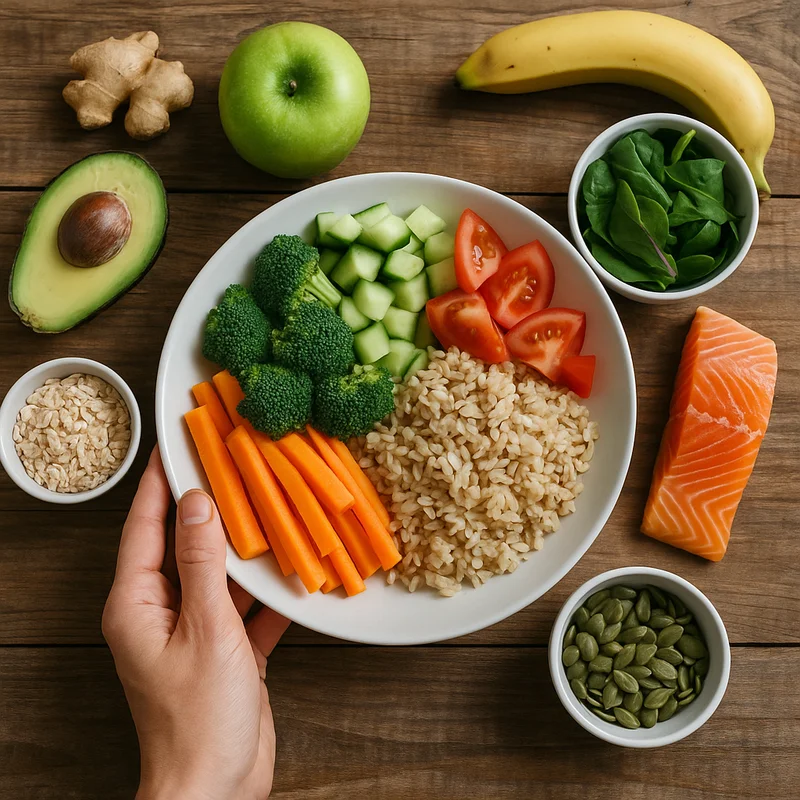
Alright, let’s not sugarcoat it — having a Pitta body type can feel like both a blessing and a curse. You’ve got fire. Intensity. Sharpness. People probably describe you as driven, focused, and maybe even a bit intense. Your digestion? Laser sharp — until it’s not.
But here’s the kicker: all that inner heat needs balance. And that’s where a Pitta body type diet, rooted in the wisdom of Ayurveda, becomes more than just a food list. It becomes a lifestyle. A way of cooling the flames without dimming the light.
If you’ve ever felt like your food makes you more irritable, overheated, or just not quite you — stick around. Because we’re about to go deep, Ayurvedic-style, into how your body and mind respond to the world (and lunch) around you.
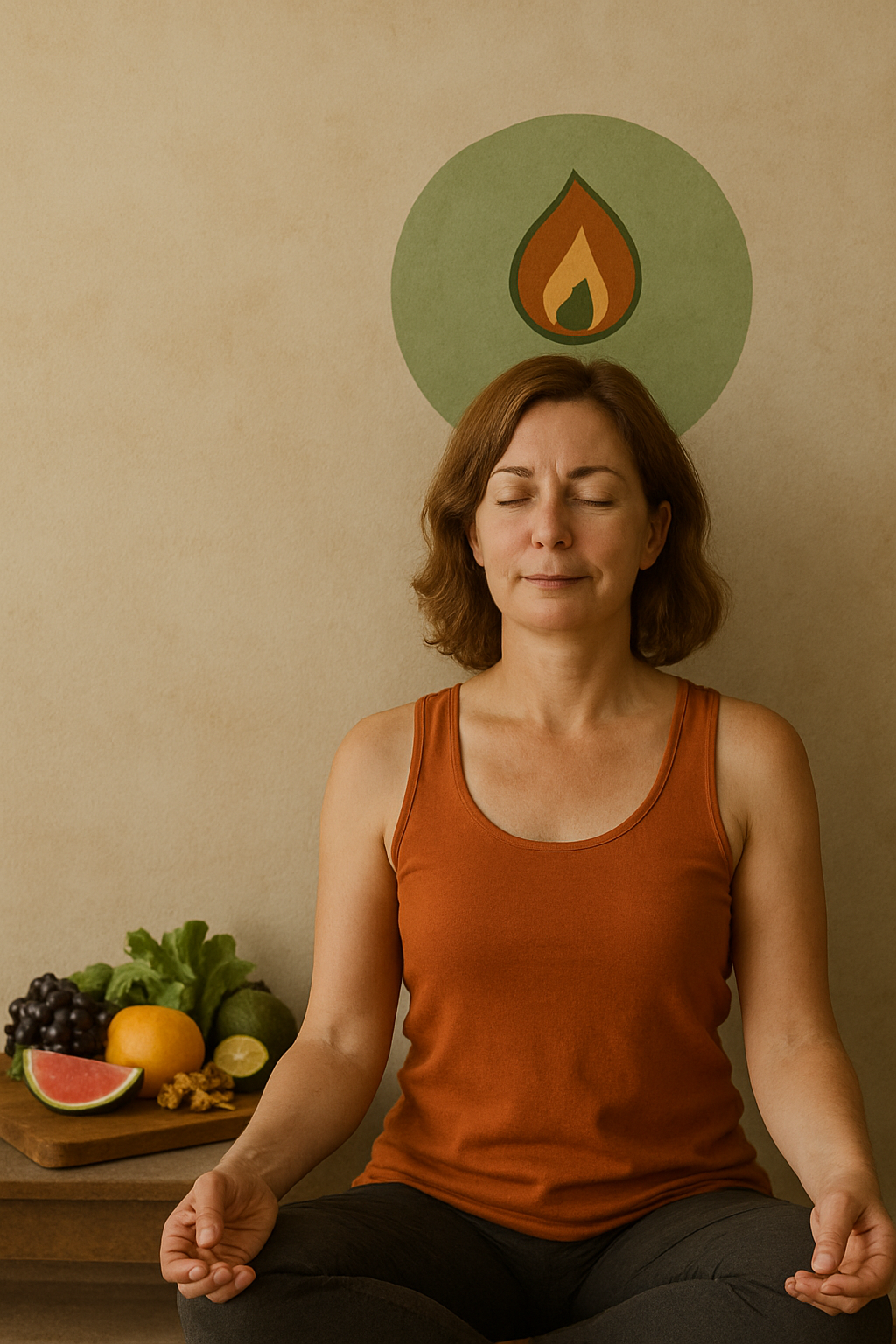
What’s the Deal With the Pitta Body Type — And Why Ayurveda Cares So Much
Let’s start with the big picture: Ayurveda doesn’t just label you by symptoms. It doesn’t isolate “digestion” from “emotion” or “food” from “sleep.” Nope. It looks at the entire ecosystem of your being. And if you’re a Pitta-dominant individual, that ecosystem is all about transformation. Think fire + water.
So, what is a Pitta body type really?
According to Ayurveda, Pitta is one of the three doshas (the bio-energies that govern the body): Vata (air/space), Pitta (fire/water), and Kapha (earth/water). If you’re Pitta-dominant, you're usually:
-
Medium build with decent muscle tone
-
Quick-witted, organized, maybe even a little perfectionist
-
Passionate, ambitious, prone to overworking
-
Often warm or hot, especially in climate or digestion
-
Prone to things like acid reflux, inflammation, skin issues, and irritability when imbalanced
The Ayurvedic game is all about balance. And guess what throws Pitta off? More fire. That means spicy food, hot weather, intense stress, skipping meals — basically modern life, right?
Why Ayurveda Takes Diet Really Seriously for Pitta Types
Because digestion (Agni) is sacred. For Pitta folks, it’s usually strong, but too strong can burn through nutrients, cause ulcers, or lead to excess acidity. The goal is to cool, soothe, and slow the roll — not extinguish the flame, just tame it.
Food becomes your daily medicine. Or your daily poison. Ayurveda’s like that friend who tells you not just what to eat, but when, how, and even why. It’s maddeningly specific sometimes, but deeply healing.
How Ayurveda Actually Helps You Manage the Pitta Body Type
You might be wondering: “OK, I get the dosha theory. But how does this actually work in practice?” Great question. Let’s break it down a bit more.
What Ayurveda Says About the Pitta Body Type Diet
In classic Ayurvedic texts like the Charaka Samhita, the guidance is clear — like increases like and opposites balance. Since Pitta is hot, sharp, oily, and intense, your diet and lifestyle should be:
-
Cooling
-
Mildly dry
-
Grounding and calming
-
Light but not too stimulating
This isn’t a fad diet. This is seasonal, daily, and deeply personal. You’ll need to pay attention to how you eat (calmly, not while scrolling TikTok) and what you eat (think cucumbers over chilies).
Ayurveda sees every meal as a chance to reset your doshic balance — or completely wreck it. No pressure, right?
How Lifestyle and Diet Directly Impact a Pitta-Dominant Constitution
This is where it gets real. Ever notice that when you're stressed, your stomach turns into a furnace? Or that too much spicy food makes your skin break out? That’s Pitta acting up.
Here’s what often makes things worse for Pitta types:
-
Overworking and under-resting
-
Intense workouts without cool-downs
-
Too much sun or hot weather
-
Skipping meals (seriously, don’t do this)
-
Fried, fermented, or super spicy foods
In contrast, when a Pitta-type person:
-
Eats at regular times
-
Stays hydrated (with room-temp water or cooling teas)
-
Avoids conflict or competitive stress
-
Takes time to relax before meals
...they tend to feel calm, focused, and clear-headed. You feel like yourself again.
Why Personalization is the Whole Point
Here’s the slightly annoying — but liberating — truth: there’s no one-size-fits-all Ayurvedic plan, even for Pitta types. Your secondary dosha matters. Your climate. Your current symptoms. Even your mental state.
Ayurveda’s always saying, “It depends.” It’s frustratingly nuanced, but that’s also its strength. You’re not a category. You’re a living, shifting pattern of energies. That’s why the advice here is a guide — not a gospel.
What You Should Actually Eat on a Pitta Body Type Diet (And What to Ditch)
Let’s just be honest here — most Pitta types love spicy food. Hot sauces, fried snacks, tangy pickles. They’re exciting. Addictive, even. But unfortunately, they’re also basically gasoline for your already fiery system.
So what’s the Ayurvedic workaround? Eating to cool, calm, and gently nourish without turning into a flavorless monk. It’s doable. Even enjoyable. You just have to think seasonally, energetically, and — yeah — differently.
Foods Ayurveda Loves for the Pitta Body Type
Start with the qualities that balance Pitta: cooling, hydrating, mildly sweet, bitter, and astringent. If you think of food as having an emotional tone, go for “soothing.”
Here’s what makes the A-list:
-
Sweet fruits (think melons, grapes, pears, ripe mango — not sour citrus)
-
Leafy greens like kale, spinach (lightly cooked), arugula
-
Whole grains like rice, oats, quinoa, and barley
-
Dairy (cooling types like ghee, milk — if tolerated)
-
Coconut everything — water, oil, milk. Pure gold for Pitta.
-
Cilantro, mint, fennel, cardamom — all herbs that cool and calm
-
Mung beans and lentils, especially if you struggle with digesting heavier legumes
Quick note: some of these (like dairy) might not work for every Pitta person, especially if digestion is a little “off.” Listen to your body — it always knows.
What to Avoid if You Want to Stop Overheating (Literally and Emotionally)
These are the foods that basically poke your inner volcano. You might love them… but they often don’t love you back.
-
Spicy stuff — chili, cayenne, raw garlic, even too much ginger
-
Fermented foods — vinegar, kombucha, alcohol, pickles
-
Red meat, especially if greasy or salty
-
Fried, oily, overly salty foods
-
Sour fruits like grapefruit, pineapple, raw tomato
-
Excess caffeine, especially on an empty stomach
You can feel it when you overdo these. It’s like your skin gets hotter, your temper shorter, your gut louder.
Meal Timing & Planning Tips for a Pitta-Type Person
Pitta folks tend to have strong appetites — and skipping meals can cause serious meltdowns (hangry is real). Ayurveda recommends:
-
Eat at the same time every day, especially lunch (between 12–1pm, when digestion is strongest)
-
Don’t wait until you’re starving — that’s when poor choices happen
-
Eat in a calm environment, ideally without multitasking or screens
-
Favor cooling meals during hot seasons or climates
And don’t underestimate the power of a light dinner before sunset. It seriously helps calm inflammation and improve sleep.
Hydration: It’s Not Just About Water
Yes, water is great. But how and what you drink matters a lot for Pitta.
Ayurvedic hydration rules:
-
Sip room-temperature or cool (not icy) water throughout the day
-
Avoid caffeine overload — try herbal teas like fennel, mint, licorice, or rose instead
-
Aloe vera juice (unsweetened) is a classic Pitta-soothing tonic — small amounts only
-
Coconut water is basically nectar for overheated systems
Don’t drink huge amounts during meals — it puts out your digestive fire. Little sips? Perfect.

Lifestyle Habits That Actually Help the Pitta Dosha Chill Out
Ayurveda’s not just about what’s on your plate — it’s also about how you live. And for Pitta types, life often moves too fast, too hot, and too intense. So let’s slow things down, shall we?
Daily Routine (Dinacharya) That Pitta Types Should Actually Try
You don’t need to turn into a sage in the Himalayas. But a little rhythm goes a long way.
Try this:
-
Wake up early, but not too early (6–6:30am is sweet for Pitta)
-
Oil massage (Abhyanga) with cooling oils like coconut or sunflower before a shower
-
Gentle morning movement, like stretching or a walk — skip the bootcamps
-
Eat at regular times, without skipping meals
-
Build in wind-down time before bed — ideally screen-free
A routine that cools the fire is grounding, comforting, and surprisingly powerful.
Sleep: The Underrated Pitta Medicine
Pitta people often resist rest. They burn the candle, then the wax, then the table.
But sleep is where Pitta gets repaired. It reduces inflammation, settles the mind, and supports digestion.
Ayurvedic sleep tips:
-
Be in bed by 10pm (Pitta energy rises after that — you’ll get a second wind)
-
Keep your bedroom cool, dark, and quiet
-
Avoid screens and heated debates before bed
-
Try brahmi, ashwagandha, or warm almond milk with cardamom before sleep (but ask a practitioner first)
Personal Care That Actually Works With Pitta, Not Against It
Your skincare, haircare, and even scent choices can affect your dosha.
Pitta-friendly ideas:
-
Use cooling oils and herbs — sandalwood, rose, neem, coconut
-
Avoid hot water baths or steamy showers (tempting, but not great long-term)
-
Natural, unscented products work better than artificial fragrances, which can irritate sensitive Pitta skin
The Kind of Yoga and Breathwork Pitta Bodies Actually Need
Spoiler: it’s not hot yoga. Or power vinyasa. Or anything that makes your competitive streak go wild.
Yoga Asanas That Actually Balance Pitta
You want grounding, cooling, slow, and inward-focused postures. Think ease, not effort.
Great options include:
-
Forward bends (Paschimottanasana, Child’s Pose)
-
Twists (Revolved Triangle, Supine Twist)
-
Moon Salutations over Sun Salutations
-
Legs-up-the-wall (Viparita Karani) — absolute gold for calming fire
Hold poses longer, and focus on breath. No need to crush it.
Pranayama That Brings Down the Heat
There are specific breathing techniques that directly help cool down Pitta:
-
Sheetali and Sheetkari — the classic “cooling breath” techniques
-
Nadi Shodhana (Alternate Nostril Breathing) — balances both hemispheres of the brain
-
Avoid intense breathwork like Kapalabhati — it’s heating and aggravating
Breath is your internal AC. Use it.
How Often Should You Practice?
Consistency matters more than intensity. For Pitta:
-
3–5 times per week of gentle yoga is ideal
-
Pranayama? Daily for 5–10 minutes, especially in the morning or before bed
-
If you’re feeling overheated (physically or emotionally), even one round of Sheetali can help
स्वयं दवा न लें और प्रतीक्षा न करें। अभी डॉक्टर से चैट शुरू करें
How to Manage Stress and Emotions Without Igniting More Fire
Let’s be real: Pitta folks often look like they’ve got it together. But inside? The pressure builds fast. Whether it’s irritability, frustration, or inner tension, emotional heat is a real thing — and it shows up in your digestion, skin, and energy.
Ayurvedic Stress-Soothing Techniques for Pitta
-
Oil massage with cooling oils (again!) — it’s nervous system gold
-
Nature time — lakes, forests, cool breezes
-
Aromatherapy with sandalwood, rose, vetiver
-
Self-reflection through journaling or moon-gazing (yes, really)
The vibe should be: calm, cool, kind. Especially to yourself.
Meditation & Mindfulness That Don’t Feel Forced
You don’t need to levitate. Just sit, breathe, and observe.
-
Start with 5 minutes a day — use guided apps or soothing music if silence is too loud
-
Mantra meditation like “Om Shanti” can be helpful (peaceful, rhythmic)
-
Focus on non-achievement. You’re not trying to be a meditation expert. You’re just being.
Emotional Awareness, Pitta Style
Pitta types often suppress anger until it explodes. Ayurveda sees this as heat stored in the liver and blood.
Here’s a practice that helps:
-
Name the emotion. (“I feel irritated.” Simple.)
-
Track where it lives in your body.
-
Use cooling breath or grounding touch to shift it.
-
Journal. Talk it out. Walk it off. But don’t bury it.
Simple Ayurvedic Home Remedies and Recipes for Pitta Body Type Diet
Let’s not make Ayurveda some mystical thing you can only do in a Himalayan ashram. A lot of it happens in your kitchen. It’s home-spun, passed down, intuitive. And yes — it can be delicious.
Home Remedies That Don’t Feel Like a Science Project
Here are a few tried-and-tested (and loved) by actual humans:
-
Cooling Cumin-Coriander-Fennel Tea (CCF Tea)
-
½ tsp each of cumin, coriander, fennel seeds
-
Boil in 2 cups of water, simmer for 10 minutes, strain
-
Sip throughout the day — reduces heat, bloating, acidity
-
-
Aloe Vera Juice Shot (Tiny dose only)
-
1–2 tbsp aloe vera juice (unsweetened) mixed with cool water
-
Take first thing in the morning on an empty stomach
-
Calms inflammation, supports digestion, and liver detox
-
-
Rose Water Face Mist
-
Store rose water in a small spray bottle in the fridge
-
A spritz during the day cools skin and emotions
-
-
Triphala at Night
-
A traditional blend of three fruits that helps with detox and digestion
-
Take ½ tsp in warm water before bed (but check with a practitioner)
-
Pitta-Calming Recipes That Are Actually Enjoyable to Eat
These aren’t Instagram showpieces. But they’re simple, grounding, and totally Pitta-approved.
-
Coconut Rice with Steamed Veggies
-
Cook basmati rice with a splash of coconut milk
-
Serve with lightly steamed greens and a squeeze of lime
-
Add chopped cilantro for extra cooling power
-
-
Pear & Fennel Smoothie
-
Blend one ripe pear, ½ tsp fennel seeds (steeped and strained), and coconut water
-
Sweet, smooth, and surprisingly satisfying
-
-
Kitchari for Pitta Types
-
Equal parts mung dal and basmati rice
-
Cook with turmeric, fennel, and coriander
-
Add zucchini, asparagus, or spinach for veggies
-
Tips for Making Remedies Work (Without Giving Up Half Your Day)
-
Start with one remedy and actually stick to it
-
Use Sundays to prep — make a big jar of CCF mix or ghee
-
Don’t expect instant magic. Ayurveda’s more like gardening than surgery — slow, steady, nurturing
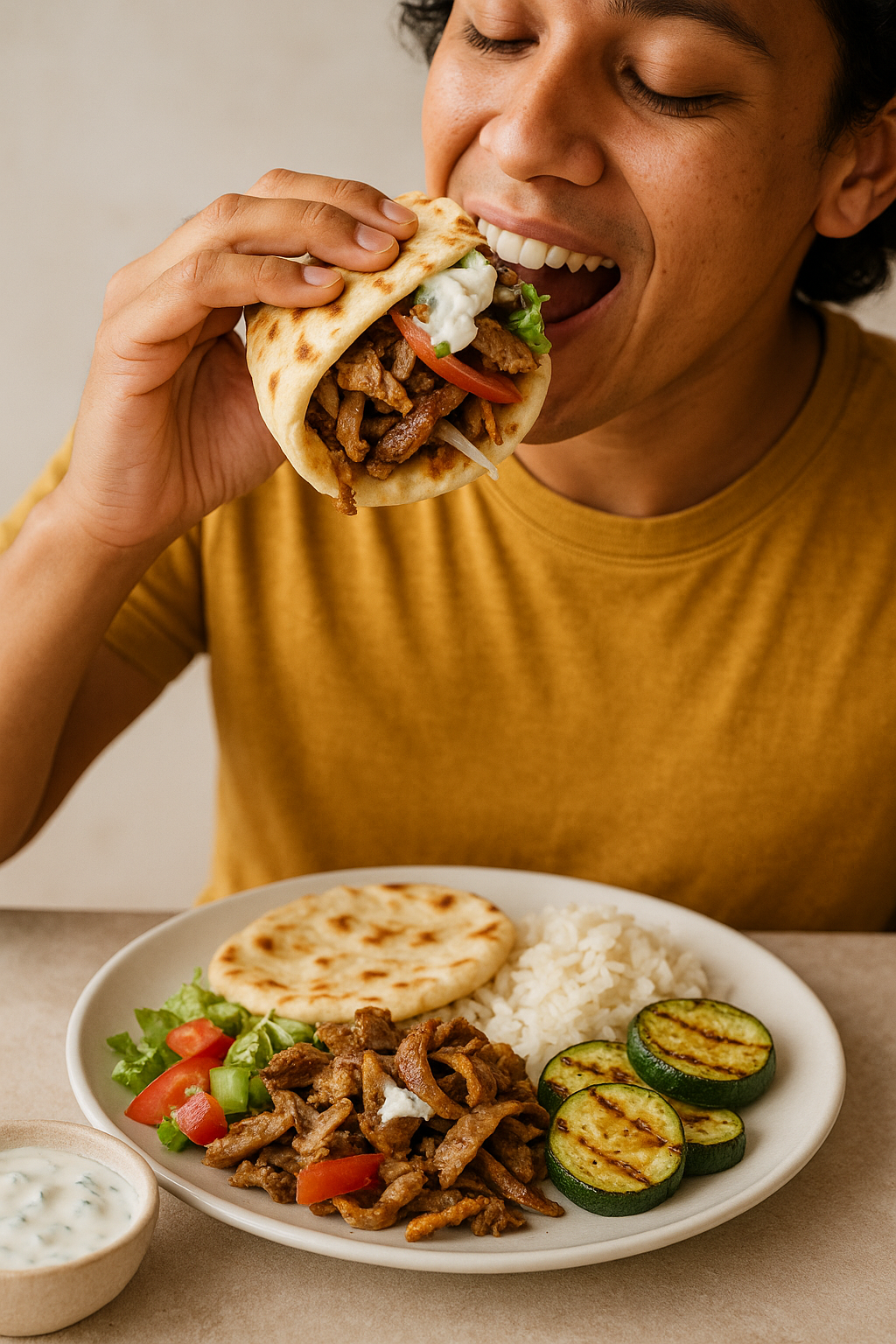
Mistakes People Make When Trying to "Do" Ayurveda for Pitta
Okay, confession time: most of us mess this up at first. Especially Pitta types (because we’re all about doing it “right,” right?). But Ayurveda’s forgiving. It’s more about rhythm than perfection.
The Myths That Mess Things Up
-
“If it’s healthy, it must be good for me.”
Nope. Spicy kale chips? Too heating. Fermented turmeric tonic? Same. -
“Ayurveda means eating Indian food all the time.”
Not true. You can apply Ayurvedic principles to any cuisine. -
“I need to go all-in from Day One.”
Classic Pitta mistake. Ayurveda is subtle. Start slow, observe, adjust.
Typical Mistakes When Following a Pitta Diet
-
Going vegan without considering your digestion
-
Overdoing raw salads and smoothies — too cold and rough
-
Using coconut oil in winter and wondering why digestion feels sluggish
-
Taking too many herbs at once — more isn’t always better
How to Avoid These and Stay on Track
-
Follow seasonal guidance — cooling foods in summer, warming in winter
-
Listen to your body more than any list
-
Work with an Ayurvedic practitioner if you’re unsure
-
And seriously — keep it joyful. Rigid Ayurveda is bad Ayurveda.
Real Stories: What Happened When People Actually Tried the Pitta Diet
Sometimes, what you need isn’t another guideline — it’s a story. Here are a few fictional but very real-sounding examples that echo what people actually experience.
Asha, 32, from San Diego — Lifelong Heartburn, Gone in 2 Weeks
“I used to live on sriracha. And kombucha. And cold brew. A disaster, apparently. Once I switched to a Pitta-calming diet and stopped skipping lunch, my acid reflux just… vanished. I didn’t think something this gentle could work.”
James, 45, Lawyer in NYC — Burnout to Balanced
“I didn’t think Ayurveda was for me. But I was snapping at people, had crazy skin flare-ups, and couldn’t sleep. I started doing oil massage at night and cut out hot sauces. Not only did my skin clear up — I actually enjoy going to bed now.”
What Real Benefits Look Like
-
No more afternoon crashes
-
Skin clears up
-
Less bloating and acid
-
Less irritability — even in traffic
-
A weird, beautiful sense of calm
But Is There Any Science Behind This? Yep. Quite a Bit.
Ayurveda sometimes gets dismissed as “ancient woo,” but modern research is catching up fast. There’s legit science behind many of its principles — especially when it comes to diet, inflammation, gut health, and stress.
Studies on Diet and Pitta-Related Issues
-
Low-inflammatory diets (which Pitta diets resemble) are linked to lower rates of IBS, GERD, and autoimmune flares
-
Cooling herbs like fennel and coriander have demonstrated anti-inflammatory and carminative effects
-
Triphala has been studied for antioxidant and liver-supportive benefits
Clinical Trials on Ayurvedic Practices
-
One study in Evidence-Based Complementary and Alternative Medicine found significant improvements in stress and digestion using Ayurvedic lifestyle routines
-
Yoga and pranayama have mountains of research supporting their effect on cortisol levels, blood pressure, and inflammation
What Experts Are Saying
Western integrative doctors now often recommend:
-
Oil massage (Abhyanga) for nervous system regulation
-
Mindful eating habits and regular routines
-
Herbal adaptogens (under guidance) for balancing the HPA axis
Ayurveda’s strength isn’t in flashy results — it’s in sustainable balance.
Wrapping It All Up: Your Takeaway from Ayurveda for the Pitta Body Type Diet
Let’s boil it down. You’ve got a Pitta body type. That means you run hot, move fast, think sharply — and sometimes crash and burn.
Ayurveda doesn’t ask you to change your essence. It just wants you to stop setting yourself on fire.
Key Takeaways:
-
Eat cooling, calming, hydrating foods
-
Stick to a rhythm — meals, sleep, downtime
-
Practice gentle movement and breathwork
-
Stay away from things that inflame — physically or emotionally
-
Don’t do it all at once. Let your body adjust.
Why It’s Worth It:
Because when your inner fire is steady — not wild — you get the best of Pitta: leadership, clarity, passion, joy. Without the burnout. Without the reflux. Without yelling at someone for cutting you off in traffic.
Want Help Figuring This Out?
Don’t wing it alone. Work with an experienced Ayurvedic practitioner who understands the nuance of your constitution, your life, your food story.
You deserve a body — and life — that feels balanced. Not just managed.
FAQs About the Pitta Body Type Diet
Q1: Can I eat spicy food if I’m Pitta?
A little, occasionally, with plenty of cooling sides — maybe. But ideally, no. Especially if you’re showing signs of imbalance like acid reflux, skin inflammation, or anger.
Q2: Is fasting good for Pitta types?
Intermittent fasting can be tricky — skipping meals can make Pitta unstable. Short fasts with guidance may help, but avoid extremes.
Q3: What’s the best breakfast for a Pitta body type?
Think soothing: oatmeal with cardamom, ripe fruit, or rice porridge. Skip the coffee and bacon.
Q4: How do I know if my Pitta is out of balance?
Signs include irritability, acid reflux, acne, hot flashes, loose stools, and feeling overworked or competitive to a fault.
Q5: Is caffeine allowed for Pitta types?
Ideally limited. If you must, try cooling green tea or tulsi instead of black coffee. And always with food.
References & Credible Sources
-
National Center for Complementary and Integrative Health (NCCIH) -
Ayurveda at Johns Hopkins Medicine -
The Ayurvedic Institute -
PubMed -
NIH Office of Dietary Supplements
उपयोगकर्ताओं के प्रश्न
What are the best activities to reduce Pitta-related anxiety?
Client_fca939
24 दिनों पहले
To reduce Pitta-related anxiety, calming activities like gentle yoga, meditation, and nature walks can be beneficial. These activities are cooling, grounding, and ideally not too intense, aligning well with a lifestyle that counters Pitta's natural heat and intensity. Regular practice of deep breathing exercises can also alleviate anxiety by promoting relaxation. While changes may take a few weeks to take effect, it’s crucial to listen to your body and adjust activities as needed. If anxiety persists, consult a healthcare provider to explore further options.
What are common lifestyle habits that worsen Pitta imbalances?
Client_0d4095
29 दिनों पहले
Common lifestyle habits that can worsen Pitta imbalances include consuming spicy, oily, or fried foods, drinking excessive alcohol, and being under constant stress or pressure. Pitta imbalances may manifest as irritability, skin issues, or digestive disturbances. Minimizing these foods and managing stress through meditation or exercise can help. Typically, improvements may be seen in a few weeks with consistent changes. If symptoms persist or worsen, it is advisable to consult a healthcare provider or a qualified Ayurvedic practitioner for personalized advice.
How can breathing techniques help calm Pitta-related stress?
Client_2010d8
34 दिनों पहले
Breathing techniques like cooling breath exercises can be particularly effective in reducing stress related to excess Pitta, which is characterized by feelings of heat and irritability. One such technique is Sheetali, which involves inhaling through a curled tongue and exhaling through the nose. Practicing this daily for 5–10 minutes, especially in the morning or before bed, can have a calming effect. If you experience persistent stress symptoms or physical discomfort alongside emotional heat, it’s advisable to consult a healthcare professional for a more tailored approach.
How can I adjust my diet for a balanced Pitta lifestyle?
Client_e17ff6
39 दिनों पहले
To adjust your diet for a balanced Pitta lifestyle, focus on cooling, calming foods and beverages while minimizing spicy, oily, and hot items. Incorporate plenty of sweet, bitter, and astringent flavors—fruits like melons, pears, and apples, leafy greens like spinach, and grains like rice and oats can be beneficial. Avoid caffeine, alcohol, and fried foods as they can aggravate Pitta dosha. Small but frequent meals can help maintain digestive balance. If symptoms like irritability, acne, or acid reflux persist, consult a healthcare professional for personalized advice.
How does inflammation relate to Pitta body type symptoms?
Client_b4e110
44 दिनों पहले
Inflammation can be linked to symptoms commonly seen in individuals with a Pitta body type, as they are often characterized by heat and intensity. This can lead to physical symptoms like skin rashes, acne, and digestive issues, as well as emotional symptoms such as irritability and stress. To manage inflammation, it's crucial to adopt a diet rich in cooling foods like cucumbers and leafy greens, stay hydrated, and incorporate calming activities such as yoga or meditation. If symptoms persist, consulting a healthcare professional is recommended to explore underlying causes and appropriate interventions.
How does a Pitta body type influence sleep quality?
Client_ce97d7
49 दिनों पहले
A Pitta body type can influence sleep quality due to its association with heat and energy. Pitta individuals may experience disturbed sleep, particularly from overheating or irritability. Managing this involves cooling practices like a Pitta-calming diet rich in fresh fruits and vegetables while avoiding spicy and oily foods. Regular gentle yoga and stress-reducing activities, such as meditation or pranayama, can also improve sleep quality. If sleep disruptions persist, it is advisable to consult a healthcare professional to rule out other underlying conditions.
What is the impact of seasonal changes on Pitta body type health?
Client_bce38d
54 दिनों पहले
Seasonal changes can significantly affect the health of individuals with a Pitta body type, often leading to increased imbalances in hotter seasons like summer. High temperatures tend to aggravate Pitta, potentially causing issues like inflammation, skin rashes, acidity, and irritability. To manage this, focus on a diet with cooling, hydrating foods and avoid spicy, oily, and salty items. Stay well-hydrated and consider incorporating calming activities like yoga or meditation. If symptoms persist or worsen, consulting a healthcare professional for tailored advice is advised.
How can hydration affect someone with a Pitta body type?
Client_bb6ceb
59 दिनों पहले
Hydration can significantly benefit someone with a Pitta body type, as Pittas tend to run hot and can become imbalanced with dehydration. Drinking plenty of water helps to regulate body temperature, flush out toxins, and maintain skin health. It's advisable for Pittas to consume cool, soothing beverages like water infused with cucumber or mint. Avoid excessive caffeine and alcohol, as they can exacerbate Pitta imbalances like acid reflux or irritability. If symptoms like severe skin issues or persistent acid reflux occur, consulting a healthcare professional is recommended.
What are the best cooling foods for managing Pitta dosha?
Client_bee9a0
65 दिनों पहले
To manage Pitta dosha, focus on cooling foods like cucumbers, melons, sweet fruits, leafy greens, and dairy products such as milk and yogurt. Foods that are naturally sweet, bitter, or astringent can help balance excess heat. Avoid spicy, salty, and sour foods that increase Pitta. To see improvements, changes might be noticeable in a few days, but significant benefits could take weeks. Watch for persistent heat-related symptoms, and consult a healthcare professional if these continue despite dietary adjustments.
How does stress impact Pitta dosha and digestion?
Client_dcdc2e
70 दिनों पहले
Stress can exacerbate issues in individuals with a predominant Pitta dosha, often worsening digestive problems like acid reflux, heartburn, or indigestion. This happens because stress increases the body's production of stomach acid, aggravating Pitta-related disorders. To manage this, maintaining a balanced diet that avoids spicy, oily, and fried foods can help. Practicing stress-reducing techniques like mindfulness can also be beneficial. If symptoms persist or worsen, consult a healthcare professional to rule out conditions that may require medical treatment.
संबंधित आलेख

Body Detox
Ayurvedic Liver Detox: Facts & Insights
Liver detoxification is vital for maintaining overall health as the liver filters toxins; a cleanse can improve its function.
3,967

Body Detox
वीर्य शोधन बटी
वीर्य शोधन बटी की खोज
5,132

Body Detox
Mahasudarshan Kadha – Herbal, Benefits, Uses, Dosage
Exploration of Mahasudarshan Kadha – Herbal, Benefits, Uses, Dosage
4,865

Body Detox
Dasamoolakatutrayam – Natural Ayurvedic Respiratory Relief & Detoxification
Discover the benefits of Dasamoolakatutrayam, an Ayurvedic herbal blend used to treat respiratory issues like chest congestion, cough, and asthma. Learn about its components, usage guidelines, and precautions.
3,451

Body Detox
Disadvantages of Drinking Lemon Water Daily: What Ayurveda Says
Discover the disadvantages of drinking lemon water daily. Learn its side effects on kidneys, digestion, and hormonal balance, especially for males and females
7,827

Body Detox
Is Green Tea Good for Health? Benefits, Uses, and Ayurvedic View
Is green tea good for health? Discover its benefits for skin, heart, weight loss, and more. Learn the best time to drink it and potential side effects to avoid
3,776

Body Detox
शरीर से टॉक्सिन्स को प्राकृतिक तरीके से कैसे हटाएं: आयुर्वेदिक तरीका
आयुर्वेद के जरिए शरीर से टॉक्सिन्स को नेचुरल तरीके से कैसे हटाएं, जानें। त्वचा, लिवर, खून और फेफड़ों की सफाई के लिए उपाय, डिटॉक्स फूड्स और टिप्स सीखें।
6,141

Body Detox
आयुर्वेद में दिनचर्या क्या है: मतलब, रूटीन, और फायदे
आयुर्वेद में दिनचर्या क्या है? संतुलन, स्वास्थ्य और मानसिक स्पष्टता के लिए वैदिक दैनिक दिनचर्या का पालन करने के अर्थ, चरण और लाभ जानें।
7,421

Body Detox
मल्ला तेल
मल्ला तेल की खोज
7,212

Body Detox
Varavisaladi Kashayam: Detoxifying Ayurvedic Herbal Brew
Explore the rejuvenating benefits of Varavisaladi Kashayam, a time-honored Ayurvedic formula known for its detoxifying and revitalizing properties. Embrace the path to natural wellness.
4,293
विषय से संबंधित परामर्श
अतिरिक्त दस्तावेज़
© 2026 Ask Ayurveda. सर्वाधिकार सुरक्षित।