हमारी आयुर्वेदिक विशेषज्ञों की टीम
सुविधाजनक खोज आपको निम्नलिखित मापदंडों के आधार पर अच्छे विशेषज्ञों को खोजने की अनुमति देती है: डॉक्टर की रेटिंग, कार्य अनुभव, रोगी समीक्षाएँ, विशेषज्ञता, शैक्षणिक डिग्री, और ऑनलाइन उपस्थिति।
पृष्ठ पर, आप किसी डॉक्टर के साथ व्यक्तिगत परामर्श प्राप्त कर सकते हैं। कई डॉक्टर कॉन्सिलियम प्रारूप में ऑनलाइन परामर्श प्रदान करते हैं (कई डॉक्टरों से प्रश्न और उत्तर)।
वर्तमान में ऑनलाइन
केवल समीक्षाओं के साथ
आयुर्वेदिक डॉक्टर
6
परामर्श:

Dr. Manjula
star_border
5
5,075
265 समीक्षाएँ
I am an Ayurveda practitioner who’s honestly kind of obsessed with understanding what really caused someone’s illness—not just what hurts, but why it started in the first place. I work through Prakruti-Vikruti pareeksha, tongue analysis, lifestyle patterns, digestion history—little things most ppl skip over, but Ayurveda doesn’t. I look at the whole system and how it’s interacting with the world around it. Not just, like, “you have acidity, take this churna.”
My main focus is on balancing doshas—Vata, Pitta, Kapha—not in a copy-paste way, but in a very personalized, live-and-evolving format. Because sometimes someone looks like a Pitta imbalance but actually it's their aggravated Vata stirring it up... it’s layered. I use herbal medicine, ahar-vihar (diet + daily routine), lifestyle modifications and also just plain conversations with the patient to bring the mind and body back to a rhythm. When that happens—healing starts showing up, gradually but strongly.
I work with chronic conditions, gut imbalances, seasonal allergies, emotional stress patterns, even people who just “don’t feel right” anymore but don’t have a name for it. Prevention is also a huge part of what I do—Ayurveda isn’t just for after you fall sick. Helping someone stay aligned, even when nothing feels urgent, is maybe the most powerful part of this science.
My entire practice is rooted in classical Ayurvedic texts—Charaka, Sushruta, Ashtanga Hridayam—and I try to stay true to the system, but I also speak to people where they’re at. That means making the treatments doable in real life. No fancy lists of herbs no one can find. No shloka lectures unless someone wants them. Just real healing using real logic and intuition together.
I care about precision in diagnosis. I don’t rush that part. I take time. Because one wrong assumption and you’re treating the shadow, not the source. And that’s what I try to avoid. My goal isn’t temporary relief—it’s to teach the body how to not need constant fixing. When someone walks away lighter, clearer, more in tune with their system—that’s the actual win.
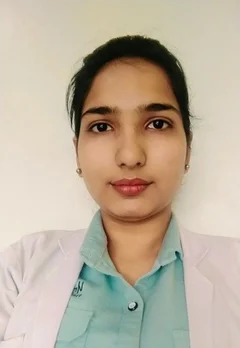
Dr. Anjali Sehrawat
star_border
5
2,372
473 समीक्षाएँ
I am Dr. Anjali Sehrawat. Graduated BAMS from National College of Ayurveda & Hospital, Barwala (Hisar) in 2023—and right now I'm doing my residency, learning a lot everyday under senior clinicians who’ve been in the field way longer than me. It’s kind of intense but also really grounding. Like, it makes you pause before assuming anything about a patient.
During my UG and clinical rotations, I got good hands-on exposure... not just in diagnosing through Ayurvedic nidan but also understanding where and when Allopathic tools (like lab reports or acute interventions) help fill the gap. I really believe that if you *actually* want to heal someone, you gotta see the whole picture—Ayurveda gives you that depth, but you also need to know when modern input is useful, right?
I’m more interested in chronic & lifestyle disorders—stuff like metabolic imbalances, stress-linked issues, digestive problems that linger and slowly pull energy down. I don’t rush into giving churnas or kashayams just bcz the texts say so... I try to see what fits the patient’s prakriti, daily habits, emotional pattern etc. It’s not textbook-perfect every time, but that’s where the real skill grows I guess. I do a lot of thinking abt cause vs symptom—sometimes it's not the problem you see that actually needs solving first.
What I care about most is making sure the treatment is safe, ethical, practical, and honest. No overpromising, no pushing meds that don’t fit. And I’m always reading or discussing sth—old Samhitas or recent journals, depends what the case demands. My goal really is to build a practice where people feel seen & understood, not just “managed.” That's where healing actually begins, right?

Dr. Prasad Pentakota
star_border
5
20,219
1073 समीक्षाएँ
I am Dr. P. Prasad, and I’ve been in this field for 20+ years now, working kinda across the board—General Medicine, Neurology, Dermatology, Cardiology—you name it. Didn’t start out thinking I’d end up spanning that wide, but over time, each area sort of pulled me in deeper. And honestly, I like that mix. It lets me look at a patient not just through one lens but a whole system-wide view... makes more sense when treating something that won’t fit neatly in one category.
I’ve handled everything from day-to-day stuff like hypertension, diabetes, or skin infections to more serious neuro and cardiac problems. Some cases are quick—diagnose, treat, done. Others take time, repeated check-ins, figuring out what’s really going on beneath those usual symptoms. And that’s where the detail matters. I’m pretty big on thorough diagnosis and patient education—because half the problem is ppl just not knowing what’s happening inside their own body.
What’s changed for me over years isn’t just knowledge, it’s how much I lean on listening. If you miss what someone didn’t say, you might also miss their actual illness. And idk, after seeing it play out so many times, I do believe combining updated medical practice with basic empathy really shifts outcomes. Doesn’t have to be complicated... it just has to be consistent.
I keep up with research too—new drugs, diagnostics, cross-specialty updates etc., not because it’s trendy, but cuz it’s necessary. Patients come in better read now than ever. You can’t afford to fall behind. The end goal’s the same tho—help them heal right, not just fast. Ethical practice, evidence-based, and sometimes just being there to explain what’s going on. That’s what I stick to.

Dr. Ravi Chandra Rushi
star_border
5
2,738
1252 समीक्षाएँ
I am working right now as a Consultant Ayurvedic Ano-Rectal Surgeon at Bhrigu Maharishi Ayurvedic Hospital in Nalgonda—and yeah, that name’s quite something, but what really keeps me here is the kind of cases we get. My main focus is managing ano-rectal disorders like piles (Arsha), fistula-in-ano (Bhagandara), fissure-in-ano (Parikartika), pilonidal sinus, and rectal polyps. These are often more complex than they look at first, and they get misdiagnosed or overtreated in a lotta places. That’s where our classical tools come in—Ksharasutra therapy, Agnikarma, and a few other para-surgical techniques we follow from the Samhitas...they’ve been lifesavers honestly.
My work here pushes me to keep refining surgical precision while also sticking to the Ayurvedic core. I do rely on modern diagnostics when needed, but I won’t replace the value of a well-done Nadi Pariksha or assessing dosha-vikruti in depth. Most of my patients come with pain, fear, and usually after a couple of rounds of either incomplete surgeries or just being fed painkillers n antibiotics. And I totally get that frustration. That’s why I combine surgery with a whole support plan—Ayurvedic meds, diet changes, lifestyle tweaks that actually match their prakriti. Not generic stuff off a handout.
Over time, I’ve seen that when people follow the whole protocol, not just the procedure part, the recurrence drops a lot. I’m quite particular about follow-up and wound care too, ‘cause we’re dealing with delicate areas here and ignoring post-op can ruin outcomes. Oh and yeah—I care a lot about educating folks too. I talk to patients in OPD, sometimes give community talks, just to tell people they do have safer options than cutting everything out under GA!
I still study Shalya Tantra like it’s a living document. I try to stay updated with whatever credible advancements are happening in Ayurvedic surgery, but I filter what’s fluff and what’s actually useful. At the end of the day, my aim is to offer respectful, outcome-based care that lets patients walk out without shame or fear. That’s really what keeps me grounded in this field.

Dr. Anirudh Deshmukh
3,857
0 समीक्षाएँ
I am Dr Anurag Sharma, done with BAMS and also PGDHCM from IMS BHU, which honestly shaped a lot of how I approach things now in clinic. Working as a physician and also as an anorectal surgeon, I’ve got around 2 to 3 years of solid experience—tho like, every day still teaches me something new. I mainly focus on anorectal care (like piles, fissure, fistula stuff), plus I work with chronic pain cases too. Pain management is something I feel really invested in—seeing someone walk in barely managing and then leave with actual relief, that hits different.
I’m not really the fancy talk type, but I try to keep my patients super informed, not just hand out meds n move on. Each case needs a bit of thinking—some need Ksharasutra or minor para surgical stuff, while others are just lifestyle tweaks and herbal meds. I like mixing the Ayurved principles with modern insights when I can, coz both sides got value really. It’s like—knowing when to go gentle and when to be precise.
Right now I’m working hard on getting even better with surgical skills, but also want to help people get to me before surgery's the only option. Had few complicated cases where patience n consistency paid off—no shortcuts but yeah, worth it.
The whole point for me is to actually listen first, like proper listen. People talk about symptoms but also say what they feel—and that helps in understanding more than any lab report sometimes. I just want to stay grounded in my work, and keep growing while doing what I can to make someone's pain bit less every day.

Dr. Sara Garg
star_border
5
1,483
127 समीक्षाएँ
I am someone who believes Ayurveda isn’t just some old system — it’s alive, and actually still works when you use it the way it's meant to be used. My practice mostly revolves around proper Ayurvedic diagnosis (rogi & roga pariksha types), Panchakarma therapies, and ya also a lot of work with herbal medicine — not just prescribing but sometimes preparing stuff myself when needed. I really like that hands-on part actually, like knowing where the herbs came from and how they're processed... changes everything.
One of the things I pay a lot of attention to is how a person's lifestyle is playing into their condition. Food, sleep, bowel habits, even small emotional patterns that people don't even realize are affecting their digestion or immunity — I look at all of it before jumping to treatment. Dietary therapy isn’t just telling people to eat less fried food lol. It’s more about timing, combinations, seasonal influence, and what suits their prakriti. That kind of detail takes time, and sometimes patients don’t get why it matters at first.. but slowly it clicks.
Panchakarma — I do it when I feel it's needed. Doesn’t suit everyone all the time, but in the right case, it really clears the stuck layers. But again, it's not magic — people need to prep properly and follow instructions. That's where strong communication matters. I make it a point to explain everything without dumping too much Sanskrit unless they’re curious.
I also try to keep things simple, like I don’t want patients feeling intimidated or overwhelmed with 10 things at once. We go step by step — sometimes slow, sometimes quick depending on the case. There’s no “one protocol fits all” in Ayurveda and frankly I get bored doing same thing again and again.
Whether it’s a fever that won’t go or long-term fatigue or gut mess — I usually go deep into what's behind it. Surface-level fixes don’t last. I rather take the time than rush into wrong herbs. It’s more work, ya, but makes a diff in long run.
नवीनतम समीक्षाएँ

Dylan
2 घंटे पहले
Thanks so much for this advice! Your answer was really clear and super helpful—I feel much more confident about how to handle this now. 🙌
Thanks so much for this advice! Your answer was really clear and super helpful—I feel much more confident about how to handle this now. 🙌
FAQ
आयुर्वेदिक डॉक्टर से प्रश्न कैसे पूछें?
keyboard_arrow_down
साइट पर परामर्श के लिए क्या करना चाहिए?
keyboard_arrow_down
डॉक्टर की रेटिंग किस पर निर्भर करती है?
keyboard_arrow_down
अतिरिक्त दस्तावेज़
© 2024 Ask Ayurveda. सर्वाधिकार सुरक्षित।