Our Team of Ayurvedic Experts
Convenient search allows you to find good specialists based on the following parameters: doctor’s rating, work experience, patient reviews, specialization, academic degree, and online presence.
On the page, you can get an individual consultation with a doctor. Many doctors provide online consultations in a consilium format (questions and answers from multiple doctors).
Currently online
With reviews only
Ayurvedic doctors
15
Consultations:

Dr. Ayush Varma
star_border
4.95
532,970
20 reviews
I am an Ayurvedic physician with an MD from AIIMS—yeah, the 2008 batch. That time kinda shaped everything for me... learning at that level really forces you to think deeper, not just follow protocol. Now, with 15+ years in this field, I mostly work with chronic stuff—autoimmune issues, gut-related problems, metabolic syndrome... those complex cases where symptoms overlap n patients usually end up confused after years of going in circles. I don’t rush to treat symptoms—I try to dig into what’s actually causing the system to go off-track. I guess that’s where my training really helps, especially when blending classical Ayurveda with updated diagnostics.
I did get certified in Panchakarma & Rasayana therapy, which I use quite a lot—especially in cases where tissue-level nourishment or deep detox is needed. Rasayana has this underrated role in post-illness recovery n immune stabilization, which most people miss.
I’m pretty active in clinical research too—not a full-time academic or anything, but I’ve contributed to studies on how Ayurveda helps manage diabetes, immunity burnout, stress dysregulation, things like that. It’s been important for me to keep a foot in that evidence-based space—not just because of credibility but because it keeps me from becoming too rigid in practice.
I also get invited to speak at wellness events n some integrative health conferences—sharing ideas around patient-centered treatment models or chronic care via Ayurvedic frameworks. I practice full-time at a wellness centre that’s serious about Ayurveda—not just the spa kind—but real, protocol-driven, yet personalised medicine. Most of my patients come to me after trying a lot of other options, which makes trust-building a huge part of what I do every single day.

Dr. Ayush Bansal
star_border
5
39,986
167 reviews
I am an Ayurveda doctor with about 1 yr of hands on clinical practice, still learning everyday from patients and the science itself. My journey started as a VOPD doctor with Hiims Hospital under Jeena Sikho Lifecare Ltd. For 6 months I was into virtual consultations, understanding cases online, preparing treatment protocols and doing follow ups to track progress. That phase trained me well in quick patient assesment and also in explaining Ayurveda in a way that fit with modern expectations. I dealt with many chronic and acute cases during that time.. things like gastric issues, joint pain, stress related complaints, skin problems. The remote setting forced me to sharpen my diagnostic skill and rely more on careful history taking, prakriti analysis, and lifestyle understanding.
After that, I moved to a Resident Doctor role at Chauhan Ayurved and Panchkarma Hospital, Udaipur. This was very different.. more practical, hands on, and really grounded me in classical Panchakarma. I was actively part of planning and performing therapies like Vamana, Virechana, Basti, Abhyanga, Shirodhara, and other detox and rejuvenation procedures. Many patients came with long standing spine issues, metabolic disorders, skin complaints, or hormonal imbalance and I got to see how tailored Panchakarma protocols and lifestyle advice together can bring changes that medicines alone couldn’t. Working closely with senior consultants gave me better clarity on safety, step by step planning and how to balance classical texts with practical hospital settings.
Now, whether in OPD consultations or Panchkarma wards, I try to meet patients with empathy and patience. I focus on root cause correction, using herbs, diet, daily routine guidance, and therapy whenever needed. My belief is that Ayurveda should be accessible and authentic, not complicated or intimidating. My aim is simple—help people move towards long term wellness, not just temporary relief. I see health as balance of body, mind and routine.. and I want my practice to guide patients gently into that space.

Dr. M.Sushma
star_border
5
237,219
991 reviews
I am Dr. Sushma M and yeah, I’ve been in Ayurveda for over 20 yrs now—honestly still learning from it every day. I mostly work with preventive care, diet logic, and prakriti-based guidance. I mean, why wait for full-blown disease when your body’s been whispering for years, right? I’m kinda obsessed with that early correction part—spotting vata-pitta-kapha imbalances before they spiral into something deeper. Most ppl don’t realize how much power food timing, digestion rhythm, & basic routine actually have… until they shift it.
Alongside all that classical Ayurveda, I also use energy medicine & color therapy—those subtle layers matter too, esp when someone’s dealing with long-term fatigue or emotional heaviness. These things help reconnect not just the body, but the inner self too. Some ppl are skeptical at first—but when you treat *beyond* the doshas, they feel it. And I don’t force anything… I just kinda match what fits their nature.
I usually take time understanding a person’s prakriti—not just from pulse or skin or tongue—but how they react to stress, sleep patterns, their relationship with food. That whole package tells the story. I don’t do textbook treatment lines—I build a plan that adjusts *with* the person, not on top of them.
Over the years, watching patients slowly return to their baseline harmony—that's what keeps me in it. I’ve seen folks come in feeling lost in symptoms no one explained… and then walk out weeks later understanding their body better than they ever did. That, to me, is healing. Not chasing symptoms, but restoring rhythm.
I believe true care doesn’t look rushed, or mechanical. It listens, observes, tweaks gently. That's the kind of Ayurveda I try to practice—not loud, but deeply rooted.

Dr. Surya Bhagwati
star_border
5
22,305
1378 reviews
I am a Senior Ayurveda Physician with more than 28 years in this field — and trust me, it still surprises me how much there is to learn every single day. Over these years, I’ve had the chance to treat over 1 lakh patients (probably more by now honestly), both through in-person consults and online. Some come in with a mild cough, others with conditions no one’s been able to figure out for years. Each case brings its own rhythm, and that’s where real Ayurveda begins.
I still rely deeply on classical tools — *Nadi Pariksha*, *Roga-Rogi Pariksha*, proper *prakriti-vikriti* mapping — not just ticking symptoms into a list. I don’t believe in ready-made cures or generic charts. Diagnosis needs attention. I look at how the disease behaves *inside* that specific person, which doshas are triggering what, and where the imbalance actually started (hint: it’s usually not where the pain is).
Over the years I’ve worked with pretty much all age groups and all kinds of health challenges — from digestive upsets & fevers to chronic, autoimmune, hormonal, metabolic and degenerative disorders. Arthritis, diabetes, PCOD, asthma, thyroid... but also things like unexplained fatigue or joint swelling that comes and goes randomly. Many of my patients had already “tried everything else” before they walked into Ayurveda, and watching their systems respond slowly—but surely—is something I don’t take lightly.
My line of treatment usually combines herbal formulations (classical ones, not trendy ones), Panchakarma detox when needed, and realistic dietary and lifestyle corrections. Long-term healing needs long-term clarity — not just short bursts of symptom relief. And honestly, I tell patients that too.
I also believe patient education isn’t optional. I explain things. Why we’re doing virechana, why the oil changed mid-protocol, why we pause or shift the meds after a few weeks. I want people to feel involved, not confused. Ayurveda works best when the patient is part of the process, not just receiving instructions.
Even now I keep learning — through texts, talks, patient follow-ups, sometimes even mistakes that taught me what not to do. And I’m still committed, still fully into it. Because for me, this isn’t just a job. It’s a lifelong responsibility — to restore balance, protect *ojas*, and help each person live in tune with themselves. That’s the real goal.

Dr. Suchin M
star_border
5
4,556
90 reviews
I am someone who’s honestly just really drawn to how deep Ayurveda goes—like really deep—not just treating what’s showing on the surface but getting into what’s actually causing it underneath. I really believe that even those complicated lifestyle diseases, stuff like diabetes or BP or obesity that people think they’ll just have to live with forever, can totally be managed with Ayurvedic principles. Not magically or overnight, but through proper diagnosis, diet tweaks, daily habits, and herbs that actually work if you use them right. That’s the part I focus on—making Ayurveda work practically, not just in theory.
After finishing my BAMS, I’ve worked with chronic conditions for over a year now in clinical setups. Mostly patients dealing with long-term stuff that doesn’t go away with one pill—usually the kind of disorders rooted in stress, wrong food choices or too much sitting. I’ve seen that if you really listen first, like actually listen—hear their story, feel where they’re coming from—half the work’s already done. Then when you assess their Prakriti, figure out where the doshas are out of balance, and connect that with their history (plus any modern test reports they might bring), it gives you this full picture that’s so valuable.
My treatment plans aren't one-size-fits-all. Sometimes it’s about bringing agni back into balance. Sometimes just clearing aam helps. Most people are shocked that things like bloating or even periods issues can shift just by aligning food and herbs with their constitution. And if the case is acute or there’s a red flag, I have no problem referring for emergency allopathic care. Integrative care makes sense—Ayurveda doesn’t have to be isolated from modern medicine.
My aim? It's not just to fix a symptom. I want people to feel at ease in their own body again. To build habits they don’t need to break later. To know their own rhythm, not just follow some generic health trend. That’s what Ayurvedic healing means to me... not perfect, but real.

Dr. Snehal Tasgaonkar
star_border
5
2,320
256 reviews
I am an Ayurvedic physician with around 7 yrs clinical experience, though honestly—feels like I’ve lived double that in patient hours. I studied from a govt. medical college (reputed one) where I got deep into classical Ayurvedic texts n clinical logic. I treat everything from chronic stuff like arthritis, IBS, eczema... to more sudden conditions that just pop up outta nowhere.
I try to approach each case by digging into the *why*, not just the *what*. I mean—anyone can treat pain, but if you don’t catch the doshic imbalance or metabolic root, it just comes bak right? I use Nadi Pariksha a lot, but also other classical signs to map prakriti-vikruti, dhatu status n agni condition... you know the drill. I like making people *understand* their own health too. Doesn’t make sense to hand meds without giving them tools to prevent a relapse.
My Panchakarma training’s been a core part of my work. I do Abhyanga, Swedana, Basti etc regularly—not just detox but also as restorative therapy. Actually seen cases where patients came in exhausted, foggy... and post-Shodhana, they're just lit up. That part never gets old.
Also I always tie diet & lifestyle changes into treatment. It’s non-negotiable for me, bcs long-term balance needs daily changes, not just clinic visits. I like using classical formulations but I stay practical too—if someone's not ready for full-scale protocol, I try building smaller habits.
I believe healing’s not just abt treating symptoms—it’s abt helping the body reset, then stay there. I’m constantly refining what I do, trying to blend timeless Ayurvedic theory with real-time practical needs of today’s patients. Doesn’t always go perfect lol, but most times we see real shifts. That’s what keeps me going.
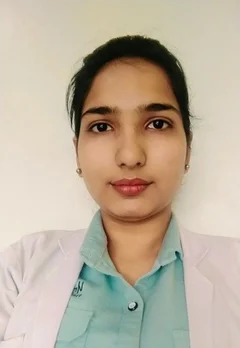
Dr. Anjali Sehrawat
star_border
5
2,983
512 reviews
I am Dr. Anjali Sehrawat. Graduated BAMS from National College of Ayurveda & Hospital, Barwala (Hisar) in 2023—and right now I'm doing my residency, learning a lot everyday under senior clinicians who’ve been in the field way longer than me. It’s kind of intense but also really grounding. Like, it makes you pause before assuming anything about a patient.
During my UG and clinical rotations, I got good hands-on exposure... not just in diagnosing through Ayurvedic nidan but also understanding where and when Allopathic tools (like lab reports or acute interventions) help fill the gap. I really believe that if you *actually* want to heal someone, you gotta see the whole picture—Ayurveda gives you that depth, but you also need to know when modern input is useful, right?
I’m more interested in chronic & lifestyle disorders—stuff like metabolic imbalances, stress-linked issues, digestive problems that linger and slowly pull energy down. I don’t rush into giving churnas or kashayams just bcz the texts say so... I try to see what fits the patient’s prakriti, daily habits, emotional pattern etc. It’s not textbook-perfect every time, but that’s where the real skill grows I guess. I do a lot of thinking abt cause vs symptom—sometimes it's not the problem you see that actually needs solving first.
What I care about most is making sure the treatment is safe, ethical, practical, and honest. No overpromising, no pushing meds that don’t fit. And I’m always reading or discussing sth—old Samhitas or recent journals, depends what the case demands. My goal really is to build a practice where people feel seen & understood, not just “managed.” That's where healing actually begins, right?

Dr. Shaniba P
star_border
5
2,775
174 reviews
I am an Ayurvedic doctor, someone who’s pretty much built her clinical journey around natural healing, balance and yeah—just trying to help ppl feel a bit more whole again. I work mostly with conditions that kinda stay with people... like joint pain that won’t go away, periods all over the place, kids falling sick again n again, or just the kind of stress that messes up digestion n sleep n everything in between. A lot of my practice circles around arthritis, lower back pain, PCOD-ish symptoms, antenatal care, immunity problems in kids, and those quiet mental health imbalances ppl often don't talk much about.
My approach isn’t just pulling herbs off a shelf and calling it a day. I spend time with classical diagnosis—checking Prakriti, figuring out doshas, seeing how much of this is physical and how much is coming from daily routine or emotional burnout. And treatments? Usually a mix of traditional Ayurvedic meds, Panchakarma (only if needed!!), changing food habits, tweaking the daily rhythm, and honestly... just slowing down sometimes.
I’m also really into helping ppl understand themselves better—like once someone gets how their body is wired, things make more sense. I talk to patients about what actually suits their dosha, what throws them off balance, and how they can stop chasing quick fixes that don’t stick. Education's a big part of it. And yes, I’ve had patients walk in for constant cold and walk out realizing it’s more about weak agni n poor gut routines than just low immunity.
Every case’s diff. Some are simple. Some not. But whether it’s a young woman trying to fix her cycles without hormones or a 6-year-old catching colds every week, I try building plans that last—not just short term relief stuff. Healing takes time and needs trust from both sides.
End of the day, I try to keep it rooted—classical where it matters but flexible enough to blend with the world we're livin in rn. That balance is tricky, but worth it.

Dr. Sumi. S
star_border
5
1,350
83 reviews
I am an Ayurvedic doc trained mainly in Shalakya Tantra—basically, I work a lot with issues of the eyes, ears, nose, oral cavity, head... all that ENT zone. It’s a really specific branch of Ayurveda, and I’ve kind of grown to appreciate how much it covers. I deal with all kinds of conditions like Netra Abhishyanda (kinda like conjunctivitis), Timira and Kacha (early or full-on cataract), Adhimantha (glaucoma stuff), Karna Srava (ear discharge), Pratishyaya (chronic colds n sinus), Mukhapaka (mouth ulcers), and even dental stuff like Dantaharsha (teeth sensitivity) or Shirashool (headaches & migraines).
I use a mix of classic therapies—Tarpana, Nasya, Aschyotana, Karna Purana, even Gandusha and Dhoomapana when it fits. Depends on prakriti, the season, and where the person’s really struggling. Rasayana therapy and internal meds are there too of course but I don’t just throw them in blindly... every plan’s got to make sense to that individual. It’s kind of like detective work half the time.
But honestly, my clinical work hasn't been just about Shalakya. I’ve got around two yrs of broader OPD experience where I’ve also handled chronic stuff like diabetes, thyroid issues, arthritis flares, PCOS, IBS-type gut problems, and some hormonal imbalances in women too. I kind of like digging into the layers of a case where stress is playing a role. Or when modern bloodwork says one thing, but the symptoms are telling me something else entirely.
I use pathology insights but don’t let reports override what the patient's body is clearly saying. That balance—between classical Ayurvedic drishtis and modern diagnostic tools—is what I’m always aiming for. I also try to explain things to patients in a way they’ll get it. Because unless they’re on board and actually involved, no healing really works long-term, right?
It’s not all picture-perfect. Sometimes I still re-read my Samhitas when I'm stuck or double check new case patterns. And sometimes my notes are a mess :) But I do try to keep learning and adapting while still keeping the core of Ayurveda intact.

Dr. Ravi Chandra Rushi
star_border
5
3,452
1607 reviews
I am working right now as a Consultant Ayurvedic Ano-Rectal Surgeon at Bhrigu Maharishi Ayurvedic Hospital in Nalgonda—and yeah, that name’s quite something, but what really keeps me here is the kind of cases we get. My main focus is managing ano-rectal disorders like piles (Arsha), fistula-in-ano (Bhagandara), fissure-in-ano (Parikartika), pilonidal sinus, and rectal polyps. These are often more complex than they look at first, and they get misdiagnosed or overtreated in a lotta places. That’s where our classical tools come in—Ksharasutra therapy, Agnikarma, and a few other para-surgical techniques we follow from the Samhitas...they’ve been lifesavers honestly.
My work here pushes me to keep refining surgical precision while also sticking to the Ayurvedic core. I do rely on modern diagnostics when needed, but I won’t replace the value of a well-done Nadi Pariksha or assessing dosha-vikruti in depth. Most of my patients come with pain, fear, and usually after a couple of rounds of either incomplete surgeries or just being fed painkillers n antibiotics. And I totally get that frustration. That’s why I combine surgery with a whole support plan—Ayurvedic meds, diet changes, lifestyle tweaks that actually match their prakriti. Not generic stuff off a handout.
Over time, I’ve seen that when people follow the whole protocol, not just the procedure part, the recurrence drops a lot. I’m quite particular about follow-up and wound care too, ‘cause we’re dealing with delicate areas here and ignoring post-op can ruin outcomes. Oh and yeah—I care a lot about educating folks too. I talk to patients in OPD, sometimes give community talks, just to tell people they do have safer options than cutting everything out under GA!
I still study Shalya Tantra like it’s a living document. I try to stay updated with whatever credible advancements are happening in Ayurvedic surgery, but I filter what’s fluff and what’s actually useful. At the end of the day, my aim is to offer respectful, outcome-based care that lets patients walk out without shame or fear. That’s really what keeps me grounded in this field.
Latest reviews

Teagan
8 hours ago
Thanks! This cleared up my confusion. Wasn't sure about combining those meds. Appreciate the direct advice! 🙌
Thanks! This cleared up my confusion. Wasn't sure about combining those meds. Appreciate the direct advice! 🙌
FAQ
How to ask ayurvedic doctor a question?
keyboard_arrow_down
What should be done to consult on the site?
keyboard_arrow_down
What does the doctor’s rating depend on?
keyboard_arrow_down
© 2024 Ask Ayurveda. All rights reserved.