Our Team of Ayurvedic Experts
Convenient search allows you to find good specialists based on the following parameters: doctor’s rating, work experience, patient reviews, specialization, academic degree, and online presence.
On the page, you can get an individual consultation with a doctor. Many doctors provide online consultations in a consilium format (questions and answers from multiple doctors).
Currently online
With reviews only
Ayurvedic doctors
6
Consultations:

Dr. Snehal Vidhate
star_border
5
29,535
546 reviews
I am Dr. Snehal Vidhate, born n brought up in Maharashtra—and honestly, for as long as I remember I’ve felt this pull towards Ayurveda. Not the fancy version ppl throw around, but the deep, real kind that actually helps ppl. I did my BAMS from YMT Ayurvedic Medical College in Kharghar. That’s where I got my basics strong—like really studied the shastras, understood prakriti, doshas, the whole deal. Not just crammed theory but started to see how it shows up in real lives.
After finishing BAMS, I got into this one-year certificate course at Rashtriya Ayurveda Vidyapeeth, Delhi—honestly a turning point. I was super lucky to learn Kerala Ayurveda from my Guru, Prof. Dr. G.G. Gangadharan. He’s got this way of seeing things... simple but deep. That time with him taught me more than any textbook ever could. It kinda reshaped how I look at health, healing n how precise Ayurveda can be when you respect its roots.
Right now I’m doing my MD in Panchakarma from SDM Ayurveda College, Bangalore. This place is like a hub for serious Ayurveda work. The Panchakarma training here? Super intense. We go deep into detoxification & rasayana therapy—not just theory again, but hands-on. I’m learning to blend classical techniques with today’s clinical demands.. like how to make Vamana or Basti actually doable in modern patient setups.
My current practice is really about merging tradition with logic. Whether it’s chronic skin issues, gut problems, stress burnout or hormone stuff—my goal is to get to the root, not just hush the symptoms. I use Panchakarma when needed, but also a lot of ahara-vihara tweaks, medhya herbs, sometimes just slowing ppl down a bit helps. I really believe Ayurveda’s power is in its simplicity when done right.
I don’t try to fix ppl—I work *with* them. And honestly, every patient teaches me something back.

Dr. M.Sushma
star_border
5
237,224
993 reviews
I am Dr. Sushma M and yeah, I’ve been in Ayurveda for over 20 yrs now—honestly still learning from it every day. I mostly work with preventive care, diet logic, and prakriti-based guidance. I mean, why wait for full-blown disease when your body’s been whispering for years, right? I’m kinda obsessed with that early correction part—spotting vata-pitta-kapha imbalances before they spiral into something deeper. Most ppl don’t realize how much power food timing, digestion rhythm, & basic routine actually have… until they shift it.
Alongside all that classical Ayurveda, I also use energy medicine & color therapy—those subtle layers matter too, esp when someone’s dealing with long-term fatigue or emotional heaviness. These things help reconnect not just the body, but the inner self too. Some ppl are skeptical at first—but when you treat *beyond* the doshas, they feel it. And I don’t force anything… I just kinda match what fits their nature.
I usually take time understanding a person’s prakriti—not just from pulse or skin or tongue—but how they react to stress, sleep patterns, their relationship with food. That whole package tells the story. I don’t do textbook treatment lines—I build a plan that adjusts *with* the person, not on top of them.
Over the years, watching patients slowly return to their baseline harmony—that's what keeps me in it. I’ve seen folks come in feeling lost in symptoms no one explained… and then walk out weeks later understanding their body better than they ever did. That, to me, is healing. Not chasing symptoms, but restoring rhythm.
I believe true care doesn’t look rushed, or mechanical. It listens, observes, tweaks gently. That's the kind of Ayurveda I try to practice—not loud, but deeply rooted.

Dr. Snehal Tasgaonkar
star_border
5
2,320
256 reviews
I am an Ayurvedic physician with around 7 yrs clinical experience, though honestly—feels like I’ve lived double that in patient hours. I studied from a govt. medical college (reputed one) where I got deep into classical Ayurvedic texts n clinical logic. I treat everything from chronic stuff like arthritis, IBS, eczema... to more sudden conditions that just pop up outta nowhere.
I try to approach each case by digging into the *why*, not just the *what*. I mean—anyone can treat pain, but if you don’t catch the doshic imbalance or metabolic root, it just comes bak right? I use Nadi Pariksha a lot, but also other classical signs to map prakriti-vikruti, dhatu status n agni condition... you know the drill. I like making people *understand* their own health too. Doesn’t make sense to hand meds without giving them tools to prevent a relapse.
My Panchakarma training’s been a core part of my work. I do Abhyanga, Swedana, Basti etc regularly—not just detox but also as restorative therapy. Actually seen cases where patients came in exhausted, foggy... and post-Shodhana, they're just lit up. That part never gets old.
Also I always tie diet & lifestyle changes into treatment. It’s non-negotiable for me, bcs long-term balance needs daily changes, not just clinic visits. I like using classical formulations but I stay practical too—if someone's not ready for full-scale protocol, I try building smaller habits.
I believe healing’s not just abt treating symptoms—it’s abt helping the body reset, then stay there. I’m constantly refining what I do, trying to blend timeless Ayurvedic theory with real-time practical needs of today’s patients. Doesn’t always go perfect lol, but most times we see real shifts. That’s what keeps me going.
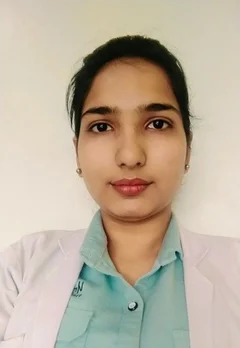
Dr. Anjali Sehrawat
star_border
5
2,992
515 reviews
I am Dr. Anjali Sehrawat. Graduated BAMS from National College of Ayurveda & Hospital, Barwala (Hisar) in 2023—and right now I'm doing my residency, learning a lot everyday under senior clinicians who’ve been in the field way longer than me. It’s kind of intense but also really grounding. Like, it makes you pause before assuming anything about a patient.
During my UG and clinical rotations, I got good hands-on exposure... not just in diagnosing through Ayurvedic nidan but also understanding where and when Allopathic tools (like lab reports or acute interventions) help fill the gap. I really believe that if you *actually* want to heal someone, you gotta see the whole picture—Ayurveda gives you that depth, but you also need to know when modern input is useful, right?
I’m more interested in chronic & lifestyle disorders—stuff like metabolic imbalances, stress-linked issues, digestive problems that linger and slowly pull energy down. I don’t rush into giving churnas or kashayams just bcz the texts say so... I try to see what fits the patient’s prakriti, daily habits, emotional pattern etc. It’s not textbook-perfect every time, but that’s where the real skill grows I guess. I do a lot of thinking abt cause vs symptom—sometimes it's not the problem you see that actually needs solving first.
What I care about most is making sure the treatment is safe, ethical, practical, and honest. No overpromising, no pushing meds that don’t fit. And I’m always reading or discussing sth—old Samhitas or recent journals, depends what the case demands. My goal really is to build a practice where people feel seen & understood, not just “managed.” That's where healing actually begins, right?

Dr. Akshay Negi
star_border
5
1,717
114 reviews
I am currently pursuing my MD in Panchakarma, and by now I carry 3 yrs of steady clinical experience. Panchakarma for me is not just detox or some fancy retreat thing — it’s the core of how Ayurveda actually works to reset the system. During my journey I’ve handled patients with arthritis flares, chronic back pain, migraine, digestive troubles, hormonal imbalance, even skin and stress-related disorders... and in almost every case Panchakarma gave space for deeper healing than medicines alone.
Working hands-on with procedures like Vamana, Virechana, Basti, Nasya, and Raktamokshana gave me a lot of practical insight. It's not just about performing the therapy, but understanding timing, patient strength, diet before and after, and how their mind-body reacts to cleansing. Some respond quick, others struggle with initial discomfort, and that’s where real patient support matters. I learnt to watch closely, adjust small details, and guide them through the whole process safely.
My approach is always patient-centric. I don’t believe in pushing the same package to everyone. I first assess prakriti, agni, mental state, lifestyle, then decide what works best. Sometimes full Panchakarma isn’t even needed — simple modifications, herbs, or limited therapy sessions can bring results. And when full shodhana is required, I plan it in detail with proper purvakarma & aftercare, cause that’s what makes outcomes sustainable.
The last few years made me more confident not just in procedures but in the philosophy behind them. Panchakarma isn’t a quick fix — it demands patience, discipline, trust. But when done right, it gives relief that lasts, and that’s why I keep refining how I practice it.

Dr. Sara Garg
star_border
5
2,142
469 reviews
I am someone who believes Ayurveda isn’t just some old system — it’s alive, and actually still works when you use it the way it's meant to be used. My practice mostly revolves around proper Ayurvedic diagnosis (rogi & roga pariksha types), Panchakarma therapies, and ya also a lot of work with herbal medicine — not just prescribing but sometimes preparing stuff myself when needed. I really like that hands-on part actually, like knowing where the herbs came from and how they're processed... changes everything.
One of the things I pay a lot of attention to is how a person's lifestyle is playing into their condition. Food, sleep, bowel habits, even small emotional patterns that people don't even realize are affecting their digestion or immunity — I look at all of it before jumping to treatment. Dietary therapy isn’t just telling people to eat less fried food lol. It’s more about timing, combinations, seasonal influence, and what suits their prakriti. That kind of detail takes time, and sometimes patients don’t get why it matters at first.. but slowly it clicks.
Panchakarma — I do it when I feel it's needed. Doesn’t suit everyone all the time, but in the right case, it really clears the stuck layers. But again, it's not magic — people need to prep properly and follow instructions. That's where strong communication matters. I make it a point to explain everything without dumping too much Sanskrit unless they’re curious.
I also try to keep things simple, like I don’t want patients feeling intimidated or overwhelmed with 10 things at once. We go step by step — sometimes slow, sometimes quick depending on the case. There’s no “one protocol fits all” in Ayurveda and frankly I get bored doing same thing again and again.
Whether it’s a fever that won’t go or long-term fatigue or gut mess — I usually go deep into what's behind it. Surface-level fixes don’t last. I rather take the time than rush into wrong herbs. It’s more work, ya, but makes a diff in long run.
Latest reviews

Teagan
49 minutes ago
Thanks! The detailed tips for both weight gain and skin issues were really helpful. Appreciate the effort in breaking it all down!
Thanks! The detailed tips for both weight gain and skin issues were really helpful. Appreciate the effort in breaking it all down!
FAQ
How to ask ayurvedic doctor a question?
keyboard_arrow_down
What should be done to consult on the site?
keyboard_arrow_down
What does the doctor’s rating depend on?
keyboard_arrow_down
© 2024 Ask Ayurveda. All rights reserved.