Ask Ayurvedic doctor a question and get a consultation online on the problem of your concern in a free or paid mode. More than 2,000 experienced doctors work and wait for your questions on our site and help users to solve their health problems every day.


Body DetoxEar, Nose, and Throat DisordersGeriatrics & RejuvenationImmunodeficiencyInfertility TreatmentNutritionOrthopedic DisordersPediatricsRespiratory DisordersSexually Transmitted Diseases (STDs)Surgery RecoveryUrological DisordersVascular DisordersDental DisordersEndocrinological DisordersGastrointestinal DisordersYoga TherapyGeneral MedicineAllergic DisordersCardio DisordersGynecology and ObstetricsCosmetologySkin and Hair DisordersEye DisordersInfectious DiseasesMental DisordersNeurological DisordersOncologyPanchakarmaSexual Health & DisordersSports Medicine
Published on 11/06/24
(Updated on 08/07/26)
3,953
Ayurvedic Liver Detox: Facts & Insights
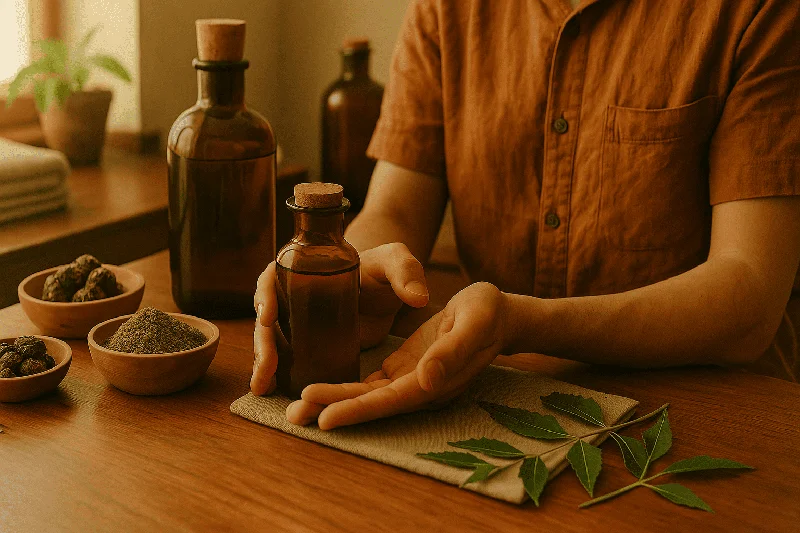
- Your liver processes every toxin, metabolite, and hormone in your body — roughly 1.4 liters of blood every single minute.
- When it gets sluggish, everything suffers: digestion, energy, skin clarity, even your mood. An ayurvedic liver detox uses time-tested herbs like Kutki, Bhumyamalaki, and Kalmegh, combined with dietary protocols, Panchakarma therapies, and lifestyle shifts to reduce toxic load, cool excess Pitta dosha, and regenerate hepatocytes naturally. Unlike quick-fix cleanses, this approach works on the root cause — and there's growing clinical evidence to back it up.
This guide gives you what no other article does: a step-by-step home detox protocol (7, 14, or 21 days), evidence-based herb dosages, specific recipes with proportions, contraindications most sites ignore, and a seasonal framework so you detox at the right time. Whether you're dealing with fatty liver, post-festival sluggishness, or just want to reset — this is your comprehensive roadmap.
What Is Ayurvedic Liver Detox?
In Ayurveda, the liver is called Yakrit and is considered the primary seat of Ranjaka Pitta — the sub-dosha responsible for blood formation, bile production, and metabolism of nutrients. Unlike modern medicine, which views the liver primarily as a biochemical filter, Ayurveda treats it as the central organ governing transformation (Agni) at the tissue level.
- An ayurvedic liver detox, therefore, isn't just about "flushing toxins." It's a structured process of removing accumulated Ama (metabolic waste), pacifying aggravated Pitta, and then rebuilding liver tissue through rejuvenation (Rasayana).
- This three-phase approach — preparation, purification, rejuvenation — is what sets it apart from conventional detox programs.
The Role of the Liver in Ayurveda (Pitta Dosha Connection)
According to classical texts like Charaka Samhita and Ashtanga Hridaya, the liver performs five key functions:
- Ranjaka Pitta — colors the blood (hemoglobin synthesis in modern terms)
- Bile secretion — governs fat metabolism and nutrient absorption
- Detoxification — neutralizing Ama from improperly digested food
- Blood purification — filtering and cleansing Rakta Dhatu
- Emotional processing — anger, irritability, and ambition are Pitta emotions stored here
When Pitta becomes aggravated through spicy food, alcohol, stress, or environmental toxins, the liver overheats. This leads to conditions Ayurveda classifies as Kamala (jaundice), Yakrit Vriddhi (hepatomegaly), and Yakrit Dalodara (cirrhosis).
Signs Your Liver Needs a Detox
Don't wait for a diagnosis. Ayurveda identifies early warning signs that your liver is struggling:
- Persistent fatigue and brain fog, especially after meals
- Yellowish tint on the whites of your eyes or skin
- Bitter taste in the mouth upon waking
- Acne, rashes, or skin that bruises easily
- Intolerance to fatty or fried foods
- Frequent headaches and irritability (classic Pitta aggravation)
- Dark-colored urine and pale stools
- Bloating and heaviness in the right upper abdomen
If you notice three or more of these consistently, your liver is likely burdened with excess Ama and needs support.
Ayurvedic Detox vs. Conventional Liver Cleanse
| Parameter | Ayurvedic Liver Detox | Conventional Liver Cleanse |
|---|---|---|
| Philosophy | Balance Pitta, remove Ama, regenerate tissue | Supplement support, reduce toxic load |
| Key agents | Kutki, Bhumyamalaki, Kalmegh, Virechana | Milk Thistle (Silymarin), NAC, Glutathione |
| Duration | 7–21 days (with prep and rejuvenation phases) | Typically 7–30 days |
| Approach | Diet + herbs + therapies + lifestyle | Supplements + diet modification |
| Personalization | Based on Prakriti (constitution) and Vikriti | Generally standardized protocols |
| Rejuvenation phase | Yes — Rasayana herbs rebuild tissue | Usually absent |
| Cost in India | ₹500–₹5,000 (home); ₹15,000–₹50,000 (Panchakarma center) | ₹2,000–₹10,000 (supplements) |
- Neither approach is inherently superior.
- But the ayurvedic method addresses root causes — constitution, diet, emotional health — while conventional approaches often focus on symptom management. Ideally, informed patients can integrate both under professional guidance.
Top Ayurvedic Herbs for Liver Detox
These aren't just traditional recommendations — several now have published clinical and preclinical evidence supporting their hepatoprotective effects.
Kutki (Picrorhiza kurroa) — The Liver Protector
Kutki is arguably the most powerful hepatoprotective herb in the Ayurvedic pharmacopoeia. Its active compound, kutkin (a mixture of picroside I and picroside II), has demonstrated significant liver-protective activity in multiple studies.
A 2012 study published in the Indian Journal of Pharmaceutical Sciences found that Picrorhiza kurroa extract showed hepatoprotective effects comparable to silymarin (milk thistle) in carbon tetrachloride-induced liver damage models. A more recent 2019 review in Phytomedicine confirmed its anti-inflammatory and antioxidant mechanisms, specifically its ability to inhibit lipid peroxidation in liver cells.
Traditional use: Bitter in taste, it directly pacifies Pitta and clears bile duct obstruction. Particularly effective for enlarged liver and early-stage jaundice.
Bhumyamalaki (Phyllanthus niruri) — Hepatitis & Fatty Liver Support
Known as "stone breaker" for its kidney stone benefits, Bhumyamalaki is equally remarkable for liver health. A landmark 1988 study by Thyagarajan et al., published in The Lancet, showed that Phyllanthus niruri cleared Hepatitis B surface antigen in 59% of treated carriers versus 4% in the placebo group.
More recently, a 2016 systematic review in the Journal of Ethnopharmacology confirmed its hepatoprotective, anti-viral, and anti-fibrotic properties. This makes it particularly valuable for individuals with chronic hepatitis or non-alcoholic fatty liver disease (NAFLD).
Kalmegh (Andrographis paniculata) — The "King of Bitters"
Called Bhunimba in Sanskrit, Kalmegh contains andrographolide — a compound shown to protect liver cells from oxidative stress. A 2017 study in Hepatology Research demonstrated that andrographolide reduced liver inflammation markers (ALT, AST) in animal models of alcohol-induced liver injury.
Its intense bitterness makes it a potent Pitta-pacifier and bile stimulant. In traditional practice, it's used for both acute and chronic liver conditions.
Punarnava (Boerhavia diffusa) — Liver Regeneration
The name literally means "that which renews the body." Punarnava has demonstrated diuretic and hepatoprotective effects in a 2004 study in the Journal of Ethnopharmacology, showing significant reduction in elevated bilirubin and liver enzymes. It helps reduce fluid retention associated with liver congestion and supports cellular regeneration.
Turmeric (Curcuma longa) — Anti-inflammatory Powerhouse
Curcumin, turmeric's active compound, is perhaps the most researched natural hepatoprotectant globally. A 2021 meta-analysis published in Phytotherapy Research, analyzing 8 randomized controlled trials with 647 participants, concluded that curcumin supplementation significantly reduced ALT and AST liver enzymes in NAFLD patients.
The key challenge is bioavailability. Ayurveda solved this centuries ago by combining turmeric with black pepper (Trikatu) and fat — exactly what modern science now recommends (piperine increases curcumin absorption by 2,000%).
Dosages, Duration & Safety Precautions
- Most websites tell you to "consult a practitioner" and leave it at that. Here are general reference ranges based on classical texts and modern Ayurvedic pharmacopoeias.
- These are adult dosages for otherwise healthy individuals:
| Herb | Form | General Dosage Range | Duration | Best Time |
|---|---|---|---|---|
| Kutki | Powder/Churna | 250–500 mg, twice daily | 4–8 weeks | Before meals with warm water |
| Bhumyamalaki | Powder or tablet | 500 mg–1 g, twice daily | 6–12 weeks | After meals |
| Kalmegh | Powder or decoction | 500 mg–1 g, twice daily | 4–6 weeks | Before meals |
| Punarnava | Powder or decoction | 1–3 g, twice daily | 4–8 weeks | Morning and evening |
| Turmeric (with Piperine) | Powder in milk/food | 1–2 g daily | Ongoing | With meals containing fat |
> Critical disclaimer: These are reference ranges, not prescriptions. Individual dosing depends on your Prakriti, severity of condition, and concurrent medications. Do not self-administer if pregnant, breastfeeding, on blood thinners, immunosuppressants, or diabetic medications without professional supervision. More on contraindications below.
Panchakarma Therapies for Deep Liver Detox
- Home remedies work for mild cases.
- But for deep-seated toxicity — chronic fatty liver, post-hepatitis recovery, longstanding Pitta aggravation — Panchakarma offers a clinical-grade detoxification that herbs alone cannot replicate.
Virechana (Therapeutic Purgation)
Virechana is the gold-standard Panchakarma therapy for liver detoxification. It involves controlled purgation using herbs like Trivrit (Operculina turpethum), Aragvadha (Cassia fistula), or medicated castor oil to eliminate excess Pitta and bile directly through the intestinal tract.
The process:
- 1.Preparatory phase (3–7 days): Internal oleation with medicated ghee (Tikta Ghrita or Panchatikta Ghrita), increasing doses daily
- 2.Swedana: Steam therapy to mobilize toxins from tissues
- 3.Purgation day: Administration of the purgative formula — typically produces 15–30 bowel movements over 4–6 hours
- 4.Post-procedure rest: Light diet (Peya — rice gruel) for 3–7 days
A 2018 observational study published in Ayu Journal documented significant improvement in liver function tests (LFTs) in 30 patients with NAFLD who underwent Virechana therapy, with ALT levels dropping by an average of 38% post-treatment.
Basti (Medicated Enema)
While Basti is primarily a Vata therapy, specific formulations like Tikta Kshira Basti (bitter milk enema) are used for liver support. This delivers hepatoprotective herbs directly to the colon, where they're absorbed into the portal circulation and reach the liver directly.
Abhyanga (Oil Massage with Medicated Oils)
Liver-specific Abhyanga uses oils infused with Bhumyamalaki, Bhringaraj, or Nimba. The massage focuses on the right upper abdomen and follows specific stroke patterns to stimulate hepatic circulation and lymphatic drainage. A 20-minute session before bathing, even self-administered, can support detoxification when practiced daily during your cleanse.
What to Expect During Panchakarma Treatment
- Your first Panchakarma can be intense.
- Here's a realistic picture:
- Days 1–3: Increased oiliness of skin and mild nausea (from internal oleation)
- Purgation day: Fatigue, possible cramping, significant bowel clearance
- Days 1–5 post: Lighter feeling, improved appetite, clearer skin
- Week 2–3: Gradual return of energy, improved digestion, mental clarity
Cost in India ranges from ₹15,000 to ₹50,000 depending on the facility and duration. Reputable centers include those affiliated with Arya Vaidya Sala (Kottakkal), AVP (Coimbatore), and various government Ayurvedic hospitals across Kerala and Karnataka.
Ayurvedic Liver Detox Diet Plan
Best Foods for Liver Cleansing
Ayurveda classifies liver-friendly foods as Tikta (bitter), Kashaya (astringent), and cooling in nature:
- Bitter gourd (Karela): Stimulates bile flow and has documented hypoglycemic effects that reduce fatty liver burden
- Leafy greens: Spinach, fenugreek leaves (methi), and moringa are rich in chlorophyll and support Phase II liver detoxification
- Pomegranate: Astringent, Pitta-pacifying, and rich in ellagic acid
- Moong dal: The easiest legume to digest; base of Khichdi — the quintessential detox meal
- Bottle gourd (Lauki): Cooling, diuretic, reduces hepatic congestion
- Fresh Amla: 20x more vitamin C than oranges; a powerful hepatoprotectant
Foods to Avoid During Liver Detox
- Alcohol (complete avoidance — non-negotiable)
- Deep-fried foods and refined oils
- Red meat and processed meats
- Excessive spicy food (chili, raw garlic in large amounts)
- Sugar and refined carbohydrates
- Excessive caffeine (limit to 1 cup of green tea daily)
- Leftover or reheated food (increases Ama according to Ayurveda)
Detox Recipes: Golden Milk, Liver-Cleansing Tea, Herbal Decoctions
Liver Detox Tea (Yakrit Shodhana Kashayam)
- 1 tsp Kutki powder
- ½ tsp dry ginger powder
- ½ tsp Punarnava powder
- 2 cups water
- Boil until reduced to 1 cup. Strain. Drink warm on an empty stomach, 30 minutes before breakfast.
- Taste will be intensely bitter — add ½ tsp honey after cooling to lukewarm if needed.
Golden Milk for Liver Support
- 1 cup warm A2 cow milk (or coconut milk)
- ½ tsp turmeric powder
- ¼ tsp black pepper powder
- ¼ tsp cardamom powder
- ½ tsp ghee
Warm all ingredients together on low heat for 3–4 minutes. Drink before bed. The fat from ghee and piperine from pepper maximize curcumin absorption.
Detox Khichdi (Base Meal During Cleanse)
- ½ cup moong dal (split, washed)
- ½ cup basmati rice
- 1 tsp ghee
- ½ tsp turmeric, cumin seeds, coriander powder
- 4 cups water
- Salt to taste, fresh coriander leaves
Pressure cook for 3 whistles. This should be your primary meal during the active detox phase — easy to digest, nourishing, and Pitta-pacifying.
Seasonal Detox (Ritucharya) — Best Time to Cleanse
This is something almost nobody talks about, but Ayurveda is very specific about timing:
| Season | Ayurvedic Term | Liver Detox Suitability | Reasoning |
|---|---|---|---|
| Late winter → Spring (Feb–Apr) | Shishira → Vasanta | Best time ★★★★★ | Pitta accumulated during winter begins to liquefy; natural detox window |
| Autumn (Sep–Oct) | Sharad Ritu | Excellent ★★★★ | Pitta aggravated during summer peaks now; classical Virechana season |
| Summer (May–Jul) | Grishma Ritu | Avoid intense detox ★★ | Body is already depleted; gentle herbs only |
| Monsoon (Jul–Sep) | Varsha Ritu | Avoid ★ | Digestive fire is weak; detox can cause complications |
The traditional Navratri fasting periods (March/April and September/October) actually align perfectly with these optimal detox windows — a cultural practice rooted in Ayurvedic science.
Step-by-Step Home Liver Detox Protocol (7-Day / 14-Day / 21-Day)
No competitor provides this. Here's a structured, practical protocol you can follow at home.
Preparation Phase (Pre-Detox) — Days 1–3
Purpose: Lighten the digestive load and begin mobilizing toxins.
- - Diet: Switch to vegetarian meals. Eliminate alcohol, caffeine, sugar, and processed food.
- Eat light — soups, khichdi, steamed vegetables.
- Morning routine: Drink warm water with ½ lemon and ½ tsp turmeric upon waking.
- Herbs: Start Punarnava powder (1 g) with warm water twice daily.
- Abhyanga: Self-massage with warm sesame oil (or coconut oil if you're strongly Pitta) for 15 minutes before bathing.
- Sleep: Be in bed by 10 PM. The liver's peak detox activity occurs between 10 PM and 2 AM according to both Ayurveda and chronobiology research.
Active Detox Phase — Day-by-Day Guide
7-Day Protocol (Mild Detox — suitable for most healthy adults):
| Day | Morning (Empty Stomach) | Meals | Evening | Herbs |
|---|---|---|---|---|
| 1–2 | Liver Detox Tea (recipe above) | Khichdi + steamed greens | Golden Milk | Kutki 250mg + Bhumyamalaki 500mg, twice daily |
| 3–4 | Aloe vera juice (30ml) + turmeric | Khichdi + bitter gourd sabzi | Golden Milk | Same herbs, same dose |
| 5–6 | Liver Detox Tea | Moong soup + lauki + rice | Pomegranate juice | Same herbs; add Kalmegh 500mg once daily |
| 7 | Warm water + lemon + honey | Light khichdi, one meal only | Warm milk with turmeric | Reduce to Kutki 250mg once; stop Kalmegh |
14-Day Protocol: Follow the 7-day protocol, then repeat with gradual increase in food variety during week 2. Add fruits, more vegetable variety, and light dal preparations. 21-Day Protocol: Weeks 1–2 as above. Week 3 transitions into the rejuvenation phase (below). This is recommended for those with diagnosed fatty liver or chronic digestive issues, ideally under practitioner guidance.
Post-Detox Rejuvenation (Rasayana) — Days Following Completion
This is what separates Ayurvedic detox from everything else. After cleansing, you rebuild.
- Chyawanprash: 1 tablespoon daily with warm milk for 30 days
- Guduchi (Tinospora cordifolia): 500mg twice daily for 4 weeks — immunomodulator and liver tonic
- Shatavari: 500mg daily for women (hormonal rebalancing post-detox)
- Diet: Gradually reintroduce normal foods over 5–7 days. Avoid jumping straight into heavy meals.
- Continue: Golden milk, daily Abhyanga, and early sleep schedule
Signs Your Detox Is Working (and When It's Not)
Positive indicators (usually by day 4–5):
- Clearer, brighter skin and whites of eyes
- Improved morning energy without caffeine
- Regular, well-formed bowel movements
- Reduced bloating after meals
- Better tolerance of fats in food
- Calmer temperament, less irritability
Red flags — stop and consult a doctor:
- Severe abdominal pain or persistent cramping
- Dark brown or bloody stools
- Jaundice (yellowing that worsens)
- Extreme fatigue or dizziness
- Fever above 100°F / 37.8°C

Don't wait or self medicate. Start chat with Doctor NOW
Lifestyle Practices to Support Liver Health
Yoga Asanas for Liver Stimulation
These poses compress and release the liver area, improving blood flow and bile circulation:
- 1.Ardha Matsyendrasana (Seated Spinal Twist): The most effective single pose for liver stimulation. Hold 30 seconds each side, 3 repetitions.
- 2.Bhujangasana (Cobra Pose): Stretches the abdominal region, stimulates hepatic blood flow.
- 3.Dhanurasana (Bow Pose): Compresses the abdomen, massages internal organs including liver and gallbladder.
- 4.Naukasana (Boat Pose): Strengthens core and increases intra-abdominal pressure, supporting hepatic venous drainage.
Practice these on an empty stomach, preferably in the morning. 15–20 minutes is sufficient.
Pranayama & Stress Management
Chronic stress elevates cortisol, which directly impairs liver detoxification pathways. A 2020 study in Psychoneuroendocrinology demonstrated that chronic psychological stress accelerates progression of NAFLD through cortisol-mediated lipogenesis.
Kapalabhati Pranayama: 3 rounds of 30 strokes each. Increases abdominal pressure and stimulates liver mechanically while also activating the parasympathetic nervous system. Nadi Shodhana (Alternate Nostril Breathing): 10 minutes daily. Balances the autonomic nervous system and has been shown to reduce salivary cortisol levels in a 2013 study published in the International Journal of Yoga.
Hydration, Sleep & Regular Monitoring
- Hydration: Drink warm or room temperature water — at least 8 glasses daily. Cold water suppresses Agni. Add cumin seeds or coriander seeds to your water bottle for gentle hepatic support.
- Sleep: Non-negotiable before 10:30 PM. The liver's regenerative cycle (Pitta kala) is 10 PM–2 AM.
- Monitoring: Get a basic liver function test (LFT) before starting your detox and 4 weeks after completion. This costs ₹300–₹500 at most labs in India and gives you objective data on ALT, AST, ALP, bilirubin, and albumin levels.
Contraindications & Safety — Who Should NOT Do an Ayurvedic Liver Detox
This is the section every other website skips. And it matters.
Absolute contraindications:
- Pregnancy and breastfeeding (many detox herbs are uterotonic)
- Acute hepatitis or active liver infection
- Decompensated liver cirrhosis (ascites, variceal bleeding)
- Children under 12 years
- Patients on Warfarin, Metformin, or immunosuppressants (herb-drug interactions documented)
Relative contraindications (proceed only with qualified Ayurvedic physician):
- Diabetes — some herbs lower blood sugar significantly
- Autoimmune conditions
- Post-surgical recovery (within 3 months)
- Severe anemia — Virechana is contraindicated
- Active peptic ulcer — bitter herbs can aggravate
Herb-drug interactions to be aware of:
- Kutki may enhance the effect of anti-diabetic drugs → hypoglycemia risk
- Turmeric in high doses may potentiate anticoagulants
- Kalmegh can interact with anti-hypertensive medications
- Bhumyamalaki may interfere with lithium metabolism
Frequently Asked Questions
How to detoxify the liver in Ayurveda?
The Ayurvedic approach involves three phases: preparation (lightening diet, starting mild herbs like Punarnava), active detox (using Kutki, Bhumyamalaki, Kalmegh with a simplified diet of khichdi and steamed vegetables), and rejuvenation (rebuilding with Rasayana herbs like Chyawanprash and Guduchi). For deep detox, Virechana therapy under clinical supervision is the gold standard.
What is the fastest way to detoxify your liver?
Honestly, there's no healthy "fast" liver detox. The liver regenerates on its own timeline. That said, the most efficient approach combines a 7-day ayurvedic protocol (described above) with complete alcohol elimination, daily Kutki supplementation, and proper sleep hygiene. You'll typically notice improvements in energy and digestion by day 4–5.
Which Ayurvedic herb is best for the liver?
Kutki (Picrorhiza kurroa) is considered the single most effective Ayurvedic herb for liver protection and regeneration, with clinical evidence showing hepatoprotective activity comparable to silymarin. For fatty liver specifically, Bhumyamalaki may be more effective due to its anti-fibrotic properties.
What are the 5 super foods for the liver?
Based on both Ayurvedic classification and modern nutritional science: (1) Fresh Amla — exceptionally high in vitamin C and gallic acid, (2) Turmeric — curcumin reduces liver inflammation, (3) Bitter gourd — stimulates bile and improves fat metabolism, (4) Pomegranate — astringent, antioxidant-rich, Pitta-pacifying, (5) Moong dal — the lightest protein source, ideal for giving the liver rest during detox.
How to do an Ayurvedic liver cleanse at home?
Follow the 7-day home protocol outlined in this guide. Start with 3 days of dietary preparation, then 7 days of active detox using the Liver Detox Tea recipe, khichdi-based meals, and specific herbs (Kutki 250mg + Bhumyamalaki 500mg twice daily). End with at least one week of rejuvenation using Chyawanprash and Guduchi. Get a liver function test before and after to track your progress objectively.
Can I take Ayurvedic liver detox herbs daily long-term?
Turmeric in culinary doses (1–2g) and Punarnava are generally safe for long-term daily use. However, potent herbs like Kutki and Kalmegh should be taken in cycles — 4–8 weeks on, then at least 4 weeks off. Continuous long-term use without breaks can overstimulate bile production and cause digestive discomfort.
Final Thoughts: Start Where You Are
You don't need a Panchakarma retreat in Kerala to begin caring for your liver. Start with tonight's golden milk. Switch to khichdi for dinner three times a week. Add the Liver Detox Tea to your morning routine. These small, consistent steps create compounding benefits that no single supplement can match.
But be honest with yourself about when you need professional help. If you have diagnosed liver disease, persistent symptoms despite lifestyle changes, or you're on medications — consult a qualified Ayurvedic physician (BAMS or MD Ayurveda) who can personalize your protocol.
Your liver has remarkable regenerative capacity. Give it the right support, and it will return the favor in ways you'll feel within weeks — better energy, clearer skin, sharper thinking, and a digestive system that actually works the way it's supposed to.
The information in this article is for educational purposes and does not replace professional medical advice. Always consult a qualified healthcare provider before beginning any detox program, especially if you have pre-existing health conditions.
Scientific Sources
- Catharanthus roseus (L.) G.Don: A review of its ethnobotany, phytochemistry, ethnopharmacology and toxicities — Kumar S et al., 2022, Journal of ethnopharmacology
- Ayurveda for Animals — Dohmen L, 2025, The Veterinary clinics of North America. Small animal practice
- Botanical drugs in Ayurveda and Traditional Chinese Medicine — Jaiswal Y et al., 2016, Journal of ethnopharmacology
- Ayurvedic plumbism — Sadler M et al., 2017, Internal medicine journal
- Cancer--an ayurvedic perspective — Balachandran P et al., 2005, Pharmacological research
Questions from users
Is it safe to consume ghee daily for liver health?
Client_092345
22 days ago
Yes, consuming ghee daily in moderate amounts can be safe and even beneficial for liver health, as it contains healthy fats that support nutrient absorption, like curcumin from turmeric, which is known for its liver-protective effects. Typically, a teaspoon of ghee per day as part of a balanced diet is considered safe. Watch for excessive intake that might lead to weight gain or increased cholesterol levels. If you have a pre-existing liver condition or symptoms like jaundice or abdominal pain, consult a healthcare professional for personalized advice.
How can ghee improve curcumin absorption in detox diets?
Client_16b639
27 days ago
Ghee can improve curcumin absorption in detox diets by acting as a fat carrier to enhance its bioavailability. Curcumin, the active compound in turmeric, is fat-soluble, meaning it is better absorbed when consumed with a fat source like ghee. This is especially relevant in detox diets like the khichdi mentioned, where ghee is incorporated. The presence of piperine from black pepper can further enhance curcumin absorption. For effective detox, monitor liver function and consult a healthcare provider if any adverse effects occur or before making significant dietary changes.
What are the key nutrients in khichdi that benefit liver detox?
Client_01c7e6
32 days ago
Khichdi can be beneficial for liver detox due to several key nutrients. Turmeric, which contains curcumin, has anti-inflammatory and antioxidant properties. The ghee helps in absorbing curcumin more effectively. Moong dal is protein-rich and easy to digest, supporting overall liver health. Cumin and coriander are traditional spices believed to aid digestion and detoxification. However, liver detox typically relies on consistent balanced nutrition, hydration, and lifestyle factors, not any single meal. If you suspect liver issues, consult a healthcare professional for a proper diagnosis and treatment plan.
How to choose the right Ayurvedic practitioner for liver detox?
Client_73754c
37 days ago
To choose the right Ayurvedic practitioner for a liver detox, look for one with formal qualifications in Ayurveda, such as a BAMS (Bachelor of Ayurvedic Medicine and Surgery) degree. Check their experience, especially their background in liver-related therapies. Ask for patient testimonials and ensure they offer personalized treatment plans, not one-size-fits-all solutions. A good practitioner will conduct lab tests for liver enzymes like ALT, AST, and bilirubin to tailor detox plans. If you experience unusual symptoms during a detox, consult a doctor promptly.
What are the best herbs to support liver health naturally?
Client_d2d231
42 days ago
Some of the best herbs to support liver health naturally include milk thistle, which contains silymarin known for its liver-protective effects, and dandelion root, often used to promote digestion and liver detoxification. Andrographis is another herb shown to reduce liver inflammation in studies. Reducing alcohol consumption and maintaining a healthy lifestyle, such as getting proper sleep and eating a balanced diet, are essential. If you have liver disease or persistent symptoms, consult a healthcare professional rather than relying solely on herbal supplements.
What foods should be avoided during liver detoxification?
Client_b025f4
47 days ago
During liver detoxification, it's important to avoid alcohol, processed foods, and excessive sugar intake. These can put additional strain on the liver and undermine the detox process. Focus instead on whole foods and maintain proper hydration. Foods high in unhealthy fats should also be avoided. For optimal results, consider guidance from a healthcare professional, as they can offer personalized advice and support. If you notice persistent fatigue or symptoms of fatty liver, consult a doctor.
What are the benefits of regular liver detox in Ayurveda?
Client_25caad
52 days ago
Regular liver detoxification may help support liver function and overall health by clearing toxins and enhancing digestion. According to Ayurveda, signs of a liver in distress can include symptoms like fatigue, jaundice, skin issues, and digestive discomfort. While a balanced diet and specific herbs like Kutki and Bhumyamalaki are often suggested, scientific validation is varied. Overdoing detox regimens can be harmful, so monitor for persistent symptoms and consult a healthcare provider if symptoms worsen or include jaundice or severe abdominal pain.
What tests assess liver health and detoxification effectiveness?
Client_4b33b7
57 days ago
To assess liver health and detoxification effectiveness, the most common tests are liver function tests. These tests typically include measurements of ALT, AST, ALP, bilirubin, and albumin levels, which provide insights into the liver's ability to process and clear toxins. If results show elevated liver enzymes or abnormal bilirubin levels, this may indicate liver dysfunction, warranting further investigation or medical consultation. Testing generally takes a few days, and repeating it periodically can monitor changes. Chronic symptoms like fatigue or jaundice should prompt a doctor's visit. While Ayurveda supports liver health with herbs, any detox concerns should still be guided by medical professionals.
How to use Bhumyamalaki for liver health in daily diet?
Client_892955
62 days ago
To use Bhumyamalaki effectively for liver health in your daily diet, you can incorporate it as a supplement or tea. Bhumyamalaki is known for its hepatoprotective properties and can help support liver function. A common method is to take it in powdered form or as a tincture, following the dosage instructions on the product label. Typically, noticeable effects on liver health may take several weeks of consistent use. It's crucial to consult a healthcare professional before starting any new supplement, especially if you have pre-existing health conditions or are taking other medications.
Can I consume alcohol while detoxing my liver?
Client_176a1b
67 days ago
Consuming alcohol while detoxing your liver is not recommended. Alcohol can stress the liver, undermining the detoxification process meant to promote liver health and repair. A liver detox typically involves dietary adjustments, consumption of hepatoprotective herbs, and lifestyle changes that aim to reduce stress on the liver. The timing and specifics depend on individual health needs, but abstaining from alcohol is a crucial component. If you have concerns about liver health or detox programs, consult a healthcare professional to ensure it’s appropriate and safe for you.
Related articles

Body Detox
How to Use Ashwagandha Powder: Ayurvedic Guide and Benefits
How to use ashwagandha powder? Learn its uses, benefits, and dosage. Discover how to take ashwagandha powder with milk or water and the best ways to consume it
17,256

Body Detox
How to Purify Blood Naturally at Home: Ayurvedic Remedies and Diet
Learn how to purify blood naturally at home with Ayurvedic foods, juices, vegetables, and pranayama. Simple daily tips for internal cleansing and detox
9,527

Body Detox
Langhan in Ayurveda – A Therapeutic Approach to Digestion and Health
Explore the ancient practice of Langhan in Ayurveda for effective detoxification and rejuvenation. Learn how this traditional method supports metabolism and overall vitality.
5,211

Body Detox
Gopichandanadi Gulika Benefits Dose Side Effects How To Use Ingredients
Exploration of Gopichandanadi Gulika Benefits Dose Side Effects How To Use Ingredients
4,054

Body Detox
Ayurvedic Steam Bath: The Ancient Detox Ritual That Still Works Wonders
Let’s be honest — the idea of sitting in a cloud of herbal steam doesn’t immediately scream “deep healing,” right? Feels more like a fancy spa indulgence. But in Ayurveda, this isn’t just a luxury. It’s a freaking core therapeutic ritual, and it goes by t
4,762

Body Detox
Dasamoolakatutrayam – Natural Ayurvedic Respiratory Relief & Detoxification
Discover the benefits of Dasamoolakatutrayam, an Ayurvedic herbal blend used to treat respiratory issues like chest congestion, cough, and asthma. Learn about its components, usage guidelines, and precautions.
3,436

Body Detox
What Is Ojas in Ayurveda and Why It Matters for Health
What is ojas in Ayurveda? Learn the meaning of ojas, how it’s defined, its role in health and vitality, and why ojas is key to immunity and inner strength
7,885

Body Detox
How to Remove Toxins from Body Naturally: Ayurvedic Approach
Discover how to remove toxins from body naturally with Ayurveda. Learn remedies, detox foods, and tips to cleanse skin, liver, blood, and lungs
6,125

Body Detox
What Is the Use of Neem in Ayurveda and Daily Life
Discover the many uses of neem: from neem leaves to neem oil and neem powder. Learn how to use neem for skin, health, and daily wellness naturally
8,218
Related consultations on the topic
Additional Documents
© 2026 Ask Ayurveda. All rights reserved.