Ask Ayurvedic doctor a question and get a consultation online on the problem of your concern in a free or paid mode. More than 2,000 experienced doctors work and wait for your questions on our site and help users to solve their health problems every day.


Body DetoxEar, Nose, and Throat DisordersGeriatrics & RejuvenationImmunodeficiencyInfertility TreatmentNutritionOrthopedic DisordersPediatricsRespiratory DisordersSexually Transmitted Diseases (STDs)Surgery RecoveryUrological DisordersVascular DisordersDental DisordersEndocrinological DisordersGastrointestinal DisordersYoga TherapyGeneral MedicineAllergic DisordersCardio DisordersGynecology and ObstetricsCosmetologySkin and Hair DisordersEye DisordersInfectious DiseasesMental DisordersNeurological DisordersOncologyPanchakarmaSexual Health & DisordersSports Medicine
Published on 07/01/25
(Updated on 08/15/26)
star_border 4.67
19,869
Which Oils Reduce Body Heat? Best Ayurvedic Oils and How to Use Them

Ever felt like your body was on fire from the inside? Not literally, of course, but that flushed, overheated feeling that makes you restless, sweaty, and just... off. This condition—commonly known as excess body heat—is something many people deal with, especially in hot climates, during stressful periods, or due to diet and lifestyle choices.
But here's the good news: Ayurveda, the ancient Indian system of natural healing, has long recognized this issue and offers soothing, natural remedies. One of the most effective? Oils. More specifically, oil to reduce body heat and bring balance back to your system. But which oil reduce body heat best? And which oil is best to reduce body heat for your unique constitution? We’ll dive deep into the world of Ayurvedic oils, including favorites like castor, sesame (or gingelly), coconut, and even badam oil. You'll also learn exactly where to apply castor oil for body heat, and how to use these oils safely for best results.
Let’s get into it.
What Is Body Heat and How Ayurveda Explains It
In Ayurvedic terms, body heat is often linked to an excess of Pitta dosha—the energy that governs heat, digestion, and metabolism. When Pitta is out of balance, it can lead to symptoms like inflammation, skin rashes, irritability, and—you guessed it—excess heat in the body. You might feel hotter than others in the same room, experience night sweats, or even have frequent mouth ulcers or heartburn.
Modern lifestyle choices like eating spicy foods, sitting for hours without movement, or even binge-scrolling late at night (yep, that’s a thing too!) can aggravate Pitta and increase internal heat. This is where body heat reduce oil comes in as a gentle but powerful tool to bring things back into balance.
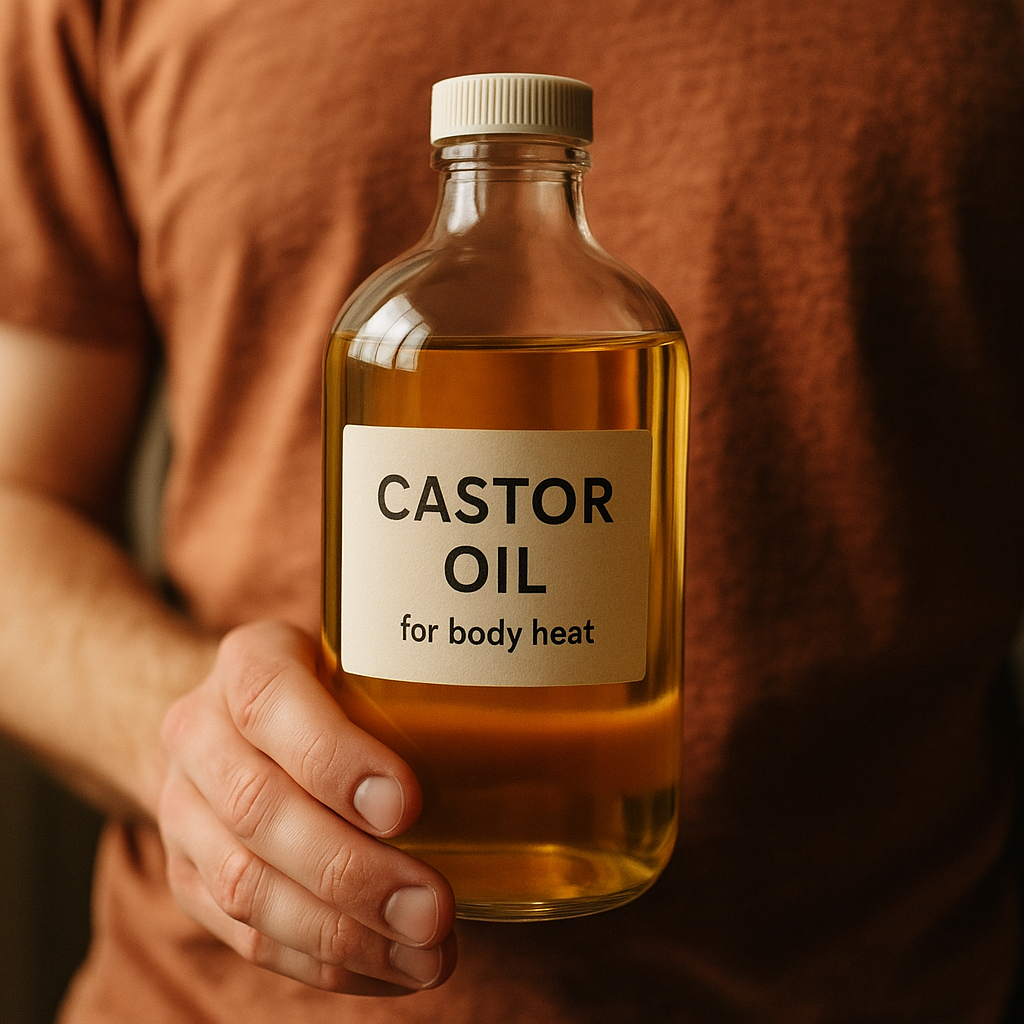
Which Oil Is Best to Reduce Body Heat
Not all oils are created equal—especially when it comes to their heating or cooling properties. Some oils generate warmth and are better suited for cold weather, while others naturally cool the body and soothe inflammation.
Let’s explore them one by one.
Does Castor Oil Reduce Body Heat?
Castor oil for body heat has been a go-to remedy in Ayurvedic and folk medicine for centuries. It has a dense, thick texture and a strong cooling action on the body. So yes, does castor oil reduce body heat? Absolutely. It works by penetrating deep into tissues and drawing out excess heat and toxins.
But here's something most people don't know: where to apply castor oil for body heat makes a big difference. We'll dive into that in just a bit.
How Sesame Oil and Gingelly Oil Affect Body Temperature
Now, this can be a bit confusing. Sesame oil—also called gingelly oil—has warming properties. So if you’re wondering does sesame oil reduce body heat, the answer is no, not really. In fact, it may even increase body heat if overused, especially in people with dominant Pitta dosha.
That said, in small quantities or mixed with cooling herbs, gingelly oil can be made more balanced. Still, not the first choice if you're already feeling overheated.
Coconut Oil: Cooling or Heating for the Body?
Ah, the classic question—coconut oil heat or cold for body? Or coconut oil is heat or cold for body? Coconut oil is definitely cooling. It’s widely used in South India, especially in summer, to calm heat rashes, reduce body temperature, and promote a feeling of lightness. If you're looking for an easy, accessible oil to reduce body heat, coconut oil is your buddy. Just don’t slather too much if you’re prone to cold or live in a chilly climate.
Is Badam (Almond) Oil Cooling or Heating?
Is badam oil heat or cold for body? This one’s a bit tricky. Almond (badam) oil is considered nourishing and slightly warming in Ayurveda. It's great for Vata types or during winter, but if your body’s already running hot, it might not be the best choice. You could blend it with a cooling oil like coconut to offset the heat a bit. Just a little pro tip there.
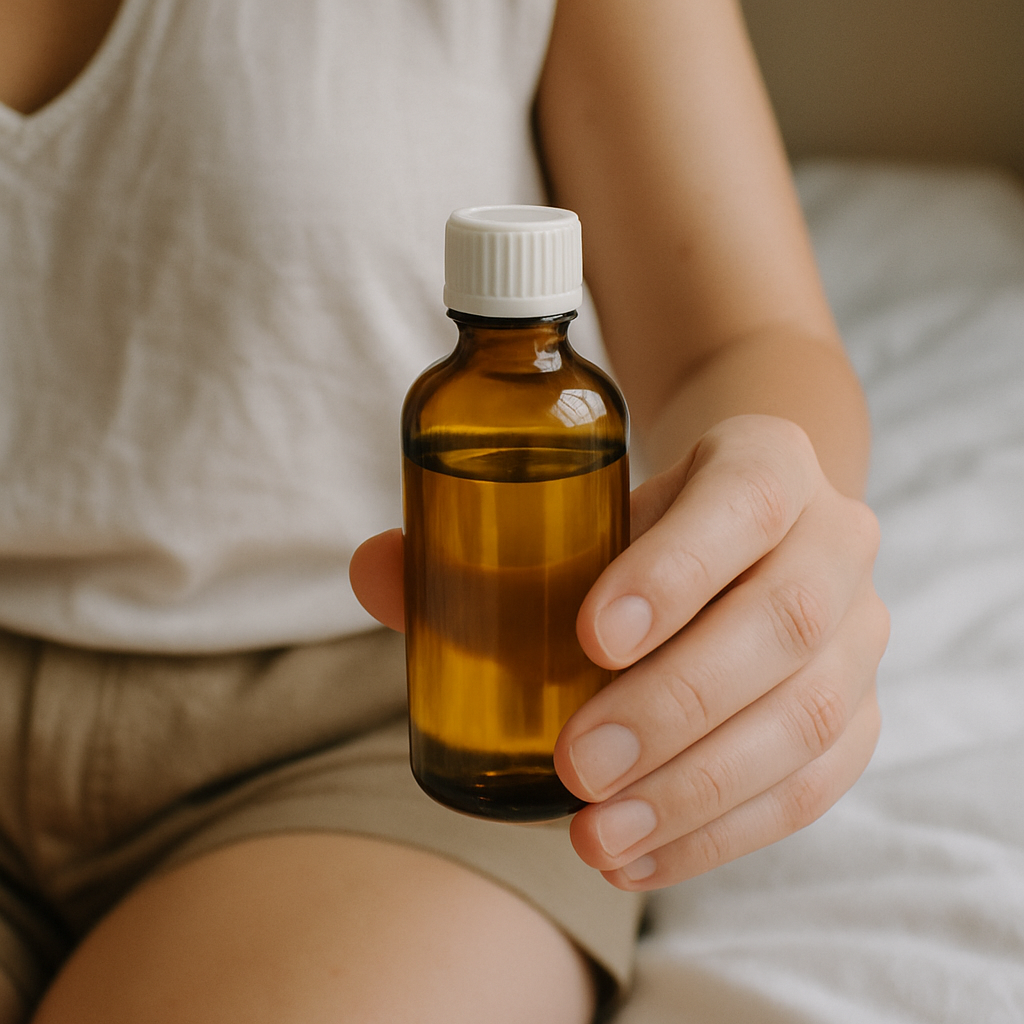
Where to Apply Castor Oil for Body Heat Relief
So, we’ve answered the big one: does castor oil reduce body heat? Yes, it does. But where and how you apply it? That’s just as important.
Traditionally, castor oil is applied to the navel area, also known as the nabhi in Ayurveda. This spot is considered an energy center and applying oil here can help cool the digestive fire that often contributes to overheating. Another key spot is the soles of the feet. Weird? Maybe. Effective? Definitely. The feet have major nerve endings that connect to various organs—massaging castor oil here can have a calming, cooling effect throughout your whole system.
Some also apply castor oil along the spine or lower back, especially when feeling stressed, inflamed, or just “hot-headed.” Just make sure you're using cold-pressed, pure castor oil—not the thick, sticky drugstore version that smells like motor oil (unless you're into that... which, okay?).
Before bed is the best time to do this, as your body gets a chance to rest and absorb all the cooling benefits while you sleep.
How to Use Cooling Oils Safely and Effectively
Now, even the best oil to reduce body heat needs to be used with a bit of care. These natural oils are powerful, and misusing them (or mixing them up) can lead to more problems than solutions.
Here’s what you should do:
-
Warm the oil gently before applying—unless it’s already warm where you live. Cold oil can shock the system, while slightly warmed oil absorbs better.
-
Test a patch of skin first if you’re trying a new oil, especially castor oil, since it can be quite potent and thick.
-
Don’t overdo it. More oil doesn't always mean more benefit. A thin layer is often enough.
-
Stay consistent. Applying oil once a month won’t cut it. Try to do it 2–3 times per week, especially during hot seasons or after a day in the sun.
-
Add calming rituals. A few deep breaths, relaxing music, or even light stretching before or after oil application can amplify its effects. Sounds woo-woo, but it works.
Oh and pro-tip? Keep a towel just for oiling. These oils stain—like, bad. Learned that the hard way :/
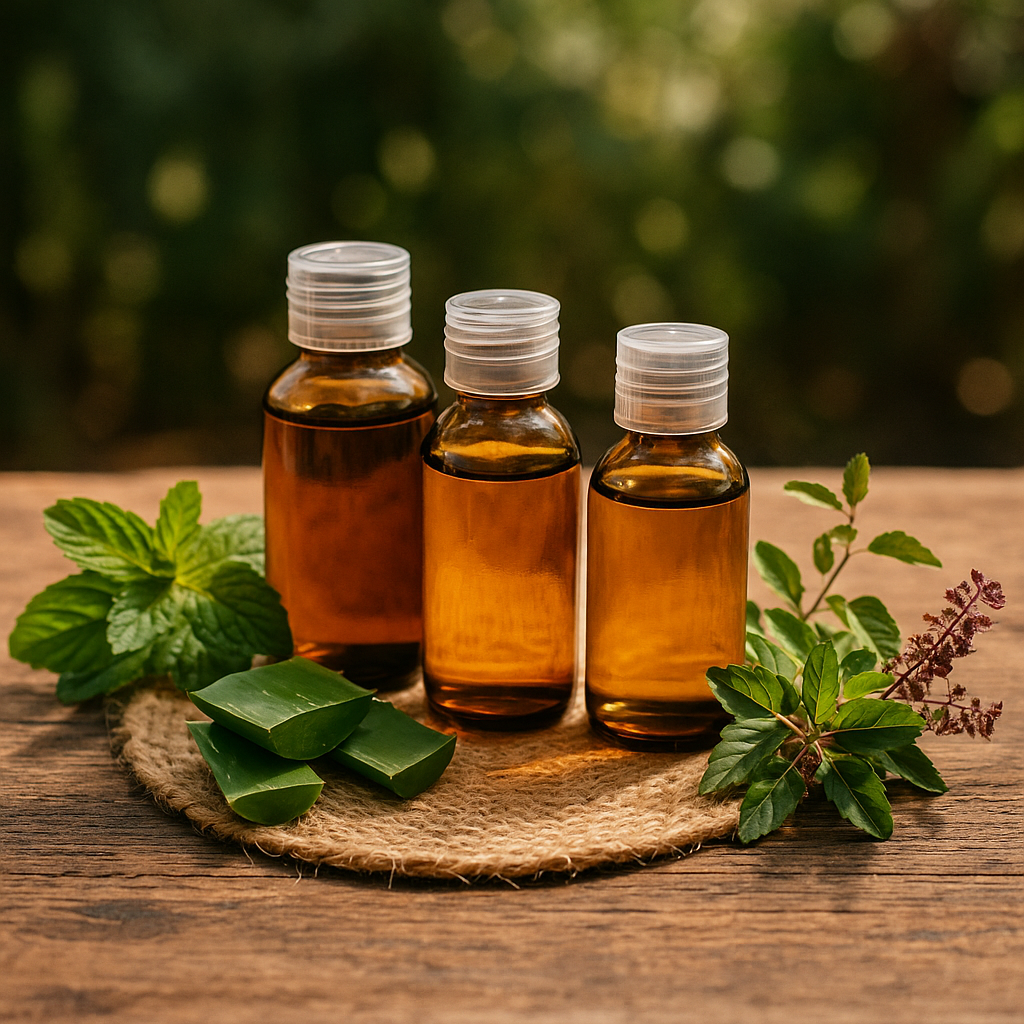
Body Heat Reduce Oil: Top Ayurvedic Recommendations
If you’re wondering which oils to try first, here’s a quick guide:
-
Castor Oil – Deeply cooling, best applied on the navel, feet, and lower back.
-
Coconut Oil – Mildly cooling, good for full-body use, especially scalp and skin.
-
Brahmi Oil – An herbal oil made from Brahmi leaves. Calms the mind and cools the system. Great for head massages.
-
Sandalwood Oil – Rare and pricey, but extremely effective at cooling and soothing inflammation.
-
Aloe Vera-infused Oils – While not always traditional, some Ayurvedic brands offer aloe-based oils that are amazing for heat relief.
-
Kumari Tailam – A lesser-known Ayurvedic blend that uses aloe (kumari) as a base. Excellent for women dealing with hormonal heat.
Each body is unique, so try one at a time and see how you respond. What works for your friend may not work for you—and that’s totally okay. This isn’t one-size-fits-all wellness. Ayurveda is about tuning in, not zoning out.
Don't wait or self medicate. Start chat with Doctor NOW
Precautions and When to Avoid Certain Oils
So now you're probably ready to run out and stock up on every body heat reduce oil in sight. But hold up. Just because something is natural doesn’t mean it’s right for everyone. Oils have different effects based on your body type (dosha), current health status, and even the weather outside.
Here’s what to watch for:
-
Avoid castor oil if you're pregnant, have diarrhea, or suffer from certain skin conditions. It’s detoxifying and can be a bit too strong for some folks.
-
Skip sesame (gingelly) oil during hot summer months if you already run warm. Remember: gingelly oil heat or cold for body? It’s warming, so not ideal when your internal thermostat's already cranked up.
-
Don’t apply oil over open wounds, infections, or inflamed acne unless guided by a practitioner. Seems obvious, but hey—it happens.
-
Coconut oil is cooling, yes, but avoid using too much if you're naturally prone to cold feet (literally) or sluggish digestion. Coconut oil is heat or cold for body? Cold. Too much of it can tip you into imbalance the other way.
-
Badam oil, as we covered, is warming. So if you’re using it, do it in moderation—maybe just on the scalp or mixed with a cooler oil.
Always listen to your body. If you start feeling worse instead of better, stop and reassess. Ayurveda's golden rule: If it doesn’t feel right, it probably isn’t.
Conclusion
There’s no one magic potion for everyone. But if you’ve been wondering which oil reduce body heat, the Ayurvedic world has some amazing answers—natural, time-tested, and deeply soothing.
To recap:
-
Castor oil is a strong, effective option—especially when used on the navel and feet.
-
Coconut oil is your everyday go-to for gentle cooling.
-
Sesame (gingelly) oil warms the body—use it wisely.
-
Badam (almond) oil is warming and best suited for cooler seasons.
-
And where to apply castor oil for body heat? Think navel, feet, and lower spine.
Whether you're struggling with body heat from stress, spicy food binges (been there...), or summer’s scorching wrath, the right oil to reduce body heat can be a game-changer.
Give it a try. Your body will thank you.
FAQs
Q: How can I reduce my body heat fast?
A: Start with a cold-pressed coconut oil massage, hydrate with water or buttermilk, avoid spicy or fried food, and rest in a cool, shaded place. A quick castor oil application on the soles of your feet or navel can help too.
Q: Why is my body always hot?
A: It could be due to high Pitta dosha, hormonal imbalance, stress, poor digestion, or even your natural constitution. Check your diet—too much coffee, spicy food, or alcohol? Also consider your sleep and stress levels.
Q: Where should I apply castor oil for maximum cooling?
A: Apply it to the navel, soles of the feet, and lower back. These areas are highly responsive and help draw excess heat out from deep within the system.
Final Thought
If you’ve made it this far—first, thank you (seriously). Second, why not give one of these oils a try tonight? Just 10 minutes of self-care with the right oil to reduce body heat might surprise you.
And hey, if this article helped, share it. Someone in your circle is probably sweating through life, and they don't even know castor oil could be the answer.
Stay cool. Literally. 😅
Questions from users
How can deep breathing exercises help cool down the body?
Client_1c2e93
22 days ago
Deep breathing exercises can help cool down the body by activating the parasympathetic nervous system, which promotes relaxation and reduces overall body heat. This practice encourages slower, deeper breaths that can lower your heart rate and metabolic activity, thus helping to dissipate excess body heat. Common techniques, like diaphragmatic breathing or the 4-7-8 method, should be practiced regularly—about 10 minutes daily—to see benefits. For best results, combine with staying hydrated and dressing appropriately in hot weather. If you experience persistent overheating or symptoms of heat-related illness, you should consult a healthcare professional.
How do hydration levels affect body temperature regulation?
Client_393145
32 days ago
Hydration levels play a crucial role in body temperature regulation. When well-hydrated, your body can efficiently sweat to cool down, maintaining a stable internal temperature. Dehydration impairs this cooling mechanism, potentially leading to overheating or conditions like heat exhaustion. To maintain optimal hydration, aim for at least 8-10 glasses of water a day, but increase intake during hot weather or exercise. Watch for signs of dehydration, such as dark urine or dizziness, and seek medical advice if symptoms persist despite adequate fluid intake.
How does applying castor oil on the spine relieve stress?
Client_0532ed
42 days ago
Applying castor oil on the spine is not scientifically proven to relieve stress, but it may offer some comfort due to its moisturizing properties and the soothing effect of massage. The act of massaging in circular motions promotes relaxation and blood circulation, which can help reduce stress and tension. For a more therapeutic approach, techniques like progressive muscle relaxation or regular physical activity may be beneficial. If stress persists, consider consulting a healthcare provider for tailored advice.
What lifestyle changes can help regulate body temperature naturally?
Client_783b66
51 days ago
To help regulate body temperature naturally, start with regular hydration, as proper fluid intake helps maintain internal temperature. Incorporate cooling foods like cucumbers and watermelons into your diet. Dress in breathable, lightweight fabrics such as cotton. Regular physical activity can improve your body's temperature regulation over time, but avoid exercising in extreme heat. Monitor for signs of medical conditions like hyperthyroidism if you experience persistent temperature regulation issues, and consult a healthcare provider if necessary.
How does massage with castor oil on the feet help with stress relief?
Client_45cf32
61 days ago
Massaging the feet with castor oil may relieve stress by utilizing the nerve endings on the soles that connect to the rest of the body, offering a calming and cooling effect. Castor oil's anti-inflammatory properties can help relax tense muscles and promote blood flow, contributing to stress reduction. To get the most benefit, use cold-pressed, pure castor oil. If symptoms of stress persist despite self-care, it is wise to consult a healthcare professional.
Is castor oil effective for calming inflammation when applied to the lower back?
Client_8bf67f
70 days ago
Yes, castor oil can be effective for calming inflammation when applied to the lower back. It's known for its anti-inflammatory properties. Just make sure it's cold-pressed and pure for best results. Massage it in gently, and maybe use a warm towel after to help it absorb. But remember, oils can stain, so be careful with clothing!
What is the best way to combine oils for maximum cooling effect in hot weather?
Client_4fd6ac
80 days ago
Combining coconut oil and sandalwood oil might work wonders for cooling! Coconut oil is naturally cooling and soothing. Sandalwood, has a cooling effect on the skin too. Mix them together for great relief. Start with smthg like 90% coconut oil and 10% sandalwood oil, but feel free to adjust as you see fit.
Is it safe to use coconut oil if I have a sensitive skin type?
Client_860335
89 days ago
Using coconut oil on sensitive skin can be a bit of a hit or miss. It's hydrating and calming due to its cooling properties, but it might clog pores for some. If you try it, patch-test first on a small area. If you're still unsure, consider lighter oils like sunflower or jojoba, which are usually gentler on sensitive skin.
Is it safe to apply coconut oil directly on the skin for heat relief?
Client_6ce95b
98 days ago
Definitely, coconut oil can be super soothing for heat relief and is generally safe to apply directly on skin. It's cooling and nourishing. Just test it on a small patch of skin first if you haven’t used it before to avoid any surprise reactions, especially if you have sensitive skin, you know 🙂
Can I use castor oil on my feet to help reduce overall body heat?
Client_ffedb2
107 days ago
Yes, you can use castor oil on your feet to help with body heat. It helps reduce Pitta dosha, cooling down the body by drawing out excess heat. Just a quick application might do the trick, maybe even on the navel. Everyone's different though, so see how it feels for you!
Related articles

Body Detox
What Is Ayurveda? Ancient Wisdom for Modern Wellness
What is Ayurveda? Discover its meaning, doshas, and philosophy. Learn how this ancient holistic system brings balance to mind, body, and modern life
2,254

Body Detox
Pizhichil Benefits: Why This Ancient Oil Bath Therapy Still Matters Today
So, you’re here because someone mentioned Pizhichil — maybe your yoga instructor or that Ayurvedic clinic downtown that smells like sesame oil and peace. You Googled it. And now you’re wondering: What exactly is Pizhichil? Why is everyone suddenly acting
2,826

Body Detox
Katakakhadiradi Kashayam Uses – A Natural Ayurvedic Remedy
Explore the benefits and uses of Katakakhadiradi Kashayam, a traditional Ayurvedic formulation known for its therapeutic properties in treating digestive issues, detoxifying the body, and promoting skin health.
3,850

Body Detox
Chitrak Haritaki Uses, Dose, Side Effects, And Ingredients
Exploration of Chitrak Haritaki Uses, Dose, Side Effects, And Ingredients
4,242

Body Detox
How to Take Steam Bath at Home: Ayurvedic Guide to Detox and Relaxation
How to take steam bath at home? Learn how to make a steam bath at home, set it up safely, and use herbal bath powders for detox, relaxation, and skin care
7,245

Body Detox
What Is Durva Grass: Identification, Meaning, and Benefits
What is durva grass and how to identify it? Learn the meaning of durva, benefits of durva grass, and Ayurvedic uses of durva plant, leaves, and seeds
13,632

Body Detox
Maha Manjishtadi Kashayam – Benefits, Dose, Side Effects, Ingredients, Reference
Exploration of Maha Manjishtadi Kashayam – Benefits, Dose, Side Effects, Ingredients, Reference
4,360
Body Detox
How to Actually Balance Vata Dosha — Without Driving Yourself Nuts
In Ayurveda — India’s ancient system of natural healing — Vata is one of the three doshas, or bodily energies. It’s made of air and ether, so you can guess it’s kind of floaty. It governs movement, speech, creativity, quick thinking, but also... anxiety,
3,599

Body Detox
What Is Mud Therapy? Pelotherapy Benefits, Ayurvedic Use, and Treatment Guide
What is mud therapy? Explore types of mud therapy, Ayurvedic uses, pelotherapy benefits, and how to try mud therapy at home for healing and wellness
7,365

Body Detox
Mahasudarshan Kadha – Herbal, Benefits, Uses, Dosage
Exploration of Mahasudarshan Kadha – Herbal, Benefits, Uses, Dosage
4,672
Related consultations on the topic
Legal
Additional Documents
© 2024 Ask Ayurveda. All rights reserved.