Ask Ayurvedic doctor a question and get a consultation online on the problem of your concern in a free or paid mode. More than 2,000 experienced doctors work and wait for your questions on our site and help users to solve their health problems every day.


Body DetoxEar, Nose, and Throat DisordersGeriatrics & RejuvenationImmunodeficiencyInfertility TreatmentNutritionOrthopedic DisordersPediatricsRespiratory DisordersSexually Transmitted Diseases (STDs)Surgery RecoveryUrological DisordersVascular DisordersDental DisordersEndocrinological DisordersGastrointestinal DisordersYoga TherapyGeneral MedicineAllergic DisordersCardio DisordersGynecology and ObstetricsCosmetologySkin and Hair DisordersEye DisordersInfectious DiseasesMental DisordersNeurological DisordersOncologyPanchakarmaSexual Health & DisordersSports Medicine
Published on 10/08/24
(Updated on 08/06/26)
4,403
Ayurvedic Treatment for Common Cold
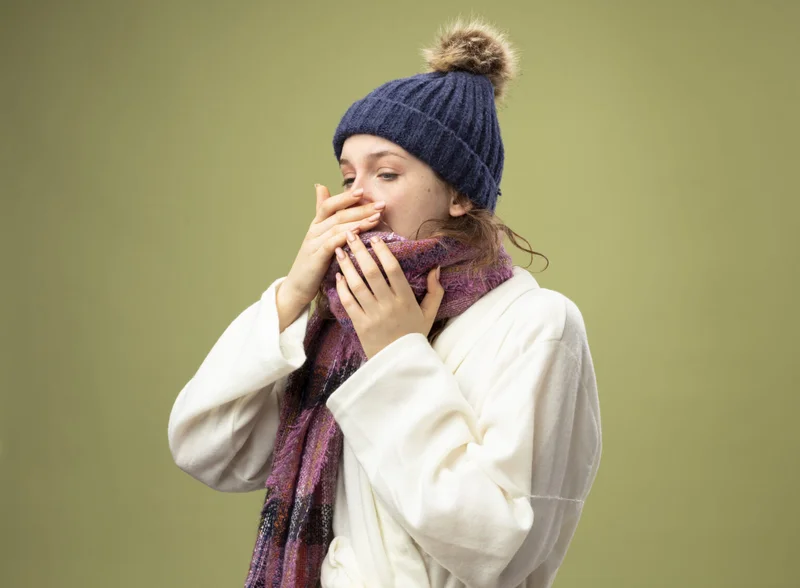
The best ayurvedic treatment for common cold involves a combination of herbal remedies like Tulsi, ginger, turmeric, and classical formulations such as Sitopaladi Churna and Tribhuvankirti Ras — paired with dietary adjustments, steam inhalation, and dosha-specific lifestyle changes. Unlike conventional OTC medicines that mainly suppress symptoms, Ayurveda targets the root cause: a disrupted Agni (digestive fire) and aggravated doshas, primarily Kapha and Vata.
If you've ever been wrapped in three blankets and still felt cold, with a pounding headache and a throat that makes you dread swallowing — you know exactly what a common cold feels like. It affects adults 2–4 times a year and children up to 8–10 times annually (according to the National Institutes of Health). While it's rarely dangerous, a common cold left unmanaged can spiral into sinusitis, bronchitis, or ear infections. Ayurveda offers a time-tested, holistic system that not only relieves symptoms faster but strengthens your immunity to prevent recurrence.
This guide covers everything: from the Ayurvedic understanding of why you catch colds to personalized dosha-based treatments, pediatric dosages, Panchakarma therapies, specific formulations with dosages, and critical red flags when you should stop home-treating and see a doctor.
What Is the Ayurveda Term for Common Cold?
In Ayurveda, the common cold is referred to as Pratishyaya (प्रतिश्याय). The ancient text Charaka Samhita describes it as a Nasagata Roga — a disease originating in the nasal passages. Acharya Charaka classified Pratishyaya into five types based on the dominant dosha:
Types of Pratishyaya by Dosha
| Type | Dominant Dosha | Key Symptoms |
|---|---|---|
| Vataja Pratishyaya | Vata | Thin, watery discharge; sneezing; dry throat; headache; hoarse voice |
| Pittaja Pratishyaya | Pitta | Yellow/warm nasal discharge; fever; burning sensation in nose/eyes; thirst |
| Kaphaja Pratishyaya | Kapha | Thick, white/sticky mucus; heaviness in head; loss of appetite; dull headache |
| Sannipataja Pratishyaya | Tridosha | Mixed symptoms from all three doshas; most severe presentation |
| Dushta Pratishyaya | Chronic | Recurring cold that has become deep-seated; foul-smelling discharge; nasal polyps |
The root cause in almost every case is Mandagni — weakened digestive fire — which leads to Ama (toxin) accumulation. This Ama blocks the Srotas (body channels), particularly the Pranavaha Srotas (respiratory channels) and Rasavaha Srotas (lymphatic channels), creating the perfect environment for a cold to take hold.
Understanding your Pratishyaya type is critical because — and this is something no other guide covers — the treatment differs significantly based on your dosha imbalance.
What Is the Best Ayurvedic Medicine for a Cold?
There's no single "best" remedy. The most effective approach combines individual herbs with classical formulations. Here are the most potent options, organized by their primary action.
Tulsi (Holy Basil) — The Queen of Herbs
- Tulsi (Ocimum tenuiflorum) is perhaps the most widely used Ayurvedic remedy for respiratory infections. A 2017 study published in the Journal of Ayurveda and Integrative Medicine confirmed its significant immunomodulatory and antiviral properties.
- Tulsi works by:
- Reducing nasal congestion through its natural decongestant action
- Lowering mild fever via its diaphoretic (sweat-inducing) properties
- Soothing sore throat with its anti-inflammatory compounds
How to use: Boil 8–10 fresh Tulsi leaves in 2 cups of water for 5–7 minutes. Add half a teaspoon of freshly grated ginger and a pinch of black pepper. Strain and drink 2–3 times daily.
Ginger (Adrak / Sonth)
- Fresh ginger (Adrak) is best for acute symptoms, while dry ginger powder (Sonth) is preferred for chronic or Kapha-dominant colds.
- Gingerol and shogaol — the active compounds — have demonstrated anti-inflammatory effects comparable to NSAIDs in a 2020 meta-analysis published in Phytomedicine.
Recipe for Ginger-Honey Paste: Mix ½ teaspoon of dry ginger powder with 1 teaspoon of raw honey and a pinch of black pepper. Take this mixture twice daily, 30 minutes before meals.
Turmeric (Haridra) — Nature's Anti-Inflammatory
Curcumin, the active compound in turmeric, has over 12,000 published studies supporting its anti-inflammatory and antioxidant activity. For colds specifically, it reduces cytokine-mediated inflammation in the respiratory tract.
Golden Milk Recipe: Warm 1 cup of milk (preferably A2 cow milk or almond milk), add ½ teaspoon turmeric powder, a pinch of black pepper (to enhance curcumin absorption by 2,000% — a finding from a study in Planta Medica), and ¼ teaspoon of ghee. Drink before bedtime.
Pippali (Long Pepper)
Pippali (Piper longum) is a powerful Kapha-pacifying herb with strong expectorant action. It's specifically mentioned in Charaka Samhita for Pratishyaya treatment. Pippali works on the Rasa and Rakta Dhatus, clearing phlegm from the chest and sinuses.
Dosage: ¼ to ½ teaspoon of Pippali powder mixed with honey, twice daily after meals.
Giloy / Guduchi (Tinospora cordifolia)
Called "Amrita" (nectar) in Ayurveda, Giloy is arguably the most potent immunomodulator in the Ayurvedic pharmacopoeia. A 2019 clinical study in the Indian Journal of Pharmacology demonstrated that Giloy extract increased macrophage activity and enhanced the body's natural killer cell function.
How to use: Extract juice from a 6-inch Giloy stem by crushing and straining. Take 2–3 tablespoons with water on an empty stomach. Alternatively, take Giloy tablets (500 mg, twice daily).
Additional Key Herbs
| Herb | Primary Action | Best For | Dosage |
|---|---|---|---|
| Mulethi (Liquorice) | Expectorant, throat-soothing | Sore throat, dry cough | Chew small stick or ½ tsp powder in warm water |
| Amla (Indian Gooseberry) | Vitamin C source, antioxidant | Immune boosting, allergic cold | 1–2 tsp Amla juice or 500 mg tablet daily |
| Cinnamon (Dalchini) | Antiviral, warming | Chills, Vata/Kapha cold | ¼ tsp powder in honey or tea |
| Black Pepper (Maricha) | Bioenhancer, expectorant | Congestion, phlegm | 2–3 crushed peppercorns in honey |
| Peppermint (Pudina) | Decongestant, cooling | Pitta-type cold with burning | Fresh leaves in tea or steam inhalation |
Ayurvedic Classical Formulations: Dosages and Indications
- This is where most online guides fall short. Individual herbs are helpful, but Ayurveda's real strength lies in its Yogas (classical compound formulations) that combine multiple herbs in synergistic ratios.
- Here are the most effective ones for common cold:
Sitopaladi Churna
The gold standard for respiratory complaints in Ayurveda. Contains Mishri (rock sugar), Vamshalochana (bamboo manna), Pippali, Ela (cardamom), and Dalchini (cinnamon).
- Adult dosage: 1–3 grams with honey, twice or thrice daily after food
- Action: Clears congestion, reduces cough, kindles Agni
- Best for: Kapha and Vata-type colds with productive cough
Talisadi Churna
Similar to Sitopaladi but with the addition of Talispatra (Abies webbiana), making it more potent for deeper respiratory congestion.
- Adult dosage: 1–2 grams with honey, twice daily
- Best for: Severe congestion with thick phlegm
Tribhuvankirti Ras
A potent herbo-mineral formulation containing Shuddha Hingula (purified cinnabar), Pippali, Shunthi (dry ginger), Maricha (black pepper), and Tankana Bhasma.
- Adult dosage: 125–250 mg with honey and ginger juice, twice or thrice daily
- Action: Powerful antipyretic and anti-inflammatory; breaks fever within 24–48 hours
- Caution: Should be taken under practitioner supervision; not for prolonged use
Lakshmi Vilas Ras
Particularly effective for recurrent colds and where immunity is fundamentally compromised. Contains Abhrak Bhasma, Shuddha Gandhak, and various herbs.
- Adult dosage: 125–250 mg with honey, twice daily
- Best for: Chronic or recurrent Pratishyaya, weakened immunity
Chyawanprash
More of a preventive Rasayana (rejuvenative) than an acute treatment. A 2018 randomized controlled trial published in the Journal of Ethnopharmacology showed that regular Chyawanprash consumption reduced the incidence of upper respiratory infections by 40% in children.
- Adult dosage: 1–2 teaspoons with warm milk, daily
- Children (5+ years): ½ to 1 teaspoon daily
Dosha-Specific Treatment: Personalized Cold Management
One-size-fits-all advice is the biggest gap in most cold treatment guides. Here's how to tailor your approach.
Vata-Type Cold (Vataja Pratishyaya)
Symptoms: Dry, thin nasal discharge; frequent sneezing; body aches; restlessness; disturbed sleep; dry cough without mucus. Treatment approach:
- Herbs: Dashmool decoction, Ashwagandha, Bala, Sonth with jaggery
- Diet: Warm, unctuous foods — khichdi with ghee, soups with root vegetables, warm milk with turmeric
- Oil therapy: Anu Taila nasya (2 drops in each nostril, morning)
- Avoid: Cold foods, raw salads, excessive fasting, late nights
Pitta-Type Cold (Pittaja Pratishyaya)
Symptoms: Yellow or greenish nasal discharge; burning sensation in eyes/nose; mild to moderate fever; irritability; thirst. Treatment approach:
- Herbs: Guduchi (Giloy), Amalaki, Yashtimadhu (Mulethi), Coriander seed decoction
- Diet: Cooling yet warm-temperature foods — rice with mung dal, coconut water (at room temperature), cucumber, pomegranate
- Avoid: Spicy foods, excessive garlic, fermented foods, direct sun exposure
- Special tip: Drink coriander seed water — soak 1 tbsp overnight, boil and strain in the morning
Kapha-Type Cold (Kaphaja Pratishyaya)
Symptoms: Heavy, thick, white mucus; nasal blockage; heaviness in head; loss of appetite; lethargy; feeling of chest congestion. Treatment approach:
- Herbs: Pippali, Maricha, Trikatu Churna, Sitopaladi Churna, Tulsi
- Diet: Light, warm, dry foods — roasted millet, barley soup, vegetable broth (avoid cream-based soups)
- Steam inhalation: Essential — add eucalyptus oil or Ajwain seeds to boiling water, inhale for 10 minutes
- Avoid: Dairy products, sweets, heavy/oily foods, cold drinks, sleeping during daytime
- Special formula: Trikatu (equal parts Sonth, Maricha, Pippali) — ¼ tsp with honey, thrice daily
Panchakarma Therapies for Chronic and Recurrent Colds
When home remedies aren't enough — especially for those who catch colds every few weeks — Ayurveda's Panchakarma procedures offer deeper healing. These should be done by a trained Ayurvedic practitioner only.
Nasya Karma (Nasal Administration)
This is the most important Panchakarma procedure for Pratishyaya. Medicated oils like Anu Taila or Shadbindu Taila are instilled into the nostrils.
- Pratimarsha Nasya (daily mild dose): 2 drops of Anu Taila in each nostril every morning — safe for daily self-administration
- Marsha Nasya (therapeutic dose): 6–8 drops in each nostril, done by practitioner for 7 consecutive days
- Mechanism: Clears accumulated Kapha from Shiras (head region), opens Srotas, prevents recurrence
Dhumapana (Herbal Smoking)
Not to be confused with tobacco smoking. Dhumapana involves inhaling medicated smoke from herbs like Haridra, Guggulu, and Vacha through a special pipe.
- Indication: Chronic nasal congestion, heaviness in head, Kapha-dominant conditions
- Duration: 3–5 inhalations through each nostril, exhaled through the mouth
- Frequency: Once or twice daily during acute phase
Abhyanga (Medicated Oil Massage)
Full body massage with warm sesame oil or Bala Taila, followed by steam (Swedana). This is particularly effective for Vata-type colds with body aches.
- How it helps: Loosens Ama from tissues, improves circulation, calms Vata, induces therapeutic sweating
- Duration: 30–45 minute massage followed by 10–15 minutes steam therapy
Don't wait or self medicate. Start chat with Doctor NOW
What Should We Eat in Ayurveda for Cold?
- Diet is considered half the treatment in Ayurveda.
- The principle is simple: eat what kindles your Agni and avoid what creates more Ama.
Foods to Eat
- Khichdi — Moong dal and rice with ghee, turmeric, and cumin (the ultimate Ayurvedic sick-day meal)
- Warm vegetable soups — Especially with garlic, ginger, black pepper
- Kadha/Kashaya (herbal decoction) — Boil Tulsi, ginger, black pepper, cinnamon, and clove in water for 15 minutes; strain and add honey when lukewarm
- Warm water — Sip throughout the day; never cold water during a cold
- Light grains — Old rice, barley, ragi
- Garlic — 2 cloves crushed in warm water or added to soup (powerful antiviral)
Foods to Avoid Strictly
- Cold milk and dairy products — These increase Kapha dramatically and worsen congestion
- Fried and heavy foods — Suppresses already-weakened Agni
- Cold beverages, ice cream — Obvious but worth stating
- Bananas, curd/yogurt — Kapha-aggravating, especially at night
- Refined sugar — Increases inflammatory cytokines and Ama formation
- Excessive meat — Hard to digest when Agni is low
Kadha Recipe (Immunity Booster Decoction)
This recipe became widely popular during COVID-19 and was recommended by India's Ministry of AYUSH:
Ingredients: 4–5 Tulsi leaves, 1-inch ginger (crushed), 5 black peppercorns, 1 small cinnamon stick, 3 cloves, ½ tsp turmeric, 2 cups water. Method: Boil all ingredients in water until reduced to 1 cup. Strain, cool slightly, add 1 tsp honey and a squeeze of lemon. Drink warm, twice daily.
Pranayama and Yoga Techniques for Cold Relief
Breathing exercises aren't just supportive — they directly open blocked nasal passages and strengthen respiratory immunity. Here are specific techniques.
Kapalbhati Pranayama (Skull-Shining Breath)
- How: Sit comfortably. Exhale forcefully through the nose by contracting your abdominal muscles. Inhalation happens passively.
- Duration: Start with 30 strokes, gradually increase to 120
- Benefit: Clears sinuses, expels Kapha from the head region, warms the body
- Caution: Avoid during fever or high blood pressure
Anulom Vilom (Alternate Nostril Breathing)
- How: Close right nostril with thumb, inhale through left for 4 counts. Close both nostrils, hold for 4 counts. Release right nostril, exhale for 8 counts. Repeat on other side.
- Benefit: Balances Ida and Pingala Nadis, reduces congestion gradually, calms the nervous system
Jala Neti (Nasal Irrigation)
A powerful Shatkarma (cleansing technique) using a Neti pot with lukewarm saline water.
- Solution: ½ teaspoon non-iodized salt in 500 ml lukewarm water
- Frequency: Once daily during cold; twice weekly for prevention
- Evidence: A 2019 Cochrane review found nasal saline irrigation moderately effective for both acute and chronic rhinosinusitis symptoms
Bhastrika Pranayama
Best avoided during acute infection but excellent for the recovery phase. Involves forceful inhalation and exhalation through both nostrils.
Best Ayurvedic Medicine for Cough and Cold for Children
Treating children requires extra caution. Their doshas are naturally Kapha-dominant, and their Agni is still developing.
Safe Remedies by Age Group
| Age Group | Safe Remedies | Dosage | Notes |
|---|---|---|---|
| 0–1 year | Breast milk with mother taking Tulsi tea; light Abhyanga with sesame oil | — | Never give honey to children under 1 year (botulism risk) |
| 1–3 years | Turmeric milk (¼ tsp), steam inhalation (in bathroom), Sitopaladi Churna | Sitopaladi: 250–500 mg with honey | Avoid Pippali and strong spices |
| 3–6 years | Tulsi-ginger tea (diluted), Chyawanprash, Sitopaladi Churna, mild Kadha | Sitopaladi: 500 mg–1 g; Chyawanprash: ½ tsp | Can introduce small amounts of Trikatu |
| 6–12 years | All adult remedies at half dosage; Giloy juice (1 tbsp) | Half of adult doses | Monitor for any allergic reactions |
| 12+ years | Adult dosages generally appropriate | Full adult doses | Consider body weight; lighter children need lower doses |
Pediatric Golden Rules
- Always start with the lowest dose and observe for 24 hours
- Honey is the best Anupana (vehicle) for children above 1 year — most children accept medicines readily when mixed with honey
- Steam inhalation for young children: Run a hot shower and sit in the steamy bathroom with the child for 10–15 minutes. Never hold a child's face over a steaming bowl
- Tulsi drops — Many pharmacies sell Tulsi extract drops; 2–3 drops in warm water are well tolerated
Gargling, Steam Inhalation, and Other Supportive Therapies
Salt Water Gargling
Simple yet remarkably effective. A 2005 study published in the American Journal of Preventive Medicine found that regular gargling with salt water reduced upper respiratory tract infections by 36%.
- Method: ½ teaspoon salt + ¼ teaspoon turmeric in a glass of warm water
- Frequency: 3–4 times daily
- Ayurvedic upgrade: Add a pinch of Triphala powder or Yashtimadhu for enhanced sore-throat relief
Steam Inhalation
- Basic: Plain hot water steam, 10–15 minutes, 2–3 times daily
- Enhanced: Add 3–4 drops eucalyptus oil, or 1 tsp Ajwain seeds, or Nilgiri Taila
- With herbs: Add Tulsi leaves and a pinch of turmeric to the boiling water
- Caution: Maintain 12-inch distance from the water surface to prevent burns
Seasonal Prevention: Ritucharya for Cold Prevention
Ayurveda's seasonal regimen (Ritucharya) is a preventive framework that no competitor covers adequately. Here's how to stay cold-free through the year.
Varsha Ritu (Monsoon — July to September)
- Vata aggravation is highest; Agni is at its weakest
- Do: Eat warm, freshly cooked, lightly oiled foods; use medicated water (boiled with Sonth); take Chyawanprash daily
- Avoid: Street food, cold water, sleeping on damp surfaces
Hemant Ritu (Early Winter — November to January)
- Kapha starts accumulating but Agni is naturally strong
- Do: Eat nourishing foods — milk, ghee, wheat, sesame; do Abhyanga with warm sesame oil
- This is actually the best time to build immunity for the year ahead
Shishir Ritu (Late Winter — January to March)
- Accumulated Kapha begins to liquefy as temperatures rise
- Do: Continue warm, light diet; take Trikatu with honey; practice Kapalbhati
- This is when most colds occur — transitional weather disturbs all three doshas
When to See a Doctor: Red Flags You Shouldn't Ignore
Ayurvedic home treatment is effective for most common colds, but some situations demand professional medical attention. Ignoring these signs can be dangerous.
Seek Immediate Medical Care If:
- Fever exceeds 103°F (39.4°C) or persists beyond 3 days
- Difficulty breathing or shortness of breath at rest
- Symptoms lasting more than 10 days without improvement
- Yellow-green or blood-tinged sputum/nasal discharge — may indicate bacterial infection
- Severe headache with neck stiffness — rule out meningitis
- Chest pain or pressure
- In children: Refusal to drink fluids, excessive irritability, bluish lips/skin
- In elderly or immunocompromised: Any cold lasting more than 5 days
Contraindications and Drug Interactions
This is a critical safety section that almost no Ayurvedic cold guide provides:
| Ayurvedic Remedy | Contraindication | Drug Interaction |
|---|---|---|
| Mulethi (Liquorice) | Hypertension, hypokalemia, pregnancy | Interacts with diuretics, corticosteroids, digoxin |
| Turmeric (high-dose) | Gallstones, bile duct obstruction | Anticoagulants (warfarin, aspirin) — may increase bleeding risk |
| Honey | Children under 1 year (botulism risk) | — |
| Giloy | Autoimmune conditions (may overstimulate immune system) | Immunosuppressant medications |
| Pippali | Gastric ulcers, hyperacidity (Pitta conditions) | — |
| Tribhuvankirti Ras | Pregnancy, children under 12, liver/kidney disease | Antipyretic drugs (may cause excessive temperature drop) |
- Ayurveda vs OTC Medicines: A Honest Comparison
| Parameter | Ayurvedic Treatment | OTC (Allopathic) Medicines |
|---|---|---|
| Speed of relief | Gradual (12–48 hours for noticeable relief) | Faster symptomatic relief (30–60 minutes) |
| Root cause treatment | Yes — addresses dosha imbalance and Agni | No — suppresses symptoms only |
| Side effects | Minimal when used correctly | Drowsiness, dry mouth, liver load, rebound congestion |
| Recurrence prevention | Strong — builds Ojas and immunity | None — no preventive action |
| Cost (monthly) | ₹50–300 for most herbal preparations | ₹100–500 for branded OTC medicines |
| Suitability for children | Many options safe for young children | Limited options; many not approved under 6 years |
| Long-term use safety | Generally safe for herbs; caution with Bhasmas | Not recommended beyond 7–10 days |
| Scientific evidence | Growing body of clinical evidence; traditional validation | Extensive clinical trial data |
The smartest approach? Use Ayurvedic remedies as your primary treatment for mild-to-moderate colds. If symptoms are severe or you need to function immediately (important meeting, travel), there's no shame in combining with OTC relief while maintaining Ayurvedic support for deeper healing.
Frequently Asked Questions
What is the fastest natural cure for a cold?
- The fastest Ayurvedic relief comes from combining Trikatu Churna (¼ tsp) with honey taken every 4–6 hours, along with continuous sipping of Tulsi-ginger-black pepper kadha and steam inhalation 3 times daily. Most people report significant relief within 24 hours with this triple approach.
- However, "cure" is somewhat misleading — a cold virus runs its course in 7–10 days regardless, but you can dramatically reduce symptom severity and duration.
What is the best Ayurvedic medicine for sneezing and runny nose?
For persistent sneezing (Kshvathu) and rhinorrhea, Tribhuvankirti Ras (125 mg with ginger juice and honey) is the most effective classical preparation. For a gentler approach, Sitopaladi Churna with honey works well. Daily Pratimarsha Nasya with 2 drops of Anu Taila is specifically indicated for sneezing and watery nasal discharge.
Can I take Ayurvedic medicines along with allopathic cold medicines?
In most cases, yes — but with caveats. Common herbs like Tulsi, ginger, and turmeric in culinary doses are safe alongside OTC cold medicines. However, maintain a 2-hour gap between Ayurvedic and allopathic medicines. Avoid combining Tribhuvankirti Ras with paracetamol (both have antipyretic action). Always inform both your Ayurvedic and allopathic doctor about what you're taking.
How is common cold different from flu (influenza)?
- While symptoms overlap, influenza hits harder and faster. Flu typically presents with high fever (102–104°F), severe body aches, extreme fatigue, and can last 1–3 weeks.
- A common cold develops gradually with milder symptoms — mainly runny nose, sneezing, mild sore throat — and resolves in 7–10 days. In Ayurvedic terms, flu involves deeper Dhatu involvement and stronger Ama formation, requiring more aggressive treatment.
Is Ayurvedic treatment safe during pregnancy?
- Many common remedies like Tulsi tea (in moderate amounts), turmeric milk, ginger (up to 1 gram/day), steam inhalation, and salt water gargling are generally safe.
- However, strictly avoid: Pippali in high doses, Tribhuvankirti Ras, Lakshmi Vilas Ras, all Bhasma-containing formulations, and strong Panchakarma procedures. Always consult an Ayurvedic practitioner experienced in Prasuti Tantra (Ayurvedic obstetrics) before taking any medication during pregnancy.
Final Thoughts: Building Long-Term Cold Resistance
The beauty of Ayurvedic treatment for common cold isn't just in treating the current episode — it's in fundamentally transforming your susceptibility. A person who follows seasonal Ritucharya, maintains strong Agni through proper diet, practices daily Pratimarsha Nasya, and takes Rasayana like Chyawanprash regularly will catch significantly fewer colds than someone who simply pops a decongestant every time symptoms appear.
- Start simple. Pick 2–3 remedies from this guide that match your dosha type. Practice them consistantly. Add Pranayama to your morning routine.
- Within a season or two, you'll notice the difference — not just fewer colds, but better energy, clearer breathing, and stronger overall health.
If your cold symptoms persist beyond 10 days, worsen after initial improvement, or involve any red flags mentioned above, please consult a qualified Ayurvedic physician or visit your nearest healthcare provider. Ayurveda is powerful medicine, but wisdom lies in knowing its boundaries too.
Scientific Sources
- Research, biomedicine and Ayurveda: From evidence-based medicine to evidence-informed healthcare — Chaturvedi S et al., 2021, Indian journal of medical ethics
- From covalent bonds to eco-physiological pharmacology of secondary plant metabolites — Chatterjee SS, 2015, Biochemical pharmacology
- Bridging Ayurveda with evidence-based scientific approaches in medicine — Patwardhan B, 2014, The EPMA journal
- Ashwagandha as an Adaptogenic Herb: A Comprehensive Review of Immunological and Neurological Effects — Jamnekar PP et al., 2025, Cureus
- Neuroprotective Potential of Bacopa monnieri: Modulation of Inflammatory Signals — Costantini E et al., 2023, CNS & neurological disorders drug targets
- Bacopa monniera, a reputed nootropic plant: an overview — Russo A et al., 2005, Phytomedicine : international journal of phytotherapy and phytopharmacology
- Integrative Medicine as an Adjunct to Orthopaedic Surgery — Ficke JR et al., 2018, The Journal of the American Academy of Orthopaedic Surgeons
- Dementia in Ayurveda — Manyam BV, 1999, Journal of alternative and complementary medicine (New York, N.Y.)
- Ethnodermatological use of medicinal plants in India: From ayurvedic formulations to clinical perspectives - A review — Anand U et al., 2022, Journal of ethnopharmacology
- Complementary and alternative medical therapies in fibromyalgia — Sarac AJ et al., 2006, Current pharmaceutical design
- Integrative Skin Care: Dermatology and Traditional and Complementary Medicine — Bodeker G et al., 2017, Journal of alternative and complementary medicine (New York, N.Y.)
- Food allergies--leads from Ayurveda — Arora D et al., 2003, Indian journal of medical sciences
- The Role of Ayurveda in Chronic Disease Management: A Review of Clinical Evidence — Karambhe AD et al., 2026, Cureus
- A systematic review and meta-analysis focusing on the use of ayurvedic medicine in cerebral palsy — Rocha AMO et al., 2024, Journal of Ayurveda and integrative medicine
- Development of Ayurveda - Tradition to trend — Mukherjee PK et al., 2017, Journal of ethnopharmacology
- Neurocognitive Effect of Nootropic Drug Brahmi (Bacopa monnieri) in Alzheimer's Disease — Chaudhari KS et al., 2017, Annals of neurosciences
- COVID-19 vaccine hesitancy, trust, and communication in Sarlahi District, Nepal — Manandhar P et al., 2024, Vaccine
- A Scoping Review of Ayurveda Studies in Women with Polycystic Ovary Syndrome — Rao VS et al., 2023, Journal of integrative and complementary medicine
- Ayurvedic medicine: An introduction for nurses — Narayanasamy A et al., 2006, British journal of nursing (Mark Allen Publishing)
- Exploring Ayurveda's Potential in Parkinson's Disease: A Comprehensive Narrative — Chikkanna U et al., 2025, Cureus
Questions from users
How to prepare coriander seed water for cold relief?
Client_3e366d
1 day ago
To prepare coriander seed water for cold relief, soak 1 tablespoon of coriander seeds in a glass of water overnight. In the morning, boil the soaked seeds with the water, then strain and consume the liquid. This preparation may help alleviate cold symptoms such as nasal blockage and congestion due to its anti-inflammatory properties. It typically starts to provide some relief after a few days of consistent use. However, if symptoms persist or worsen, it is advisable to consult a doctor. Avoid using this remedy if you have allergies or are pregnant.
What is the best Ayurvedic approach for managing sneezing and nasal discharge?
Client_1cf526
6 days ago
The best Ayurvedic approach for managing sneezing and nasal discharge involves using Pratimarsha Nasya with 2 drops of Anu Taila, which can help soothe nasal passages. Pippali (Long Pepper) is also recommended due to its Kapha-pacifying and expectorant properties. While Sitopaladi Churna is a popular Ayurvedic formulation for respiratory issues, its effectiveness may vary by individual. It's important to maintain a 2-hour gap between Ayurvedic and allopathic medicines and consult a healthcare provider if symptoms persist beyond a week or if you experience severe discomfort.
What are the benefits of Abhyanga massage for cold recovery?
Client_dd87cb
11 days ago
Abhyanga massage can support cold recovery by improving circulation and promoting relaxation, which may help the body fight off infection and reduce symptoms such as congestion and muscle aches. Applying warm sesame oil during Abhyanga can have soothing effects and may aid in relieving nasal congestion. Ideally, it should be performed 2 to 4 times a year for adults and more frequently for children as needed, but only during the onset or recovery phases rather than during acute fever stages. If cold symptoms persist or worsen, it is important to consult a healthcare provider for medical assessment.
What lifestyle changes can help prevent the common cold?
Client_65c607
16 days ago
Lifestyle changes can effectively help in preventing the common cold. Regular hand washing is one of the simplest yet most effective measures to prevent infection. Additionally, maintaining a healthy diet rich in fruits, vegetables, and whole grains supports a strong immune system. Adequate sleep (7-9 hours per night for adults) is crucial for optimal immune function. Regular physical activity, such as 150 minutes of moderate exercise per week, also boosts immunity. Managing stress through techniques like mindfulness or yoga can reduce susceptibility to colds. If you're often sick despite these changes, consult a healthcare provider to rule out underlying issues.
How long does a cold typically last without treatment?
Client_dea387
21 days ago
A cold typically lasts 7 to 10 days without any treatment. During this period, it's crucial to stay hydrated, rest adequately, and manage symptoms using over-the-counter medications like decongestants or antihistamines. Watch for warning signs such as high fever, difficulty breathing, or symptoms persisting beyond 10 days, as these may warrant a doctor's visit to check for complications like sinus infections or pneumonia. While Ayurveda mentions remedies like Tribhuvankirti Ras for symptoms such as sneezing, these should complement and not replace standard medical advice.
What herbs can strengthen immunity during cold season?
Client_a22d0b
31 days ago
To strengthen immunity during the cold season, herbs like tulsi, ginger, and amla are highly beneficial. Tulsi drops in warm water can help, while ginger and amla consumed in forms such as tea or Chyawanprash can boost immune function. These herbs are known for their antibacterial and antioxidant properties, enhancing your body's defense system. Consistent use over weeks may yield results; however, if you experience severe symptoms or a weakened immune system, consult a doctor for personalized advice.
What are some dietary tips to follow during a cold according to Ayurveda?
Client_017f75
40 days ago
During a cold, Ayurveda suggests incorporating warming and unctuous foods such as khichdi with ghee and soups with root vegetables into your diet. These foods help to balance the body's doshas and support digestion. Additionally, warm milk with turmeric can provide soothing relief and potential anti-inflammatory benefits. It’s advisable to avoid cold foods, raw salads, excessive fasting, and staying up late as these can aggravate symptoms. If symptoms persist beyond a week, are severe, or if you have a high fever, seek medical attention.
What is the best time of day to take Giloy extract for immune support?
Client_077866
50 days ago
The best time to take Giloy extract for immune support is typically 30 minutes before meals, as suggested by the research mentioned. Taking it twice daily can help enhance macrophage activity and natural killer cell function, potentially boosting your immune system. Observing any side effects like nausea or an upset stomach is essential, and you should consult a healthcare provider if these occur. While Ayurveda acknowledges Giloy's benefits, focusing on scientific research and consulting a doctor for personalized advice is recommended, particularly if you are pregnant, nursing, or have ongoing health issues.
How can herbal smoking help relieve cold symptoms effectively?
Client_66dc54
59 days ago
Herbal smoking, or "Dhumapana," may offer temporary relief for cold symptoms like congestion by inhaling the steam of specific medicinal herbs. It's important to differentiate it from harmful tobacco smoking. While these herbal mixtures are believed to help clear nasal passages and reduce Kapha accumulation in Ayurvedic tradition, there is limited scientific evidence to support their efficacy. Generally, if cold symptoms persist beyond ten days, worsen, or you experience high fever, consult a healthcare provider for appropriate treatment.
What is the best way to prepare Tulsi tea for maximum benefits during a cold?
Client_26ce56
69 days ago
To make Tulsi tea for a cold, just boil a cup of water, then add fresh or dried Tulsi leaves. Let it simmer on low heat for about 5 mins. If you like, add ginger for added heat, and a bit of honey as sweetener. Drink it warm. This can balance kapha dosha and strengthen your agni a bit, aiding digestion and respiratory support!
Related articles

Respiratory Disorders
Gandharvahasthadi Kashayam Benefits, Dosage, Side Effects, Ingredients, Reference
Exploration of Gandharvahasthadi Kashayam Benefits, Dosage, Side Effects, Ingredients, Reference
3,068

Respiratory Disorders
How Long Does Bronchitis Last? Recovery Timeline and Ayurvedic Insights
How long does bronchitis last? Discover the duration of acute bronchitis, typical recovery timeline, and Ayurvedic tips to shorten symptoms and support healing
1,765

Respiratory Disorders
Kaidaryaadi Kashaayam
Exploration of Kaidaryaadi Kashaayam
1,486

Respiratory Disorders
Crush Syrup Uses, Ingredients, Dose, Side Effects
Exploration of Crush Syrup Uses, Ingredients, Dose, Side Effects
2,527

Respiratory Disorders
Sameer Pannag Ras Benefits, Dosage, Side Effects, Ingredients
Exploration of Sameer Pannag Ras Benefits, Dosage, Side Effects, Ingredients
2,782

Respiratory Disorders
Vasavaleha Uses, Dose, Side Effect, And Ingredients
Exploration of Vasavaleha Uses, Dose, Side Effect, And Ingredients
3,503

Respiratory Disorders
How to Stop Wheezing Immediately: Natural Relief and Ayurvedic Remedies
How to stop wheezing immediately? Discover Ayurvedic home remedies, night wheezing relief tips, and natural treatments to calm the lungs and ease breathing
3,589

Respiratory Disorders
Patanjali Ashvashila Capsule
Exploration of Patanjali Ashvashila Capsule
3,705

Respiratory Disorders
Vyoshadi Vatakam Benefits, Dose, Side Effects, How To Use, Ingredients
Exploration of Vyoshadi Vatakam Benefits, Dose, Side Effects, How To Use, Ingredients
2,164
Related consultations on the topic
Legal
Additional Documents
© 2024 Ask Ayurveda. All rights reserved.