Ask Ayurvedic doctor a question and get a consultation online on the problem of your concern in a free or paid mode. More than 2,000 experienced doctors work and wait for your questions on our site and help users to solve their health problems every day.


Body DetoxEar, Nose, and Throat DisordersGeriatrics & RejuvenationImmunodeficiencyInfertility TreatmentNutritionOrthopedic DisordersPediatricsRespiratory DisordersSexually Transmitted Diseases (STDs)Surgery RecoveryUrological DisordersVascular DisordersDental DisordersEndocrinological DisordersGastrointestinal DisordersYoga TherapyGeneral MedicineAllergic DisordersCardio DisordersGynecology and ObstetricsCosmetologySkin and Hair DisordersEye DisordersInfectious DiseasesMental DisordersNeurological DisordersOncologyPanchakarmaSexual Health & DisordersSports Medicine
Published on 06/13/25
(Updated on 08/06/26)
star_border 4.8
12,414
Alfalfa Tonic Benefits: Homeopathic Uses for Strength and Vitality

Looking for a natural way to boost your energy, support weight gain, or help your kids grow stronger? You're not alone. Many people today are turning to alfalfa tonic — especially homeopathic versions — for a gentle yet effective health boost. From improving appetite to aiding in recovery from illness, the benefits of alfalfa tonic are both wide-ranging and backed by years of traditional use.
In this guide, we’ll unpack the most talked-about alfalfa tonic benefits, especially when it comes to weight gain, sugar-free formulations, pediatric use, and more. Whether you’re already a fan of homeopathic remedies or just curious about what makes this supplement special, read on — there’s plenty to discover. Plus, you might be surprised by how versatile alfalfa homeopathic tonic benefits can be in everyday health routines.
What Is Alfalfa Tonic and How It Works in Homeopathy
Alfalfa tonic is a type of nutritional supplement used primarily in homeopathy to improve general health and wellness. It's made from the alfalfa plant, which is known for its rich nutritional profile — loaded with vitamins A, C, E, K, and several B vitamins, as well as minerals like calcium, potassium, and iron.
In homeopathy, it’s not just about what’s in the tonic, but how it’s prepared. Alfalfa tonic is often combined with other supportive ingredients like ginseng, cinchona, and phosphorus to enhance energy and vitality. It's used for conditions like fatigue, low appetite, and even nervous exhaustion. Some even call it a "super tonic" because of how many systems it seems to support.
Alfalfa Super Tonic vs Regular Formulations
You might’ve seen the term alfalfa super tonic benefits floating around. What’s the difference between that and the regular kind?
Simply put, “super” formulations usually contain additional herbal ingredients or higher concentrations to offer enhanced effects. These versions may be more potent, especially for people recovering from illness or facing chronic fatigue. However, they may also be a bit more intense, so it’s best to consult a practitioner if you're unsure which one suits your needs.
Common Ingredients and Energy-Boosting Effects
Aside from alfalfa itself, these tonics typically include:
-
Avena sativa (oats) – Known for calming the nerves and supporting brain function
-
Cinchona officinalis – Helpful for recovery from weakness due to illness
-
Ginseng – An adaptogen that supports physical and mental energy
-
Phosphoric acid – Used in homeopathy for mental exhaustion and anxiety
Together, these ingredients make alfalfa tonic more than just a multivitamin. People report feeling more energized, sleeping better, and recovering faster from both mental and physical strain. It’s kind of like a recharge button for your whole body — though, of course, it’s not a miracle cure or anything.
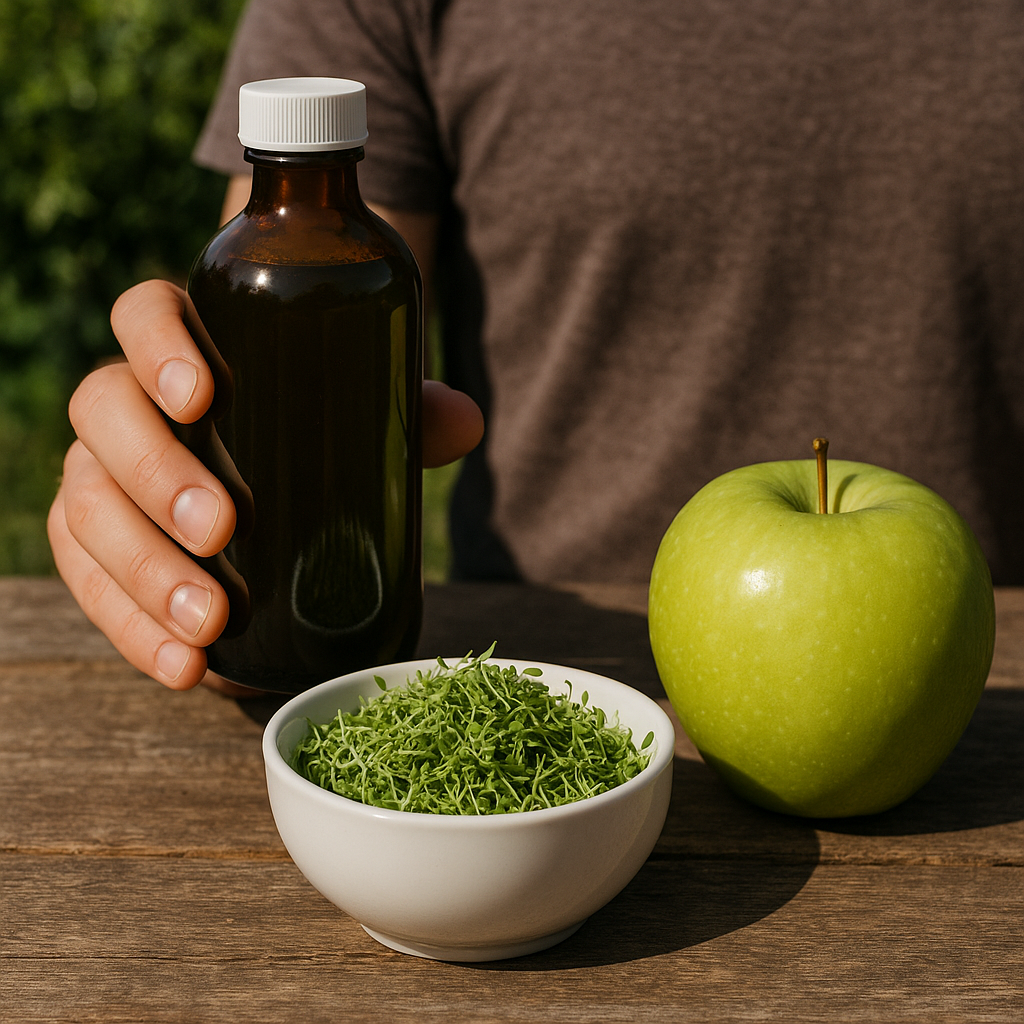
Key Health Benefits of Alfalfa Tonic
When it comes to practical, everyday health improvements, alfalfa tonic stands out. Whether you're trying to gain healthy weight, help your child eat better, or need something gentle yet effective during diabetes management — this herbal remedy has you covered.
Alfalfa Tonic Benefits for Weight Gain and Appetite
One of the most talked-about alfalfa tonic benefits for weight gain is its ability to naturally stimulate appetite. For people who struggle with eating enough — whether due to stress, illness, or metabolism — alfalfa tonic helps by gently encouraging hunger and improving digestion.
Unlike high-calorie shakes or force-feeding (yikes), this tonic works with your body. It boosts nutrient absorption, so you're not just eating more — you’re actually getting more from what you eat.
Sugar-Free Alfalfa Tonic Benefits for Diabetic Use
If you're managing diabetes or watching your sugar intake, the idea of taking a tonic might raise some red flags. But here’s the good news: alfalfa tonic sugar free benefits are absolutely worth noting.
These sugar-free versions offer the same base formula — packed with nutrient-rich herbs and homeopathic remedies — but without the added sugars that could interfere with blood glucose levels. That means people with diabetes can still enjoy the energy-boosting and appetite-enhancing effects without worrying about spiking their blood sugar.
The sugar-free tonic also tends to be lighter on the stomach, making it a great option for people who want all the wellness perks without the syrupy aftertaste or unnecessary carbs. It's kinda a win-win, really.
Some users even report that taking it regularly helped stabilize their overall energy levels — especially during that mid-day slump when blood sugar tends to dip. Of course, always check with your doctor before starting a new supplement, especially if you’re on insulin or other meds. Better safe than... you know, sidelined.
Alfalfa Tonic Pediatric Benefits for Growing Children
Let’s face it — getting kids to eat balanced meals consistently can be like negotiating with tiny, picky diplomats. That’s where alfalfa tonic paediatric benefits really shine.
This tonic has been traditionally used to support growth, improve appetite, and boost immunity in children. Because it’s made from natural ingredients, it’s generally well tolerated by little ones (although taste can be... let’s say, subjective). Some pediatric formulas are even flavored to make it more palatable.
For kids who are underweight, frequently tired, or recovering from illness, alfalfa tonic can make a noticeable difference. Parents often report improvements in:
-
Appetite and mealtime enthusiasm
-
Overall energy and playfulness
-
Sleep quality and school performance
Just remember to use a pediatric formulation — the adult versions might be too strong or contain extra ingredients not suited for children. And again, always consult your pediatrician before giving any supplement to kids. It's not like we're talking about gummy bears here.
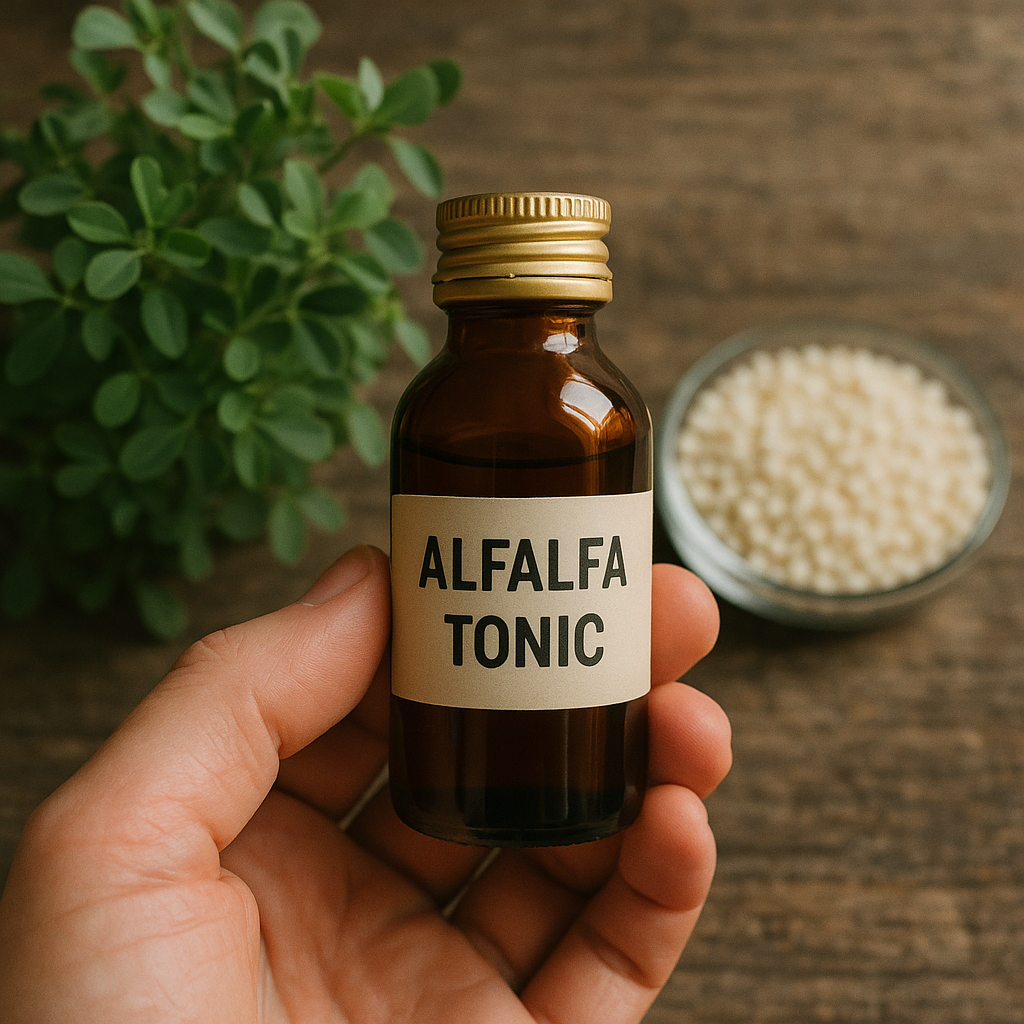
How to Take Alfalfa Tonic Safely and Effectively
OK, so you're sold on the benefits — but how do you actually use this stuff?
Most alfalfa tonics come in liquid form and are meant to be taken 2–3 times a day before meals. Dosage can vary depending on age, weight, and specific needs. For instance:
-
Adults: 1–2 teaspoons before meals
-
Children: ½–1 teaspoon, depending on age
-
Elderly: Start slow and monitor for digestion or sleep changes
Some people like to take it diluted in water, while others prefer it straight. Either works, although taking it with water may help if you find the taste a bit much (it’s not exactly a milkshake, let’s be honest).
Also, it’s worth noting: this tonic works gradually. Don't expect to feel like Superman on day one. Most users see changes over a couple weeks — better appetite, deeper sleep, or more consistent energy.
It’s kinda like planting seeds: you need a little patience, but the payoff is totally worth it.
Conclusion
So, what's the bottom line? Alfalfa tonic isn’t just some old-school remedy collecting dust in grandma’s cabinet — it’s a versatile, homeopathic supplement with real, practical benefits for modern life.
From alfalfa tonic benefits for weight gain to pediatric support and even sugar-free options for diabetic users, this herbal powerhouse checks a lot of boxes. It helps improve appetite, support energy levels, and boost overall vitality — all while being gentle enough for both adults and kids.
Whether you go for a standard formula or opt for an alfalfa super tonic, what matters most is consistency. It's not a magic bullet, but over time, many users notice a subtle but meaningful shift in their health — more stamina, better digestion, fewer sick days. What’s not to love?
In a world full of synthetic supplements and over-promising miracle pills, alfalfa tonic stands out for being both time-tested and plant-powered. Just, you know, make sure you're buying from a reputable brand. (There’s a lotta junk out there.)
If you’re considering adding a natural supplement to your daily routine — either for yourself or a family member — alfalfa homeopathic tonic benefits are well worth exploring. It’s affordable, accessible, and backed by generations of real-world use.
So go ahead, give your body the little boost it might be quietly asking for.
FAQs
Can Alfalfa Tonic be used with other tonics or supplements?
Yes, in most cases, alfalfa tonic can be taken alongside other supplements. However, it's always best to leave a gap of at least 30 minutes between different remedies. If you're on prescription medication, do talk to your healthcare provider before mixing anything — just to be on the safe side. And please, don’t overdo it. More is not always better.
Is sugar-free Alfalfa Tonic safe for diabetic patients?
Absolutely. That’s actually one of the standout alfalfa tonic sugar free benefits. These versions are specifically formulated without added sugar, making them a safer choice for people monitoring their blood glucose. Just double-check the label for any hidden sweeteners, especially if you’re sensitive to artificial stuff.
Are there any side effects of long-term use?
Generally, alfalfa tonic is considered safe when used as directed. Some folks might experience mild digestive changes in the beginning — like bloating or slight nausea — but this typically passes. Long-term use hasn’t shown major side effects, especially with homeopathic doses. Still, it’s a good idea to take occasional breaks (like a week off every couple of months) just to let your system reset.
Don't wait or self medicate. Start chat with Doctor NOW
Final Thoughts and Call to Action
If you’ve been feeling run down, struggling with appetite, or just want a gentle push toward better health — alfalfa tonic might be that low-effort, high-impact solution you didn’t know you needed. It’s not flashy, but it works quietly in the background, helping your body do what it does best: heal, grow, and thrive.
And hey — if this article helped you, why not share it? Someone in your circle could probably use this info right now. Whether it’s a friend with a fussy eater at home or a relative looking for a natural way to regain energy — pass it along. You might just be their wellness hero.
Want more natural health tips? Stick around — we’ve got plenty more where this came from. 🌿
Questions from users
How does alfalfa tonic affect digestion and gut health?
Client_38df76
1 day ago
Alfalfa tonic, typically used in homeopathy, may promote digestion and gut health by stimulating appetite and providing nutrients that support the digestive system. It's often consumed in liquid form before meals, aiming to enhance nutrient absorption and alleviate minor digestive issues. While some users may notice improvements within a few weeks, individual responses can vary. If you have persistent digestive concerns or experience any adverse reactions, consulting a healthcare professional is advisable.
What age is appropriate to start giving alfalfa tonic to children?
Client_534fec
6 days ago
Alfalfa tonic can generally be considered for children over the age of 2 years, but it's crucial to consult a pediatrician before introducing it. This supplement is often used to support growth, stimulate appetite, and boost immunity in children. While alfalfa tonic is typically considered safe, its use should be tailored to each child's individual needs and health status. Be cautious with children who have allergies or are on other medications, as interactions can occur. Always leave at least a 30-minute gap between the tonic and other remedies, and watch for any adverse reactions. If your child experiences any unusual symptoms, contact your doctor immediately.
What are the potential side effects of using alfalfa tonic regularly?
Client_a688c3
11 days ago
Alfalfa tonic is generally considered safe when used as directed, but there are potential side effects, especially if used regularly. Some individuals may experience gastrointestinal issues like nausea, bloating, or diarrhea. Skin reactions such as rashes can also occur due to alfalfa’s potential to interact with sunlight. People with autoimmune diseases should use caution, as alfalfa may exacerbate symptoms. If you're taking blood thinners or immune-suppressant medications, consult a healthcare provider before use. Always stop using it and seek medical advice if you experience any adverse effects.
How does alfalfa tonic interact with other herbal supplements?
Client_c2a3b4
16 days ago
Alfalfa tonic can interact with other herbal supplements, but specific interactions depend on the ingredients involved. Alfalfa has compounds that may enhance the effects of other supplements, such as ginseng or cinchona, often used for boosting energy and vitality. However, combining these may increase the likelihood of side effects like digestive discomfort or allergic reactions. It's essential to monitor any new symptoms and consult a healthcare professional, especially if you are taking other health supplements or medications.
What ingredients are commonly found in alfalfa tonic formulas?
Client_9e2fce
21 days ago
Alfalfa tonic formulas commonly include ingredients such as alfalfa extract, which is rich in vitamins and minerals, as well as other botanicals like ginseng or chamomile that help boost appetite and support digestion. Vitamin B complex and iron may also be present to help with energy and metabolism. Alfalfa tonic is typically used to gently encourage hunger and aid digestion over a few weeks. If persistent appetite issues occur, consult a healthcare professional to rule out underlying conditions. Ayurveda may use alfalfa for its nourishing properties, but always confirm with a healthcare provider.
How long does it take to notice the effects of alfalfa tonic?
Client_cce206
30 days ago
The effects of alfalfa tonic typically start to be noticeable within a few weeks of consistent use, although this can vary based on individual health, age, and nutritional needs. Some users might start feeling more energized or experience improved sleep within the first week, while for others it might take longer. It is important to use the tonic as directed and be mindful of the dosage. If you have any unique health concerns or if symptoms persist or worsen, it's advisable to consult a healthcare professional for guidance.
Is alfalfa tonic effective for enhancing children's attention spans during homework?
Client_8d1b30
40 days ago
Alfalfa tonic is not specifically proven to enhance attention spans in children during homework. While some parents report improvements in appetite, energy, and sleep quality, these factors indirectly support overall cognitive function, including attention. To improve attention spans directly, a balanced diet, regular physical activity, and adequate sleep are more critical. It's crucial to use a pediatric formulation of any supplement to avoid overdosage or harmful ingredients. Consult a doctor before starting any new supplement, especially if there is a concern about attention span or concentration issues in children.
What should I monitor when giving alfalfa tonic to elderly adults?
Client_5f683d
50 days ago
When giving alfalfa tonic to elderly adults, it's crucial to monitor for any changes in digestion or sleep patterns. Alfalfa tonics can sometimes cause gastrointestinal discomfort or affect sleep quality. Start with a low dose and increase gradually. If you notice persistent stomach upset, diarrhea, or sleep disturbances, discontinue use and consult with a healthcare provider. It's also important to watch for any allergic reactions or interactions with medications. Always involve a healthcare provider when introducing new supplements to an elderly person's regimen.
What are some signs that alfalfa tonic is working effectively?
Client_b4072e
59 days ago
If alfalfa tonic is working effectively, you may notice increased energy levels and an enhanced appetite within a few weeks of use. While individual responses vary, some people report feeling more balanced and mentally sharp. It's normal to experience mild digestive changes initially, such as slight bloating or nausea, which usually subside. If symptoms persist or worsen, it's important to consult a doctor. Always follow dosage recommendations and discuss potential interactions if you have underlying health conditions, like diabetes.
What is the role of ginseng in enhancing the effects of alfalfa tonic for energy?
Client_cb1bb8
69 days ago
Ginseng can totally boost the effects of alfalfa tonic for energy. It's known for its adaptogenic properties, which can help your body cope with stress and improve stamina. So when used with alfalfa, it might, kinda enhance the overall energy-boosting effect. Just keep an eye on how your body reacts, ya know!
Related articles

General Medicine
Dhanwantharam Kashayam Benefits, Dosage, Side Effects, Ingredients, Reference
Exploration of Dhanwantharam Kashayam Benefits, Dosage, Side Effects, Ingredients, Reference
2,046

General Medicine
Insomnia Home Remedies That Actually Work
26 home remedies for insomnia matched to why you're awake: the fastest fixes for tonight, what to drink, the best herbs, and when to see a doctor.
131

General Medicine
Alfalfa Tonic with Ginseng: How to Use, Benefits, and Ayurvedic View
Alfalfa tonic with ginseng — how to use it for energy and recovery? Learn key benefits, dosage instructions, and homeopathic details of this natural health tonic
8,032

General Medicine
Neurological
The brain, spinal cord, and nerves make up the nervous system – together they control the whole body.
228,866

General Medicine
Detox Colon Cleanse: What Works and What's Dangerous
What really comes out during a detox colon cleanse, which methods work, why saltwater flushes are risky, and a safe 3-day Ayurvedic protocol.
151

General Medicine
Spirulina Ayurveda: The Ultimate Guide to Benefits
Discover the benefits, proper dosage, and scientific insights behind Spirulina Ayurveda capsules, an Ayurvedic approach to promoting healthy cholesterol and improved cardiovascular function.
5,275

General Medicine
Diet and Menopause: What to Eat for Hot Flashes and Belly
A menopause diet that works with the changes: best foods, phytoestrogens explained, hot flash triggers, belly fat mechanics and a 7-day meal plan.
141

General Medicine
Ayurveda
Discover Ayurveda, the ancient Indian system of medicine. Learn its principles, benefits, practices, and how it promotes holistic health and balance between body, mind, and spirit.
4,300

General Medicine
Pippalyadi Churna – An Ayurvedic Remedy for Digestion and Respiratory Health
Learn about Pippalyadi Churna, an Ayurvedic herbal powder used to improve digestion, enhance respiratory health, and balance doshas for overall wellness.
4,174

General Medicine
Agastiprash: Comprehensive Benefits and Ayurvedic Uses Explained
Discover the proven benefits, proper dosage, side effects, and scientific research behind Agastiprash, the powerful Ayurvedic herbal tonic.
2,533
Related consultations on the topic
Legal
Additional Documents
© 2024 Ask Ayurveda. All rights reserved.