Ask Ayurvedic doctor a question and get a consultation online on the problem of your concern in a free or paid mode. More than 2,000 experienced doctors work and wait for your questions on our site and help users to solve their health problems every day.


Body DetoxEar, Nose, and Throat DisordersGeriatrics & RejuvenationImmunodeficiencyInfertility TreatmentNutritionOrthopedic DisordersPediatricsRespiratory DisordersSexually Transmitted Diseases (STDs)Surgery RecoveryUrological DisordersVascular DisordersDental DisordersEndocrinological DisordersGastrointestinal DisordersYoga TherapyGeneral MedicineAllergic DisordersCardio DisordersGynecology and ObstetricsCosmetologySkin and Hair DisordersEye DisordersInfectious DiseasesMental DisordersNeurological DisordersOncologyPanchakarmaSexual Health & DisordersSports Medicine
Published on 08/04/25
(Updated on 08/11/26)
star_border 4.75
20,227
How to Consume Pumpkin Seeds: Ayurvedic Tips, Benefits, and Daily Use

Pumpkin seeds—tiny but mighty—have earned their place as a go-to superfood in both modern wellness trends and ancient Ayurvedic traditions. If you’ve ever wondered how to consume pumpkin seeds for energy, better digestion, hair growth, or even weight gain, you're in the right place. Whether you're sprinkling them into smoothies or chewing on them raw, there's more to these green gems than meets the eye.
In this guide, we’ll explore how to eat pumpkin seeds according to Ayurveda, the best way to eat pumpkin seeds for daily wellness, and tips for optimizing their benefits. You'll also learn how much pumpkin seeds to eat daily, and why that matters more than you might think. And for those asking “can we eat raw pumpkin seeds?” — yes, but with a few important things to know first.
Let’s dive into the nitty-gritty of this underestimated superfood and see how these tiny seeds can make a big difference in your health.
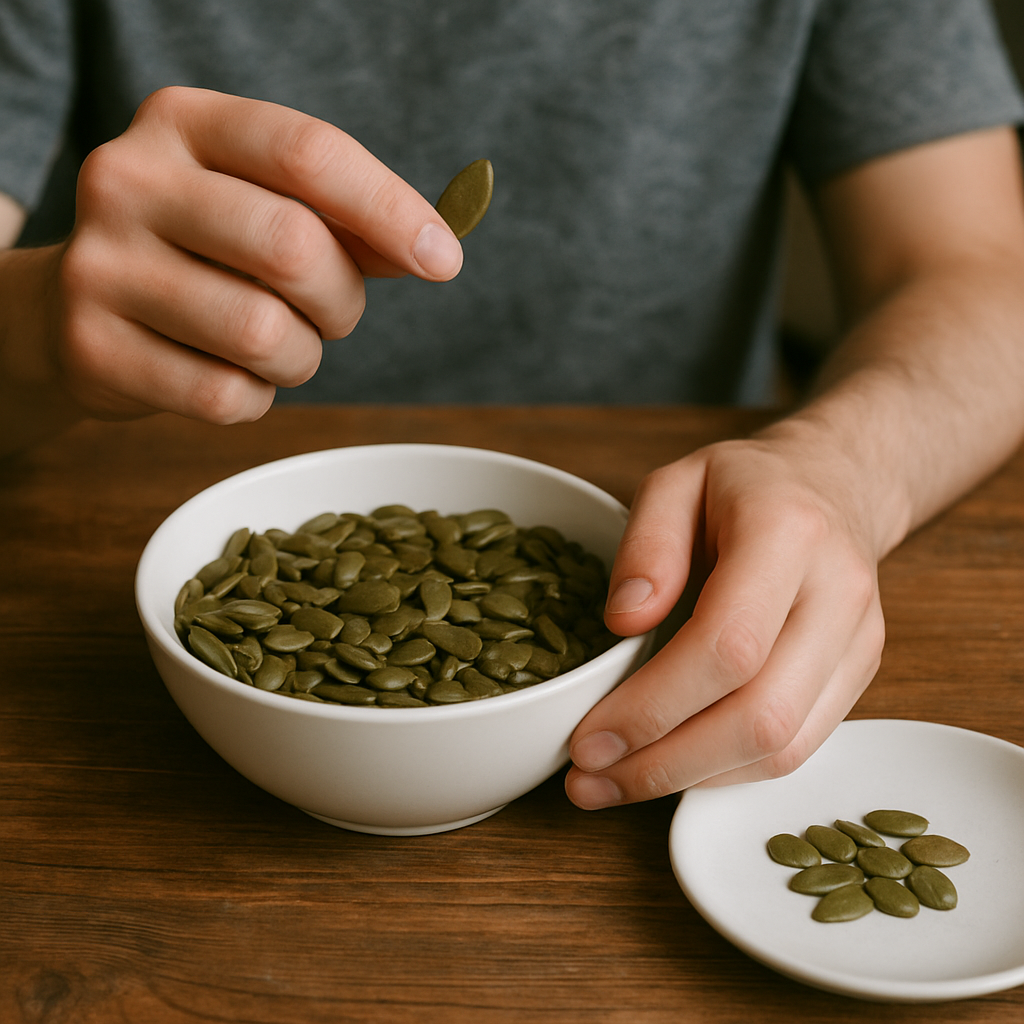
How to Consume Pumpkin Seeds According to Ayurveda
Ayurveda, India’s 5,000-year-old natural health system, doesn’t just suggest eating pumpkin seeds—it practically celebrates them. In Ayurvedic philosophy, pumpkin seeds are considered balancing for Vata and Kapha doshas due to their grounding, oily, and nutrient-rich nature.
Best Time to Eat Pumpkin Seeds for Energy and Digestion
Timing is crucial in Ayurveda. The best time to eat pumpkin seeds is during the daytime, ideally between 10 AM and 3 PM, when your Agni (digestive fire) is strongest. Eating them at this time supports optimal digestion and energy conversion. Avoid eating pumpkin seeds late at night, as they may be heavier to digest for some people, especially those with a sensitive stomach or sluggish digestion.
Also—this is where things get a bit practical—when to eat pumpkin seeds really depends on your goal. For boosting morning energy, try eating a tablespoon with breakfast or blending them into a smoothie.
When to Consume Pumpkin Seeds for Specific Benefits
-
Hair Growth: Consume in the early morning with warm water or soaked overnight for enhanced absorption.
-
Weight Gain: Include them as part of your post-lunch or evening snack for better calorie intake and satiety.
-
Hormonal Balance: Best taken consistently with meals during the luteal phase (after ovulation) for women.
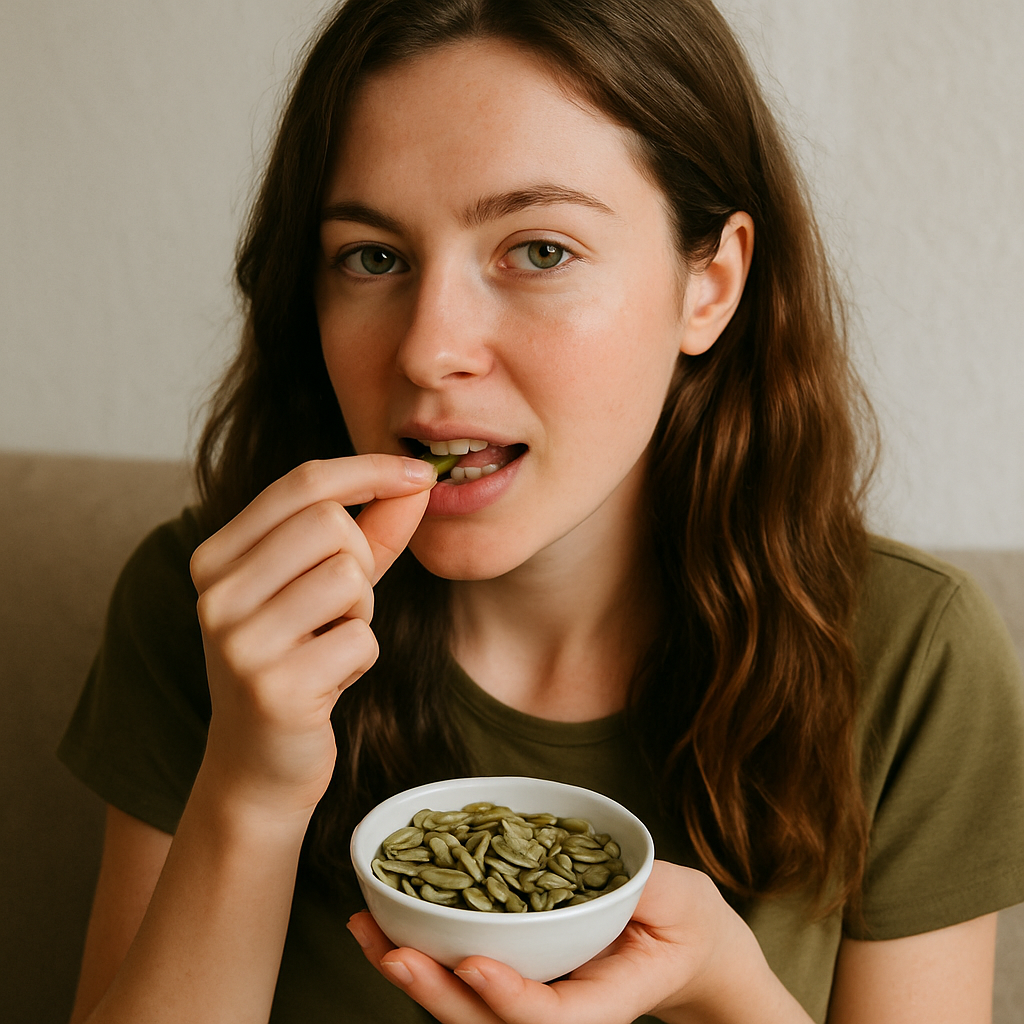
Best Ways to Eat Pumpkin Seeds Daily
How to Eat Pumpkin Seeds: Raw, Roasted, or Soaked?
There’s a bit of debate here. Some say raw, others vote for roasted. Ayurveda leans toward soaking or lightly roasting, as this helps reduce enzyme inhibitors and enhances digestibility. Soaked seeds (4–6 hours) become easier on the gut and retain their nutrients better than heavily roasted ones.
That said, a few raw pumpkin seeds here and there? Totally fine. Just don’t go overboard.
Can We Eat Raw Pumpkin Seeds Without Side Effects?
Short answer: yes—but moderation is key. Can we eat raw pumpkin seeds every day? You can, but too many may cause bloating or discomfort, especially if your digestion is weak. If you're new to them, start with small amounts (about a teaspoon a day) and see how your body responds.
Also, chew well. No, seriously—really well. These seeds aren’t just slippery little things; they’re packed with fiber and nutrients that your body needs to actually absorb.
Best Way to Eat Pumpkin Seeds for Maximum Absorption
For best results, soak pumpkin seeds overnight in warm water with a pinch of rock salt or a dash of lemon juice. In the morning, rinse and eat them plain, or blend into your smoothie. You can also lightly toast them in ghee with cumin or fennel seeds for an Ayurvedic twist. This method boosts both taste and absorption.
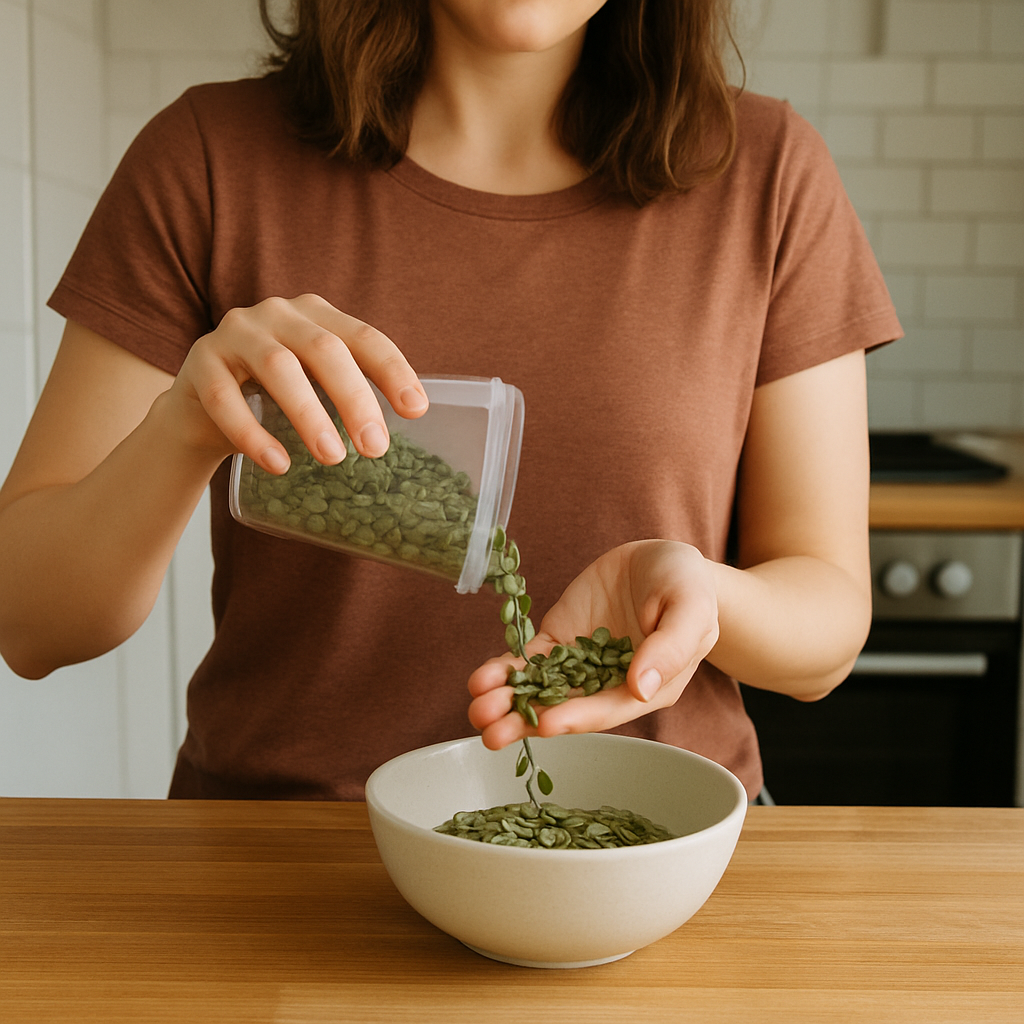
How Much Pumpkin Seeds to Eat Daily and Why It Matters
One of the most common questions people ask is how much pumpkin seeds to eat daily for health benefits without overdoing it. The answer? Moderation. These seeds are nutrient-dense, so you don't need a lot to see results.
General Guidelines:
-
Adults: 1 to 2 tablespoons (around 15–30 grams) per day is ideal.
-
Children: About 1 teaspoon to 1 tablespoon, depending on age and activity level.
Going overboard can lead to digestive issues, like bloating or constipation—especially if you're not drinking enough water. So, yeah, more isn't always better. You might think, "If 2 tablespoons are good, 5 must be better!" But nope, that’s where things get wonky.
And remember, how many pumpkin seeds to eat per day also depends on your personal goals—hair growth, weight gain, hormonal balance, or just snacking smart.
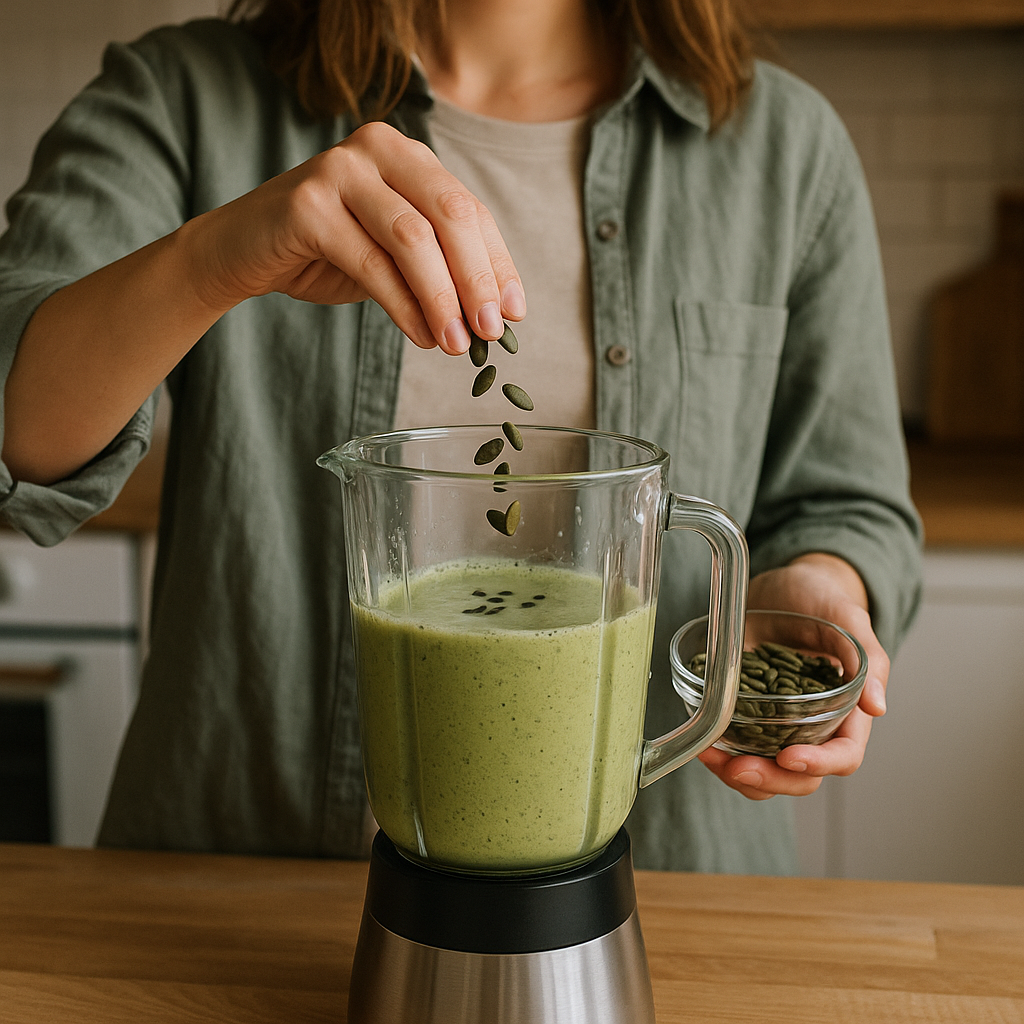
How to Eat Pumpkin Seeds for Hair Growth and Nourishment
Struggling with hair fall, thinning, or brittle strands? Pumpkin seeds might be your new BFF.
These little guys are rich in zinc, iron, magnesium, and omega-3 fatty acids—all of which play a critical role in hair health. Plus, they contain cucurbitin (a rare amino acid) and phytosterols that help with hormone balance, especially in women experiencing hair thinning due to PCOS or menopause.
How to Consume Pumpkin Seeds for Hair Growth Support
To get real results, consistency is key. How to eat pumpkin seeds for hair growth? Try this:
-
Morning ritual: Soak a tablespoon of raw pumpkin seeds overnight. Eat them on an empty stomach with warm water or herbal tea.
-
Evening snack: Dry-roasted pumpkin seeds with a dash of black salt and amla powder.
You can also grind pumpkin seeds into a powder and mix it into your yogurt, oats, or smoothie bowls.
Pumpkin Seed Benefits for Scalp and Hormonal Balance
Pumpkin seeds are also believed to reduce DHT (dihydrotestosterone), a hormone linked to hair loss in both men and women. They help regulate hormonal imbalances, support liver detoxification, and nourish the scalp from within.
That said, don't expect miracles in a week. You’ll likely see subtle improvements after a month or two of regular intake. And yeah, we get it—you’re thinking, "Do I have to eat them every single day?" Well, for best results, yes. But if you miss a day or two, don't freak out. It's a lifestyle, not a punishment.
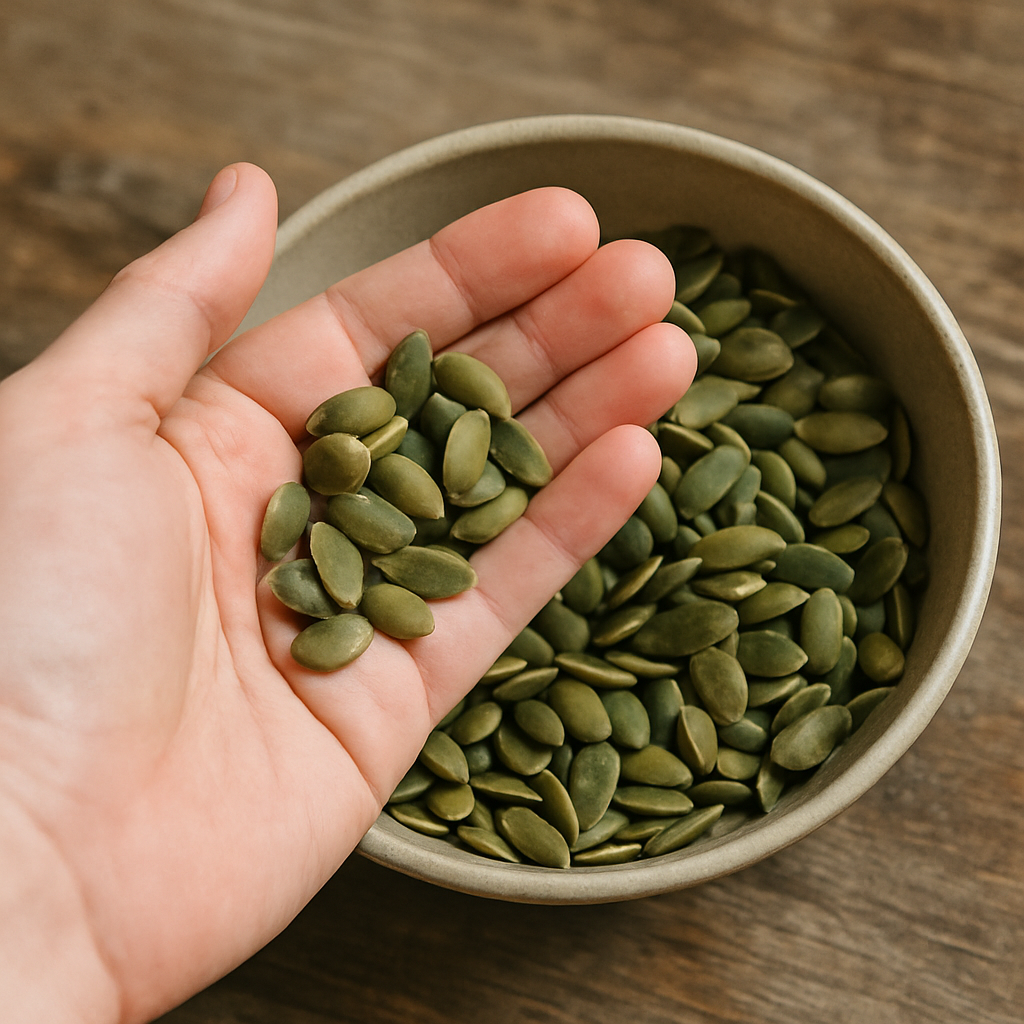
How to Consume Pumpkin Seeds for Weight Gain and Strength
Here’s the plot twist: while pumpkin seeds are often linked with weight loss, they can actually help with healthy weight gain when consumed strategically. If you’re looking to bulk up, build lean mass, or just not feel like a stick after lunch, listen up.
Can Pumpkin Seeds Help You Gain Healthy Weight?
Absolutely. Pumpkin seeds are calorie-dense and packed with protein, healthy fats, and essential minerals. Just 1 tablespoon provides around 100 calories! Add two or three tablespoons daily, and you're already 200–300 extra calories in—without junk food.
Plus, the protein and magnesium content supports muscle recovery and reduces post-workout fatigue. Great for gym-goers, teens in growth spurts, or anyone trying to build body strength.
Best Way to Consume Pumpkin Seeds for Building Mass
Here’s how to get them working for you:
-
Post-workout shake: Blend pumpkin seeds into a banana smoothie with nut butter and oats.
-
Bedtime boost: Sprinkle roasted seeds over warm milk with turmeric. This promotes muscle recovery and sleep.
-
Trail mix: Combine with dates, raisins, almonds, and coconut flakes for an energy-dense snack.
Just don’t forget to balance it out with hydration and fiber, otherwise things can get a little… slow in the digestion department, if you catch our drift.
Don't wait or self medicate. Start chat with Doctor NOW
Pumpkin Seeds Recipe Ideas and Meal Integration
You’ve learned the best way to eat pumpkin seeds, when to eat them, and how they help with hair growth and weight gain. Now, let’s make it fun. Because let’s face it—plain seeds can get boring real fast. Time to spice things up with tasty, real-life ways to use these little nutritional powerhouses.
Pumpkin Seeds Recipe for Snacking and Smoothies
A few simple recipes to keep things interesting (and your taste buds happy):
-
Sweet & Spicy Trail Mix
Mix 1/4 cup roasted pumpkin seeds with dried cranberries, coconut flakes, chili powder, and a drizzle of honey. Store it in a jar and snack guilt-free. -
Green Power Smoothie
Blend 1 tablespoon of soaked pumpkin seeds with spinach, banana, almond milk, and a scoop of protein powder. Add a pinch of cinnamon or nutmeg if you’re feeling fancy. -
Pumpkin Seed Energy Balls
Grind pumpkin seeds, dates, oats, and nut butter together. Roll into bite-size balls and refrigerate. Boom—your on-the-go snack is ready.
These are easy ways to sneak in seeds without thinking too hard. And yes, pumpkin seeds recipe searches are blowing up for a reason—people love a good health hack.
How to Add Pumpkin Seeds to Ayurvedic Meals
If you're following an Ayurvedic lifestyle, you can integrate pumpkin seeds into traditional meals without making them feel out of place.
-
Kitchari Topping: Sprinkle toasted pumpkin seeds over your mung dal and rice dish to add crunch and healthy fats.
-
Chutney Add-In: Blend soaked pumpkin seeds into your coconut or mint chutney to thicken and boost protein.
-
Spiced Ghee Roast: Lightly roast pumpkin seeds in ghee with cumin, fennel, and ajwain (carom seeds). Eat a small handful before lunch to stimulate digestion.
And if you’re just learning how to consume pumpkin seeds for weight gain or hair growth, these Ayurvedic pairings can amplify the results by supporting your digestion and dosha balance at the same time.
Conclusion
So there you have it—a full guide on how to consume pumpkin seeds that’s both rooted in Ayurvedic wisdom and backed by modern wellness logic. Whether you’re in it for better digestion, hormone support, hair growth, or healthy weight gain, pumpkin seeds can do a lot more than just add crunch to your salad.
Just remember:
-
Soak or roast for better absorption.
-
Stick to 1–2 tablespoons per day.
-
Time it right: morning for energy, post-meal for weight gain, and luteal phase for hormonal support.
Now that you know how to eat pumpkin seeds and when to consume pumpkin seeds, it’s time to make them part of your routine.
Tried one of the pumpkin seeds recipes above? Let us know in the comments or tag us on Instagram. And if you found this helpful, share it with someone who's struggling with hair loss or looking to add healthy calories to their diet. Sharing is caring, after all.
FAQs
What is the best time to eat pumpkin seeds in a weight gain diet?
Post-lunch or in the evening with snacks. The added calories are easier to process and contribute to overall intake without overwhelming the system.
Can I eat pumpkin seeds raw or should I roast them?
You can eat them raw, but soaking or light roasting improves digestion and nutrient absorption.
How many pumpkin seeds should I eat per day for hair growth?
Around 1 tablespoon daily is enough. Consistency matters more than quantity!
Are pumpkin seeds good before or after meals?
Before meals helps with digestion. After meals (especially lunch) can assist with weight gain or satiety.
How to eat pumpkin seeds for better skin and metabolism?
Soaked seeds in the morning with warm water, or blended into a detox smoothie. The zinc and antioxidants do wonders for skin clarity and metabolic balance.
Questions from users
How do pumpkin seeds contribute to digestive health?
Client_a6b072
1 day ago
Pumpkin seeds contribute to digestive health primarily through their high fiber content, which promotes regular bowel movements and can help prevent constipation. The recommended daily amount is 1 to 2 tablespoons for adults and 1 teaspoon to 1 tablespoon for children. Eating too many may cause digestive issues like bloating or constipation, particularly if fluid intake is insufficient. Enjoying them in moderation while staying hydrated supports proper digestion. If you experience persistent digestive discomfort, consult a healthcare professional.
How can pumpkin seeds enhance muscle mass gain for athletes?
Client_cbbe7a
6 days ago
Pumpkin seeds can help enhance muscle mass gain for athletes due to their high protein and healthy fat content. They are particularly rich in magnesium, zinc, and iron, which support muscle function and recovery. Athletes can incorporate pumpkin seeds into their diet by adding them to post-workout shakes or as a nighttime snack, boosting overall protein intake. For optimal benefits, consume them regularly, but not as the sole protein source. It can take weeks to months to notice significant muscle growth, depending on overall diet and workout regimen. Consult a healthcare professional if unsure about dietary changes.
How do pumpkin seeds support muscle recovery after workouts?
Client_ae1149
11 days ago
Pumpkin seeds support muscle recovery after workouts primarily due to their high protein and magnesium content. Protein is essential for repairing and building muscle tissue, while magnesium helps reduce muscle soreness and fatigue by aiding muscle relaxation and energy production. Typically, consuming 2-3 tablespoons daily can be beneficial but may take several weeks to notice significant improvements. If digestive discomfort occurs or muscle soreness persists, consult a healthcare provider. Eating them post-workout can maximize their benefits.
How do pumpkin seeds benefit skin health and appearance?
Client_d5e4ef
16 days ago
Pumpkin seeds can significantly benefit skin health and appearance due to their rich content of zinc, antioxidants, and essential fatty acids. Zinc aids in collagen synthesis and fighting acne, while antioxidants help protect skin from damage by free radicals, promoting a youthful glow. Consuming a handful of pumpkin seeds daily can contribute to noticeable improvements in skin texture and clarity, typically within several weeks. If skin issues persist despite dietary changes, it's wise to consult a dermatologist. Remember, pumpkin seeds are beneficial, but they should be part of a balanced diet for optimal skin health.
What is the best time of day to eat pumpkin seeds?
Client_425cee
26 days ago
The best time of day to eat pumpkin seeds is generally in the morning or as a midday snack. This timing supports digestion and can provide a sustained energy boost throughout the day. Consuming nutrient-rich foods like pumpkin seeds in the morning aligns with your body's metabolic processes, helping to maintain steady energy levels. Typically, changes such as improved digestion and energy might be noticeable within a few weeks of consistent consumption. If you experience digestive discomfort or an allergic reaction, consult with a healthcare provider to ensure it's safe for your specific health needs.
How often should I eat pumpkin seeds for energy boost?
Client_09a5ce
36 days ago
Eating pumpkin seeds for an energy boost can be accomplished by consuming approximately a small handful daily, around 30 grams or 1 ounce. Pumpkin seeds are rich in protein, healthy fats, and various vitamins and minerals, particularly magnesium and zinc, which help improve energy metabolism. Consume them as a snack or add them to meals like salads or yogurt. If you're new to eating pumpkin seeds, start with a smaller amount to see how they affect your digestion and energy levels. Seek medical advice if you have nut or seed allergies, as pumpkin seeds might trigger reactions.
What are the best ways to prepare pumpkin seeds for snacking?
Client_a5478c
46 days ago
To prepare pumpkin seeds for snacking, wash and dry the seeds thoroughly. Toss them in a bit of olive oil and sprinkle with salt or your favorite spices. Roast them in a preheated oven at 350°F (175°C) for about 10-15 minutes, stirring once or twice, until golden and crispy. For best results, allow to cool completely before storing in an airtight container. Spicy, sweet, or savory variations can be made by adding different seasonings before roasting. Eating small amounts initially is advisable to see how your body responds. If any digestive discomfort occurs, it may be worth consulting a healthcare professional.
What are the health benefits of pumpkin seeds for heart health?
Client_e03a26
55 days ago
Pumpkin seeds are rich in nutrients that promote heart health, including magnesium, zinc, and healthy fats. They help lower blood pressure and cholesterol levels, reducing heart disease risk. Regular consumption, such as a handful per day, can contribute to these benefits. However, they are calorie-dense, so moderation is key. If you experience digestive discomfort or have cardiovascular concerns, consult a doctor for personalized advice. Although Ayurveda recognizes pumpkin seeds for their nutrient profile, modern medicine should guide heart health strategies.
Can pumpkin seeds help with detoxifying the liver?
Client_5284b3
65 days ago
Yeah, pumpkin seeds can do wonders for liver detox, thanks to their high levels of antioxidants and healthy fats. They're like little powerhouses that can support your liver but remember, it's not an instant magic fix. Soak 'em overnight to get more out of them. It's all about that slow, steady nourishment!
Can pumpkin seeds aid in weight loss if eaten before meals?
Client_38c040
75 days ago
Eating pumpkin seeds before meals can help with digestion, which might support weight loss if improper digestion was a previous issue. They may help you feel fuller, which is great if you're trying to manage your portions. Just be mindful of portion size as seeds can be calorie-dense. Consistency is key!, and tuning into your hunger cues can help too!
Related articles

Nutrition
Unlocking the Health of Potatoes
Potatoes are valued in Ayurveda for their grounding properties and ability to balance the body's doshas.
4,854

Nutrition
Does Watermelon Increase Weight? Ayurvedic Insights and Facts
Exploration of Can Watermelon Contribute to Weight Gain or Support Weight Loss?
5,937

Nutrition
How to Make Ghee at Home: Ayurvedic Methods
How to make ghee at home? Learn how to make ghee from butter, curd, milk, or cream using Ayurvedic methods, including pressure cooker and traditional techniques
3,764

Nutrition
Vidaryadi Ghritam – Traditional Ayurvedic Medicated Ghee for Holistic Wellness
Discover Vidaryadi Ghritam, a time-honored Ayurvedic medicated ghee formulation designed to rejuvenate tissues, balance doshas, and support nerve and digestive health naturally.
4,263

Nutrition
The 7 Day Psoriasis Diet (Ayurvedic Edition): A Real-World Guide to Eating and Living for Skin That Feels Like Yours Again
Ayurveda, the traditional system of medicine from India that’s been around for over 5,000 years, doesn’t treat psoriasis like a disconnected skin problem. It sees it as a whole-body imbalance, often rooted in digestion (Agni), excess heat or toxins (Ama),
5,292

Nutrition
Alargin Tablets Benefits, How To Use, Ingredients, Side Effects
Exploration of Alargin Tablets Benefits, How To Use, Ingredients, Side Effects
2,729

Nutrition
Is Vada Pav Healthy? Calories, Nutrition, and Better Alternatives
Is vada pav healthy or harmful? Learn about vada pav calories, nutrition facts, and how it compares to burgers and samosa pav. Find out if pav is good for health
18,603

Nutrition
Can I Eat Pomegranate Seeds: Benefits, Nutrition, and Safety
Exploration of Can You Safely Enjoy Pomegranate Seeds? Benefits, Nutrition, and Tips
4,763

Nutrition
Is Beetroot Really Healthy?
Beetroot is recognized in Ayurveda for its ability to balance doshas and enhance overall well-being.
3,865

Nutrition
Can We Eat Curd and Pickle Together?
You know what’s weird? Some combinations that taste great together might not actually sit well with your body. Like, curd and pickle — such a common combo on Indian plates. Especially in the summer. You’ve probably had it. I have too. But is it... Ayurved
5,193
Related consultations on the topic
Legal
Additional Documents
© 2024 Ask Ayurveda. All rights reserved.