Which Chana Is Good for Weight Loss: Roasted, Soaked or Boiled?

When it comes to losing weight, everyone’s got a secret superfood suggestion — but one name that keeps popping up in Indian households (and rightly so) is chana. From fitness trainers to grandmas, everyone swears by it. But here's the kicker: not all chana is created equal. You might’ve heard things like “Is roasted chana good for weight loss?” or “Does soaked chana increase weight?” — and the answers aren’t always so simple. In this guide, we're diving deep into the world of chana — roasted, soaked, black, and boiled — to figure out which one actually helps shed those extra kilos.
So, if you're staring at your bowl of chana wondering if it’s going to help your waistline or sabotage it, you’re in the right place. Let’s unpack the real truth about chana for weight loss — with facts, a little fun, and maybe a sprinkle of typos here and there (hey, we're only human).
Chana and Its Role in Weight Management
Chana, also known as chickpeas, is packed with protein, fiber, and essential nutrients. Whether you’re munching on roasted chana or tossing boiled chana into your salad, it’s a powerhouse of nutrition. But how exactly does it support weight loss?
Well, first — fiber. Chana is loaded with it, which means it keeps you feeling full for longer. That’s huge when you’re trying to avoid snacking on things like cookies or chips. Then comes protein, which not only builds muscle but also increases satiety. And guess what? A balanced intake of protein and fiber slows down digestion and helps stabilize blood sugar. Translation: fewer cravings, more energy, and way less binge-eating.
Chana also has a low glycemic index (especially black chana), making it ideal for weight watchers and diabetics alike. The nutrients work together to improve digestion, regulate appetite, and reduce inflammation. It's not a magic bullet — but it's close.
Which Chana Is Good for Weight Loss?
Let’s break it down and explore the types of chana and how each impacts your weight-loss goals.
Is Roasted Chana Good for Weight Loss?
Short answer: Absolutely yes — if eaten right.
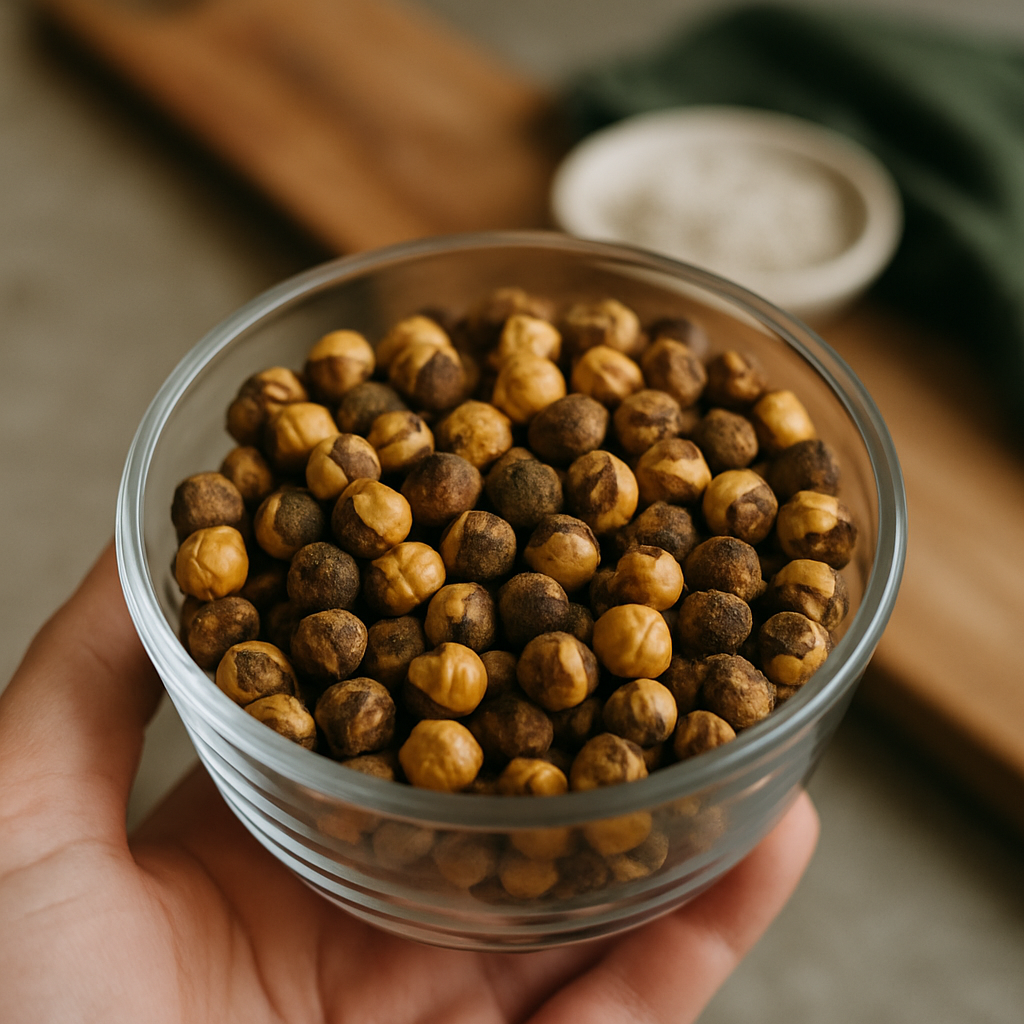
Roasted chana for weight loss is probably one of the most convenient and satisfying options. It's crunchy, easy to carry, and doesn’t need refrigeration. A handful can serve as a perfect mid-morning or evening snack. The roasting process preserves most of the nutrients while making it easier to digest. Plus, it’s low in calories and high in protein — a win-win.
But like anything good, moderation matters. Eating too much can still push your calorie count over the edge. And beware of overly salted or oil-coated versions — those sneak in extra sodium and fat, which kinda defeats the purpose.
Is Black Chana Good for Weight Loss?
Yes, black chana (also called kala chana) is a rockstar in the world of healthy eating.
It’s got a slightly nuttier flavor and is denser in nutrients compared to the beige kabuli chana. High in protein, iron, and fiber, black chana helps boost metabolism, keeps your digestive system on track, and supports lean muscle development. All of which are key when you’re trying to drop weight.
Also, black chana for weight loss is often recommended in Ayurvedic diets due to its grounding and energizing properties. More on that later.
Is Boiled Chana Good for Weight Loss?
Boiled chana is a blank canvas. It’s soft, gentle on the stomach, and can be added to salads, soups, or eaten plain with a sprinkle of masala.
Is boiled chana good for weight loss? Definitely. Boiling retains the core nutrients without adding any fat, making it a lean and clean addition to your meals. It's best eaten warm or at room temp. And hey — it's super cheap, too. Budget-friendly and belly-happy.
Common Concerns About Chana and Weight
Even though chana has earned a solid rep as a healthy snack, there’s still a lot of confusion and “but what if…” questions floating around. So let’s clear the air on a couple of common concerns — ones that might be keeping you from fully embracing this humble legume.
Does Soaked Chana Increase Weight?
Now this is a biggie. A lot of people ask: does soaked chana increase weight? And the answer is — not really, unless you go overboard.
Soaked chana is actually easier to digest and slightly more bioavailable, meaning your body absorbs the nutrients better. It swells up with water, making it more filling, so you might even eat less overall. But here’s the catch: some folks assume soaked means "unlimited" and end up eating a giant bowl with extra toppings, maybe even some oil or chutney. That’s where the calories sneak in.
The trick is balance. Stick to about ½ cup to 1 cup per day, without loading it with extras. Eat it as part of a meal or a controlled snack, and it absolutely won't make you gain weight. If anything, it might actually help you eat less later in the day.
Does Roasted Chana Increase Weight?
Another popular concern is: does roasted chana increase weight? And again, nope — not if you’re mindful.
In fact, roasted chana for weight loss is a smart move because it's dry roasted, which means no added oils or unnecessary fats. It’s crunchy, satisfying, and high in fiber, making it a great replacement for fried snacks or cookies.
However, like literally anything in life, too much of it isn’t great. Overeating even the healthiest snacks can mess with your daily calorie intake. Also, some store-bought roasted chana packs can be super salty or mixed with fat-heavy ingredients. Always check the label (or better yet, roast it at home).
How to Eat Chana for Weight Loss
Knowing chana is healthy is one thing — but understanding how and when to eat it makes all the difference. Timing, portion size, and how it’s prepared play huge roles in whether chana supports your weight loss goals or not.
Best Time to Eat Chana for Weight Management
Morning? Evening? Before a workout?
Actually, all of the above — depending on your routine. Here are a few timing tips:
-
Morning (empty stomach): Soaked black chana in the morning, maybe with a few drops of lemon juice, is a classic. It jumpstarts your metabolism and provides sustained energy.
-
Mid-morning or afternoon snack: Roasted chana is ideal here. It satisfies cravings without spiking your blood sugar.
-
Post-workout: Combine boiled chana with a bit of yogurt or sprouts. Great protein kick with minimal fuss.
-
Avoid late-night chana if you’re prone to bloating or indigestion, though some people handle it just fine. Bodies are weird.
Healthy Recipes with Chana
Let’s be real, plain chana gets boring. But luckily, there’s so many ways to spice it up without ruining your diet:
-
Boiled Chana Salad: Toss black chana with chopped cucumber, tomatoes, onions, lemon juice, and a pinch of chaat masala.
-
Chana Stir-Fry: Quick stir-fry with garlic, chili, and spinach for a warm protein bowl.
-
Masala Roasted Chana: Dry roast with cumin, paprika, and a dash of black salt. Store in jars for on-the-go snacking.
-
Chana Soup: Use boiled chana as the base for a hearty, protein-rich vegetable soup.
These are filling, flavorful, and way better than sad lettuce diets.
Ayurvedic Perspective on Chana and Weight Loss
If you're into natural wellness or holistic health, Ayurveda has some interesting insights on chana. According to Ayurvedic principles, chana — especially black chana — is considered "Laghu" (light to digest) and "Ruksha" (dry), making it ideal for balancing Kapha and Pitta doshas. Since excess Kapha is often linked to weight gain, chana helps bring that back in check.
Black chana is particularly praised in Ayurveda for its ability to build muscle mass without contributing to fat gain. It's said to increase strength, support digestion (Agni), and remove Ama (toxins) from the body — all of which are key to healthy weight loss.
Roasted chana also gets a nod, especially as a light snack in the afternoon when digestion is at its peak. Soaked chana, when consumed in the morning, is thought to awaken digestive fire and boost metabolism naturally. Ayurveda rarely says “eat this and you’ll be thin,” but it emphasizes balance — and chana fits into that philosophy pretty neatly.
Conclusion
So, back to our main question: Which chana is good for weight loss? The answer isn’t a single type — it depends on how you eat it, when you eat it, and what your goals are.
-
Roasted chana for weight loss? Excellent for snacking — light, portable, and crunchy.
-
Black chana for weight loss? Super nutritious and metabolically supportive.
-
Boiled chana for weight loss? Clean, simple, and great in meals.
-
And for those wondering does soaked chana increase weight — no, not if eaten sensibly.
The beauty of chana is that it’s versatile, affordable, and easy to prepare. Whether you're tossing it in salads, stirring it into soups, or just keeping a stash of roasted chana in your bag, it fits into almost any diet.
But, like... don’t go eating three bowls a day thinking you’ll wake up skinny. Weight loss is about the whole picture — balanced meals, movement, hydration, sleep — and chana just happens to be a helpful piece of that puzzle.
FAQs
How much chana should I eat daily for weight loss?
Around ½ to 1 cup of chana per day is generally safe and effective for most people. That could be boiled, roasted, or soaked — just not all three at once! Make sure you're balancing it with veggies, whole grains, and enough fluids throughout the day.
Is boiled chana good for digestion and weight control?
Yes, boiled chana is gentle on the stomach and rich in fiber, which aids digestion. Its low fat and high protein content make it a good addition to any weight loss plan. Just be sure not to over-salt it or drown it in oil-based dressings.
Can chana be eaten at night for weight loss?
Technically, yes — but it depends on your digestion. Some people find chana at night makes them gassy or bloated. If you digest it well and it fits within your calorie needs, a small portion of boiled or roasted chana can be a healthy bedtime snack. Otherwise, maybe stick to mornings or afternoons.
Ask Ayurvedic doctor a question and get a consultation online on the problem of your concern in a free or paid mode.
More than 2,000 experienced doctors work and wait for your questions on our site and help users to solve their health problems every day.
Related articles