Prasarini Thailam – Benefits, How to Use, Ingredients and Side Effects

Introduction
Welcome to the world of Prasarini Thailam – Benefits, How to Use, Ingredients and Side Effects. If you’re curious about this age-old Ayurvedic oil, you’re in the right place. In this introduction we’ll quickly touch on what Prasarini Thailam is, why it's become so popular in both hair care and holistic wellness communities, and what you can expect from the rest of the article. Prasarini Thailam has been used in Ayurveda for centuries as a potent medicated oil, often prescribed for enhancing circulation, soothing joint pain, and nourishing scalp and skin. You might’ve heard friends rave about its wonders, or seen it featured in organic beauty shops – but what exactly makes it so special?
Over the next few minutes, you’ll learn:
- What Prasarini Thailam actually is and how it’s made;
- The key benefits for hair, skin, and overall vitality;
- Step-by-step guide on how to use it safely;
- An in-depth list of ingredients and their action;
- Possible side effects and precautions to keep in mind.
By the end, you’ll be equipped to decide if Prasarini oil fits in your daily routine. Let’s kick things off—no fancy jargon, just clear, practical information.
What Is Prasarini Thailam?
Origins and Ayurveda Context
Prasarini Thailam is a traditional medicated oil from the Indian Ayurvedic pharmacopeia, dating back thousands of years. The term “Prasarini” refers to a group of similar plants (Botanical name: Paederia foetida, also known as “skunk vine”) used in herbal formulations. Thailam simply means “oil.” Originally developed by Ayurvedic physicians, this oil was prescribed for vata disorders—think joint stiffness, muscular discomfort, and circulation issues. You often find it recommended in classical texts like Sushruta Samhita and Ashtanga Hridaya.
Preparation and Traditional Use
The traditional recipe involves simmering the Prasarini herb along with other potent botanicals in a base oil (commonly sesame oil), until the herbal extracts infuse the oil. This process can take anywhere from 6 to 12 hours over low heat—patience is key! Once done, the oil acquires a deep golden hue and a distinct aroma (some describe it as earthy, others say mildly pungent). Historically, it’s been applied externally for massage (Abhyanga), fomentation (Swedana), and in certain regimes for nasal administration (Nasya), making it a versatile therapy in Ayurvedic clinics.
Benefits of Prasarini Thailam
Hair Care Benefits
One of the major draws of Prasarini Thailam is its remarkable effects on hair health. Many users report:
- Reduced hair fall: The nourishing herbs strengthen follicles, leading to less shedding.
- Improved scalp circulation: Gently massaging boosts blood flow, potentially stimulating dormant follicles.
- Natural shine and luster: A weekly oiling routine with Prasarini Thailam can restore dull, brittle hair.
- Dandruff control: Anti-inflammatory and antifungal properties help soothe an itchy, flaky scalp.
Real-life example: I once tried it on my partner’s frizzy winter hair—after a month of fortnightly treatments, he noticed smoother, less tangled locks almost overnight. Of course, individual results may vary.
Skin & Muscle Benefits
Apart from hair, Prasarini Thailam is widely touted for skin and musculoskeletal comfort:
- Joint and muscle pain relief: The warming nature of the oil provides soothing comfort in areas afflicted by Vata imbalance (like knees, shoulders).
- Skin nourishment: Regular massage helps hydrate dry patches and may even reduce minor blemishes.
- Improved flexibility: Post-massage gentle stretching can feel more effective, thanks to the lubricating action of the oil.
- Detoxification support: In Ayurvedic Panchakarma therapies, it’s used in pre-purgation oil massages to mobilize toxins.
One of my aunt’s yoga students noticed fewer cramps in her calves after applying this oil post-workout. She jokes it’s “liquid gold for tight muscles!”—kind of catchy, right?
Ingredients of Prasarini Thailam
Key Herbal Ingredients
While formulations may vary slightly by tradition or manufacturer, the core ingredients typically include:
- Prasarini (Paederia foetida): The star component, known for analgesic and anti-inflammatory action.
- Eranda (Ricinus communis / Castor): Works as a synergist helping penetration and lysis of tissues (especially good for vata).
- Dasamula group: A combination of ten roots including Bilva, Gambhari, Agnimantha, and others that support joint health and reduce inflammation.
- Sesame oil base: High in antioxidants, this carrier oil is warming and promotes circulation.
Supporting Additives
Some recipes add:
- Nirgundi (Vitex negundo): Comforts irritated tissues.
- Ashwagandha (Withania somnifera): Adapts to stress and promotes muscle strength.
- Turmeric (Curcuma longa): Potent anti-inflammatory and antiseptic.
- Karanja (Pongamia pinnata): Adds antifungal properties.
Note: Quality and sourcing matter—a hand-crafted oil from a reputable Ayurvedic dispensary might be pricier, but it ensures authenticity.
How to Use Prasarini Thailam
Basic Massage Application
Here’s a simple hair massage routine:
- Warm 2–3 tsp of oil gently (avoid overheating).
- Section hair and apply oil directly to scalp.
- Use finger-tips to massage in circular motions for 5–10 minutes.
- Work remaining oil down the hair length (optional).
- Leave overnight or at least 1–2 hours before shampooing.
Tip: If you’re short on time, even a 30-minute pre-shower massage can help. Cover with a shower cap to trap heat.
Joint & Muscle Massage
For soothing achy joints:
- Take a handful of warm oil.
- Gently rub over affected areas (knees, back, shoulders).
- Apply mild pressure, circular strokes, 10–15 minutes.
- Wrap a hot towel or heating pad to enhance absorption.
- Wipe off excess oil after 30–45 mins; avoid cold showers immediately.
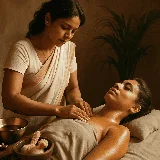
In Ayurvedic spas, this is part of an Abhyanga session, often followed by steam therapy to open skin pores.
Side Effects and Precautions
Who Should Avoid or Be Cautious?
- People with extremely oily scalp—may cause greasiness or acne.
- Those with skin allergies—always patch test on inner elbow.
- Pregnant women—consult your Ayurvedic practitioner first.
- Infants and young children—use milder oils unless advised by a specialist.
Remember: just because it’s natural doesn’t mean zero risk. Quality control and correct usage matter a lot. I once skipped the patch test and ended up with a mild rash—it went away, but taught me to be more careful!
Potential Reactions & What to Do
- Mild redness or itching: wash off immediately and apply a cool compress.
- Excessive oiliness: reduce frequency or mix with lighter oil like coconut.
- Headache or nausea: could be sensitivity to smell—opt for a lower dose or shorter contact time.
If you experience severe symptoms like swelling or difficulty breathing, stop use and seek medical help. Side effects are uncommon if used properly, but always err on the side of caution.
Conclusion
Prasarini Thailam – Benefits, How to Use, Ingredients and Side Effects: we’ve covered the spectrum from ancient origin to modern application. You now know what’s inside the bottle, how to apply it for hair, skin, and muscle health, plus the precautions to keep in mind. This potent Ayurvedic oil can be a game-changer in your self-care routine, provided you use it mindfully. Remember to choose high-quality formulations, patch test first, and follow recommended guidelines. Whether you’re tackling hair fall, joint pain, or simply craving a deeper self-care ritual, Prasarini Thailam might just become your new best friend.
Ready to give it a shot? Go on—add it to your next massage session or nighttime ritual. And if you found this guide helpful, why not share it with friends? They’ll thank you later.
FAQs
1. How often should I apply Prasarini Thailam for hair?
Ideally once or twice a week. If your scalp is very dry, you can increase frequency to 3 times, but monitor for greasiness.
2. Can I mix Prasarini Thailam with other oils?
Yes, blending it with coconut or almond oil is common to lighten texture and adjust aroma.
3. Is it safe for all hair types?
Generally yes, but oily or acne-prone scalps may need fewer applications or lighter blends.
4. What’s the best way to store it?
Keep in a cool, dark place away from direct sunlight. A glass bottle is preferable over plastic.
5. Can I use it for baby massage?
Not without consulting a pediatric Ayurvedic practitioner. Babies have delicate skin and Vata needs.
Ask Ayurvedic doctor a question and get a consultation online on the problem of your concern in a free or paid mode.
More than 2,000 experienced doctors work and wait for your questions on our site and help users to solve their health problems every day.
Related articles