Ask Ayurvedic doctor a question and get a consultation online on the problem of your concern in a free or paid mode. More than 2,000 experienced doctors work and wait for your questions on our site and help users to solve their health problems every day.


Body DetoxEar, Nose, and Throat DisordersGeriatrics & RejuvenationImmunodeficiencyInfertility TreatmentNutritionOrthopedic DisordersPediatricsRespiratory DisordersSexually Transmitted Diseases (STDs)Surgery RecoveryUrological DisordersVascular DisordersDental DisordersEndocrinological DisordersGastrointestinal DisordersYoga TherapyGeneral MedicineAllergic DisordersCardio DisordersGynecology and ObstetricsCosmetologySkin and Hair DisordersEye DisordersInfectious DiseasesMental DisordersNeurological DisordersOncologyPanchakarmaSexual Health & DisordersSports Medicine
Published on 12/18/24
(Updated on 08/07/26)
5,840
Ayurvedic Ear Drops for Hearing Loss – Benefits & Uses
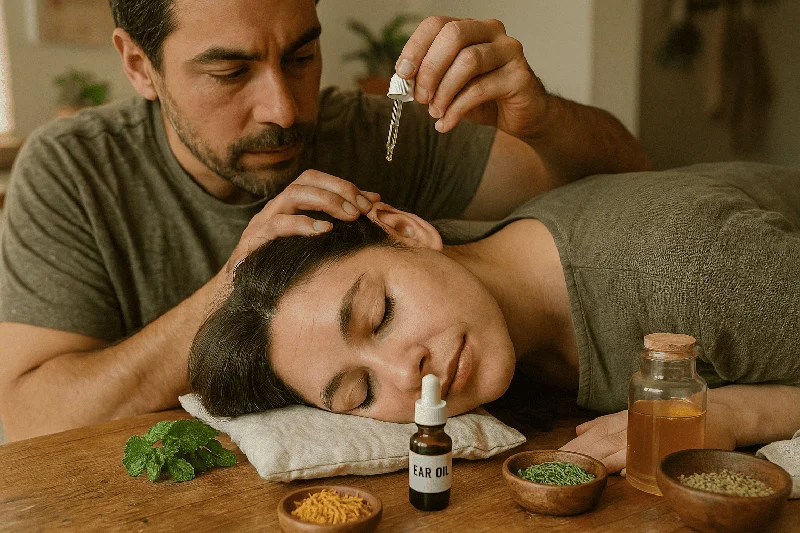
Ayurvedic ear drops are herbal oil-based formulations used to treat ear pain, infections, tinnitus, wax buildup, and hearing difficulties naturally — without steroids or synthetic chemicals. Rooted in the ancient practice of Karna Purana (therapeutic ear oiling described in classical texts like Charaka Samhita and Sushruta Samhita), these drops combine time-tested ingredients such as sesame oil, Bilva, Dashamoola, Neem, and Tulsi to soothe inflammation, fight microbial infections, and restore balance to the ear. Whether you're dealing with a nagging earache, stubborn wax, or age-related hearing decline, Ayurvedic ear drops offer a gentle, side-effect-free approach that works for children, adults, and the elderly alike.
- But here's the thing — not all ear problems respond to the same drops, and not every situation calls for self-treatment.
- This guide covers everything: which drops work for which condition, how to use them properly at home, when to see a doctor instead, and what the emerging scientific research actually says.
What Are Ayurvedic Ear Drops and How Do They Work?
Ayurvedic ear drops are medicated herbal oils (taila) specifically formulated for instillation into the external ear canal. Unlike conventional allopathic drops that often rely on antibiotics, steroids, or antifungal chemicals, Ayurvedic formulations use cold-pressed base oils infused with therapeutic herbs through a traditional process called Taila Paka Vidhi (oil cooking method).
The Anatomy Behind How Ear Drops Actually Reach the Problem
Understanding basic ear anatomy helps explain both the power and the limitations of any ear drop. When you tilt your head and instill drops, the liquid travels down the external auditory canal — a roughly 2.5 cm tube leading to the tympanic membrane (eardrum). The drops coat this canal, softening wax, reducing inflammation of the skin lining, and delivering antimicrobial compounds directly to the affected area.
- However, the drops cannot pass through an intact eardrum into the middle or inner ear.
- This is important: conditions like sensorineural hearing loss originating in the inner ear won't be directly reached by any topical drop — Ayurvedic or allopathic. What Ayurvedic oils can do is improve the overall health of the external ear, reduce Vata-aggravated dryness, and support the body's natural healing mechanisms.
When Ear Drops Cannot Help: Perforated Eardrum Consideration
If the eardrum has a perforation (hole), oil-based drops can enter the middle ear and potentially cause complications, including worsening of infection. This is a critical safety point that most Ayurvedic product labels don't adequately address. Always get your eardrum checked by a qualified practitioner before starting any ear drop regimen.
The Vata Dosha Connection to Ear Problems
In Ayurvedic philosophy, the ears are a primary seat of Vata dosha — the bio-energy governing movement, space, and dryness. When Vata becomes aggravated (through excessive noise exposure, cold weather, irregular routines, or aging), it manifests as symptoms like tinnitus, dryness, itching, earache, and progressive hearing loss. The Ashtanga Hridaya specifically states that regular ear oiling pacifies Vata and prevents ear diseases (Karna Roga).
Oil is considered the primary antidote to Vata — warm, heavy, and unctuous in nature, it directly opposes Vata's cold, light, dry qualities.
Key Ingredients in Ayurvedic Ear Drops and What Each One Does
- The efficacy of Ayurvedic ear drops comes from their ingredients, each selected for specific therapeutic properties.
- Here's a comprehensive breakdown:
| Ingredient | Sanskrit/Hindi Name | Primary Action | Best For |
|---|---|---|---|
| Sesame Oil | Til Tailam | Base oil; deeply penetrating, Vata-pacifying, antioxidant | All ear conditions (universal base) |
| Bilva (Bael) | Bilva Patra | Anti-inflammatory, analgesic, antimicrobial | Ear infections, pain |
| Dashamoola | Dashamoola | Ten-root anti-inflammatory complex, Vata-balancing | Tinnitus, hearing loss, chronic pain |
| Neem | Nimba | Antibacterial, antifungal, antiseptic | Fungal infections, itching, discharge |
| Tulsi (Holy Basil) | Tulasi | Antimicrobial, anti-inflammatory | Bacterial infections, earache |
| Garlic | Lasuna | Natural antibiotic, analgesic | Acute ear pain, minor infections |
| Ginger | Shunti | Warming, anti-inflammatory, circulation-boosting | Cold-related ear congestion |
| Honey | Madhu | Antibacterial, wound-healing (when combined) | Discharge, slow-healing infections |
| Mulethi (Licorice) | Yashtimadhu | Soothing, anti-inflammatory, demulcent | Irritation, chronic inflammation |
| Sarshapa (Mustard) | Sarshapa Tailam | Warming, wax-softening, circulation | Wax buildup, stiffness |
| Nirgundi (Vitex) | Nirgundi | Analgesic, anti-inflammatory | Severe ear pain |
*Note: Adrak is actually ginger; garlic is Lasuna — a common mixup even in some Ayurvedic product descriptions.
A 2019 in vitro study published in the Journal of Ayurveda and Integrative Medicine confirmed that several traditional ear oil ingredients (particularly Neem and sesame oil combinations) demonstrated significant antibacterial activity against common ear pathogens including Staphylococcus aureus and Pseudomonas aeruginosa.
Benefits of Ayurvedic Ear Drops: What They Can Actually Treat
Ear Pain Relief (Karna Shoola)
The most common reason people reach for ear drops. Ayurvedic formulations containing Bilva, Nirgundi, and sesame oil provide analgesic and anti-inflammatory action. Warm oil alone can relieve pain by soothing irritated nerve endings in the ear canal. A 2013 clinical study published in Ayu journal found that Bilva Taila showed significant improvement in ear pain scores compared to baseline within 7 days of treatment.
Earwax Removal and Softening
- Hardened earwax (cerumen impaction) is one of the most common causes of temporary hearing reduction.
- Ayurvedic oil drops are excellent wax softeners — the oil penetrates and loosens compacted wax, allowing it to migrate out naturally. Sesame oil and mustard oil are particularly effective for this purpose. Unlike hydrogen peroxide-based drops that can cause fizzing and discomfort, oil-based softeners work gently.
Ear Infections: Antibacterial and Antifungal Properties
Neem, Tulsi, and garlic-infused oils provide natural antimicrobial action. For mild external ear infections (otitis externa or "swimmer's ear"), these drops can be effective as a first-line treatment. A 2017 clinical study conducted at Gujarat Ayurved University demonstrated that herbal ear drops showed comparable efficacy to conventional antibiotic drops for uncomplicated external ear infections, with fewer reported side effects.
What Kills Ear Fungus Naturally?
- Fungal ear infections (otomycosis) cause intense itching, discharge, and a feeling of fullness.
- Neem oil is the standout ingredient here — its azadirachtin compound has proven antifungal properties. Tea tree oil, while not traditionally Ayurvedic, is sometimes combined in modern formulations. For stubborn fungal infections, look for drops combining Neem with Tulsi and sesame oil.
Tinnitus (Karna Nada) and Hearing Support
Tinnitus — that persistent ringing, buzzing, or whistling in the ears — is classically associated with aggravated Vata dosha. Dashamoola Taila (ten-root oil) is the primary Ayurvedic formulation for tinnitus. Regular Karna Purana with warm Dashamoola oil aims to pacify Vata, improve local circulation, and nourish the auditory nerve pathways.
For age-related or noise-induced hearing loss, expectations should be realistic. Ayurvedic drops can support ear health and potentially slow progression, but they are unlikely to reverse significant sensorineural damage. They work best as part of a comprehensive approach including diet, lifestyle, and sometimes Panchakarma therapy.
Itching and Dryness
Chronic ear canal itching is often a Vata symptom — dryness leading to flaking skin, irritation, and the urge to scratch (which worsens things). Simple warm sesame oil drops, used regularly, can resolve this within days. Adding Neem addresses any secondary fungal component.
Which Ayurvedic Ear Drops to Use for Which Problem
- This is something none of the existing guides online clearly spell out.
- Here's a practical decision matrix:
| Your Problem | Recommended Formulation | Key Active Herbs | Duration |
|---|---|---|---|
| Earwax buildup | Plain warm sesame oil or Anu Taila | Sesame, sometimes Bilva | 3–5 days |
| Acute ear pain | Bilva Taila or Nirgundi Taila | Bilva, Nirgundi, sesame | 5–7 days |
| Ear infection (bacterial) | Neem + Tulsi ear drops | Neem, Tulsi, garlic | 7–10 days |
| Fungal ear infection | Neem-based drops | Neem, Karanja | 10–14 days |
| Tinnitus/ringing | Dashamoola Taila | Ten roots of Dashamoola | 21–30 days (ongoing) |
| Hearing support | Dashamoola Taila or Apamarga Kshara Taila | Dashamoola, Apamarga | Long-term |
| Dryness/itching | Warm sesame oil | Sesame (Til Tailam) | As needed, ongoing |
| General prevention | Any gentle herbal ear oil | Sesame base + mild herbs | Weekly |
Always confirm with an Ayurvedic practitioner for persistent or severe symptoms.
How to Use Ayurvedic Ear Drops: Step-by-Step Karna Purana at Home
Karna Purana literally means "filling the ears" and is one of the daily health practices (Dinacharya) recommended in classical Ayurvedic texts. Here's a detailed home procedure that no other guide fully explains:
Step 1: Prepare the Oil
- Warm the ear drops to slightly above body temperature. Place the bottle in a bowl of warm water for 2–3 minutes.
- Never microwave. Test a drop on your inner wrist — it should feel comfortably warm, not hot. Cold oil in the ear can cause dizziness and discomfort.
Step 2: Position Yourself
Lie down on your side with the affected ear facing upward. Place a towel under your head to catch any overflow. If you're doing this for a child, have them rest their head in your lap.
Step 3: Instill the Drops
Gently pull the outer ear (pinna) slightly upward and backward (for adults) or downward and backward (for children under 3). This straightens the ear canal. Instill 2–3 drops for adults, 1–2 drops for children.
Step 4: Let It Absorb
Remain in the same position for 5–10 minutes. For full Karna Purana therapy, some practitioners recommend 10–15 minutes. You can gently massage the tragus (the small flap in front of the ear canal) in a circular motion to help the oil penetrate deeper.
Step 5: Drain and Repeat
Slowly sit up and tilt your head to let excess oil drain onto the towel. Repeat on the other side if needed. Wipe the outer ear gently with a soft cotton cloth. Do not insert cotton buds.
Frequency
- For treatment: Twice daily (morning and bedtime) for the recommended duration
- For prevention/maintenance: 2–3 times per week
- Full Karna Purana therapy: Daily for 7–14 days, preferably during Vata season (autumn/early winter)
Dosage for Children
| Age Group | Drops Per Ear | Frequency | Special Notes |
|---|---|---|---|
| Infants (6–12 months) | 1 drop | Once daily, only under doctor guidance | Use only plain sesame oil unless prescribed |
| Toddlers (1–5 years) | 1–2 drops | Once or twice daily | Hold head still; distract with stories |
| Children (5–12 years) | 2 drops | Twice daily | Can follow adult procedure |
| Teens and adults | 2–3 drops | Twice daily | Standard protocol |
Ayurvedic vs Allopathic Ear Drops: An Honest Comparison
| Parameter | Ayurvedic Ear Drops | Allopathic Ear Drops |
|---|---|---|
| Active agents | Herbal extracts in oil base | Antibiotics, steroids, antifungals |
| Onset of relief | Gradual (hours to days) | Often faster (minutes to hours) |
| Side effects | Minimal to none when used correctly | Possible: irritation, ototoxicity, resistance |
| Antibiotic resistance risk | None | Yes, with repeated/inappropriate use |
| Steroid content | None | Common (e.g., dexamethasone) |
| Suitability for long-term use | Yes — designed for regular use | Generally no — short courses only |
| Earwax removal | Excellent (oil softens naturally) | Variable (some use peroxide/carbamide) |
| Treats root cause (Ayurvedic view) | Yes — dosha balancing | Symptomatic relief primarily |
| Cost (India) | ₹80–250 for 10–25ml | ₹50–300 depending on composition |
| Availability | Ayurvedic stores, online, pharmacies | All pharmacies, hospitals |
| Safe during pregnancy | Generally yes (simple sesame oil); consult doctor for herbal blends | Many are contraindicated |
Neither system is universally "better." For acute, severe bacterial infections, allopathic antibiotics may be necessary. For chronic conditions, prevention, and gentle management, Ayurvedic drops have clear advantages in safety and sustainability.
Don't wait or self medicate. Start chat with Doctor NOW
Contraindications and Safety Warnings: When NOT to Use Ayurvedic Ear Drops
This section fills a critical gap — almost no Ayurvedic ear care resource online provides clear contraindications.
Here's what you need to know:
Absolute Contraindications
- Perforated eardrum: Oil entering the middle ear can cause severe infection. If you've had ear surgery, trauma, or chronic ear infections with discharge, get your eardrum examined first.
- Active purulent (pus) discharge: This suggests a middle ear infection that needs medical attention — not just topical oil.
- Post-surgical ear: After tympanoplasty, mastoidectomy, or any ear surgery, do not use any drops without your surgeon's clearance.
- Known allergy to any ingredient: Sesame allergy, while uncommon, exists. If you notice increased redness, swelling, or itching after use, discontinue immediately.
Relative Contraindications (Use with Caution)
- Foreign body in ear: Drops won't help and may push the object deeper.
- Severe vertigo or dizziness: Could indicate inner ear pathology requiring specialist evaluation.
- Children under 6 months: Only under direct medical supervision.
Can Ayurvedic Ear Drops Interact with Other Medications?
- This is another question nobody seems to address.
- The good news: oil-based Ayurvedic ear drops generally do not interact with oral medications.
- However:
- If you're using allopathic ear drops (antibiotic or steroid), don't instill Ayurvedic oil drops simultaneously. Space them at least 2–3 hours apart, or use them at different times of day.
- Oil can create a barrier that reduces absorption of water-based medicated drops. Always use water-based drops first, wait for absorption, then use oil drops later.
- If on blood thinners (relevant for garlic-based formulations used internally), inform your doctor — though topical ear use is unlikely to cause systemic effects.
When to See a Doctor: Red Flags That Need Medical Attention
Self-treatment with Ayurvedic ear drops is appropriate for mild, uncomplicated ear issues.
But watch for these warning signs:
- Severe, worsening ear pain that doesn't improve within 48 hours of treatment
- Sudden hearing loss (partial or complete) — this is a medical emergency
- Bloody discharge from the ear
- High fever (above 101°F/38.3°C) accompanying ear symptoms
- Facial weakness or drooping on the affected side
- Persistent vertigo or balance problems
- Symptoms in a child under 2 years — always consult a pediatrician first
- Ear pain after swimming or head trauma
- No improvement after 7–10 days of consistent Ayurvedic treatment
- Don't let natural healing enthusiasm delay necessary medical care.
- Ayurveda and modern medicine can coexist — the best practitioners use both wisely.
Ayurvedic Diet and Lifestyle Tips for Ear Health
This is where Ayurveda truly shines beyond just drops. Ear health, according to classical texts, depends on overall Vata balance.
Foods to Avoid During Ear Infection
- Cold, dry foods: raw salads, crackers, dry cereals
- Excess caffeine and stimulants: increase Vata
- Processed and frozen foods: lack prana (vital energy)
- Very spicy food: can aggravate Pitta and worsen inflammatory conditions
- Dairy (during active infection): may increase mucus and congestion
Foods That Support Ear Health
- Warm, cooked meals with ghee and mild spices
- Sesame-rich foods: sesame chutney, tahini
- Garlic and ginger in cooking (natural antimicrobials)
- Warm soups and stews: nourishing and Vata-pacifying
- Almonds and walnuts (soaked): provide healthy fats for nerve nourishment
Lifestyle Practices (Dinacharya)
- Regular Karna Purana: Even 1–2 drops of warm sesame oil weekly can prevent many ear problems
- Avoid excessive headphone use: Prolonged exposure aggravates Vata in the ear
- Protect ears in cold, windy weather: Wear a scarf or ear muffs. Wind is Vata's vehicle
- Nasya (nasal oil therapy): The ear, nose, and throat are connected — Anu Taila nasya supports ear health indirectly
- Abhyanga (oil massage): Weekly head and neck massage with sesame oil improves circulation to the ears
- Avoid inserting objects into the ear canal — including cotton swabs
Seasonal Considerations
- Vata season (autumn through early winter, roughly October–January in India) is when ear problems peak. Increase oil application frequency during these months.
- In monsoon season, humidity raises fungal infection risk — Neem-based drops can be used preventively.
How to Store Ayurvedic Ear Drops Properly
This practical detail matters more than most people realize, especially with oil-based formulations:
- - Temperature: Store at room temperature (20–30°C). Avoid direct sunlight and excessive heat.
- Do not refrigerate unless specifically instructed — cold oil should never be put directly into the ear.
- After opening: Most Ayurvedic ear oils remain effective for 3–6 months after opening if stored properly. Check the manufacturer's recommendation.
- Signs of spoilage: Rancid smell (sour or sharp odor), change in color (darkening significantly), cloudiness, or visible mold. Discard immediately if any of these appear.
- Hygiene: Don't let the dropper tip touch the ear canal. This can contaminate the entire bottle. If it does touch, wipe the tip with a clean cotton pad soaked in rubbing alcohol.
- Keep away from children: Even safe formulations shouldn't be self-administered by young children.
Frequently Asked Questions About Ayurvedic Ear Drops
Which Ayurvedic medicine is best for ear problems?
- It depends on the specific problem.
- Bilva Taila is considered one of the most versatile — effective for pain, infections, and general ear health. Dashamoola Taila is preferred for tinnitus and Vata-related hearing issues. For wax removal, plain warm sesame oil works remarkably well. For fungal issues, Neem-based drops are ideal.
- There is no single "best" — the right medicine matches the right condition.
Are Ayurvedic ear drops safe during pregnancy?
- Plain warm sesame oil for basic ear care is generally considered safe during pregnancy.
- However, complex herbal formulations — especially those containing strong herbs like Dashamoola — should only be used after consulting an Ayurvedic doctor. The concern isn't toxicity per se but rather the potent Vata-moving properties of certain herbs that could theoretically affect pregnancy. When in doubt, stick to simple sesame oil.
Can Ayurvedic ear drops cause temporary hearing loss?
Occasionally, yes — but it's not the drops themselves. If oil softens a large plug of wax, the wax can initially swell slightly before loosening, causing a temporary feeling of fullness or muffled hearing. This typically resolves within 24–48 hours as the wax naturally migrates out. If hearing reduction persists beyond 2 days, see a doctor for professional wax removal.
What is a good natural ear drop?
The simplest and most effective natural ear drop is warm sesame oil (Til Tailam). It's been used for thousands of years, is readily available, affordable, and suitable for almost everyone. For added therapeutic benefit, look for oils infused with Bilva, Neem, or Dashamoola depending on your specific need. Always ensure the oil is food-grade or pharmaceutical-grade.
What food should you avoid during ear infection?
- Avoid cold, dry, and processed foods that aggravate Vata.
- Specifically: raw salads, cold beverages, excessive caffeine, fried foods, and heavy dairy products. Focus instead on warm, cooked, lightly spiced meals. Garlic-ginger soup is particularly beneficial during ear infections due to its natural antimicrobial and anti-inflammatory properties.
How long do Ayurvedic ear drops take to show results?
- For earwax: 3–5 days.
- For ear pain: relief often begins within 1–2 applications, full resolution in 5–7 days.
- For infections: 7–14 days.
- For tinnitus and hearing support: 3–4 weeks minimum, with ongoing use often recommended.
- Consistency matters more than anything — sporadic use won't deliver results.
Final Thoughts: Making Ayurvedic Ear Drops Work for You
Ayurvedic ear drops represent one of the most accessible, affordable, and time-tested approaches to ear health available today. From the ancient practice of Karna Purana described in the Charaka Samhita to modern clinical studies validating their efficacy, these natural formulations offer genuine therapeutic value — especially for common conditions like earwax, pain, itching, infections, and Vata-driven tinnitus.
But they're not magic. They work best when you match the right formulation to the right problem, use them correctly and consistently, and know when to seek professional help. Combined with a Vata-balancing diet, protective lifestyle habits, and seasonal awareness, Ayurvedic ear care becomes not just treatment but true prevention.
If you're dealing with persistent ear issues, consider consulting a qualified Ayurvedic practitioner who can assess your Prakriti (constitution), identify the underlying dosha imbalance, and recommend a personalized treatment plan — drops included.
Your ears have been listening to the world your entire life. It's time to take care of them.
Scientific Sources
- Properties of macerated herbal oil — Kantawong F et al., 2017, BioImpacts : BI
- Kampo herbal ointments for skin wound healing — Paul-Traversaz M et al., 2023, Frontiers in pharmacology
- Daily intranasal sesame oil instillation to improve nasal barrier function and mucosal immunity for respiratory health: A pilot randomized trial in healthy adults — Chaturvedi S et al., 2025, Complementary therapies in medicine
- Role of natural products in alleviation of rheumatoid arthritis-A review — Sharma D et al., 2021, Journal of food biochemistry
- Oil pulling for maintaining oral hygiene - A review — Shanbhag VK, 2017, Journal of traditional and complementary medicine
- Natural Oils for Skin-Barrier Repair: Ancient Compounds Now Backed by Modern Science — Vaughn AR et al., 2018, American journal of clinical dermatology
- Herbal Remedies for Hair Loss: A Review of Efficacy and Safety — Ahmed A et al., 2025, Skin appendage disorders
- The effect of oil pulling with coconut oil to improve dental hygiene and oral health: A systematic review — Woolley J et al., 2020, Heliyon
- African oils in dermatology — Ayanlowo O et al., 2022, Dermatologic therapy
- Coconut Oil and Immunity: What do we really know about it so far? — Joshi S et al., 2020, The Journal of the Association of Physicians of India
- Pharmacological evaluation of Ashwagandha highlighting its healthcare claims, safety, and toxicity aspects — Mandlik Ingawale DS et al., 2021, Journal of dietary supplements
- Can Ashwagandha Benefit the Endocrine System?-A Review — Wiciński M et al., 2023, International journal of molecular sciences
- Clinician guidelines for the treatment of psychiatric disorders with nutraceuticals and phytoceuticals: The World Federation of Societies of Biological Psychiatry (WFSBP) and Canadian Network for Mood and Anxiety Treatments (CANMAT) Taskforce — Sarris J et al., 2022, The world journal of biological psychiatry : the official journal of the World Federation of Societies of Biological Psychiatry
- Effects of Withania somnifera (Ashwagandha) on Stress and the Stress- Related Neuropsychiatric Disorders Anxiety, Depression, and Insomnia — Speers AB et al., 2021, Current neuropharmacology
- Plant-derived nootropics and human cognition: A systematic review — Lorca C et al., 2023, Critical reviews in food science and nutrition
- Depression and Its Phytopharmacotherapy-A Narrative Review — Dobrek L et al., 2023, International journal of molecular sciences
- Neuroprotective Herbs for the Management of Alzheimer's Disease — Gregory J et al., 2021, Biomolecules
- Pharmacological attributes of Bacopa monnieri extract: Current updates and clinical manifestation — Fatima U et al., 2022, Frontiers in nutrition
- Meta-analysis of randomized controlled trials on cognitive effects of Bacopa monnieri extract — Kongkeaw C et al., 2014, Journal of ethnopharmacology
- Bacopa monnieri — Walker EA et al., 2026
Questions from users
How to properly store Ayurvedic ear drops for maximum effectiveness?
Client_621066
14 hours ago
To properly store Ayurvedic ear drops, keep them in a cool, dark place away from direct sunlight and heat to preserve their potency. Check the label for specific storage conditions and expiration dates. Storing at room temperature is generally sufficient unless the product indicates refrigeration. Avoid bathroom cabinets where humidity could affect the oil. Always ensure the cap is tightly closed to prevent contamination. If you notice any change in smell or consistency, it's advisable to consult a healthcare professional before use.
What are the signs that ear drops are working effectively?
Client_3c7127
5 days ago
Signs that ear drops are working effectively include a reduction in symptoms such as ear pain, itching, and inflammation within a few days. If the drops are for earwax, you may notice improved hearing or a sense of clearing in the ear. For an ear infection or swimmer’s ear, symptoms like discomfort, discharge, or redness should lessen. Typically, you should see improvement within 48 to 72 hours. Continue the recommended course of treatment; do not stop early if symptoms improve. If there's no improvement or if symptoms worsen, consider consulting a doctor.
What natural ingredients can support ear health in Ayurveda?
Client_329db6
10 days ago
Natural ingredients that can support ear health include tea tree oil, known for its antiseptic properties, though it is not traditionally Ayurvedic. Dashamoola Taila, an Ayurvedic oil made from ten roots, is cited for conditions like tinnitus because it addresses Vata imbalances linked to ear ailments. However, it is crucial to have your eardrum checked by a professional before using any ear drops, as improper use can cause harm. Persistent or severe ear issues warrant a consultation with a healthcare provider to ensure accurate diagnosis and treatment.
What are the benefits of using warm sesame oil for ear pain?
Client_379210
15 days ago
Warm sesame oil may help relieve ear pain by soothing irritated nerve endings in the ear canal. It can also help soften earwax, making it easier to expel naturally. When used regularly, warm sesame oil drops can potentially alleviate ear pain within days. However, if the pain persists or is accompanied by symptoms like hearing loss, it is important to consult a healthcare provider. Warm sesame oil should not be used if there is any ear discharge, recent ear surgery, or known sesame allergy. For persistent issues, professional medical advice is crucial.
How long does it take for Ayurvedic ear drops to work?
Client_73f128
20 days ago
Ayurvedic ear drops often start to relieve symptoms like earwax buildup or mild ear discomfort within a few days to a week. However, the timeframe can vary depending on the specific condition and severity. It is important to follow the product's specific recommendations for use, and improvements are typically noticed as the oil softens wax or alleviates irritation. If symptoms persist beyond a couple of weeks, or if there is pain, infection, or hearing loss, it's advisable to consult a healthcare professional. In Ayurveda, ear drops are most effective when used alongside dietary and lifestyle adjustments.
How to choose the right Ayurvedic ear drops for tinnitus?
Client_325866
30 days ago
When choosing Ayurvedic ear drops for tinnitus, consider selecting formulations like Dashamoola Taila, which is specifically recommended for this condition. Dashamoola is a blend made from ten roots known to help with inflammation and nerve support. Typically, results can vary and improvements might be noticed over weeks with consistent use. However, always evaluate if symptoms persist or worsen, and consult a healthcare professional. Watch for any skin irritation or allergic reactions. While Ayurvedic options are available, further research and a doctor's advice can ensure you’re using the most effective treatment for your tinnitus.
What safety precautions should I take when using ear drops at home?
Client_fcab01
40 days ago
When using ear drops at home, ensure they are warmed to body temperature, but not too hot, to prevent burns or discomfort. Clean your hands thoroughly to avoid introducing bacteria into the ear canal. Tilt your head or lie on your side so the ear facing up can easily receive the drops, keeping it still for several minutes to allow the drops to penetrate. Avoid inserting anything into the ear canal, such as cotton swabs, which can cause damage or push wax further in. If you experience persistent pain, itching, or discharge while using ear drops, it is advisable to consult a healthcare professional. Avoid using ear drops if you suspect a ruptured eardrum, indicated by sudden pain, hearing loss, or clear or bloody discharge, without consulting a doctor first. While Ayurveda offers supportive ingredients like neem and tulsi for soothing, modern medicine must guide their application.
How can I safely warm Ayurvedic ear drops before use?
Client_91e7fd
50 days ago
To safely warm Ayurvedic ear drops before use, place the bottle in a bowl of warm water for 2–3 minutes. Avoid using a microwave, as this can unevenly heat the drops and may make them too hot. Test a drop on your inner wrist; it should feel comfortably warm but not hot. If any ear problems worsen or do not improve within a few days, consult a healthcare professional. For further guidance on specific Ayurvedic ear treatments, consider consulting an Ayurvedic doctor to ensure the best match for your particular condition.
How can I tell if I have an ear infection at home?
Client_5e0225
59 days ago
To tell if you have an ear infection at home, look for signs like ear pain, difficulty hearing, a feeling of fullness in the ear, or fluid drainage. You may also have symptoms such as irritation or fever. In children, irritability and tugging at the ear can indicate an infection. While home remedies like warm olive oil drops or over-the-counter pain relievers can provide temporary relief for mild infections, persistent or severe symptoms, especially with fever or hearing loss, necessitate a doctor's consultation for accurate diagnosis and appropriate treatment.
What is the role of diet and lifestyle in treating ear canal issues according to Ayurveda?
Client_647c08
69 days ago
In Ayurveda, diet and lifestyle play a big role in treating ear canal issues, focusing on balancing the doshas, especially Vata. Foods that are warm, oily, and grounding help pacify Vata. Regular routines, reducing stress, and keeping ears protected from cold winds can help too. Hydration, avoiding excessive caffeine or alcohol might also support ear health. Consult a practitioner for personalized advice!
Related articles

Ear, Nose, and Throat Disorders
Sarivadi Vati for Vertigo – Natural Ayurvedic Remedy for Balance and Stability
Discover the benefits of Sarivadi Vati, an Ayurvedic formulation for treating vertigo, improving balance, and promoting overall ear and head health.
5,037

Ear, Nose, and Throat Disorders
Gandha Thailam Uses Dosage Side Effects Ingredients Reference
Exploration of Gandha Thailam Uses Dosage Side Effects Ingredients Reference
5,788

Ear, Nose, and Throat Disorders
Pharyngitis Treatment in Ayurveda: Natural Relief Through Holistic Healing
Discover Pharyngitis Treatment in Ayurveda. Learn traditional remedies, modern insights, dosage guidelines, and lifestyle tips for effective, natural throat care.
3,367

Ear, Nose, and Throat Disorders
Vishwachi in Ayurveda – Traditional Herbal Remedy & Therapeutic Benefits
Discover the traditional uses and benefits of Vishwachi in Ayurveda. Learn about its rejuvenative properties, therapeutic applications, and how it supports holistic health and vitality.
2,970

Ear, Nose, and Throat Disorders
Can We Put Mustard Oil in Ear: Benefits, Risks, and Ayurvedic Advice
Can we put mustard oil in ear safely? Learn the benefits, risks, Ayurvedic uses, and whether mustard oil is good for ear pain or safe for babies
21,474

Ear, Nose, and Throat Disorders
Karpuradi Vati Revealed: Detox & Rejuvenate with Ancient Ayurvedic Wisdom!
Unlock the secrets of Karpuradi Vati for detoxification and rejuvenation. Discover how this ancient Ayurvedic tablet can transform your wellness journey.
2,463

Ear, Nose, and Throat Disorders
Why Is My Ear Ringing All of a Sudden? Ayurvedic and Spiritual Insights
Why is your ear ringing all of a sudden? Discover Ayurvedic and spiritual meanings behind ringing in the left or right ear and natural ways to restore balance
20,163

Ear, Nose, and Throat Disorders
Dashmool Haritaki – A Powerful Ayurvedic Formula for Health and Vitality
Discover the benefits and uses of Dashmool Haritaki, a traditional Ayurvedic formulation known for enhancing digestion, boosting immunity, and promoting overall wellness.
3,567

Ear, Nose, and Throat Disorders
How to Treat Swollen Lymph Nodes in Neck Naturally: Ayurvedic Causes and Remedies
How to treat swollen lymph nodes in the neck naturally? Discover Ayurvedic and home remedies, causes of swelling on one side, and herbs or teas for lymphatic balance
6,460

Ear, Nose, and Throat Disorders
What Kills a Sore Throat Fast Overnight: Best Remedies & Ayurvedic Tips
Discover what kills a sore throat fast overnight using powerful natural and Ayurvedic remedies. Explore instant relief methods and bedtime healing rituals for a pain-free morning
5,791
Related consultations on the topic
Legal
Additional Documents
© 2024 Ask Ayurveda. All rights reserved.