Ask Ayurvedic doctor a question and get a consultation online on the problem of your concern in a free or paid mode. More than 2,000 experienced doctors work and wait for your questions on our site and help users to solve their health problems every day.


Body DetoxEar, Nose, and Throat DisordersGeriatrics & RejuvenationImmunodeficiencyInfertility TreatmentNutritionOrthopedic DisordersPediatricsRespiratory DisordersSexually Transmitted Diseases (STDs)Surgery RecoveryUrological DisordersVascular DisordersDental DisordersEndocrinological DisordersGastrointestinal DisordersYoga TherapyGeneral MedicineAllergic DisordersCardio DisordersGynecology and ObstetricsCosmetologySkin and Hair DisordersEye DisordersInfectious DiseasesMental DisordersNeurological DisordersOncologyPanchakarmaSexual Health & DisordersSports Medicine
Published on 01/24/25
(Updated on 08/14/26)
2,836
Vasaguluchyadi Kashayam Tablets – Ayurvedic Remedies for Respiratory & Joint Health
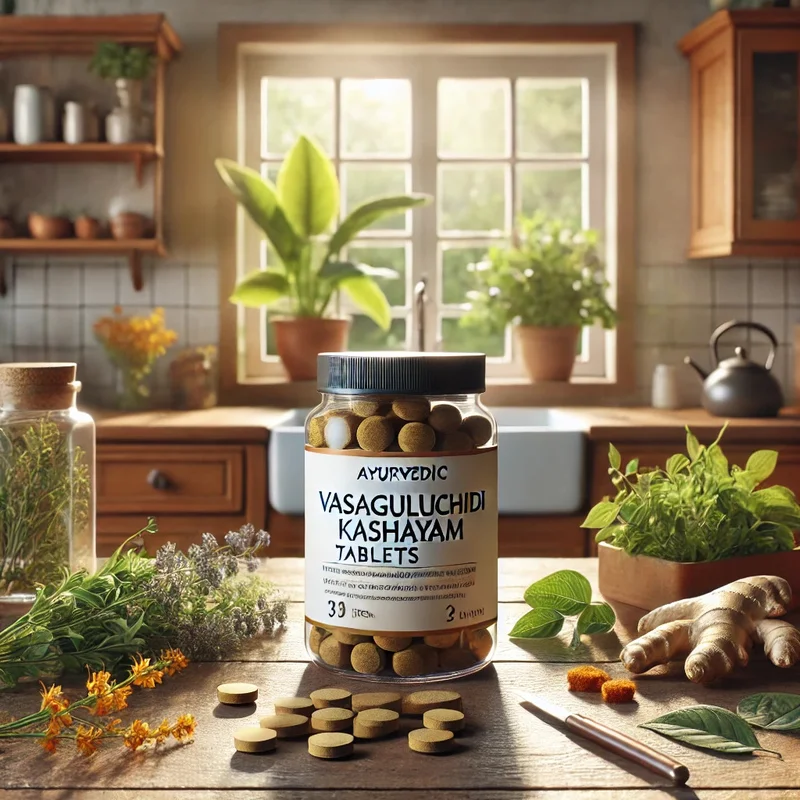
Vasaguluchyadi Kashayam is a classical Ayurvedic herbal decoction (kashayam) primarily used for treating liver disorders, anemia, jaundice, bleeding disorders, and thrombocytopenia. Rooted in ancient texts like Ashtangahridaya and Sahasrayoga, this polyherbal formulation combines Vasa (Adhatoda vasica), Guduchi (Tinospora cordifolia), Nimba (neem), Triphala, and several other hepatoprotective and blood-purifying herbs. It works by pacifying aggravated Pitta and Kapha doshas, strengthening liver function, improving hemoglobin levels, and enhancing platelet count. Available as both a traditional liquid decoction and convenient tablet form, Vasaguluchyadi Kashayam remains one of the most trusted liver tonics in the Kerala Ayurvedic tradition.
Whether you're dealing with elevated bilirubin, fatty liver, low platelet count during dengue recovery, or chronic anemia — this guide covers everything you need to know before starting this formulation.
What Is Vasaguluchyadi Kashayam?
Definition and Classification in Ayurveda
- Vasaguluchyadi Kashayam belongs to the Kashaya Kalpana category of Ayurvedic preparations — water-based herbal decoctions that extract the active therapeutic compounds from raw herbs through boiling.
- The name itself tells you the primary ingredients: Vasa (Adhatoda vasica) + Guluchi/Guduchi (Tinospora cordifolia) + adi (meaning "and others").
In Ayurvedic pharmacology, it is classified as a Pittahara and Raktaprasadana formulation — meaning it pacifies excess Pitta dosha and purifies the blood (Rakta dhatu). Its primary action targets the Yakrit (liver) and Rakta vaha srotas (blood channels), making it a first-line Ayurvedic choice for hepatobiliary and hematological conditions.
The formulation is considered Tikta Rasa (bitter taste) dominant, with Sheeta Virya (cooling potency) — both properties that directly counteract the heat and inflammation associated with liver pathology.
Historical Origins and Classical References
The earliest references to Vasaguluchyadi Kashayam appear in Ashtangahridaya, one of the foundational texts of Ayurveda authored by Vagbhata (approximately 7th century CE). The formulation is described in the context of Kamala Chikitsa (jaundice treatment) and Pandu Roga Chikitsa (anemia management).
It also finds detailed mention in Sahasrayoga, a compilation text from the Kerala Ayurvedic tradition that catalogues thousands of classical formulations. The Sanskrit shloka describing Vasaguluchyadi Kashayam outlines its ingredients and therapeutic indications with remarkable precision.
- During the colonial period in Kerala, this kashayam continued to be prepared in traditional Ayurvedic households and vaidyashaalas.
- The 20th-century revival of institutionalized Ayurveda — led by establishments like Kottakkal Arya Vaidya Sala and Vaidyaratnam — brought standardized manufacturing of this formulation, making it accessible to a much broader population.
Vasaguluchyadi Kashayam Tablet vs. Liquid Decoction
The traditional form requires boiling coarse powder with water to prepare a fresh decoction. The tablet form (Kashayam tablets) offers a convenient alternative — each tablet typically contains a concentrated, standardized extract equivalent to the classical decoction. While purists argue the liquid form has superior bioavailability, the tablets have become extremely popular for their ease of use, consistent dosing, and longer shelf life.
Complete Ingredients and Composition
Full Ingredient List with Proportions
One of the gaps in existing resources is a clear, comprehensive ingredient table with the role of each component.
Here's the complete breakdown based on classical references:
| # | Sanskrit Name | Botanical Name | Part Used | Primary Role in Formula |
|---|---|---|---|---|
| 1 | Vasa | Adhatoda vasica | Leaves | Hemostatic, anti-hemorrhagic, bronchodilator |
| 2 | Guduchi (Guluchi) | Tinospora cordifolia | Stem | Immunomodulator, hepatoprotective, antipyretic |
| 3 | Nimba | Azadirachta indica | Bark | Blood purifier, anti-inflammatory, antimicrobial |
| 4 | Amalaki | Emblica officinalis | Fruit | Antioxidant, vitamin C source, Pitta pacifier |
| 5 | Haritaki | Terminalia chebula | Fruit | Digestive, mild laxative, Tridosha balancer |
| 6 | Bibhitaki | Terminalia bellirica | Fruit | Astringent, Kapha reducer, detoxifier |
| 7 | Katuki | Picrorhiza kurroa | Rhizome | Potent hepatoprotective, cholagogue |
| 8 | Bhunimba | Andrographis paniculata | Whole plant | Bitter tonic, liver protector, antipyretic |
| 9 | Patola | Trichosanthes dioica | Leaves | Antipyretic, Pitta-Kapha pacifier |
| 10 | Chandana | Santalum album | Heartwood | Cooling, anti-inflammatory, blood purifier |
| 11 | Musta | Cyperus rotundus | Rhizome | Digestive stimulant, fever reducer |
| 12 | Parpata | Fumaria indica | Whole plant | Blood purifier, cooling, anti-bilious |
| 13 | Duralabha | Fagonia cretica | Whole plant | Antipyretic, blood purifier |
| 14 | Kantakari | Solanum xanthocarpum | Whole plant | Respiratory support, Kapha liquefier |
| 15 | Yashtimadhu | Glycyrrhiza glabra | Root | Hepatoprotective, anti-inflammatory, demulcent |
Note: Proportions may vary slightly between manufacturers. The traditional ratio follows the Sahasrayoga reference where Vasa and Guduchi form the primary ingredients (often in equal or dominant proportions), with the remaining herbs in supporting quantities.
Role of Each Key Ingredient
Vasa (Adhatoda vasica)
- The lead herb in this formulation.
- Vasa is renowned for its hemostatic properties — it helps control bleeding disorders, which is why the kashayam is effective in conditions involving hemorrhage. Its primary alkaloid, vasicine, has documented bronchodilatory and anti-inflammatory effects. In Ayurvedic terms, Vasa is Tikta (bitter), Kashaya (astringent), Sheeta Virya (cooling), and specifically indicated for Raktapitta (bleeding disorders due to aggravated Pitta).
Guduchi / Guluchi (Tinospora cordifolia)
Often called Amrita ("the immortal one") in Ayurveda, Guduchi is a powerful immunomodulator and hepatoprotective agent. The active compound tinosporaside and its polysaccharides have been shown to protect hepatocytes from toxic damage. A 2016 study published in the Journal of Ethnopharmacology demonstrated that Tinospora cordifolia extracts significantly reduced elevated liver enzymes (ALT, AST) in animal models of hepatotoxicity. Its Rasa is Tikta (bitter) and Kashaya (astringent), with Ushna Virya (hot potency) — providing a balancing counterpoint to the predominantly cooling herbs in the formula.
Nimba (Azadirachta indica)
Neem acts as a blood purifier (Raktashodhaka) and has strong anti-inflammatory and antimicrobial properties. Its azadirachtin compounds provide broad-spectrum protection against infections that often accompany liver disease.
Triphala (Amalaki, Haritaki, Bibhitaki)
This classic trio serves as a gentle detoxifier, antioxidant powerhouse, and digestive regulator within the formula. Amalaki alone contains one of the highest natural concentrations of vitamin C, providing critical antioxidant protection for stressed liver cells.
Katuki (Picrorhiza kurroa)
- Perhaps the most potent hepatoprotective herb in the entire formula.
- Picroside I and II — the active compounds in Katuki — have been extensively studied for their ability to protect liver cells from oxidative damage. A study published in Phytotherapy Research confirmed that Picrorhiza kurroa demonstrated hepatoprotective activity comparable to silymarin (milk thistle extract) in carbon tetrachloride-induced liver damage models.
Bhunimba (Andrographis paniculata)
Known as "King of Bitters," Bhunimba contributes andrographolide, a diterpenoid lactone with strong anti-inflammatory, immunomodulatory, and hepatoprotective properties. Research published in Indian Journal of Pharmacology (2012) showed andrographolide's ability to reduce liver fibrosis markers.
Active Compounds and Mechanisms of Action
Key Phytochemicals at Work
The therapeutic power of Vasaguluchyadi Kashayam comes from a synergistic blend of bioactive compounds:
- Vasicine & Vasicinone (from Vasa): Hemostatic, bronchodilatory, uterotonic
- Berberine-like alkaloids (from Guduchi): Anti-inflammatory, antimicrobial, glucose-regulating
- Tinosporaside & Cordioside (from Guduchi): Immunomodulatory, hepatoprotective
- Andrographolide (from Bhunimba): Anti-inflammatory, choleretic, liver-regenerating
- Picrosides I & II (from Katuki): Potent hepatoprotective, antioxidant
- Glycyrrhizin (from Yashtimadhu): Anti-inflammatory, hepatoprotective, adrenal support
- Solasodine (from Kantakari): Anti-inflammatory, respiratory support
- Gallic acid & Ellagic acid (from Triphala): Powerful antioxidants
Ayurvedic Pharmacology (Rasa Panchaka) and Doshic Analysis
From an Ayurvedic perspective, Vasaguluchyadi Kashayam predominantly exhibits:
- Rasa (Taste): Tikta (Bitter) primary, Kashaya (Astringent) secondary
- Virya (Potency): Sheeta (Cooling)
- Vipaka (Post-digestive effect): Katu (Pungent)
- Prabhava (Special action): Yakrit-uttejaka (liver stimulant), Raktaprasadana (blood purifier)
Doshic suitability: Primarily pacifies Pitta and Kapha. Due to its predominantly bitter and cooling nature, it may slightly aggravate Vata if used long-term without appropriate Anupana (adjuvant). Practitioners often recommend taking it with warm water or ginger juice to counterbalance this Vata-aggravating tendency.
- The formulation acts on multiple Srotas (channels): Rakta vaha srotas (blood channels), Anna vaha srotas (digestive channels), Yakrit (liver), and helps clear Ama (metabolic toxins) from the system.
- Its action on the Ranjaka Pitta — the subdosha of Pitta responsible for blood formation in the liver — is considered the primary mechanism by which it addresses anemia and jaundice.
What Is Vasaguluchyadi Kashayam Used For? (Indications & Benefits)
Liver Disorders and Hepatoprotection
This is the primary indication. Vasaguluchyadi Kashayam acts as a potent hepatoprotective agent, supporting the liver through multiple mechanisms:
- Jaundice (Kamala): Reduces elevated bilirubin levels by supporting bile metabolism and hepatocyte regeneration
- Fatty liver disease: Helps reduce hepatic fat accumulation through its bitter, metabolism-stimulating properties
- Alcoholic liver damage: Supports detoxification pathways overtaxed by chronic alcohol consumption
- Drug-induced hepatotoxicity: Offers protective support when the liver is stressed by prolonged medication use
Anemia and Blood Disorders (Pandu Roga)
The formulation's iron-rich herbs (particularly Amalaki and Guduchi) combined with its Raktaprasadana (blood-purifying) action make it effective for:
- Iron-deficiency anemia
- Anemia associated with chronic disease
- Low hemoglobin during pregnancy (under medical supervision only)
Thrombocytopenia (Low Platelet Count)
One of the most searched-for applications today. During dengue fever recovery and other viral infections that cause platelet drops, Vasaguluchyadi Kashayam is frequently prescribed by Ayurvedic practitioners to support platelet recovery. The Guduchi component has shown particularly promising results — a 2019 clinical observation published in the International Journal of Ayurveda and Pharma Research noted improvements in platelet counts among patients receiving Guduchi-based formulations alongside conventional care.
Bleeding Disorders (Raktapitta)
Thanks to the hemostatic properties of Vasa, this kashayam helps manage:
- Nasal bleeding (epistaxis)
- Bleeding gums
- Heavy menstrual bleeding (menorrhagia)
- Hemorrhagic conditions related to Pitta aggravation
Fever and Infections
The antipyretic herbs (Guduchi, Bhunimba, Nimba) in the formula make it useful as adjunct therapy in chronic and intermittent fevers, particularly those associated with liver involvement.
Dosage, Preparation, and How to Use
Standard Dosage for Adults and Children
| Patient Category | Liquid Kashayam Dosage | Tablet Dosage | Frequency |
|---|---|---|---|
| Adults (above 16 years) | 12–24 mL (diluted with equal water) | 2 tablets | Twice daily, before food |
| Children (5–16 years) | 5–12 mL (diluted with warm water) | 1 tablet | Twice daily, before food |
| Children (below 5 years) | Not recommended without direct physician supervision | Not recommended | — |
| Elderly (above 65 years) | 12–15 mL (start low) | 1–2 tablets | Twice daily, before food |
- Always consult a qualified Ayurvedic practitioner before starting.
- These are general guidelines — your doctor will adjust based on your specific condition, body constitution (Prakriti), and disease severity.
How to Prepare the Traditional Liquid Kashayam
If using the coarse powder form:
- Take 10–15 grams of Vasaguluchyadi Kashayam churna (coarse powder)
- Add 4 parts water (approximately 200 mL)
- Boil on low-medium heat, reducing to 1/4th of the original volume (approximately 50 mL)
- Strain through a clean cloth
- Add equal quantity of lukewarm water before drinking
- Consume on an empty stomach, ideally 30 minutes before meals
For the concentrated liquid form (available from manufacturers like Kottakkal or Vaidyaratnam): dilute 12–24 mL with an equal quantity of boiled and cooled water, and drink before meals.
Recommended Anupana (Adjuvants) by Season
The choice of Anupana can significantly enhance effectiveness:
- Summer/Pitta season: Lukewarm water or room-temperature water
- Winter/Kapha season: Warm water with a pinch of dry ginger powder
- Monsoon/Vata season: Warm water with fresh ginger juice (5 mL)
- For enhanced liver action: Honey (1 teaspoon) as Anupana — but only if the patient is not diabetic
Duration of Treatment and What to Expect
This is something no competitor adequately addresses.
Here's a realistic timeline:
- Acute jaundice: 2–4 weeks course, with liver function tests (LFT) monitored at baseline and every 2 weeks
- Chronic anemia: 6–12 weeks course, with complete blood count (CBC) at baseline and monthly
- Thrombocytopenia (dengue recovery): 1–3 weeks, with platelet count monitored every 3–5 days
- Chronic liver disease / fatty liver: 3–6 months course, with LFT and ultrasound at baseline and every 6–8 weeks
- General liver maintenance: 4–6 weeks seasonal course
Don't wait or self medicate. Start chat with Doctor NOW
Detailed Treatment Protocols for Specific Conditions
Protocol for Jaundice (Elevated Bilirubin)
Starting dose: 15 mL twice daily with warm water, on empty stomach Dietary guidance (Pathya): Light, easily digestible foods — rice gruel (kanji), moong dal, boiled vegetables, sugarcane juice, pomegranate juice. Strict avoidance of oily, spicy, fried foods, alcohol, and heavy meats. Lab monitoring: Serum bilirubin (total and direct), ALT, AST, ALP at baseline → repeat at day 14 → repeat at day 28 Expected improvement: Bilirubin levels typically begin declining within 7–10 days. Clinical symptoms (yellowing of eyes, dark urine) should show visible improvement by day 14.
Protocol for Anemia (Low Hemoglobin)
Starting dose: 24 mL twice daily (or 2 tablets twice daily) Complementary therapy: Often combined with Loha Bhasma or Dhatri Loha for synergistic iron supplementation Dietary guidance: Iron-rich foods — jaggery, dates, pomegranate, beetroot, green leafy vegetables, black sesame Lab monitoring: Hemoglobin, serum ferritin, and CBC at baseline → monthly Expected improvement: Hemoglobin typically rises 0.5–1.0 g/dL per month with consistent use
Protocol for Thrombocytopenia
Starting dose: 15–24 mL twice daily Complementary therapy: Guduchi Satva (500 mg twice daily) may be added for severe cases, along with Papaya leaf extract Lab monitoring: Platelet count every 3–5 days during acute phase Expected improvement: Platelet counts generally begin improving within 5–7 days, though this varies significantly by underlying cause
Laboratory Markers to Track Effectiveness
One thing no existing resource provides is clear guidance on which lab tests to monitor.
Here's what your doctor should be tracking:
| Lab Test | What It Measures | Target Improvement |
|---|---|---|
| Serum Bilirubin (Total & Direct) | Liver's ability to process bile | Reduction toward normal range (0.1–1.2 mg/dL) |
| ALT (SGPT) | Liver cell damage | Decrease toward normal (7–56 U/L) |
| AST (SGOT) | Liver and muscle cell damage | Decrease toward normal (10–40 U/L) |
| ALP (Alkaline Phosphatase) | Bile duct function | Normalization (44–147 IU/L) |
| Hemoglobin | Oxygen-carrying capacity | Increase of 0.5–1.0 g/dL per month |
| Platelet Count | Blood clotting ability | Increase toward >150,000/µL |
| Serum Ferritin | Iron stores | Normalization (20–500 ng/mL) |
Side Effects, Safety, and Drug Interactions
Known Side Effects
Vasaguluchyadi Kashayam is generally well-tolerated when taken in prescribed doses. An acute toxicity study following the OECD 425 protocol (published via NIH/PubMed Central) evaluated the formulation in animal models and found no significant adverse effects on hematological parameters, liver enzymes, or kidney function markers at standard therapeutic doses. No mortality was observed even at higher-than-therapeutic doses in the study.
However, some individuals may experience:
- Mild gastric discomfort or loose stools (due to the bitter, cold nature of the herbs)
- Slight drop in blood sugar — relevant for diabetics on hypoglycemic medication
- Aggravation of Vata symptoms (gas, bloating, dryness) with prolonged use — mitigated by using warm water as Anupana
Safety Warnings
- Pregnancy: Not recommended unless specifically prescribed by an Ayurvedic obstetrician. Several ingredients (particularly Vasa) have uterotonic properties.
- Breastfeeding: Use with caution and only under medical supervision
- Diabetes: The liquid kashayam may contain added jaggery or sugar in some formulations. Diabetics should opt for sugar-free versions or tablet form, and monitor blood glucose closely.
- Children under 5: Not recommended without direct physician supervision due to the potent bitter herbs
Drug Interactions — A Critical Gap Filled
No existing online resource adequately covers this.
Here are the key interactions to be aware of:
| Modern Medication | Potential Interaction | Recommendation |
|---|---|---|
| Anticoagulants (Warfarin, Heparin) | Vasa has hemostatic properties — may counteract anticoagulant effect | Avoid concurrent use or monitor INR closely |
| Antidiabetic drugs (Metformin, Glimepiride) | Guduchi and Bhunimba may lower blood sugar — additive hypoglycemic risk | Monitor blood glucose; dose adjustment may be needed |
| Hepatotoxic drugs (Paracetamol in high doses, certain antibiotics) | Kashayam's hepatoprotective action may be beneficial but can alter drug metabolism | Use under supervision; space doses by 2 hours |
| Immunosuppressants (post-transplant drugs) | Guduchi is an immunomodulator — may counteract immunosuppressive effect | Avoid concurrent use |
| Antiplatelet drugs (Aspirin, Clopidogrel) | Potential additive effect on platelet function | Monitor platelet function and bleeding time |
General rule: Maintain a minimum gap of 2 hours between Vasaguluchyadi Kashayam and any allopathic medication. Always inform both your Ayurvedic and allopathic doctors about all medicines you are taking.
Brand Comparison: Kottakkal vs Vaidyaratnam vs Nagarjuna vs AVP
Here's the first comprehensive brand comparison available online:
| Feature | Kottakkal (AVS) | Vaidyaratnam | Nagarjuna | AVP (Arya Vaidya Pharmacy) |
|---|---|---|---|---|
| Forms Available | Liquid, Tablets | Liquid, Tablets | Liquid | Liquid, Tablets |
| Pack Sizes (Liquid) | 200 mL, 500 mL | 200 mL, 450 mL | 200 mL | 200 mL, 450 mL |
| Tablet Pack Size | 100 tablets | 100 tablets | — | 100 tablets |
| Approx. Price (200 mL) | ₹90–120 | ₹80–110 | ₹85–105 | ₹95–125 |
| GMP Certified | Yes | Yes | Yes | Yes |
| Prescription Required | Yes (recommended) | Yes (recommended) | Yes (recommended) | Yes (recommended) |
| Classical Reference Followed | Sahasrayoga | Sahasrayoga | Sahasrayoga | Ashtangahridaya |
| Shelf Life | 3 years (tablets); 2 years (liquid) | 3 years (tablets); 2 years (liquid) | 2 years (liquid) | 3 years (tablets); 2 years (liquid) |
All major manufacturers follow classical formulation guidelines. The primary differences lie in sourcing quality of raw herbs, extraction methods and concentration levels. Kottakkal (Arya Vaidya Sala) and AVP are generally considered the gold standard due to their long heritage and quality control infrastructure, though Vaidyaratnam is equally reputable.
Comparison with Other Ayurvedic Liver Formulations
| Formulation | Primary Action | Best For | Key Difference from Vasaguluchyadi |
|---|---|---|---|
| Vasaguluchyadi Kashayam | Hepatoprotective + hemostatic + blood purifier | Jaundice, anemia, bleeding disorders, thrombocytopenia | Broadest action profile; addresses liver AND blood simultaneously |
| Drakshadi Kashayam | Pitta shamana, mild hepatoprotective | Mild liver conditions, acidity, burning sensation | Milder; better for Pitta-dominant symptoms without blood involvement |
| Patoladi Kashayam | Pitta-Kapha shamana, antipyretic | Fever with liver involvement, skin diseases | Stronger antipyretic; less hemostatic action |
| Arogyavardhini Vati | Hepatoprotective, metabolic corrector | Fatty liver, obesity-related liver issues, skin diseases | Tablet/Vati form; contains metals (Bhasma); stronger metabolic action |
| Kumaryasava | Hepatoprotective, digestive | Liver enlargement, poor digestion, anemia | Self-generated alcohol base; acts as appetizer; different mechanism |
Dietary Recommendations (Pathya-Apathya)
Foods to Include (Pathya)
- Grains: Old rice, barley, moong dal, red rice
- Vegetables: Bottle gourd, pointed gourd (parval), bitter gourd, drumstick, spinach
- Fruits: Pomegranate, amla, grapes, ripe papaya, sugarcane
- Others: Jaggery (if not diabetic), buttermilk, cow's ghee in moderation, turmeric milk
Foods to Strictly Avoid (Apathya)
- Alcohol (absolutely contraindicated)
- Deep-fried and oily foods
- Spicy, sour, and fermented foods
- Red meat and heavy non-vegetarian foods
- Excessive salt
- Refined sugar and processed foods
- Sesame oil (increases Pitta)
Storage, Shelf Life, and Signs of Spoilage
- Freshly prepared kashayam: Must be consumed within 3–4 hours. Do not refrigerate and reheat.
- Factory-sealed liquid: 2 years from manufacture date when stored in a cool, dry place away from direct sunlight
- Tablets: 3 years shelf life typically
- Signs of spoilage: Unusual sour or rancid smell, change in color (significantly darker or cloudy), visible mold or sediment that wasn't present before, altered taste (excessively sour instead of bitter)
Frequently Asked Questions (FAQ)
Can I take Vasaguluchyadi Kashayam during pregnancy?
It is generally not recommended during pregnancy unless specifically prescribed by a qualified Ayurvedic obstetrician. Vasa (Adhatoda vasica), the primary ingredient, has known uterotonic properties that could potentially stimulate uterine contractions. If you're pregnant and considering this medicine, please consult your doctor first without exception.
Can I take it alongside Metformin or other diabetic medications?
Use with caution. Guduchi and Bhunimba in the formula have blood sugar-lowering properties, which can create an additive hypoglycemic effect when combined with Metformin, Glimepiride, or insulin. Monitor your blood glucose more frequently if using both, and maintain a 2-hour gap between doses. Your doctor may need to adjust your diabetic medication dosage.
Is Vasaguluchyadi Kashayam safe for children under 5 years?
Not recommended for children under 5 without direct physician supervision. The potent bitter herbs can be too strong for young digestive systems. For children between 5–16 years, a reduced dose of 5–12 mL is typically prescribed.
How long should I take it for best results?
- This depends entirely on your condition. For acute jaundice, 2–4 weeks may suffice. For chronic anemia or fatty liver, 3–6 months of consistent use is typically needed.
- Never self-medicate beyond 4 weeks — reassess with your doctor and repeat relevant blood tests.
What is the Vasaguluchyadi Kashayam shloka (Sanskrit verse)?
- The classical reference shloka from Sahasrayoga describes the ingredients and indications. The verse begins with the naming of Vasa and Guduchi as primary herbs and lists the full composition along with therapeutic indications for Kamala (jaundice), Pandu (anemia), and Raktapitta (bleeding disorders).
- For the full Sanskrit text, refer to Sahasrayoga — Kashaya Prakarana section.
Can I use it for uric acid problems?
While Vasaguluchyadi Kashayam is not the primary formulation for elevated uric acid (hyperuricemia), its blood-purifying and anti-inflammatory properties may offer some supportive benefit. For uric acid specifically, formulations like Amritadi Kashayam, Kokilaksha Kashayam, or Punarnavadi Kashayam are more directly indicated.
Which Ayurvedic medicine is good for diabetes — is this one of them?
Vasaguluchyadi Kashayam is not a primary anti-diabetic formulation. While some of its ingredients (Guduchi, Bhunimba) have blood sugar-lowering properties, it is designed for liver and blood disorders. For diabetes management, formulations like Katakakhadiradi Kashayam, Nishakatakadi Kashayam, or Chandraprabha Vati are more appropriate choices.
Is it available without a prescription?
While technically sold as an OTC product in many Ayurvedic pharmacies, it is strongly recommended that you use it only under medical supervision. The potent hepatoactive and hemostatic herbs in this formula require proper diagnosis and monitoring for safe, effective use.
Final Thoughts and Recommendation
Vasaguluchyadi Kashayam stands as one of Ayurveda's most well-validated formulations for liver protection, anemia management, and blood purification. Its unique combination of hepatoprotective, hemostatic, and immunomodulatory herbs — backed by both classical textual references and modern toxicity studies — makes it a reliable therapeutic option when used correctly.
The key to getting results? Proper diagnosis first, correct dosage second, and consistent monitoring third. Don't self-diagnose jaundice or anemia based on internet symptoms. Get your blood work done, consult a qualified Ayurvedic practitioner, and follow the Pathya-Apathya guidelines alongside the medication.
If you're currently dealing with liver concerns, unexplained fatigue, low hemoglobin, or recovering from a viral infection that affected your platelet count — bring up Vasaguluchyadi Kashayam in your next consultation with your Ayurvedic doctor. It might be exactly what your treatment plan needs.
Disclaimer: This article is for informational purposes only and should not be considered medical advice. Always consult a qualified healthcare practitioner before starting any new medication or supplement.
Scientific Sources
- The Post-COVID 19 long term surveillance study sequel to an add-on Ayurveda regimen — Wanjarkhedkar P et al., 2022, Journal of Ayurveda and integrative medicine
- A prospective clinical study of an Ayurveda regimen in COVID 19 patients — Wanjarkhedkar P et al., 2022, Journal of Ayurveda and integrative medicine
Questions from users
What is the effect of Guduchi on immune function?
Client_e1e6ca
26 days ago
Guduchi (Tinospora cordifolia) is known for its potential immunomodulatory effects, meaning it may help modulate or support the immune system. This herb is often considered to boost the body's resistance to infections and reduce immune-related inflammation. However, scientific evidence on its efficacy can be limited, and effects may vary from person to person. Those considering Guduchi should do so under medical supervision, especially if they have underlying health conditions, are pregnant, or are taking other medications like Metformin due to potential interactions.
How does Vasaguluchyadi Kashayam affect blood sugar levels?
Client_42dcf4
35 days ago
Vasaguluchyadi Kashayam may lower blood sugar levels due to its herbal components. However, its impact can vary widely among individuals. Patients on diabetic medications should monitor their blood sugar closely and consult their doctor, who might need to adjust their medication. Effects might not be immediate, so discussing ongoing adjustments with a healthcare provider is essential. It's crucial to avoid self-medicating, especially in children or without professional guidance, due to potential side effects and contraindications with other conditions or medications.
What are the signs that Vasaguluchyadi Kashayam Tablets are effective for liver health?
Client_b597d8
45 days ago
You may notice that Vasaguluchyadi Kashayam Tablets are effective for liver health when symptoms like fatigue, jaundice, or digestive issues improve. Typically, users may start to feel an impact within 2-4 weeks, particularly in conditions like acute jaundice. This herbal formulation supports the liver by helping to clear metabolic toxins and improving blood purification processes. However, always monitor for potential side effects such as stomach upset or allergic reactions. Consult a healthcare professional if symptoms persist or worsen while using these tablets.
What diet changes can improve liver function while taking Ayurvedic medications?
Client_1c09b3
55 days ago
To enhance liver function while taking Ayurvedic medications, focus on a diet rich in whole grains, fresh fruits, and vegetables while reducing intake of alcohol, fried foods, and processed sugars. Foods like turmeric, garlic, and cruciferous vegetables can support liver health. Ensure adequate hydration and avoid overeating. It's crucial to monitor your liver function through blood work and consult your doctor regularly. If symptoms persist or worsen, such as unexplained fatigue or jaundice, seek medical advice promptly. Ayurveda should support, not replace, conventional treatment.
What are the recommended dietary restrictions while using Vasaguluchyadi Kashayam Tablets?
Client_9d213e
64 days ago
When using Vasaguluchyadi Kashayam Tablets, it is recommended to avoid oily, spicy, fried foods, alcohol, and heavy meats. These dietary restrictions help support liver function and enhance the effectiveness of the treatment. This Ayurvedic formulation is often used for conditions such as jaundice, anemia, and fatty liver. Typically, use lasts 2-4 weeks for acute conditions and 3-6 months for chronic issues, but ongoing monitoring by a healthcare provider is essential. If you experience any adverse effects or if your condition does not improve, consult a doctor promptly.
What lifestyle changes can support liver health while taking Vasaguluchyadi Kashayam Tablets?
Client_cd9956
74 days ago
To boost liver health with Vasaguluchyadi Kashayam tablets, try incorporating more fresh, seasonal veggies and fruits in you're diet, and drink plenty of warm water. Cut back on spicy, oily, and processed foods, they stress the liver. Regular exercise and yoga can help too, especially poses that improve digestion. Remember, balance is key!
What should I know about the potential side effects of taking Vasaguluchyadi Kashayam Tablets?
Client_354390
83 days ago
When taking Vasaguluchyadi Kashayam Tablets, watch for potential side effects like stomach upset, changes in appetite, or mild headache. It affects digestion and metabolism due to its Ushna Virya (hot potency). Always better to consult a doctor, especially if you notice anything unusual. Every body is different, remember!
Can I take Vasaguluchyadi Kashayam Tablets while pregnant or breastfeeding?
Client_eaa208
93 days ago
Using Vasaguluchyadi Kashayam Tablets during pregnancy or breastfeeding can be complex since pregnant and nursing people have unique needs. It's best to consult an experienced ayurvedic practitioner or your healthcare provider to review your specifics. They can help ensure it's safe for you and the baby, given your individual situation.
What lifestyle changes can worsen doshic imbalances affecting joint pain?
Client_df7ab1
102 days ago
A few lifestyle changes can worsen doshic imbalances and affect joint pain: irregular eating habits can disturb your agni; leading a sedentary life can make kapha imbalance worse, and high stress levels might mess with your vata over time. Try and maintain a routine, move regularly, and practice stress management for balance.
Can Vasaguluchyadi Kashayam Tablets help with morning stiffness in joint pain?
Client_726720
111 days ago
Yup, Vasaguluchyadi Kashayam Tablets can be helpful for morning stiffness due to their anti-inflammatory properties. They work on balancing the doshas and reducing inflammation, which might help ease joint pain. But remember, you should consult with an Ayurvedic practitioner to get the proper dosage for your specific condition.
Related articles

General Medicine
Nirocil Tablet
Exploration of Nirocil Tablet
2,513

General Medicine
Pratishyaya Chikitsa – Ayurvedic Treatment for Common Cold and Respiratory Disorders
Explore the Ayurvedic approach to Pratishyaya Chikitsa (treatment for the common cold and respiratory disorders), including natural remedies, therapies, and lifestyle tips for fast relief.
3,926

General Medicine
Diet for Fatty Liver Disease: Foods, Plan, What to Avoid
What to eat and avoid with fatty liver, a 7-day meal plan, the best breakfasts, and the Ayurvedic habits that address weak digestion behind it.
513
General Medicine
Cardocalm – Ayurvedic Formula for Heart Health & Calm
Discover CardoCalm, a natural supplement for heart health. Learn about its benefits, usage, dosage, potential side effects, and scientific insights for cardiovascular support.
4,313

General Medicine
Shring Bhasma Benefits, Dosage, Ingredients, Side Effects, Preparation
Exploration of Shring Bhasma Benefits, Dosage, Ingredients, Side Effects, Preparation
3,455

General Medicine
Sanjivani Vati Benefits, Dosage, Ingredients, And Side Effects
Exploration of Sanjivani Vati Benefits, Dosage, Ingredients, And Side Effects
3,036

General Medicine
Is Fenugreek Good for Diabetes? Ayurvedic Guide to Usage and Benefits
Is fenugreek good for diabetes? Learn how to take fenugreek seeds for diabetes, make fenugreek water, and explore Ayurvedic ways to control blood sugar
3,039

General Medicine
Vishama Jwara: Ayurvedic & Modern Insights
Explore Vishama Jwara from Ayurvedic roots to modern research. Learn causes, symptoms, and practical management tips for better health.
3,841

General Medicine
Hydro Colon Cleanse: Risks, Results and a Better Option
What a hydro colon cleanse really does, what comes out, the documented risks, and why Ayurvedic basti is the safer, genuinely therapeutic alternative.
146
General Medicine
Ayurvedic Approaches to Disease Prevention and Treatment
Prevention is always better than cure. And it is important to make sure a person is in optimum health in order to prevent diseases. Ayurveda, an ancient system of medicine from India, is gaining popularity as an alternative approach to disease prevention
3,425
Related consultations on the topic
Legal
Additional Documents
© 2024 Ask Ayurveda. All rights reserved.