
Ask Ayurvedic doctor a question and get a consultation online on the problem of your concern in a free or paid mode. More than 2,000 experienced doctors work and wait for your questions on our site and help users to solve their health problems every day.


Body DetoxEar, Nose, and Throat DisordersGeriatrics & RejuvenationImmunodeficiencyInfertility TreatmentNutritionOrthopedic DisordersPediatricsRespiratory DisordersSexually Transmitted Diseases (STDs)Surgery RecoveryUrological DisordersVascular DisordersDental DisordersEndocrinological DisordersGastrointestinal DisordersYoga TherapyGeneral MedicineAllergic DisordersCardio DisordersGynecology and ObstetricsCosmetologySkin and Hair DisordersEye DisordersInfectious DiseasesMental DisordersNeurological DisordersOncologyPanchakarmaSexual Health & DisordersSports Medicine
Published on 03/17/25
(Updated on 08/09/26)
3,022
Dengue Fever in Ayurveda: Evidence-Based Holistic Guide
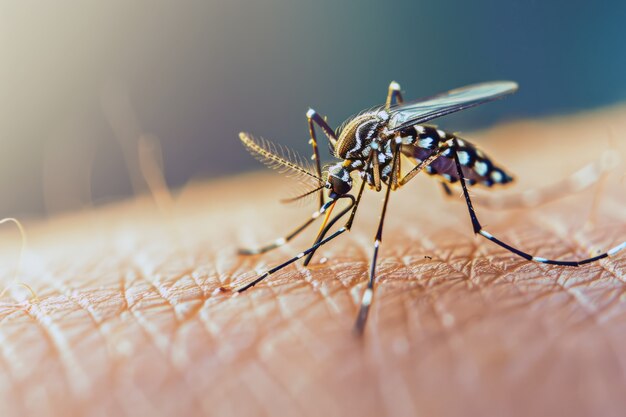
Dengue fever, a mosquito-borne viral infection, has long been a global public health concern. According to the World Health Organization (WHO), about half of the world’s population is at risk of dengue, with an estimated 100–400 million infections worldwide each year. While modern medicine focuses on controlling symptoms and preventing complications, many people also explore traditional systems like Ayurveda for supportive care. This article delves into dengue fever in Ayurveda, examining scientific perspectives, traditional principles, research findings, and practical measures for managing the disease holistically.
Disclaimer: This article is for informational purposes only and does not replace professional medical advice. Always consult a qualified healthcare provider for personalized guidance, diagnosis, and treatment.
Table of Contents
- Understanding Dengue Fever
- Ayurvedic Perspective on Dengue
- Modern Medical Consensus and Standard Care
- Ayurvedic Herbs and Home Remedies
- Scientific Research on Ayurvedic Interventions
- Dietary Recommendations and Lifestyle Modifications
- Frequently Asked Questions (FAQ)
- Conclusion and Call to Action
1. Understanding Dengue Fever
Dengue fever is caused by the dengue virus, which is transmitted primarily by the Aedes aegypti mosquito. Infected individuals may experience symptoms such as:
- High fever
- Severe headache
- Pain behind the eyes
- Muscle and joint pains
- Nausea or vomiting
- Rash on the skin
Severity and Complications
- Dengue Hemorrhagic Fever (DHF): A severe form marked by bleeding tendencies, low platelet count, and circulatory failure.
- Dengue Shock Syndrome (DSS): Extreme complications leading to shock and multi-organ failure if not treated promptly.
According to the Centers for Disease Control and Prevention (CDC), severe cases can be life-threatening, thus early detection and proper medical management are crucial.
2. Ayurvedic Perspective on Dengue
Ayurveda is a holistic system of medicine originating in India over 3,000 years ago. It focuses on restoring balance in the body through dietary management, lifestyle practices, and herbal formulations. While dengue itself is not specifically mentioned in classical Ayurvedic texts—since the virus is a modern discovery—the principles of immunity (Ojas), digestion (Agni), and balancing bodily humors (Doshas: Vata, Pitta, Kapha) offer a framework for addressing febrile illnesses.
-
Dosha Imbalance
Dengue-like fevers in Ayurveda might be correlated with certain types of febrile disorders (Jwara) that involve Pitta imbalance (excess heat), along with the possibility of Vata derangement causing body aches and fatigue. -
Strengthening Ojas
Ojas, often described as the essence of vitality and immunity, is believed to protect the body against infections. Ayurvedic strategies for dengue fever often emphasize strengthening Ojas to boost the body’s natural resistance. -
Detoxification and Support
Ayurveda also employs detoxification techniques and supportive herbs to help clear toxins (Ama) and restore the digestive fire (Agni). In an Ayurvedic context, balancing digestive capacity is crucial for faster recovery and overall health.
3. Modern Medical Consensus and Standard Care
Mainstream healthcare approaches dengue fever by focusing on:
- Symptomatic Relief: Managing pain and fever with medications like acetaminophen (paracetamol).
- Hydration: Encouraging adequate fluid intake to prevent dehydration.
- Monitoring Platelet Counts: Keeping an eye on platelet levels to detect potential complications like hemorrhaging.
- Hospitalization for Severe Cases: Immediate intervention in intensive care units when symptoms escalate.
Clinical guidelines from reputable organizations such as the WHO and national health institutions emphasize early detection, supportive care, and community-based strategies to reduce mosquito breeding sites. Researchers have also been investigating antiviral medications and vaccines to prevent dengue. A licensed vaccine exists in some regions, but efficacy and global availability remain under ongoing evaluation.
4. Ayurvedic Herbs and Home Remedies
Ayurvedic practitioners often recommend various herbs and home remedies to support the body’s recovery process from fever and its complications. While many claim benefits, scientific validation is ongoing and results can vary.
4.1 Papaya Leaf (Carica papaya)
- Traditional Usage: Papaya leaf juice or extract is commonly suggested for supporting platelet counts.
- Scientific Perspective: Several small-scale studies (e.g., published in the Journal of Ethnopharmacology and available on PubMed) have demonstrated that papaya leaf extracts may help increase platelet counts in dengue patients. However, larger randomized controlled trials are needed to confirm its efficacy.
4.2 Giloy (Tinospora cordifolia)
- Known as: Guduchi or Amrita in Ayurveda.
- Potential Benefits: Believed to support immune function, reduce fever, and bolster the body’s resilience against infections.
- Research Insights: Preliminary research suggests Giloy has immunomodulatory effects, but more robust clinical trials are necessary to establish definitive benefits in dengue fever.
4.3 Tulsi (Ocimum sanctum)
- Ayurvedic View: Holy Basil or Tulsi is revered for its adaptogenic and antimicrobial properties.
- Modern Studies: Some in-vitro studies indicate antiviral activity, but there is insufficient large-scale clinical evidence to prove its efficacy in treating dengue specifically.
4.4 Other Supportive Herbs
- Neem (Azadirachta indica)
- Turmeric (Curcuma longa)
- Moringa (Moringa oleifera)
These plants are often mentioned in Ayurvedic circles for their immune-supporting and anti-inflammatory properties. Nonetheless, it is essential to consult a qualified Ayurvedic or medical professional for personalized advice.
5. Scientific Research on Ayurvedic Interventions
5.1 Current Evidence
A growing body of research is investigating how Ayurvedic herbs may help in viral infections, including dengue. Systematic reviews in journals such as the International Journal of Ayurveda Research show mixed results—some herbal formulations appear promising, but the studies are often small or lack rigorous design.
5.2 Debates and Challenges
- Lack of Large-Scale Trials: Many studies on Ayurvedic interventions are pilot projects or case reports, lacking the scale and randomization needed for mainstream medical endorsement.
- Variability in Herbal Preparations: The potency and purity of herbal formulations can differ, impacting study outcomes.
- Integration with Modern Treatments: While Ayurveda may offer supportive measures, its role as a standalone treatment is debated among healthcare professionals.
5.3 The Road Ahead
More high-quality, randomized controlled trials are needed to:
- Validate the safety and efficacy of specific Ayurvedic therapies for dengue fever.
- Establish standardized dosing protocols.
- Clarify how best to integrate Ayurvedic approaches with conventional medical care.
6. Dietary Recommendations and Lifestyle Modifications
6.1 Balanced, Easy-to-Digest Diet
- Khichdi: A light dish of rice and lentils, often recommended in Ayurveda for convalescence.
- Fruit Juices and Coconut Water: Rich in electrolytes, help maintain hydration.
- Vegetable Soups: Warm, nutrient-dense liquids that support digestion.
6.2 Avoid Inflammatory Foods
- Deep-Fried Items and Spicy Foods: May exacerbate Pitta dosha and aggravate fever symptoms.
- Excessively Sugary Beverages: Can be dehydrating if they lead to gastrointestinal disturbances.
6.3 Rest and Gentle Activities
- Adequate Sleep: Essential for immune regeneration and overall healing.
- Mild Yoga or Breathing Exercises: Can be beneficial once the acute phase is over, helping ease body aches and improving circulation.
6.4 Importance of Hygiene
- Mosquito Control: Regularly empty water containers, use mosquito nets, and apply repellents as recommended by the CDC.
- Clean Living Spaces: Maintaining cleanliness helps reduce the risk of secondary infections and other complications.
7. Frequently Asked Questions (FAQ)
Q1: Can Ayurveda cure dengue fever entirely?
Ayurveda can offer supportive remedies and boost overall immunity, but there is no definitive cure. Modern medical interventions—hydration, monitoring platelet count, and symptomatic treatment—remain crucial. Always consult both an Ayurvedic practitioner and a certified medical professional for comprehensive management.
Q2: Are Ayurvedic remedies safe to take alongside conventional dengue treatments?
Generally, many Ayurvedic herbs are safe when used properly. However, potential interactions vary depending on the specific medication and individual health conditions. Seek guidance from qualified healthcare providers to avoid contraindications.
Q3: How long does dengue fever typically last?
Dengue fever typically lasts from 2 to 7 days. Complete recovery may take a few more days or weeks, depending on severity and individual health status.
Q4: Is there any scientific backing for papaya leaf in raising platelet counts?
Some small-scale studies suggest that papaya leaf extract may help raise platelet counts in dengue patients. While these findings are promising, larger, randomized clinical trials are needed for definitive conclusions.
Q5: Which lifestyle habits can reduce the risk of dengue?
Preventing mosquito bites is paramount. Use mosquito repellents, wear protective clothing, and ensure there are no stagnant water sources around your home. A balanced diet, regular exercise, and good hygiene also contribute to better overall health and immunity.
8. Conclusion and Call to Action
Dengue fever in Ayurveda is a topic of growing interest, given the global rise in dengue cases and the quest for integrative healthcare solutions. While conventional treatments are indispensable for managing symptoms and complications, Ayurvedic principles—emphasizing herbs like papaya leaf, Giloy, Tulsi, and holistic lifestyle modifications—may offer complementary benefits.
Still, it’s vital to proceed with caution and rely on evidence-based practices. Ongoing and future research will help clarify how Ayurveda can align with modern medical guidelines to tackle dengue more effectively.
Call to Action:
- Share this article with friends and family who might benefit from integrative health insights on dengue fever.
- Comment below with your experiences or questions about Ayurvedic approaches.
- Subscribe to our newsletter for the latest updates on traditional and modern healthcare research.
By combining the best of both worlds—traditional wisdom and modern science—you can navigate dengue fever with a well-rounded, informed strategy. Always remember that professional medical advice should be your primary resource in managing any health condition.
References and Further Reading
- World Health Organization (WHO):
Dengue and severe dengue - Centers for Disease Control and Prevention (CDC):
Dengue - Journal of Ethnopharmacology: Studies on Papaya Leaf Extract for Dengue
- International Journal of Ayurveda Research: Systematic Reviews on Ayurvedic Herbs
Disclaimer: The information provided here is not intended to replace medical treatment. Always seek professional healthcare advice for diagnosis and treatment of any health-related condition.
Questions from users
How can I boost my immune system after recovering from dengue?
Client_8746c4
2 days ago
To boost your immune system after recovering from dengue, focus on a nutritious diet, adequate hydration, and sufficient rest. Eat a diverse range of fruits and vegetables rich in vitamins C and A, which are known to enhance immune function. Hydration supports overall recovery, so drink plenty of water, herbal teas, and clear broths. Exercise gently to rebuild strength, but consult a healthcare provider before starting any intense physical activity. Monitor your health for any persistent symptoms or signs of complications, and see a doctor if you're concerned. While Ayurveda mentions various herbs for boosting immunity, scientific evidence specifically for post-dengue recovery is limited.
What are the primary transmission methods for dengue virus?
Client_f79cef
7 days ago
The primary transmission method for the dengue virus is through the bite of an infected Aedes aegypti mosquito. These mosquitoes typically thrive in tropical and subtropical climates. It's crucial to eliminate standing water where mosquitoes breed and use repellents to reduce the risk of bites. Symptoms of dengue can appear 4 to 10 days after a mosquito bite and may include fever, headache, and muscle pain. If symptoms worsen or include severe abdominal pain or bleeding, seek medical attention immediately.
Can I combine Ayurvedic and homeopathic remedies for dengue treatment?
Client_723250
12 days ago
Combining Ayurvedic and homeopathic treatments for dengue is not typically recommended as a primary approach. Dengue is a serious viral infection that requires conventional medical attention. Support from Ayurvedic remedies may help boost immunity, but they should not replace medical treatment. Homeopathy also lacks scientific backing for treating dengue effectively. Always prioritize seeing a healthcare provider for dengue symptoms. If you want to incorporate complementary remedies, do so under professional guidance to avoid interactions or inappropriate use.
What precautions should be taken to avoid dengue fever outbreaks at home?
Client_c2e3c4
17 days ago
To prevent dengue fever outbreaks at home, eliminate stagnant water sources where mosquitoes breed by regularly emptying and cleaning containers like flower pots and buckets. Use insect repellents and wear long-sleeved clothing, especially during dawn and dusk when mosquitoes are most active. Install screens on windows and doors to keep mosquitoes out. While antiviral medications and vaccines for dengue are under research, focus on controlling mosquito populations and reducing bites. Seek professional medical advice if you suspect dengue symptoms, such as high fever and severe headache, for timely diagnosis and treatment.
What are the common symptoms to recognize dengue fever early?
Client_20661c
27 days ago
The early symptoms of dengue fever often include a sudden high fever, severe headache, pain behind the eyes, joint and muscle pain, fatigue, nausea, vomiting, and skin rash that may appear two to five days after the fever begins. It's crucial to watch for warning signs of severe dengue, which can develop within a few days of illness onset, such as severe abdominal pain, persistent vomiting, rapid breathing, bleeding gums, and fatigue. If these occur, seek medical attention immediately. Early diagnosis and supportive care are key, so consulting a healthcare provider promptly if dengue fever is suspected is essential for effective management.
What dietary changes can support recovery from dengue fever using Ayurveda?
Client_46e928
37 days ago
To support recovery from dengue fever, focus on dietary changes that aid hydration and nutrient replenishment. Increasing fluid intake with water, coconut water, and clear broths can help maintain hydration, which is crucial since dengue often causes dehydration. Light, nutritious meals such as khichdi, a simple dish of rice and lentils, are easy to digest and help provide necessary energy. Consuming fruits rich in vitamin C, like oranges and papayas, and foods with good iron content can support a balanced recovery. While Ayurveda may recommend certain herbs like giloy and tulsi for potential immune support, these should not replace conventional medical treatment. If symptoms worsen or you experience severe dehydration or bleeding, see a doctor immediately as dengue can be life-threatening if not properly managed.
How does papaya leaf juice affect platelet counts in dengue patients?
Client_f6bd4e
46 days ago
Papaya leaf juice has been shown in several small-scale studies to potentially help increase platelet counts in dengue patients. However, results can vary and scientific validation is still ongoing. It's generally considered as an adjunct therapy rather than a standalone treatment for low platelet counts caused by dengue fever. Effects might be observed over several days, but it should not replace professional medical care. If dengue is suspected, it's important to consult a healthcare provider immediately, especially if symptoms worsen or complications develop.
How long should I follow Ayurvedic practices for dengue recovery?
Client_cc65fa
56 days ago
Ayurvedic practices can complement conventional dengue recovery, but should never replace medical treatment. Typically, recovery from dengue can take 2 to 4 weeks, depending on the severity. Supportive Ayurvedic measures, such as dietary adjustments and gentle herbal supports, can be followed alongside medical treatment to enhance digestive function and immunity. However, consult both your doctor and an Ayurvedic practitioner for a personalized plan. Look out for worsening symptoms like bleeding or severe abdominal pain, and seek medical help immediately in such cases.
Can Ayurvedic practices help improve my overall immunity beyond dengue prevention?
Client_2ce61d
66 days ago
Absolutely! Ayurveda offers many ways to boost immunity beyond just handling dengue. Ayurvedic tips like using herbs such as ashwagandha and tulsi, eating a balanced diet suited to your dosha, staying active, and managing stress can strengthen your immune system overall. Each person is different, so it's good to consult with a practitioner to tailor it to your needs.
What Ayurvedic herbs are useful for reducing fever associated with dengue?
Client_4ddc27
75 days ago
For dengue fever, Ayurveda often suggests herbs like giloy and tulsi, which can be helpful for immune support. They may help reduce fever too by balancing pitta dosha. But it's super important to consult a healthcare pro first, 'cause things vary person to person, ya know? Keep modern treatments in your mind too!
Related articles

Infectious Diseases
How to Treat a UTI: Natural and Ayurvedic Remedies
Learn how to treat a UTI, get rid of a UTI in 24 hours, and discover natural remedies without antibiotics. Explore fast, holistic, and Ayurvedic solutions
4,592

Infectious Diseases
How to Cure Fungal Infection on Skin Naturally at Home
Learn how to cure fungal infection on skin naturally at home with Ayurvedic remedies, herbal treatments, and the best creams, soaps, and powders for relief
8,489

Infectious Diseases
Understanding Eosinophal: Causes, Symptoms, and Ayurvedic Solutions
Learn about Ayurvedic approaches to managing eosinophil-related conditions, including herbal remedies, lifestyle practices, dosage guidelines, and scientific evidence supporting natural healing.
3,092

Infectious Diseases
Mebarid Capsule
Exploration of Mebarid Capsule
2,769

Infectious Diseases
Is HPV Curable? Ayurvedic Perspective, Remedies, and Immune Support
Is HPV curable? Learn about Ayurvedic and natural remedies, immune-boosting strategies, and holistic treatments for HPV, including oral infections and care
7,235

Infectious Diseases
Ayurvedic Treatment for Typhoid – Holistic Herbal Approach for Fever and Detoxification
Discover the Ayurvedic treatment for typhoid, featuring herbal remedies, detoxification therapies, and lifestyle modifications to support the immune system and promote natural recovery.
3,594
Related consultations on the topic
Legal
Additional Documents
© 2024 Ask Ayurveda. All rights reserved.