Respiratory system
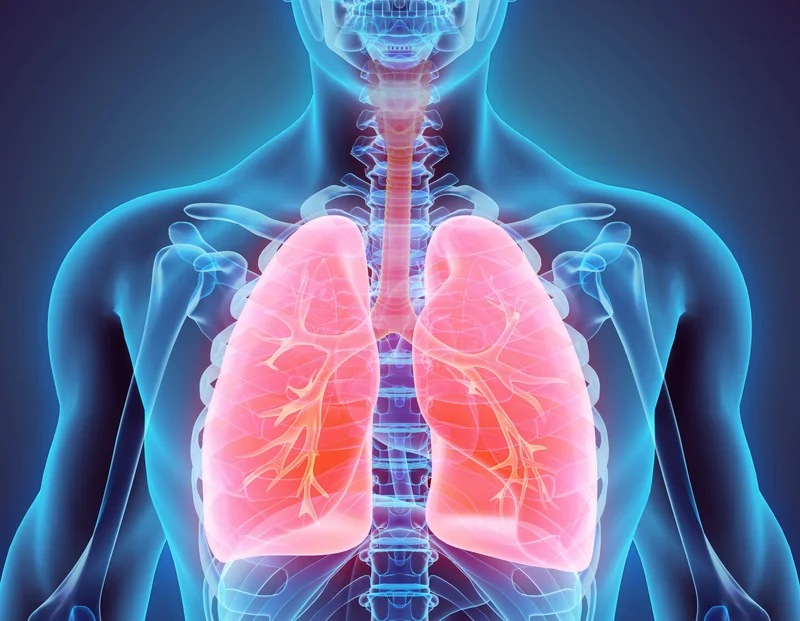
The respiratory system is a network of organs and tissues that enables you to breathe — bringing oxygen into your body and removing carbon dioxide as waste. Every single cell in your body depends on this system to survive. In an average lifetime, you'll take about 600 million breaths, and your lungs will process roughly 11,000 liters of air every day. Yet most people rarely think about how this complex machinery works until something goes wrong.
This comprehensive guide covers everything you need to know about the respiratory system — from its anatomy and step-by-step breathing mechanics to lung volumes, brain-controlled regulation, common diseases, age-related changes, and practical tips to keep your lungs healthy. Whether you're a student, a healthcare professional, or simply curious, you'll find detailed, evidence-based information that goes well beyond what's typically available online.
What Is the Respiratory System?
- The respiratory system is the organ system responsible for gas exchange in the human body.
- Its primary job is deceptively simple: deliver oxygen (O₂) from the atmosphere to the bloodstream and expel carbon dioxide (CO₂) — a metabolic waste product — back into the air.
- But that's not all it does.
- The respiratory system also:
- Filters and humidifies incoming air, trapping dust, allergens, bacteria, and other particles before they can reach delicate lung tissue.
- Warms or cools air to match body temperature (~37°C / 98.6°F) before it reaches the alveoli.
- Regulates blood pH by controlling CO₂ levels (CO₂ dissolves in blood to form carbonic acid; by exhaling more or less CO₂, the lungs fine-tune acidity).
- Enables speech and vocalization through airflow across the vocal cords in the larynx.
- Supports the sense of smell — olfactory receptors in the nasal cavity detect airborne chemical molecules during inhalation.
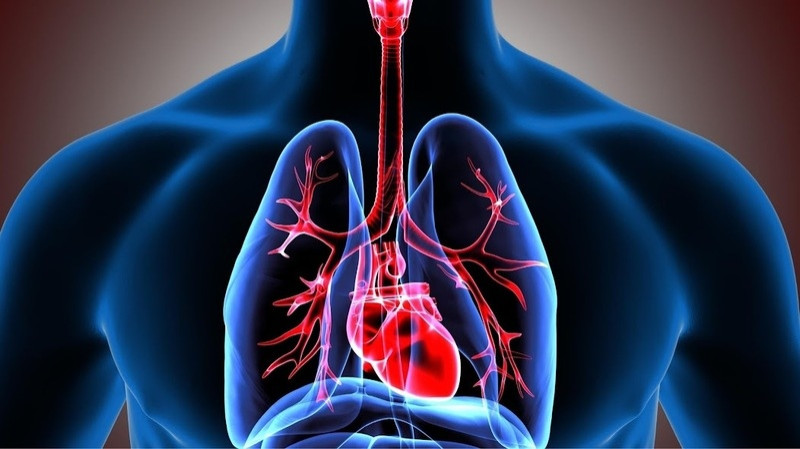
The system works in close partnership with the circulatory (cardiovascular) system. Without the heart pumping blood through pulmonary capillaries, the lungs would have no way to deliver oxygen to the rest of the body.
What Are the Parts of the Respiratory System?
The respiratory system is anatomically divided into two major sections: the upper respiratory tract and the lower respiratory tract. Together, they contain at least 12 key structures, each with a specialized role.
What's Your Upper Respiratory Tract?
- The upper respiratory tract includes everything above the vocal cords.
- Its primary role is to condition incoming air — filtering, warming, and moistening it.
- Nose and Nasal Cavity: The main entry point for air. Coarse nasal hairs (vibrissae) trap large particles. The nasal cavity is lined with mucous membranes and rich blood supply that warm and humidify air rapidly. The turbinates (conchae) increase surface area for this process.
- Paranasal Sinuses: Air-filled cavities in the skull bones (frontal, maxillary, ethmoid, sphenoid) that lighten the skull, produce mucus, and contribute to voice resonance.
- Mouth (Oral Cavity): An alternate airway. Breathing through the mouth bypasses nasal filtration, which is why chronic mouth-breathing can increase respiratory infections.
- Pharynx (Throat): A muscular tube divided into three regions — nasopharynx (behind the nose), oropharynx (behind the mouth), and laryngopharynx (above the larynx). It serves as a shared passageway for both air and food.
- Adenoids and Tonsils: Lymphatic tissues located in the pharynx that act as an immune defense, trapping and destroying pathogens entering through the mouth or nose.
- Epiglottis: A leaf-shaped cartilage flap that covers the trachea during swallowing, preventing food and liquids from entering the airway. Without it, aspiration pneumonia would be a constant risk.
What's Your Lower Respiratory Tract?
The lower respiratory tract extends from below the vocal cords to the alveoli. This is where the real work of gas exchange happens.
- Larynx (Voice Box): Contains the vocal cords and connects the pharynx to the trachea. Besides sound production, it acts as a sphincter to protect the lower airway.
- Trachea (Windpipe): A tube approximately 10–12 cm long and 2.5 cm in diameter, reinforced by C-shaped cartilage rings. The open side of the "C" faces the esophagus, allowing it to expand when food passes. The tracheal lining has ciliated cells and goblet cells that produce mucus — together forming the "mucociliary escalator" that moves trapped particles upward toward the throat.
- Bronchi: The trachea branches into the right and left main (primary) bronchi at a point called the carina. The right bronchus is wider, shorter, and more vertical than the left — which is why aspirated foreign objects more often lodge in the right lung. Each main bronchus further divides into lobar (secondary) bronchi, then segmental (tertiary) bronchi.
- Bronchioles: The smallest airways, lacking cartilage support. They rely on smooth muscle tone to maintain patency. Terminal bronchioles lead to respiratory bronchioles, which open into alveolar ducts.
- Lungs: The right lung has 3 lobes (superior, middle, inferior) and the left lung has 2 lobes (superior, inferior) — the left is slightly smaller to accommodate the heart. Both lungs are enclosed by the pleura, a double-layered membrane. The space between the two pleural layers contains a thin film of pleural fluid (about 15–20 mL) that acts as lubricant, reducing friction during breathing.
- Alveoli: Tiny, grape-like air sacs at the end of the respiratory tree. An adult has approximately 480 million alveoli (according to a 2004 study published in the American Journal of Respiratory and Critical Care Medicine), providing a total gas exchange surface area of about 70 square meters — roughly the size of half a tennis court. Each alveolus is wrapped in a dense network of pulmonary capillaries, and the barrier between air and blood is only about 0.5 micrometers thick, enabling rapid diffusion of O₂ and CO₂.
The Role of Surfactant
Alveoli are coated with a substance called pulmonary surfactant — a complex mixture of lipids and proteins produced by type II alveolar cells. Surfactant reduces surface tension inside the alveoli, preventing them from collapsing during exhalation. Without adequate surfactant, the effort required to inflate the lungs would increase dramatically. This is exactly what happens in neonatal respiratory distress syndrome (NRDS), a condition affecting premature infants whose lungs haven't yet produced sufficient surfactant.
| Structure | Location | Primary Function |
|---|---|---|
| Nasal Cavity | Upper tract | Filters, warms, humidifies air |
| Pharynx | Upper tract | Shared airway for air and food |
| Epiglottis | Upper/lower junction | Prevents aspiration |
| Larynx | Lower tract (entry) | Voice production, airway protection |
| Trachea | Lower tract | Conducts air, mucociliary clearance |
| Bronchi | Lower tract | Distribute air to each lung |
| Bronchioles | Lower tract | Fine air distribution, smooth muscle control |
| Alveoli | Lower tract (terminal) | Gas exchange (O₂ ↔ CO₂) |
| Lungs (R: 3 lobes, L: 2 lobes) | Thoracic cavity | House the entire lower respiratory tree |
| Diaphragm | Below lungs | Primary muscle of breathing |
How Does Your Respiratory System Work?
Understanding how the respiratory system works means following the path of air from your first inhalation to the cellular level. Breathing involves four distinct types of respiration.
Types of Respiration
- 1.Ventilation (Pulmonary Ventilation): The mechanical process of moving air in and out of the lungs — what we commonly call "breathing."
- 2.External Respiration: Gas exchange between the alveolar air and pulmonary capillary blood. O₂ diffuses from alveoli into blood; CO₂ diffuses from blood into alveoli.
- 3.Gas Transport: O₂ binds to hemoglobin in red blood cells and is carried through the bloodstream to tissues. CO₂ travels back to the lungs dissolved in plasma, bound to hemoglobin, or as bicarbonate ions.
- 4.Internal (Cellular) Respiration: The metabolic process inside cells where O₂ is used to produce ATP (energy) and CO₂ is generated as a byproduct. This occurs primarily in the mitochondria.
The Detailed Mechanics of Breathing
This is where many sources fall short. Breathing isn't just "the diaphragm moves down." It involves precise pressure changes governed by Boyle's Law — which states that at a constant temperature, gas pressure is inversely proportional to volume.
Inhalation (Inspiration)
- The diaphragm contracts and flattens downward.
- The external intercostal muscles (between the ribs) contract, pulling the rib cage upward and outward.
- These movements increase the volume of the thoracic cavity.
- According to Boyle's Law, as volume increases, the intrapulmonary pressure (pressure inside the lungs) drops below atmospheric pressure — creating a slight vacuum.
- The intrapleural pressure (in the pleural cavity between the two pleural layers) becomes even more negative, typically around –6 to –8 cmH₂O during quiet breathing, pulling the lungs outward.
- Air rushes in through the nose or mouth, down the trachea, through the bronchial tree, and into the alveoli.
Exhalation (Expiration)
- During quiet breathing, exhalation is largely passive — the diaphragm and external intercostals relax.
- The elastic recoil of the lungs and chest wall compresses the thoracic cavity, reducing its volume.
- Intrapulmonary pressure rises above atmospheric pressure, and air is pushed out.
- During forced exhalation (e.g., during exercise or coughing), the internal intercostal muscles and abdominal muscles actively contract to expel air more forcefully.
How the Respiratory and Circulatory Systems Work Together
- The lungs and heart function as an integrated unit.
- Here's the pathway:
- Deoxygenated blood from the body returns to the right atrium of the heart via the superior and inferior vena cavae.
- It passes through the right ventricle and is pumped into the pulmonary arteries — the only arteries in the body that carry deoxygenated blood.
- In the pulmonary capillaries surrounding the alveoli, CO₂ diffuses out of the blood and O₂ diffuses in.
- Freshly oxygenated blood returns to the left atrium via the pulmonary veins — the only veins that carry oxygenated blood.
- The left ventricle pumps this oxygen-rich blood to the entire body through the aorta.
This entire loop — called pulmonary circulation — takes a red blood cell only about 0.75 seconds to traverse the pulmonary capillary bed.
Lung Volumes, Capacities & Breathing Rate
One major gap in most respiratory system articles is the absence of concrete numbers. Here they are.
Lung Volumes and Capacities
| Parameter | Approximate Value (Adult) | Description |
|---|---|---|
| Tidal Volume (TV) | 500 mL | Air moved in or out during normal, quiet breathing |
| Inspiratory Reserve Volume (IRV) | 3,100 mL | Extra air that can be inhaled after a normal inhalation |
| Expiratory Reserve Volume (ERV) | 1,200 mL | Extra air that can be forcefully exhaled after normal exhalation |
| Residual Volume (RV) | 1,200 mL | Air remaining in lungs after maximum exhalation (lungs never fully collapse) |
| Vital Capacity (VC) | ~4,800 mL | TV + IRV + ERV; maximum air you can move in one breath |
| Total Lung Capacity (TLC) | ~6,000 mL | VC + RV; total air the lungs can hold |
| Functional Residual Capacity (FRC) | ~2,400 mL | ERV + RV; air left after normal exhalation |
These values vary with age, sex, height, and fitness level. Athletes, particularly endurance athletes, often have higher vital capacities due to respiratory muscle training and increased lung elasticity.
Normal Breathing Rate (Respiratory Rate)
| Age Group | Normal Rate (breaths/min) |
|---|---|
| Newborns (0–1 month) | 30–60 |
| Infants (1–12 months) | 25–50 |
| Toddlers (1–3 years) | 20–30 |
| Children (3–12 years) | 18–25 |
| Adolescents/Adults | 12–20 |
| Elderly (65+) | 12–28 |
- Tachypnea: Abnormally rapid breathing (>20 breaths/min in adults). Can indicate fever, pneumonia, heart failure, or metabolic acidosis.
- Bradypnea: Abnormally slow breathing (<12 breaths/min in adults). May result from opioid overdose, head injury, or hypothyroidism.
At rest, you breathe about 15 times per minute, moving approximately 7.5 liters of air. During intense exercise, this can increase to 40–60 breaths per minute, with ventilation reaching 100–150 liters per minute.
How Your Brain Controls Breathing
Breathing is mostly automatic — you don't have to think about it. But it can also be consciously controlled (you can hold your breath or breathe faster). This dual control is managed by specific areas in the brainstem.
The Respiratory Centers
- Medullary Respiratory Center (in the medulla oblongata): Contains the dorsal respiratory group (primarily controls inhalation) and the ventral respiratory group (active during forced breathing — both inhalation and exhalation). This is the primary "pacemaker" for breathing. Nerve impulses from here stimulate the diaphragm and intercostal muscles every 3–5 seconds during quiet breathing.
- Pontine Respiratory Group (in the pons): Fine-tunes the rhythm. The pneumotaxic center limits inspiration (preventing overinflation), while the apneustic center promotes prolonged inhalation if not inhibited.
Chemoreceptors: The Sensors
Your body continuously monitors blood gas levels:
- Central chemoreceptors (on the surface of the medulla) respond to changes in CO₂/pH in the cerebrospinal fluid. Rising CO₂ (hypercapnia) is the strongest stimulus for increasing breathing rate.
- Peripheral chemoreceptors (in the carotid bodies at the carotid artery bifurcation and aortic bodies in the aortic arch) detect drops in O₂ (hypoxemia) and also respond to CO₂ and pH changes.
This is why, when you hold your breath, the urge to breathe becomes overwhelming not because of falling O₂ — but because of rising CO₂.
The Hering-Breuer reflex is another important mechanism: stretch receptors in the lungs send signals via the vagus nerve to prevent overinflation during very deep breaths.
What Conditions Affect Your Respiratory System?
Respiratory diseases account for a significant global health burden. According to the Global Burden of Disease Study (2019), chronic respiratory diseases were the third leading cause of death worldwide.
Common Respiratory Conditions
- Asthma: Chronic inflammatory disease causing airway narrowing, wheezing, and shortness of breath. Affects approximately 262 million people globally (WHO, 2019). Triggered by allergens, cold air, exercise, or stress.
- - Chronic Obstructive Pulmonary Disease (COPD): Includes chronic bronchitis and emphysema. Characterised by progressive, irreversible airflow limitation.
- Primarily caused by smoking — roughly 80–90% of COPD cases are smoking-related.
- Pneumonia: Infection of the alveoli, caused by bacteria, viruses, or fungi. Alveoli fill with pus and fluid, impairing gas exchange. Leading infectious cause of death in children under 5 worldwide.
- Tuberculosis (TB): Bacterial infection (Mycobacterium tuberculosis) that primarily affects the lungs. India carries the highest TB burden globally, accounting for approximately 27% of the world's TB cases (WHO Global TB Report, 2023).
- Allergic Rhinitis: Inflammation of the nasal passages due to allergens like pollen, dust mites, or pet dander.
- Cystic Fibrosis: Genetic disorder causing thick, sticky mucus production that clogs the airways and promotes recurrent infections.
- Pulmonary Fibrosis / Interstitial Lung Disease: Scarring of lung tissue that makes it progressively harder for oxygen to pass into the bloodstream.
- Lung Cancer: Most commonly associated with smoking. Second most common cancer worldwide. Early detection through low-dose CT screening has been shown to reduce mortality by 20% (National Lung Screening Trial, 2011).
- Sleep Apnea: Repeated episodes of airway collapse during sleep, leading to disrupted breathing and poor oxygen saturation.
What Are the Signs or Symptoms of Respiratory Conditions?
Watch for these warning signs:
- Persistent cough (lasting more than 3 weeks)
- Shortness of breath (dyspnea), especially at rest or with minimal exertion
- Wheezing or noisy breathing
- Coughing up blood (hemoptysis)
- Chronic chest tightness or pain
- Cyanosis (bluish discoloration of lips, fingertips, or nail beds — indicating low oxygen)
- Nasal congestion that doesn't resolve
- Unexplained fatigue or decreased exercise tolerance
If you experience any of these symptoms persistently, consult a healthcare provider. Early diagnosis dramatically improves outcomes for most respiratory conditions.
Diagnosis and Treatment
Diagnostic methods include:
- Spirometry: Measures airflow and lung volumes; gold standard for diagnosing asthma and COPD.
- Chest X-ray / CT scan: Visualizes lung structures, identifies infections, tumors, or fluid.
- Pulse oximetry: Non-invasive measurement of blood oxygen saturation.
- Arterial blood gas (ABG) analysis: Measures O₂, CO₂, and pH in arterial blood.
- Bronchoscopy: A camera inserted into the airways for direct visualization and biopsy.
- Sputum culture: Identifies infectious organisms.
Treatments range from:
- Bronchodilators and inhaled corticosteroids (for asthma, COPD)
- Antibiotics and antivirals (for pneumonia, TB)
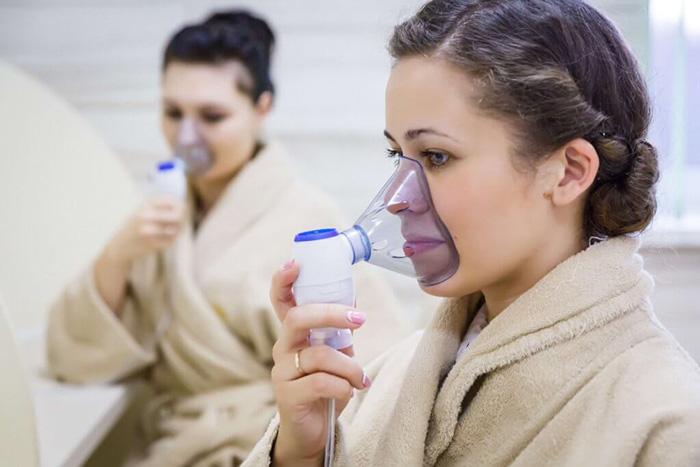
- Oxygen therapy (for chronic hypoxemia)
- Pulmonary rehabilitation (exercise and education programs for chronic lung disease)
- Mechanical ventilation (for respiratory failure)
- Surgical options (lung transplant, tumor resection)
How Aging, Smoking & Pollution Affect Your Respiratory System
Age-Related Changes
The respiratory system peaks in efficiency around age 20–25, then gradually declines:
- Lung elasticity decreases — the alveoli lose their shape and the air sacs enlarge (a condition sometimes called "senile emphysema"), reducing surface area for gas exchange.
- Chest wall stiffness increases — the rib cage becomes less compliant due to calcification of costal cartilages.
- Respiratory muscle strength declines — the diaphragm can lose up to 25% of its strength by age 70.
- Vital capacity decreases by about 250 mL per decade after age 30.
- Residual volume increases — more air gets trapped in the lungs.
- Mucociliary clearance slows, increasing vulnerability to infections.
- Immune defenses weaken, making pneumonia and influenza particularly dangerous for the elderly — which is why flu vaccination is strongly recommended for those over 65.
Impact of Smoking
Smoking is the single most destructive thing you can do to your respiratory system. Cigarette smoke contains over 7,000 chemicals, of which at least 70 are known carcinogens (American Cancer Society).
Specific effects include:
- Paralyzes and eventually destroys cilia, disabling the mucociliary escalator
- Causes chronic inflammation leading to excess mucus production (chronic bronchitis)
- Destroys alveolar walls (emphysema) — reducing gas exchange surface permanently
- Increases risk of lung cancer by approximately 15–30 times compared to non-smokers
- The good news: within 1 year of quitting, the risk of heart disease drops by 50%; within 10–15 years, lung cancer risk approaches that of a non-smoker (CDC data).
Air Pollution and Occupational Hazards
A 2020 study in The Lancet Planetary Health estimated that air pollution contributes to approximately 4.2 million premature deaths annually worldwide. Fine particulate matter (PM2.5) penetrates deep into the alveoli, causing inflammation, oxidative stress, and increased risk for asthma, COPD, and lung cancer.
Occupational exposures — asbestos, silica dust, coal dust, chemical fumes — can cause conditions like asbestosis, silicosis, and occupational asthma. Proper use of respirators and workplace ventilation are critical preventative measures.
Development of the Respiratory System
Embryonic and Fetal Development
The respiratory system begins developing as early as week 4 of embryonic life, when a small bud (the lung bud) forms from the foregut.
Development proceeds through five stages:
- 1.Embryonic stage (weeks 4–7): Major bronchi form.
- 2.Pseudoglandular stage (weeks 7–16): Bronchial tree develops through about 16 generations of branching. The lungs resemble a gland.
- 3.Canalicular stage (weeks 16–26): Respiratory bronchioles and early alveolar ducts form. Capillaries begin to approach the airways.
- 4.Saccular stage (weeks 26–36): Terminal sacs (primitive alveoli) develop. Type II alveolar cells begin producing surfactant — typically around week 28–32.
- 5.Alveolar stage (week 36 to ~8 years postnatal): True alveoli mature. At birth, a baby has about 20–50 million alveoli; by age 8, this reaches the adult number of ~480 million.
This timeline explains why premature infants born before 28 weeks are at high risk for respiratory distress syndrome — their lungs simply haven't had time to produce adequate surfactant. Antenatal corticosteroids (like betamethasone) given to mothers at risk of preterm delivery can accelerate fetal lung maturation.


Asthma Rhinitis Laryngitis


COPD Influenza
Respiratory System: Humans vs. Other Animals
- The human respiratory system is just one solution to the universal challenge of gas exchange.
- A quick comparison reveals nature's remarkable diversity:
| Organism | Respiratory Structure | Medium | Key Feature |
|---|---|---|---|
| Humans/Mammals | Lungs (alveolar) | Air | Diaphragm-driven ventilation, ~70 m² surface area |
| Birds | Lungs + air sacs | Air | Unidirectional airflow — more efficient; no residual air volume |
| Fish | Gills | Water | Countercurrent flow maximizes O₂ extraction from water |
| Insects | Tracheal system | Air | Direct air tubes to cells — no blood-based O₂ transport needed |
| Amphibians | Lungs + skin | Air/Water | Cutaneous respiration supplements simple lungs |
| Earthworms | Skin only | Air (moist) | Entire body surface used for gas exchange |
Birds deserve special mention — their respiratory system is the most efficient of any terrestrial vertebrate. Air flows in one direction through the lungs (not in-and-out like ours), meaning fresh air passes over the gas exchange surfaces during both inhalation and exhalation. This is one reason birds can fly at altitudes where humans would lose consciousness.
Exercise, First Aid & Practical Tips for Lung Health
How Physical Exercise Affects Your Respiratory System
- During vigorous exercise, your body's oxygen demand can increase by 15–20 times compared to rest.
- The respiratory system responds by:
- Increasing breathing rate from ~15 to 40–60 breaths per minute
- Increasing tidal volume from 500 mL to 2,000–3,000 mL per breath
- Total ventilation rises from ~7.5 L/min to over 100 L/min
Regular aerobic exercise improves respiratory efficiency by:
- Strengthening the diaphragm and intercostal muscles
- Improving alveolar gas exchange efficiency
- Increasing vital capacity
- Enhancing the cardiovascular system's ability to deliver oxygen
Endurance athletes like marathon runners and cyclists often develop vital capacities of 6,000 mL or more — significantly above average.
First Aid for Breathing Emergencies
Choking (Heimlich Maneuver):
- Stand behind the choking person, wrap your arms around their waist.
- Make a fist and place it just above the navel, below the ribcage.
- Grasp the fist with your other hand and deliver quick, upward abdominal thrusts.
- Repeat until the object is dislodged or the person becomes unconscious.
Cardiopulmonary Resuscitation (CPR) — if someone stops breathing:
- Call emergency services immediately.
- Place the heel of your hand on the center of the chest (sternum).
- Perform chest compressions at a rate of 100–120 per minute, at least 5 cm deep.
- If trained, give 2 rescue breaths after every 30 compressions.
- Continue until emergency help arrives or the person starts breathing.
Learning CPR can save lives — the American Heart Association reports that immediate bystander CPR can double or triple survival rates for cardiac arrest.
Tips to Keep Your Respiratory System Healthy
- Don't smoke — and if you do, quit. It's the single most impactful thing you can do for lung health.
- Avoid secondhand smoke and air pollution. Use air purifiers indoors and check air quality indices before outdoor exercise.
- Exercise regularly. Aim for at least 150 minutes of moderate aerobic activity per week.
- Practice deep breathing exercises. Diaphragmatic breathing and pursed-lip breathing can improve lung function, especially for those with chronic respiratory conditions.
- Get vaccinated. Annual flu shots and pneumococcal vaccines reduce risk of respiratory infections.
- Maintain good hygiene. Regular handwashing reduces transmission of respiratory pathogens.
- Stay hydrated. Adequate water intake helps keep airway mucus thin and easier to clear.
- Monitor indoor air quality. Ensure proper ventilation, avoid burning biomass fuels indoors — a major issue in rural India where indoor air pollution from cooking fires contributes significantly to respiratory disease burden.
Fascinating Facts About the Respiratory System
- If you spread out all your alveoli flat, they'd cover an area of about 70 m² — roughly the size of one side of a tennis court.
- Your right lung is about 10% larger than your left lung.
- You exhale approximately 200 mL of water per day just from breathing.
- The sneeze reflex can propel air out of your nose at up to 160 km/h (100 mph).
- A yawn isn't fully understood, but one theory suggests it helps inflate collapsed alveoli and redistribute surfactant.
- At rest, blood spends only about 0.75 seconds in the pulmonary capillaries — but that's enough time for complete gas exchange.
- Children's lungs continue growing and developing new alveoli until approximately age 8.
Frequently Asked Questions (FAQ)
What are the 7 main parts of the respiratory system?
The seven most commonly cited parts are: the nose, pharynx (throat), larynx (voice box), trachea (windpipe), bronchi, bronchioles, and lungs (containing alveoli). Some lists also include the diaphragm as a critical component.
What are the 12 parts of the respiratory system?
A complete list includes: nose, nasal cavity, paranasal sinuses, mouth, pharynx, epiglottis, larynx, trachea, bronchi, bronchioles, alveoli, and lungs. Supporting structures include the diaphragm, intercostal muscles, pleura, and the pulmonary blood vessels.
What is type 2 respiratory failure?
Type 2 respiratory failure (also called hypercapnic respiratory failure) occurs when the lungs cannot adequately remove CO₂, leading to elevated blood CO₂ levels (PaCO₂ > 45 mmHg), usually accompanied by low oxygen. It's commonly seen in severe COPD, neuromuscular diseases, or obesity hypoventilation syndrome. Treatment often requires non-invasive ventilation (BiPAP).
What is the main function of your respiratory system?
The main function is gas exchange — supplying oxygen to the blood and removing carbon dioxide. Secondary functions include air conditioning (warming, humidifying, filtering), blood pH regulation, immune defense, and enabling speech.
Is the respiratory system the same for kids?
- The basic structures are the same, but children's airways are narrower, their rib cages are more flexible, and their lungs are still developing new alveoli until about age 8. This makes children more vulnerable to airway obstruction and respiratory infections.
- Breathing rates are also significantly higher in children — a newborn breathes 30–60 times per minute versus 12–20 for an adult.
Can you improve lung capacity naturally?
Yes. Regular cardiovascular exercise, swimming, diaphragmatic breathing exercises, and maintaining a healthy weight can all improve functional lung capacity. Playing wind instruments or singing has also been shown to strengthen respiratory muscles. However, certain age- or disease-related losses in lung capacity may not be fully reversible.
Final Thoughts
The respiratory system is one of the most vital and elegant systems in the human body — a tireless machine that operates 24 hours a day, every day of your life. Understanding how it works, what can go wrong, and how to protect it empowers you to make better health decisions.
Whether it's quitting smoking, exercising more, getting vaccinated, or simply being mindful about the air you breathe — small steps can make an enormous difference to your respiratory health. If you experience persistent symptoms like chronic cough, shortness of breath, or chest pain, don't wait. See a healthcare professional and get assessed.
Your lungs keep you alive. Return the favor by taking care of them.
Scientific Sources
- Respiratory diseases and gut microbiota: relevance, pathogenesis, and treatment — Sun M et al., 2024, Frontiers in microbiology
- Electrical impedance tomography-guided positive end-expiratory pressure titration in ARDS: a systematic review and meta-analysis — Songsangvorn N et al., 2024, Intensive care medicine
- Health Benefits of Culinary Herbs and Spices — Jiang TA, 2019, Journal of AOAC International
- Thymol and Thyme Essential Oil-New Insights into Selected Therapeutic Applications — Kowalczyk A et al., 2020, Molecules (Basel, Switzerland)
- Fennel — 2006
- Essential Oils and COVID-19 — Elsebai MF et al., 2022, Molecules (Basel, Switzerland)
- Exploring the relationship between sarcopenia and 11 respiratory diseases: a comprehensive mendelian randomization analysis — Su Y et al., 2024, Aging clinical and experimental research
- Herbal Drugs from Sudan: Traditional Uses and Phytoconstituents — Karar MGE et al., 2017, Pharmacognosy reviews
- Luteolin: A potential therapeutic agent for respiratory diseases — Li M et al., 2025, European journal of pharmacology
- Herbal Medicine Uses for Respiratory System Disorders and Possible Trends in New Herbal Medicinal Recipes during COVID-19 in Pasvalys District, Lithuania — Pranskuniene Z et al., 2022, International journal of environmental research and public health
- Developmental disorders affecting the respiratory system: CCHS and ROHHAD — Ceccherini I et al., 2022, Handbook of clinical neurology
- Awareness and Current Therapeutics of Asthma — Zainab R et al., 2019, Dose-response : a publication of International Hormesis Society
- Bifidobacteria in disease: from head to toe — Zhang W et al., 2024, Folia microbiologica
- Insights into the mechanism of action of pterostilbene against influenza A virus-induced acute lung injury — Zhang Y et al., 2024, Phytomedicine : international journal of phytotherapy and phytopharmacology
- Intestinal Escherichia coli and related dysfunction as potential targets of Traditional Chinese Medicine for respiratory infectious diseases — Wei L et al., 2023, Journal of ethnopharmacology
- Microplastic and nanoplastic exposure and risk of diabetes mellitus — Hsiao HY et al., 2025, World journal of clinical cases
- Traditional usage and biological activity of Plectranthus madagascariensis and its varieties: A review — Lambrechts IA et al., 2021, Journal of ethnopharmacology
- Traditional Chinese herbal medicine at the forefront battle against COVID-19: Clinical experience and scientific basis — Lee DYW et al., 2021, Phytomedicine : international journal of phytotherapy and phytopharmacology
- The occurrence mechanism, assessment, and non-pharmacological treatment of dyspnea — Gao B et al., 2024, Medical review (2021)
- Phytochemical and Ethnopharmacological Perspectives of Ehretia laevis — Sharma P et al., 2021, Molecules (Basel, Switzerland)
Ask Ayurvedic doctor a question and get a consultation online on the problem of your concern in a free or paid mode.
More than 2,000 experienced doctors work and wait for your questions on our site and help users to solve their health problems every day.
Related articles