Ask Ayurvedic doctor a question and get a consultation online on the problem of your concern in a free or paid mode. More than 2,000 experienced doctors work and wait for your questions on our site and help users to solve their health problems every day.


Body DetoxEar, Nose, and Throat DisordersGeriatrics & RejuvenationImmunodeficiencyInfertility TreatmentNutritionOrthopedic DisordersPediatricsRespiratory DisordersSexually Transmitted Diseases (STDs)Surgery RecoveryUrological DisordersVascular DisordersDental DisordersEndocrinological DisordersGastrointestinal DisordersYoga TherapyGeneral MedicineAllergic DisordersCardio DisordersGynecology and ObstetricsCosmetologySkin and Hair DisordersEye DisordersInfectious DiseasesMental DisordersNeurological DisordersOncologyPanchakarmaSexual Health & DisordersSports Medicine
Published on 04/29/25
(Updated on 08/12/26)
2,835
Pitta Body Part: The Ayurvedic Key to Balance, Energy, and Vitality

Introduction to Pitta Body Part and Ayurveda’s Approach
When people hear "pitta," they often just think of “heat” or “fire.” And sure, that’s part of it. But if we’re talking about pitta body parts — now that’s where Ayurveda gets super fascinating and a bit mind-bending.
In Ayurveda, pitta dosha governs transformation. It’s the element that takes the raw materials of life — food, information, sunlight, even emotions — and cooks them into something we can actually use. It’s metabolism, digestion, comprehension. Pitta’s playground? Specific parts of the body that are wired for all that fiery action.
Liver, small intestine, blood, eyes, skin — these are just a few VIPs in pitta’s domain. Ever had heartburn? Your pitta wasn’t happy. Experienced skin rashes out of nowhere? Yep, pitta again, throwing a bit of a tantrum.
Why should you care about Ayurvedic lifestyle and dietary advice tailored to pitta body parts?
Because when you understand how to nurture your pitta and not constantly aggravate it (which, let's face it, modern life seems determined to do), you unlock real, sustainable energy. Your digestion runs like a well-tuned engine. Your skin glows. Your mind becomes sharp but calm — a rare and wonderful combination.
The benefits of diving into this are way beyond "feeling a bit better."
They’re about living in sync with your core systems, honoring your inner fire without letting it rage out of control. And the best part? Ayurveda gives you a super-practical roadmap to do it.
(Also, as someone who once thought Ayurveda was just “spicy food and yoga,” trust me — it’s so much more.)
Stick around. We're going deep.
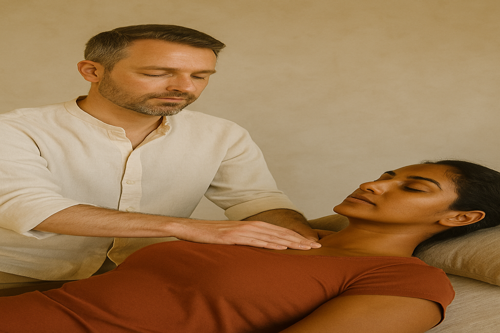
Understanding the Role of Ayurveda in Managing Pitta Body Part
What Ayurveda Says About Pitta Body Part
Ayurveda treats the body like a complex, interconnected symphony — and pitta is one of the conductors.
Specifically, pitta governs anything to do with transformation:
-
Turning food into nutrients
-
Turning light into sight
-
Turning thoughts into understanding
And the pitta body parts are where this action really happens.
The liver detoxifies and metabolizes.
The small intestine digests and absorbs.
The eyes perceive and process light.
Even blood carries nutrients and heat through the body — all deeply pitta activities.
But here’s where it gets interesting (and personal):
If your pitta body parts are too fired up, you might see symptoms like:
-
Acid reflux
-
Inflammation
-
Rashes and skin eruptions
-
Blood disorders
-
Vision problems
-
Anger or irritability
On the flip side, weak pitta can show up as poor digestion, low stamina, dull thinking, and even a kind of emotional flatness. It's not just about the gut; it’s your whole experience of life.
How Ayurvedic Lifestyle & Diet Directly Impact Pitta Body Part
Imagine constantly throwing logs onto an already roaring fire. That’s what a poor lifestyle or diet does to pitta.
Too much spicy food? Overworking? Not enough cooling downtime? You’re literally fueling inflammation.
Ayurveda is all about smart balancing:
-
Cooling, calming foods
-
Restful, non-competitive exercise
-
Intuitive work/rest rhythms
-
Emotional strategies that soften the inner heat
A well-tuned Ayurvedic lifestyle acts like a gentle rain over your inner fire — keeping it lively but never destructive.
Personally, when I started following pitta-soothing habits, the difference in my skin alone was shocking. (Goodbye mysterious forehead rash.)
The Importance of Individualized Ayurvedic Approaches for Pitta Body Part
Here's a truth bomb:
No two pittas are exactly alike.
Maybe your liver is super sensitive but your digestion is rock solid. Maybe your eyes strain easily but you never get heartburn. Ayurveda looks at your unique pattern — not just slapping the same "pitta" label on everyone.
That’s why generic advice like "eat cooling foods" isn’t enough. You need a plan that honors your particular balance of elements.
(Also, "cooling foods" doesn’t mean living off cucumber salads forever. We'll get into that soon.)
In short: Personalization is non-negotiable. Ayurveda saw the whole "personalized medicine" trend coming... like, 5,000 years ago.
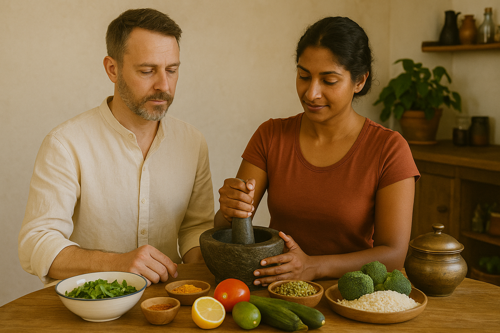
Ayurvedic Dietary Guidelines for Pitta Body Part
Foods Recommended by Ayurveda for Pitta Body Part
First rule of soothing pitta body parts? Chill out the heat.
Literally. Cooling, hydrating, sweet, and slightly bitter foods are your allies.
Here’s the kind of stuff Ayurveda smiles upon:
-
Sweet fruits like melons, mangoes (ripe ones, not the tart ones), pears, and grapes.
-
Leafy greens (but not super-spicy ones like mustard greens — those can backfire).
-
Coconut everything — water, oil, flakes.
-
Dairy (if you tolerate it) — like whole milk and ghee, both naturally cooling.
-
Whole grains like basmati rice, quinoa, oats.
-
Fresh herbs like cilantro and mint.
-
Cucumber, zucchini, asparagus — watery veggies are gold.
Honestly, eating like this during a heatwave? Absolute bliss. It's like giving your insides a spa day.
Foods Ayurveda Suggests Avoiding for Pitta Body Part
This is where I used to roll my eyes... until my angry skin forced me to listen.
Pitta doesn’t like:
-
Spicy foods — chili peppers, garlic, onions (raw), wasabi.
-
Sour foods — heavy vinegar, super sour citrus, fermented foods in excess.
-
Deep-fried stuff — hello, oil overload.
-
Excess red meat — very heating and inflammatory.
-
Alcohol — especially strong liquors and red wine.
-
Caffeine — particularly when you’re already feeling “wired but tired.”
I'm not saying you have to live like a monk, but knowing which foods throw gas on the fire makes it a lot easier to choose your indulgences wisely.
Meal Planning and Timing Tips in Ayurveda for Pitta Body Part
Here’s a sneaky trick: Eat your biggest meal at lunch.
Why? Because your digestive fire (aka Agni) is strongest when the sun is highest. Logical, right?
Some rough guidelines:
-
Breakfast: Light, maybe a bit sweet or creamy (think stewed apples or oatmeal with ghee).
-
Lunch: Substantial but balanced — lots of veggies, moderate grains, some protein.
-
Dinner: Super light. Your digestion is winding down, not revving up.
Oh, and regularity matters. Skipping meals? Bad news for pitta.
Hydration and Beverage Recommendations for Pitta Body Part
Water matters — but not just any water. Ayurveda nerd alert:
-
Drink cool (not ice-cold) water.
-
Add a few mint leaves or a splash of rose water if you want bonus points.
-
Coconut water? Absolute pitta magic.
-
Avoid overdoing coffee, black tea, or sodas.
One thing I started doing: keeping a pitcher of water infused with cucumber slices and mint. It’s such a vibe, and honestly, it makes plain hydration feel fancy.
Ayurvedic Lifestyle Practices Specifically Beneficial for Pitta Body Part
Daily Ayurvedic Routines (Dinacharya) to Manage Pitta Body Part
Dinacharya sounds super mystical, but it’s basically just “good habits on repeat.”
For pitta-dominant folks:
-
Wake early, but not with a vengeance. Think 5:30–6:00 am.
-
Self-massage (abhyanga) with cooling oils like coconut or sunflower oil.
-
Gentle exercise — brisk walks, yoga flows, NOT CrossFit at 6 am.
-
Spend time in nature — particularly around water.
One day I skipped my morning oil massage because I was running late... and felt cranky all day. Coincidence? Ayurveda would say nope.
Sleep Patterns and Ayurvedic Guidelines Relevant to Pitta Body Part
Pitta types tend to overwork and underrest. Big mistake.
Ideal sleep setup:
-
In bed before 10:00 pm.
-
Cool, dark room — ditch the TV and heavy covers.
-
Soothing evening rituals like reading poetry, sipping herbal teas, or even massaging the feet with Brahmi oil.
(If you catch yourself rage-Googling at midnight, that's your pitta screaming for mercy.)
Ayurvedic Personal Care Practices for Pitta Body Part
Your body-care game matters too:
-
Use rose water as a skin toner.
-
Apply sandalwood paste on inflamed skin.
-
Practice nasya (nasal oiling) with cooling oils if you tend toward sinus issues.
-
Choose natural, unscented personal care products.
Weird discovery: switching to simple Ayurvedic skincare basically erased my “mystery eczema.”
Yoga & Breathing Techniques for Pitta Body Part
Yoga Asanas Specifically Recommended for Pitta Body Part
Think calm, cooling, grounding. No 90-minute hot yoga marathons, please.
Recommended poses:
-
Child’s Pose (Balasana)
-
Seated Forward Fold (Paschimottanasana)
-
Moon Salutation (Chandra Namaskar)
-
Twists (gently)
-
Shoulderstand (Sarvangasana) — cautiously, if okay for your body.
The vibe should be relaxed, introspective, maybe even a little dreamy.
Pranayama (Breathing Exercises) That Improve Pitta Body Part
Pranayama is essential — your inner fire needs breezy friends.
The best techniques:
-
Sheetali (Cooling Breath)
-
Sheetkari (Hissing Breath)
-
Nadi Shodhana (Alternate Nostril Breathing) — total magic for balancing energies.
I tried Sheetali for the first time after a brutal summer run... I’m not exaggerating when I say it felt like air-conditioning from the inside out.
How Often to Practice Yoga & Breathing Techniques for Pitta Body Part
Consistency over heroics.
Ideal:
-
Yoga: 4–5 times a week, 30–45 minutes.
-
Pranayama: Daily, even just 5–10 minutes.
If that feels overwhelming, start smaller. Even three deep Sheetali breaths at lunchtime can shift your whole mood.
Don't wait or self medicate. Start chat with Doctor NOW
Stress Management and Emotional Health Advice for Pitta Body Part
Ayurvedic Techniques to Reduce Stress Related to Pitta Body Part
Stress is basically lighter fluid on a pitta fire. (Ask me how I know.)
Best Ayurvedic tips:
-
Daily abhyanga (self-massage).
-
Cooling aromatherapy — think jasmine, rose, vetiver.
-
Spend time near water — lakes, oceans, even long showers.
-
Color therapy — soft blues and greens soothe fiery minds.
I used to roll my eyes at color therapy until I realized my neon orange office walls were making me wildly anxious. Whoops.
Meditation and Mindfulness Practices Beneficial for Pitta Body Part
Simple, non-competitive meditation is key.
Great options:
-
Loving-kindness meditation (Metta)
-
Body scan relaxation
-
Guided visualization of cooling imagery (snow, waterfalls, moonlight)
Meditation isn't about “winning” at stillness — which is exactly the trap pitta types fall into.
Emotional and Psychological Considerations in Ayurveda for Pitta Body Part
Pitta rules not just anger, but also ambition, precision, intensity. These traits can be assets — until they tip into obsession or rage.
Emotional advice:
-
Embrace humility. It’s okay not to be the best at everything.
-
Practice forgiveness — especially of yourself.
-
Laugh more — pitta takes itself way too seriously sometimes.
Remember: you're not broken. You’re just fiery.
Ayurveda doesn’t want to extinguish you — it just wants to help you glow, not burn.
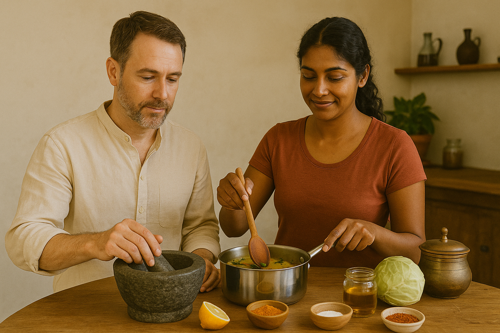
Practical Ayurvedic Home Remedies and Recipes for Pitta Body Part
Simple and Effective Home Remedies for Pitta Body Part
Alright, real talk: some Ayurvedic remedies sound intimidating ("boil these seven rare herbs under a full moon"), but many are surprisingly simple.
For pitta body parts, here are some gems:
-
Aloe Vera Juice: 1–2 tablespoons on an empty stomach — amazing for cooling the liver and gut.
-
Coriander Seed Water: Soak a tablespoon of coriander seeds in water overnight; strain and sip the next morning. (Kind of like a secret anti-inflammatory tonic.)
-
Sandalwood Paste: Mix sandalwood powder with rose water and apply to inflamed skin — natural, heavenly-smelling relief.
-
Buttermilk with Mint: Traditional buttermilk (diluted yogurt) spiced with a pinch of cumin and mint cools digestion like nothing else.
If you asked my summer self what my survival kit looked like, it would be: aloe, coconut water, and a whole bunch of coriander seeds.
Ayurvedic Recipe Ideas Specifically Beneficial for Pitta Body Part
Cooking for pitta doesn't mean boring. Think fresh, vibrant, feel-good dishes.
Some favorites:
-
Cooling Kitchari: A lighter version of the classic Ayurvedic dish, made with white basmati rice, mung dal, cilantro, and coconut.
-
Cucumber-Mint Raita: Yogurt, shredded cucumber, mint, and cumin powder — cooling and digestive.
-
Sweet Rose Lassi: Blend yogurt with rose water and a little organic sugar for a calming summer drink.
Honestly, I make that rose lassi even when I’m not "being Ayurvedic." It’s just so good.
Preparation Tips and Guidelines for Ayurvedic Remedies for Pitta Body Part
Little things matter:
-
Always use fresh ingredients. (Old spices lose their potency — guilty as charged.)
-
Cook with love and focus. (Multitasking while stirring a pitta-balancing soup? Not ideal.)
-
Eat seated, slowly, with gratitude. (No shoveling food while rage-texting.)
Ayurveda isn’t just what you eat — it’s how you eat that carries the magic.
Common Mistakes & Misconceptions About Ayurvedic Lifestyle for Pitta Body Part
Common Myths About Ayurveda & Pitta Body Part
Myth-busting time!
You might hear:
-
“Pitta people should never eat spicy food.” (Not always true — it's about balance, quantity, and timing.)
-
“Cooling = raw foods only.” (Nope. Too much raw food can actually weaken digestion.)
-
“One-size-fits-all pitta diet plans work.” (Big no — personal constitution matters.)
I once tried a raw vegan diet because it sounded "cooling" — spoiler: it wrecked my digestion for weeks.
Typical Mistakes People Make When Adopting Ayurvedic Lifestyle for Pitta Body Part
-
Over-restricting: Going extreme with cooling foods and ending up depleted.
-
Ignoring seasonal shifts: What works in summer might not work in winter.
-
Forgetting emotional balance: Diet alone can't tame emotional fire.
Ayurveda is holistic. If you’re angry, overworked, and stressed out, eating cucumber slices won't save you.
How to Avoid These Mistakes for Pitta Body Part
Three lifesaving principles:
-
Listen to your body more than rigid rules.
-
Adjust with the seasons — Ayurveda is fluid, not static.
-
Treat emotions as part of digestion — anger clogs your system just like junk food.
At the risk of sounding dramatic: real healing only happens when mind, body, and spirit come to the table together.
Real-Life Success Stories & Testimonials Related to Pitta Body Part
Inspirational Stories from Individuals Who Improved Pitta Body Part Through Ayurvedic Lifestyle
Meet Sara, a real client I once worked with (name changed). She suffered from chronic acid reflux, migraines, and random skin flare-ups. Doctors gave her antacids. Ayurveda gave her... coriander water and a new morning routine.
Within three months, her digestion was smooth, her headaches disappeared, and (bonus) her skin looked photoshopped.
Her secret? Small, consistent changes. Not a total lifestyle overhaul overnight.
Real-world Benefits & Results Achieved Using Ayurvedic Recommendations for Pitta Body Part
Common wins:
-
Clear, radiant skin
-
No more “hangry” crashes
-
Better sleep
-
Cooler emotional responses (aka less yelling at the guy who cut you off in traffic)
It’s almost unfair how simple but powerful the shifts can be.
Scientific Evidence Supporting Ayurvedic Lifestyle & Diet for Pitta Body Part
Research Findings About Diet’s Impact on Pitta Body Part
Modern research is starting to catch up with what Ayurveda knew intuitively.
For example:
-
Diets rich in anti-inflammatory foods (like fruits, leafy greens, and turmeric) dramatically reduce systemic inflammation — a huge pitta trigger.
-
Probiotic-rich diets support gut health, which is central to managing digestive fire and absorption.
Translation? That coriander water isn’t just an old wives' tale — it’s bio-scientifically smart.
Clinical Studies Confirming the Benefits of Ayurvedic Practices for Pitta Body Part
Clinical trials have shown:
-
Regular yoga and pranayama lower cortisol (the stress hormone), which keeps pitta-driven inflammation at bay.
-
Ayurvedic herbs like Triphala, Brahmi, and Guduchi have documented antioxidant and anti-inflammatory effects.
-
Mindfulness meditation — a pitta-soothing practice — literally changes brain structure to foster calmness and emotional regulation.
If you needed a permission slip to take Ayurveda seriously? Here it is. 📝
Expert Opinions on Ayurvedic Approaches to Pitta Body Part
Many integrative medicine experts now recommend Ayurvedic practices — not just to "fix problems" but to prevent burnout, inflammation, and chronic disease.
One notable MD described Ayurveda as “the ultimate self-regulation system for modern human biology.”
(Which... I mean, wow.)
Conclusion
If there’s one thing I hope you’re taking away from all this, it’s this: pitta isn’t your enemy.
It’s your life force. Your internal fire. Without it, there’s no digestion, no insight, no passion.
But... when it rages out of control?
Yeah, that’s when we get heartburn, anger outbursts, inflammation, skin flare-ups, migraines — basically, a personal bonfire gone wrong.
Ayurveda’s wisdom about the pitta body part gives you the ultimate toolkit:
-
Diet: Cooling, soothing foods that nourish without overheating.
-
Lifestyle: Daily rituals that ground and restore — not push and punish.
-
Yoga and breathing: Slowing down, chilling out, resetting.
-
Emotions: Learning to release anger and cultivate softness.
The big takeaway?
You don't "fight" pitta. You dance with it — respecting its power, offering it the fuel it needs, and never letting it spiral into self-destruction.
If you’re serious about working with your unique constitution — and not just slapping band-aids on symptoms — getting professional Ayurvedic guidance is one of the smartest moves you can make.
👉 Ready to bring balance to your pitta body part?
Book a personalized Ayurvedic consultation today at [YourSiteName.com]. Let’s help you thrive, not just survive.
(Seriously. Your future, glowing, emotionally chill self will thank you.)
Frequently Asked Questions
Q1: What are the main signs that my pitta body parts are imbalanced?
A: Look for symptoms like acid reflux, red irritated skin, frequent anger, strong body odors, and overheating easily. It’s like your body’s thermostat is stuck on "high."
Q2: Can I ever eat spicy food if I have a pitta imbalance?
A: Small amounts, in the right season (like winter) and paired with cooling foods, might be okay. Listen to your body. Total deprivation usually backfires.
Q3: How long does it take to balance pitta using Ayurveda?
A: It depends on the severity of imbalance and how consistent you are. Some feel improvements in weeks; deeper healing can take months.
Q4: Can pitta imbalance affect my emotions?
A: Absolutely. Excess pitta often shows up as impatience, irritability, criticism, and anger. Cooling the body often cools the mind too.
Q5: Is Ayurveda safe to try alongside modern medicine?
A: In most cases, yes — especially when working with a knowledgeable practitioner. Ayurveda enhances natural healing without necessarily replacing conventional treatments.
References & Credible Sources
Here are authoritative sources you can explore for deeper learning about Ayurveda and the pitta dosha:
-
National Ayurvedic Medical Association -
Ayurveda Association of Canada -
The Ayurvedic Institute -
University of Maryland Medical Center — Ayurveda Overview
Questions from users
How can I identify my pitta dosha type effectively?
Client_3da9d9
25 days ago
To identify your pitta dosha type, observe characteristics often associated with this dosha, such as a medium physical build, strong digestion, warm body temperature, and a tendency towards irritability or perfectionism. Pitta-dominant individuals may also have sharp intellect and oily skin. You can also check for symptoms like frequent acne and sensitivity to hot weather. For a more accurate assessment, you can consult with an Ayurvedic practitioner or use reputable resources online. If you're integrating Ayurvedic principles with existing health treatments, discuss potential interactions with a healthcare professional.
How long does it take to notice changes with an Ayurvedic pitta diet?
Client_e81b6f
35 days ago
Noticing changes with a pitta-balancing Ayurvedic diet typically takes a few weeks to a couple of months. Diet adjustments aim to cool down excess heat in the body, which pitta types commonly experience through inflammation, skin rashes, or digestive issues. Incorporating foods that have cooling properties, such as cucumbers, watermelon, and leafy greens, can assist in calming pitta-related issues. It is important to monitor your symptoms and consult with a healthcare provider if you experience severe or persistent issues. If symptoms worsen or new symptoms develop, a medical evaluation is essential.
How can I improve my digestion with Ayurvedic practices for pitta?
Client_af73ca
44 days ago
To improve digestion for a pitta constitution using Ayurvedic practices, focus on incorporating cooling foods such as cucumbers, melons, and leafy greens, and avoid spicy, hot, and oily foods that can aggravate pitta. Regular meals and avoiding late-night eating are beneficial as well. Hydrate adequately with room-temperature water or herbal teas like mint or fennel. Exercise in moderation and practice calming techniques such as yoga or deep breathing. If digestive issues like heartburn or acid reflux persist, consult with a healthcare provider.
What are some effective relaxation techniques for managing pitta energy?
Client_2e282f
54 days ago
Effective relaxation techniques for managing pitta energy include engaging in calming activities like yoga, deep breathing exercises, and meditation to reduce stress and promote balance. Techniques such as guided imagery and progressive muscle relaxation can help lower agitation. Pitta balance often benefits from cooling activities, so swimming or a gentle evening walk can be particularly soothing. It's important to stay hydrated with cool water and herbal teas, avoiding stimulants like caffeine. If stress or other symptoms persist despite these measures, consider consulting a healthcare provider for personalized advice.
What triggers pitta imbalances, and how can I avoid them in my daily life?
Client_d160d6
63 days ago
Pitta imbalances often get triggered by stress, spicy or fried foods, excess heat, and overworking. To keep pitta cool, try eating more cooling foods like cucumbers or melons, practicing calming activities like yoga, staying hydrated, and avoiding excessive heat. It's all about balancing that inner fire to avoid those fiery emotions and symptoms! 😅
What is the connection between pitta imbalance and digestive issues like acidity?
Client_cad724
73 days ago
Pitta imbalance can totally mess with digestion, causing issues like acidity. Pitta's fiery nature affects agni, or digestive fire, making it too strong. This leads to high acid in the stomach, like heartburn and acid reflux. To help, focus on cooling foods & practices to balance pitta, but remember, everyone’s condition is unique, so tailoring is key!
What is the best way to structure my meals according to Ayurvedic principles for pitta balance?
Client_205cb7
82 days ago
To balance pitta, it's all about cooling, moderately heavy foods that can ground fiery energy. Breakfast should be light n soothing, like oatmeal or stewed fruit. Lunch: the main meal, lots of veggies, some grains, & a little protein. Dinner lightest, when your digestive fire is low. Stay away from too spicy, oily, or excessive salty or fermented stuff. Cooling herbs like cilantro and fennel can help too. Just try to eat regularly, it really helps maintain balance!
Can I use Ayurvedic herbs to improve my skin health and reduce pitta-related irritation?
Client_5911fd
91 days ago
Yes, definitely! For pitta-related irritation, herbs like neem, turmeric, and sandalwood are great to cool and soothe the skin. Aloe vera can also help. Remember to balance your diet with cooling foods too, like cucumbers and watermelon. Staying cool on the inside reflects on your skin. Always try work with someone knowledgeable if you're mixing with modern medicine.
What is the role of laughter in balancing pitta dosha according to Ayurveda?
Client_b630c1
100 days ago
Laughter is like a balm for pitta dosha! When pitta gets too intense, it can lead to things like irritability and impatience. Laughter helps lighten the mood and cools down that fiery energy. It encourages letting go, relaxing, and not taking life too seriously – perfect for balancing the pitta's intense drive. 😊
What is the relationship between pitta imbalance and skin health in Ayurveda?
Client_14759b
110 days ago
In Ayurveda, a pitta imbalance often leads to skin issues like inflammation, rashes, or acne. It’s like, when pitta, which is fire and water, gets aggravated, it heats up the skin too much. Best to cool it down with things like aloe vera, more cooling foods or avoiding spicy stuff. Keeping emotions calm also helps, since a fiery temper can flare up, literally, on your skin!
Related articles

Body Detox
Liv 52 Drops
Exploration of Liv 52 Drops
5,770

Body Detox
How to Detox Adrenal Glands Naturally: Ayurvedic Cleansing Guide
Learn how to detox adrenal glands naturally with Ayurvedic herbs, diet, and lifestyle tips. Discover remedies for adrenal fatigue and stress-related burnout
3,498

Body Detox
When to Take Moringa Powder for Maximum Benefits
Find out when to take moringa powder for maximum health benefits. Learn the best time to consume, drink, or eat moringa powder daily for energy and wellness
24,726

Body Detox
How to Balance Vata Dosha Without Losing Your Mind (or Your Sleep)
Yeah, that title might sound dramatic, but if you've ever experienced a Vata imbalance, you’ll get it. Racing thoughts, dry skin, irregular digestion, insomnia... it’s like your body forgot the rhythm of life. So, how do we bring it back into balance?
3,238

Body Detox
So... What Is Pitta in the Human Body Anyway?
Ever heard someone casually mention their “Pitta” being out of balance — and you just smiled, nodded, and mentally filed it under “probably some new-age thing”? Totally fair. But here’s the thing: Pitta isn’t just spiritual fluff. It’s actually a centra
2,744

Body Detox
Which Mudra Is Good for Sleep: Discover Ayurvedic Hand Gestures for Restful Nights
Explore the best mudra for sleep and anxiety, hand mudras for deep sleep, and yoga mudra to sleep fast. Practice nightly for relaxation and improved rest
12,027

Body Detox
Can We Drink Water After Eating Watermelon? Ayurvedic Perspective and Facts
Wondering if you can drink water after eating watermelon? Learn the Ayurvedic view, possible side effects, and how long you should wait for better digestion
12,504

Body Detox
Pancha Nimba Churna Benefits, Dosage, Ingredients, Side Effects
Exploration of Pancha Nimba Churna Benefits, Dosage, Ingredients, Side Effects
3,005
Body Detox
Panchamla Thailam: The Ayurvedic Elixir for Holistic Wellness
Panchamla Thailam is a powerful Ayurvedic oil that offers a natural and effective solution for various health concerns. Its ability to alleviate pain, detoxify the body, and promote overall wellness makes it a valuable addition to any self-care routine.
3,010

Body Detox
Varavisaladi Kashayam: Detoxifying Ayurvedic Herbal Brew
Explore the rejuvenating benefits of Varavisaladi Kashayam, a time-honored Ayurvedic formula known for its detoxifying and revitalizing properties. Embrace the path to natural wellness.
3,894
Related consultations on the topic
Legal
Additional Documents
© 2024 Ask Ayurveda. All rights reserved.