Ask Ayurvedic doctor a question and get a consultation online on the problem of your concern in a free or paid mode. More than 2,000 experienced doctors work and wait for your questions on our site and help users to solve their health problems every day.


Body DetoxEar, Nose, and Throat DisordersGeriatrics & RejuvenationImmunodeficiencyInfertility TreatmentNutritionOrthopedic DisordersPediatricsRespiratory DisordersSexually Transmitted Diseases (STDs)Surgery RecoveryUrological DisordersVascular DisordersDental DisordersEndocrinological DisordersGastrointestinal DisordersYoga TherapyGeneral MedicineAllergic DisordersCardio DisordersGynecology and ObstetricsCosmetologySkin and Hair DisordersEye DisordersInfectious DiseasesMental DisordersNeurological DisordersOncologyPanchakarmaSexual Health & DisordersSports Medicine
Published on 06/16/25
(Updated on 08/13/26)
star_border 5
7,499
What Is Ojas in Ayurveda and Why It Matters for Health

Ever wondered why some people seem to radiate energy, calm, and resilience no matter what life throws at them? The secret might lie in something ancient yet deeply relevant: ojas. Yes, you read that right. Ojas is a central concept in Ayurveda — the traditional system of Indian medicine — and it plays a crucial role in our physical vitality, mental clarity, and emotional well-being. If you’ve been asking yourself questions like what is ojas, what does ojas mean, or how can I build more of it, you’re in the right place.
This article dives into the heart of ojas meaning, its purpose in Ayurvedic health, and practical ways to protect and enhance it. Whether you're new to the concept or looking to deepen your knowledge, you'll walk away with insights you can actually use in your daily life (not just something to scroll past). And don't worry — we’ll keep the jargon to a minimum.
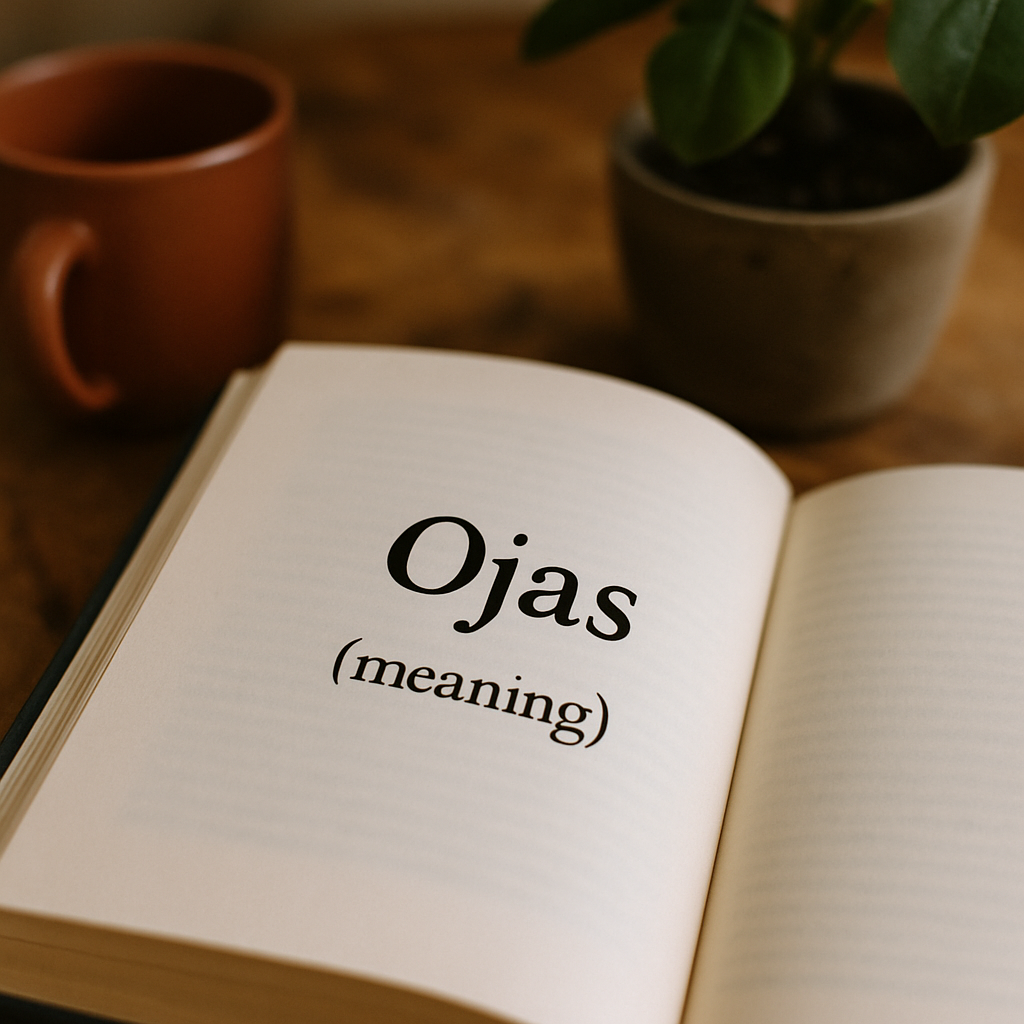
What Is Ojas: Core Definition and Meaning
Ojas Meaning in Sanskrit and Ayurveda
In Sanskrit, the word ojas translates roughly to "vigor," "essence," or "sap." Imagine the vibrant juice inside a ripe fruit — that’s a good metaphor for ojas. In Ayurveda, ojas represents the vital essence of life, the subtle substance that gives us strength, vitality, and glow. Without enough ojas, even the best diet or exercise regimen won’t do much.
When people ask what is ojas in Ayurveda, they’re usually referring to this underlying force that keeps us resilient, glowing, and grounded. It’s like your body’s savings account for health and immunity.
Ojas Definition: Essence of Vitality and Life
Ojas is considered the final and most refined product of digestion and metabolism. It's the subtle essence that gets created after all the tissues in the body (like blood, muscle, bone) are nourished. If that sounds a bit mystical — well, Ayurveda often is. But modern interpretations equate ojas to immune strength, hormonal balance, and cellular integrity.
So the ojas definition is both poetic and practical. It’s that non-physical yet very real essence that makes us feel alive. Think: glowing skin, a strong immune system, emotional resilience, and a general sense of aliveness. That’s ojas at work.
What Does Ojas Mean Physically and Energetically
Physically, ojas can be linked to immunity, strength, stamina, and fertility. Energetically, it's tied to your prana (life force) and tejas (inner radiance). Without sufficient ojas, prana can’t circulate properly, and tejas might burn too fast — like a candle with no wax.
But here’s a thing: ojas isn’t just a substance. It’s a state. It’s how you feel when your body, mind, and spirit are all in sync. Low ojas? You might feel burnt out, anxious, prone to sickness. High ojas? You’re probably feeling solid, clear, and vibrant.
The Role of Ojas in the Body and Mind
Ojas in Immunity, Strength, and Stamina
If you’re still wondering what is meaning of ojas in practical terms, here’s the deal: it’s your body’s core capacity to handle stress and fight off illness. People with strong ojas bounce back faster from colds, recover quickly from exhaustion, and handle life’s curveballs with surprising ease.
Ayurvedic texts say that ojas lives in the heart and flows through the entire body, supporting all tissues. When ojas is abundant, our strength and stamina go up. We sleep better, digest more efficiently, and even feel more emotionally steady.
Ojas and Mental Clarity, Calm, and Emotional Balance
Ojas doesn’t stop at physical health. It deeply affects the mind, too. Stable ojas leads to better focus, emotional steadiness, and inner peace. Ever met someone who just has this grounded, calm vibe — like nothing rattles them? That’s ojas in action.
On the flip side, when ojas is depleted, we get foggy-headed, irritable, and anxious. Things feel overwhelming, even when they shouldn’t. This is why cultivating ojas is not just about eating right — it’s about nurturing the whole self.
Difference Between Ojas and Tejas or Prana
Let’s not confuse ojas with tejas or prana. While they all work together, each one has a unique function. Prana is your breath, your life force. Tejas is your inner fire — your drive, metabolism, and courage. Ojas is the grounding force, the juicy, nourishing essence that keeps both prana and tejas balanced.
You can think of ojas as the oil in the engine. Without it, the fire of tejas burns too hot, and the wind of prana becomes erratic. Not good!
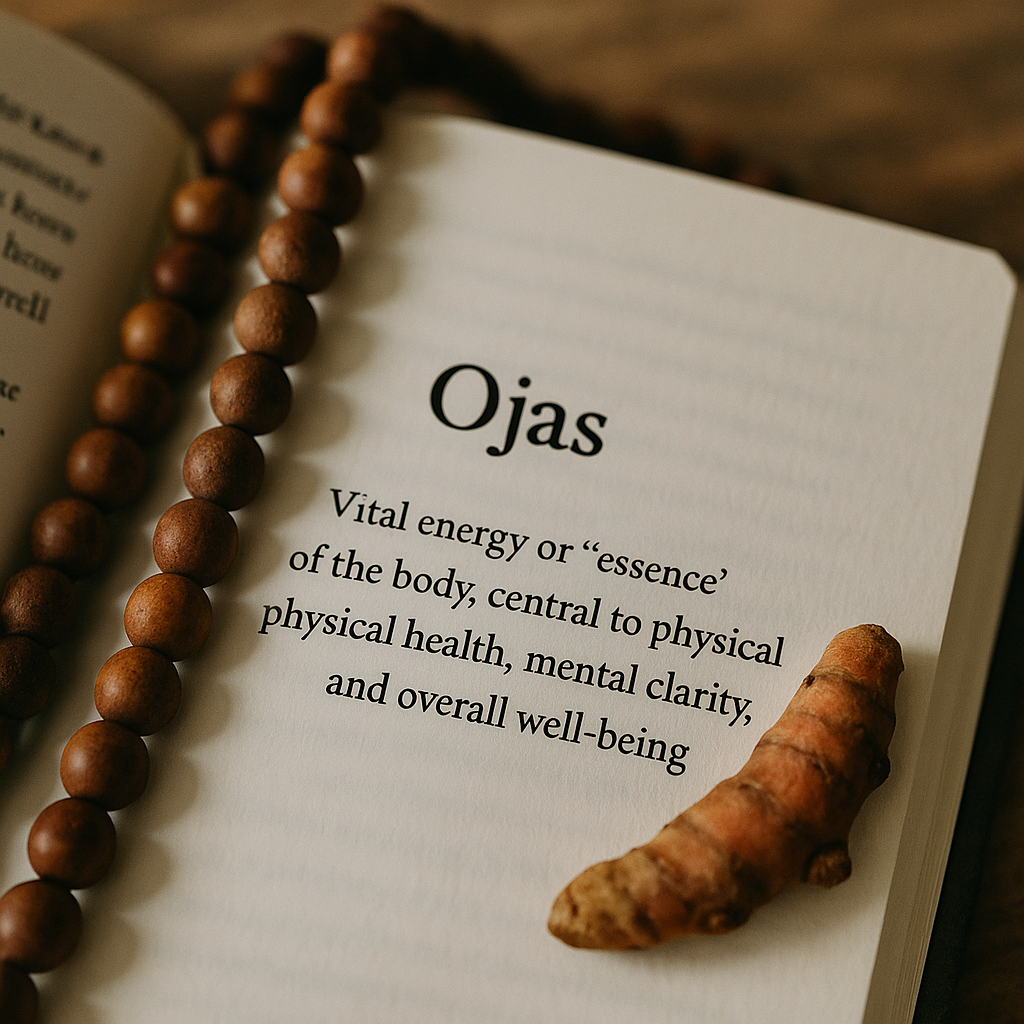
Ojas in Ayurveda’s System of Health
How Ojas Is Formed Through Digestion and Nutrition
Now that we've answered what is ojas in Ayurveda, let’s dig into how it’s actually formed. Spoiler alert: it all starts with your digestion.
Ayurveda sees digestion not just as a mechanical process, but as an energetic transformation. When you eat wholesome, nourishing foods — and digest them well — your body gradually refines those nutrients through seven stages. At the very end of this process, if everything goes right, you produce ojas.
But it’s not just what you eat. It’s how you digest. Weak digestion? Junk food? Chronic stress? That stuff wrecks ojas. You can eat all the kale in the world, but if your digestion is off, your ojas will be, too. And yes — we’ve all been there. You had a healthy salad, but ended up bloated and exhausted. That’s not ojas-building.
Signs of Strong vs. Depleted Ojas
So, how do you know if you have good ojas or not? There are signs — and they’re actually pretty intuitive.
Signs of strong ojas:
-
Glowing skin
-
Steady energy (no 3 p.m. crashes)
-
Good immunity
-
Deep, restful sleep
-
Clear, grounded thinking
-
Emotional resilience
Signs of low ojas:
-
Frequent colds or infections
-
Dry skin or dull complexion
-
Fatigue or burnout
-
Anxiety, irritability, or brain fog
-
Poor digestion and weak appetite
If you’re seeing more of the second list in your life right now — no judgment. We’ve all dipped into low ojas at some point, especially in times of stress or illness. The good news? You can rebuild it. And it doesn’t require anything exotic or expensive.
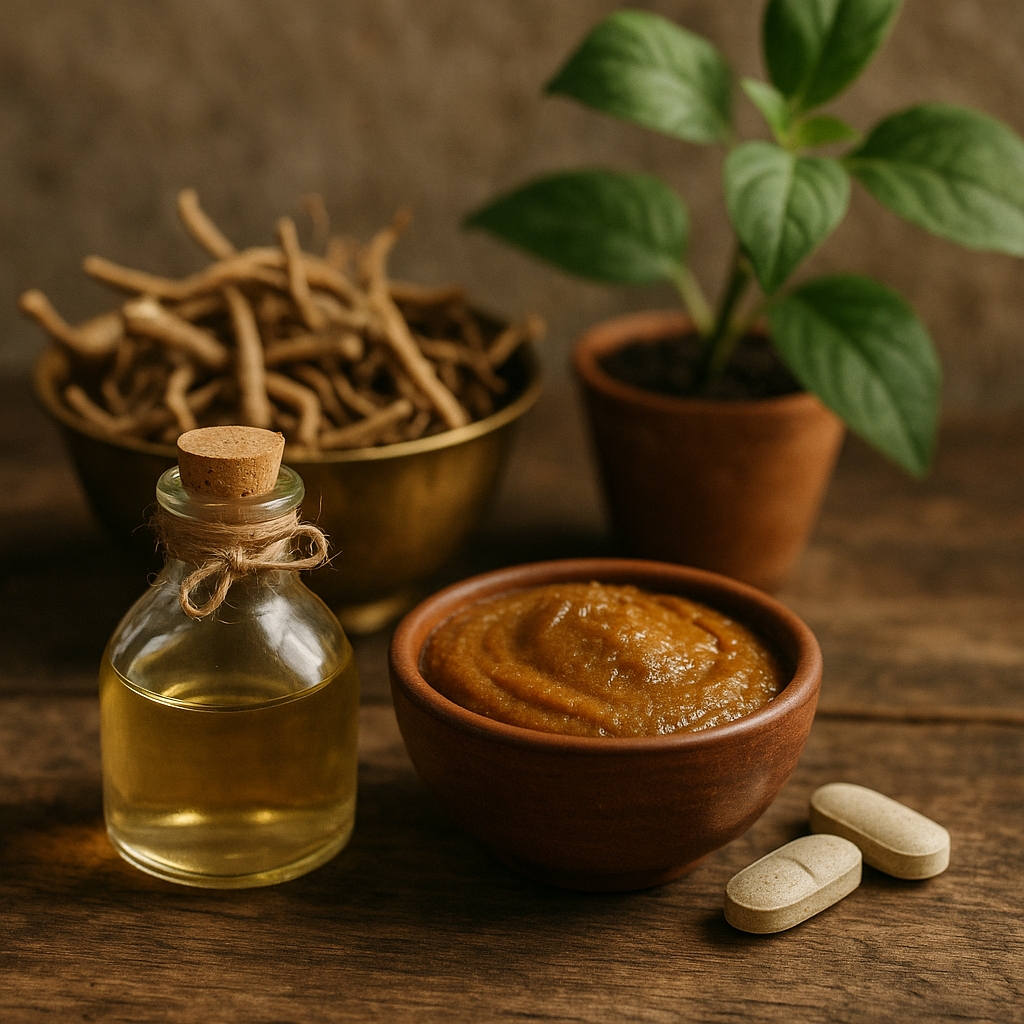
How to Build and Protect Ojas Naturally
Foods and Herbs That Support Ojas
Let’s talk about food. If you're serious about building ojas, you’ve got to eat like you mean it.
Ojas-building foods are nourishing, grounding, and easy to digest. Think:
-
Warm milk with spices (yes, even non-dairy versions work)
-
Ghee (clarified butter, a classic ojas booster)
-
Soaked almonds
-
Dates, figs, and seasonal fruits
-
Rice, mung dal, sweet potatoes
Spices like cardamom, cinnamon, turmeric, and saffron also help nourish ojas gently. And then there are Ayurvedic herbs like ashwagandha, shatavari, and amla — known for their ojas-building effects. These herbs help the body cope with stress, boost energy, and nourish tissues deeply.
But again, digestion is key. Even the best foods won’t help if your gut’s not on board. So eat mindfully, chew well, and don’t multitask while eating (yes, put the phone down!).
Lifestyle Practices to Preserve Ojas
Ojas isn’t just about what you eat — it’s also about how you live.
Rest is a big one. Lack of sleep drains ojas like water leaking from a bucket. So get your 7–9 hours, and make them count. Go to bed before midnight, ideally before 10 p.m., if you can manage.
Other lifestyle choices that help preserve ojas:
-
Daily self-massage with warm oil (called abhyanga)
-
Gentle movement like yoga or walking
-
Avoiding overstimulation (less screens, more nature)
-
Regular, consistent routines
And don't underestimate joy. Laughter, love, connection — these are ojas fuel. Honestly, just spending time with people who make you feel safe and happy can rebuild your reserves more than any superfood.
Ojas-Enhancing Rituals in Daily Routine
Ayurveda is big on daily routine (dinacharya), and many of its rituals are designed to support — you guessed it — ojas.
Some easy ones to start:
-
Scrape your tongue each morning
-
Drink warm water with lemon upon waking
-
Meditate or sit quietly for 5–10 mins daily
-
Oil your body before showering
-
Wind down with calming herbs like tulsi or chamomile tea
These practices may sound small, but over time they stack up and build deep, lasting ojas. And here’s the thing: consistency beats intensity. It's not about doing everything perfectly. Just start somewhere.
Conclusion
So, what is ojas really? It’s not just an ancient Ayurvedic idea — it’s a deeply relevant, practical concept that touches every part of your health. From physical strength and immunity to emotional stability and inner glow, ojas is like your body’s secret currency for wellness.
We’ve covered the ojas meaning, how it’s formed, what it does, and — most importantly — how to build and protect it. Whether you’re new to Ayurveda or have been exploring it for years, understanding ojas in Ayurveda is a game-changer. Seriously.
The best part? Cultivating ojas doesn’t require fancy supplements or rare herbs from halfway around the world (though those can help). It just asks you to nourish yourself. With good food, restful sleep, joyful connections, and a few grounding rituals.
So next time you find yourself wondering why you feel burnt out, anxious, or just kinda “off,” ask yourself: “How’s my ojas?” That one little question could shift your entire approach to self-care.
Oh, and one more thing — don’t keep this info to yourself. If you found this helpful, share it with someone you care about. Who knows? Maybe they’ve been wondering what is the meaning of ojas all along, too.
Don't wait or self medicate. Start chat with Doctor NOW
FAQs
What is the meaning of ojas in modern health terms?
In modern wellness language, ojas can be thought of as a combination of immunity, vital energy, and resilience. It reflects how well your body and mind can handle stress, fight off disease, and maintain balance. Some compare it to hormones, immunity markers, or cellular vitality — though honestly, it doesn’t fit neatly into any one Western category.
It’s more like the synergy of all those systems working in harmony.
How can I tell if my ojas is low or imbalanced?
Great question — and a common one. Here are some signs your ojas might be low:
-
You get sick easily
-
You’re constantly tired or “wired but tired”
-
Your skin looks dry or pale
-
You feel emotionally fragile or easily overwhelmed
-
You’re not sleeping deeply or waking up refreshed
Basically, if your body and mind feel like they’re running on fumes, your ojas could use some love. And no, it's not always easy to fix overnight... but it's fixable.
Can ojas be increased through supplements or only lifestyle?
Short answer? Both.
Longer answer? Supplements and herbs can absolutely help — especially adaptogens like ashwagandha or shatavari — but they’re not magic bullets. If you’re still skipping meals, sleeping 4 hours a night, and doomscrolling until 2 a.m., no amount of herbs will bring back your ojas.
Lifestyle is the foundation. Food, sleep, movement, love, peace of mind — that’s your real medicine. Herbs and supplements are like helpful friends, but you’re the healer here.
Final Thoughts
So, what does ojas mean to you now? Maybe it’s more than just an Ayurvedic buzzword. Maybe it’s a reminder that your health is holistic, layered, and personal. Maybe it’s the nudge you needed to slow down, nourish yourself, and build resilience — not just for the next week, but for life.
🌿 If you enjoyed this, consider exploring more about ojas ayurveda practices and share this article with others who could use a little extra glow in their lives.
Because honestly? The world could use more well-nourished, radiant humans.
Questions from users
What foods should I avoid to prevent depleting my ojas?
Client_9d7125
24 days ago
To prevent depleting ojas, focus on avoiding processed foods, excessive caffeine, and alcohol, as these can disrupt balance and vitality. Instead, prioritize whole foods like fresh vegetables, fruits, whole grains, and healthy fats. Pay attention to lifestyle habits such as ensuring adequate sleep, stress management, and regular, balanced meals. Remember, lifestyle plays a crucial role, so make sure you're getting enough rest and managing stress effectively. If you experience persistent health issues, consult a healthcare professional.
How to create a bedtime routine that enhances ojas?
Client_eeb0ef
34 days ago
To create a bedtime routine that enhances ojas, aim to go to bed before 10 p.m. Prioritize calm and consistency in your evening habits. Consider incorporating a warm self-massage, known as abhyanga, shortly before bed for relaxation. Engage in gentle activities like yoga or a walk earlier in the evening to promote restful sleep. Minimize screen time and overstimulation from electronic devices, opting for quiet activities like reading or meditating instead. Consistent sleep-wake times are key. If fatigue or illnesses persist despite these efforts, consult a healthcare professional.
What are the best practices for balancing lifestyle and diet to enhance ojas?
Client_f82ddd
43 days ago
To enhance ojas, which is considered the essence of vitality and life, focus on a balanced diet and lifestyle. A nutrient-rich diet emphasizing whole foods like fruits, vegetables, whole grains, nuts, and seeds supports digestive health and boosts ojas. Regular, adequate rest and quality sleep are crucial, as they allow your body to repair and heal, maintaining vitality. Moderate exercise, stress management techniques like meditation, and avoiding multitasking during meals also contribute positively. Consult a healthcare professional if there are ongoing health issues, as they may indicate underlying conditions. Avoid relying solely on supplements; lifestyle alterations are key. Ayurveda supports many of these practices but emphasizes balance in modern health frameworks.
How long does it take to notice improvements in ojas after implementing changes?
Client_2c3e94
53 days ago
Noticing improvements in ojas, or the vitality and resilience aspect in health, can vary significantly from person to person. Typically, with consistent lifestyle and dietary changes, some people may start to feel positive effects such as improved skin and energy levels within a few weeks to a couple of months. Factors influencing this include the individual's current health status, the specific changes implemented, and adherence to those changes. Always monitor for any adverse reactions and consult a healthcare professional if you experience unusual symptoms or if improvements don't become apparent after several months.
What is the impact of stress on ojas and how can I protect it during challenging times?
Client_41a0b6
63 days ago
Stress can seriously zap your ojas, kind of like draining your energy reserve. When you're stressed, your digestion might go wonky, affecting your overall vitality levels. To protect ojas, try stress-reducing practices like yoga, meditation, or just deep breathing! Also, maintaining regular sleep and a balanced diet helps loads. Stay nourished and calm!
What is the best time of day to eat foods that enhance ojas for maximum benefit?
Client_8c788e
72 days ago
The best time to eat foods that enhance ojas is actually during the morning, when your agni (digestive fire) is awakening and receptive. It's good to start with a light breakfast that nurtures both body and mind. You could try warm, nourishing foods like almond milk and sweet fruits that are easy to digest. But keep listening to your body!
How to naturally improve my ojas if I feel constantly fatigued and overwhelmed?
Client_816cf9
81 days ago
To boost your ojas naturally when feeling fatigued, try focusing on rest and nourishing foods, like warm milk with a pinch of nutmeg or cardamom. Practice gentle yoga or meditation to calm your mind. Also, hydrating and ensuring good sleep helps. Avoid excessive stress, and think about what lightens your mood—everything adds up!
What activities can help rejuvenate my ojas after a particularly stressful week?
Client_0fd4f6
90 days ago
Rejuvenating ojas after stress can be deliciously healing! Start with nourishing foods like warm milk with a pinch of saffron, or sweet fruits like mango. Gentle yoga or walks in nature can help too... And don't forget, quality sleep is a must—try winding down with some deep breathing or meditation before bed. If stress's is a regular thing, consider balancing your Vata with grounding activities. Stay consistent and be kind to yourself!
What lifestyle factors can contribute to depleting my ojas over time?
Client_1ca30f
100 days ago
Lifestyle factors that can really deplete ojas include stress, overworking, negative emotions, lack of sleep, and poor diet. Things like excessive screen time and irregular routines can also play a part. Find balance with rest, nourishing foods, meditation, and positive relationships to build it back up!
Can I boost my ojas by practicing mindfulness and relaxation techniques daily?
Client_9dd3d5
109 days ago
Yeah, daily mindfulness and relaxation techniques can definitely help boost ojas! It's all about creating a calm, nourishing environment for your mind and body. Along with good food and sleep, focusing on relaxation supports that balance. Keep it simple and make sure it feels good for you, every little bit helps! ✨ But remember, it's like part of a bigger picture with diet and rest too, you know?
Related articles

Body Detox
How to Lose Weight Fast with Ayurveda: Natural and Safe Methods
Discover how to lose weight fast with Ayurvedic methods. Learn the best diet, fasting tips, calorie deficit strategies, and more for natural weight loss support
2,208
Body Detox
How to Actually Balance Vata Dosha — Without Driving Yourself Nuts
In Ayurveda — India’s ancient system of natural healing — Vata is one of the three doshas, or bodily energies. It’s made of air and ether, so you can guess it’s kind of floaty. It governs movement, speech, creativity, quick thinking, but also... anxiety,
3,599

Body Detox
Kuberaksh Vati: Benefits, Dosage & Science-Backed Insights
Explore the benefits, proper dosage, uses, and scientific research behind Kuberaksh Vati, a potent Ayurvedic formulation for liver health and detoxification.
3,193

Body Detox
Katakakhadiradi Kashayam Uses – A Natural Ayurvedic Remedy
Explore the benefits and uses of Katakakhadiradi Kashayam, a traditional Ayurvedic formulation known for its therapeutic properties in treating digestive issues, detoxifying the body, and promoting skin health.
3,850

Body Detox
What Is Durva Grass: Identification, Meaning, and Benefits
What is durva grass and how to identify it? Learn the meaning of durva, benefits of durva grass, and Ayurvedic uses of durva plant, leaves, and seeds
13,632

Body Detox
How to Clean Stomach in Morning: Natural Tips, Drinks, and Yoga
Learn how to clean stomach in morning with natural drinks, Ayurvedic tips, and yoga. Discover what to drink in the morning to clean your stomach fast
4,406
Body Detox
What Is Ayurveda? Ancient Wisdom for Modern Wellness
What is Ayurveda? Discover its meaning, doshas, and philosophy. Learn how this ancient holistic system brings balance to mind, body, and modern life
2,254

Body Detox
Trivrit Lehyam – Benefits, Dose, Side Effects, How to Use and Ingredients
Exploration of Trivrit Lehyam – Benefits, Dose, Side Effects, How to Use and Ingredients
3,423

Body Detox
What Is Mango Ginger? Ayurvedic Guide to Benefits, Tea, and Usage
What is mango ginger? Discover mango ginger benefits for skin and digestion, how to use it in tea, and Ayurvedic insights on this unique root
11,422
Body Detox
Guggulu Panchapala Churnam: Ayurvedic Benefits and Uses
Guggulu Panchapala Churnam is a powerful Ayurvedic remedy with multiple health benefits, from weight management and pain relief to improved digestion and detoxification.
4,686
Related consultations on the topic
Legal
Additional Documents
© 2024 Ask Ayurveda. All rights reserved.