Ask Ayurvedic doctor a question and get a consultation online on the problem of your concern in a free or paid mode. More than 2,000 experienced doctors work and wait for your questions on our site and help users to solve their health problems every day.
FREE! Ask Ayurvedic Doctors 24/7

 Fast responses
 1000+ verified doctors
Body DetoxEar, Nose, and Throat DisordersGeriatrics & RejuvenationImmunodeficiencyInfertility TreatmentNutritionOrthopedic DisordersPediatricsRespiratory DisordersSexually Transmitted Diseases (STDs)Surgery RecoveryUrological DisordersVascular DisordersDental DisordersEndocrinological DisordersGastrointestinal DisordersYoga TherapyGeneral MedicineAllergic DisordersCardio DisordersGynecology and ObstetricsCosmetologySkin and Hair DisordersEye DisordersInfectious DiseasesMental DisordersNeurological DisordersOncologyPanchakarmaSexual Health & DisordersSports Medicine
Published on 06/05/25
(Updated on 06/23/26)
1,632
When to Worry About Varicose Veins: Symptoms and Ayurvedic Care

If you've ever noticed twisted, bulging veins on your legs or feet and wondered, “Is this serious?” — you're not alone. Varicose veins are incredibly common, especially as we age, but that doesn't mean they should be ignored. Knowing when to worry about varicose veins can literally save you from complications down the road. Catching early stage varicose veins symptoms and understanding the signs and symptoms of varicose veins can make a huge difference in how manageable they are.
In this guide, we'll break down everything you need to know — from how varicose veins form, to what Ayurveda says about it, and when it's time to stop brushing it off as just “a cosmetic issue.” Whether you're feeling occasional heaviness or seeing visible veins for the first time, understanding the varicose veins symptoms and when to worry about varicose veins in feet is a big first step toward better health. Let’s get into it.
What Are Varicose Veins
Varicose veins are enlarged, twisted veins that most commonly appear in the legs and feet. They occur when the valves inside your veins stop working properly, causing blood to pool instead of flowing smoothly back to the heart. That’s what leads to the telltale bulging or rope-like appearance.
Causes of Varicose Veins from Medical and Ayurvedic Perspectives
From a Western medical standpoint, varicose veins result from weak or damaged vein walls and valves. Factors like genetics, prolonged standing, obesity, and pregnancy are known contributors.
Ayurveda, on the other hand, sees varicose veins as an imbalance in Vata dosha, which governs movement and circulation. Blockages in rakta dhatu (the blood tissue) and poor flow in srotas (the body’s channels) are believed to contribute to the appearance and discomfort of varicose veins.
Risk Factors: Who’s Most Affected and Why
You're more likely to experience varicose veins symptoms in legs if you:
-
Stand or sit for long periods (yup, desk jobs count)
-
Have a family history of varicose veins
-
Are over the age of 40
-
Are pregnant or have been multiple times
-
Are overweight or obese
It’s not just about age or weight though — even active people can develop varicose veins if other risk factors are in play.
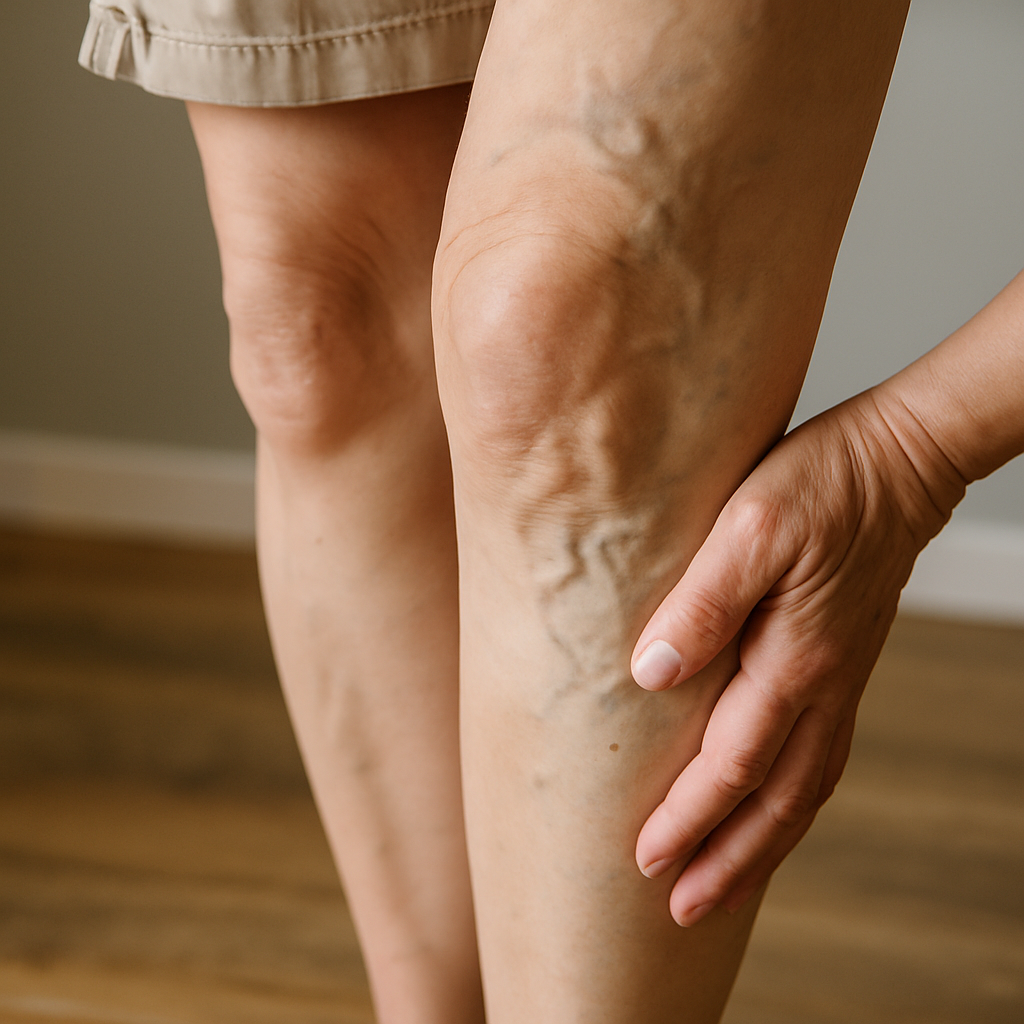
Early Stage Varicose Veins Symptoms
Okay, here’s where things get real. The varicose veins early symptoms can be subtle, and many people just chalk them up to being tired. Don’t.
What Differentiates Mild Discomfort from a Medical Concern
You might start with:
-
Achy or heavy feeling in your legs
-
Itching around one or more of your veins
-
Slight swelling in the ankles or lower legs
-
Thin, visible veins under the skin that seem harmless
Sound familiar? These are classic early stage varicose veins symptoms. It’s easy to ignore these signs and symptoms of varicose veins, thinking they’re “just from a long day.” But these early warnings are telling you something’s not quite right — maybe not urgent yet, but definitely not to be shrugged off either.
Many people wait until the pain or swelling gets bad, or worse — until ulcers or skin changes show up — to take it seriously. But honestly, the best time to act is before things spiral into full-on discomfort or complications.
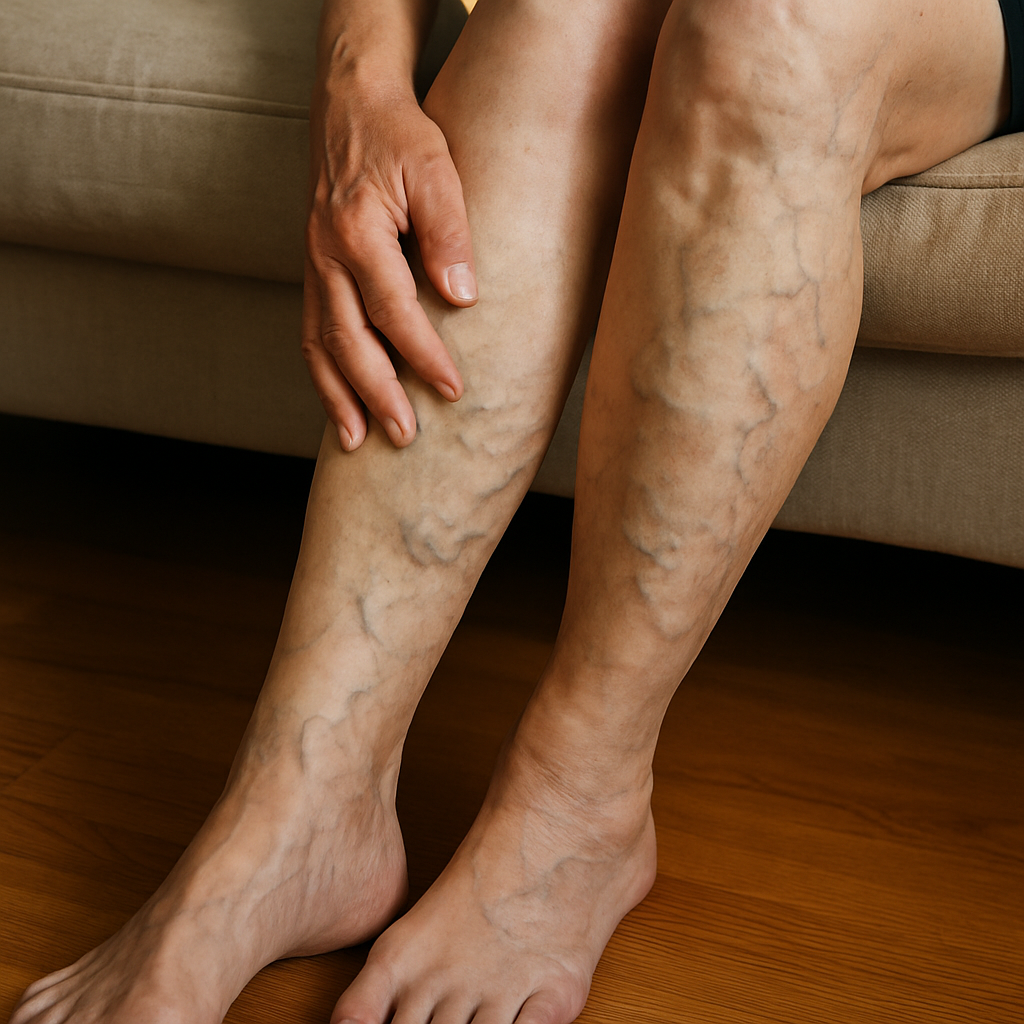
Progression and When to Take Action
Varicose veins don’t just show up overnight in full force. Like most health issues, they start slow and get worse if left unchecked. Understanding the stages of when to worry about varicose veins can help you act early and avoid long-term damage.
Stages of When to Worry About Varicose Veins
Let’s break this down into a few key stages:
Stage 1: Mild Symptoms (aka the Denial Phase)
You notice a dull ache in your legs, maybe after standing too long. There might be visible veins, but they don’t bulge much. This is when most people think, "Eh, not a big deal."
Stage 2: Increased Swelling and Discomfort
Now you're seeing puffiness around your ankles. Your legs feel heavy, and maybe there’s a burning sensation or itchiness. These are no longer just aesthetic issues. You’ve entered the zone of when to worry about varicose veins more seriously.
Stage 3: Skin Changes and Vein Bulging
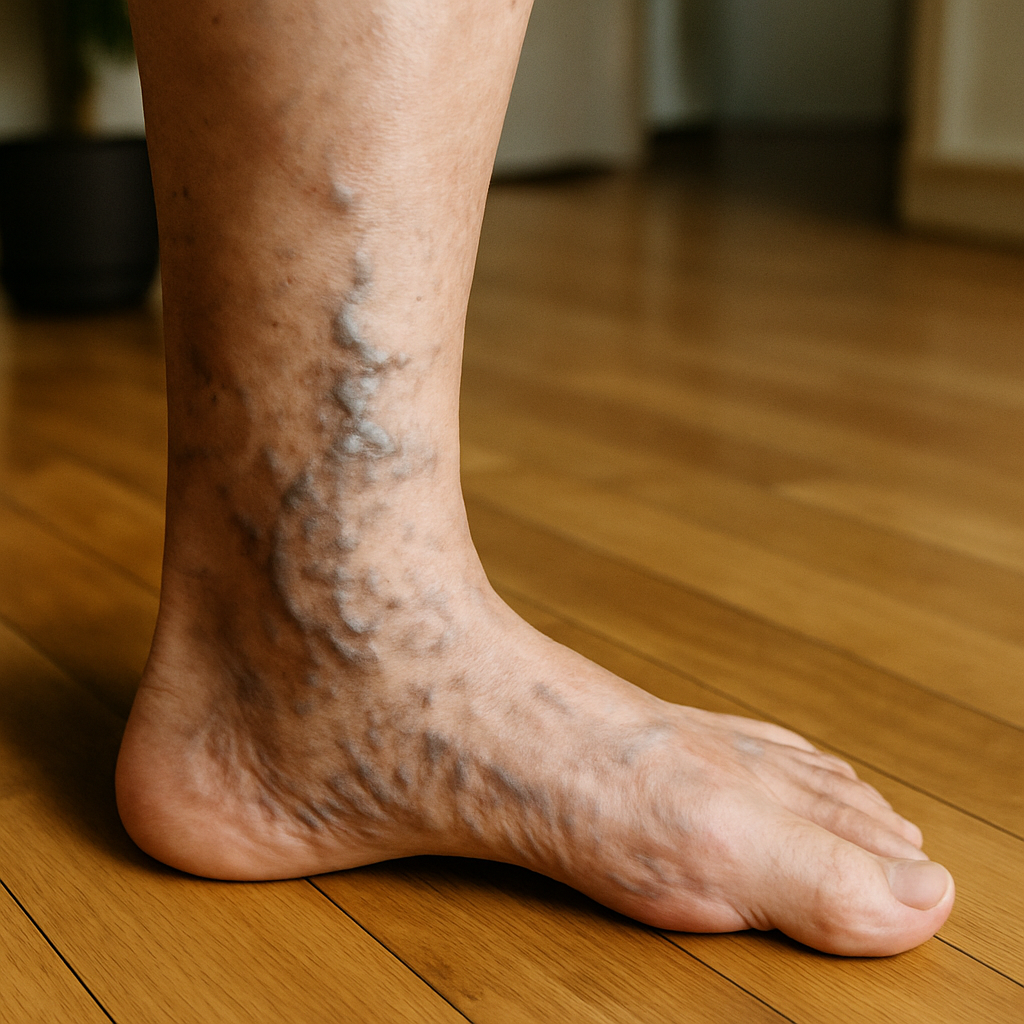
Your skin might turn darker around the ankles or start to feel leathery. Veins are visibly bulging and uncomfortable. This is also when to worry about varicose veins in feet, especially if you're getting cramps or tightness.
Stage 4: Ulcers and Complications
Open sores or ulcers develop. There’s a real risk of infection. At this point, when to worry about varicose veins treatment isn't even a question — it’s urgent.
Varicose Veins Symptoms That Signal Urgency
Here are red flags that mean it’s time to see a doctor ASAP:
-
Bleeding from varicose veins
-
Sudden pain or swelling in one leg (could mean a blood clot)
-
Skin around the vein becomes red, warm, or tender
-
Ulcers that don’t heal
These symptoms of varicose veins are beyond cosmetic. They could signal deep vein thrombosis or other vascular conditions that need immediate attention. Don’t wait it out — it won't just “go away.”
Ayurvedic Understanding of Varicose Veins
While modern medicine focuses on veins and valves, Ayurveda digs deeper — into the energetic imbalances and flow of life forces.
Imbalance in Vata and Rakta Dhatu
In Ayurvedic terms, varicose veins stem from Vata dosha going out of balance, especially in the rakta dhatu, which governs blood tissue. Vata is responsible for movement, including blood flow. When it's aggravated, it causes dryness, weakness, and instability in the vessels.
Interestingly, this aligns with how we see weak vein walls in allopathy — different language, same issue.
Connection to Poor Circulation and Digestive Fire
Another interesting Ayurvedic view is how poor digestion can actually mess with your circulation. If your Agni (digestive fire) is low, your blood isn't nourished properly. Toxins (ama) build up and block circulation in the srotas, or microchannels. The result? Swelling, inflammation, and yes — varicose veins.
The Role of Srotas (Body Channels) in Vein Health
Your body’s circulation runs through a network of srotas. Think of them like roads. If there's a traffic jam — or worse, a roadblock — things get congested. In Ayurvedic terms, this blockage can be caused by cold, dryness, poor digestion, or toxin build-up. That stagnation shows up in your legs first because, well, gravity doesn’t help.
Ayurvedic Remedies and Lifestyle Changes
The good news? You don’t always need drastic treatments right away. Ayurveda offers powerful, natural tools to improve circulation, reduce inflammation, and support vein health — especially when you're dealing with varicose veins early symptoms.
Herbal Support (e.g. Ashwagandha, Gotu Kola, Guggulu)
Let’s start with some herbs. Ayurveda is big on plant-based support, and these three are top picks:
-
Ashwagandha: Known for strengthening the body and calming Vata. It helps reduce stress-related circulation issues, which weirdly enough, can trigger or worsen varicose veins.
-
Gotu Kola: This little green herb is kind of a superhero for your veins. It improves blood flow, strengthens capillaries, and reduces swelling. Perfect for early stage varicose veins symptoms.
-
Guggulu: A resin used in many Ayurvedic formulas, Guggulu helps detoxify the blood and reduce inflammation — especially when veins are sore, itchy, or painful.
Just don’t self-medicate blindly. Check with an Ayurvedic practitioner for dosages, especially if you're already taking other meds or have underlying issues.
Daily Routines and Leg Elevation Practices
Sometimes, it’s the little things that matter most. Here's what you can start today:
-
Elevate your legs for 10–15 minutes daily. It helps reverse the gravitational pull that worsens vein pressure.
-
Avoid sitting or standing too long. Set timers. Stretch. Walk. Move.
-
Dry brushing in the direction of blood flow can stimulate circulation and lymph drainage. Bonus: it feels kinda great.
And if you love yoga, poses like Viparita Karani (legs-up-the-wall) are gentle, beginner-friendly, and very effective. We’d suggest an infographic here showing 3–4 beginner poses to support vein health and lymphatic drainage.
Diet Tips to Improve Circulation and Reduce Inflammation
Your plate matters — maybe more than you think.
-
Focus on warming, nourishing foods: think soups, cooked veggies, and healthy fats (hello ghee).
-
Avoid heavy, cold, greasy foods — they aggravate Vata and slow digestion.
-
Add spices like turmeric, cumin, ginger, and garlic, which improve circulation and reduce blood stagnation.
-
Drink warm water through the day. Cold drinks can dampen your Agni and mess with detox pathways.
An illustrated comparison between a Vata-pacifying plate and a standard inflammatory Western meal could work well here to help visualize the difference.
Don't wait or self medicate. Start chat with Doctor NOW
Conclusion
Varicose veins might be common, but they aren’t something to ignore. Catching the varicose veins early symptoms gives you a powerful window of opportunity — one where lifestyle tweaks and Ayurvedic care can make a real difference. From herbal remedies and yoga to understanding when to worry about varicose veins, you now have the tools to take proactive care of your legs (and your health).
Start small. Elevate those legs. Add turmeric to your meals. Be aware of varicose veins symptoms in legs, especially when they begin to itch, swell, or ache. And remember — your body is always talking to you. You just gotta learn how to listen.
FAQs
What are the warning signs that varicose veins are getting worse?
Watch for increased swelling, bulging veins, skin discoloration, and any kind of ulcer or sore that won’t heal. These are signs you’ve moved beyond the early stage and should probably not wait it out.
Are early symptoms of varicose veins reversible with lifestyle changes?
In many cases, yes! With proper diet, movement, and herbal support, you can reduce discomfort and possibly prevent further progression. The key is catching it early.
What are the long-term risks of ignoring varicose veins?
Chronic pain, leg ulcers, bleeding, and even blood clots (like DVT) can happen if varicose veins are left untreated. That’s why knowing when to worry about varicose veins is so important.
Questions from users
What is the role of turmeric in improving digestive health for managing varicose veins?
Nova
5 hours ago
Turmeric is known for it’s anti-inflammatory and antioxidant properties, which can help improve digestion by reducing inflammation in the gut and enhancing digestive fire or agni. Better digestion helps nourish tissues and might indirectly support varicose veins by keeping your blood healthier. Try to add it to meals regularly!
Can I use dietary changes to help balance Vata dosha for varicose veins?
Dylan
9 days ago
Yes, definetely! To help balance Vata for varicose veins, include warm, cooked foods in your diet like soups, porridge, and stews. Opt for sweet, sour, and salty tastes over bitter or astringent. Healthy fats like ghee and nuts, help too. Stay hydrated but avoid cold drinks, keep your meals regular to support digestion.
How does poor digestion affect the development of varicose veins?
Nevaah
18 days ago
Poor digestion can weaken your agni, or digestive fire, which in turn affects the body's ability to nourish tissues, including blood vessels. When these veins are undernourished, they're more prone to weakness, contributing to varicose veins. It's as if the "roads" (veins) can't properly manage the traffic (blood flow) cuz they're not in top condition.
Can I prevent varicose veins by avoiding sitting for long periods?
John
27 days ago
Yes, avoiding sitting for long periods can help prevent varicose veins! In Ayurveda, stagnation can lead to this condition. So, keep moving and take breaks to enhance circulation! Also, consider dry brushing and stretching to support blood flow and balance your doshas. There's no one fix, but these habits are a good start.
Is it safe to try yoga to manage my varicose veins?
Lucas
37 days ago
Yeah, yoga can be helpful for managing varicose veins! It's gentle on the veins and can improve circulation. Try poses like Legs Up the Wall or gentle stretches. But, remember to go easy and avoid anything too intense. It's always a good idea to check with a healthcare pro before starting if you have specific concerns or other health conditions.
How to improve blood circulation naturally to prevent varicose veins?
Yolanda
47 days ago
To naturally improve blood circulation and help prevent varicose veins, try incorporating Vata-balancing activities like regular light exercise, yoga, and leg elevating to encourage blood flow. Massage with warm oils like sesame can also soothe Vata imbalance. Eating warm, cooked meals supports agni (digestive fire), aiding circulation too. Hope this helps!
What causes varicose veins to develop in the first place?
Mateo
56 days ago
Varicose veins pop up when those tiny valves in your veins weaken or get damaged. Blood's supposed to flow smoothly, but when it doesn't, it pools, and those veins get all twisty and swollen. So, factors like standing or sitting for too long, genetic stuff, age, or even pregnancy can contribute. Keeping those leg muscles moving really helps.
Is it safe to use Ashwagandha for varicose veins while pregnant?
Tenley
66 days ago
Using ashwagandha during pregnancy—especially for varicose veins—might not be the best move. Ayurveda often advises caution with ashwagandha in pregnancy. It’s super wise to chat with your doc or an ayurvedic specialist to really find out what’s safe for you. There might be alternative herbs or methods that’ll be more suitable for you. 🙂
Can I use dry brushing every day for early stage varicose veins?
Isabella
76 days ago
Dry brushing can be done every day, but listen to your body too. It's good for stimulating circulation, but if you notice any irritation or discomfort, give it a break. Make sure you're brushing gently and always in the direction of the heart to actually help those veins. Also, give a shot at leg elevation and use Guggulu to further support the veins.
How can I tell if my varicose veins are worsening and need medical attention?
Benjamin
152 days ago
If your varicose veins are painful, cause leg swelling, skin changes, or lead to open ulcers, it's time for a check-up. But just add some little lifestyle changes like walking, stretching, and maybe some Gotu Kola could help. Yet, don't wait too long if things seem off, as infections or complications can arise. Better safe!
Related articles

Neurological Disorders
Neuron Capsule
Exploration of Neuron Capsule
2,144

Neurological Disorders
How to Control Headache: Natural and Effective Ways
Discover natural ways to control headache at home. Learn fast, medicine-free techniques and effective Ayurvedic tips for headache relief and pain control
2,474
Neurological Disorders
Ayurvedic Medicine for Peripheral Neuropathy – Natural Remedies for Nerve Health
Explore Ayurvedic medicine for peripheral neuropathy, including effective herbs, treatments, and lifestyle changes. Discover natural approaches to alleviate nerve pain and enhance nerve health.
4,635

Neurological Disorders
Panchendriya Vardhan Tel: Enhance Your Senses with Ayurvedic Oil
Discover the benefits, proper dosage, uses, and scientific research behind Panchendriya Vardhan Tel, a powerful Ayurvedic oil for varicose veins.
3,077
Neurological Disorders
Syphilis Treatment in Ayurveda: Herbal Remedies and Healing Practices
Discover effective Ayurvedic treatments for syphilis, including herbal remedies, lifestyle practices, dosage guidelines, and scientific evidence supporting natural healing.
4,551

Neurological Disorders
Motor Neuron Disease Treatment in Ayurveda – Holistic Nerve Support
Explore Ayurvedic approaches for motor neuron disease treatment. Learn about holistic therapies, herbs, lifestyle changes, and scientific insights for managing MND.
3,565

Neurological Disorders
How to Get Rid of Sciatica Pain Permanently: A Complete Ayurvedic Guide
Explore sciatica pain relief, ayurvedic medicine for sciatica, and treatments for permanent cure. Learn how to relieve sciatica pain fast with natural remedies
2,727

Neurological Disorders
Brahmi Ghrita Benefits, Dosage, How To Use, Side Effects, Ingredients, Reference
Exploration of Brahmi Ghrita Benefits, Dosage, How To Use, Side Effects, Ingredients, Reference
3,360

Neurological Disorders
Ayurvedic Remedies for Migraine Relief
Productivity plays an important role in modern society.
3,138

Neurological Disorders
Kampavata Case Study – Ayurvedic Management of Tremors and Joint Instability
Explore a detailed Kampavata case study, highlighting Ayurvedic diagnostic approaches, treatment strategies, and patient outcomes for managing tremors, joint instability, and related symptoms.
2,848
Related questions on the topic
Legal
Additional Documents
© 2024 Ask Ayurveda. All rights reserved.