आयुर्वेदिक डॉक्टर से प्रश्न पूछें और निःशुल्क या भुगतान मोड में अपनी चिंता की समस्या पर ऑनलाइन परामर्श प्राप्त करें। 2,000 से अधिक अनुभवी डॉक्टर हमारी साइट पर काम करते हैं और आपके प्रश्नों का इंतजार करते हैं और उपयोगकर्ताओं को उनकी स्वास्थ्य समस्याओं को हल करने में प्रतिदिन मदद करते हैं।


Body DetoxEar, Nose, and Throat DisordersGeriatrics & RejuvenationImmunodeficiencyInfertility TreatmentNutritionOrthopedic DisordersPediatricsRespiratory DisordersSexually Transmitted Diseases (STDs)Surgery RecoveryUrological DisordersVascular DisordersDental DisordersEndocrinological DisordersGastrointestinal DisordersYoga TherapyGeneral MedicineAllergic DisordersCardio DisordersGynecology and ObstetricsCosmetologySkin and Hair DisordersEye DisordersInfectious DiseasesMental DisordersNeurological DisordersOncologyPanchakarmaSexual Health & DisordersSports Medicine
पर प्रकाशित 11/06/24
(को अपडेट 08/07/26)
3,948
Ayurvedic Solutions for Dandruff

Ayurvedic treatment for dandruff works by correcting the root cause — a dosha imbalance that disrupts scalp health — rather than just suppressing flakes temporarily. It combines herbal oils (like Neelibringadi Keram and Durdurapathradi Keram), internal detox formulas (such as Arogyavardhini Vati and Khadirarishta), Panchakarma therapies, and diet-lifestyle changes to restore your scalp's natural balance permanently.
If you've tried zinc pyrithione shampoos, ketoconazole treatments, and every "anti-dandruff" product on the shelf only to watch the flakes come back within weeks — you're not alone. Dandruff affects roughly 50% of the global adult population, according to a 2016 review published in the Journal of Clinical and Investigative Dermatology. Conventional treatments supress the fungus Malassezia globosa or reduce inflammation, but they rarely address why your scalp became vulnerable in the first place.
- That's exactly where Ayurveda offers something different.
- Let's break down everything — from the ancient science behind it to practical protocols you can start today.
What Is Dandruff? Understanding It Through Ayurveda and Modern Science
- Dandruff (seborrheic dermatitis in its mild form) is a chronic scalp condition where dead skin cells shed at an accelerated rate, producing visible white or yellowish flakes.
- Modern dermatology links it to three factors: the yeast-like fungus Malassezia, excessive sebum production, and individual immune sensitivity.
What Is "Darunaka" — The Ayurvedic Name for Dandruff?
In classical Ayurvedic texts like Ashtanga Hridaya, dandruff is described as Darunaka — a Kshudra Roga (minor disease) of the scalp. But calling it "minor" doesn't mean it's taken lightly. Ayurveda recognizes Darunaka as a visible signal that something systemic has gone wrong inside your body.
The condition is primarily linked to a Vata-Kapha imbalance at the scalp level, often aggravated by Pitta when inflammation and redness are present.
- Dry vs Oily Dandruff: Which Doshas Are Involved?
Not all dandruff is the same, and Ayurveda distinguishes the types clearly:
| Type | Dosha Imbalance | Flake Appearance | Scalp Feeling | Common Triggers |
|---|---|---|---|---|
| Dry Dandruff | Vata-Pitta | Small, white, powdery flakes | Tight, itchy, rough | Cold weather, dehydration, excess wind exposure |
| Oily Dandruff | Vata-Kapha | Large, yellowish, sticky flakes | Greasy, heavy, sometimes smelly | Heavy diet, poor hygiene, humid climate |
| Inflammatory Dandruff | Pitta dominant | Flakes with redness, sometimes crusting | Burning, sensitive, warm to touch | Spicy food, sun exposure, chemical products |
Understanding your type is essential — because the oils, herbs, and dietary changes will be completely different for each.
The Role of Ama (Toxins) and Agni (Digestive Fire)
Here's something no conventional dermatologist will tell you: Ayurveda views dandruff as partly a digestive problem.
- When your Agni (digestive fire) is weak, food isn't metabolized properly.
- This produces Ama — a toxic, sticky residue that accumulates in the body's channels (srotas). Over time, Ama reaches the Raktavahasrotas (blood channels) and manifests on the skin and scalp as flaking, itching, or inflammation.
- This is why many people with chronic dandruff also experience digestive issues like bloating, irregular appetite, or coated tongue.
- Fix the digestion, and the scalp often clears up — sometimes dramatically.
What Causes Dandruff? A Dual-Lens View
Modern Causes
- Malassezia fungus overgrowth — feeds on scalp oils
- Irregular hair washing — allows sebum and dead cells to accumulate
- Contact dermatitis — reaction to hair products
- Dry skin — especially in winter months
- Hormonal factors — androgens like testosterone increase sebum production, which is why men are statistically more prone to dandruff (a 2015 study in the Indian Journal of Dermatology confirmed higher prevalence in males)
- Stress — elevated cortisol weakens immune response on the scalp
- Hard water — a very real issue in Indian cities like Delhi, Bangalore, and Chennai, where high mineral content strips natural oils and irritates the scalp
Ayurvedic Causes (Nidana)
- Viruddha Ahara — incompatible food combinations (e.g., fish with milk, fruit with meals)
- Excessive intake of salty, sour, and pungent foods — aggravates Pitta
- Divaswapna — daytime sleeping (increases Kapha)
- Ratri Jagarana — staying up late (aggravates Vata)
- Suppression of natural urges (Vegadharana) — especially the urge to sneeze or vomit
- Exposure to dust, heat, and smoke without proper scalp protection
Which Deficiency Causes Dandruff in Hair?
- Nutritional deficiencies play a bigger role than most people realize.
- Research points to:
- Zinc deficiency — zinc regulates sebaceous gland activity; low levels increase flaking
- B-vitamins (especially B6, B12, Biotin) — essential for skin cell turnover
- Omega-3 fatty acids — deficiency leads to dry, irritated scalp
- Vitamin D — a 2018 study in Indian Dermatology Online Journal showed a significant association between low vitamin D levels and seborrheic dermatitis severity
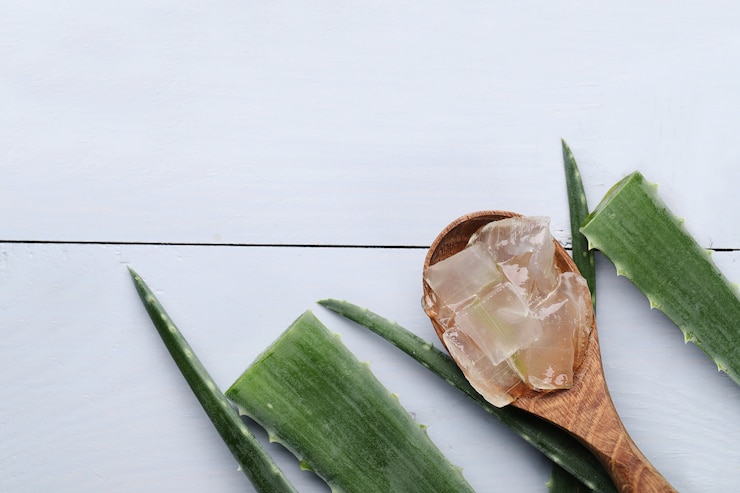
How to Remove Dandruff by Ayurveda: Herbal Remedies That Actually Work
Neem (Azadirachta indica)
Neem is probably the single most effective Ayurvedic herb for dandruff. A 2013 study published in Parasitology Research confirmed its antifungal activity against Malassezia furfur. It's also anti-inflammatory and antibacterial.
How to use: Boil 20-25 neem leaves in 500ml water until it reduces to half. Cool and use as a final rinse after shampooing. Do this 2-3 times per week.
Bhringraj (Eclipta alba)
Known as the "king of herbs for hair," Bhringraj cools Pitta, nourishes the scalp, and a 2019 study in Pharmacognosy Research demonstrated its ability to promote hair growth while reducing scalp inflammation.
Tea Tree Oil (Melaleuca alternifolia)
Though not traditionally Indian, tea tree oil has been adopted into Ayurvedic practice due to its potent antifungal properties. A randomized controlled trial published in the Journal of the American Academy of Dermatology (2002) found that 5% tea tree oil shampoo reduced dandruff severity by 41% compared to placebo.
Caution: Never apply undiluted tea tree oil directly. Mix 3-4 drops into a tablespoon of coconut or sesame oil.
Shikakai (Acacia concinna) and Amla (Emblica officinalis)
These two work beautifully together. Shikakai is a natural cleanser with a low pH that doesn't strip oils, while Amla is rich in Vitamin C and strengthens hair follicles.
Aloe Vera
Cools Pitta, moisturizes Vata-dry scalps, and its antifungal properties are backed by a 2016 study in the Ethiopian Journal of Health Sciences.
Best Ayurvedic Medicines for Dandruff (Internal + External)
This is where most articles fall short — they only talk about topical remedies. But Ayurveda treats from the inside out.
Ayurvedic Oils for External Application
| Oil | Key Ingredients | Best For | How to Use |
|---|---|---|---|
| Neelibringadi Keram | Neeli, Bhringraj, coconut oil base | Pitta-type dandruff with hair fall | Warm and apply to scalp 1 hour before washing |
| Durdurapathradi Keram | Frog fruit (Dudurapatra), coconut oil | Fungal dandruff, itchy scalp | Apply overnight 2-3 times weekly |
| Kesini Oil | Multiple herbs in sesame oil base | Chronic dry dandruff | Gentle massage, leave for 30 minutes |
| Kunthalakanthi Tailam | Bhringraj, Amla, hibiscus | General scalp health & mild dandruff | Weekly application |
- Double-boiler technique for warming oil: Place oil in a small bowl, set the bowl in a larger vessel of hot water. This prevents overheating and preserves the herbs' active compounds.
- Warm, not hot — you should be able to comfortably place a drop on your inner wrist.
Ayurvedic Tablets and Internal Formulations
These are rarely mentioned by other sources, but they're crucial for chronic or recurring dandruff:
- Arogyavardhini Vati — a classical Rasa Shastra formulation that detoxifies the liver and purifies blood; particularly effective when dandruff is linked to poor digestion and Ama accumulation
- Gandhak Rasayan — purified sulphur-based formula; excellent for any skin condition involving fungal or bacterial infection
- Mahamanjishthadi Kashayam — a powerful blood purifier (Rakta Shodhaka) that addresses the root cause when dandruff comes from systemic toxicity
- Khadirarishta — fermented preparation of Acacia catechu; traditionally used for chronic skin diseases including stubborn scalp conditions
> ⚠️ Important: Internal Ayurvedic medicines should always be taken under the guidance of a qualified Ayurvedic practitioner (Vaidya). Self-medication with Rasa Shastra formulations especially can be harmful.
Panchakarma for Chronic Dandruff: When Topical Treatments Aren't Enough
For dandruff that's lasted months or years and hasn't responded to shampoos or oils, Ayurveda has a more intensive approach — Panchakarma, the five-fold detoxification therapy.
Shiro Abhyangam (Head Oil Massage)
Medicated oil is systematically massaged into the scalp using specific pressure techniques. This improves blood circulation, loosens dead skin, and allows herbal compounds to penetrate deeper. Typically done daily for 7-14 days during a Panchakarma course.
Shiro Lepam (Herbal Scalp Paste)
A thick paste of herbs like neem, Triphala, Daruharidra, and sandalwood is applied to the scalp and left for 30-45 minutes. This draws out excess heat (Pitta) and toxins.
Sirodhara
A continuous stream of warm medicated oil (or buttermilk, in Pitta conditions) is poured over the forehead and scalp. While famous for stress relief, Sirodhara also deeply nourishes the scalp's nerve endings and regulates sebaceous gland function.
Nasyam (Nasal Administration)
Medicated oils administered through the nostrils. According to Ayurveda, the nose is the gateway to the head (Shirogata), and Nasyam directly influences scalp health. Anu Taila is commonly used.
Virechana (Therapeutic Purgation) and Raktamokshana (Bloodletting)
For severe, chronic dandruff — especially when associated with thick, adherent scales, intense redness, or when other treatments have failed:
- Virechana clears Pitta and Ama from the gut and liver, addressing the digestive root cause
- Raktamokshana (often done via leech therapy or Pracchanna karma) purifies blood directly; described in Sushruta Samhita for chronic skin conditions
These are clinical procedures performed only by trained Panchakarma specialists.
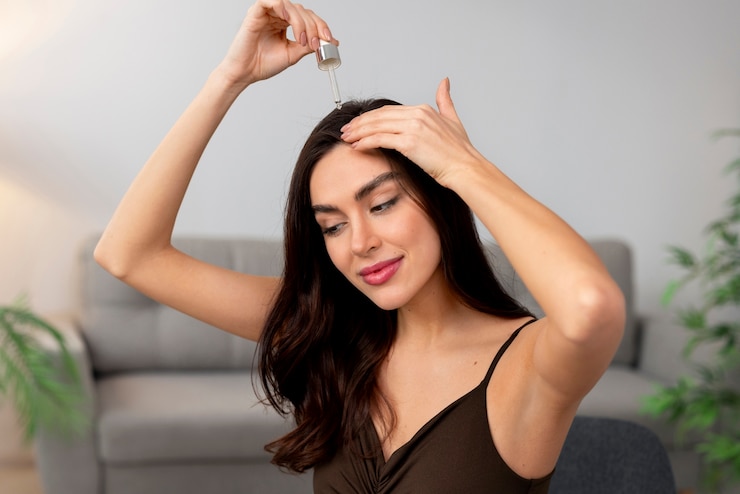
How to Cure Dandruff Permanently: A 21-Day Home Protocol
Here's a structured protocol you can follow at home. Consistency is key.
Week 1: Detox and Reset (Days 1-7)
- - Diet: Eliminate fried foods, refined sugar, dairy, and fermented foods.
- Eat light — khichdi, steamed vegetables, warm soups
- Morning: Drink warm water with half a lemon and a pinch of turmeric on empty stomach
- Scalp: Apply a paste of neem leaves + fresh curd (yogurt) to the scalp. Leave for 30 minutes before washing with a mild herbal shampoo (Shikakai-based)
- Frequency: Every alternate day
- Pranayama: 10 minutes of Nadi Shodhana (alternate nostril breathing) daily — directly reduces stress-linked cortisol
Week 2: Nourish and Repair (Days 8-14)
- Scalp oil: Switch to Neelibringadi Keram or Durdurapathradi Keram. Apply warm oil 1 hour before washing, 3 times per week
- Final rinse: Dilute apple cider vinegar (1 tablespoon in 1 cup water) as a final rinse — restores scalp pH to the ideal 4.5-5.5 range
- Internal support: Start Triphala churna — half teaspoon with warm water at bedtime to strengthen Agni
Week 3: Maintain and Strengthen (Days 15-21)
- Reduce oil application to 2 times per week
- Introduce Amla juice (20ml daily) for internal nourishment
- Continue pranayama and add 10 minutes of meditation
- Scalp massage: Gentle 5-minute self-massage with fingertips (not nails) before each wash
What to Expect: A Realistic Timeline
| Timeframe | Expected Results |
|---|---|
| Week 1 | Itching reduces by 40-50%; some initial increase in flaking (this is normal — old buildup is loosening) |
| Week 2 | Visible reduction in flakes; scalp feels less tight and irritated |
| Week 3 | Minimal flaking; scalp starts to feel balanced — not too dry, not too oily |
| Month 2-3 | Sustained improvement; new flare-ups become rare if diet and routine are maintained |
| Month 3+ | For most people, dandruff is effectively managed permanently with weekly maintenance |
- Ayurveda vs Conventional Dandruff Treatment: An Honest Comparison
| Factor | Ayurvedic Treatment | Conventional Treatment |
|---|---|---|
| Approach | Root cause (dosha balance, digestion, detox) | Symptom suppression (antifungal, anti-inflammatory) |
| Speed of relief | Gradual (2-4 weeks for noticeable improvement) | Fast (often within 1-2 washes) |
| Recurrence | Low, if lifestyle changes are maintained | High — dandruff often returns after stopping medication |
| Side effects | Minimal when guided by a practitioner | Scalp dryness, hair thinning, rebound flaking, chemical sensitivity |
| Cost | Low to moderate (many remedies use kitchen ingredients) | Moderate to high (medicated shampoos, prescription creams) |
| Holistic benefits | Improves digestion, stress levels, hair quality, overall skin health | Limited to scalp |
| Best for | Chronic/recurring dandruff, those wanting long-term solutions | Acute flare-ups needing quick control |
The smartest approach? Use conventional treatment for immediate relief if needed, then transition to Ayurvedic protocols for long-term management.
Dinacharya and Ritucharya: Daily and Seasonal Routines to Prevent Dandruff
Daily Routine (Dinacharya) for Scalp Health
- Wake before sunrise — Brahma Muhurta reduces Kapha accumulation
- Nasya: Apply 2 drops of Anu Taila in each nostril every morning
- Hair washing: Ideally 2-3 times per week (not daily — overwashing strips natural oils). Best done in the morning
- - Oil application: Night before wash days.
- Never sleep with wet hair — this aggravates Kapha
- Brushing: Use a wooden wide-tooth comb. Clean it weekly with warm water and tea tree oil
Seasonal Adjustments (Ritucharya)
| Season | Dominant Dosha | Recommended Oil | Diet Emphasis | Special Care |
|---|---|---|---|---|
| Summer (Grishma) | Pitta | Coconut-based oils (Neelibringadi) | Cooling foods — cucumber, coriander, coconut water | Avoid direct sun exposure on scalp; use cotton head covering |
| Monsoon (Varsha) | Vata | Sesame-based oils | Warm, easily digestible foods; add ginger, cumin | Wash more frequently — humidity promotes fungal growth |
| Winter (Hemanta/Shishira) | Kapha | Mustard or sesame oil with warming herbs | Reduce heavy, cold, sweet foods | Deep oiling twice weekly; avoid cold water washes |
Precautions and Side Effects of Natural Remedies
This is critical — and almost no one talks about it. "Natural" does not automatically mean "safe."
- - Lemon juice: Can cause chemical burns on broken skin or open scratch wounds. Never use on an inflamed scalp.
- The citric acid also makes your scalp photosensitive — avoid sun exposure for 24 hours after application
- Neem: Some people develop contact dermatitis from neem. Do a patch test on your inner elbow 24 hours before scalp application
- Baking soda: Highly alkaline (pH ~9). Occasional use is fine, but regular use destroys the scalp's acid mantle and can worsen dandruff long-term
- Apple cider vinegar: Always dilute (1:10 ratio with water minimum). Undiluted ACV can cause chemical irritation
- - Essential oils (tea tree, eucalyptus): Never apply undiluted.
- Maximum concentration: 2-3% (3-4 drops per tablespoon of carrier oil)
- Internal formulations containing metals/minerals (Rasa Shastra): Arogyavardhini Vati contains processed mercury and must only be taken under professional supervision for limited durations
When to See a Doctor: Red Flags You Shouldn't Ignore
- Home remedies are powerful. But sometimes, dandruff isn't just dandruff.
- Seek professional help if you notice:
- Thick, silvery-white scales that extend beyond the hairline — could indicate psoriasis
- Yellow, greasy crusting with intense redness — may be moderate-to-severe seborrheic dermatitis requiring medical intervention
- Circular patches of hair loss with broken hair stumps — possible tinea capitis (fungal infection requiring oral antifungals)
- Pus-filled bumps or boils on the scalp — bacterial infection
- Rapid, diffuse hair loss along with dandruff — could signal an underlying autoimmune or hormonal condition
- No improvement after 4 weeks of consistent Ayurvedic treatment — you may need a differential diagnosis to rule out other conditions
Dandruff in Children: Special Considerations
In infants, scalp flaking is usually cradle cap (seborrheic dermatitis of infancy) — this is generally harmless and resolves on its own by age 1.
For older children (ages 5-12):
- Avoid harsh medicated shampoos
- Use mild coconut oil massage followed by Shikakai wash
- Neem water rinse (diluted) is generally safe
- Never use Rasa Shastra preparations for children without explicit guidance from a pediatric Ayurvedic specialist
- Rule out head lice — often confused with dandruff in school-age children
Stress, Dandruff, and the Mind-Scalp Connection
- A 2007 study in the Journal of Investigative Dermatology confirmed that psychological stress disrupts the skin's barrier function and increases Malassezia colonization.
- Stress isn't just a "trigger" — it's a perpetuator.
Practical Ayurvedic Stress Management for Scalp Health
- Nadi Shodhana Pranayama — 10 minutes daily. Proven to reduce cortisol by up to 22% (2013, International Journal of Yoga)
- Shirodhara at home (simplified): Warm sesame oil poured slowly over the forehead for 10-15 minutes — deeply calming for the nervous system
- Brahmi (Bacopa monnieri): 300mg twice daily as a supplement — adaptogenic herb that reduces anxiety while nourishing brain tissue
- Ashwagandha: 600mg daily has been shown to reduce cortisol by 30% in a 2012 randomized controlled trial in the Indian Journal of Psychological Medicine
- Digital detox before bed — blue light from screens aggravates Pitta and disrupts sleep quality, which directly impacts scalp health
Frequently Asked Questions
Can lemon remove dandruff?
Lemon juice has mild antifungal and exfoliating properties due to citric acid, and it can provide temporary relief from mild dandruff. However, it's not a standalone cure. Mix juice from half a lemon with 2 tablespoons of coconut oil, apply to the scalp for 20 minutes, then wash off. Don't use it more than once a week, and avoid it completely if you have scratches, open wounds, or inflamed skin.
What is the best Ayurvedic medicine for dandruff and hair fall?
For dandruff combined with hair fall, Bhringraj-based oils (like Neelibringadi Keram) applied externally along with Bhringrajasava taken internally (15ml twice daily with equal water, after meals) is the classical combination. Internally, Mahamanjishthadi Kashayam addresses blood purity while Bhringraj strengthens hair roots. Always consult a practitioner for personalized dosing.
How can I remove dandruff permanently?
- Permanent dandruff removal requires addressing internal causes — not just topical treatments.
- Follow the three-pillar approach: (1) correct your dosha imbalance through diet and lifestyle, (2) use appropriate herbal oils and scalp treatments consistently for at least 3 months, and (3) maintain ongoing preventive practices like seasonal oil changes, regular Nasya, and stress management. The 21-day protocol outlined above is a solid starting point.
What naturally kills dandruff?
Neem, tea tree oil, and apple cider vinegar all have clinically proven antifungal activity against Malassezia species. Among these, neem has the strongest traditional and scientific support in the Indian context. Aloe vera and Shikakai also contribute by creating an inhospitable environment for fungal growth while maintaining scalp pH balance.
Is there a permanent solution for dandruff at home?
Yes — but "permanent" requires permanent lifestyle changes. A combination of weekly herbal oil application, proper diet (low glycemic index foods, as shown by a 2019 study in Journal of Clinical and Aesthetic Dermatology to reduce seborrheic dermatitis symptoms), adequate hydration, stress management through pranayama, and seasonal scalp care adjustments can keep dandruff from returning. The key word is consistency.
What is Kerala Ayurvedic treatment for dandruff?
Kerala Ayurveda is particularly renowned for its Panchakarma scalp therapies. Specialized treatments include Siro Abhyangam (head massage with medicated oils), Thala Pothichil (applying medicated paste wrapped in banana leaf), Dhara (continuous oil/buttermilk flow over the head), and Nasyam. Kerala-specific oils like Neelibringadi Keram and Durdurapathradi Keram, formulated in a coconut oil base suited to the region's climate, are standard prescriptions.
Take Control of Your Scalp Health Today
Dandruff isn't just a cosmetic inconvenience. In Ayurveda, it's your body telling you something is out of balance — whether that's your digestion, your stress levels, your diet, or the way you care for your scalp. The beautiful thing about the Ayurvedic approach is that fixing dandruff often means improving your overall health in the process.
- Start with the 21-day protocol.
- Be patient — you didn't develop chronic dandruff overnight, and it won't vanish overnight either. But within 3-4 weeks of consistent effort, most people see a transformation they didn't think was possible with natural methods.
- If your dandruff is severe, longstanding, or accompanied by hair loss and inflammation, don't hesitate to consult a qualified Ayurvedic practitioner who can design a personalized treatment plan based on your Prakriti (constitution) and the specific dosha imbalance at play.
- Personalized medicine is what Ayurveda does best — and its been doing it for over 3,000 years.
Scientific Sources
- Catharanthus roseus (L.) G.
- Don: A review of its ethnobotany, phytochemistry, ethnopharmacology and toxicities — Kumar S et al., 2022, Journal of ethnopharmacology
- Ayurveda for Animals — Dohmen L, 2025, The Veterinary clinics of North America. Small animal practice
- Botanical drugs in Ayurveda and Traditional Chinese Medicine — Jaiswal Y et al., 2016, Journal of ethnopharmacology
- Ayurvedic plumbism — Sadler M et al., 2017, Internal medicine journal
- Cancer--an ayurvedic perspective — Balachandran P et al., 2005, Pharmacological research
उपयोगकर्ताओं के प्रश्न
Can I use Nasyam to enhance scalp health effectively?
Client_03cf02
25 दिनों पहले
Nasyam, the nasal administration of medicated oils, may support overall scalp health but is not effective as a standalone treatment for improving scalp conditions. Nasyam can complement broader Ayurvedic therapies by potentially aiding in detoxification and reducing inflammation. However, effective scalp care typically involves a combination of treatments, such as medicated oil massages (like Siro Abhyangam), consistent use of anti-dandruff shampoos containing active ingredients like zinc pyrithione or ketoconazole, and lifestyle changes. Consider consulting a healthcare professional for persistent scalp issues to identify underlying causes and receive tailored treatment.
How does Panchakarma therapy specifically help with chronic dandruff?
Client_d669dd
30 दिनों पहले
Panchakarma therapy could help with chronic dandruff by systematically using traditional Ayurvedic methods like Shiro Abhyangam and Sirodhara to detoxify and balance the scalp. In Shiro Abhyangam, specific oils are massaged into the scalp to hydrate and remove toxins, potentially reducing dandruff. Sirodhara involves pouring warm oil continuously over the head and may help alleviate stress, a common dandruff trigger. While there is no guaranteed timeline for results, some may notice improvement in a few weeks. If dandruff persists or worsens, consult a dermatologist to rule out other conditions.
Is it safe to combine multiple herbal shampoos for dandruff?
Client_54d949
35 दिनों पहले
It is generally safe to use multiple herbal shampoos for dandruff, but it's essential to consider the ingredients and your scalp sensitivity. Many herbal shampoos contain natural oils and herbal extracts like tea tree oil or neem, designed to address dandruff by being anti-inflammatory and antifungal. However, some individuals may experience irritation or an allergic reaction when combining too many different ingredients. Test a small patch of skin first and monitor for any adverse reactions. If your dandruff persists or worsens, consider consulting a dermatologist to determine the underlying cause.
How to differentiate between dandruff and dry scalp effectively?
Client_9dd79f
40 दिनों पहले
To differentiate between dandruff and a dry scalp effectively, observe the nature of the flakes and the accompanying symptoms. Dandruff typically involves larger, oily, white or yellowish flakes and may be accompanied by redness and irritation due to a fungal overgrowth, excessive sebum, or sensitivity. Dry scalp, on the other hand, produces smaller, finer, white flakes and is usually associated with an itchy, tight scalp due to insufficient moisture or harsh hair products. If symptoms persist or worsen, consult a dermatologist for a precise diagnosis and treatment options.
Can I use tea tree oil daily to prevent dandruff?
Client_3bdf6c
45 दिनों पहले
Yes, you can use tea tree oil daily to help prevent dandruff, as it has antifungal properties effective against *Malassezia*, the yeast linked to dandruff. However, it’s important to dilute tea tree oil with a carrier oil like coconut or jojoba to prevent skin irritation. Monitor your scalp's response, as daily use may not be suitable for everyone. If you experience persistent dandruff, irritation, or itching despite using tea tree oil, consult a dermatologist for advice tailored to your specific condition.
How can I effectively combine Ayurvedic oils for scalp rejuvenation?
Client_7d4f86
50 दिनों पहले
To effectively combine Ayurvedic oils for scalp rejuvenation, consider blending oils known for their individual benefits. Common choices include coconut oil for hydration, almond oil for nourishment, and neem oil for its antifungal properties. A typical application involves gently massaging the oil blend into the scalp 2-3 times weekly, leaving it for at least 30 minutes before washing. Be cautious with additives like lemon juice, as they may irritate sensitive or broken skin. If scalp conditions persist despite treatment, it is advisable to consult a healthcare professional.
How to choose the right hairbrush for dandruff management?
Client_07b06d
55 दिनों पहले
To choose the right hairbrush for dandruff management, opt for a wooden wide-tooth comb. This type of comb gently massages the scalp, helps distribute natural oils, and minimizes irritation, which can exacerbate dandruff. Avoid using plastic or metal brushes as they can cause friction and inflammation. If you have persistent dandruff despite using suitable hairbrushes and products, consult a dermatologist to rule out underlying conditions like seborrheic dermatitis or psoriasis. Complement your hair care with dietary changes and stress management for overall scalp health.
How does scalp inflammation relate to dandruff severity?
Client_8e47d2
60 दिनों पहले
Scalp inflammation can exacerbate dandruff severity by creating an environment where Malassezia yeast, linked to dandruff, thrives. Inflammation often leads to increased flaking and itching. Reducing inflammation may help control dandruff symptoms. Treatments like tea tree oil, which has antifungal and anti-inflammatory properties, can be applied daily over a period of 1-2 weeks to improve scalp health. If the dandruff is persistent or worsens despite treatment, consulting a dermatologist is important to assess for underlying conditions.
How can lifestyle changes reduce dandruff severity effectively?
Client_b20ade
65 दिनों पहले
Lifestyle changes can effectively reduce dandruff severity by focusing on scalp health and hygiene. Regular washing with a gentle, anti-dandruff shampoo can decrease excess oil and dead skin that contribute to dandruff. Aim to wash your hair 2-3 times a week. A balanced diet rich in zinc, vitamin B, and omega-3 fatty acids also supports scalp health. Minimize stress as it can exacerbate dandruff symptoms. It is important to avoid potential irritants like harsh hair products and showering with excessively hot water. Consult a dermatologist if dandruff persists despite these measures.
How long should I boil neem leaves for maximum benefits?
Client_5424bc
71 दिनों पहले
For maximum benefits, boil neem leaves in water until the liquid is reduced by half, typically around 15 to 20 minutes. This process concentrates the beneficial compounds such as anti-inflammatory and antibacterial agents found in neem. However, further boiling doesn't necessarily increase benefits and can sometimes degrade these compounds. Keep an eye on the color change as the water should turn a deep green. If you experience skin irritation after using neem water, discontinue use and consult a healthcare professional.
संबंधित आलेख
Skin and Hair Disorders
मंजिष्ठादि लेपम: त्वचा की सेहत के लिए पारंपरिक आयुर्वेदिक पेस्ट
मंजिष्ठादि लेपम के बारे में जानें, जो एक पारंपरिक आयुर्वेदिक पेस्ट है। इसके फायदे, उपयोग, खुराक और त्वचा की सेहत और उपचार के लिए वैज्ञानिक जानकारी प्राप्त करें।
3,824

Skin and Hair Disorders
Which Oil Is Good for Dandruff: Ayurvedic Oils and Remedies
Which oil is good for dandruff? Learn the best oils for dandruff and hair fall. Discover Ayurvedic hair oil remedies and essential oils for scalp health
9,601
Skin and Hair Disorders
Gandhaka Rasayana: Scientific Insights & Health Applications
Explore Gandhaka Rasayana, an Ayurvedic sulfur-based remedy. Learn its science, research backing, potential benefits, and safety considerations.
3,086

Skin and Hair Disorders
How to Make Hair Silky Permanently: Ayurvedic Tips
How to make hair silky permanently? Learn Ayurvedic tips, homemade remedies, and how to get soft and smooth hair naturally for lasting shine and strength
7,930

Skin and Hair Disorders
Sindooradi Lepam – An Ayurvedic Remedy for Skin Health and Radiance
Learn about Sindooradi Lepam, a powerful Ayurvedic paste that promotes healthy, radiant skin by treating blemishes, acne, pigmentation, and signs of aging.
4,051

Skin and Hair Disorders
Is Turmeric Good for Face? Ayurvedic Benefits, Uses, and Precautions
Is turmeric good for the face? Discover how to use turmeric powder or raw turmeric for glowing skin, and learn which turmeric is best and safe for facial care
8,956

Skin and Hair Disorders
अगर आप कम उम्र में एंटी-एजिंग प्रोडक्ट्स का इस्तेमाल करते हैं तो क्या होता है?
क्या कम उम्र में एंटी-एजिंग प्रोडक्ट्स का इस्तेमाल करना सुरक्षित है? जानें इसके साइड इफेक्ट्स, शुरू करने की सही उम्र, और त्वचा के पुनर्जीवन और रोकथाम पर आयुर्वेदिक दृष्टिकोण।
3,714

Skin and Hair Disorders
Parolep Powder – Ayurvedic Remedy for Clear & Radiant Skin
Parolep Powder is a potent Ayurvedic medicine renowned for its effectiveness in treating a variety of skin conditions.
3,456

Skin and Hair Disorders
How to Get Black Hair Naturally: Ayurvedic Methods for Permanent Results
How to get black hair naturally? Discover Ayurvedic ways to turn white or grey hair black permanently at home without dye using oils, herbs, and natural care
11,379

Skin and Hair Disorders
Which Type of Aloe Vera Is Good for Skin: Varieties and Benefits
Which type of aloe vera is good for skin? Learn the best aloe vera plant types, their benefits, and how different types of aloe vera help nourish and heal skin
15,053
विषय से संबंधित परामर्श
अतिरिक्त दस्तावेज़
© 2026 Ask Ayurveda. सर्वाधिकार सुरक्षित।