आयुर्वेदिक डॉक्टर से प्रश्न पूछें और निःशुल्क या भुगतान मोड में अपनी चिंता की समस्या पर ऑनलाइन परामर्श प्राप्त करें। 2,000 से अधिक अनुभवी डॉक्टर हमारी साइट पर काम करते हैं और आपके प्रश्नों का इंतजार करते हैं और उपयोगकर्ताओं को उनकी स्वास्थ्य समस्याओं को हल करने में प्रतिदिन मदद करते हैं।


Body DetoxEar, Nose, and Throat DisordersGeriatrics & RejuvenationImmunodeficiencyInfertility TreatmentNutritionOrthopedic DisordersPediatricsRespiratory DisordersSexually Transmitted Diseases (STDs)Surgery RecoveryUrological DisordersVascular DisordersDental DisordersEndocrinological DisordersGastrointestinal DisordersYoga TherapyGeneral MedicineAllergic DisordersCardio DisordersGynecology and ObstetricsCosmetologySkin and Hair DisordersEye DisordersInfectious DiseasesMental DisordersNeurological DisordersOncologyPanchakarmaSexual Health & DisordersSports Medicine
पर प्रकाशित 05/22/25
(को अपडेट 08/10/26)
2,471
What Causes Eczema: Ayurvedic View on Skin Imbalance and Healing

Eczema can feel like this frustrating mystery — one day your skin's fine, and the next it’s flaring, burning, itching. You try a new eczema cream, switch out your laundry detergent, cut dairy, maybe even Google “eczema rash” for the thousandth time. But it keeps coming back, right? Especially eczema on the face, or even eczema on lips — those are the worst. They’re visible. You can’t hide them. It’s not just about discomfort; it’s about how you feel in your skin.
So, what causes eczema — really? Is it just genetics? Allergies? Soap? Or is there something deeper, something off-balance in your whole system?
Ayurveda, the ancient Indian science of healing, has a very different way of looking at this. Instead of chasing the symptom (the rash), it goes for the root (your inner imbalance). According to Ayurveda, skin issues like eczema are signs — little red flags that your digestion, emotions, and lifestyle might be out of sync. And instead of just suppressing the rash, it aims to restore balance gently, from the inside out.
Let’s walk through that together.
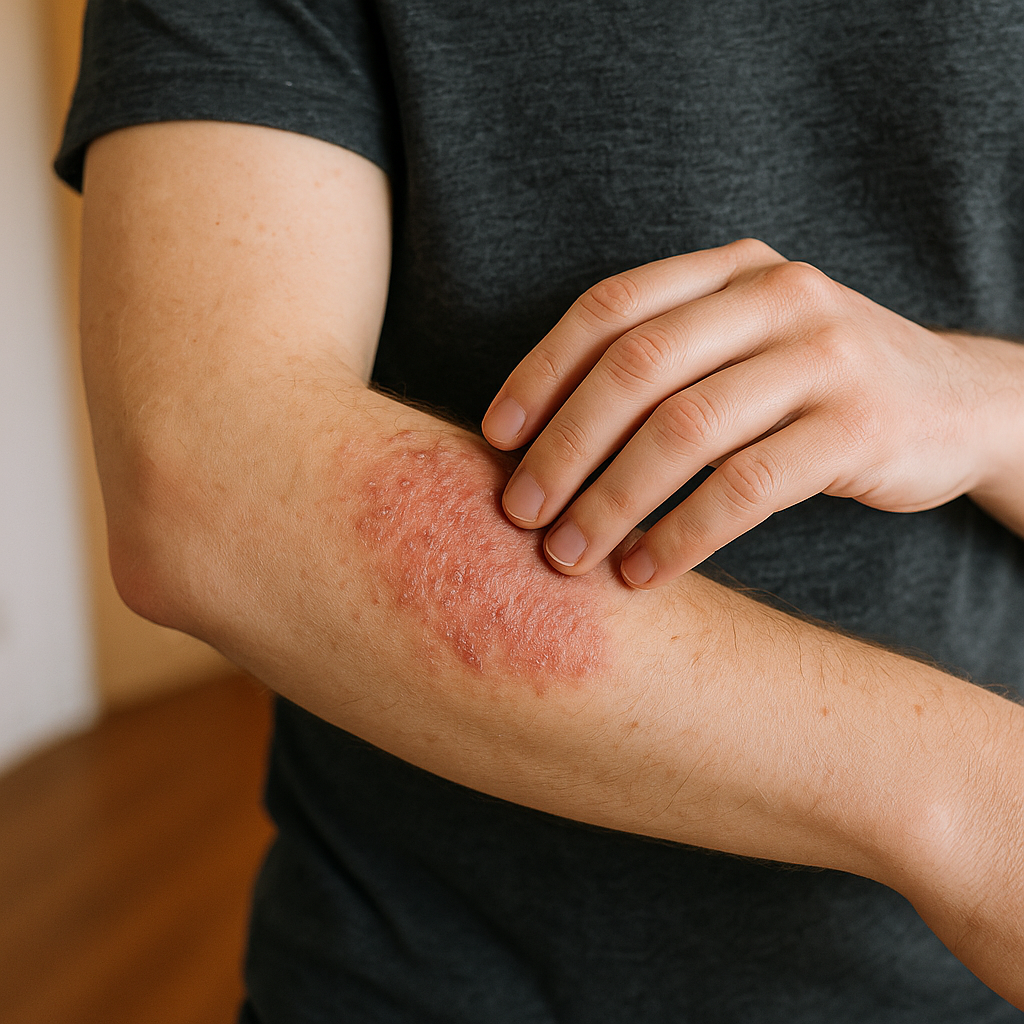
What Is Eczema in Ayurveda?
Eczema Meaning and Energetic Imbalance
In Ayurveda, eczema isn't just a “skin problem.” It’s called Vicharchika, and it’s seen as a manifestation of aggravated doshas — usually Pitta (fire) and Kapha (earth + water), though Vata (air) can get involved too. The combination varies from person to person. That’s key.
Think of eczema as your body’s way of saying, “Hey, something’s off in here.”
Pitta is about heat, and when it’s aggravated — boom — there’s inflammation, redness, and irritation. Kapha, when disturbed, brings thickness, oozing, or stubbornness to the rash. Vata adds dryness, cracking, and unpredictability.
So, when you get eczema on your face (especially with redness or burning), Ayurveda might say, “Ah, classic Pitta imbalance.” Eczema on lips? Similar — the skin is delicate there, and Pitta loves to show up in sensitive places.
Skin as a Reflection of Internal Agni
Your Agni — or digestive fire — is a central player in Ayurvedic thinking. If Agni is strong, you digest food well, absorb nutrients, and eliminate waste. If Agni is weak or disturbed, Ama (toxins or undigested matter) builds up and can eventually show up... you guessed it... on your skin.
So when we’re talking about “what causes eczema,” Ayurveda might answer: Poor Agni, excess heat, emotional stress, and a backlog of toxins in the blood. Basically, eczema isn't just on the skin. It’s under it. Around it. In the system that feeds it.
What Causes Eczema According to Ayurveda
Poor Digestion and Ama Accumulation in the Blood
One of the biggest causes of eczema, from an Ayurvedic lens, is Ama — sticky, toxic buildup that forms from incomplete digestion. It enters the bloodstream, and since the skin is often where the body tries to “push out” impurities, you get eruptions, itchiness, and inflammation.
If you're eating foods that don’t suit your body — or even just eating at the wrong times — your Agni gets confused. Eczema, then, becomes a kind of side-effect of digestive miscommunication.
Emotional Triggers and Mental Heat
Let’s be honest: stress wrecks the skin. And Ayurveda agrees. High stress, overwork, unresolved anger — these all stoke Pitta dosha, leading to internal heat. And heat looks for a way out. That’s when eczema flares — sometimes overnight. Especially hand eczema, interestingly. Ayurveda views the hands as extension points of action and anxiety.
Have you ever noticed eczema showing up during emotional chaos? Like a breakup, job loss, or even just a string of bad sleep? That’s not a coincidence. Ayurveda gets that. It links mental turbulence directly with doshic imbalance.
Foods That Cause Eczema Flare-Ups
Oh, this one’s tricky — and personal. But some foods are almost always mentioned in Ayurvedic eczema treatment as things to reduce or avoid:
-
Spicy and oily foods (they aggravate Pitta)
-
Fermented or sour things — like vinegar or pickles (too much heat)
-
Excess salt (hello inflammation)
-
Dairy, especially when mucus-producing (Kapha overload)
-
Processed sugar and fried stuff (Ama generators)
For some folks, even healthy things like tomatoes or citrus can be eczema triggers. Ayurveda would say: It depends on your constitution. But if you’re seeing a pattern with certain foods that cause eczema flare-ups, it's worth listening.
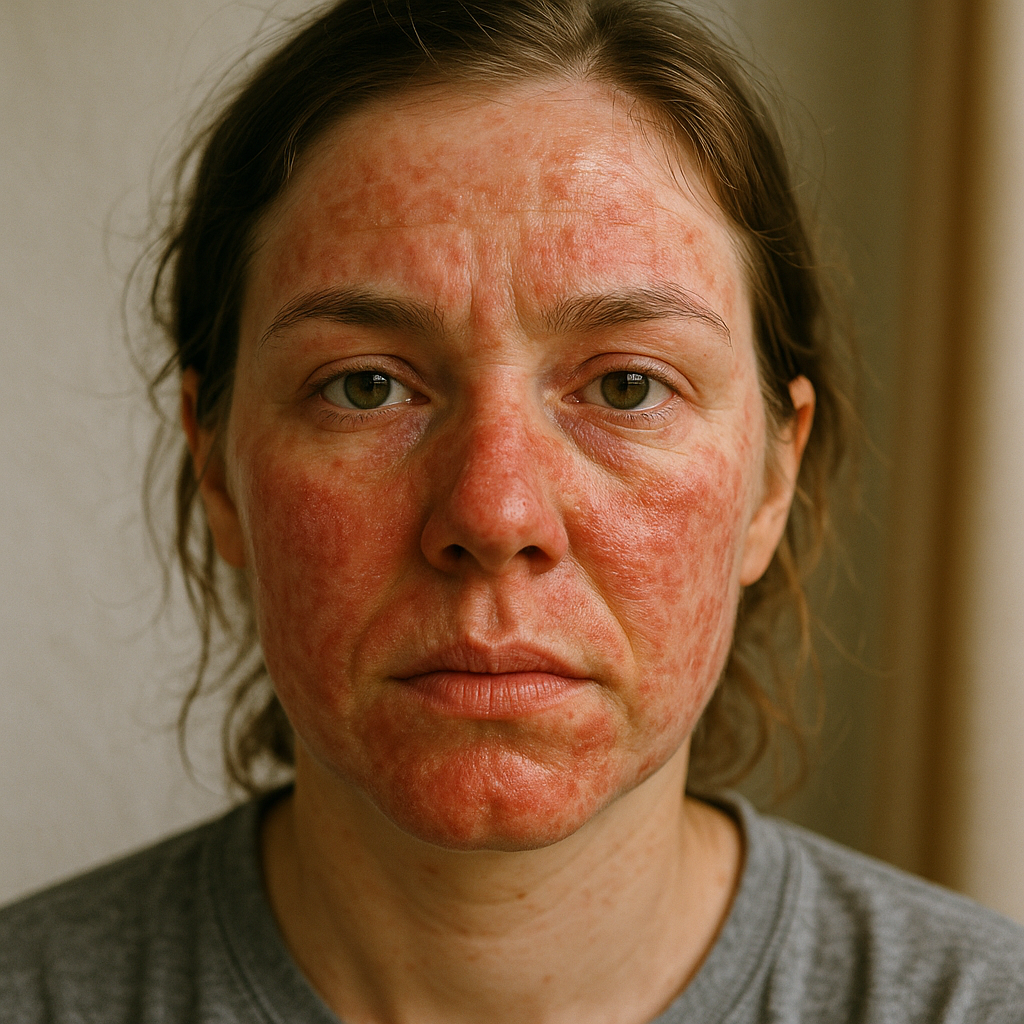
Different Types and Locations of Eczema
Here’s something I’ve noticed — not all eczema feels the same. And not just in a “dry vs. oozy” way. Eczema on the face feels different than hand eczema, which feels wildly different from scalp eczema. In Ayurveda, this makes total sense. Each location is governed by different doshas and energies. So, the approach? It has to shift accordingly.
Eczema on Face and Lips: Pitta Aggravation
Let’s start with the face — the most exposed, expressive, and, honestly, emotional part of our body. When eczema shows up here, especially with redness, heat, or swelling, Ayurveda screams: Pitta overload.
This kind of eczema tends to get worse in hot weather, with spicy foods, or when you’re emotionally charged (anger, frustration, you name it). Lips? Same story — delicate, heat-sensitive skin, highly reactive. Eczema on lips can crack, sting, and feel impossible to soothe with regular creams.
And I get it — you’ve probably tried every eczema cream from the pharmacy. But if the fire’s inside, putting lotion on the outside is like spraying water on a boiling pot. Temporary.
Hand Eczema and Contact Irritation
Hands are interesting. They're literally how we do life. In Ayurveda, they’re action centers — ruled often by Vata, sometimes Pitta. When eczema flares here, it’s not just about detergent or gloves (though yes, contact triggers matter). It's about what you’re handling in life.
Ayurvedic view? The dryness, cracking, or thickened skin often suggests Vata imbalance. But if there’s itching, redness, or stinging — Pitta’s crashing the party too.
Hand eczema can also relate to control issues, suppressed emotions, or just sheer overuse. Sometimes the skin screams when we don’t.
Scalp Eczema and Vata Imbalance
Now the scalp — this one’s tricky. People confuse scalp eczema with dandruff or psoriasis all the time. But in Ayurveda, dry, flaky scalp eczema often reflects aggravated Vata: dryness, erratic energy, and poor nourishment of the tissues.
You know that tight, itchy feeling under your hair that doesn’t go away? Classic Vata skin behavior.
Oil massage (like seriously, head massage with the right Ayurvedic oil) is not just indulgent — it’s medicine for this type. But again, we’ll get to that.
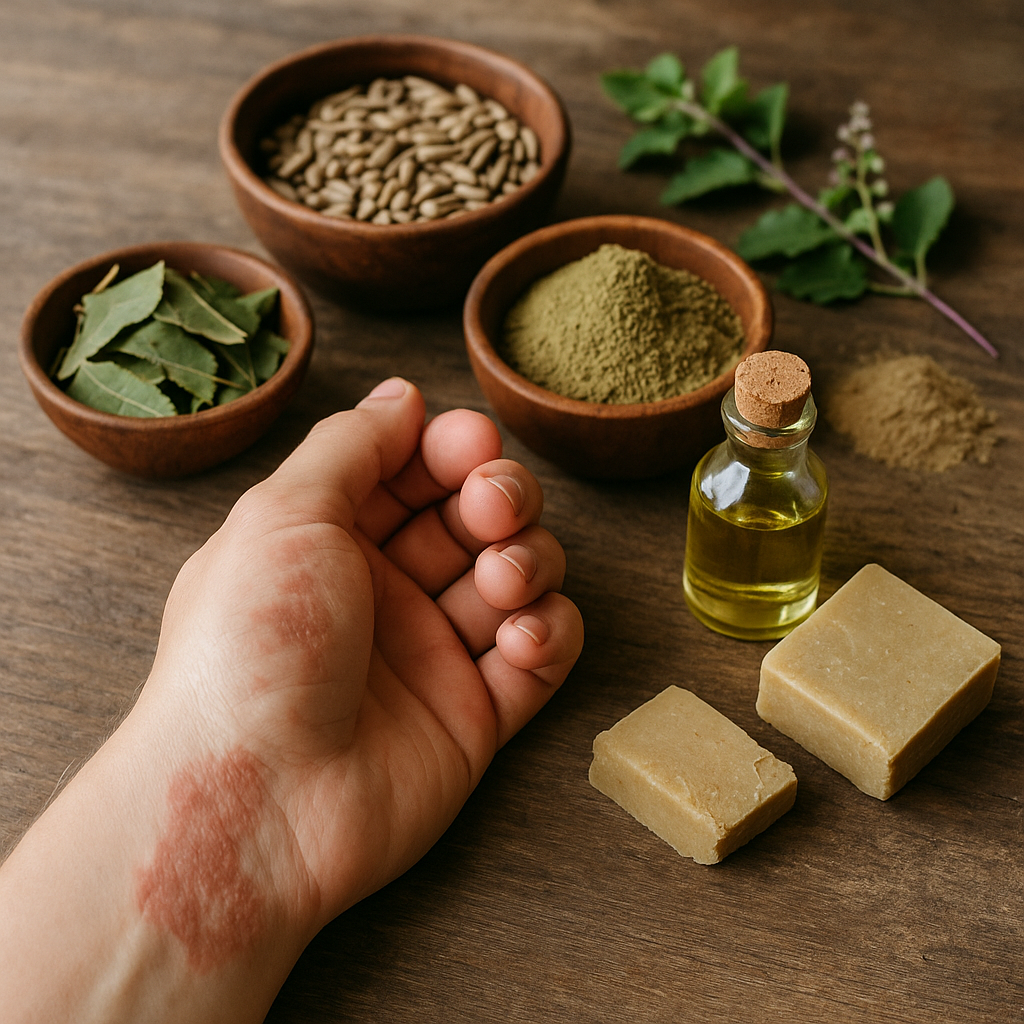
Ayurvedic Treatment and Daily Care for Eczema Relief
So — what can you actually do when your skin is crying for help?
This is where Ayurveda shines. It doesn’t just ask what causes eczema — it offers a whole system of healing. Not quick fixes. But steady, kind, daily practices.
Herbal Oils and Creams for Itching and Inflammation
Forget generic eczema creams for a sec. Ayurveda recommends herbal oils like:
-
Neem oil – antibacterial, cooling, super cleansing.
-
Kumari (Aloe Vera) – soothing and gentle.
-
Manjistha – a blood purifier that helps eczema from both inside and out.
Creams made with these herbs can relieve itching, yes, but more importantly — they cool down the heat under the skin. Look for products with natural bases (no parabens or artificial fragrances), and ideally, prescribed by an Ayurvedic practitioner.
Cooling Herbs and Blood-Cleansing Formulas
Internally, it’s all about cleansing and pacifying. Pitta and Ama don’t just disappear on their own.
Popular Ayurvedic herbs for eczema include:
-
Guduchi – an immunomodulator and blood cleanser.
-
Triphala – gentle detox for the gut and liver.
-
Turmeric – classic anti-inflammatory, especially when taken with ghee or warm water.
Sometimes formulas like Kaishore Guggulu or Arogyavardhini are used — but don’t self-prescribe. Work with a qualified Ayurvedic doctor. This stuff is potent.
Skin-Soothing Dinacharya and Lifestyle Routines
You want lasting change? Start with daily rhythm. Dinacharya is Ayurveda’s word for daily self-care rituals. And yes, it makes a difference.
-
Start the day with warm water, not coffee. Flush out Ama gently.
-
Oil massage (Abhyanga) before shower — especially sesame oil for Vata-type eczema or coconut oil for Pitta types.
-
Avoid super hot showers — they aggravate Pitta and strip your skin’s barrier.
Basically: slow down. Touch your skin like you actually love it. Give it the calm and cool it’s craving.
What to Avoid During an Eczema Flare-Up
Look, when eczema is flaring — red, itchy, angry — you just want to do something. Fast. But sometimes the best thing to do is not do a bunch of things. Especially not the wrong ones.
Ayurveda is big on the concept of “removing the cause” before adding a remedy. So here’s what to avoid when your skin’s in meltdown mode.
Spicy, Salty, Sour Foods to Reduce
You’re going to hate this (I did), but during a flare-up, your favorite spicy noodles? Probably not your friend.
Pitta-aggravating foods — anything super spicy, sour (like vinegar, lemon, even tomatoes), and overly salty — pour fuel on the eczema fire. Ayurveda would say: “Cool it. Literally.”
Instead, opt for:
-
Cooked vegetables
-
Cooling herbs like coriander, fennel, and cilantro
-
Mung dal and basmati rice
-
Ghee — yeah, clarified butter. It soothes.
And while we’re here, be honest: are there certain foods that always seem to trigger your eczema? Keep a journal. Ayurveda isn’t anti-science — it just adds an intuitive layer.
Friction, Harsh Skincare, and Emotional Heat
Yes, friction can be physical (tight clothing, harsh towels, over-scrubbing), but it can also be emotional.
Ayurveda believes emotional rasas (flavors of experience) get stored in the body. Ever notice your eczema flares after a fight? Or a bad week? Stress equals heat equals inflammation.
So during a flare-up:
-
Skip the exfoliants and over-cleansing.
-
Wear breathable, natural fabrics.
-
Limit screen time if it winds you up.
-
Try self-oil massage (Abhyanga) with cooling oils — even if it feels weird at first.
Sometimes doing less is doing more.
स्वयं दवा न लें और प्रतीक्षा न करें। अभी डॉक्टर से चैट शुरू करें
Conclusion
If you’re dealing with eczema — especially if it keeps coming back no matter what cream you use — please know this: you’re not alone, and you’re not broken.
Ayurveda doesn’t offer a miracle pill or an overnight cure. But it does offer understanding. It sees you not as a skin condition, but as a whole person — digestion, emotion, history, and all.
What causes eczema, in this system, is imbalance. And what heals it? Balance. Through food, herbs, routine, rest, and self-awareness.
Start small. Eat to soothe. Slow your mornings. Get curious about your triggers. And when in doubt, ask for help — especially from someone trained in Ayurvedic medicine. Your skin is trying to talk to you. You don’t have to yell back. Just listen.
FAQs
Why does eczema appear on the face, lips, or scalp?
These areas are sensitive and highly reactive to Pitta dosha (heat) or Vata dosha (dryness and instability). Face and lips especially show signs of internal heat or emotional stress.
Can stress or digestion problems cause eczema?
Yes, absolutely. Ayurveda links weak digestion (Agni) and emotional stress to eczema flare-ups. Both create Ama (toxins) that the body tries to release — often through the skin.
What Ayurvedic remedies can calm itching and inflammation?
Herbs like Neem, Guduchi, and Turmeric are common. Oils such as coconut or neem oil soothe externally. Internally, blood-cleansing and Pitta-reducing herbs help — but it's best to personalize this with a practitioner.
उपयोगकर्ताओं के प्रश्न
What are common triggers for hand eczema flare-ups?
Client_eb049b
11 घंटे पहले
Common triggers for hand eczema flare-ups include frequent hand washing, exposure to harsh chemicals or irritants, stress, and certain food allergens. People who experience eczema on their hands may find that it can be exacerbated by cold, dry weather or by wearing latex gloves. Symptoms such as redness, itching, and cracking of the skin can appear within minutes to hours after exposure to a trigger. To manage these flare-ups, try using gentle, unscented moisturizers and avoiding known irritants. If the condition persists or worsens, consult a dermatologist for specialized treatment options.
How can stress management help reduce eczema symptoms?
Client_05f42d
5 दिनों पहले
Stress management can significantly reduce eczema symptoms as stress often exacerbates the condition by triggering the immune system. Techniques such as mindfulness meditation, exercise, and adequate sleep can be beneficial. Cognitive behavioral therapy may also help manage stress levels. While these approaches can alleviate symptoms over weeks to months, if eczema flares persist or worsen, it's essential to consult a healthcare professional. Stress management is just one part of a comprehensive eczema treatment plan.
How does friction contribute to eczema flare-ups on the skin?
Client_58287f
10 दिनों पहले
Friction contributes to eczema flare-ups by irritating the skin's surface, which can lead to inflammation and increased sensitivity. Wearing tight or rough clothing, using harsh towels, or over-scrubbing the skin are common physical causes. Such physical irritation can damage the skin barrier, making it prone to eczema flare-ups. It's crucial to avoid triggers like these to manage eczema effectively. Opt for soft fabrics and gentle skincare routines. If eczema flare-ups persist or worsen, consult a healthcare professional to explore further treatment options and identify underlying causes.
How to recognize early signs of eczema on the face?
Client_d2f811
15 दिनों पहले
To recognize early signs of eczema on the face, look for red, itchy, or dry patches of skin, often accompanied by swelling or small bumps. These symptoms might also appear as scaly or flaky skin, particularly on the cheeks, forehead, and around the eyes and mouth. Eczema can appear suddenly and might initially be mistaken for a simple rash. To manage early symptoms, using a gentle, fragrance-free moisturizer can help maintain skin hydration. If itching or inflammation persists for more than a week, consider consulting a dermatologist for a tailored treatment plan.
What are the best Ayurvedic herbs for treating eczema?
Client_8e44c9
20 दिनों पहले
Ayurvedic herbs often used to manage eczema include neem, turmeric, and aloe vera due to their anti-inflammatory and soothing properties. However, effectiveness can vary among individuals. Eczema often requires a multi-faceted approach, including topical treatments, dietary changes, and stress management, rather than relying solely on herbs. Symptoms like persistent rash, severe itching, or infection warrant seeking medical advice for proper diagnosis and treatment. Consulting a healthcare professional can provide a more personalized eczema management plan.
How do environmental factors impact eczema flare-ups in Ayurveda?
Client_06d409
30 दिनों पहले
Environmental factors, such as temperature changes, humidity levels, and exposure to allergens, can significantly impact eczema flare-ups. Cold, dry weather and low humidity can dry out skin, triggering or worsening eczema symptoms, while allergens like pollen, mold, or air pollution may exacerbate inflammation. To help manage eczema, moisturizing regularly, using a humidifier, and avoiding known allergens are beneficial. Ayurveda suggests topical applications of soothing oils like coconut or neem oil, but consistent modern treatments like emollients and corticosteroids are typically recommended. Seek medical advice if flare-ups are severe or persistent.
What lifestyle changes can support skin health and prevent eczema?
Client_318bf2
40 दिनों पहले
To support skin health and prevent eczema, focus on proper hydration, a balanced diet rich in Omega-3 fatty acids, and reduced stress. Use gentle skin care products that are free of harsh chemicals. Regularly moisturize with emollient-rich creams that protect the skin barrier. Recognize common irritants and allergens in your environment and manage these effectively. Eczema symptoms may improve within a few weeks of implementing these changes. If symptoms persist or worsen, consult a dermatologist for a tailored treatment plan. Ayurveda may suggest soothing oils like coconut for external application, but medical advice should guide your approach.
How can I maintain a balanced diet to prevent eczema flare-ups?
Client_c58631
49 दिनों पहले
To maintain a balanced diet and prevent eczema flare-ups, focus on anti-inflammatory foods. Prioritize fruits and vegetables, nuts, seeds, omega-3-rich fish like salmon, and whole grains. Avoid common eczema triggers like dairy, eggs, and gluten, as well as spicy, salty, and acidic foods, which can aggravate eczema. Keep a food journal to identify personal triggers, and notice reactions within 24-48 hours of eating suspect foods. Consult a dermatologist if flare-ups persist despite dietary adjustments.
How long does it take for dietary changes to improve eczema symptoms?
Client_723cc3
59 दिनों पहले
Dietary changes can take several weeks to improve eczema symptoms, though individual responses vary. While some people see improvements in as little as two weeks when reducing common triggers like dairy, gluten, or certain allergens, others may require up to six weeks or longer for their skin to respond. Watch out for worsening symptoms or new food sensitivities. If your eczema persists or worsens despite dietary adjustments, it is crucial to consult a healthcare professional to explore other treatment options and rule out underlying conditions.
What is Ama and how does it relate to eczema according to Ayurveda?
Client_c5dac6
69 दिनों पहले
Ama in Ayurveda is basically undigested food or toxins build up in the body, disrupting balance. When your digestive system isn't working well, these toxins can accumulate and often, they try to get out through the skin - leading to things like eczema. Nurturing your Agni, or digestive fire, is key to manage ama and relieving eczema symptoms.
संबंधित आलेख

Skin and Hair Disorders
कुंथलाकांति तेल के फायदे, सामग्री, साइड इफेक्ट्स
कुंथलाकांति थैलम के फायदे, सामग्री, और साइड इफेक्ट्स की खोज
3,250

Skin and Hair Disorders
How to Use Gandhak for Skin
Discover the natural benefits of gandhak in Ayurvedic skincare. Learn how to use gandhak for skin to detoxify, reduce inflammation, and rejuvenate your complexion with traditional remedies.
5,164

Skin and Hair Disorders
मेलास्मा के लिए बेस्ट आयुर्वेदिक क्रीम्स: त्वचा की चमक के लिए टॉप नैचुरल सॉल्यूशन्स
जानें मेलास्मा के लिए सबसे अच्छे आयुर्वेदिक क्रीम्स के बारे में, उनके फायदे, वे कैसे काम करते हैं, सही इस्तेमाल और साफ, चमकदार त्वचा के लिए विशेषज्ञों की सिफारिशें।
6,086

Skin and Hair Disorders
बेस्ट आयुर्वेदिक स्कार रिमूवल क्रीम: टॉप नैचुरल सॉल्यूशन्स
आयुर्वेदिक दाग हटाने वाली सबसे अच्छी क्रीम्स के बारे में जानें। इनके फायदों, इस्तेमाल, सामग्री और प्रभावी दाग उपचार के लिए वैज्ञानिक समर्थन के बारे में जानकारी प्राप्त करें।
5,781
Skin and Hair Disorders
5 Ayurvedic Herbs to Prevent Hair Fall and Boost Regrowth
Hair, often called crowning glory, is an integral part of our identity and self-expression. Yet, the relentless battle against hair fall is a challenge faced by many.
5,782

Skin and Hair Disorders
बालों में तेल को कितनी देर तक रखना चाहिए ताकि सबसे अच्छे नतीजे मिलें?
जानें बालों में तेल कितनी देर तक रखना चाहिए ताकि सबसे अच्छे नतीजे मिलें। जानें न्यूनतम समय, आदर्श अवधि, और धोने के टिप्स। सही तरीके से तेल लगाने से बालों की सेहत में सुधार करें।
17,807

Skin and Hair Disorders
Narasimha Rasayanam for Hair Growth – Natural Ayurvedic Solution for Stronger, Healthier Hair
Discover the benefits of Narasimha Rasayanam for hair growth, including its Ayurvedic ingredients, therapeutic properties, and how it supports scalp health and prevents hair loss.
4,628

Skin and Hair Disorders
Nimba Taila – Ayurvedic Neem Oil for Skin and Health
Discover the benefits of Nimba Taila, an Ayurvedic neem oil known for its antimicrobial, anti-inflammatory, and healing properties. Learn how this traditional remedy supports skin health and overall well-being.
4,658

Skin and Hair Disorders
Dhurdhurapatradi Oil Uses: Benefits, Research, and Application
Explore Dhurdhurapatradi oil uses, potential benefits, and current research. Learn how this Ayurvedic remedy supports scalp health and hair care naturally.
4,762
विषय से संबंधित परामर्श
अतिरिक्त दस्तावेज़
© 2024 Ask Ayurveda. सर्वाधिकार सुरक्षित।