Does Magnesium Help You Sleep? Ayurvedic Guide to Restful Sleep

Let’s start with a weirdly personal admission: I used to think sleep just "happened" — like flipping a switch. You’re tired, so you sleep. Easy, right? Turns out, not so much. Especially when you’re lying there, 1:47 a.m., eyes wide, wondering if the caffeine from that 4 p.m. tea is still partying in your bloodstream.
That’s when I stumbled into the whole magnesium-for-sleep rabbit hole. And yes, that quickly led me to Ayurveda too — because western science alone wasn’t cutting it.
So, does magnesium help you sleep? That’s the big question we’re unpacking here. You’ll hear it 2–3 more times in the next few lines (SEO, baby — gotta feed the algorithm). But we’ll go deeper: into your sleep cycles, your stress hormones, even your dosha. If you've ever Googled “magnesium before bed” at 2 a.m. while stress-scrolling health forums, you’re not alone. Let’s figure it out together.
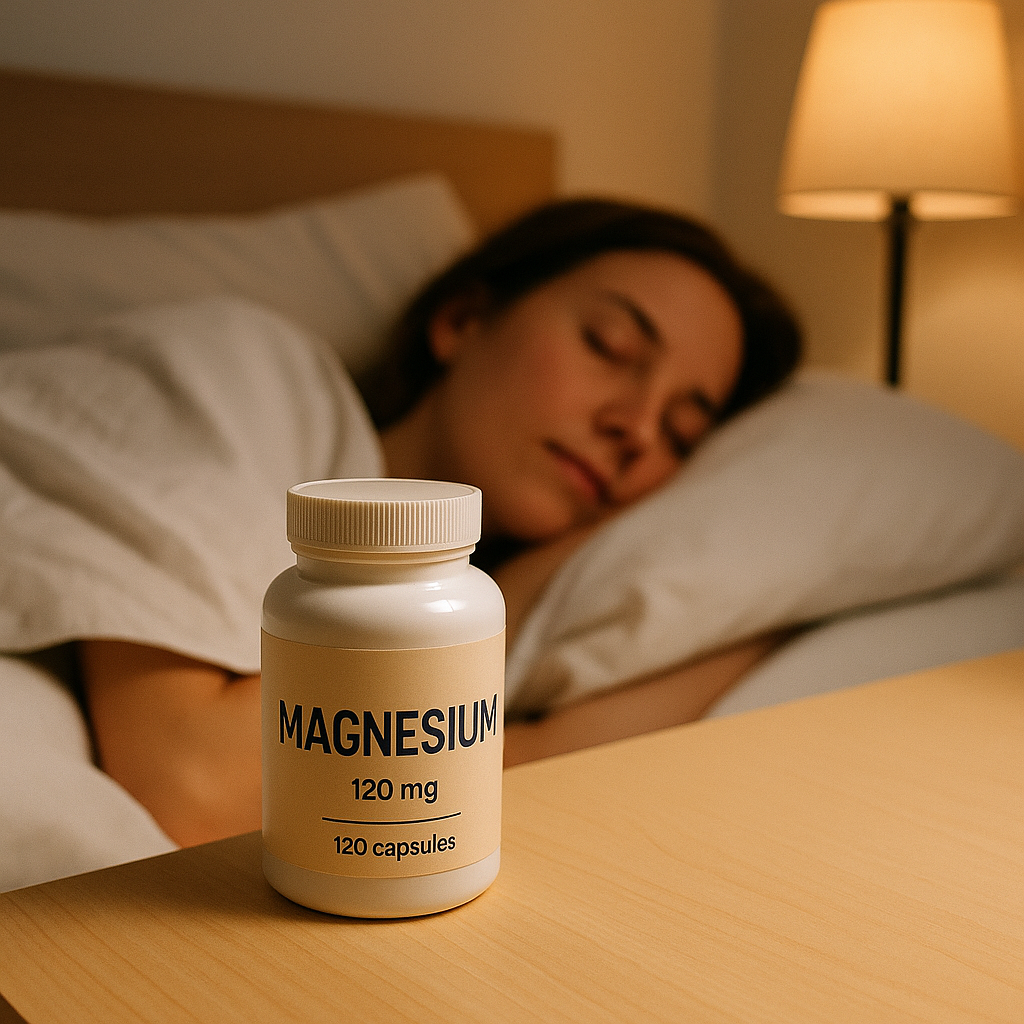
Why Sleep Matters for Health
Okay, before we dive into magnesium, let’s zoom out. Why does sleep even matter so much? Beyond the obvious — like not snapping at your coworkers or forgetting where you parked — it’s foundational. Like, cellular-repair, hormone-balancing, memory-saving foundational.
Sleep cycles and deep rest
Ever heard of REM and non-REM sleep? Yeah, they’re not just jargon. Your body cycles through these multiple times a night. Non-REM is when physical restoration happens — think muscle repair, immune strengthening. REM is your brain’s turn: processing memories, regulating emotions. Magnesium for sleep, particularly the deep sleep phase, is where it might shine (more on that in a bit).
Consequences of sleep deficiency
I’ll be real with you — when I went a full week with garbage sleep, I could barely remember what I ate for breakfast. Chronic sleep loss messes with everything: blood pressure, mood, metabolism. Even circulation in legs can worsen, increasing risk for issues like vein blockage or deep vein thrombosis (yep, not just an old-people problem). There's a legit link between long-term poor sleep and higher risk of blood clot in leg — especially if you sit a lot and skip movement.
Not to alarm you. But also, maybe a tiny bit to alarm you?
What Is Magnesium?
Now, magnesium — it’s one of those minerals you probably learned about in school and then immediately forgot existed. But your body didn’t. It uses magnesium in over 300 biochemical reactions. Three hundred!
Types and functions
There’s a buffet of magnesium types: glycinate, citrate, oxide, malate... each does something slightly different. Magnesium glycinate is often tagged as the best magnesium for sleep because it’s easy on the gut and calms the nervous system. Magnesium citrate, meanwhile, might get your bowels moving. Useful, sure — but maybe not right before bed?
Magnesium and the nervous system
Here’s where it gets cozy. Magnesium helps regulate neurotransmitters — you know, those chemical messengers in your brain. It also supports GABA, the calming neurotransmitter. GABA’s like that chill friend who hands you tea and dims the lights when you’re freaking out. Low magnesium = low GABA = high anxiety = poor sleep.
And it’s not just about falling asleep. It’s about staying asleep. Tossing and turning at 3 a.m.? That might be your body crying out for magnesium.
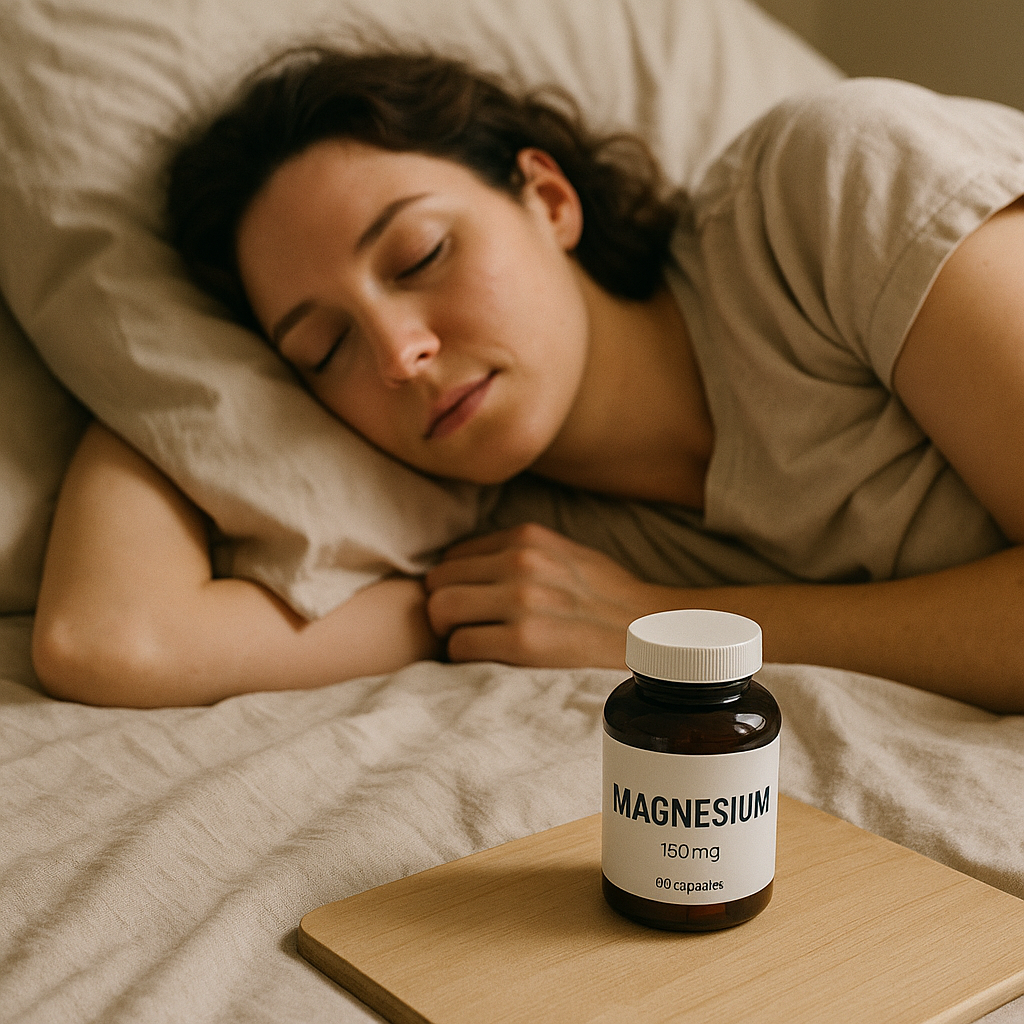
How Magnesium Affects Sleep
Let’s get into the good stuff. The actual mechanics — biological and energetic — of how magnesium helps you sleep. Because we’ve all seen those articles that say “take magnesium and sleep like a baby!” but don’t explain the why. Let’s not be that article.
Hormones and relaxation
So, you’ve probably heard of melatonin — the sleep hormone. What fewer people realize is that magnesium is kinda like melatonin’s backstage crew. It doesn’t make melatonin directly, but it supports the enzymes that do. Without enough magnesium? That melatonin production is wobbly at best.
But here’s something even cooler: magnesium reduces cortisol, your main stress hormone. You know, the one that spikes at 2 a.m. when you remember that email you forgot to send. Less cortisol = more calm. More calm = better sleep.
Magnesium also relaxes muscles. Ever get that weird pain in calf or leg twitching just as you’re drifting off? That might be low magnesium messing with your nerve signals. And if you’re dealing with leg swelling causes like poor circulation or even early signs of blood clot in leg — again, not diagnosing here — it’s worth chatting with your doctor and checking your magnesium levels.
Scientific and Ayurvedic perspectives
Western science sees magnesium as a neuromuscular relaxant and enzyme supporter. That’s great. But Ayurveda goes deeper — like, energetically deeper. It views magnesium-rich foods (like leafy greens, seeds, and whole grains) as grounding and cooling — both key for balancing aggravated Vata dosha, which is linked to insomnia.
I once asked an Ayurvedic practitioner about my sleepless phases. “Your mind is like a monkey on espresso,” she said. “You need ojas.” That’s vitality — the subtle essence of immunity and peace. Magnesium-rich foods and calming herbs like ashwagandha or jatamansi help build ojas, naturally promoting rest without knocking you out like a sedative.
So from both a scientific and holistic view, magnesium is a sleep-supporting rockstar. But not all types are created equal.

Best Forms of Magnesium for Sleep
This is where things get overwhelming. You head to the supplement aisle and suddenly there are seven kinds of magnesium staring back at you. Don’t panic.
Magnesium glycinate vs citrate
If you’re looking for a supplement, magnesium glycinate is often recommended for sleep. It’s bound with glycine, an amino acid that calms the brain. Less digestive upset, more chill vibes. On the flip side, magnesium citrate is more bioavailable but tends to have a laxative effect — which is… helpful, but not ideal when your goal is sleep.
If you’re already dealing with circulation in legs, signs of blood clot, or even mild vein blockage concerns, you might want to favor glycinate or even magnesium taurate (great for heart and vessels). Again — always talk to your healthcare provider if any symptoms feel serious.
Natural sources and supplements
Not ready for pills? Fair. You can get magnesium from spinach, almonds, pumpkin seeds, bananas. Or better yet — a warm bath with Epsom salts (which is actually magnesium sulfate). It’s like soaking your body in sleepy tea.
Also, consider foot soaks. In Ayurveda, calming the feet calms the mind. Add lavender oil, dim the lights — and boom, you’ve created a sleepy ritual without even popping a capsule.
Ayurvedic Tips for Better Sleep
Now that we've tackled the science, let’s switch gears. Ayurveda — that ancient, earthy, body-wisdom system — has plenty to say about sleep. And it's not just “drink warm milk” (though… yes, that’s in there too).
Evening rituals
You know how your brain doesn’t just stop because you brushed your teeth? Ayurveda gets that. It encourages creating a gentle transition from the outside world to rest — what we’d call dinacharya, or daily routine.
Think: turning off screens an hour before bed (not scrolling TikTok under the covers), massaging your feet with warm sesame oil, sipping herbal teas like chamomile or brahmi. Even light stretching. These simple rituals signal your nervous system that it’s safe to wind down.
One quirky tip an old Ayurvedic teacher gave me: oil your ears before bed. Yep, ears. It’s called karna purana. Feels weird at first. But oddly grounding.
Balancing Vata and calming the mind
Insomnia often points to aggravated Vata — the dosha that governs movement, air, and space. When it’s out of balance, your mind spins like a hamster wheel. Magnesium helps, but so do grounding practices: warm foods, early dinners, stable schedules, and self-soothing habits.
Some folks swear by a warm glass of golden milk (turmeric, ginger, nutmeg, maybe a bit of ghee). Add a pinch of cardamom and it feels like a hug for your soul. You’re not just feeding your body — you’re feeding your ojas.
Magnesium in natural forms — leafy greens, sesame, cooked oats — integrates beautifully with this system. It’s not just about “fixing” your sleep. It’s about creating a life where good sleep is the natural result.
Conclusion
So, does magnesium help you sleep?
Honestly? Yeah, it can. Especially when combined with intentional habits, a calm evening rhythm, and maybe a little Ayurvedic wisdom. But magnesium isn’t a magic bullet. If your stress is sky-high, your screen time is all-night, and your dinner comes from a crinkly plastic bag — no supplement’s gonna fix that.
But if you’re willing to explore — to slow down, to listen to your body, to swap caffeine for calming herbs — magnesium might just be the mineral bridge between your chaos and your calm.
Ayurveda invites us to take a whole-self approach. And magnesium? It fits right in.
FAQs
Can magnesium really help with insomnia?
Yes, especially if your insomnia is linked to stress or muscle tension. Magnesium supports relaxation and helps regulate melatonin. That said, it’s most effective as part of a broader lifestyle shift.
What type of magnesium is best for sleep?
Magnesium glycinate is a popular choice for sleep due to its calming effect and easy absorption. Magnesium citrate is more for digestion and may not be ideal before bed.
Are there any side effects to taking magnesium at night?
Some people report loose stools or tummy upset with certain forms (like citrate or oxide). Always start low, go slow, and choose high-quality forms.
How does Ayurveda recommend using magnesium?
Ayurveda prefers food-based sources and gentle rituals. Think warm sesame oil massages, leafy greens, grounding meals, and consistency in your sleep schedule.
आयुर्वेदिक डॉक्टर से एक प्रश्न पूछें और मुफ़्त या सशुल्क मोड में अपनी चिंता की समस्या पर ऑनलाइन परामर्श प्राप्त करें।
2,000 से अधिक अनुभवी डॉक्टर हमारी साइट पर काम करते हैं और आपके प्रश्नों की प्रतीक्षा करते हैं और प्रतिदिन उपयोगकर्ताओं को उनकी स्वास्थ्य समस्याओं को हल करने में मदद करते हैं।
संबंधित आलेख