आयुर्वेदिक डॉक्टर से प्रश्न पूछें और निःशुल्क या भुगतान मोड में अपनी चिंता की समस्या पर ऑनलाइन परामर्श प्राप्त करें। 2,000 से अधिक अनुभवी डॉक्टर हमारी साइट पर काम करते हैं और आपके प्रश्नों का इंतजार करते हैं और उपयोगकर्ताओं को उनकी स्वास्थ्य समस्याओं को हल करने में प्रतिदिन मदद करते हैं।


Body DetoxEar, Nose, and Throat DisordersGeriatrics & RejuvenationImmunodeficiencyInfertility TreatmentNutritionOrthopedic DisordersPediatricsRespiratory DisordersSexually Transmitted Diseases (STDs)Surgery RecoveryUrological DisordersVascular DisordersDental DisordersEndocrinological DisordersGastrointestinal DisordersYoga TherapyGeneral MedicineAllergic DisordersCardio DisordersGynecology and ObstetricsCosmetologySkin and Hair DisordersEye DisordersInfectious DiseasesMental DisordersNeurological DisordersOncologyPanchakarmaSexual Health & DisordersSports Medicine
पर प्रकाशित 05/22/25
(को अपडेट 08/10/26)
2,944
How to Check for a Blood Clot in Your Leg: Signs, Tests & Tips
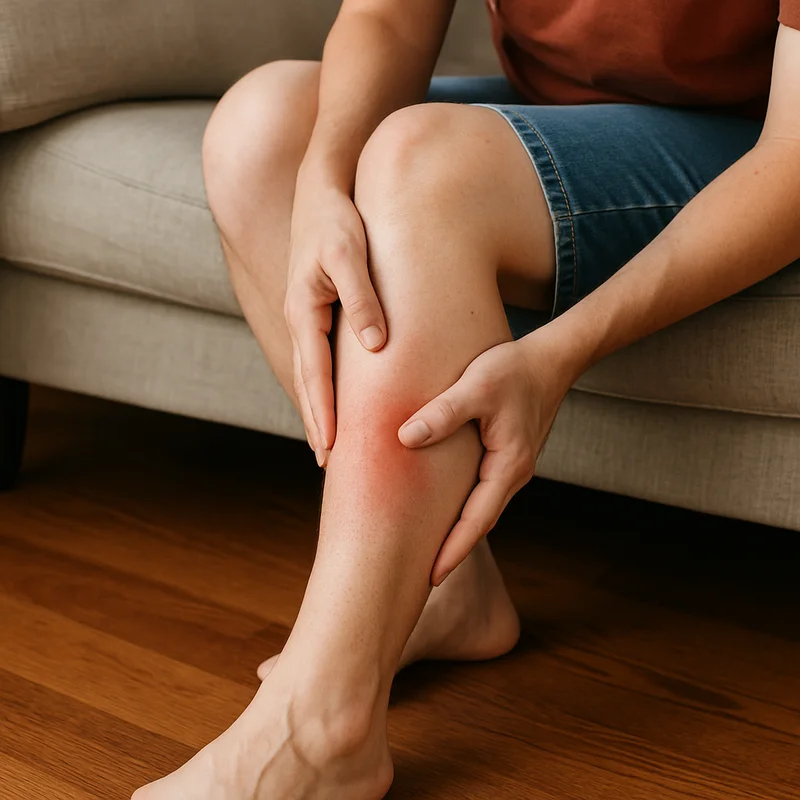
So, here’s the thing no one really talks about until it’s a problem: you’re sitting around, maybe after a long flight or an all-nighter working at your desk, and suddenly—your leg feels weird. Maybe a little swollen. Maybe there’s this odd pain in your calf that doesn’t go away. And, because you’re either very cautious or a little too familiar with late-night health Googling, you start wondering… could it be a blood clot in the leg?
Now, before panic sets in, let’s get something straight: yes, blood clots in the leg are serious. We're mainly talking about deep vein thrombosis (DVT), a type of clot that forms in the deep veins, usually in your legs. And yes, they can travel to your lungs and cause life-threatening issues. But also—no, not every ache or tingle means you’ve got a clot. Still, it’s smart to know the signs of blood clot, how to check for blood clot symptoms at home, and when to say, “Okay, time to see a doctor.”
Let’s walk through it, step by step.
What Is a Blood Clot?
Alright, basic anatomy moment. A blood clot is like your body’s version of duct tape—it forms to stop bleeding when you're injured. But when it forms inside your vein without any obvious injury? That’s when it turns into a problem.
Types of clots
There are generally two categories here:
-
Superficial clots, which form in veins just under the skin. These are uncomfortable, but not usually dangerous.
-
Deep vein thrombosis (DVT), which happens in deeper veins, often in the thigh or lower leg. This one’s the real concern.
Why clots form in the legs
The legs are prime territory for clots because of how gravity works and how blood tends to pool there—especially when we’re sitting still for hours. Add in dehydration, poor circulation in legs, or vein injury, and boom: you’ve got the perfect setup for vein blockage.
Some common triggers? Long flights, bed rest after surgery, certain medications, and even sitting cross-legged too often (yeah, we were shocked too).

Symptoms of a Blood Clot in the Leg
So, how do you know if you’re dealing with an actual blood clot in leg or just sore muscles from leg day? Let’s break it down.
Swelling, redness, pain
The big three:
-
Swelling (especially if it’s only in one leg)
-
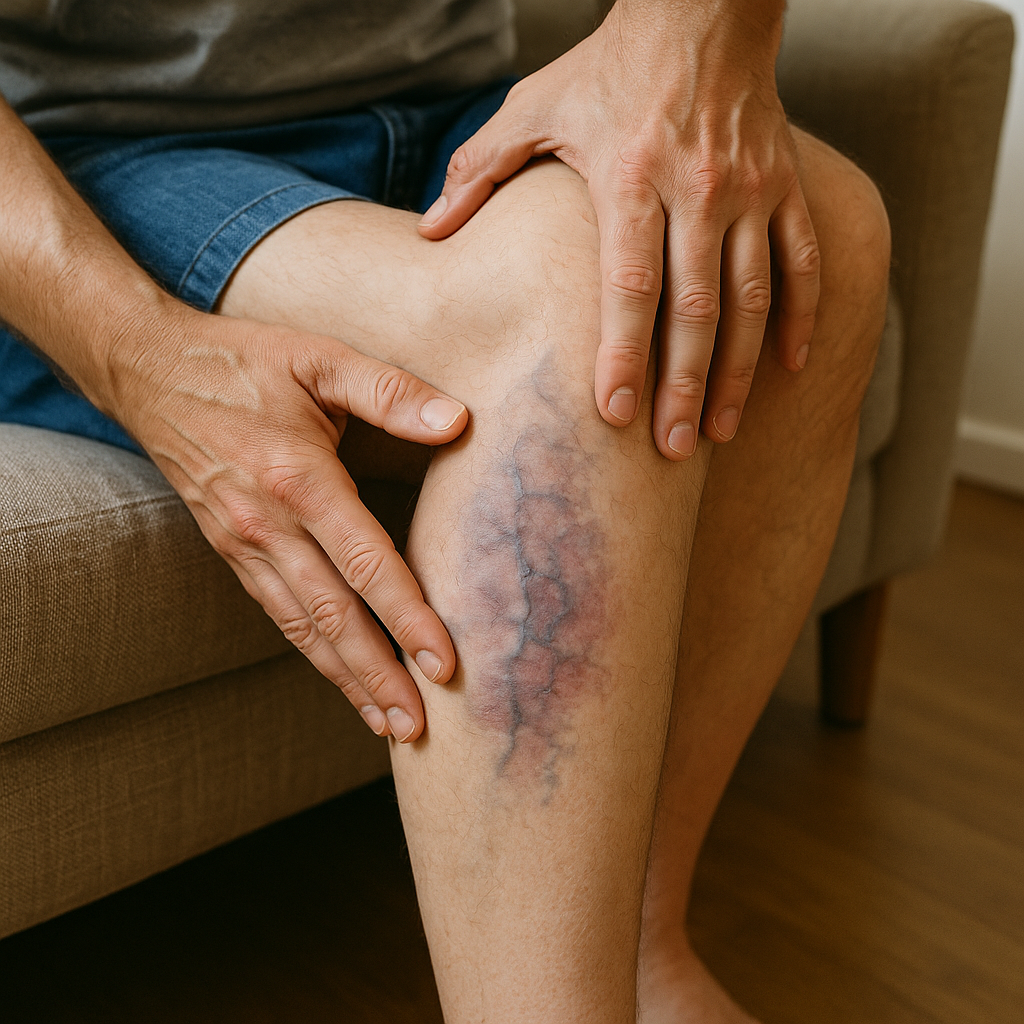
Redness or discoloration
-
Pain in calf or thigh—sometimes sharp, sometimes just dull and persistent
Now, here’s the kicker: the pain might feel like a cramp or soreness. Not super dramatic. That’s what makes it tricky—and why people brush it off.
DVT explained
DVT can quietly develop without screaming for your attention. You might feel warmth in the leg, see some swelling, and think, “Eh, I’ll stretch it out.” But if that clot dislodges? It could travel to your lungs and become a pulmonary embolism. That’s medical emergency territory.
This is where tuning into your body really matters. Pay attention to what feels “off,” especially if there’s leg swelling with no clear cause.
How to Check for Clots at Home
Alright, real talk: this is the part everyone wants to know. How to check for a blood clot in your leg without running straight to the ER every time your leg feels funny.
Now, disclaimer time (and I mean this 100%): at-home checks are not a replacement for medical diagnosis. That said, you can be your own early warning system if you know what to look for.
Self-examination tips
Here’s what you can do at home, especially if you’re at higher risk or just feeling unsure:
-
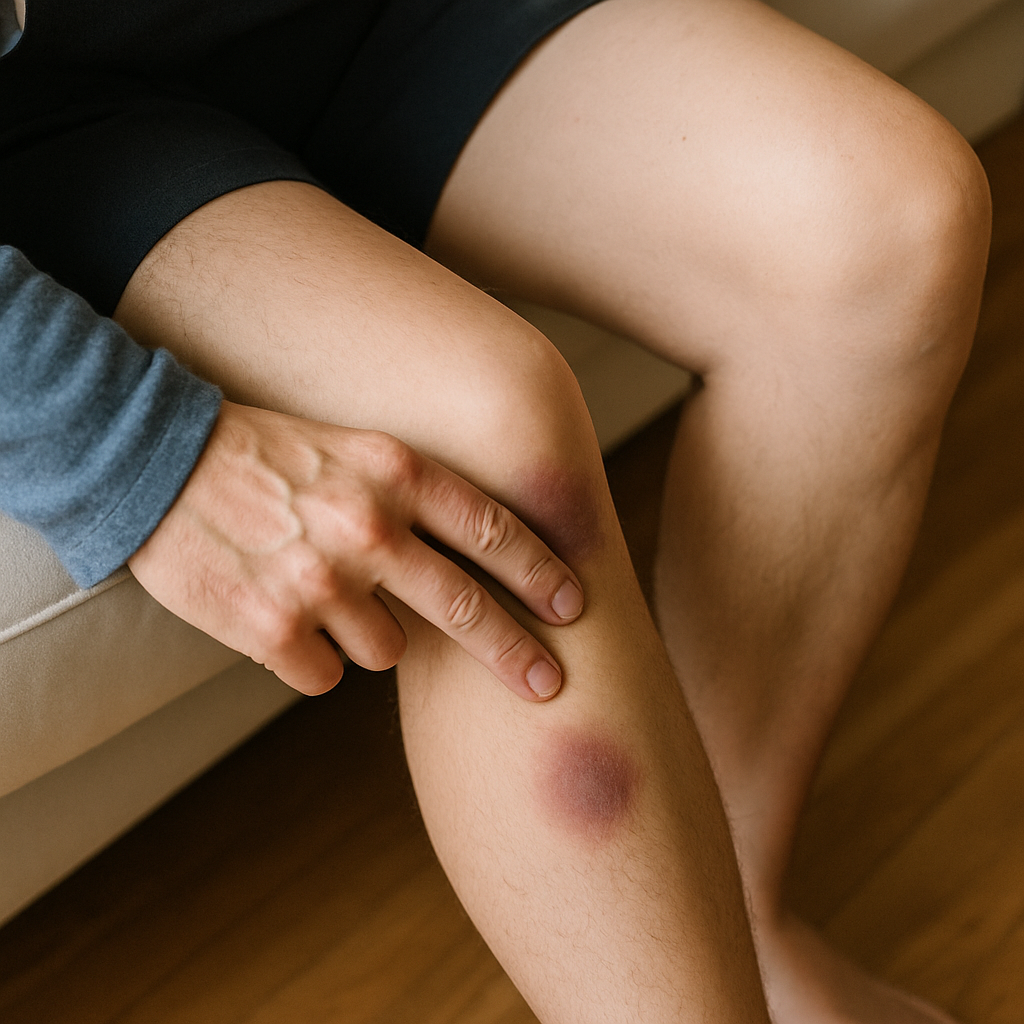
Compare both legs. Is one visibly more swollen or discolored than the other? Is there tenderness in one calf but not the other?
-
Feel for heat. Gently press around the swollen area. Is it noticeably warmer than the rest of your leg?
-
Flex your foot. This is sometimes called Homan’s sign (though, heads-up, it’s not super reliable). If flexing your foot back toward your shin causes pain in the calf, that’s a possible red flag. Not a sure thing—just a clue.
-
Check your skin. Is the surface shiny or tight, like it’s stretched over swelling? Clots sometimes cause subtle skin changes before anything else.
Still, there’s a fine line between being proactive and freaking yourself out unnecessarily. That’s why the next point matters a lot.
When to call a doctor
If you're checking all the boxes—pain in calf, swelling, redness, and especially if symptoms appeared suddenly—please, please don’t wait. It’s not being dramatic. It’s being smart.
Other signs that should send you straight to urgent care or the ER:
-
Shortness of breath (possible pulmonary embolism)
-
Chest pain or a rapid heartbeat
-
Fainting or coughing up blood (yes, it’s rare—but it happens)
Better to get checked and be wrong than to ignore something serious. Even doctors say this.
Ayurvedic Insights on Circulation
Okay, now let’s shift gears a little. Because while modern medicine gets most of the spotlight when it comes to vein blockage or blood clot symptoms, I’ve met more than a few folks who swear by Ayurvedic approaches. Not as a cure-all, but as a way to support healthy blood flow and reduce risk naturally.
Vata and blood flow
In Ayurveda, Vata dosha governs movement—circulation included. When Vata’s out of balance (think too much dryness, cold, irregular routines), blood flow can stagnate. That stagnation? It’s seen as one of the root causes behind clots or sluggish circulation.
Things that disturb Vata? Long sitting, stress, cold environments, and—yeah—flying. Sound familiar?
Improving leg circulation naturally
Here are a few Ayurvedic practices people often turn to:
-
Abhyanga (self-massage): Using warm sesame oil to massage your legs daily. Not just relaxing—it’s said to improve circulation and keep the channels (srotas) clear.
-
Dry brushing: Using a soft brush to stimulate the skin and lymphatic system. I was skeptical at first, but it feels great and people love it.
-
Herbal support: Triphala for detox, guggulu for circulation, and turmeric for inflammation. Always check with a practitioner though—especially if you're on meds.
-
Movement rituals: Short walks after meals, yoga postures like legs-up-the-wall (Viparita Karani), or even simple ankle rotations throughout the day.
None of this replaces a doctor, of course. But it can be part of a bigger picture—especially if you’re into holistic healing.
Diagnosis and Modern Tests
So, say you’ve noticed some symptoms—you’re worried, maybe your leg’s swollen, or the pain won’t quit—and you’ve decided it’s time to get checked. Good call.
Now, let’s talk about what actually happens at the clinic or hospital when you go in suspecting a blood clot in leg.
Ultrasound and D-dimer test
First stop? Doppler ultrasound. It’s painless, non-invasive, and honestly kind of fascinating. A tech runs a little wand over your leg, and the machine uses sound waves to check how blood is flowing in your veins. If there’s a vein blockage—a clot—that flow gets disrupted, and they’ll see it.
The other common test is a D-dimer blood test. D-dimer is a protein fragment that shows up when a blood clot dissolves in your body. High levels can mean there’s a clot somewhere (but also pop up from surgery, injury, or even pregnancy—so it’s not a standalone test).
Together, these help doctors make a solid call. If you’re lucky, it’s a false alarm. But if they find a clot, treatment starts right away.
Doctor’s evaluation process
Besides tests, your doctor will ask a bunch of questions: have you flown recently? Been bedridden? Taking hormone therapy? Family history? It might feel a bit like an interrogation, but they’re building the puzzle fast—and every detail matters.
If you do have a clot, they’ll likely put you on blood thinners to prevent it from growing or breaking off. Sometimes you’ll need a hospital stay; sometimes just meds and monitoring.
स्वयं दवा न लें और प्रतीक्षा न करें। अभी डॉक्टर से चैट शुरू करें
Conclusion
Okay, let’s rewind for a sec.
We started with that weird, tingly pain in calf or unexplained swelling that made you ask, “How do I even check for a blood clot in my leg?”
And now we’ve walked through the whole thing—what a blood clot in leg actually is, what symptoms to watch for, how to check for a blood clot at home, what Ayurveda says about circulation in legs, and what happens at the doctor’s office.
The big takeaway?
Don’t ignore your body. If something feels off—especially if it’s persistent, painful, or one-sided—it’s worth checking out. Worst case, you get peace of mind. Best case, you catch something early.
And if you’re into the holistic route, there’s absolutely room for that. Supporting your circulation through lifestyle, diet, and Ayurvedic tools isn’t just about preventing clots—it’s about feeling better in your body, overall.
FAQs
What are early warning signs of a blood clot in the leg?
Swelling in one leg, redness or warmth, unexplained pain in calf, and tenderness are common early signs. Sometimes it’s subtle—don’t brush it off.
Can you detect a clot at home?
You can notice signs (like swelling or warmth), but only a medical test like an ultrasound can confirm it. Still, being aware is powerful.
What is the difference between leg pain and clot pain?
Clot pain is often deeper, persistent, and not relieved by stretching or walking. Regular muscle pain usually improves with movement—clot pain can worsen.
How does Ayurveda help prevent clots?
By balancing Vata, promoting proper digestion, and improving circulation in legs. Practices like oil massage, herbal tonics, and mindful movement can all help support blood flow.
उपयोगकर्ताओं के प्रश्न
How long does leg swelling last after blood clot treatment?
Client_717195
14 घंटे पहले
Leg swelling after treatment for a blood clot, such as deep vein thrombosis (DVT), typically decreases within a few weeks to a couple of months. Swelling occurs due to damage to the blood vessels and can be persistent. Elevating the affected leg, wearing compression stockings, and staying mobile can aid recovery. However, persistent swelling could indicate complications like post-thrombotic syndrome, necessitating a doctor's visit. Always follow up with your healthcare provider if swelling persists or worsens.
Can I prevent blood clots with hydration and exercise?
Client_45b874
5 दिनों पहले
Yes, staying hydrated and engaging in regular exercise can help in preventing blood clots, but they are not foolproof solutions. Hydration helps by maintaining blood viscosity, making clots less likely. Exercise promotes circulation, which prevents blood from pooling and forming clots, especially in the legs. Aim for at least 150 minutes of moderate aerobic activity each week. However, watch for symptoms like sudden leg pain or swelling, and consult a doctor if these occur, as they might indicate a deep vein thrombosis (DVT) that needs medical attention.
What factors contribute to the risk of leg swelling and clots?
Client_7b4ce3
10 दिनों पहले
Several factors can increase the risk of leg swelling and blood clots, including prolonged immobility (like during long flights), obesity, pregnancy, certain medications (such as birth control pills), and a family history of blood clots. Age, smoking, and underlying medical conditions like heart disease or cancer also contribute to the risk. Leg swelling without a clear cause can be concerning and could signal a deep vein thrombosis (DVT). It's important to seek medical attention if you experience symptoms such as persistent swelling, pain, redness, or warmth in the leg. Ayurveda might suggest lifestyle changes for circulation, but always confirm risks and treatments with a healthcare provider.
How to recognize symptoms of deep vein thrombosis?
Client_2a3001
15 दिनों पहले
To recognize symptoms of deep vein thrombosis (DVT), watch for leg swelling, especially if it's in one leg or without an apparent cause. Other signs include leg pain or tenderness, particularly in the calf, warmth to the touch, and skin discoloration, such as redness or bluishness. These symptoms may develop gradually or suddenly. Be extra cautious if you've been immobile, such as bedridden, as this increases risk. If you suspect DVT, seek medical attention promptly for a proper diagnosis and treatment, as at-home checks alone are insufficient.
What are the complications of untreated deep vein thrombosis?
Client_063793
20 दिनों पहले
Untreated deep vein thrombosis (DVT) can lead to serious complications, such as a potentially life-threatening condition called pulmonary embolism (PE). This occurs when a blood clot breaks off from the vein and travels to the lungs, causing chest pain and breathing difficulties. Chronic venous insufficiency and post-thrombotic syndrome, leading to pain and swelling in the leg, are other possible complications. If you experience symptoms like sudden leg pain, swelling, or warmth, it's crucial to see a doctor immediately. Ayurveda highlights the importance of circulation but always consult a healthcare professional for treatment.
What lifestyle changes can help prevent deep vein thrombosis?
Client_3ccce6
30 दिनों पहले
Lifestyle changes to prevent deep vein thrombosis (DVT) include regular physical activity, maintaining a healthy weight, and avoiding prolonged periods of inactivity. Stand up or walk every hour, especially during long flights or car rides. Wearing compression stockings can also aid blood flow in the legs. Stay hydrated and avoid smoking, as it increases clot risk. If you're taking hormonal medications, consult your doctor about DVT risks. Seek immediate medical help if you notice signs like leg swelling, redness, or pain.
What are the early warning signs of a blood clot?
Client_8cb18a
40 दिनों पहले
Early warning signs of a blood clot, particularly in the legs, can include swelling, redness, warmth, and pain, especially if localized to one area such as the calf. Symptoms may appear suddenly, and tenderness can be another indicator. If you notice these signs, especially in combination, it is important to seek medical attention promptly, as blood clots can lead to serious complications if untreated. Watch for any unusual skin changes as well. Always consult a healthcare provider for a proper diagnosis and treatment plan.
How can I reduce my risk of blood clots while traveling?
Client_a4f844
50 दिनों पहले
To reduce your risk of blood clots while traveling, make sure to stay hydrated and move regularly, especially on long flights or car rides. Aim to stand up and walk every 1-2 hours or do in-seat exercises if you're unable to get up. Wearing compression stockings can also help improve circulation. Watch for symptoms like swelling, pain, or redness in your legs. See a doctor if you notice these, especially if they worsen. Consulting your doctor prior to traveling, particularly if you have higher risk factors like personal or family history of DVT, can provide tailored advice.
How long can a blood clot go undetected before causing serious issues?
Client_a82ead
59 दिनों पहले
A blood clot can go undetected for a variable amount of time, ranging from days to even weeks, before causing serious issues. The signs of a clot, such as swelling, warmth, and pain, can be subtle and easily overlooked. If you experience these symptoms, it's crucial to seek medical attention promptly, as only tests like an ultrasound can confirm a clot. Factors like prolonged sitting, dehydration, or a recent vein injury can increase your risk. If you suspect a blood clot, especially if you have risk factors, consult a doctor immediately to prevent complications like deep vein thrombosis or pulmonary embolism.
Is it safe to combine Ayurvedic herbs with blood-thinning medications?
Client_7f8ba0
69 दिनों पहले
Mixing Ayurvedic herbs with blood thinners can get tricky. Some herbs might interact with your meds and impact their effectiveness or cause side effects. Best bet is to chat with a healthcare professional or an Ayurvedic doctor who knows your specific situation. Better safe than sorry when it comes to blood flow!
संबंधित आलेख

General Medicine
पुरुष प्रजनन सप्लीमेंट्स: पहले जड़ कारणों को समझें
स्पर्म बनने में 74 दिन लगते हैं। सबसे पहले गर्मी, नींद, शराब और ब्लड शुगर को ठीक करने के लिए 90 दिन का प्रोटोकॉल अपनाना चाहिए, और इसमें सप्लीमेंट्स का सही जगह पर इस्तेमाल करना जरूरी है।
158

General Medicine
Coccydynia Treatment in Ayurveda: Remedies for Tailbone Pain Relief
Explore Ayurvedic approaches to treating coccydynia, including uses, benefits, proper dosage, and scientific research supporting these natural remedies.
3,440

General Medicine
घर पर कोलन क्लीनज़: 7-दिन की प्रक्रिया और रेसिपीज़
घर पर सुरक्षित कोलन क्लीनज़: दिन-प्रतिदिन का शेड्यूल, पाँच रेसिपी, कब ज़रूरत होती है एक प्रैक्टिशनर की, रातोंरात और 24 घंटे के क्लीनज़ पर ईमानदार जवाब।
383

General Medicine
प्राकृतिक सर्दी का इलाज: क्या सच में सर्दी को जल्दी ठीक करता है?
अदरक, तुलसी, शहद, भाप, गरारे और जल्दी जिंक: ये हैं वो प्राकृतिक उपाय जो सर्दी में असरदार होते हैं, क्या चीज़ें रिकवरी को धीमा करती हैं, और सर्दी को जल्दी ठीक करने के लिए 48 घंटे की योजना।
144

General Medicine
Precautions After Kshar Sutra Treatment: Essential Care Tips
Learn the crucial precautions after Kshar Sutra treatment to ensure effective healing and prevent complications. Follow expert guidelines on post-treatment care for optimal recovery.
7,489

General Medicine
Trivang Bhasma – Benefits, Dosage, Ingredients, Side Effects
Exploration of Trivang Bhasma – Benefits, Dosage, Ingredients, Side Effects
4,425
General Medicine
Tribhuvankirti Ras Uses – Powerful Ayurvedic Remedy Explained
Discover Tribhuvankirti Ras uses, benefits, and proper dosage. Learn how this potent Ayurvedic formulation supports health and wellness through traditional wisdom.
3,234

General Medicine
Clevira Tablet
Exploration of Clevira Tablet
2,471

General Medicine
Chandanasava Uses, Dosage, Ingredients and Side Effects
Exploration of Chandanasava Uses, Dosage, Ingredients and Side Effects
3,196

General Medicine
Drakshrarishtam – Uses, Dose, Side Effects, Ingredients
Exploration of Drakshrarishtam – Uses, Dose, Side Effects, Ingredients
2,092
विषय से संबंधित परामर्श
अतिरिक्त दस्तावेज़
© 2024 Ask Ayurveda. सर्वाधिकार सुरक्षित।