आयुर्वेदिक डॉक्टर से प्रश्न पूछें और निःशुल्क या भुगतान मोड में अपनी चिंता की समस्या पर ऑनलाइन परामर्श प्राप्त करें। 2,000 से अधिक अनुभवी डॉक्टर हमारी साइट पर काम करते हैं और आपके प्रश्नों का इंतजार करते हैं और उपयोगकर्ताओं को उनकी स्वास्थ्य समस्याओं को हल करने में प्रतिदिन मदद करते हैं।


Body DetoxEar, Nose, and Throat DisordersGeriatrics & RejuvenationImmunodeficiencyInfertility TreatmentNutritionOrthopedic DisordersPediatricsRespiratory DisordersSexually Transmitted Diseases (STDs)Surgery RecoveryUrological DisordersVascular DisordersDental DisordersEndocrinological DisordersGastrointestinal DisordersYoga TherapyGeneral MedicineAllergic DisordersCardio DisordersGynecology and ObstetricsCosmetologySkin and Hair DisordersEye DisordersInfectious DiseasesMental DisordersNeurological DisordersOncologyPanchakarmaSexual Health & DisordersSports Medicine
पर प्रकाशित 04/30/25
(को अपडेट 08/08/26)
4,448
अनंदय्या दवा: इस आयुर्वेदिक चर्चा के पीछे असल में क्या है?
Introduction
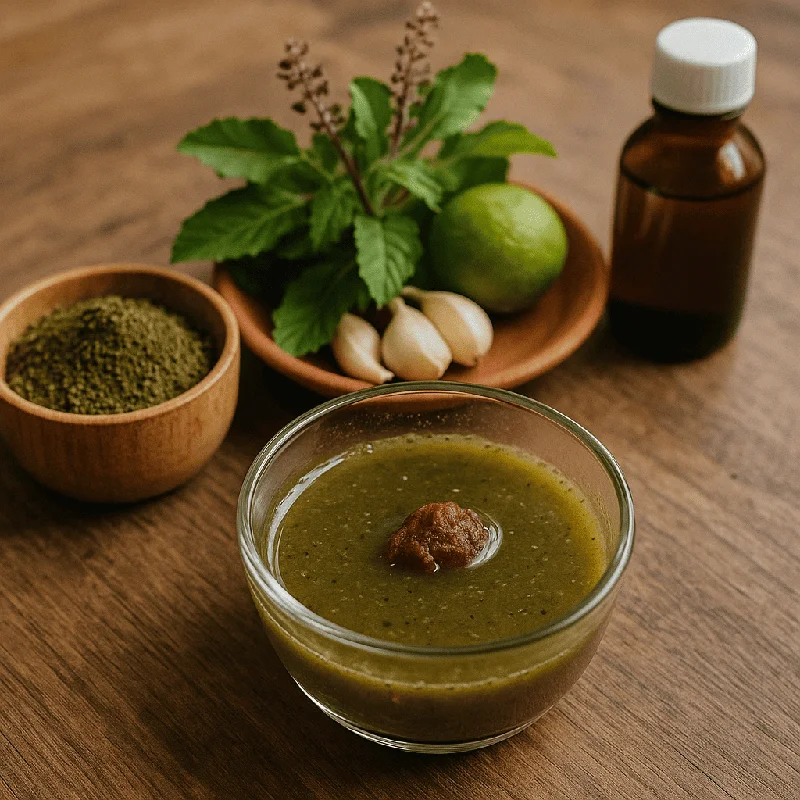
So... Anandayya medicine. If you’re here, chances are you’ve already heard about it — maybe through a friend who swears by it, maybe from a forwarded WhatsApp message (yeah, those are a thing), or maybe you’re just genuinely curious about what Ayurveda has been cooking up in recent years. Either way, welcome to the rabbit hole.
To give you a quick primer: Anandayya medicine isn’t some mysterious powder sold under candlelight in the back of an ashram. It’s actually a formulation that sparked major attention during the COVID-19 pandemic in India — and not just within wellness circles. This stuff had headlines, political commentary, public demand, controversy, and government involvement. That’s a pretty wild resume for an Ayurvedic remedy, right?
But once the media noise died down, many people were left wondering: What is it, really? Is it just another herbal mix with overhyped claims, or is there something legit and powerful behind it? Could it hold real value as part of modern Ayurvedic practices — or is it more folklore than fact?
This article dives deep. We’ll explore not just what Anandayya medicine is, but also where it came from, what’s in it, how it works, who should use it (and who shouldn’t), and what science — if any — has to say about it.
And we’ll do it in a way that actually sounds like a person wrote it. Not a content farm. Not a bot. Not some over-smooth health blogger trying to sell you powdered enlightenment. Just someone who finds Ayurveda fascinating, is a bit skeptical by nature, but deeply respects the old sciences when they’re approached honestly.
So — ready to unpack the Anandayya story?
What is Anandayya Medicine?
Alright, let’s start with the basics — because the name “Anandayya medicine” doesn’t actually tell you much, does it? It sounds like someone’s homemade recipe that got unexpectedly famous (and in a way, that’s not entirely wrong).
Definition and Origin of Anandayya Medicine
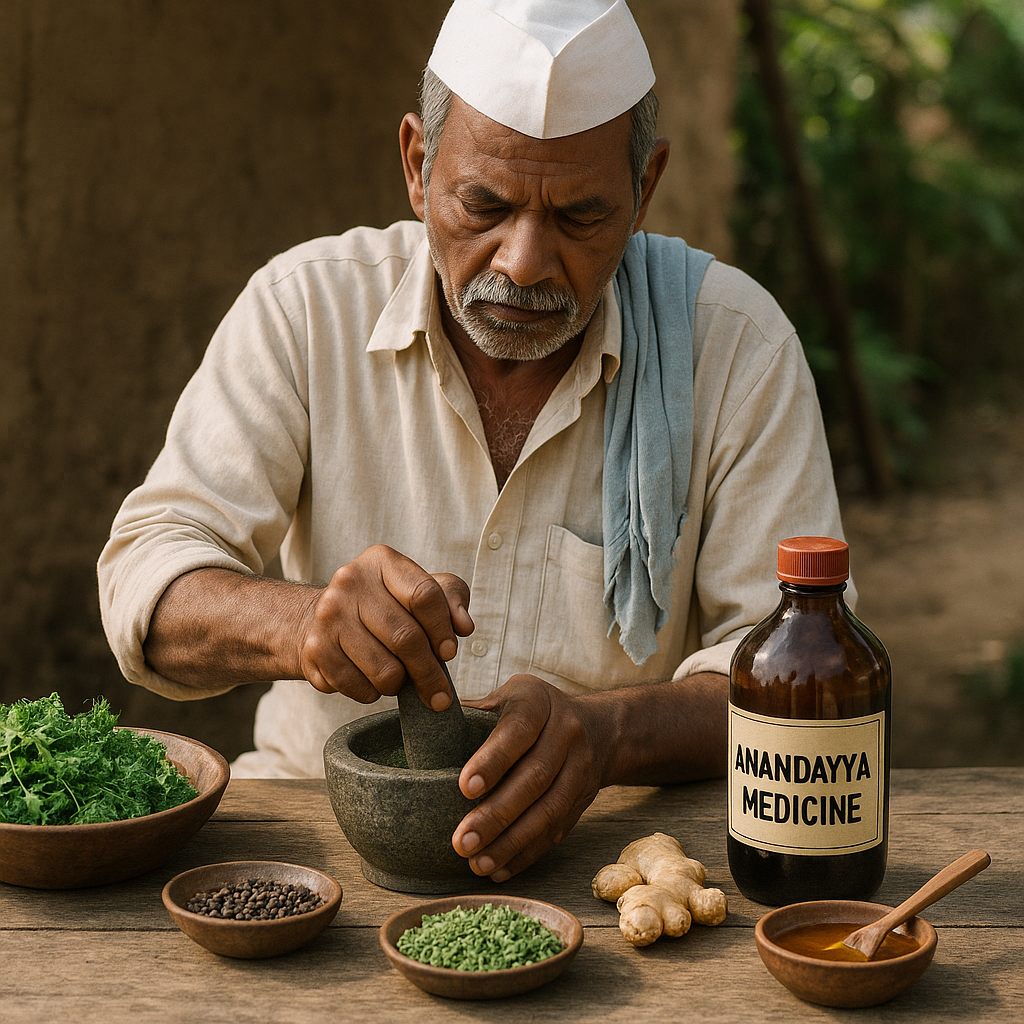
“Anandayya medicine” refers to a set of Ayurvedic herbal formulations developed and distributed by Anandayya, a traditional healer based in Andhra Pradesh, India. The core idea behind it is rooted in Naturopathy and classical Ayurveda — using local, natural ingredients to strengthen the body’s immunity and help it fight off disease.
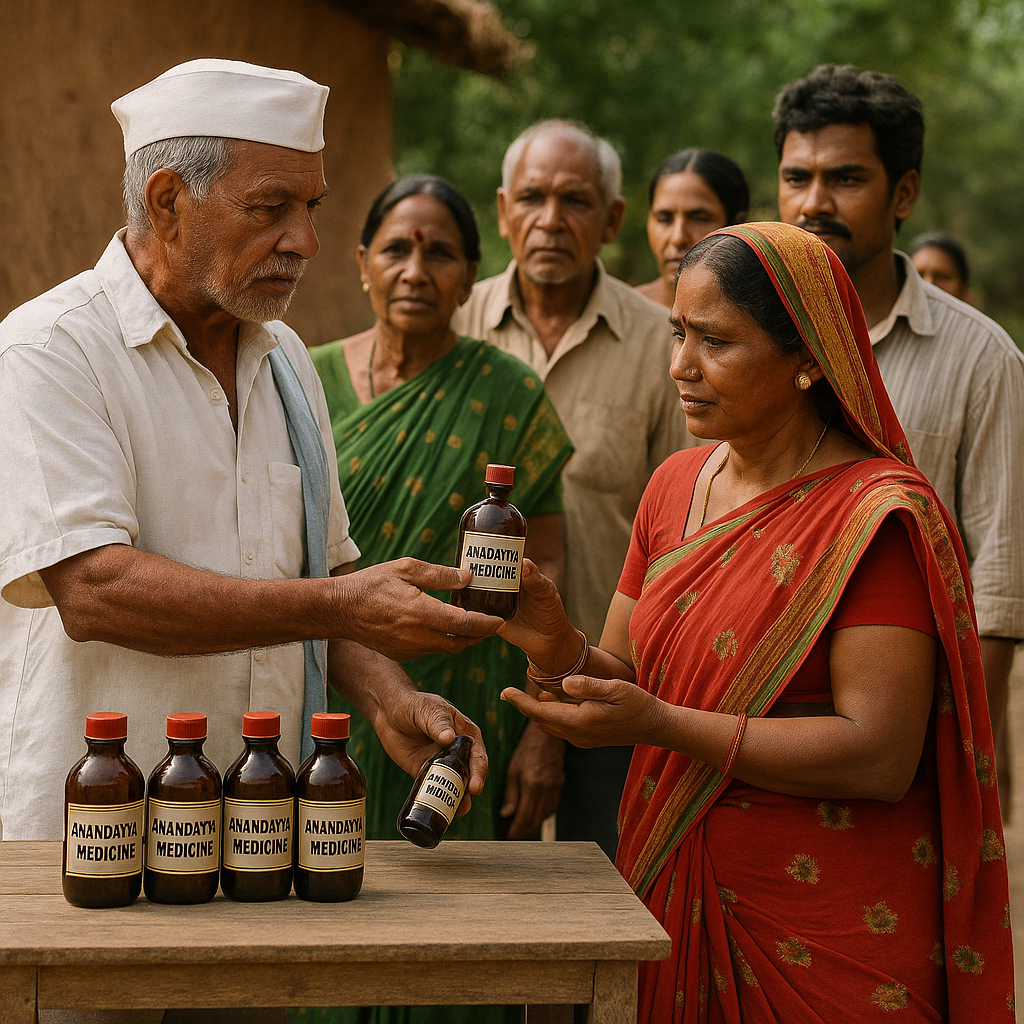
Now, the origin story is where things get spicy. Back in 2021, India was in the throes of a brutal COVID-19 wave. Amid widespread fear and uncertainty, Anandayya started distributing his herbal concoctions — free of charge — in the small town of Krishnapatnam. People lined up. Word spread like wildfire. Before long, tens of thousands were turning up, hoping this herbal mix could protect them or their families.
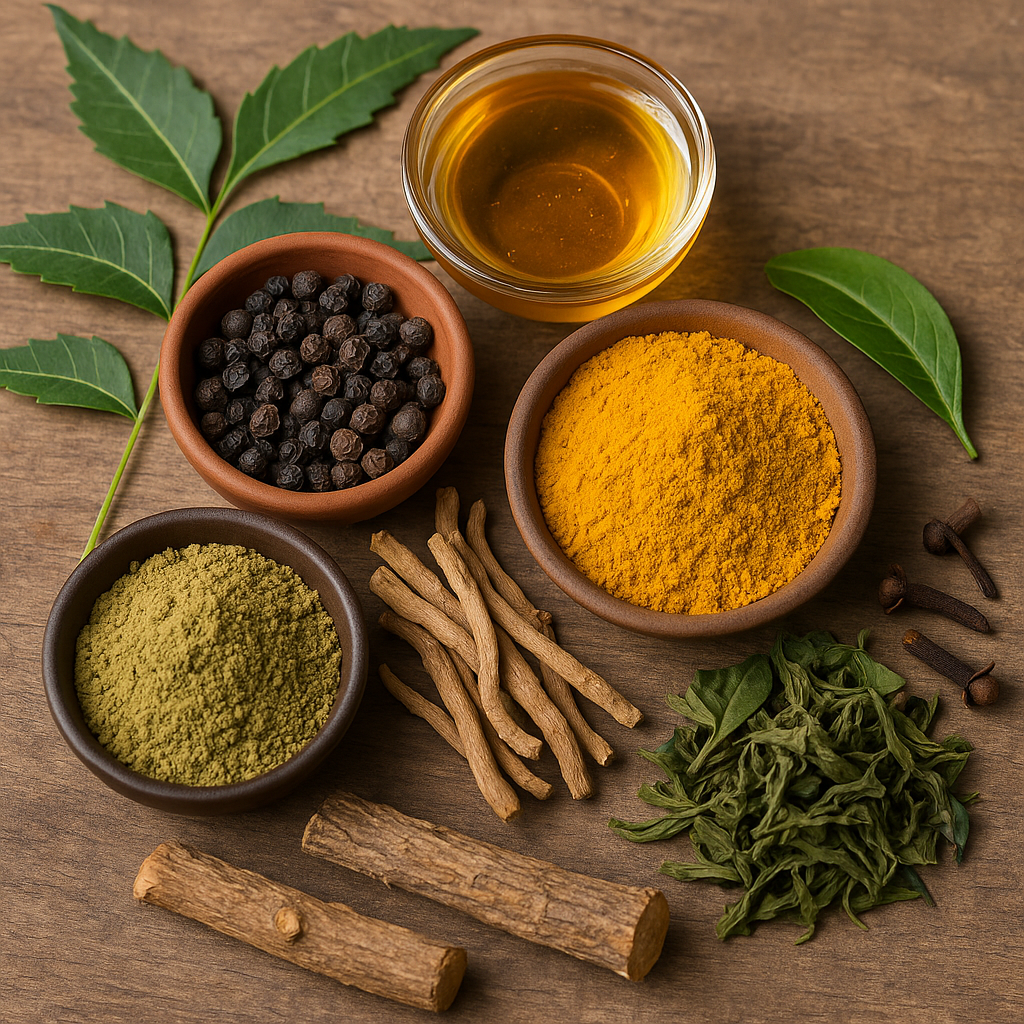
What was in it? Ingredients like black pepper, honey, neem, cloves, and green camphor, among others. Traditional? Absolutely. Proven? Well, that’s where things get complicated (we’ll get to the science later).
Some reports claim miraculous recoveries. Others say it was all placebo. But here’s the real twist: the Andhra Pradesh state government initially put a stop to distribution — and then later approved it for public use, after a panel of experts reviewed the ingredients.
Historical Use in Ayurveda
While “Anandayya medicine” as a brand-new formulation is recent, almost every herb used in it has deep roots in Ayurveda. Neem (Azadirachta indica), for example, has been used for centuries as a blood purifier, immune booster, and antibacterial powerhouse. Honey and black pepper? Classic delivery agents (Anupana) in Ayurvedic pharmacology — used to enhance bioavailability and absorption of active compounds.
Clove? Camphor? Betel leaves? Not uncommon at all. Each of these herbs has specific mention in texts like the Charaka Samhita and Sushruta Samhita. And what Anandayya did — whether intentionally or intuitively — was blend them in a way that seemed to work during an urgent crisis.
So while the formulation may be new, its building blocks are time-tested. It’s kind of like remixing old-school vinyl into something that hits a modern vibe — controversial to purists, maybe, but undeniably interesting.
Cultivation and Harvesting Details
Let’s not forget the plants behind the potion. The ingredients in Anandayya’s mix — neem, pepper, clove, and so on — are mostly locally sourced from the southern states of India, particularly Andhra Pradesh and Tamil Nadu. These are regions with rich soil, adequate rainfall, and centuries of herbal cultivation tradition.
Neem trees are practically everywhere in rural India. Pepper vines thrive in warm, humid climates. Betel leaves are cultivated on trellises with shaded conditions. And camphor? That’s a bit rarer — usually derived from the Cinnamomum camphora tree, and often processed industrially today.
Interestingly, part of what gave Anandayya’s remedy credibility in local communities was this earth-to-bottle feel — the sense that it came directly from nature, without processing labs, middlemen, or price tags.
Of course, that also raises the issue of standardization. Different batches may have had different strengths. Doses weren’t always measured with scientific precision. That’s a problem when you scale up — but it’s also true of many ancient remedies.
Key Components and Active Substances in Anandayya Medicine
If you’re like me, you probably read the label of anything you’re about to put into your body — even when it’s “natural.” And with Anandayya medicine, the ingredients list reads like a greatest hits album of Ayurvedic herbs. But what’s actually in these herbs? And more importantly — what do these substances do inside your body?
Let’s zoom in a bit.
Chemical Composition and Active Ingredients
Here’s a rundown of the main players in the Anandayya mix:
-
Neem (Azadirachta indica)
Rich in nimbin, nimbidin, and azadirachtin — known for anti-inflammatory, antibacterial, and antiviral properties. -
Black Pepper (Piper nigrum)
Contains piperine, which boosts nutrient absorption and is considered a bio-enhancer in Ayurveda. -
Clove (Syzygium aromaticum)
Has eugenol, a strong antiseptic and pain reliever. -
Green Camphor (Cinnamomum camphora)
Camphor has been used in Ayurveda for its antispasmodic and anti-congestive effects — though it must be used cautiously, due to potency. -
Betel Leaf (Piper betle)
Contains chavicol and eugenol — offers antimicrobial action and supports digestion. -
Honey
Not just sweet — honey is a carrier that enhances the absorption of active herbs, and has mild antimicrobial effects of its own.
There may have been other local ingredients used in variants — like turmeric or giloy — depending on availability and regional recipes, especially after the remedy went “viral.”
How the Components of Anandayya Medicine Affect the Body
Let’s be clear — this isn’t some sort of pharmaceutical precision mix. But the synergy between the ingredients? That’s where Ayurveda shines. Here’s how the formula is believed to act:
-
Immune Modulation: Neem and clove are thought to reduce excess “ama” (toxins), which can suppress immunity. Piperine and honey help the body absorb the rest.
-
Respiratory Relief: Camphor clears nasal congestion. Betel acts as a bronchodilator. Together, they offer a gentle nudge toward easier breathing.
-
Anti-viral Potential: This is where things get speculative. There’s some lab-based evidence that neem extracts might inhibit viral replication — but these are early-stage studies, not large clinical trials.
It’s more about holistic support than single-action precision. Think of it as a gentle push toward systemic balance, not a chemical sniper.
Comparison with Similar Ayurvedic Remedies
Is Anandayya’s remedy totally unique? Not really. Many of the ingredients are found in Kadha (herbal decoctions), Chyawanprash, and even some modern Ayurvedic immunity syrups.
What is unique is the combination — and the timing. It was one man’s formulation, used during a time of crisis, that caught fire in public consciousness. But in terms of ingredients? Classic, time-tested stuff.
Still, it’s worth noting: Ayurvedic classics like Trikatu (a blend of black pepper, long pepper, and ginger) or Sitopaladi churna (for respiratory issues) offer similar benefits — with more documented standardization.
Health Benefits and Therapeutic Uses of Anandayya Medicine
Let’s talk results — or at least, what’s claimed and what might be happening beneath the surface. Because the testimonials around Anandayya medicine are honestly kind of incredible. Whether or not all of them are true? That's a bigger question. But let's break it down:
Physical Health Benefits of Anandayya Medicine
1. Immune Support
This is the big one. The whole frenzy started because people said it helped during the pandemic. Whether as prevention or treatment, users claimed they felt stronger, recovered faster, or avoided symptoms altogether.
2. Respiratory Support
Clogged sinuses? Persistent cough? Anecdotal reports suggest the mix helped with breathlessness and mucus reduction — probably thanks to camphor, clove, and betel.
3. Anti-inflammatory Effects
People with joint pain or chronic fatigue reported improvements — again, could be neem and clove working as detoxifiers and inflammation reducers.
4. Digestive Support
Betel and pepper both stimulate digestion. A few users even said they noticed better gut health, more regular digestion, and reduced bloating.
Mental and Emotional Health Benefits
Here’s something that doesn't always make it into formal write-ups: how people feel. A lot of users described a sort of grounded energy — calm but alert, focused but not jittery.
Now, whether that’s placebo, better breathing, or something deeper in the herbs… who knows? But in Ayurveda, the mind and body are one. So if your digestion clears up and your breath feels easy, your thoughts usually follow.
There’s also a spiritual aspect. Some people believed the medicine had divine origins — given in meditation, from a place of dharma. Whether or not you buy into that, belief itself can shift biology in mysterious ways.
Most Effective Use Cases
-
Post-viral fatigue
-
Mild to moderate respiratory congestion
-
Seasonal immunity boost
-
Digestive sluggishness
-
Non-specific inflammation or fatigue
Important note: No one should be using this as a substitute for critical care in emergencies. It’s a supportive therapy, not a standalone miracle drug.
Use of Anandayya Medicine in Integrated Ayurvedic Therapy
Some Vaidyas have started incorporating similar formulations into broader panchakarma or rasayana protocols — especially for recovering COVID patients or those with compromised ojas (vital essence).
They pair it with:
-
Nasya (nasal oiling)
-
Abhyanga (oil massage)
-
Herbal teas and breathing exercises (Pranayama)
It fits well into a lifestyle-based therapy system. But again — only when done with proper assessment.
Indications and Contraindications of Anandayya Medicine
You know that saying, “Just because it’s natural doesn’t mean it’s harmless”? Yeah. That.
Even herbs — especially herbs — need to be respected. Here’s the scoop on when to take it… and when to pause.
Health Conditions Where Anandayya Medicine is Recommended
-
Mild upper respiratory tract infections (cold, cough)
-
Low immunity or frequent infections
-
Mild allergies and sinus issues
-
Fatigue and brain fog
-
Indigestion or loss of appetite
It’s also used as prophylactic support during seasonal changes or virus outbreaks — the idea being to bolster the system before anything hits.
Possible Side Effects and Contraindications
These are rare, but let’s be real:
-
Overuse of camphor can cause nausea or restlessness
-
Neem is cooling — too much can aggravate Vata types (dryness, bloating, mood changes)
-
Clove and pepper can irritate sensitive stomachs
No severe reactions were widely reported, but lack of dosage control in early versions raised eyebrows. Some people felt lightheaded or had mild digestive discomfort — likely due to inconsistent batch strength.
Restrictions Based on Age, Health Status, or Drug Interactions
-
Children under 5: Not recommended unless under a practitioner’s advice
-
Pregnant women: Should avoid, due to camphor and neem’s strong properties
-
People on blood thinners or anticoagulants: Clove can interact — caution needed
-
Those with autoimmune diseases: Neem modulates immunity — so personalized consultation is a must
Always — always — check with a licensed Ayurvedic doctor or integrative medicine practitioner. Even when the remedy feels homemade and "safe."
स्वयं दवा न लें और प्रतीक्षा न करें। अभी डॉक्टर से चैट शुरू करें
How to Properly Use Anandayya Medicine
You’d think it’s just “take a spoon and go,” right? Not quite. Ayurveda isn’t big on one-size-fits-all, and this is no exception.
Recommended Forms and Dosages
Originally, Anandayya distributed different formulations based on symptoms:
-
Eye drops (yes, you read that right — controversial, and later banned)
-
Oral drops: Taken once or twice daily, in a honey base
-
Capsule or churna (powder) forms: Used in later versions for standardization
Typical dosage was:
-
Adults: 3–5 drops under the tongue, once or twice a day
-
Teens: 1–2 drops
-
Elderly: 2–3 drops, with warm water or honey
But again — without official labeling or clinical trials, this varied wildly.
Best Time to Take It / Dosage Schedule
-
Ideally on an empty stomach in the morning, or before bed if calming effects are desired.
-
Avoid immediately before or after meals — to allow the herbs to act directly, not just digest as food.
-
If taking for preventive use: once daily. For therapeutic use: twice daily, but only short-term.
Long-term use without guidance? Not recommended. Ayurveda is seasonal, constitutional, and responsive. Not static.
Recipes and Practical Advice
If you're feeling brave (and ideally working with an Ayurvedic consultant), you can try a home version:
Simple DIY Version (Preventive Tonic):
-
1 tsp neem leaf juice
-
1/4 tsp black pepper powder
-
A clove, crushed
-
A pinch of camphor (only food-grade)
-
1 tsp raw honey
Mix and take before breakfast, 2–3 times a week in high-risk seasons. Again: low doses, and skip camphor entirely if unsure.
Success Stories and Real-Life Examples (Case Studies)
Look, it’s easy to be skeptical. Herbs, healing, dramatic claims — it all sounds a bit... poetic. But one of the reasons Anandayya medicine caught so much attention wasn’t marketing. It was people. Real folks, sharing raw experiences.
Case Study 1: “I was gasping for air. Then I slept.”
This came from a 52-year-old auto-rickshaw driver in Nellore, Andhra Pradesh. After testing positive for COVID-19, he struggled with mild oxygen desaturation — not bad enough for a hospital bed, but scary enough to panic his family.
Someone handed him a small bottle of Anandayya’s herbal drops. He took them. No miracles — but a few hours later, his breathing felt easier. He said he finally got real sleep for the first time in days.
It wasn’t a cure. But it was something. Relief, in a moment of fear.
Case Study 2: The Cough That Wouldn’t Quit
A 34-year-old woman, long past her COVID infection, kept dealing with a nagging dry cough. No allopathic syrup helped. On a friend’s advice, she tried a tiny dose of the Anandayya drops.
The next morning, her throat felt less irritated. The cough didn’t vanish — but it mellowed. Over a week, it faded entirely.
Placebo? Possibly. But she swears by it now. Keeps a vial in her spice drawer. “Just in case.”
Scientific Research and Evidence of Effectiveness of Anandayya Medicine
Now we’re in trickier waters. When something becomes popular in the public eye before it's validated by science, it creates a weird tension — curiosity meets criticism.
So let’s be honest. The research is emerging, but it’s nowhere near conclusive yet.
Summary of Clinical Studies Supporting Anandayya Medicine
There were initial government-led investigations into the safety of Anandayya's formulation. The Andhra Pradesh government asked an expert committee to evaluate the ingredients. Result? They found no harmful substances. The remedy was allowed to continue — with caveats.
Some academic groups have since initiated phytochemical analysis of individual herbs used — like neem, clove, and camphor — showing their antimicrobial and anti-inflammatory profiles. But those are ingredient-level findings, not clinical trials on the full formulation.
No large-scale RCT (randomized controlled trial) has been published yet that tests Anandayya’s exact remedy.
References to Medical Journals and Research Papers
However, plenty of papers support the constituents:
-
Neem: Journal of Ethnopharmacology, antiviral and immunomodulatory properties
-
Clove and Eugenol: Journal of Natural Medicines, anti-inflammatory and analgesic actions
-
Black Pepper (Piperine): Phytotherapy Research, bioenhancer and anti-asthmatic effects
So yes — the science exists, but mostly at the ingredient level.
Comparison with Results from Conventional Medicine
Let’s be blunt — nothing in Anandayya’s mix can compete with oxygen therapy, antivirals, or ICU support in severe COVID cases. And it shouldn’t try to.
But what Ayurveda does well — and this remedy seems to support — is offer low-risk, supportive therapy that works alongside conventional medicine. It may reduce symptom severity, help recovery, or support immunity — but it’s not a substitute for critical interventions.
That’s where a lot of the drama came from. People misunderstood it as “Ayurveda vs. modern medicine.” When really? It can be “Ayurveda with modern medicine.”
Conclusion
So… where does that leave us?
Anandayya medicine is not a miracle. It’s not snake oil either. It sits in that ambiguous Ayurvedic zone — time-tested ingredients, folk wisdom, promising potential, but lacking in full-scale clinical backing.
Should you try it? Maybe. With caution. With guidance. With self-awareness. It’s not for everyone. But if used appropriately — and respectfully — it might just offer your body something your multivitamin never could.
It’s not just about healing from a virus. It’s about reconnecting with the old ways, using herbs that grow under the same sun you walk beneath every day, and letting your body speak a little more softly to the world around it.
And hey — even if it’s just honey, pepper, and hope… that’s not a bad start.
→ Want personalized advice about Anandayya medicine? Ask-Ayurveda.com — speak with a qualified Ayurvedic practitioner today.
Frequently Asked Questions (FAQ)
1. Is Anandayya medicine safe for long-term use?
Generally, it's not intended for long-term use. Most Ayurvedic practitioners recommend using it during specific seasons or in short-term cycles — especially during viral outbreaks or respiratory infections.
2. Can children take Anandayya medicine?
Children over the age of 10 may tolerate small doses, but only under supervision. The camphor content especially can be too strong for younger kids. Always check with a practitioner.
3. Was Anandayya medicine approved by the Indian government?
Yes — after initial restrictions, the Andhra Pradesh government allowed its distribution following a safety review. However, no central government medical body has officially endorsed it as a COVID cure.
4. What does it taste like?
Honestly? Weird. A little spicy, a little bitter, with the sweetness of honey. One person called it “chai without the charm.” Another said, “Like licking a spice rack.” Take that as you will.
5. Can I make it at home?
Sort of. Many of the ingredients are kitchen staples — neem leaves, pepper, clove, honey — but dosage is critical. Making it without guidance could either render it ineffective or too strong. When in doubt, consult someone trained.
References
Here are some trusted organizations and resources that cover herbal medicine, Ayurveda, and plant-based healing:
-
Ministry of AYUSH, Government of India -
National Center for Complementary and Integrative Health (NCCIH) -
World Health Organization – Traditional Medicine -
Ayurveda Research and Education Foundation -
PubMed – National Institutes of Health
उपयोगकर्ताओं के प्रश्न
What seasonal factors should I consider when using Anandayya medicine?
Client_7e10b8
24 दिनों पहले
When using Anandayya medicine, consider the seasonality of viral outbreaks and respiratory infections, as its use is often recommended during these times. Traditional knowledge suggests that certain formulations may be more effective when respiratory illnesses are prevalent, which often coincides with colder months. Aim to use in short-term cycles, not long-term or constantly. If you experience any adverse effects or if symptoms persist despite treatment, consult a healthcare professional promptly. Avoid using camphor-containing versions without guidance, as misuse can be harmful.
How to choose the right herbal remedies for respiratory support?
Client_ba0de5
29 दिनों पहले
To choose the right herbal remedies for respiratory support, it is important to first identify your specific symptoms and needs, as different herbs serve different purposes. Common herbal remedies like eucalyptus and peppermint oil can help relieve congestion, while herbs like ginger and turmeric possess anti-inflammatory properties. Always ensure the product has been standardized for consistent dosage and efficacy. Timelines for herbal remedies can vary; you might notice effects in a few days, but sometimes several weeks are needed. Be cautious if symptoms persist or worsen, and consult a healthcare provider, especially if you have a pre-existing condition or are taking other medication.
Can I use Anandayya medicine to prevent respiratory infections?
Client_f4e451
34 दिनों पहले
There is no scientific evidence to support the use of Anandayya medicine for preventing respiratory infections. While anecdotal reports suggest that some users have experienced relief from symptoms such as breathlessness and excess mucus, these claims lack rigorous clinical validation. Ingredients like camphor and clove are known for their respiratory benefits, but this doesn't confirm the effectiveness of the specific formulation. Always consult with a healthcare professional before using such remedies, especially if you have existing health conditions or are taking other medication.
What lifestyle changes can enhance the effectiveness of Anandayya medicine?
Client_dd5ce5
39 दिनों पहले
To enhance the effectiveness of Anandayya medicine, consider adopting lifestyle changes that support overall wellness. This includes maintaining a balanced diet rich in fruits, vegetables, and whole grains, engaging in regular physical activity, ensuring adequate hydration, and practicing good sleep hygiene. It's important to manage stress through techniques like meditation or yoga. Since Anandayya medicine's effects are largely anecdotal and lack standardization, consult a healthcare professional prior to use. If you experience adverse effects or no improvement, seek medical advice.
What are the recommended dosage guidelines for Anandayya medicine?
Client_d65f84
44 दिनों पहले
There are no established dosage guidelines for Anandayya medicine that are backed by scientific research. This remedy, which gained attention during a COVID-19 wave in India, is considered part of supportive therapies often used in conjunction with conventional medicine. Without clinical trials or peer-reviewed studies confirming its safety and efficacy, it is advisable to approach it with caution. If considering this remedy, consult with a healthcare professional to ensure it is safe and appropriate for your particular health condition.
How does Anandayya medicine support overall wellness and vitality?
Client_9f3620
49 दिनों पहले
Anandayya medicine, a set of Ayurvedic herbal formulations from Andhra Pradesh, India, is primarily known for its anecdotal benefits in promoting overall wellness and vitality by improving digestion and emotional well-being. Users have reported improved gut health, more regular digestion, and reduced bloating, which can contribute to a feeling of increased vitality. Effects can vary based on individual responses and specific formulations used. It's important to consult a healthcare professional if you experience any adverse effects or if you are considering using Anandayya medicine alongside other treatments.
What is the historical background of Anandayya medicine and its origins?
Client_f5b0d7
54 दिनों पहले
Anandayya medicine gained attention in 2021 in India during the COVID-19 pandemic when it was touted as a potential remedy. Its historical background is not well-documented like traditional Ayurvedic treatments; rather, it rose in popularity due to word of mouth, media coverage, and public interest in alternative COVID-19 treatments. While it contains herbs used in Ayurveda, its efficacy and safety are unverified. If considering its use, consult a healthcare professional to ensure safety and compatibility with existing treatments.
What are the commonly used herbs in Anandayya medicine?
Client_985d03
59 दिनों पहले
Anandayya medicine commonly includes herbs such as honey, black pepper, and potentially other indigenous herbs native to the region. However, specific formulations can vary widely, and detailed ingredients are not always disclosed. While some people report experiencing symptom relief, there is limited scientific evidence to support its effectiveness. If you're considering this treatment, watch for allergic reactions or interactions with existing medications. For any health concerns or persistent symptoms, it's best to consult a healthcare professional.
What are the safety measures when using herbal remedies for COVID-19 recovery?
Client_9e356d
64 दिनों पहले
The primary safety measures when using herbal remedies for COVID-19 recovery include ensuring the remedy does not interfere with prescribed treatments, verifying the source of the herbs, and consulting a healthcare professional. Many herbs are generally safe but can vary in strength and efficacy. They're not a substitute for vaccines or antiviral medications. It's important to monitor for any allergic reactions or side effects. If symptoms persist or worsen, seek medical attention promptly. Though herbs like Ashwagandha may support immunity, they're part of an overall recovery plan under medical guidance.
What are the benefits of steam inhalation for respiratory health?
Client_28dd7d
69 दिनों पहले
Steam inhalation can offer temporary relief by loosening mucus and reducing inflammation in the nasal passages, which may help ease symptoms of sinus congestion, colds, and respiratory infections. Typically, benefits can be felt shortly after inhalation, often providing comfort for several hours. While steam inhalation can be a useful home remedy, it won't cure underlying conditions or replace medical treatment. It's essential to seek medical advice if symptoms persist beyond a few days or are accompanied by severe discomfort, fever, or breathing difficulties.
संबंधित आलेख

General Medicine
अश्वगंधा से चिंता का इलाज: खुराक, समय और सुरक्षा
अश्वगंधा कैसे चिंता के लिए काम करता है, ट्रायल्स में इस्तेमाल की गई खुराक, इसे कब लेना चाहिए, कितना समय लगता है, इसके साइड इफेक्ट्स और कौन सी दवाओं के साथ इसका इंटरेक्शन महत्वपूर्ण है।
560
General Medicine
सरीवा मंजिष्ठा वटी – आयुर्वेदिक डिटॉक्स और त्वचा पुनर्जीवन
सरिवा मंजिष्ठा वटी के बारे में जानें, जो एक आयुर्वेदिक फॉर्मूलेशन है। इसके फायदों, उपयोग, खुराक, सावधानियों और वैज्ञानिक दृष्टिकोण से संपूर्ण स्वास्थ्य के लिए जानकारी प्राप्त करें।
5,598

General Medicine
Dasamoola Rasayanam – Benefits, Dose, Side Effects, Ingredients
Exploration of Dasamoola Rasayanam – Benefits, Dose, Side Effects, Ingredients
3,973

General Medicine
Discover Your Dosha: Quick Test
Doshas are mind-body types in Ayurveda that define your unique constitution, helping guide lifestyle and health choices.
2,971

General Medicine
Nagaradi Choornam: Ayurvedic Uses, Benefits & Dosage Guide
Discover the benefits, uses, dosage, and Ayurvedic insights of Nagaradi Choornam. Learn how this traditional remedy supports digestive health and vitality.
4,966

General Medicine
Udwarthanam: The Ayurvedic Powder Massage That’s More Than Just Detox
Udwarthanam (also spelled Udvartana) is a deeply invigorating Ayurvedic dry powder massage. Unlike your typical spa massage — all soft strokes and glistening oils — this one’s more of a firm, gritty, circulation-boosting scrubdown. Think of it as a cross
4,159

General Medicine
Raktapitta Samprapti – Ayurvedic Understanding of Blood Disorders and Treatment
Explore the Ayurvedic concept of Raktapitta Samprapti (blood disorders), including the causes, symptoms, and natural treatment methods to balance the Pitta dosha and restore blood health.
4,641

General Medicine
How ayurvedic medicine can prevent illness
At a size of $9.58 billion, the Indian wellness industry is always demanding better healthcare infrastructure and novel medical techniques to meet its health needs.
3,403

General Medicine
शिलाजीतवाड़ी लौह वटी के फायदे, खुराक, सामग्री, साइड इफेक्ट्स
शिलाजीतवाड़ी लौह वटी के फायदे, खुराक, सामग्री, और साइड इफेक्ट्स की जानकारी
3,435
विषय से संबंधित परामर्श
अतिरिक्त दस्तावेज़
© 2026 Ask Ayurveda. सर्वाधिकार सुरक्षित।