आयुर्वेदिक डॉक्टर से प्रश्न पूछें और निःशुल्क या भुगतान मोड में अपनी चिंता की समस्या पर ऑनलाइन परामर्श प्राप्त करें। 2,000 से अधिक अनुभवी डॉक्टर हमारी साइट पर काम करते हैं और आपके प्रश्नों का इंतजार करते हैं और उपयोगकर्ताओं को उनकी स्वास्थ्य समस्याओं को हल करने में प्रतिदिन मदद करते हैं।


Body DetoxEar, Nose, and Throat DisordersGeriatrics & RejuvenationImmunodeficiencyInfertility TreatmentNutritionOrthopedic DisordersPediatricsRespiratory DisordersSexually Transmitted Diseases (STDs)Surgery RecoveryUrological DisordersVascular DisordersDental DisordersEndocrinological DisordersGastrointestinal DisordersYoga TherapyGeneral MedicineAllergic DisordersCardio DisordersGynecology and ObstetricsCosmetologySkin and Hair DisordersEye DisordersInfectious DiseasesMental DisordersNeurological DisordersOncologyPanchakarmaSexual Health & DisordersSports Medicine
पर प्रकाशित 05/26/25
(को अपडेट 08/10/26)
1,839
Is Tonsillitis Contagious? Ayurvedic Perspective on Spread and Prevention

Let’s be honest — most of us don’t give our tonsils much thought until they start acting up. Suddenly, you’ve got a throat that feels like sandpaper, a fever that sneaks up on you in the middle of a work meeting, and the urgent question: is tonsillitis contagious? And if so, how does tonsillitis spread? Is your best friend now at risk because you shared a smoothie?
This isn’t just idle curiosity. Understanding how tonsillitis works, especially from both modern and Ayurvedic perspectives, can help you manage it better — and maybe even prevent it in the first place. Whether it’s viral or bacterial tonsillitis, there’s a lot going on beneath the surface. So let’s dig into it — symptoms, causes, transmission, and treatments — with some old-school Ayurvedic wisdom woven in.

What Is Tonsillitis According to Ayurveda
In Ayurveda, tonsillitis is often associated with an imbalance in the Kapha and Pitta doshas. These are two of the body’s primary energetic forces, and when they’re out of whack, they tend to mess with the respiratory and lymphatic systems. So that fiery sore throat and those swollen tonsils? Ayurveda would say that's an excess of Pitta — inflammation and heat — aggravated by poor diet, stress, cold exposure, and suppressed emotions. Meanwhile, Kapha brings the swelling, mucus, and heaviness.
Tonsillitis, in Sanskrit, is sometimes called Tundikeri, and it’s been treated for centuries using herbs, gargles, and lifestyle changes. The approach is holistic — it doesn’t just fight the infection but aims to rebalance the whole system.
And this is interesting: Ayurveda doesn’t just look at what causes tonsillitis physically, but also emotionally and environmentally. That "stuck voice" you feel in your throat might not just be mucus — it might be unsaid words or emotional heat, which sounds kind of out-there until you're in the middle of a work conflict and suddenly can’t swallow properly. Just saying.
Is Tonsillitis Contagious and How Does It Spread?
Short answer? Yes. Tonsillitis can be contagious — especially when caused by an infection. The real question is: what kind of infection are we talking about here?
Bacterial vs Viral Causes of Tonsillitis
Here’s where it gets a bit technical, but stick with me.
Tonsillitis can be triggered by bacteria — like the infamous Streptococcus pyogenes, which causes strep throat — or by viruses, like the common cold virus or Epstein-Barr. Both types can spread, but bacterial tonsillitis tends to be the more serious one and often requires tonsillitis antibiotics.
If you’ve got bacterial tonsillitis, you're usually contagious until you've been on antibiotics for about 24 hours. With viral tonsillitis, it's trickier — you might be contagious for a few days before symptoms even show up. So yeah, your coworkers may not appreciate your coughy coffee runs.
How Close Contact and Lifestyle Habits Affect Transmission
How do you get tonsillitis, then? Mostly through airborne droplets — coughing, sneezing, sharing utensils, or kissing (yes, sorry). It thrives in close quarters — schools, offices, crowded homes.
Also, don’t underestimate lifestyle factors. Weak immunity, irregular sleep, a junk-heavy diet, and constant stress can all create the perfect storm. Ayurveda would say this makes your inner terrain more fertile for disease — or, in other words, you’re a walking welcome mat for bacteria and viruses.
Symptoms and Early Warning Signs of Tonsillitis
Okay, so your throat’s sore. Big deal, right? Maybe. Maybe not. Because if it’s tonsillitis, there are usually a few more clues your body throws at you — and if you know what to look for, you can get ahead of it (or at least stop spreading it around).
Sore Throat, Swelling, Fever, and More
Let’s start with the classics. The tonsillitis symptoms most people report include:
-
A sharp or persistent sore throat
-
Swollen tonsils, sometimes with white or yellow patches
-
Fever (mild to high)
-
Difficulty swallowing
-
Swollen lymph nodes in the neck
-
Headache
-
Fatigue, chills, and in kids — a sudden change in mood or appetite
Sounds like a party, doesn’t it?
And while this stuff may feel “typical,” the reality is that it hits everyone differently. Some people get hit hard and fast — others just feel a bit off. I've even heard people write it off as allergies at first (and honestly, fair — spring’s confusing). But if your throat’s starting to feel like you swallowed a cactus, it might be time to think tonsillitis.
Also, here's a weird detail: with bacterial tonsillitis, the pain is often more severe, and the onset is quicker. You might wake up one day and think, “Yep. This is not normal.”
Differentiating Tonsillitis vs. Common Colds
This part gets tricky because tonsillitis often gets lumped in with the common cold — understandably. They both can involve sore throats, fatigue, and general "blah" feelings.
But here's a handy mental shortcut:
-
Colds: Runny nose, sneezing, gradual onset, low or no fever, minor throat irritation.
-
Tonsillitis: Sudden onset, intense sore throat, visible swelling or pus on tonsils, difficulty swallowing, high fever.
If you’re really trying to play doctor, check a mirror. If your tonsils look like someone smeared cottage cheese on them? It’s probably not just a cold.
Ayurveda adds another lens here: it looks at patterns. A sore throat with heavy mucus and no appetite? That’s likely Kapha-related. A red, hot, angry throat with high fever? That’s classic Pitta inflammation. Not that you need to memorize dosha charts — but paying attention to your own body’s patterns can help you spot when something’s off.
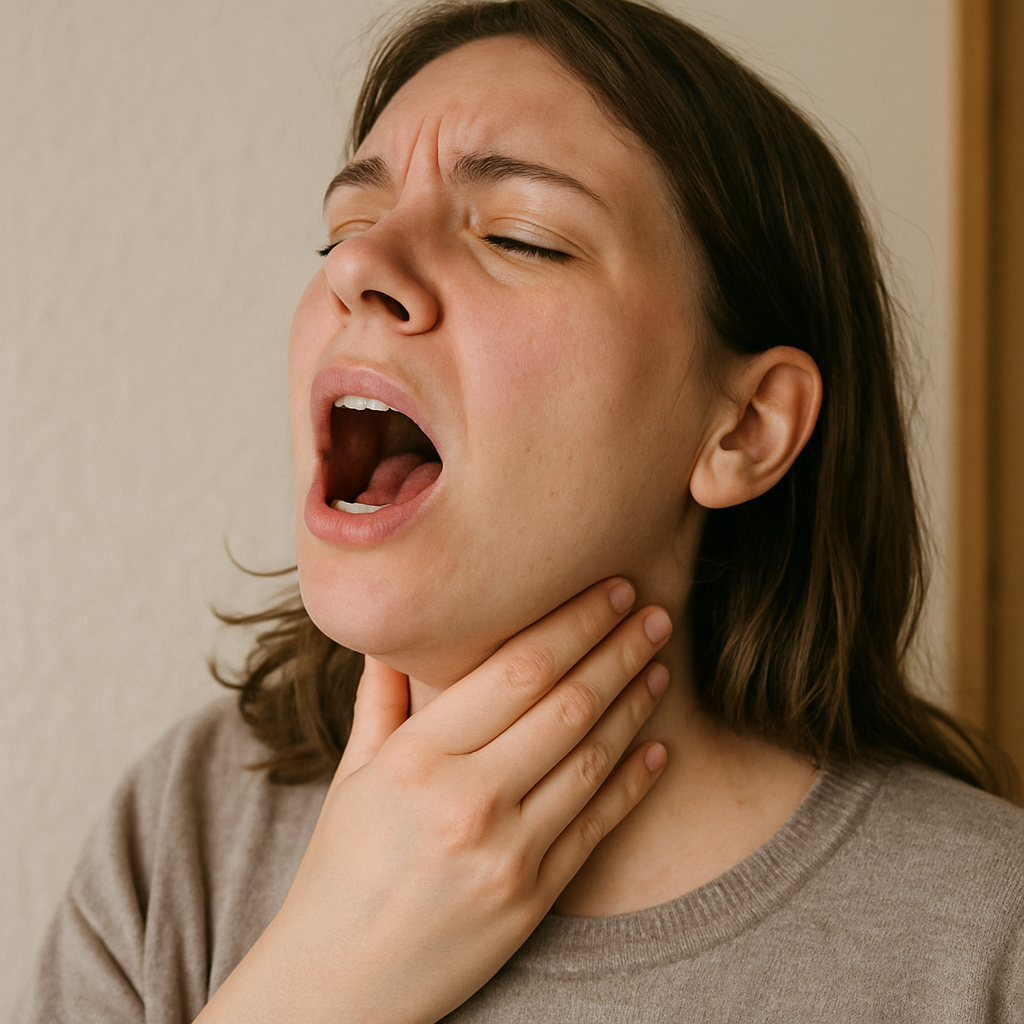
Ayurvedic Treatment for Tonsillitis
This is where things get a little more earthy — literally.
While modern medicine often reaches for tonsillitis antibiotics (and hey, when it's bacterial, that's legit), Ayurveda offers a more layered approach. It aims not just to kill the invader, but to restore balance and support the body’s natural healing.
Here are some commonly used remedies in Ayurvedic practice:
-
Turmeric milk: Classic golden remedy — anti-inflammatory, soothing, and warm.
-
Licorice root (Yashtimadhu): Soothes the throat, reduces inflammation.
-
Saltwater gargles with Triphala or turmeric.
-
Tulsi tea: Immune-boosting and calming — also just really comforting.
-
Steam inhalation with clove or eucalyptus oil.
Diet and lifestyle also matter big time. Spicy, acidic foods can aggravate the inflammation — as can cold drinks. Ayurveda would recommend warm, bland, nourishing foods and rest. And by rest, they mean actual rest, not checking work emails from the couch while sipping ginger tea.
Of course, if it’s bacterial tonsillitis and your doc says antibiotics, take them. Ayurveda isn’t anti-medicine — it just believes healing is more than just killing bugs.
Conclusion
So, let’s circle back. Is tonsillitis contagious? Yeah, it often is — especially when it’s caused by viruses or bacteria. It can spread through coughs, sneezes, kisses, shared forks, even just hanging out too close to someone on a couch during Netflix night. It's one of those low-key illnesses that seems small until it's very much not.
The Ayurvedic angle brings something else to the table — that it's not just about what causes tonsillitis, but why your body was susceptible in the first place. Was your immunity down? Were your Pitta and Kapha doshas going haywire from stress or diet? Maybe. Probably. Either way, it’s worth asking.
Here’s the kicker though — it’s not just about killing the infection. Whether you’re taking antibiotics for bacterial tonsillitis or sipping turmeric tea to calm the fire in your throat, what you do next matters. Your habits, how you recover, and how you support your immune system are what determine whether this becomes a once-in-a-blue-moon issue or a regular visitor.
It’s a bit like a toxic ex. Tonsillitis doesn’t need a formal invitation — it just waits for the right conditions and boom, it's back in your life.
स्वयं दवा न लें और प्रतीक्षा न करें। अभी डॉक्टर से चैट शुरू करें
FAQs
Can I kiss my partner with tonsillitis?
Tough love: No, probably not a good idea. If your tonsillitis is contagious (which it often is), kissing is one of the fastest ways to spread it — especially if it’s viral or bacterial. Save the romance for when your throat doesn’t feel like lava and you’re not running a fever.
How long should I stay away from people if I have tonsillitis?
If it’s bacterial, stay home for at least 24 hours after starting antibiotics — that’s usually when you’re no longer contagious. If it’s viral, it's safer to lay low for 3–5 days or until symptoms ease. When in doubt? Don’t be a hero. Rest, hydrate, isolate a bit.
When is tonsillitis an emergency?
Red flags include: difficulty breathing, trouble swallowing (like, not even liquids), intense neck swelling, drooling, or a very high fever that doesn’t budge. If any of those hit? Go to urgent care or the ER. It might be something more serious, like a peritonsillar abscess.
उपयोगकर्ताओं के प्रश्न
What is the typical duration of tonsillitis symptoms?
Client_1c7581
13 घंटे पहले
Tonsillitis symptoms typically last between 3 to 14 days. Viral tonsillitis, the more common type, usually resolves on its own within 7 to 10 days. Bacterial tonsillitis, like strep throat, often shows more severe symptoms but can improve within a few days of starting antibiotics. Look out for red flags such as difficulty breathing, severe throat pain, or a persistent high fever, as these warrant immediate medical attention. If symptoms persist beyond two weeks or worsen, see a healthcare provider. Rest, hydration, and pain management are key to recovery.
Can tonsillitis lead to complications if untreated?
Client_73d766
5 दिनों पहले
Yes, untreated tonsillitis can lead to complications. If bacterial tonsillitis is not treated, it can cause a peritonsillar abscess, which is a collection of pus near the tonsils and often requires drainage. It can also lead to rheumatic fever or post-streptococcal glomerulonephritis, conditions that affect the heart and kidneys. Viral tonsillitis usually resolves on its own, but if symptoms persist beyond 10 days or worsen, it’s advisable to see a doctor. Persistent fever, difficulty breathing, or swallowing are critical signs to watch for and necessitate immediate medical attention.
How does stress impact tonsillitis symptoms and recovery?
Client_40d898
10 दिनों पहले
Stress can exacerbate tonsillitis symptoms and potentially slow recovery by weakening the immune system. When you are stressed, your body's production of stress hormones can suppress immune function, making it harder to fight off infections like the one causing tonsillitis. Reduced resistance can lead to more severe symptoms such as a sore throat, swollen tonsils, and fever. Typically, tonsillitis lasts 7 to 10 days, but stress can prolong recovery. If symptoms persist beyond this without improvement, it is advisable to consult a healthcare provider.
What are the differences between viral and bacterial tonsillitis?
Client_19e966
15 दिनों पहले
Viral and bacterial tonsillitis differ mainly in their causes and treatment methods. Viral tonsillitis is caused by viruses like the common cold and usually resolves on its own within 7 to 10 days; supportive care such as rest, hydration, and over-the-counter pain relievers can help manage symptoms. Bacterial tonsillitis, often due to Streptococcus bacteria, may require antibiotics for effective treatment and can have more severe symptoms like high fever and swollen lymph nodes. It's crucial to consult a doctor for proper diagnosis if symptoms are severe or persist beyond the typical timeframe.
How can I prevent the spread of tonsillitis in my household?
Client_8f377f
20 दिनों पहले
To prevent the spread of tonsillitis in your household, it is essential to practice good hygiene and limit close contact. Tonsillitis, commonly caused by viral or bacterial infections, spreads through respiratory droplets when an infected person coughs or sneezes. Encourage frequent hand washing, use tissues to cover coughs or sneezes, and do not share personal items like utensils or towels. Clean commonly touched surfaces regularly. If a family member shows symptoms such as a sore throat, swollen tonsils, or fever, consult a doctor, especially if symptoms persist or worsen despite home care.
What home remedies can help alleviate tonsillitis symptoms?
Client_9becce
30 दिनों पहले
To alleviate tonsillitis symptoms at home, focus on soothing remedies such as warm saltwater gargles, which can reduce swelling and discomfort. Drinking warm fluids like herbal teas with honey can also provide relief. Additionally, using a humidifier and sucking on lozenges or throat sprays may help ease throat pain. Symptoms often improve within 7 to 10 days. If symptoms persist or worsen, particularly if there's difficulty breathing or swallowing, seek medical attention. While Ayurveda might suggest dietary adjustments, conventional methods should be prioritized for quicker relief.
What should I avoid eating while recovering from tonsillitis?
Client_91bbe6
40 दिनों पहले
When recovering from tonsillitis, it's best to avoid foods that can irritate or scratch the throat, such as spicy foods, acidic foods (like citrus and tomatoes), crunchy snacks, and dairy, which may thicken mucus. Instead, opt for soothing, easy-to-swallow options like warm broths, soft-cooked grains, and smoothies. Recovery time varies, but symptoms usually improve within a week. Stay hydrated and rest well. If symptoms persist or worsen after a few days, it's wise to see a doctor, especially if difficulty swallowing or breathing develops.
How long should I rest if I have viral tonsillitis?
Client_b4114c
50 दिनों पहले
If you have viral tonsillitis, resting for 3–5 days or until your symptoms ease is generally advisable. Viral tonsillitis is often characterized by a sore throat, fever, and swollen tonsils, and it typically resolves on its own. During this rest period, stay hydrated, gargle with warm salt water, and use over-the-counter pain relievers to manage symptoms. If your symptoms worsen or persist beyond a week, or if you experience difficulty breathing or swallowing, see a doctor. While lifestyle factors like stress and lack of sleep might influence recovery time, the primary focus should be on allowing your body the time it needs to heal from the viral infection.
How can I identify whether my throat pain is due to tonsillitis or pharyngitis?
Client_ce5cbb
59 दिनों पहले
To determine if throat pain is due to tonsillitis or pharyngitis, consider symptoms like their location and severity. Tonsillitis often includes red, swollen tonsils with spots, sore throat, difficulty swallowing, and sometimes fever. Pharyngitis primarily causes throat pain and can involve redness or scratchiness in the throat but doesn't always include noticeable tonsil swelling. Viral infections often resolve in 5-7 days, but bacterial cases, especially tonsillitis, may require antibiotics. Persistent symptoms or severe pain should prompt a doctor's visit.
What is the Ayurvedic view on the connection between diet and tonsillitis?
Client_61ec0c
69 दिनों पहले
Ayurveda sees diet as super crucial when it comes to tonsillitis. Tonsillitis can be linked to an imbalance in pitta and kapha doshas, often aggravated by spicy, oily, or heavy foods. Eating lighter, cooling foods may help in calming these doshas. Pay attention to your body's signals to find your balance!
संबंधित आलेख

Ear, Nose, and Throat Disorders
कर्णपूरणम – कानों की सेहत के लिए प्राकृतिक आयुर्वेदिक राहत
कर्णपूरणम के बारे में जानें, जो कानों की सेहत के लिए एक आयुर्वेदिक तरीका है। इसके फायदों, तकनीकों और पारंपरिक तरीकों के बारे में जानें जो समग्र कान देखभाल के लिए हैं।
3,276

Ear, Nose, and Throat Disorders
Why Is My Ear Ringing All of a Sudden? Ayurvedic and Spiritual Insights
Why is your ear ringing all of a sudden? Discover Ayurvedic and spiritual meanings behind ringing in the left or right ear and natural ways to restore balance
20,209

Ear, Nose, and Throat Disorders
Best Ayurvedic Medicine for Tonsil
Explore the best Ayurvedic medicines for tonsils, including their benefits, proper dosage, side effects, and scientific research. Discover natural remedies for tonsil health and infections.
4,240

Ear, Nose, and Throat Disorders
Kasa in Ayurveda – Understanding Its Role, Causes, and Remedies
Explore the significance of Kasa in Ayurveda, its causes, symptoms, and Ayurvedic remedies. Learn how this ancient approach can help alleviate cough-related issues effectively.
4,629

Ear, Nose, and Throat Disorders
Amodini Tablet Uncovered: The Secret to Boosting Digestion & Gut Health!
Explore the health benefits of Amodini Tablet, an Ayurvedic remedy designed for hormonal balance, menstrual health, and overall wellness in women.
2,551

Ear, Nose, and Throat Disorders
Karna Bindu Ear Drops: Ayurvedic Ear Care for Healthy Hearing
Explore Karna Bindu Ear Drops, an Ayurvedic formulation for ear health. Learn about its benefits, uses, dosage guidelines, and holistic applications for optimal auditory well-being.
3,570

Ear, Nose, and Throat Disorders
AYURVEDIC REMEDIES FOR SINUSITIS
Sinusitis, a condition characterized by inflammation of the sinus cavities, can be a persistent source of discomfort for many. From the pressure in the forehead to the congestion in the nasal passages, its symptoms can significantly impact one’s quality o
4,378

Ear, Nose, and Throat Disorders
Ayurvedic Treatment for Ear Blockage – Natural Remedies for Clear Hearing
Discover effective Ayurvedic treatment for ear blockage, featuring herbal therapies, ear drops, and lifestyle tips to naturally relieve congestion and promote optimal ear health.
5,585

Ear, Nose, and Throat Disorders
How to Open a Blocked Ear at Home: Natural Ayurvedic Techniques
Discover how to open a blocked ear at home using Ayurvedic tips. Learn safe ways to unblock ears due to cold, wax, or pressure. Natural relief, no tools
4,951

Ear, Nose, and Throat Disorders
Can We Put Mustard Oil in Ear: Benefits, Risks, and Ayurvedic Advice
Can we put mustard oil in ear safely? Learn the benefits, risks, Ayurvedic uses, and whether mustard oil is good for ear pain or safe for babies
21,512
विषय से संबंधित परामर्श
अतिरिक्त दस्तावेज़
© 2024 Ask Ayurveda. सर्वाधिकार सुरक्षित।