आयुर्वेदिक डॉक्टर से प्रश्न पूछें और निःशुल्क या भुगतान मोड में अपनी चिंता की समस्या पर ऑनलाइन परामर्श प्राप्त करें। 2,000 से अधिक अनुभवी डॉक्टर हमारी साइट पर काम करते हैं और आपके प्रश्नों का इंतजार करते हैं और उपयोगकर्ताओं को उनकी स्वास्थ्य समस्याओं को हल करने में प्रतिदिन मदद करते हैं।


Body DetoxEar, Nose, and Throat DisordersGeriatrics & RejuvenationImmunodeficiencyInfertility TreatmentNutritionOrthopedic DisordersPediatricsRespiratory DisordersSexually Transmitted Diseases (STDs)Surgery RecoveryUrological DisordersVascular DisordersDental DisordersEndocrinological DisordersGastrointestinal DisordersYoga TherapyGeneral MedicineAllergic DisordersCardio DisordersGynecology and ObstetricsCosmetologySkin and Hair DisordersEye DisordersInfectious DiseasesMental DisordersNeurological DisordersOncologyPanchakarmaSexual Health & DisordersSports Medicine
पर प्रकाशित 05/28/25
(को अपडेट 08/10/26)
2,708
What Does Vitamin C Do? Ayurvedic Benefits, Foods, and Deficiency

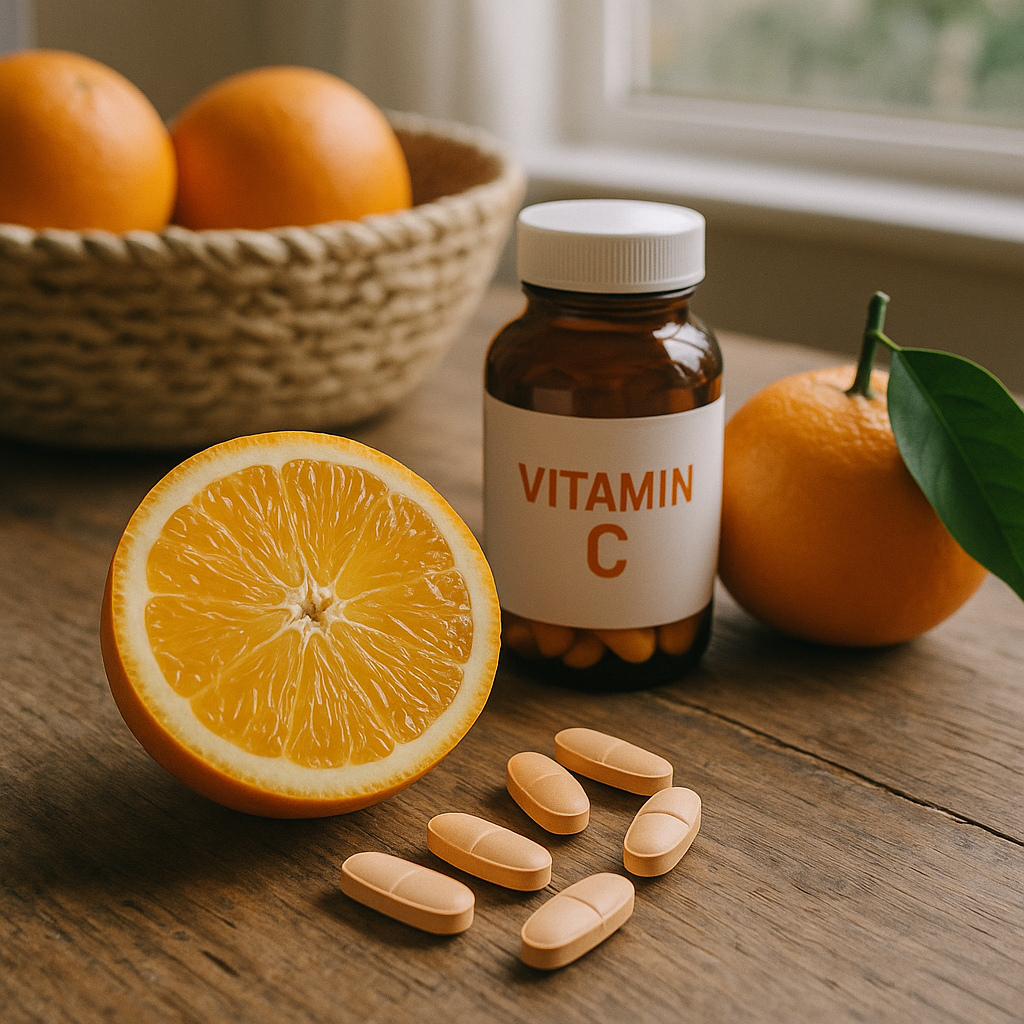
So, what does vitamin C do, really? That tiny, sour-tasting nutrient — the one we associate with oranges and cold remedies — turns out to have a wild resume. And no, it's not just for when you’re sneezing nonstop or chasing “glowy skin” on TikTok. Vitamin C, or as the science-y folks say, ascorbic acid, is one of the most quietly powerful players in the body’s entire operation. It affects everything from how you digest food to how vibrant your face looks in the morning. Seriously.
But wait, what is vitamin C for? Why does everyone go on about it like it’s the holy grail of health? Is it only about boosting immunity, or is that just marketing fluff? And what happens if you don’t get enough? (Hint: it’s not pretty — we’re talking weak immunity, weird skin stuff, and constant fatigue.)
In this article, we’ll break it down — Ayurvedic-style. We’ll cover the vitamin C benefits you actually care about, the best vitamin C foods, how to tell if you're not getting enough, and how ancient traditions like Ayurveda view and use this incredible nutrient. We'll also dive into the real deal on vitamin C for skin, dark spots, and why your grandma may have been onto something with all those citrusy home remedies.
Let’s dive in — and no, you don’t need a degree in nutrition or Sanskrit to follow along.
What Is Vitamin C
Natural Role of Vitamin C in Tissue Rejuvenation (Rasayana)
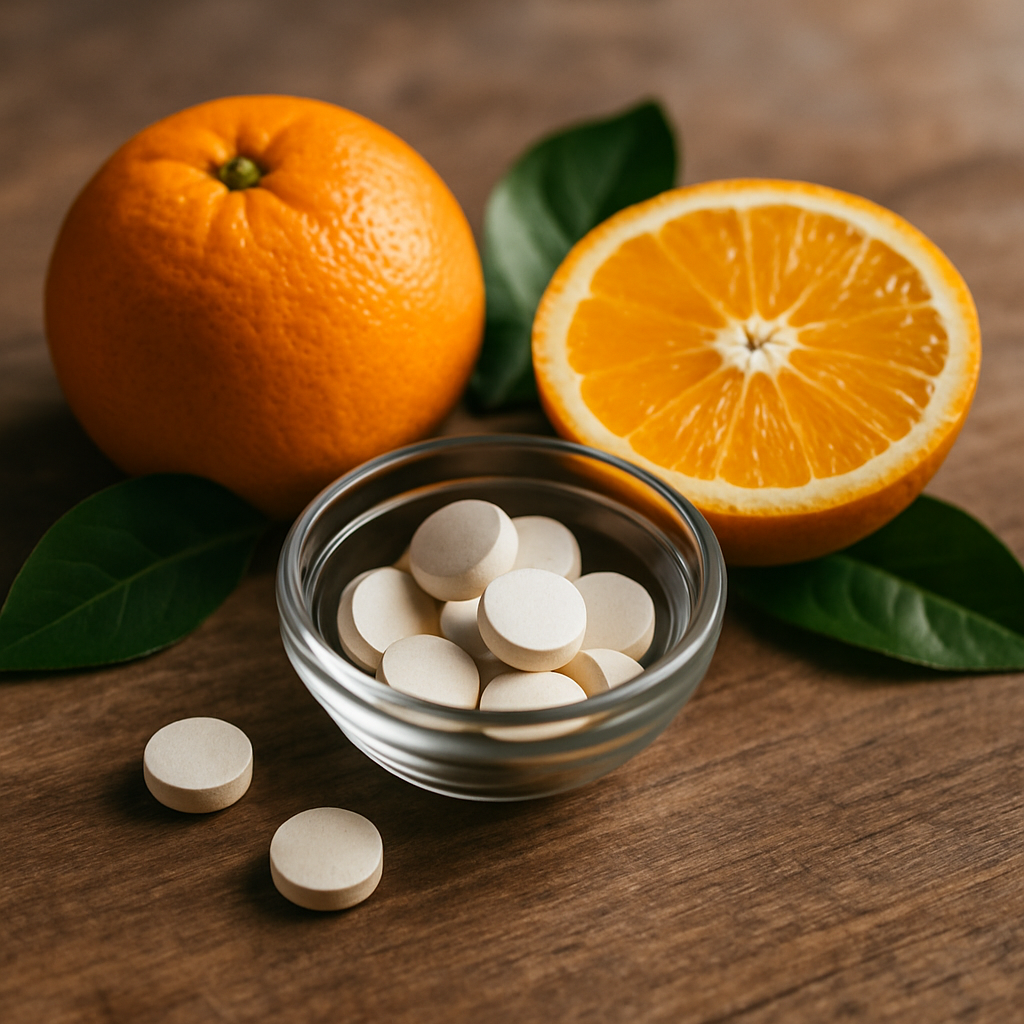
First things first — what is vitamin C? It’s a water-soluble vitamin, meaning your body doesn’t store it. That also means you’ve got to get it from outside sources, usually daily. Technically, it's a potent antioxidant. In Ayurvedic terms, it's very much aligned with the idea of Rasayana — that concept of deep nourishment, renewal, and longevity. Rasayanas are rejuvenators. They restore, protect, and rebuild. Sound familiar?
Vitamin C works in pretty much the same way — it helps tissues heal, boosts collagen synthesis (hello, skin elasticity), and shields cells from oxidative stress. It’s kind of like your body’s maintenance crew. Silent but crucial.
Connection Between Vitamin C, Agni (Digestion), and Ojas (Vitality)
Okay, here’s where it gets really interesting. Ayurveda speaks of Agni, your digestive fire, and Ojas, that subtle essence responsible for vitality, immunity, and overall “glow.” Now, in modern terms, vitamin C plays a role in both. How?
-
It enhances iron absorption. (Iron = energy, and better oxygen transport.)
-
It supports enzymatic reactions involved in digestion.
-
And yeah, it stabilizes adrenal function, which directly influences Ojas.
If your Agni’s weak or your Ojas is depleted — you're probably feeling sluggish, sensitive, maybe even emotionally off. Sound familiar? You might be low on vitamin C.
And no, it's not just about popping a tablet. Ayurveda would suggest integrating foods high in vitamin C — like amla (Indian gooseberry), citrus fruits, and even herbs like coriander — directly into your diet. Why? Because food, not supplements, is often the first medicine.
Vitamin C Benefits for Skin, Immunity, and Energy
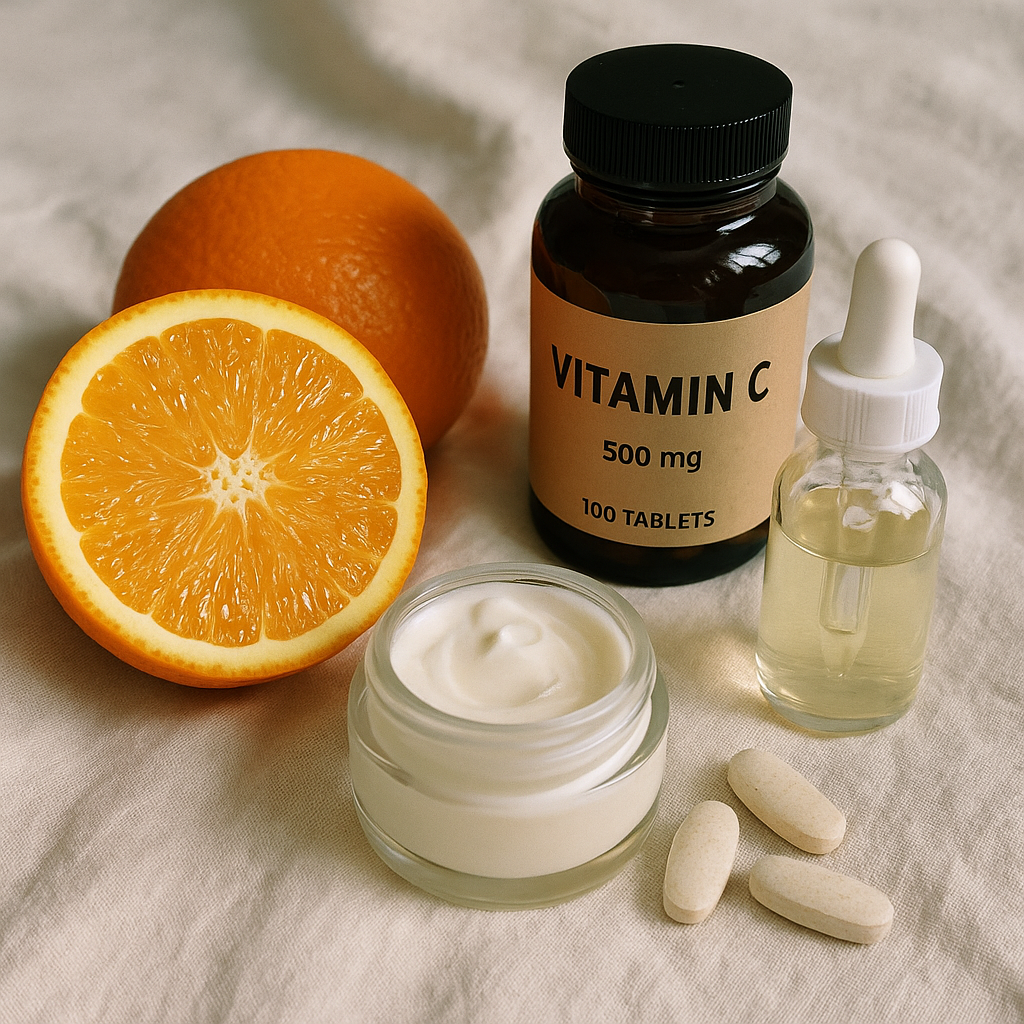
Let’s get this out of the way: vitamin C benefits go way beyond “it’s good for you.” I mean, yeah, obviously — but the real question is how and why it’s good. This stuff is busy behind the scenes, doing dozens of things at once. Immune system, skin, mood, energy... it’s kind of the multitasker we all wish we were.
Benefits of Vitamin C for Immune Resilience
Ah, the classic. Someone in the office starts coughing, and boom — you're chugging orange juice like it's a magical shield. But it’s not just a placebo effect. Vitamin C actually supports the immune system on multiple levels. It stimulates white blood cell production. It enhances their function. And it protects those same cells from dying off too quickly due to oxidative stress.
So yeah, if you're the person who always seems to catch everything — colds, flus, even that weird three-day bug no one else got — it might be worth checking your vitamin C levels. And no, more isn’t always better. Your body only absorbs so much at a time, and the rest? It exits. Fast.
Vitamin C for Skin Brightness, Tone, and Elasticity
Now for the juicy part — vitamin C for skin. If you've ever asked yourself, “What is vitamin C good for, really?”... this is it.
Think brightness, firmness, and bounce. Vitamin C is essential for collagen production, which gives your skin that plump, youthful texture. It also fades dullness and uneven tone by inhibiting melanin production — the pigment that makes dark patches darker.
It’s one of the few ingredients dermatologists and Ayurvedic practitioners both agree on. The only difference? One says “topical serum” and the other says “amla juice.” Both work — use them together, even.
How Vitamin C Helps with Dark Spots and Circles
Alright, real talk: vitamin C for dark spots and vitamin C for dark circles isn’t instant magic, but it's pretty dang effective over time.
Those under-eye shadows? They’re usually due to thin skin, poor circulation, or hyperpigmentation. Vitamin C boosts microcirculation and strengthens capillary walls. That means less pooling of blood and fluid in the delicate under-eye area. As for dark spots? Vitamin C slows down the enzyme (tyrosinase) that leads to melanin overproduction. Bye-bye patchy sun damage.
Pro tip: You can apply a vitamin C serum and eat vitamin C foods. The combo is where the magic happens. It’s like caring for your skin inside and out — literally.
Vitamin C as an Energy Booster and Stress Resilience Support
You didn’t see this one coming, did you? Vitamin C for energy isn’t just about feeling “less tired.” It helps produce carnitine, a molecule that transports fatty acids into mitochondria — the power plants of your cells. No carnitine = no fuel. No fuel = nap time.
Plus, high vitamin C levels correlate with lower cortisol (aka your stress hormone). So if you’re feeling burnt out, foggy, or like even coffee isn’t helping anymore... yeah. Might be time for a citrus salad.
And yes, this applies whether you're a 25-year-old startup junkie or a 60-year-old yoga teacher who still burns the midnight ghee.
Foods High in Vitamin C and How to Use Them
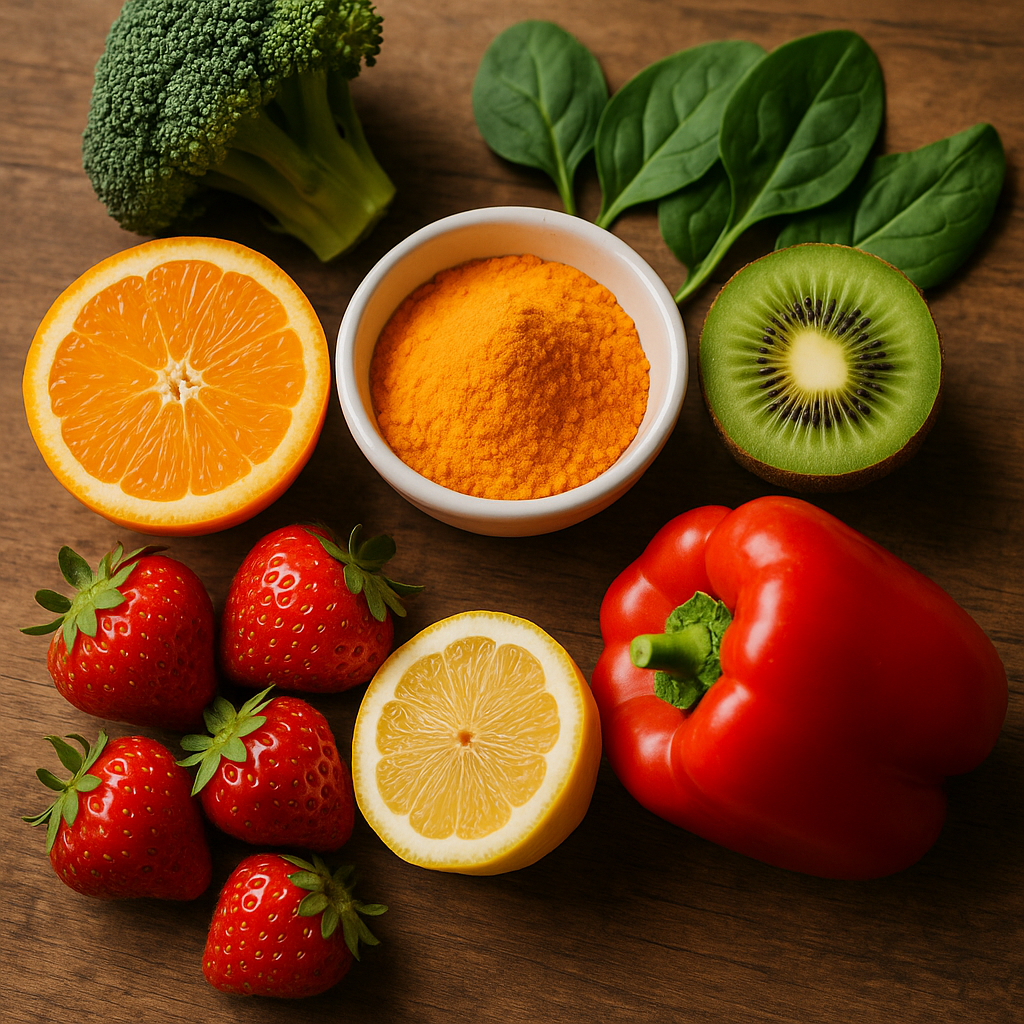
You don’t have to live off oranges to get your daily dose. There’s a whole spectrum of foods high in vitamin C that most people don’t even realize are loaded with it.
Fruits with High Vitamin C Content
Sure, oranges and lemons get all the hype. But you know what packs an even bigger punch? Amla — the Indian gooseberry. Just one little berry contains more vitamin C than most citrus fruits combined. It’s a cornerstone in Ayurvedic medicine, especially in formulas like Chyawanprash, which is basically Rasayana in jam form.
Other solid choices:
-
Kiwi
-
Guava (seriously underrated)
-
Strawberries
-
Pineapple
-
Papaya
They’re vibrant, tangy, and easy to toss in smoothies or eat straight up. No excuses.
Vegetables and Herbs Rich in Vitamin C
This is where it gets interesting. Bell peppers, broccoli, Brussels sprouts, kale, and spinach are loaded with vitamin C — sometimes even more than fruits. And herbs? Cilantro, parsley, thyme — tiny but mighty.
It’s wild how many people think “vitamin C” only means fruit. If you’re eating colorful veggies, you're probably already on the right track.
Ayurvedic Combinations to Boost Absorption
Now here’s where Ayurveda shows off a little. It’s not just what you eat — it’s how you combine it. Vitamin C enhances the absorption of iron, so combining iron-rich foods (like lentils, spinach) with something acidic (like lemon juice or amla) is a total power move.
Also, take note: Ayurveda loves triphalā, and guess what? Amla is one of its three fruits. Taken with warm water before bed, it supports digestion, skin, and — you guessed it — immunity.
Best Practices to Preserve Vitamin C While Cooking
Vitamin C is sensitive. Like, really sensitive. Heat, light, and air break it down fast. So:
-
Steam, don’t boil.
-
Eat raw when possible.
-
Store in dark containers.
-
Avoid cutting citrus and letting it sit too long.
Basically, treat it like your introverted friend who gets overwhelmed easily. Be gentle.
Vitamin C Deficiency and Its Symptoms
So what happens when you’re not getting enough?
Signs of Deficiency: Weak Immunity, Fatigue, Skin Sensitivity
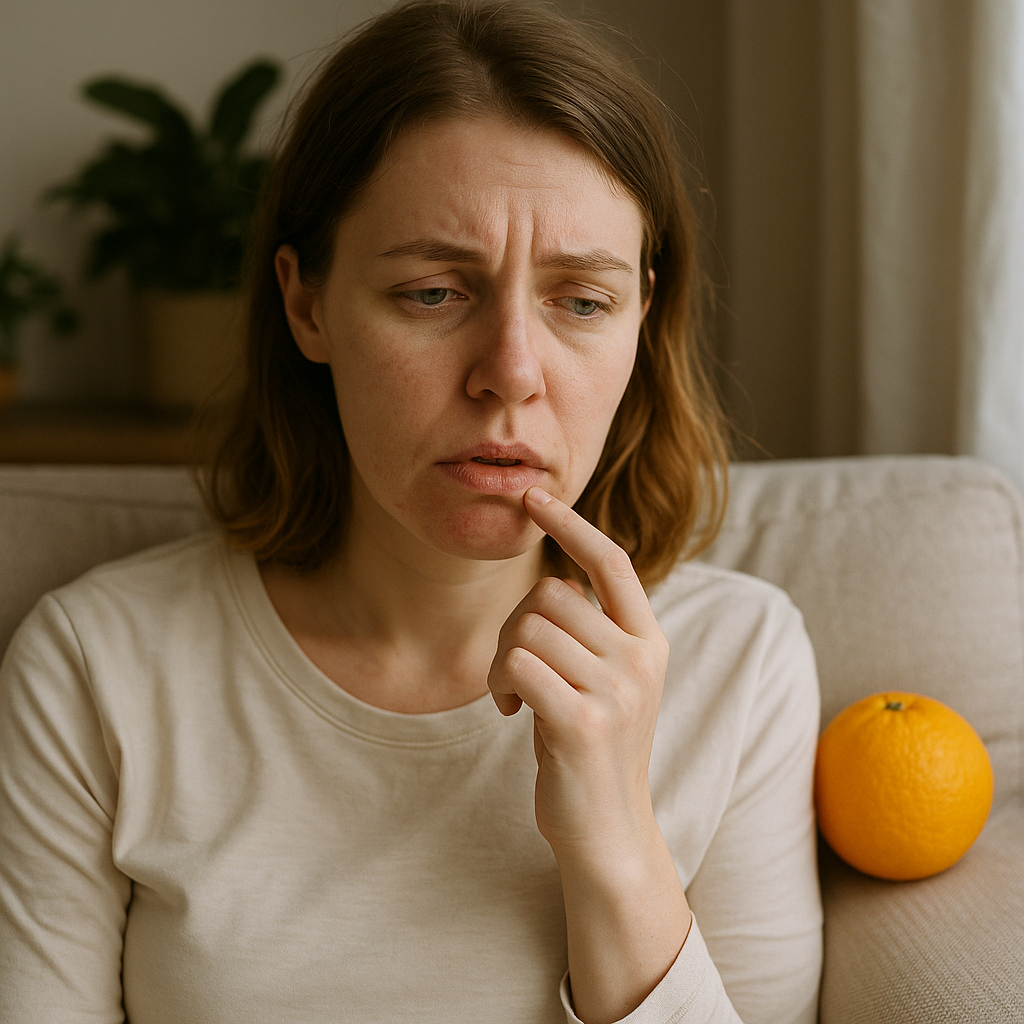
Fatigue. Frequent infections. Dry, rough skin. Bleeding gums. Slow wound healing. If you’re nodding along, you might have a vitamin C deficiency. It’s not always dramatic like scurvy, but even low-grade insufficiency can mess you up.
How Ayurveda Interprets and Addresses Deficiency States
Ayurveda doesn’t say “deficiency,” per se. But it talks about Rasa dhatu depletion (think: your body's vital juices), poor Agni, and disturbed Ojas. All of which tie back to vitamin C-type symptoms.
The approach? Restore digestive fire. Nourish with Rasayanas. Think fresh fruits, herbs, balanced meals, and plenty of hydration. Ayurveda’s not big on pills — it’s about rhythms, routines, and real food.
Chronic Imbalance and Connection to Doshic Disorders
Over time, a chronic lack of vitamin C might aggravate Vata (dryness, fatigue), Pitta (inflammation, skin sensitivity), or Kapha (low immunity, sluggishness). The solution is personalized — but it always starts with food. And maybe a squeeze of lemon.
Conclusion
Alright, so — what is vitamin C for? Basically, everything. Skin, immunity, energy, digestion, stress... even mood. Whether you're sipping lemon water or cooking up some amla chutney, integrating vitamin C foods into your daily rhythm is a ridiculously easy way to feel better, look brighter, and maybe even stress less.
And hey, if your dark circles lighten up along the way? Bonus.
Just don’t overthink it. Start with food. Tune in. Trust your body. That’s the Ayurvedic way.
स्वयं दवा न लें और प्रतीक्षा न करें। अभी डॉक्टर से चैट शुरू करें
FAQs
Is it good to take vitamin C every day?
Yes — but focus on food sources first. Supplements can help, but too much may cause digestive upset.
What is better, vitamin D or C?
They’re not interchangeable. Vitamin C supports immunity and skin; vitamin D helps bones and mood. Ideally, get both.
What is the disadvantage of taking vitamin C every day?
Too much (especially in supplement form) can cause diarrhea, nausea, or kidney stones. Balance is key.
How does Ayurveda suggest combining vitamin C with other nutrients?
Pair with iron-rich foods for better absorption. Combine with warming spices (like ginger) to boost Agni.
उपयोगकर्ताओं के प्रश्न
What are the effects of vitamin C on mood and mental health?
Client_c7eced
23 दिनों पहले
Vitamin C has a notable impact on mood and mental health. Low levels of vitamin C have been linked to feelings of fatigue and depression. Supplementing with vitamin C or increasing dietary intake may improve mood and cognitive function. Observable improvements can occur within a few days to weeks of consistent intake. However, excessive vitamin C can cause digestive problems, so moderation is key. If mood issues persist, consult a healthcare professional. While Ayurveda mentions its rejuvenating properties in relation to vitality, the clinical effects focus on how vitamin C supports neurotransmitter synthesis and antioxidant activity.
How does vitamin C help reduce the appearance of dark circles?
Client_075ea9
28 दिनों पहले
Vitamin C helps reduce the appearance of dark circles primarily through its ability to boost collagen production, which can thicken the skin under the eyes and reduce the visibility of underlying blood vessels. Additionally, vitamin C's antioxidant properties can lighten hyperpigmentation by inhibiting melanin production, addressing any discoloration. Consistent application of a topical vitamin C serum can show results in a few weeks, though improvements are gradual. If dark circles persist despite vitamin C use, consulting a dermatologist for tailored advice is wise.
Can I take vitamin C supplements while on medication?
Client_21b584
33 दिनों पहले
Yes, you can generally take vitamin C supplements while on medication, but it is important to consult with your healthcare provider first. Vitamin C is known to interact with certain medications, such as chemotherapy drugs, statins, and anticoagulants like warfarin, potentially affecting their efficacy or toxicity. Additionally, high doses of vitamin C can increase the risk of kidney stones and gastrointestinal disturbances. To ensure safety and effectiveness, discuss your current medications with a healthcare professional to assess any potential interactions.
How does a vitamin C deficiency affect wound healing in the body?
Client_1b14fb
38 दिनों पहले
Vitamin C deficiency can significantly impair wound healing in the body. Vitamin C is crucial for collagen synthesis, a protein essential for skin repair and wound closure. Without adequate vitamin C, tissue formation slows, leading to prolonged healing times. Signs to watch for include slow-healing wounds, frequent bruising, and dry skin. Consistent intake of vitamin C-rich foods such as citrus fruits, bell peppers, and strawberries can help. If wounds do not show improvement in a typical timeframe of several weeks, consult a healthcare provider to assess vitamin levels and overall health.
How does vitamin C affect collagen production in the body?
Client_2cfac4
43 दिनों पहले
Vitamin C is essential for collagen production because it acts as a cofactor for enzymes that stabilize and cross-link collagen molecules. This helps maintain skin's firmness and elasticity, aiding in wound healing and preventing signs of aging. Without adequate vitamin C, collagen synthesis decreases, leading to symptoms like bleeding gums and slow wound healing. Boost your intake with vitamin C-rich foods like citrus fruits, strawberries, and broccoli. If you're concerned about deficiency or notice persistent skin issues, consult a doctor. Ayurveda appreciates vitamin C for its role in promoting overall vitality, but modern dietary sources and supplements remain the most effective method for maintaining adequate collagen levels.
How does vitamin C contribute to reducing inflammation in the body?
Client_c7c9f4
48 दिनों पहले
Vitamin C contributes to reducing inflammation by acting as an antioxidant that helps to neutralize free radicals, which can damage cells and lead to chronic inflammation. It supports the immune system by enhancing the function of white blood cells that help fight infections and inflammation. Typical sources include citrus fruits, strawberries, and bell peppers. An adequate intake can support overall health, but if inflammation persists, it's crucial to consult a healthcare professional. While Ayurveda mentions natural sources of vitamins, the primary focus should be on a balanced diet rich in antioxidants.
What is the relationship between vitamin C and skin sensitivity?
Client_e2fa38
53 दिनों पहले
Vitamin C plays a crucial role in skin health and can influence skin sensitivity. A deficiency in vitamin C can lead to symptoms such as increased skin sensitivity, dryness, and even signs of premature aging due to its role in collagen production and antioxidant protection. To improve skin sensitivity caused by vitamin C deficiency, increasing your intake through diet (citrus fruits, strawberries, and bell peppers) or supplements can be beneficial. If skin sensitivity persists or you suspect a deficiency, it's important to consult a healthcare provider for a proper diagnosis and treatment plan.
How does vitamin C influence seasonal allergy symptoms?
Client_1ae6f8
58 दिनों पहले
Vitamin C can help alleviate some seasonal allergy symptoms by supporting the immune system. It acts as a natural antihistamine, potentially reducing the release of histamines that trigger allergy symptoms like sneezing and runny nose. Foods high in vitamin C, such as oranges, strawberries, and broccoli, can be effective. Consistent intake over a few weeks can help, although it’s not a quick fix. Notice persistent or severe allergy symptoms as they may require medical attention. Consulting a doctor can ensure proper management and prevent complications.
What are the signs of vitamin C deficiency in adults?
Client_84524c
63 दिनों पहले
The signs of vitamin C deficiency in adults can include fatigue, joint and muscle aches, irritability, and dry, splitting hair. In more severe cases, it can lead to symptoms such as gum disease (gingivitis), poor wound healing, and scurvy, which is rare today. If you're experiencing persistent symptoms, it's essential to see a doctor for a proper diagnosis. A diet rich in fruits and vegetables typically provides adequate vitamin C, but supplements can help correct a deficiency. Always consult with a healthcare provider before starting supplements, especially if you have health conditions or are taking medication.
How does vitamin C support mental clarity and energy levels?
Client_155859
68 दिनों पहले
Vitamin C supports mental clarity and energy levels primarily by aiding in the production of neurotransmitters like dopamine, which affect mood and mental function. Additionally, it helps reduce fatigue and enhance energy by assisting the body in iron absorption, important for preventing anemia-related tiredness. Regular intake from food sources like citrus fruits, berries, or supplements can maintain levels. If symptoms of mental fog or fatigue persist, consult a healthcare professional to rule out underlying deficiencies or conditions.
संबंधित आलेख

Immunodeficiency
सेप्टिलिन सिरप
सेप्टिलिन सिरप की खोज
9,939

Immunodeficiency
How to Cure Jaundice Naturally with Ayurvedic Treatment and Diet
Learn how to cure jaundice naturally with Ayurvedic treatments, healing foods, herbal medicines, and prevention tips. Includes diet plans and remedies for adults
4,017

Immunodeficiency
संशमनी वटी के फायदे, खुराक, सामग्री, साइड इफेक्ट्स
संशमनी वटी के फायदे, खुराक, सामग्री, और साइड इफेक्ट्स की जानकारी
5,892

Immunodeficiency
Autoimmune Disorders And Immunomodulation In Ayurveda
The management of autoimmune disorders presents a significant challenge in modern medicine, as these conditions involve the immune system mistakenly attacking the body’s own tissues, often leading to chronic inflammation and damage.
226,180

Immunodeficiency
घर पर च्यवनप्राश कैसे बनाएं: पारंपरिक रेसिपी और सामग्री
घर पर आयुर्वेदिक सामग्री का इस्तेमाल करके च्यवनप्राश कैसे बनाएं, जानें। पूरी रेसिपी, इसके फायदे और पारंपरिक विधि को क्लासिकल आयुर्वेदिक ग्रंथों के आधार पर खोजें।
14,482

Immunodeficiency
Ayurvedic Treatment for Lupus – Natural Approaches for Managing Lupus Symptoms
Explore Ayurvedic treatment for lupus, including effective herbs, therapies, and lifestyle changes. Discover natural methods to alleviate lupus symptoms and enhance overall well-being.
4,967

Immunodeficiency
आयुर्वेद और जीवनशैली में बदलाव से अपनी इम्युनिटी को प्राकृतिक रूप से बढ़ाएं
आयुर्वेद और जीवनशैली में बदलाव से अपनी इम्युनिटी को प्राकृतिक तरीके से बढ़ाएं
3,106

Immunodeficiency
Septilin Tablet
Exploration of Septilin Tablet
14,366

Immunodeficiency
4 Easy-to-make Immune-Boosting Ayurvedic Drinks
A healthy body and mind make one’s life extremely productive and fulfilling.
4,034
विषय से संबंधित परामर्श
अतिरिक्त दस्तावेज़
© 2026 Ask Ayurveda. सर्वाधिकार सुरक्षित।