आयुर्वेदिक डॉक्टर से प्रश्न पूछें और निःशुल्क या भुगतान मोड में अपनी चिंता की समस्या पर ऑनलाइन परामर्श प्राप्त करें। 2,000 से अधिक अनुभवी डॉक्टर हमारी साइट पर काम करते हैं और आपके प्रश्नों का इंतजार करते हैं और उपयोगकर्ताओं को उनकी स्वास्थ्य समस्याओं को हल करने में प्रतिदिन मदद करते हैं।


Body DetoxEar, Nose, and Throat DisordersGeriatrics & RejuvenationImmunodeficiencyInfertility TreatmentNutritionOrthopedic DisordersPediatricsRespiratory DisordersSexually Transmitted Diseases (STDs)Surgery RecoveryUrological DisordersVascular DisordersDental DisordersEndocrinological DisordersGastrointestinal DisordersYoga TherapyGeneral MedicineAllergic DisordersCardio DisordersGynecology and ObstetricsCosmetologySkin and Hair DisordersEye DisordersInfectious DiseasesMental DisordersNeurological DisordersOncologyPanchakarmaSexual Health & DisordersSports Medicine
पर प्रकाशित 06/03/25
(को अपडेट 08/14/26)
1,408
What Are the 4 Stages of Rheumatoid Arthritis: Progression and Ayurvedic View

Rheumatoid arthritis (RA) is a chronic, autoimmune disorder that affects millions globally. It can be disturbing for your body if not recognized and treated in time. Understanding the 4 stages of rheumatoid arthritis is necessary so that you can detect it early and find long-term ways to manage it. We will be talking abiut the 4 stages of rheumatoid arthritis and we will focus more on early symptoms, its progression, and supportive strategies which will be taken from Ayurveda. Whether you're newly diagnosed or supporting someone with RA, this article with help you inform, empower, and provide you with practical tips which will be a mixture of both modern science and traditional wellness.\
If you recognize the early stages of rheumatoid arthritis, it can significantly affect the outcome in a positive way. Detecting RA slows down the disease progression and also improves the quality of life. Keep reading to know how RA progresses, what symptoms you should watch out and what all stataregies can help manage it effectively.
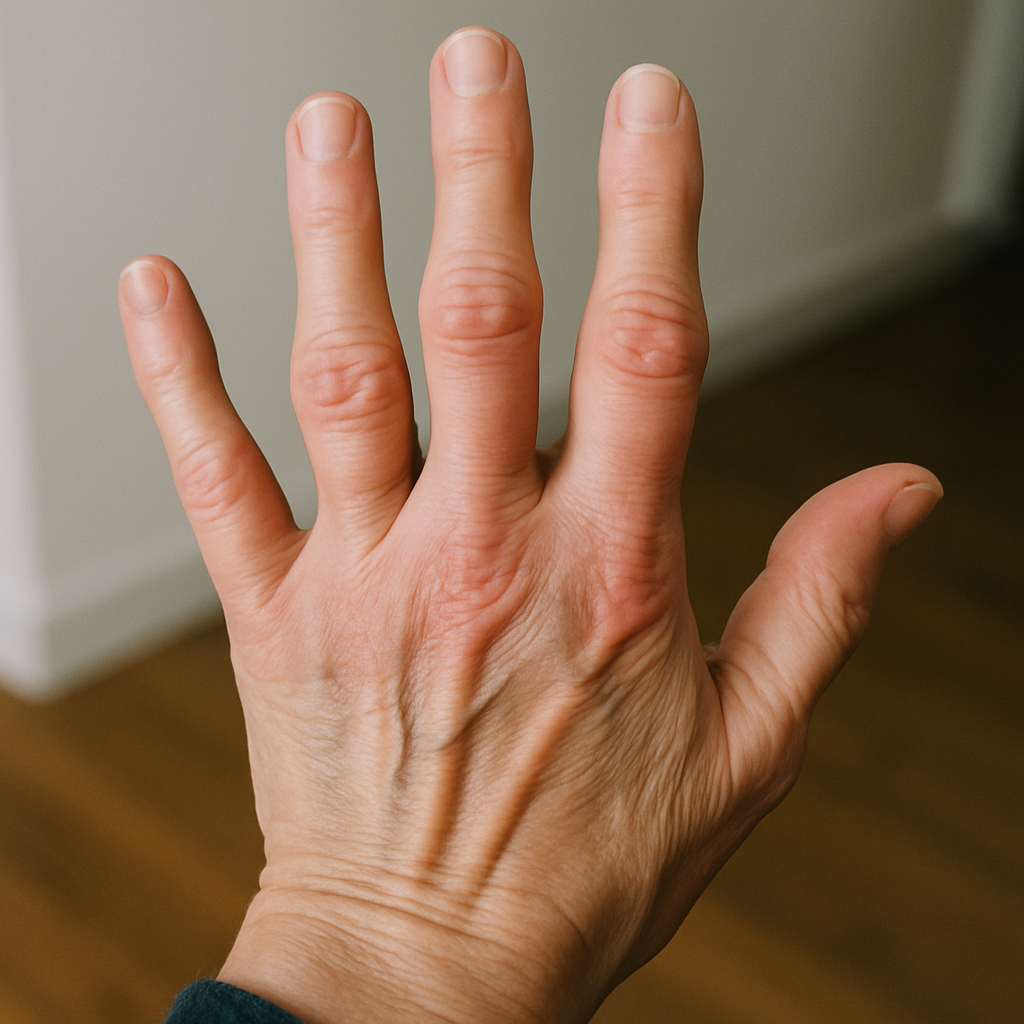
What Is Rheumatoid Arthritis and Beginning Stages
Rheumatoid arthritis is not just a regular type of joint pain, it’s an autoimmune condition where your body’s immune system mistakenly attacks your healthy joint tissues, especially the synovium, which is the lining of the joints. This can cause chronic inflammation that gradually wears down your cartilage, bone, and surrounding structures.
In the initial stages of rheumatoid arthritis, symptoms can be subtle and easily dismissed. Here are some of the most common and early signs of RA:
-
Stiffness in the joints (especially in the morning)
-
Tender or swollen joints, often affecting the fingers and wrists
-
Fatigue or low-grade fever
-
Symmetrical pain (affecting both sides of the body)
One of the most common indicators of early-stage rheumatoid arthritis in the hands is continuous stiffness in the morning, which can last for more than 30 minutes. This pain and stiffness are also accompanied by swelling or sometimes warmth in the finger joints. Early diagnosis and proper care can be greatly helpful in managing rheumatoid arthritis in the hands.
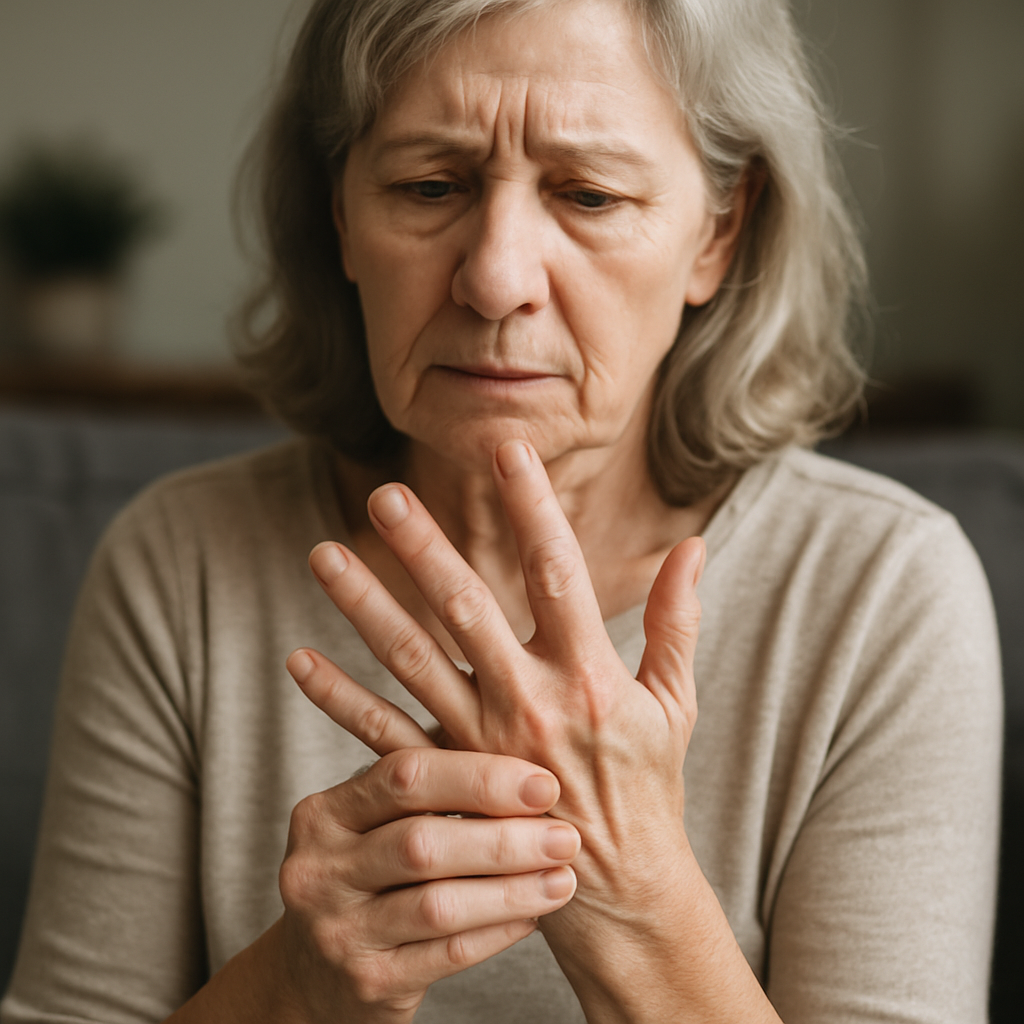
The 4 Stages of Rheumatoid Arthritis
RA doesn’t develop overnight. It evolves through four distinct stages, each with its own set of challenges. Knowing these rheumatoid arthritis stages allows for more targeted treatment and better lifestyle adaptations.
Stage 1 – Early Inflammation and Synovial Swelling
In the first stage, inflammation begins in the synovial membrane—the lining of the joint. While there may be no visible signs on X-rays, the person will often feel stiffness and mild pain, particularly in the morning or after periods of inactivity.
This is when early stage rheumatoid arthritis in hands is most likely to be noticed, due to how frequently and delicately we use our fingers. You might find yourself dropping items, struggling with buttons, or feeling unexpected fatigue in your wrists or knuckles.
Although joint damage has not yet occurred, the immune response is already active. This stage is when treatment has the most potential to halt or even reverse symptoms. Anti-inflammatory medications, lifestyle adjustments, and Ayurvedic practices like detox and joint-nourishing herbs can all be helpful.
Early intervention in the Stage 1 of rheumatoid arthritis is highly necessary. If you leave it unchecked, the inflammation in your joints will start eroding the cartilage, which will further cause more severe symptoms of RA. Fortunately, many people respond well to treatment at this point, and some may even experience remission with consistent care.
Stage 2 – Cartilage Damage and Joint Stiffness
As rheumatoid arthritis progresses into Stage 2, the continuous inflammation starts causing real structural damage, particularly to the cartilage that cushions the ends of the bones within the joints. Unlike Stage 1, X-rays or MRIs may now show some changes in joint composition, although the damage is still considered moderate.
Patients often report increased pain, more noticeable joint swelling, and stiffness that lasts longer and becomes more frequent throughout the day. The early stages of rheumatoid arthritis can still be managed well at this point, but if you delay the intervention, you may risk its progression.
Mobility may start to decline, and daily activities like typing, brushing hair, or climbing stairs become more difficult. Joint function begins to diminish, especially in small joints like those in the hands, feet, and knees.
Stage 3 – Bone Erosion and Reduced Mobility
Stage 3 is where rheumatoid arthritis becomes more visibly and functionally disabling. Your body’s immune system continues to attack the joints, which can cause bone erosion. This means that the bones themselves start deteriorating. This can cause significant loss of cartilage and joint space.
At this point, you might see the following symptoms:
-
Severe pain and swelling
-
Obvious joint deformity
-
Significant reduction in range of motion
-
Muscle weakness around affected joints
The risk of long-term disability increases sharply in this stage. It’s not uncommon for people in Stage 3 to require assistive devices like braces or walking aids. This is often the stage where traditional medication is combined with rheumatoid arthritis self-care and supportive therapies like physical therapy, Ayurveda, or even surgery in extreme cases.
Stage 4 – Joint Deformity and Disability
The final of the 4 stages of rheumatoid arthritis is marked by irreversible joint damage, complete loss of joint function, and often, severe physical disability. In Stage 4, the inflammation may subside somewhat, but the damage left behind is extensive.
Joints may become fused, misaligned, or completely immobile. Daily life is severely impacted, with activities like dressing, bathing, or walking requiring help. At this stage, treatment focuses on pain management, quality of life, and reducing complications.
For many, this stage is emotionally taxing as well as physically debilitating. The good news is that with early and consistent treatment, most people can avoid reaching this stage or significantly delay it.
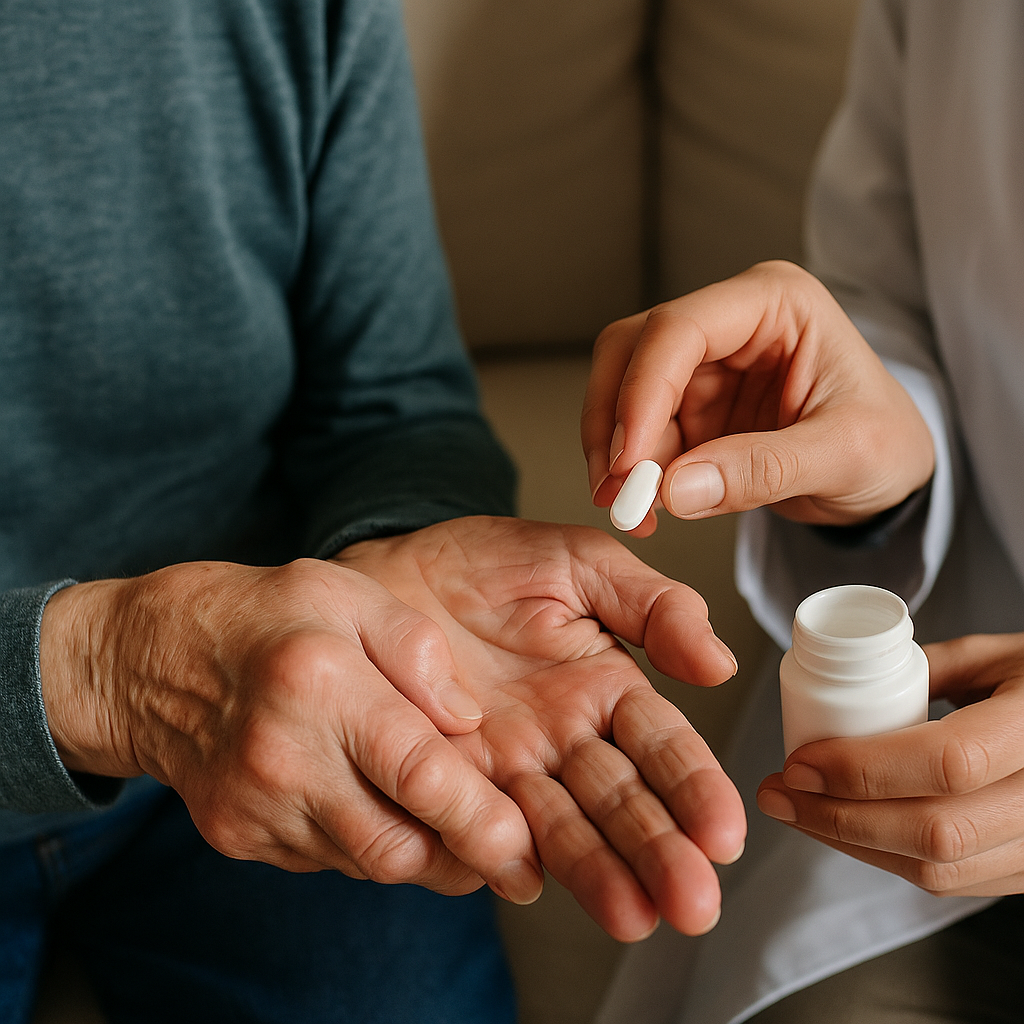
Rheumatoid Arthritis Treatment and Self-Care in Ayurveda
Modern medicine typically addresses rheumatoid arthritis with anti-inflammatory drugs, steroids, and biologics. While these approaches can be effective, they often come with side effects. Ayurveda offers a complementary path that focuses on balancing the body’s internal systems, reducing toxins (ama), and improving immune function naturally.
Herbal Support and Detox (Panchakarma, Rasayana)
Ayurveda views RA as "Amavata"—a condition caused by the accumulation of toxins and impaired digestion (Agni). Ayurvedic treatment begins with detoxification therapies like Panchakarma, which remove toxins from the joints and tissues. Rasayana herbs such as Ashwagandha, Guggulu, and Shallaki are then introduced to reduce inflammation and strengthen immunity.
These herbs have been shown to support joint health and act as natural anti-inflammatories, with minimal side effects when used correctly.
Diet, Lifestyle, and Stress Management for Joint Relief
Diet plays a foundational role in managing rheumatoid arthritis stages, especially when guided by Ayurvedic principles. A personalized anti-inflammatory diet can drastically reduce flare-ups and support digestion and detox. Ayurveda encourages warm, cooked meals that are easy to digest—favoring foods like:
-
Steamed vegetables
-
Moong dal (split mung beans)
-
Warm herbal teas (ginger, turmeric, cumin-coriander-fennel blend)
Consider limiting or avoiding foods that are high in saturated fats, refined sugars, nightshades (like tomatoes and peppers), and red meat. These foods are considered aggravating for people who are experiencing early stage rheumatoid arthritis in hands and other joints.
Stress management is also essential to manage rheumatoid arthritis. Chronic stress can disturb hormonal balance and digestion. Both of these things are essential in RA management. Practices such as gentle yoga (especially somatic or restorative styles), deep breathing, and meditation can help calm down your nervous system and reduce systemic inflammation.
Daily Self-Care for Preventing RA Progression
A daily self-care routine can help support healing and also slow down disease progression. Here are some Ayurvedic and integrative practices that you can consider:
-
Oil massage (Abhyanga): Use warm sesame or medicated oils as they can improve circulation, nourish joints, and reduce stiffness. This is highly beneficial during the beginning stages of rheumatoid arthritis.
-
Joint-friendly movement: Perform gentle yoga poses that focus more on mobility, and not intensity.
-
Consistent sleep schedule: Poor sleep is also linked to increased RA flare-ups. Consider going to bed by 10 p.m. as it helps align with your natural circadian rhythms.
-
Warm baths or compresses: Do this to ease joint pain and improve range of motion.
Combining these practices with proper medical and Ayurvedic care can give you a comprehensive approach to manage rheumatoid arthritis. It enhances the quality of your life while minimizing the need for high doses of pharmaceuticals.
Conclusion
It is very important to understand the 4 stages of rheumatoid arthritis or you won't be able to take timely and informed action. From early stage rheumatoid arthritis in hands to the more severe stages of bone erosion and joint deformity, awareness is the first step toward empowerment.
While modern medicine offers effective treatment options, integrating Ayurvedic principles—like detoxification, anti-inflammatory herbs, mindful diet, and daily self-care—can dramatically support recovery and disease management. The main goal isn’t just to reduce pain, but to create a sustainable lifestyle that supports joint health, energy, and emotional well-being.
It is advised to not wait for symptoms to become severe. Whether you’re in the early stages of rheumatoid arthritis or supporting someone with chronic pain, proper and immediate care makes all the difference. Share this article with someone who might benefit, and take your first step toward holistic healing today.
स्वयं दवा न लें और प्रतीक्षा न करें। अभी डॉक्टर से चैट शुरू करें
FAQs
How quickly does rheumatoid arthritis spread?
RA progression can variy from person to person. For some people, it may advance rapidly within months, while other people may experience a slower progression over years. Early detection and treatment can significantly slow or even halt the disease.
What should you not do if you have rheumatoid arthritis?
It is necessary to avoid high-impact activities, poor sleep habits, inflammatory foods, and skipping prescribed treatments. Stress and a sedentary lifestyle can also worsen your symptoms. Therefore, make sure to focus on joint-friendly movement, a nourishing diet, and consistent medical care.
What food to avoid in rheumatoid arthritis?
There are some of the foods that you should avoid when you have rheumatoid arthritis. These food include processed sugar, refined flour, fried foods, red meat, dairy (if it causes inflammation), and nightshades (like tomatoes, peppers, and eggplant). These can trigger or worsen joint inflammation.
उपयोगकर्ताओं के प्रश्न
What lifestyle changes can improve quality of life with rheumatoid arthritis?
Client_b5123d
26 दिनों पहले
To improve quality of life with rheumatoid arthritis, focus on regular exercise, a balanced diet, stress management, and adequate rest. Exercise such as swimming or yoga helps maintain joint flexibility and reduce pain, while a diet rich in omega-3 fatty acids and antioxidants can help reduce inflammation. Stress reduction techniques, like mindfulness or meditation, can reduce flare-ups. It's also important to quit smoking and regulate alcohol consumption. If symptoms persist despite these changes, consult a healthcare provider for potential medication adjustments or further evaluations.
What natural supplements can help alleviate rheumatoid arthritis symptoms?
Client_2d7d50
36 दिनों पहले
Natural supplements that may help alleviate rheumatoid arthritis symptoms include omega-3 fatty acids, turmeric, and ginger. Omega-3s, found in fish oil, can reduce joint swelling and pain over several months of consistent use. Turmeric contains curcumin, a compound with anti-inflammatory properties, and ginger can also reduce inflammation and pain. However, results vary and supplements should complement medical treatment. Consult a healthcare professional before starting any supplement, and be cautious of interactions with medications.
How can I recognize the signs of joint damage in rheumatoid arthritis?
Client_1872f4
46 दिनों पहले
To recognize signs of joint damage in rheumatoid arthritis, look for persistent pain, noticeable joint swelling, and prolonged stiffness, particularly upon waking or after periods of inactivity. These symptoms often become more frequent as the disease progresses. X-rays and MRIs may reveal changes in joint composition in moderate stages. People with rheumatoid arthritis should regularly monitor these symptoms and consult a healthcare provider to adjust treatment, especially if there's increased pain or functional limitations. Identifying joint damage early allows for targeted treatment to manage pain and improve quality of life.
How does stress impact inflammation in rheumatoid arthritis?
Client_aedfb9
55 दिनों पहले
Stress can worsen inflammation in rheumatoid arthritis by triggering an immune response that increases inflammatory markers like cytokines, leading to heightened joint pain and swelling. Managing stress through techniques such as mindfulness, regular exercise, and adequate sleep can help reduce inflammation. Seek medical attention if symptoms worsen or become unmanageable, as chronic stress can exacerbate disease progression and joint damage. Consulting a healthcare provider can help personalize stress management and medical treatment strategies.
How long does it take for an anti-inflammatory diet to show results for rheumatoid arthritis?
Client_858c4b
65 दिनों पहले
An anti-inflammatory diet can begin showing improvements in rheumatoid arthritis symptoms, such as reduced joint pain and inflammation, in about 2 to 12 weeks. However, the timeline can vary based on individual differences and the extent of disease progression. Key components include omega-3 fatty acids from fish, antioxidants from fruits and vegetables, and limited processed foods. During stages 2 or 3 of rheumatoid arthritis, as described, consistent dietary changes alongside medical treatment may yield more noticeable results. It's essential to consult a healthcare provider to monitor the condition and tailor dietary choices effectively.
Is it safe to combine traditional medication with Ayurveda for rheumatoid arthritis treatment?
Client_d0ce2c
74 दिनों पहले
It can be safe to combine traditional meds and Ayurveda for rheumatoid arthritis, but it's super important to consult with your healthcare provider first! They can help make sure the treatments don't conflict. Ayurveda focuses on balancing doshas and boosting agni which might really help, but you'd need an individualized approach for best results.
Is it normal to feel fatigued when experiencing early signs of rheumatoid arthritis?
Client_561a46
84 दिनों पहले
Yeah, it's pretty normal to feel fatigued when experiencing early signs of rheumatoid arthritis. It's one of those symptoms that can pop up even early on, along with joint stiffness and swelling. Your body is kind of out of balance, so feeling tired's understandable. If it's heavy fatigue though, might be good to check in with a doc for some insight!
What are the common challenges faced by people with advanced rheumatoid arthritis?
Client_52dd29
92 दिनों पहले
With advanced rheumatoid arthritis, common challenges include pain, stiffness, and limited mobility, making it hard to do everyday activities like dressing or walking. Joint damage and bone erosion can lead to deformities, and chronic stress might mess with your hormones and digestion. It varies by person—some progress faster, others slower, but support like braces or walking aids is often needed.
What is an anti-inflammatory diet and how can it help with rheumatoid arthritis?
Client_93fc36
101 दिनों पहले
An anti-inflammatory diet focuses on foods that reduce inflammation like fruits, veggies, nuts, seeds & omega-3 rich foods like fish. For rheumatoid arthritis, it can slow inflammation, ease pain, and improve joint health! Also, cutting out processed foods might benefit, your agni (digestive fire) stays strong, which is key!
Can I drink warm herbal teas for general health benefits, even if I don't have rheumatoid arthritis?
Client_444cfe
111 दिनों पहले
Absolutely, you can totally enjoy warm herbal teas even if you don't have rheumatoid arthritis. They're great for general health because they support digestion, boost immunity, and help balance your doshas. Just remember to choose teas that fit your body type (prakriti) for the best benefits. Hope it helps!
संबंधित आलेख

Orthopedic Disorders
Ayurvedic Treatment for Joint Pain After Chikungunya: Natural Relief and Recovery
Explore effective Ayurvedic treatments for joint pain after chikungunya, including natural remedies, benefits, proper dosage, and scientific evidence supporting holistic recovery.
3,359

Orthopedic Disorders
कासीसादी तैलम के फायदे, उपयोग कैसे करें, सामग्री, साइड इफेक्ट्स
कासीसादी तैलम के फायदे, उपयोग कैसे करें, सामग्री, साइड इफेक्ट्स की जानकारी
2,224

Orthopedic Disorders
Rasna Saptaka Kashaya: Ayurvedic Decoction Explained
Discover the science, benefits, and usage of Rasna Saptaka Kashaya, an Ayurvedic herbal decoction. Learn how it may support joint health and overall wellness.
3,374

Orthopedic Disorders
Ayurvedic Foot Drop Treatment: Natural Mobility Solutions
Explore Ayurvedic treatments for foot drop, including Panchakarma, herbal oils, and nerve-strengthening remedies for improved mobility and nerve repair.
3,158

Orthopedic Disorders
Janu Basti Oil Ingredients – Natural Ayurvedic Oil for Joint Pain & Relief
Explore the key ingredients of Janu Basti oil, a traditional Ayurvedic oil used for joint pain relief, improving flexibility, and promoting overall wellness with its natural, therapeutic properties.
4,446

Orthopedic Disorders
Yograj Guggulu Easy Ayurveda – Simple Ayurvedic Formula for Health & Wellness
Discover Yograj Guggulu Easy Ayurveda, a simplified Ayurvedic formulation known for its detoxifying, anti-inflammatory, and metabolic benefits, promoting overall health and wellness naturally.
3,810

Orthopedic Disorders
What Causes Gout: Ayurvedic Perspective on Pain, Diet, and Healing
What causes gout? Learn Ayurvedic causes, food triggers, and remedies for joint pain. Discover natural gout treatment and home care in Ayurveda
2,618

Orthopedic Disorders
Joint Pain
According to Ayurveda, joint pain results from an imbalance in Vata, the energy responsible for movement.
3,674

Orthopedic Disorders
Navaka Guggulu Benefits – Natural Detoxification & Joint Health
Discover Navaka Guggulu benefits, uses, and how this Ayurvedic formulation supports joint health, reduces inflammation, and promotes overall wellness.
4,234

Orthopedic Disorders
धुर्धुरापत्रादि तेल के फायदे, उपयोग कैसे करें, सामग्री, संदर्भ
धुर्धुरापत्रादि थैलम के फायदे, उपयोग कैसे करें, सामग्री, संदर्भ की खोज
2,700
विषय से संबंधित परामर्श
अतिरिक्त दस्तावेज़
© 2024 Ask Ayurveda. सर्वाधिकार सुरक्षित।