आयुर्वेदिक डॉक्टर से प्रश्न पूछें और निःशुल्क या भुगतान मोड में अपनी चिंता की समस्या पर ऑनलाइन परामर्श प्राप्त करें। 2,000 से अधिक अनुभवी डॉक्टर हमारी साइट पर काम करते हैं और आपके प्रश्नों का इंतजार करते हैं और उपयोगकर्ताओं को उनकी स्वास्थ्य समस्याओं को हल करने में प्रतिदिन मदद करते हैं।


Body DetoxEar, Nose, and Throat DisordersGeriatrics & RejuvenationImmunodeficiencyInfertility TreatmentNutritionOrthopedic DisordersPediatricsRespiratory DisordersSexually Transmitted Diseases (STDs)Surgery RecoveryUrological DisordersVascular DisordersDental DisordersEndocrinological DisordersGastrointestinal DisordersYoga TherapyGeneral MedicineAllergic DisordersCardio DisordersGynecology and ObstetricsCosmetologySkin and Hair DisordersEye DisordersInfectious DiseasesMental DisordersNeurological DisordersOncologyPanchakarmaSexual Health & DisordersSports Medicine
पर प्रकाशित 06/05/25
(को अपडेट 08/14/26)
1,794
Can Sleep Apnea Kill You? The Risks and Ayurvedic Perspective

It’s 2:45 a.m. and you wake up gasping — again. Your partner tells you that you’ve been snoring louder lately. You laugh it off... but should you?
Can sleep apnea kill you? It’s a serious question — and the answer might be more alarming than most people realize. In fact, sleep apnea can kill you if left untreated. We're not trying to be dramatic; the consequences of ignoring this condition range from chronic fatigue to heart disease — and in some cases, sleep apnea death.
So, yes, while it might seem like just annoying snoring or daytime drowsiness, the reality is: sleep apnea kill you if your body keeps struggling to breathe while you're asleep night after night. In this article, we’ll explore how and why — plus we’ll look at how Ayurveda, the ancient healing system of India, offers holistic support to reduce the risk of death from sleep apnea.
Let’s break it down.
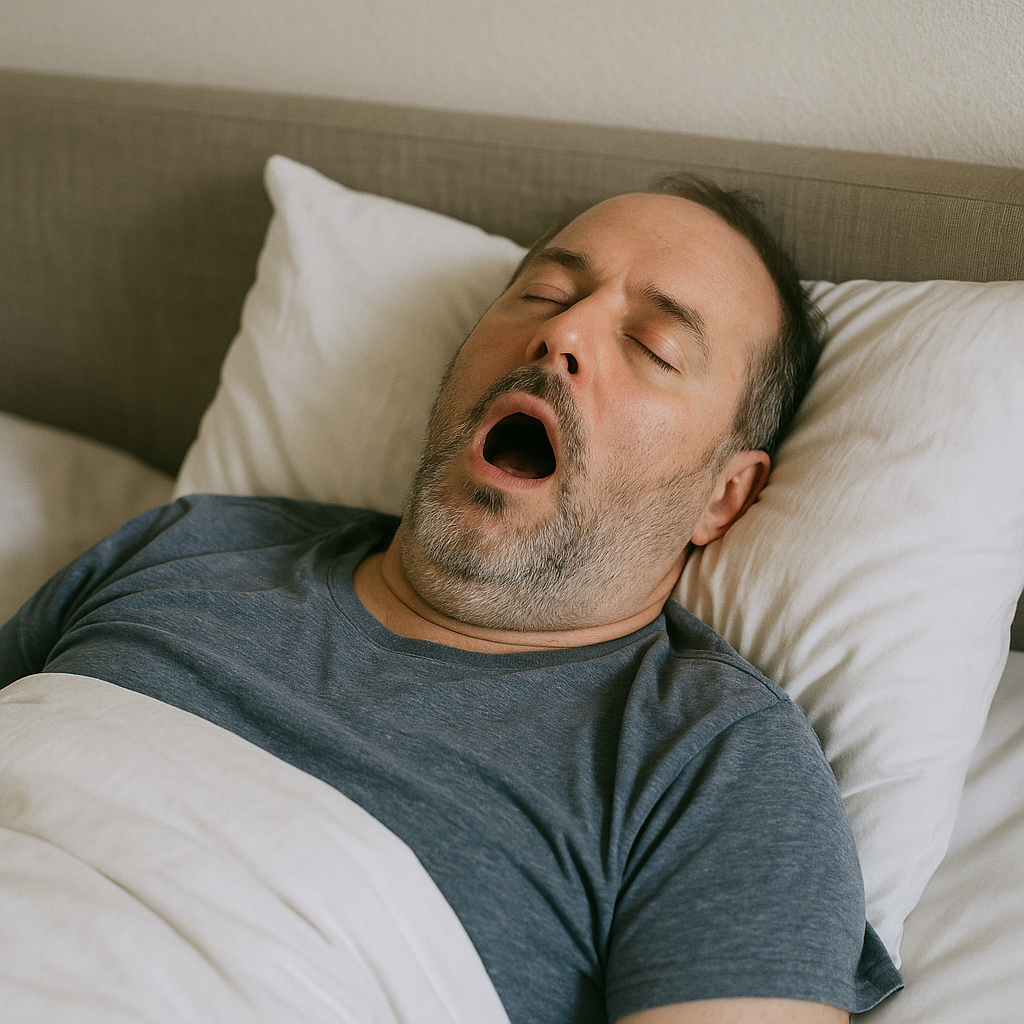
What Is Sleep Apnea and How It Affects the Body
Sleep apnea is a disorder in which breathing repeatedly stops and starts during sleep. The most common form, obstructive sleep apnea (OSA), happens when throat muscles intermittently relax and block the airway. The brain wakes the body up briefly to restore airflow — often without you even knowing.
Sounds harmless? It’s not.
These breathing interruptions can occur hundreds of times a night. Your body is literally fighting for air, over and over. And the lack of oxygen puts intense strain on your heart, brain, and other organs. People with untreated sleep apnea often wake up feeling exhausted, irritable, and mentally foggy — even after “sleeping” for 7-8 hours.
And over time, the damage adds up.
Can Sleep Apnea Kill You?
This is where the topic gets real.
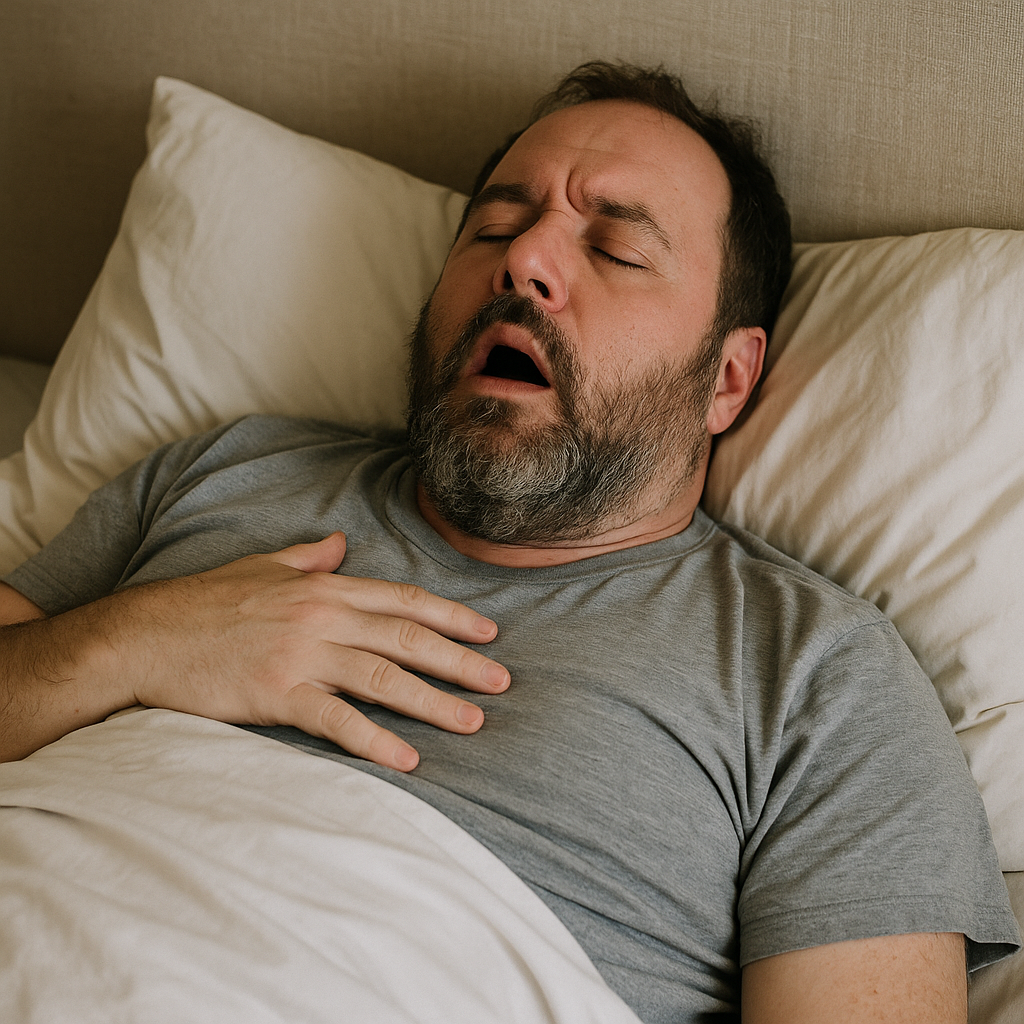
Let’s just say it plainly: sleep apnea can kill you. Or rather, the complications from untreated apnea can lead to life-threatening consequences. And yes, people can die from sleep apnea in their sleep — though it’s not always reported that way on death certificates.
Why? Because the final straw might be a stroke or a heart attack. But behind that is often the chronic stress and oxygen deprivation caused by severe, unmanaged apnea.
Sleep Apnea and Cardiovascular Complications
The heart doesn’t like being oxygen-starved.
People with moderate to severe sleep apnea are at significantly higher risk of high blood pressure, irregular heartbeat (arrhythmia), and congestive heart failure. Over time, these conditions can become fatal. So if you've been wondering whether sleep apnea kill you, the link to cardiovascular issues alone makes the answer a strong yes.
In fact, studies show people with untreated sleep apnea are two to three times more likely to suffer a stroke or die from heart disease.
Sleep Apnea Death Statistics and Medical View
While exact numbers vary, estimates suggest that sleep apnea death plays a role in tens of thousands of fatalities per year in the U.S. alone. The tricky part is many of these deaths are coded under related conditions, like sudden cardiac arrest or stroke. But apnea lurks behind the scenes.
It's sobering to consider that someone might die from sleep apnea without ever being formally diagnosed. Many people live with it for years, dismissing the snoring, the fatigue, the brain fog. The signs are there, but they go unnoticed... until it’s too late.
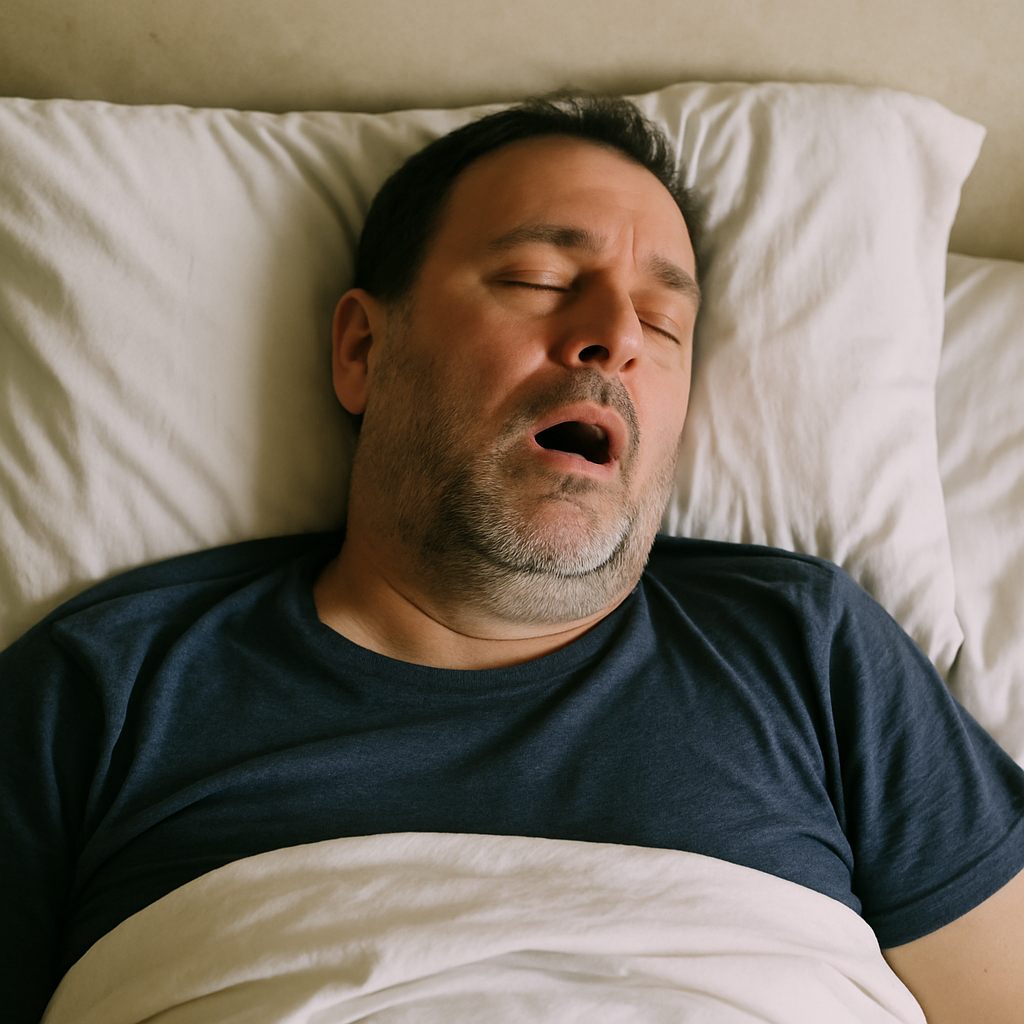
Ayurvedic Treatment to Prevent Sleep Apnea Complications
While modern medicine offers CPAP machines and surgical options, many people are turning to holistic and natural approaches for managing chronic conditions — including sleep apnea. Ayurveda, the ancient Indian system of medicine, views sleep as one of the three pillars of health (alongside diet and lifestyle). That’s big.
From an Ayurvedic lens, sleep apnea is often linked to an imbalance in kapha and vata doshas. Blocked channels (srotas), poor digestion, and weak respiratory strength may all contribute to the condition. Thankfully, there are ancient tools — still effective today — that can help reduce the burden on your body and support better, safer sleep.
Breathing Practices and Cleansing Herbs
Pranayama, or yogic breathing, is more than just deep inhales. It can retrain the nervous system, strengthen lung capacity, and reduce inflammation. For someone living with sleep apnea, daily practice of alternate nostril breathing (nadi shodhana), bhramari (humming bee breath), and ujjayi can help soothe erratic breath patterns and restore calm to the body at night.
Ayurveda also leans heavily on cleansing herbs that support the respiratory tract and remove toxins. Pippali (long pepper), vasaka (malabar nut), haritaki, and licorice root are classic herbs used to open airways, clear excess mucus, and support lung function. These herbs, often found in formulations like Sitopaladi Churna, may not directly “cure” sleep apnea, but they can improve overall breathing — and that matters.
If you’re wondering, can these really help if sleep apnea can kill you? — they don’t replace medical intervention, but they can complement it.
Lifestyle, Weight Management, and Nasya Therapy
Weight gain is a major risk factor in sleep apnea — particularly obstructive sleep apnea. Ayurveda places great importance on ahara (diet) and vihara (lifestyle) for maintaining a healthy body composition. Eating lighter dinners, avoiding heavy dairy and fried foods at night, and finishing meals 3 hours before bed can dramatically improve sleep quality.
And here’s something you might not have heard of: Nasya therapy. This involves administering herbal oils through the nasal passage. Sounds odd? Maybe. But it's been practiced for thousands of years. Nasya helps to lubricate the sinuses, reduce inflammation, and open the breathing channels. Many Ayurvedic practitioners recommend a light nasya treatment before bed for individuals who snore or struggle with nighttime breathing.
By combining these strategies, individuals not only sleep better — but possibly also avoid the dire risks of sleep apnea death symptoms that can sneak up unnoticed.
Creating a Sleep-Supportive Routine for Longevity
Ayurveda isn’t just about pills and powders. It’s a lifestyle. A good night’s sleep begins before your head hits the pillow.
-
Go to bed by 10 p.m., when the body's natural melatonin levels begin to rise.
-
Avoid screens and loud noises an hour before sleep (yes, even that addictive true crime podcast).
-
Drink calming teas like chamomile or tulsi.
-
Practice self-massage with warm sesame oil to calm the nervous system.
These might sound simple, but they add up. When combined with breathing practices, diet, herbs, and modern support tools, you create a multi-layered defense against the worst-case scenario: sleep apnea die in sleep.
Conclusion
So — can sleep apnea kill you?
Yes, it absolutely can. Not in the horror-movie-jump-scare kind of way, but in the quiet, creeping, long-term-damage kind of way. Sleep apnea kill you by slowly wearing down your cardiovascular system, starving your body of oxygen, and increasing your risk of stroke, heart failure, and yes, even sudden death in sleep.
But here's the hopeful part: it doesn’t have to end that way.
By recognizing the signs early, taking a combined approach of modern diagnostics and ancient healing (like Ayurveda), and committing to real lifestyle shifts, you can dramatically lower the risks. Sleep apnea death symptoms don't have to be your story — but you do have to act. Whether it’s finally getting that sleep study, losing that stubborn 15 pounds, or just shutting off your phone before bed — it all matters.
Because here's the truth: death from sleep apnea is preventable in many, many cases.
Share this article with someone who snores, feels tired all the time, or thinks sleep apnea is “no big deal.” You might just save a life.
FAQs
What is the life expectancy for sleep apnea?
If untreated, sleep apnea can shorten your lifespan by 8 to 10 years or more due to its link to heart disease, stroke, diabetes, and high blood pressure. With proper treatment, however, people with sleep apnea can live long, healthy lives. The key is early diagnosis and consistent management — don’t ignore it.
What is the best position for sleep apnea?
Sleeping on your side is generally best, especially the left side. Back-sleeping tends to worsen symptoms because the tongue and soft tissues can fall back, blocking the airway. Some people even use positional therapy devices or body pillows to help train side-sleeping. If you’re unsure, try recording yourself sleeping (we know, kinda weird) to see what triggers more apneas.
Can surgery fix sleep apnea?
In some cases, yes. Procedures like UPPP (uvulopalatopharyngoplasty), tonsillectomy, or jaw advancement can help by removing or tightening tissues that obstruct the airway. However, surgery isn't a cure-all and may not work for everyone. It’s usually considered after other treatments, like CPAP or lifestyle changes, haven't worked or aren’t tolerated.
उपयोगकर्ताओं के प्रश्न
What are the main risks associated with untreated sleep apnea?
Client_002129
26 दिनों पहले
Untreated sleep apnea carries significant risks, including increased chances of high blood pressure, heart disease, stroke, diabetes, and accidents due to daytime fatigue. People with untreated sleep apnea may also experience memory issues and difficulty concentrating. Long-term effects can compound, escalating into serious health complications or even becoming life-threatening. It is crucial to consult a healthcare professional if you suspect sleep apnea to explore diagnosis and treatment options such as CPAP therapy or lifestyle changes. Addressing this condition early can prevent these potential risks and improve overall health and lifespan.
How does sleep apnea affect blood pressure and cardiovascular health?
Client_fa3fbb
36 दिनों पहले
Sleep apnea significantly affects blood pressure and cardiovascular health by causing intermittent drops in blood oxygen levels, leading to increased strain on the heart and blood vessels. This can exacerbate or contribute to hypertension, increasing the risk of heart disease and stroke. Effective treatments like CPAP therapy, lifestyle changes, and in some cases, surgery can help manage the condition and reduce cardiovascular risks. If untreated, complications such as sudden cardiac arrest may occur. Consult a doctor for diagnosis and appropriate treatment if you suspect sleep apnea.
How can sleep apnea impact my overall health and well-being?
Client_f3ac64
45 दिनों पहले
Sleep apnea can have significant impacts on your overall health and well-being. It can lead to daytime fatigue, cardiovascular issues like hypertension and heart disease, and even increase the risk of type 2 diabetes. Common symptoms include loud snoring, interruptions in breathing during sleep, and waking up gasping for air. Treatment might include lifestyle changes, continuous positive airway pressure (CPAP) devices, or oral appliances. If left untreated, it can increase the risk of serious health conditions, so consult a doctor if you suspect sleep apnea. Lifestyle practices like pranayama can complement but not replace medical treatments.
What lifestyle factors can help improve sleep quality in sleep apnea patients?
Client_49514e
55 दिनों पहले
To improve sleep quality in sleep apnea patients, the most effective lifestyle changes include maintaining a healthy weight, adopting a regular sleep schedule, exercising regularly, and avoiding alcohol and smoking. Weight loss can help reduce airway obstruction. Breathing exercises and elevating the head during sleep can also be beneficial. Sleep on your side, as it can prevent airway collapse. If symptoms persist, consult a healthcare professional to explore treatment options such as CPAP therapy. Adjustments based on Ayurveda can support traditional management approaches.
How can chronic sleep apnea increase the risk of heart disease?
Client_8e2425
64 दिनों पहले
Chronic sleep apnea can increase the risk of heart disease through repeated episodes of lowered oxygen levels and disruptions in sleep. These interruptions cause stress on the cardiovascular system, leading to elevated blood pressure, increased heart rate variability, and inflammation. Over time, these factors may contribute to conditions like hypertension, arrhythmias, and even heart failure. Symptoms to watch for include excessive daytime fatigue, loud snoring, and episodes of breathing cessation during sleep. If you suspect sleep apnea, consult a doctor for diagnosis and possible sleep study; effective treatments like CPAP therapy can significantly reduce the risk of heart-related issues.
Can I still have a good night's sleep with sleep apnea if I use a CPAP machine?
Client_41156f
74 दिनों पहले
Yes, you can have a better night's sleep using a CPAP machine if you have sleep apnea, it helps keep your airway open. While it's not an ayurvedic approach, using a CPAP can positively impact your doshas by reducing stress and improving your body's rest. Pairing it with calming herbal teas like chamomile or lavender oil might help too! 🤗
Can surgery provide a permanent solution for chronic sleep apnea?
Client_823966
83 दिनों पहले
Surgery can sometimes provide a solution, but it varies from person to person. It might help by opening up the airway, but it’s not always a permanent fix. Other treatments, lifestyle changes or even herbal support might be needed to manage it effectively over time. It's good to consult with a specialist who can guide you better on this.
Can I use herbal remedies to prevent sleep apnea complications like heart attack?
Client_259099
92 दिनों पहले
Herbal remedies like Sitopaladi Churna can help improve breathing, which might indirectly support your heart health, but they won't directly prevent complications like heart attacks from sleep apnea. It's best to also follow medical advice, like using a CPAP machine or other treatments recommended by your doctor for addressing sleep apnea directly. Always remember to look at your dosha balance, and overall lifestyle too!
What herbs and breathing techniques can help improve sleep quality for sleep apnea?
Client_87f879
101 दिनों पहले
For sleep apnea, try Brahmi and Ashwagandha herbs—they're often used for calming the mind and improving sleep. Pranayama techniques like Nadi Shodhana (alternate nostril breathing) can balance breath and relax the nervous system. Just be sure to check with your doctor before starting any new regimen, especially if the condition is severe.
Is it normal to feel tired during the day if I have sleep apnea?
Client_82d75c
110 दिनों पहले
Yeah, feeling tired during the day is pretty common if you have sleep apnea. It's cause your sleep is constantly getting interrupted, making it hard to reach those deep, restful sleep stages. Managing things like weight and trying therapies like Nasya could help a bit, but always best to consult a doctor!
संबंधित आलेख

General Medicine
दशमूल कषायम: फायदे, खुराक, साइड इफेक्ट्स, सामग्री
डशमूल कषायम की खोज: फायदे, खुराक, साइड इफेक्ट्स, सामग्री
5,336
General Medicine
Gruhadhoomadi Choornam: Ayurvedic Formula for Digestive Wellness
Learn about Gruhadhoomadi Choornam, a potent Ayurvedic herbal powder that supports healthy digestion and overall vitality. Discover its traditional benefits for balancing your body.
2,584

General Medicine
संजीवनी वटी के फायदे, खुराक, सामग्री, और साइड इफेक्ट्स
संजीवनी वटी के फायदे, खुराक, सामग्री और साइड इफेक्ट्स की जानकारी
5,342

General Medicine
Shiva Gutika Uses Dose Side Effects And Ingredients
Exploration of Shiva Gutika Uses Dose Side Effects And Ingredients
5,957

General Medicine
Yuvatyadi Tailam: Herbal Oil for Women’s Health and Vitality
Discover Yuvatyadi Tailam, an Ayurvedic herbal oil for rejuvenation and wellness. Learn about its traditional uses, key ingredients, application methods, and precautions to promote balanced health.
3,621

General Medicine
Sadhaka Pitta: Understanding its Role in Mind-Body Balance
Explore the science behind Sadhaka Pitta, its health implications, and evidence-based insights. Learn how it influences emotional well-being and cognition.
3,397

General Medicine
खदिरादि वटी
खदिरादि वटी की खोज
3,192

General Medicine
Apamarg Kshar Uses: Evidence-Based Ayurvedic Insights
Discover apamarg kshar uses, backed by research and Ayurvedic tradition. Learn its benefits, preparation, and safety tips for holistic well-being.
3,379

General Medicine
रक्त पाचक वटी के उपयोग: शरीर को डिटॉक्स करें, खून को शुद्ध करें और मेटाबॉलिज्म को समग्र रूप से बढ़ाएं!
जानें कैसे रक्त पाचक वटी, एक आयुर्वेदिक उपाय, खून को शुद्ध करने, त्वचा की सेहत सुधारने और समग्र स्वास्थ्य को बढ़ावा देने में मदद करती है।
6,269

General Medicine
प्रसारिणी तेल के फायदे, उपयोग करने का तरीका, सामग्री, साइड इफेक्ट्स
प्रसारिणी थैलम के फायदे, उपयोग करने का तरीका, सामग्री, और साइड इफेक्ट्स की जानकारी
2,239
विषय से संबंधित परामर्श
अतिरिक्त दस्तावेज़
© 2024 Ask Ayurveda. सर्वाधिकार सुरक्षित।