आयुर्वेदिक डॉक्टर से प्रश्न पूछें और निःशुल्क या भुगतान मोड में अपनी चिंता की समस्या पर ऑनलाइन परामर्श प्राप्त करें। 2,000 से अधिक अनुभवी डॉक्टर हमारी साइट पर काम करते हैं और आपके प्रश्नों का इंतजार करते हैं और उपयोगकर्ताओं को उनकी स्वास्थ्य समस्याओं को हल करने में प्रतिदिन मदद करते हैं।


Body DetoxEar, Nose, and Throat DisordersGeriatrics & RejuvenationImmunodeficiencyInfertility TreatmentNutritionOrthopedic DisordersPediatricsRespiratory DisordersSexually Transmitted Diseases (STDs)Surgery RecoveryUrological DisordersVascular DisordersDental DisordersEndocrinological DisordersGastrointestinal DisordersYoga TherapyGeneral MedicineAllergic DisordersCardio DisordersGynecology and ObstetricsCosmetologySkin and Hair DisordersEye DisordersInfectious DiseasesMental DisordersNeurological DisordersOncologyPanchakarmaSexual Health & DisordersSports Medicine
पर प्रकाशित 06/16/25
(को अपडेट 08/13/26)
7,829
How to Make Abhyanga Oil at Home: Ayurvedic Massage Guide

If you've ever wondered how to make abhyanga oil at home or questioned what ingredients actually go into a high-quality ayurvedic massage oil, you're not alone. With the rise of holistic self-care and the revival of ancient wellness traditions, more people are rediscovering the powerful benefits of abhyanga — a deeply nourishing, daily oil massage rooted in Ayurveda. This guide is your practical go-to for making and using abhyanga oil at home, complete with a recipe, tips, and the science-backed advantages of incorporating this practice into your routine.
We'll dive into abhyanga oil benefits, its traditional roots, and the best abhyanga oil ingredients to match your dosha type. Whether you're new to Ayurveda or already smearing sesame oil on your body like a pro, this article will help you elevate your self-care game and feel more grounded, inside and out.
What Is Abhyanga and Why It’s Important in Ayurveda
Meaning and Role of Abhyanga in Daily Routine
Abhyanga (pronounced uhb-yung-uh) isn’t just a fancy term for a massage. In Ayurveda, it's considered a core part of dinacharya, or daily routine — almost as essential as brushing your teeth. This therapeutic practice involves massaging warm, herb-infused oil all over the body. The goal? To balance the doshas (Vata, Pitta, and Kapha), promote circulation, calm the nervous system, and keep skin youthful and vibrant.
In fact, some ancient Ayurvedic texts suggest doing abhyanga daily. Not just when you're stressed or sore, but every single morning before your shower. It's not always realistic (let’s be honest), but even doing it 2-3 times a week can make a big difference.
Abhyanga Oil Benefits for Body, Mind, and Skin
You might be wondering: why go through the effort of learning how to make ayurvedic massage oil at home when you can buy something off the shelf? The answer’s in the benefits. Homemade oil is personalized, free from synthetic chemicals, and tailored to your specific dosha.
Here are a few standout abhyanga oil benefits:
-
Boosts circulation and helps detoxify the lymphatic system.
-
Calms anxiety and promotes better sleep.
-
Moisturizes dry skin, reduces flakiness, and slows signs of aging.
-
Supports muscle recovery and reduces fatigue or stiffness.
And on a deeper level? Regular abhyanga can help bring a sense of presence and calm into your everyday life. It's not just body care — it's soul care. (Cheesy? Maybe. But it’s true.)
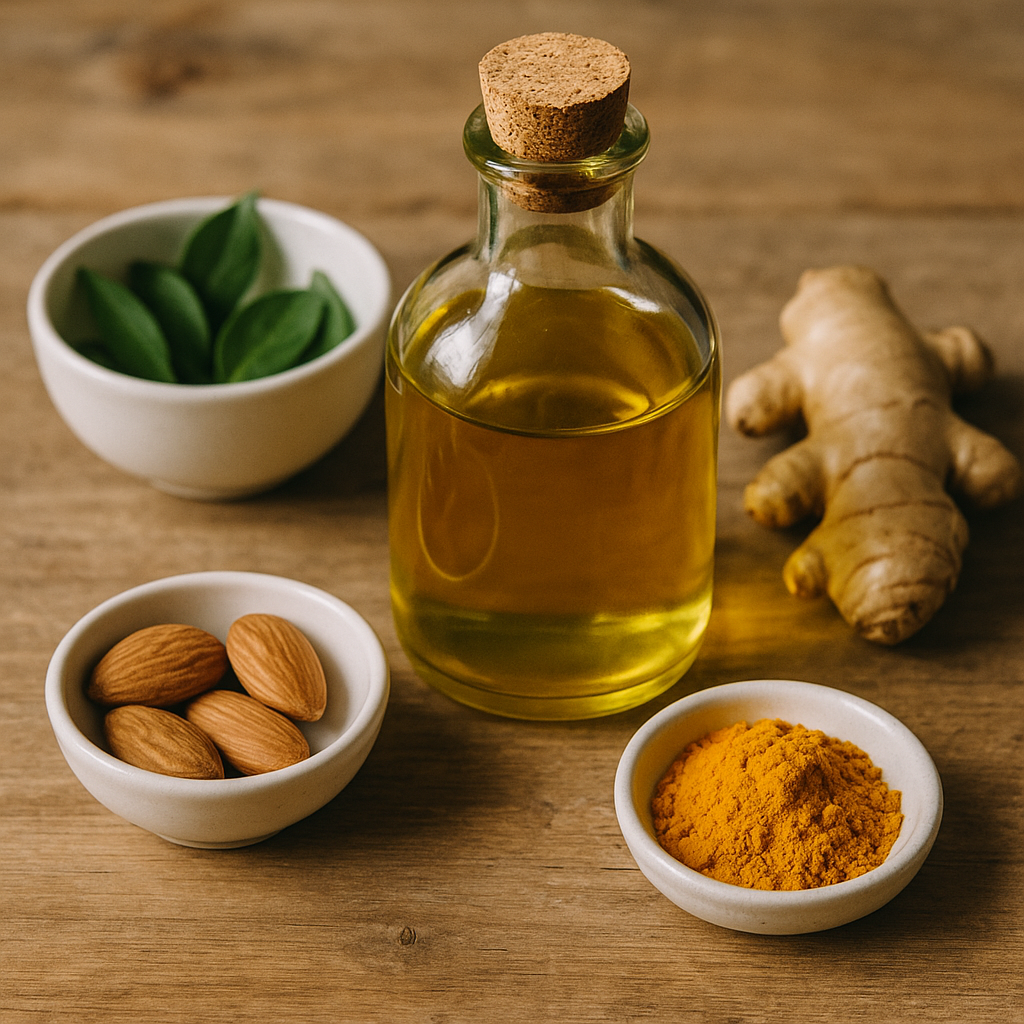
What Oil to Use for Abhyanga by Dosha Type
So, you’re on board with the practice. Now you're probably asking: what oil to use for abhyanga?
Different doshas require different oils to stay balanced. Here’s a super basic guide:
-
Vata (air + space): Use warm, heavy oils like sesame or almond. They’re grounding and warming, perfect for dry or anxious folks.
-
Pitta (fire + water): Cooling oils such as coconut or sunflower are ideal. They soothe inflammation and heat in the body.
-
Kapha (earth + water): Lighter oils like mustard or flaxseed stimulate circulation and prevent stagnation.
Feeling ambitious? You can mix oils to suit your dual-dosha constitution. A little trial-and-error goes a long way here — don’t stress about perfection.
Common Herbs and Ingredients in Abhyanga Oil
When creating your abhyanga oil recipe, consider these Ayurvedic herbs to level up the healing power:
-
Ashwagandha – rejuvenates and strengthens muscles.
-
Brahmi – calms the mind, great for mental clarity.
-
Turmeric – anti-inflammatory, ideal for skin.
-
Neem – antifungal and antibacterial.
-
Manjistha – supports lymphatic detox and brightens the skin.
You can either add these in powdered form during the oil-prep stage or get them as herbal extracts. Just make sure to strain properly afterward — gritty oil isn’t the vibe.
Safety Tips for Sensitive or Allergic Skin
Before you dive into your DIY adventure, a quick but important note: test the oil on a small patch of skin first. Just because it’s natural doesn’t mean it’s irritation-free. Everyone’s skin is different. Especially when using strong herbs or essential oils, sensitivity can pop up unexpectedly. Also, if you're using homemade abhyanga oil on children or during pregnancy, it's always best to consult with a trained Ayurvedic practitioner.
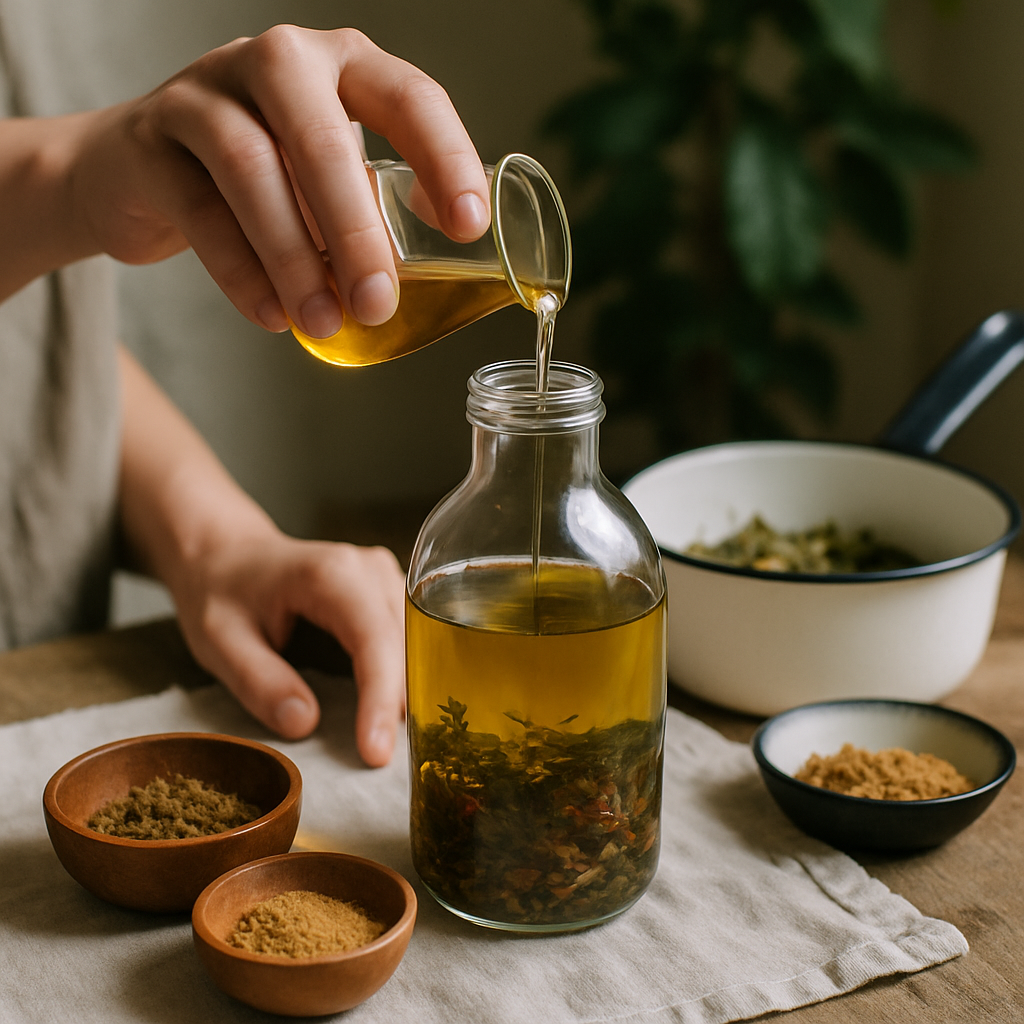
How to Make Abhyanga Oil at Home
So now that you’re ready to make your own Ayurvedic massage oil, let’s walk through the process. Making abhyanga oil at home might sound complicated at first, but it’s surprisingly simple once you get the hang of it. Plus, the smell of warm herbs and oils filling your kitchen? Kind of magical. Way better than most store-bought stuff, to be honest.
Abhyanga Oil Recipe: Ingredients and Quantities
Here’s a basic abhyanga oil recipe that you can customize based on your dosha or what you have on hand. These quantities make about 200ml of oil, which should last 2–3 weeks with regular use.
Base Oil (choose based on your dosha):
-
100ml Sesame oil (good for Vata)
-
or 100ml Coconut oil (good for Pitta)
-
or 100ml Mustard oil (good for Kapha)
Herbs (use any combo of these, or others depending on your needs):
-
1 tsp Ashwagandha powder
-
1 tsp Turmeric powder (careful—it stains!)
-
1 tsp Manjistha powder
-
1/2 tsp Neem powder (optional, it has a strong scent)
-
1 tsp Brahmi powder
Optional:
-
A few drops of essential oils like lavender or frankincense for aroma
-
Vitamin E oil for skin nourishment
These are commonly used abhyanga oil ingredients, but feel free to experiment. Ayurveda is big on personalization, so trust your instincts. Just avoid dumping in everything at once — too many strong herbs can make the oil harsh.
Step-by-Step Instructions for Preparing the Oil
Alright, let’s make your oil. Grab a saucepan, a sieve or muslin cloth, and a clean glass bottle or jar for storage.
-
Warm the base oil over low heat. Don’t boil it — you just want it gently heated.
-
Add your chosen herbs and stir. Keep the heat low and let the mixture simmer for about 30–40 minutes. Stir occasionally.
-
If you see bubbling or any weird smell, reduce the heat. You’re aiming for slow infusion, not deep frying your herbs. (Been there... not ideal.)
-
Once the oil turns darker and aromatic, remove it from the heat and let it cool slightly.
-
Strain it through a cheesecloth or fine strainer into a clean bowl or directly into your storage jar.
-
Add any essential oils or vitamin E if you like, then seal the jar and label it with the date.
That’s it — your DIY abhyanga oil is ready!
Store it in a cool, dry place away from sunlight. It should stay good for a month or two. If it starts smelling off or weirdly sticky, it’s time to toss it and make a new batch.
स्वयं दवा न लें और प्रतीक्षा न करें। अभी डॉक्टर से चैट शुरू करें
How to Use Abhyanga Oil for Massage
Knowing how to use abhyanga oil is just as important as making it. The technique and timing can seriously affect how effective the whole thing is — and how relaxed you feel afterward.
Daily Routine and Timing for Best Results
Traditionally, abhyanga is done in the morning before your shower. It’s meant to wake up the body, stimulate the lymph system, and prepare you mentally for the day.
But honestly? Life’s hectic. If your only window is a nighttime wind-down, that’s still way better than not doing it at all. Just don’t apply it right before bed unless you plan to rinse it off — otherwise, your sheets are going to be, uh… permanently moisturized.
Application Method: Head to Toe
Start with a small amount of warm oil (you can heat it in a double boiler or just rub it between your hands).
-
Scalp first — massage in circular motions.
-
Face and ears — gentle strokes, avoid getting oil in your eyes.
-
Neck and shoulders — use upward and outward strokes.
-
Arms and legs — long strokes along the limbs, circular over joints.
-
Abdomen and chest — clockwise circles over the belly; gentle strokes on the chest.
Massage for at least 10–15 minutes, longer if you’ve got the time. The more regular the routine, the more you’ll notice the benefits.
How Long to Keep the Oil Before Bathing
After the massage, let the oil sit for 15–30 minutes. Use that time to meditate, do breathwork, or even just chill with a book or podcast. Let the oil soak in and work its magic. Then shower using mild soap — or if you’re hardcore, just warm water to retain more of the oil's moisture.
Conclusion
Creating and using your own abhyanga oil at home isn't just about following some old Ayurvedic tradition — it's about reclaiming slow, intentional care in a world that constantly rushes us. Whether you’re drawn in by the physical perks (smoother skin, better sleep, relaxed muscles) or the deeper emotional grounding, abhyanga oil benefits are far-reaching.
When you take the time to learn how to make ayurvedic massage oil at home, you not only avoid unnecessary chemicals found in commercial products, but you also create something entirely unique to you. Your body, your dosha, your healing.
To recap real quick:
-
Choose your abhyanga oil ingredients based on your dosha and specific needs.
-
Use a base oil (like sesame, coconut, or mustard), simmer with herbs, and strain well.
-
Apply warm oil from head to toe, wait 15–30 minutes, then rinse with a warm shower.
-
Make it a regular part of your routine — even just twice a week can make a difference.
Oh, and don’t forget — your first batch might not be perfect. The herbs might clump, or you might forget to strain it properly (been there, done that). No big deal. You’ll get better at it, and your body will thank you for even trying.
Give it a shot, share your experience, and maybe even invite a friend to join you in the practice. This isn’t just about skincare — it’s self-connection.
FAQs
How often should I do abhyanga with homemade oil?
Ideally, daily — especially in the morning. But realistically? Start with 2 to 3 times a week and see how your body responds. If you're dealing with stress, insomnia, or dryness, doing it more often can really help.
Can abhyanga oil be used for head massage?
Absolutely, yes. In fact, Ayurvedic head massage (shiro abhyanga) is incredibly beneficial. Just remember to use a smaller amount (so you don’t end up drenched), and let it soak in for at least 20 minutes before washing. Sesame or Brahmi-infused oils are great choices for calming the mind.
How long can I store homemade abhyanga oil?
If stored in a clean, airtight glass jar away from direct sunlight and moisture, your homemade abhyanga massage oil should last around 4 to 6 weeks. Adding vitamin E oil or essential oils with natural preservative qualities (like tea tree or lavender) can extend shelf life a bit longer.
If the oil smells funky, changes texture, or looks cloudy — toss it and whip up a fresh batch.
Final Thoughts
If you’ve made it this far, you now know not only how to make abhyanga oil at home, but how to personalize it, use it effectively, and make it a legit part of your self-care routine. The beauty of this practice isn’t in getting it perfect — it’s in doing it at all.
So why not try it today? Set aside 30 minutes this week, gather your abhyanga oil ingredients, and give yourself the kind of care that doesn’t come in a rush. Trust me, your nervous system will thank you.
उपयोगकर्ताओं के प्रश्न
What ingredients should I avoid when making abhyanga oil?
Client_53e5b7
9 दिनों पहले
When making abhyanga oil, avoid synthetic fragrances and essential oils that can cause skin irritation, such as cinnamon or citrus oils, especially if you have sensitive or allergic skin. Additionally, steer clear of heavy oils that may clog pores, like mineral oil. Using natural, high-quality base oils like sesame or almond oil is usually safe, but always perform a patch test on a small area of skin before full application. If you experience redness or itching, discontinue use and consult a dermatologist.
How to choose the right herbs for abhyanga oil?
Client_bff3b5
19 दिनों पहले
To choose the right herbs for abhyanga oil, focus on the specific benefits you're seeking. For instance, if you want calming and anti-inflammatory properties, consider using herbs like lavender or chamomile. To invigorate and stimulate circulation, ginger or rosemary might be beneficial. Generally, infuse herbs in warm oil for about 30–40 minutes, ensuring the temperature remains low to preserve their properties. Always be cautious of skin sensitivities and discontinue use if irritation occurs. If unsure, consult a healthcare provider to tailor the oil to your needs.
What is the significance of timing in performing abhyanga?
Client_a32a2c
28 दिनों पहले
Performing abhyanga, or self-massage, in the morning before your shower is significant because it allows the oil to nourish the skin effectively and can invigorate your body for the day ahead. This timing is part of the Ayurvedic daily routine, or "dinacharya," serving both body and mind by promoting relaxation, improved circulation, and detoxification. Ideally, let the oil sit for about 15 to 30 minutes before showering to maximize benefits. If you have skin conditions or any medical concerns, consult a healthcare professional to tailor abhyanga for your needs.
How long should I let abhyanga oil absorb before showering?
Client_8f5e88
38 दिनों पहले
You should allow abhyanga oil to absorb into your skin for a minimum of 15-20 minutes before showering. This duration helps maximize the benefits, such as improved circulation and nourished skin. If your schedule allows, you can leave the oil on for up to an hour for deeper absorption. Be mindful of any skin irritation, as this may indicate sensitivity to the oil. If you experience any adverse reactions or have specific skin concerns, consult a healthcare professional for personalized advice.
Can I mix different types of oils for abhyanga to target multiple dosha imbalances?
Client_c0bc7b
47 दिनों पहले
Yep, you can definitely mix different oils for abhyanga to balance multiple dosha imbalances. Just make sure they complement your dosha needs. Like, sesame oil's great for Vata while coconut can cool Pitta. Experiment nd see how your body feels. Your skin and mind will totally love it! 😊
Can I use abhyanga oil on my baby's skin safely?
Client_e58320
57 दिनों पहले
You can use abhyanga oil on your baby's skin, but it's super important to be cautious. Babies have super sensitive skin, so it's best to consult with a trained Ayurvedic practitioner first, they can guide you on suitable ingredients and ensure it's safe for your little one. Hope that helps!
What is the best time of day to do abhyanga for maximum relaxation benefits?
Client_a7b1e0
66 दिनों पहले
Best time for abhyanga is usually in the morning before your bath, but really anytime that fits your schedule is good. Mornings are great for boosting energy and agni for the day. But if your only slot is nighttime, that's okay too; it’s super relaxing to unwind before bed. Regular routine really maximizes benefits!
How to properly heat abhyanga oil without damaging its beneficial properties?
Client_e4cbf9
75 दिनों पहले
Just heat the oil gently on a low flame. You want it just warm, not hot. Keep an eye on it, if you see bubbling or it smells off, turn the heat down. You can also use a double boiler for more control, or even a warm water bath, so it's never too hot. It helps keep the herbal goodness intact.
Can I use abhyanga oil on my hair, and what benefits would it provide?
Client_d8e454
84 दिनों पहले
Yes, you can totally use abhyanga oil on your hair! It nourishes the scalp, strenghthens the hair roots, and can promote healthier, shinier hair. Just warm it slightly and massage into your scalp before washing. Keep in mind though, the type of oil matters, depends on your dosha - sesame for vata, coconut for pitta, etc. Enjoy the pampering!
Is it safe to do abhyanga every day, or should I take breaks?
Client_a261ff
94 दिनों पहले
It’s generally safe to do abhyanga every day if your body feels good with it, like your daily rejuvenation moment. But it's good to listen to your body; if it feels too oily, sticky, or like it's too much, then take a break every once in a while. Try adapting it to your dosha needs too—Vata types often benefit from daily abhyanga, while Kapha may need it less often.
संबंधित आलेख

Body Detox
What to Eat (and Avoid) If You’ve Got a Pitta Body Type
But here’s the kicker: all that inner heat needs balance. And that’s where a Pitta body type diet, rooted in the wisdom of Ayurveda, becomes more than just a food list. It becomes a lifestyle. A way of cooling the flames without dimming the light.
5,297

Body Detox
Ayush Kwath Powder: How to Use It, Benefits, and Daily Dosage
Explore Ayush kwath powder uses. Learn the correct dosage, benefits, uses, and ingredients of Ayush kwath powder and how to prepare it at home for immunity
3,566

Body Detox
Phalatrikadi Kwath – Benefits, Dosage, Ingredients, Side Effects
Exploration of Phalatrikadi Kwath – Benefits, Dosage, Ingredients, Side Effects
3,438

Body Detox
गोपीचंदनादी गुलिका के फायदे, खुराक, साइड इफेक्ट्स, उपयोग और सामग्री
गोपीचंदनादी गुलिका के फायदे, खुराक, साइड इफेक्ट्स, उपयोग करने का तरीका और सामग्री की खोज
3,528

Body Detox
पंच निम्बा चूर्ण के फायदे, खुराक, सामग्री, साइड इफेक्ट्स
पंच निम्बा चूर्ण के फायदे, खुराक, सामग्री, और साइड इफेक्ट्स की जानकारी
2,897

Body Detox
What Is Ojas in Ayurveda and Why It Matters for Health
What is ojas in Ayurveda? Learn the meaning of ojas, how it’s defined, its role in health and vitality, and why ojas is key to immunity and inner strength
7,392

Body Detox
विरेचन उपचार: आयुर्वेदिक तरीके से शरीर की सफाई का गहन विश्लेषण
Virechana पंचकर्म थेरेपी में से एक है — ये क्लासिकल आयुर्वेद में पांच मुख्य शुद्धिकरण प्रक्रियाओं में से एक है। ये सिर्फ "लैक्सेटिव लेना" और अच्छे की उम्मीद करना नहीं है। ये एक सावधानीपूर्वक योजना बनाई गई, निर्देशित और व्यक्तिगत प्रक्रिया है जिसका उद्देश्य शरीर से अतिरिक्त तत्वों को साफ करना है।
6,341

Body Detox
Eating for Balance: The Real Deal on a Vata Body Type Diet
The first time I heard the phrase “Vata body type,” I thought it sounded like a yoga teacher's excuse for always feeling cold and needing extra snacks. I didn’t take it seriously — not until I hit a period in my life where everything felt... scattered. My
3,600

Body Detox
Vyoshadi Vatakam Benefits, Dose, Side Effects, How to Use, Ingredients
Exploration of Vyoshadi Vatakam Benefits, Dose, Side Effects, How to Use, Ingredients
3,212

Body Detox
Vimliv Syrup: Benefits, Dosage & Science-Backed Insights
Discover the proven benefits, proper dosage, side effects, and scientific research behind Vimliv Syrup, the powerful Ayurvedic liver tonic.
3,195
विषय से संबंधित परामर्श
अतिरिक्त दस्तावेज़
© 2024 Ask Ayurveda. सर्वाधिकार सुरक्षित।