Can We Take Allopathy and Ayurvedic Medicines Together Safely?

Can we take allopathy and ayurvedic medicines together? It’s a question more people are asking as they seek balanced, holistic approaches to health. And honestly, it's a good one. Ayurveda vs allopathy — two totally different systems of healing — often get pitched against each other. But must they really be at odds? Or is there a way for these ancient and modern systems to coexist?
In today’s world, where lifestyle diseases are common and stress is basically an unpaid roommate, more individuals are exploring how to integrate ayurveda and allopathy. They're curious whether it’s safe or even beneficial. So, this article dives deep into the allopathy vs ayurveda debate, breaks down the difference between ayurveda and allopathy, and offers real, practical insights into how — and when — they can be used together.
Let’s get into it.
Ayurveda and Allopathy
Ayurveda vs Allopathy: Principles and Approach
When we look at ayurveda vs allopathy, the contrast is immediately obvious — not just in treatment methods, but in philosophy.
Ayurveda is an ancient medical system that originated in India over 5,000 years ago. It’s built on the idea of balance — specifically the balance of bodily energies known as doshas (Vata, Pitta, and Kapha). This system places a strong emphasis on natural remedies, daily routines, diet, herbal formulations, and spiritual wellbeing. Treatment is personalized and aims to identify and correct the root causes of illness.
Allopathy, also known as modern or Western medicine, operates quite differently. It uses scientifically tested medications, diagnostic tools, and surgeries to treat specific symptoms or diseases quickly and effectively. The approach is more standardized and tends to focus on immediate results and symptom suppression, especially in emergency or acute care situations.
So basically, ayurveda takes the scenic route — offering holistic, slow-building health improvements — while allopathy gets straight to the point with rapid intervention, often relying on pharmaceuticals and technology.
Key Differences Between Ayurveda and Allopathy
When comparing the difference between ayurveda and allopathy, several aspects stand out.
First, there's the origin: ayurveda has deep cultural roots in India, while allopathy developed primarily in the West through modern science. In terms of focus, ayurveda treats the whole person, not just the disease, while allopathy zeros in on the illness itself.
The tools each uses also vary a lot. Ayurveda leans on herbs, oils, dietary rules, detox processes like Panchakarma, and yoga-based practices. Allopathy relies on medications, surgeries, and lab diagnostics. Ayurveda is often slower to act but designed to work in harmony with the body's natural rhythms. Allopathy, on the other hand, aims for fast relief — but it might come with side effects or risks from long-term use of meds.
Neither system is inherently better. Which one works "best" often depends on what you're dealing with — a stomach bug, chronic inflammation, high blood pressure, or just good ol’ burnout. So, is ayurveda better than allopathy? That’s not really the right question. It’s more about context and compatibility.

Can We Use Allopathy and Ayurveda Together?
What Modern Experts and Vaidyas Say
Surprisingly, the answer to can we use allopathy and ayurveda together is often “yes — but with caution.” According to integrative health experts and experienced vaidyas (Ayurvedic practitioners), combining the two systems can offer the best of both worlds, as long as it's done mindfully.
Modern doctors are slowly warming up to the idea too. Some are beginning to explore integrative clinics where both systems collaborate to offer more rounded care.
Still, it's not a free-for-all. Just ‘cause it’s herbal doesn’t mean it can’t interact with your meds. That’s a common myth — and sometimes a dangerous one.
When Combining May Help (Chronic Illness, Recovery, Stress)
There are specific cases where combining both systems may actually be the smarter move. For example:
-
Chronic diseases like arthritis, diabetes, or IBS, where modern drugs control symptoms, but Ayurveda supports long-term wellness.
-
Post-illness recovery, especially after surgery or infections, where Ayurvedic herbs help detox and rebuild strength.
-
Stress and anxiety, where allopathy may offer short-term medication while Ayurveda addresses root imbalances with adaptogens, meditation, or breathwork.
So yeah, it's not about choosing sides. It's about what works best for you — and when.
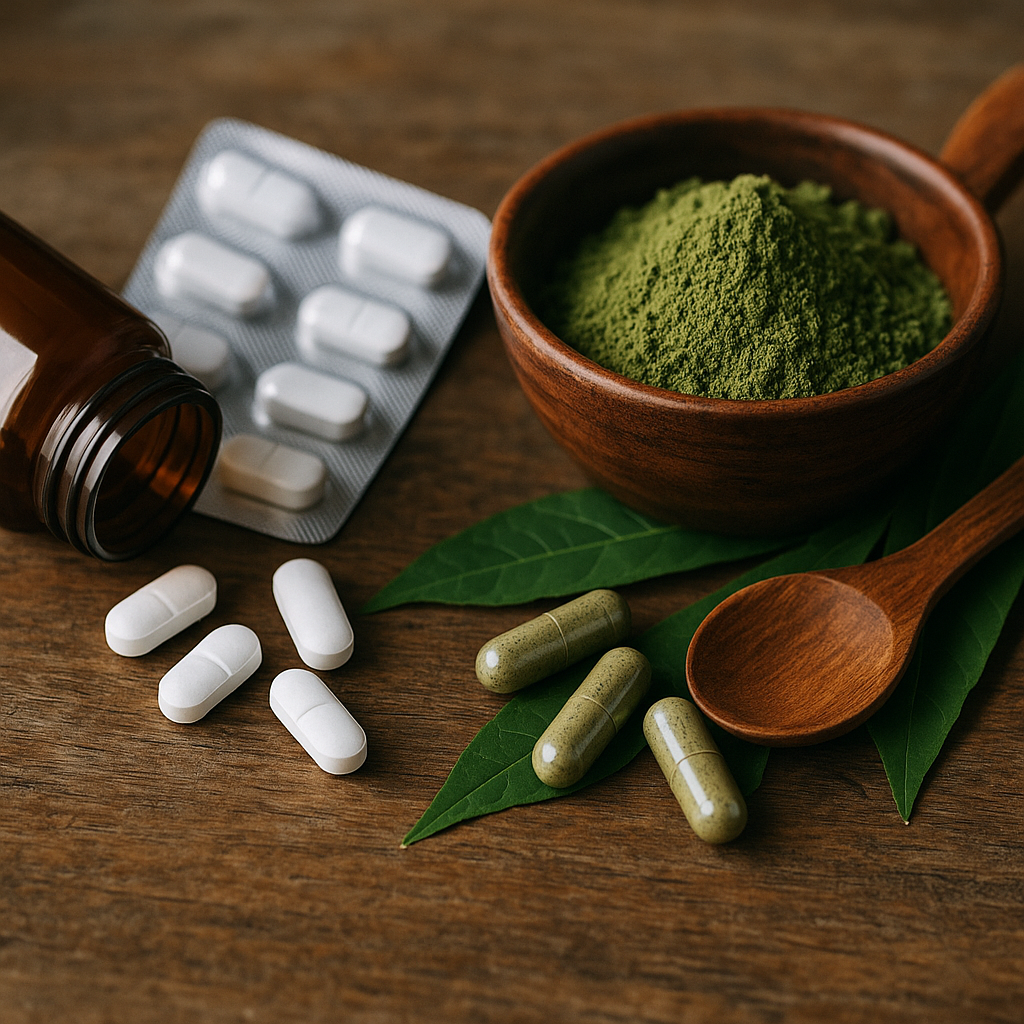
Safety Guidelines for Taking Both Allopathy and Ayurvedic Systems Together
While it might seem like a great idea to combine the best of both worlds, there are important precautions to keep in mind when you're mixing ayurveda and allopathy. It’s not always a matter of just popping some ashwagandha with your antibiotics, you know?
Situations Where Caution Is Needed (Drug Interactions, Detox)
First and foremost, not all herbs play nicely with pharmaceuticals. Some Ayurvedic remedies, especially potent ones like guggul, triphala, or certain metal-based bhasmas, may interact with common allopathic drugs — like blood thinners, diabetes medication, or antidepressants. These interactions can either reduce a drug’s effectiveness or, worse, amplify side effects.
Also, keep in mind that some Ayurvedic treatments work as detoxifiers. That sounds great — who doesn’t want a cleanse, right? — but if you're also taking strong meds, a detox can flush them out too early or interfere with how they're absorbed in the body. So if you're undergoing Panchakarma or similar therapies, don’t do it while you’re on essential prescription meds unless your doctor or vaidya gives the green light.
Bottom line? Combining the two without supervision is not a DIY experiment. You don’t wanna end up playing pharmacist with your own health.
How to Create a Balanced Protocol if You Use Both Systems
So then, how do you use both without messing up your system?
Start by letting all your healthcare providers know what you're taking. If you're on blood pressure meds, and suddenly you start an Ayurvedic herbal mix without telling your doc, things can get messy real quick. And likewise, your Ayurvedic practitioner should know about any allopathic drugs you're on — even if it’s "just a vitamin" or over-the-counter stuff. Transparency matters.
Another good idea? Space them out. If you're taking Ayurvedic meds and allopathy on the same day, try to leave a gap of at least 2 to 3 hours between them. That gives your body time to process each one properly, reducing the chance of overlap or interaction.
It’s also smart to keep a journal — jot down what you took, when, and how you felt. It’s low-tech but super helpful. Over time, you might start to notice patterns, like, “Oh, every time I take that herb with my evening pill, I feel dizzy.” That kinda info is gold.
And remember: just because something is natural doesn’t mean it’s always safe. Arsenic and snake venom are natural, too — but you wouldn’t exactly brew tea with ‘em.
Conclusion
So… can we take allopathy and ayurvedic medicines together? Yes — but not blindly. The whole ayurveda and allopathy combo is like mixing oil and water: it can work, but only if you know what you’re doing (or someone else does). Understanding the difference between ayurveda and allopathy is key before you even think about combining them.
Neither system is inherently better. If you’ve been wondering, is ayurveda better than allopathy? — the truth is, it’s not a competition. Ayurveda shines when it comes to long-term, root-cause healing and lifestyle support. Allopathy, on the other hand, is a champ in emergencies and for acute care.
The best part? With the right guidance, you don’t have to choose. You can find a rhythm that lets both support your well-being — especially for chronic illness, post-surgery recovery, or just the everyday stress that life flings your way.
Oh, and one last thing: always, always talk to your doctor and/or vaidya before making changes to your regimen. Self-medicating, even with herbal stuff, is a slippery slope (no matter what your neighbor's cousin's yoga teacher swears by).
FAQs
Can we take Ayurvedic and Allopathic medicines on the same day?
Yes, you can — but with care. It’s best to take them at different times, with at least 2–3 hours between doses. This helps avoid unwanted interactions and gives each medicine time to absorb properly. Make sure both your doctors know what you’re taking so they can help you avoid overlaps or risks.
Is Ayurveda better than Allopathy for chronic diseases?
It depends on the condition and the individual. Ayurveda often provides deeper, long-term support for chronic issues like arthritis, IBS, or lifestyle-related stress — especially through diet, herbs, and lifestyle shifts. But allopathy can offer quicker relief and symptom control. So really, a combined approach often works best.
Are there known interactions between herbs and pharmaceuticals?
Absolutely, yes. Some herbs can either boost or block the effects of pharmaceutical drugs. For instance, turmeric can thin the blood (which could be dangerous if you’re already on blood thinners), and licorice may raise blood pressure. That’s why it’s crucial to consult with a professional trained in both systems if possible.
Final Thoughts
Combining ayurveda and allopathy doesn’t have to be confusing or risky — but it does require awareness, communication, and a bit of humility. You’re not expected to figure it all out on your own.
If you're considering blending the two, find a practitioner who understands both sides (they do exist, by the way). And start small. Listen to your body. Track what works. You don’t need to go all in or make drastic changes overnight. Healing is a process, not a checklist.
💬 Liked this article? Share it with someone who needs clarity on the ayurveda vs allopathy debate. And if you're curious to learn more about personalized, integrative healthcare approaches, consider signing up for our wellness newsletter — packed with tips, science-backed advice, and zero fluff.
आयुर्वेदिक डॉक्टर से एक प्रश्न पूछें और मुफ़्त या सशुल्क मोड में अपनी चिंता की समस्या पर ऑनलाइन परामर्श प्राप्त करें।
2,000 से अधिक अनुभवी डॉक्टर हमारी साइट पर काम करते हैं और आपके प्रश्नों की प्रतीक्षा करते हैं और प्रतिदिन उपयोगकर्ताओं को उनकी स्वास्थ्य समस्याओं को हल करने में मदद करते हैं।
संबंधित आलेख