आयुर्वेदिक डॉक्टर से प्रश्न पूछें और निःशुल्क या भुगतान मोड में अपनी चिंता की समस्या पर ऑनलाइन परामर्श प्राप्त करें। 2,000 से अधिक अनुभवी डॉक्टर हमारी साइट पर काम करते हैं और आपके प्रश्नों का इंतजार करते हैं और उपयोगकर्ताओं को उनकी स्वास्थ्य समस्याओं को हल करने में प्रतिदिन मदद करते हैं।


Body DetoxEar, Nose, and Throat DisordersGeriatrics & RejuvenationImmunodeficiencyInfertility TreatmentNutritionOrthopedic DisordersPediatricsRespiratory DisordersSexually Transmitted Diseases (STDs)Surgery RecoveryUrological DisordersVascular DisordersDental DisordersEndocrinological DisordersGastrointestinal DisordersYoga TherapyGeneral MedicineAllergic DisordersCardio DisordersGynecology and ObstetricsCosmetologySkin and Hair DisordersEye DisordersInfectious DiseasesMental DisordersNeurological DisordersOncologyPanchakarmaSexual Health & DisordersSports Medicine
पर प्रकाशित 07/02/25
(को अपडेट 08/10/26)
4,283
Is Curd Good for Piles? Ayurvedic View and Safe Dietary Use

Piles, also known as hemorrhoids, are uncomfortable, often painful, and—let’s face it—no fun to talk about. But if you’re dealing with them, you're probably scanning the internet wondering: Is curd good for piles? Can we eat curd in piles, or should we totally avoid it? These are valid questions, especially when you're trying to manage symptoms naturally.
According to Ayurveda, what you eat plays a massive role in either aggravating or soothing piles. Curd, a staple in many Indian households, often lands in the gray zone—some swear by it for its probiotic benefits, while others say it worsens digestive issues. So, where does the truth lie?
Let’s unpack the Ayurvedic perspective and understand how to use curd for piles without making things worse. Yes, curd is good for piles in some situations, but not always. Read on to learn when and how to eat curd during piles, the risks of combining it with certain foods like onion and radish, and what alternatives might serve you better.
Can We Eat Curd in Piles? Ayurvedic Perspective
In Ayurveda, piles (referred to as Arsha) are linked to an imbalance in the body's doshas—especially the Pitta and Vata. Curd, by nature, is considered ushna (heating) and heavy to digest, which means it could aggravate Pitta if taken the wrong way. But here’s the catch—it’s not black and white.
While some people worry and ask, "can i eat curd in piles?", the real answer is: yes, but with caution. Ayurveda suggests that curd should not be eaten at night and should always be consumed with something that balances its heating nature, like black pepper or jeera powder.
Curd helps in piles only when used in moderation and in the right form. In fact, buttermilk—especially spiced with rock salt and roasted cumin—can be incredibly beneficial and easier to digest. It's lighter than curd and promotes a healthy gut, which is essential when dealing with piles.
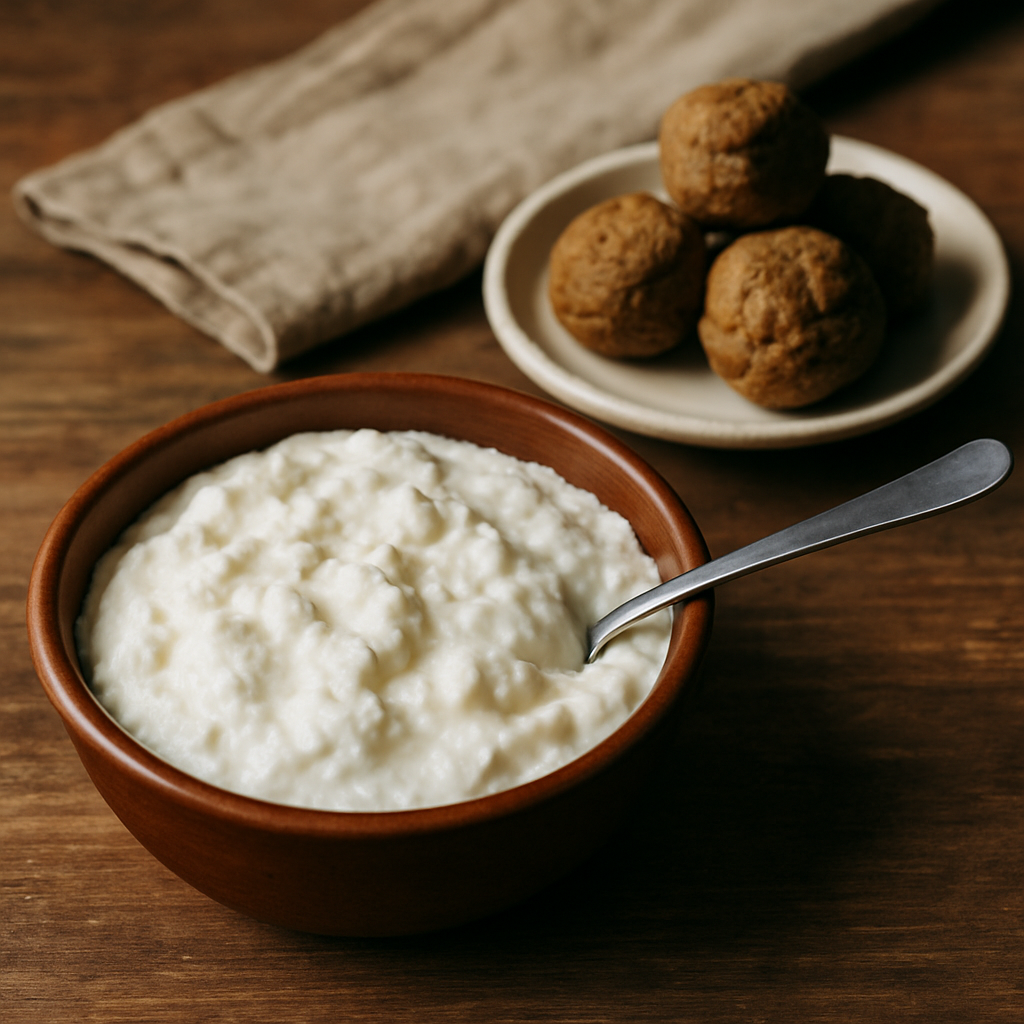
Curd and Piles: Cooling or Irritating for Digestion?
One of the most confusing things about curd in piles is that while it's probiotic and helps digestion in general, its heating effect can irritate sensitive systems. That’s why some people feel bloated or uncomfortable after consuming it during an episode.
If you’re wondering, “is curd rice good for piles?”—hold that thought. We’ll cover that in more detail in a bit, but the short answer is: maybe not always.
So—curd can be both cooling and irritating, depending on how and when you eat it. Eating chilled curd directly from the fridge? Nope. Eating fresh, room-temperature curd with spices during lunch? That might actually help. Big difference.
How to Use Curd for Piles Relief Safely
Best Time and Form to Eat Curd During Piles
Timing matters. Avoid curd at night—it can increase mucus and cause digestive sluggishness. Midday, when digestion is stronger, is ideal. And no, don’t mix it with fruits or sugary stuff. Keep it simple.
The safest way to include curd during piles is:
-
At lunchtime
-
In small amounts
-
With warming spices (ginger, cumin, pepper)
-
As buttermilk (chaas) instead of thick curd
These minor tweaks can help turn curd from a potential irritant into a healing, gut-friendly food.
Onion or Radish with Curd: Is It Beneficial?
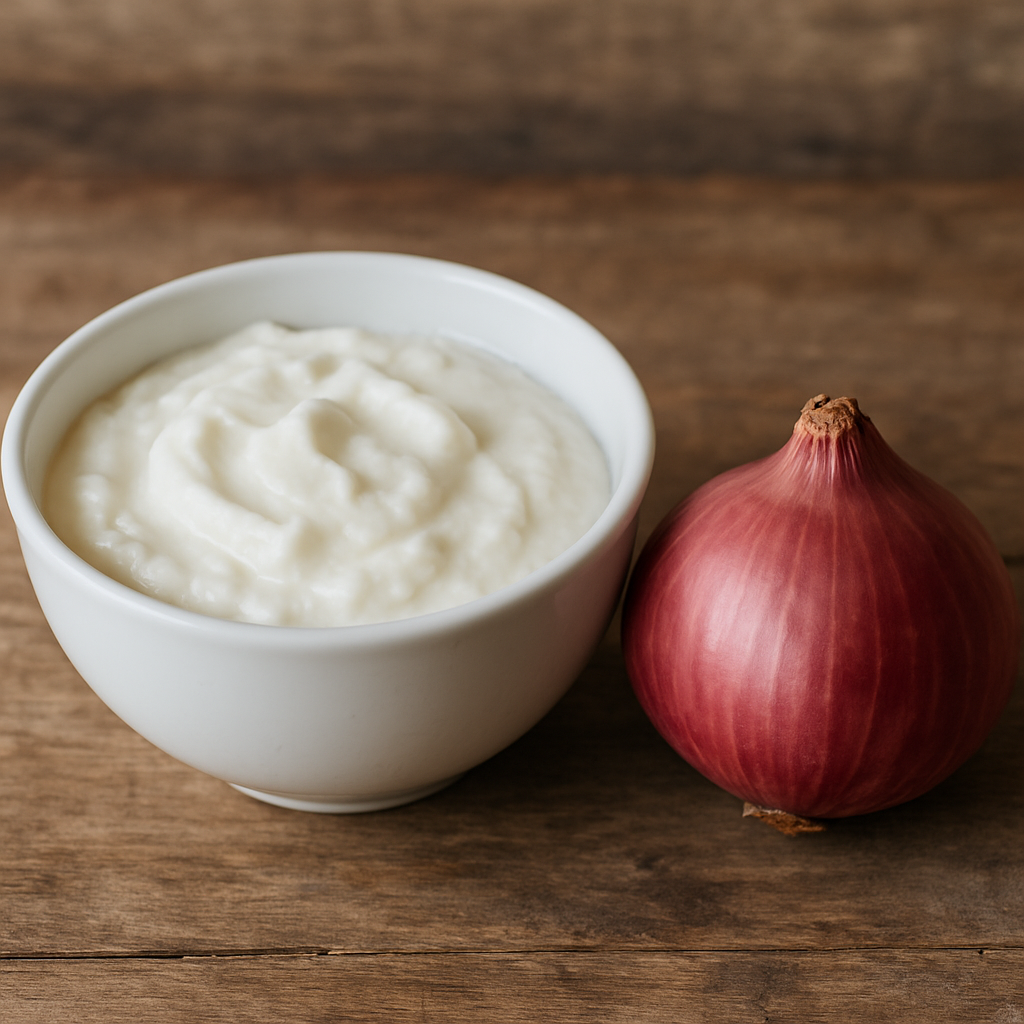
Some folks experiment with traditional remedies like onion with curd for piles or even radish with curd for piles. Here’s the thing—while these ingredients do have medicinal properties on their own, combining them with curd is a little tricky.
According to Ayurveda, mixing curd with certain raw veggies like onion or radish can create ama (toxins), especially if your digestion is weak. This combo might end up increasing inflammation instead of helping. Not to mention, it’s just…not that pleasant to taste either.
In general, it's better to eat onion or radish separately—maybe as part of a cooked dish or salad with some lemon and black salt. But avoid mixing them directly with curd if you're actively dealing with piles.
Is Curd Rice Good for Piles or Should It Be Avoided?
Curd rice. Comforting, familiar, and often a go-to when you're not feeling your best. But is curd rice good for piles?
Well... yes and no.
Curd rice is often considered light on the stomach, which makes it a popular choice during digestion issues. However, when you’re dealing with piles, you need to look beyond just comfort. Remember, curd is good for piles only under certain conditions—and combining it with rice can change the game.
Rice is heavy and sticky (especially white rice), and when mixed with curd—which is already dense and heating—it may lead to slower digestion and increased constipation in some people. And as you know, constipation is one of the worst triggers for piles.
So does that mean you have to completely stop eating curd rice if you have piles? Not necessarily.
If you’re really craving it, here are a few tweaks:
-
Use warm, soft-cooked rice—not leftover or cold rice.
-
Make sure the curd is fresh and not sour.
-
Add grated cucumber or bottle gourd to make it lighter.
-
Mix in some roasted cumin powder, black salt, or coriander to aid digestion.
Still, for many people, curd during piles is best taken as buttermilk or chaas. It’s much lighter, easier to digest, and doesn't carry the same risk of causing bloating or heaviness.
Alternatives to Curd for Gut-Friendly Cooling Foods
If you're still unsure about using curd in piles—or you've tried it and it just doesn't sit well—don't worry. There are several other natural cooling foods that can soothe your system and help relieve pile symptoms.
Here are a few gut-friendly alternatives that are Ayurvedically approved and piles-friendly:
-
Buttermilk (Takra): Like we said earlier, this is the king of digestive drinks in Ayurveda. Add roasted cumin, hing, or mint leaves.
-
Coconut Water: Cooling, hydrating, and super easy on the stomach.
-
Aloe Vera Juice: Especially good in small amounts for reducing inflammation internally.
-
Pumpkin or Bottle Gourd Soup: Easy to digest and naturally cooling.
-
Stewed Apples or Pears: If you’re craving something sweet but easy on digestion.
These options won’t just keep your gut happy—they’ll also help you maintain better bowel movements, which is key to managing piles.
Oh and one more thing: don’t forget hydration. Drink plenty of warm water throughout the day. I know, sounds boring—but it really makes a big difference.
स्वयं दवा न लें और प्रतीक्षा न करें। अभी डॉक्टर से चैट शुरू करें
Conclusion
So, what’s the verdict—is curd good for piles?
Yes, curd is good for piles in the right form, at the right time, and in moderation. Ayurveda doesn’t label curd as “bad” outright, but it warns against careless use—especially when digestion is already compromised, like during a piles flare-up.
To sum it up:
-
Can we eat curd in piles? Yes—but avoid it at night and never eat it cold from the fridge.
-
Is curd rice good for piles? Occasionally and in small amounts, with warm rice and added spices.
-
Curd helps in piles when converted into buttermilk or mixed with gut-soothing herbs.
-
Onion with curd for piles and radish with curd for piles? Best avoided due to potential digestive imbalance.
Every person’s body reacts differently. So listen to your gut (literally), observe how your body responds, and adjust accordingly.
And remember, the goal isn't to just find “safe” foods but to build a sustainable, cooling, fiber-rich diet that supports long-term gut health and regular bowel movements.
FAQs
Q: What should not be eaten in piles?
Avoid spicy, fried, and heavily processed foods. Red meat, too much caffeine, and alcohol can worsen inflammation. Also, try to cut down on very sour curd, cheese, and aged pickles. Anything that constipates or heats up your system is a no-go.
Q: What are the risks of eating curd with onion in piles?
Combining curd with raw onion might seem like a home remedy, but it can actually disrupt digestion. Ayurveda considers it a wrong food combination (Viruddha Aahar), which can create toxins in the body and worsen symptoms like bloating or rectal inflammation.
Q: Does curd actually help digestion during hemorrhoids?
Yes, curd has probiotics that support gut health. But during hemorrhoids, raw curd might be too heavy and heating. Buttermilk (takra), especially with spices like jeera and rock salt, is the better choice. It gives all the benefits without the digestive heaviness.
Final Ayurvedic Tips for Piles Relief
Still here? Awesome—here are a few bonus tips for managing piles naturally:
-
Start your day with warm water and a teaspoon of ghee or soaked raisins to promote smooth bowel movements.
-
Use Triphala powder before bedtime (mixed with warm water) to gently detox and support gut regularity.
-
Squat, don’t sit: A squatty potty or footstool under your feet can make a big difference.
-
Exercise gently—walking and yoga help improve digestion and circulation without straining the rectal muscles.
And hey, don’t ignore stress. Emotional tension can lead to poor digestion too. Deep breathing, meditation, or even just stepping outside for a break can do wonders.
If you found this guide helpful, why not share it with a friend or family member who might be struggling in silence? Piles are more common than we admit, and a few simple food tweaks can bring huge relief.
And if you're exploring Ayurveda to heal naturally, stay tuned—we’ll be posting more practical guides like this every week. Subscribe to our newsletter or follow us on Instagram @HealthyGutDaily for more tips!
उपयोगकर्ताओं के प्रश्न
Can I eat probiotic-rich foods during piles treatment?
Client_ae23ac
4 दिनों पहले
Yes, you can eat probiotic-rich foods during piles treatment, but it's essential to do so cautiously. Probiotic foods like curd can help improve gut health and support digestion, which might alleviate some symptoms of piles. However, it's crucial to consume these foods in moderation and at room temperature. Avoid combining them with very sour or spicy foods, which can exacerbate symptoms. If you're experiencing severe symptoms or have concerns about your diet, consult a healthcare professional to tailor a plan that suits your needs.
How can buttermilk improve digestion during piles flare-ups?
Client_14e31f
9 दिनों पहले
Buttermilk can aid digestion during piles flare-ups by being lighter on the stomach compared to whole curd. Its probiotic content can enhance gut flora, improving digestion and reducing constipation, which is crucial as constipation can exacerbate hemorrhoids. Spicing buttermilk with rock salt and roasted cumin may boost its digestive benefits. Typically, improvements can be observed within a few days, but if symptoms persist or worsen, it is important to consult a doctor. Avoid mixing buttermilk directly with curd during active flare-ups.
How does curd consumption affect bowel movements with piles?
Client_60f7a3
14 दिनों पहले
Curd can both help and hinder bowel movements when you have piles (hemorrhoids). It has a cooling effect which can be soothing, but it may also cause constipation in some individuals, worsening piles symptoms. While curd is a probiotic and can promote gut health, its effect on bowel movements varies. Buttermilk with spices like cumin and rock salt might be a better choice as it helps digestion. Watch for any signs of increased discomfort or constipation when consuming curd and consult a doctor if symptoms persist or worsen. Avoid combining curd with foods like onion and radish if you have active piles, as this might irritate the digestive system.
What alternatives to curd can help relieve piles?
Client_1e13a0
19 दिनों पहले
For relieving piles, alternatives to curd include high-fiber foods, increased hydration, and potentially specific fiber supplements. Fibrous foods like whole grains, fruits, and vegetables can aid digestion and help relieve constipation, often a contributing factor for piles. These dietary changes, along with proper hydration, can alleviate symptoms in days to weeks, depending on severity. If you experience severe pain, bleeding, or symptoms worsen, consult a healthcare professional. While Ayurveda might mention herbs like triphala as helpful, evidence-based medical advice should always guide treatment.
Can I include yogurt in my diet for healthy digestion with piles?
Client_cf0c02
29 दिनों पहले
Yes, you can include yogurt in your diet for healthy digestion when dealing with piles, but do so carefully. Yogurt is probiotic, helping maintain a balanced gut, which is beneficial for managing piles. However, avoid yogurt with added sugar or fruit flavors, as these can aggravate symptoms. Consume yogurt at room temperature rather than chilled and try to choose plain, natural types. If you notice discomfort or worsening symptoms, consult a healthcare professional. Seek medical advice if symptoms persist or worsen despite dietary changes.
What foods should I avoid if I have piles?
Client_4058af
39 दिनों पहले
If you have piles, it's advisable to avoid foods that can worsen constipation or cause irritation. These include foods low in fiber such as processed foods, white bread, and red meat. Spicy foods and alcohol may also aggravate symptoms. It's crucial to focus on a high-fiber diet with plenty of fruits, vegetables, and whole grains to soften stools and prevent straining. While Ayurveda might suggest curd can be beneficial when balanced with spices like black pepper, it's generally advised to avoid it at night. If symptoms persist or worsen, consult a doctor.
How does emotional stress affect digestion when managing piles?
Client_219126
48 दिनों पहले
Emotional stress can exacerbate digestion issues by disrupting the body's ability to process food effectively, which is particularly concerning when managing piles (hemorrhoids). Stress can lead to constipation due to altered gut motility or by impacting eating habits, both of which are known triggers for hemorrhoid flare-ups. Therefore, it is beneficial to incorporate stress-reducing practices such as regular exercise, adequate sleep, and mindfulness activities like meditation. If stress-related digestive issues persist and worsen piles symptoms, consult a healthcare professional for tailored advice and management strategies.
How can dietary changes improve my symptoms of piles?
Client_67ee16
58 दिनों पहले
Dietary changes can significantly alleviate the symptoms of piles by focusing on increasing fiber intake and staying hydrated. High-fiber foods, such as fruits, vegetables, whole grains, and legumes, can help soften stools and reduce strain during bowel movements. This can prevent irritation and bleeding. Drinking plenty of water is also crucial, as it helps maintain soft and regular stools. Avoiding spicy foods, processed meats, and excessive caffeine can help minimize discomfort. Consult a healthcare provider if symptoms persist or worsen, as piles might require medical intervention.
Can I drink herbal teas while managing piles, or should I avoid them?
Client_3eca6b
67 दिनों पहले
You can definitely drink herbal teas while managing piles, but choose wisely! Herbal teas like chamomile or ginger can be soothing, while avoiding caffeine and strong spices. They help improve digestion, which is key here. Stick to those with cooling or neutral properties. Listen to your body, though, and see what feels best for you!
Is it good to drink warm water after eating curd or curd rice when I have piles?
Client_49234b
77 दिनों पहले
Drinking warm water after eating curd or curd rice can help with digestion, which is important if you have piles. Warm water may promote better bowel movements and reduce constipation. Curd itself can be beneficial, but when mixed with rice, it can sometimes slow digestion, so the warm water could balance that out a bit! Give it a try and see how it feels for you, just pay attention to how your body responds.
संबंधित आलेख

Gastrointestinal Disorders
Hinguvachaadi Gulika
Exploration of Hinguvachaadi Gulika
2,144

Gastrointestinal Disorders
कायम टैबलेट
कायम टैबलेट की खोज
10,846

Gastrointestinal Disorders
त्रिवृत लेह्यम: फायदे, खुराक, साइड इफेक्ट्स, उपयोग कैसे करें, सामग्री
त्रिवृत लेह्यम की खोज: फायदे, खुराक, साइड इफेक्ट्स, उपयोग कैसे करें, सामग्री
3,715

Gastrointestinal Disorders
कुटजारिष्ट के उपयोग, खुराक, साइड इफेक्ट्स और सामग्री
कुटजारिष्ट के उपयोग, खुराक, साइड इफेक्ट्स और सामग्री की खोज
3,987

Gastrointestinal Disorders
महाशंख वटी के फायदे, खुराक, सामग्री, साइड इफेक्ट्स
महाशंख वटी के फायदे, खुराक, सामग्री, और साइड इफेक्ट्स की जानकारी
9,723

Gastrointestinal Disorders
विस्कोवास कैप्सूल: उपयोग, खुराक, सामग्री, साइड इफेक्ट्स
विस्कोवास कैप्सूल की खोज: उपयोग, खुराक, सामग्री, साइड इफेक्ट्स
3,457

Gastrointestinal Disorders
Mustharishtam Uses, Dose, Ingredients, And Side Effects
Exploration of Mustharishtam Uses, Dose, Ingredients, And Side Effects
2,292
Gastrointestinal Disorders
Panchavalkala Kwatha Churna: Benefits, Dosage & Ayurvedic Insights
Explore the benefits, proper dosage, uses, and Ayurvedic foundations of Panchavalkala Kwatha Churna, a traditional herbal powder for digestive and overall health.
6,624

Gastrointestinal Disorders
Arsh Kuthar Ras – Benefits, Dosage, Ingredients, Side Effects
Exploration of Arsh Kuthar Ras – Benefits, Dosage, Ingredients, Side Effects
3,700

Gastrointestinal Disorders
Pothin Dravakam – Ayurvedic Elixir for Vitality and Healing
Discover Pothin Dravakam uses, benefits, dosage, and how this Ayurvedic formulation supports health. Learn ancient remedies and modern applications for wellness.
3,798
विषय से संबंधित परामर्श
अतिरिक्त दस्तावेज़
© 2024 Ask Ayurveda. सर्वाधिकार सुरक्षित।