How to Make Face Scrub at Home?

If you’ve ever wondered how to make face scrub at home using ingredients that are already in your kitchen, you're not alone. In fact, more people are swapping chemical-heavy store-bought products for simple, effective, and natural alternatives. Learning how to make homemade scrub for face care isn't just easy — it's fun, customizable, and cost-effective too. Whether you're after glowing skin, oil control, or gentle exfoliation, a natural face scrub at home can work wonders.
In this guide, we’ll cover how to make face scrub at home for glowing skin using ingredients like sugar, coffee, rice, and oatmeal. We'll also explore face scrub recipes tailored for oily skin, dry skin, and everything in between. Ready to ditch the fancy jars and overpriced serums? Let’s dive in.
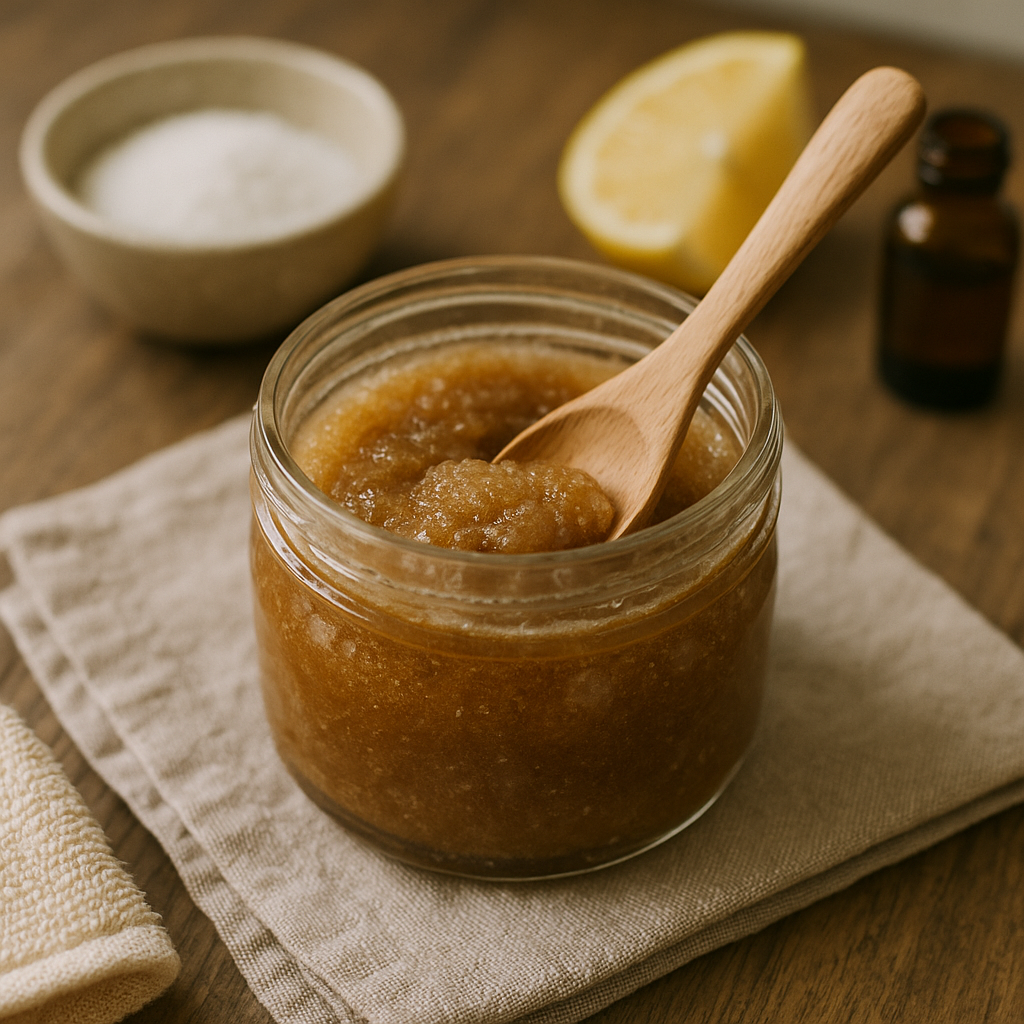
Why Use a Natural Face Scrub: Ayurvedic View on Exfoliation
According to Ayurveda, regular exfoliation is key to removing ama (toxins) that clog the skin. A natural face scrub at home can gently slough off dead skin cells while balancing the doshas (Vata, Pitta, and Kapha). Unlike synthetic products, homemade scrubs respect your skin's natural rhythm. They help restore glow without disrupting your skin barrier.
What’s more, natural exfoliants like sugar, oatmeal, and coffee don’t just cleanse — they nourish. These ingredients have been used in traditional skincare for centuries. And the best part? No weird chemicals, preservatives or things you can’t even pronunce.
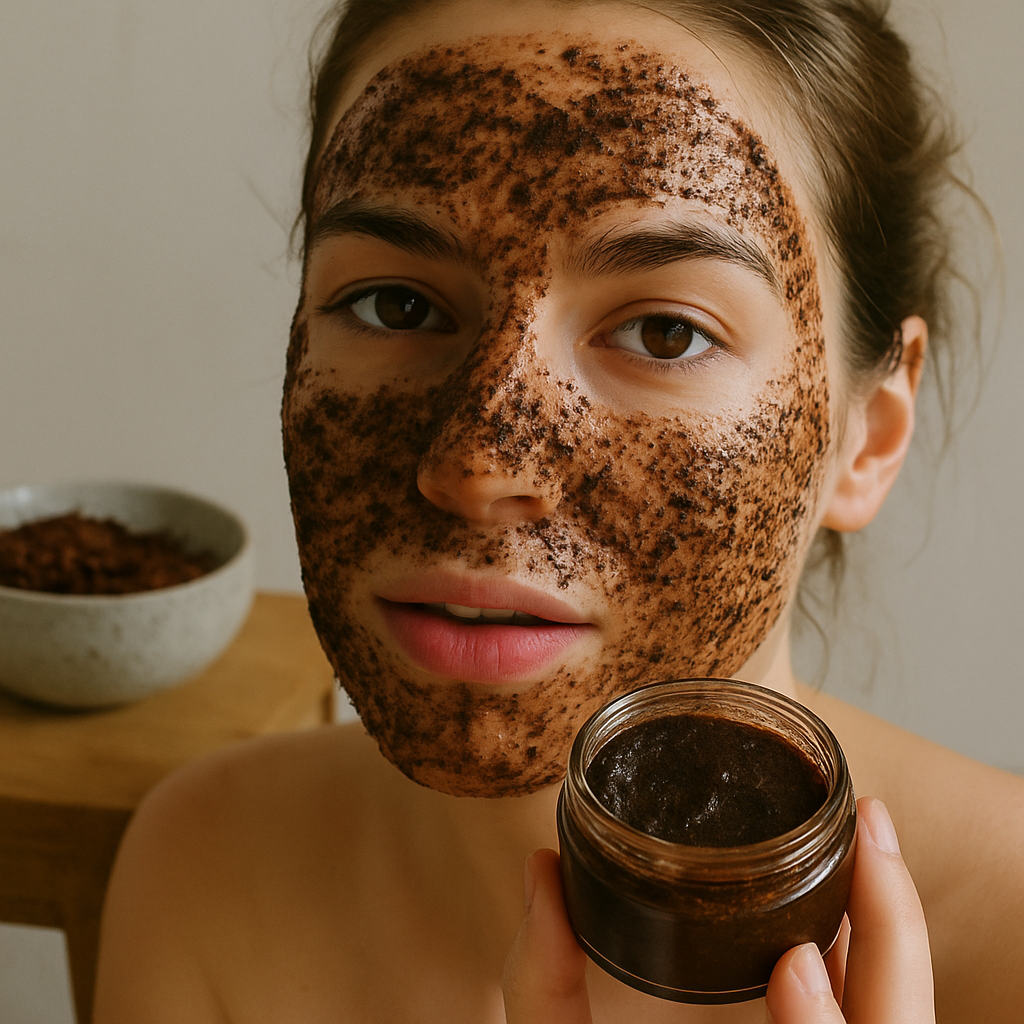
How to Make Face Scrub at Home with Simple Ingredients
When it comes to DIY skincare, simplicity rules. These recipes are fuss-free and only need a handful of pantry staples.
How to Make Sugar Scrub for Face at Home
Ingredients:
-
1 tablespoon fine sugar (brown or white)
-
1 tablespoon honey
-
A few drops of lemon juice (optional for brightening)
Instructions:
Mix all ingredients in a bowl until well combined. Apply gently in circular motions. Rinse with lukewarm water.
Why it works:
Sugar scrub for face exfoliates without being too harsh. Honey adds hydration, and lemon helps with dull spots. This one’s perfect if you’re figuring out how to make face scrub at home for glowing skin.
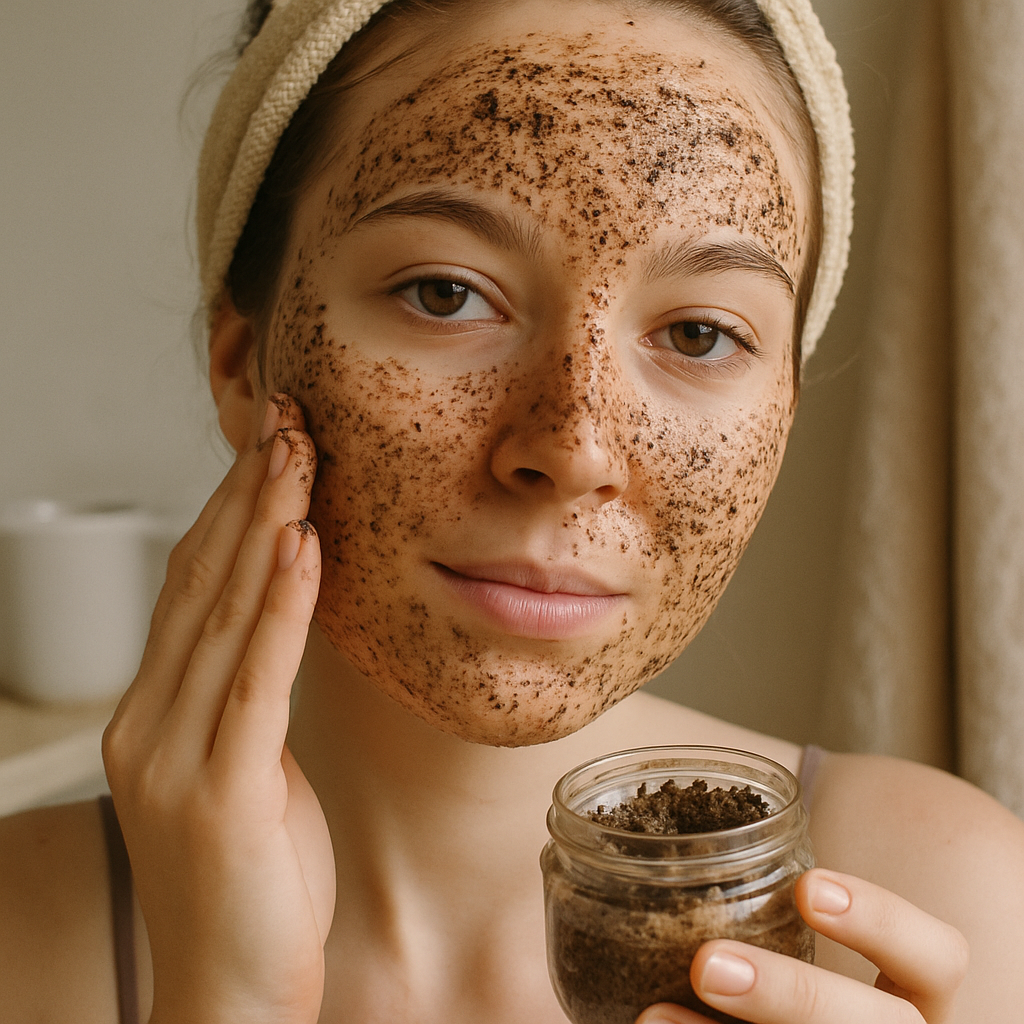
How to Make Coffee Scrub for Face at Home
Ingredients:
-
1 tablespoon ground coffee (not instant!)
-
1 tablespoon yogurt or coconut oil
-
A pinch of turmeric (optional)
Instructions:
Combine the ingredients and massage gently onto your face. Leave it on for 5 minutes before rinsing.
Benefits:
Coffee face scrub is rich in antioxidants and can improve blood circulation, making it a favorite for bright, fresh-looking skin. Plus, who doesn’t love the smell of coffee?
How to Make Oatmeal Scrub for Face
Ingredients:
-
2 tablespoons ground oats
-
1 tablespoon milk or aloe vera gel
Directions:
Blend oats until fine. Mix with milk or aloe and apply evenly on face. Leave for 10 mins before gently scrubbing and rinsing.
Why try it:
If you have sensitive or dry skin, this one's a gem. It's gentle, soothing, and helps calm redness.
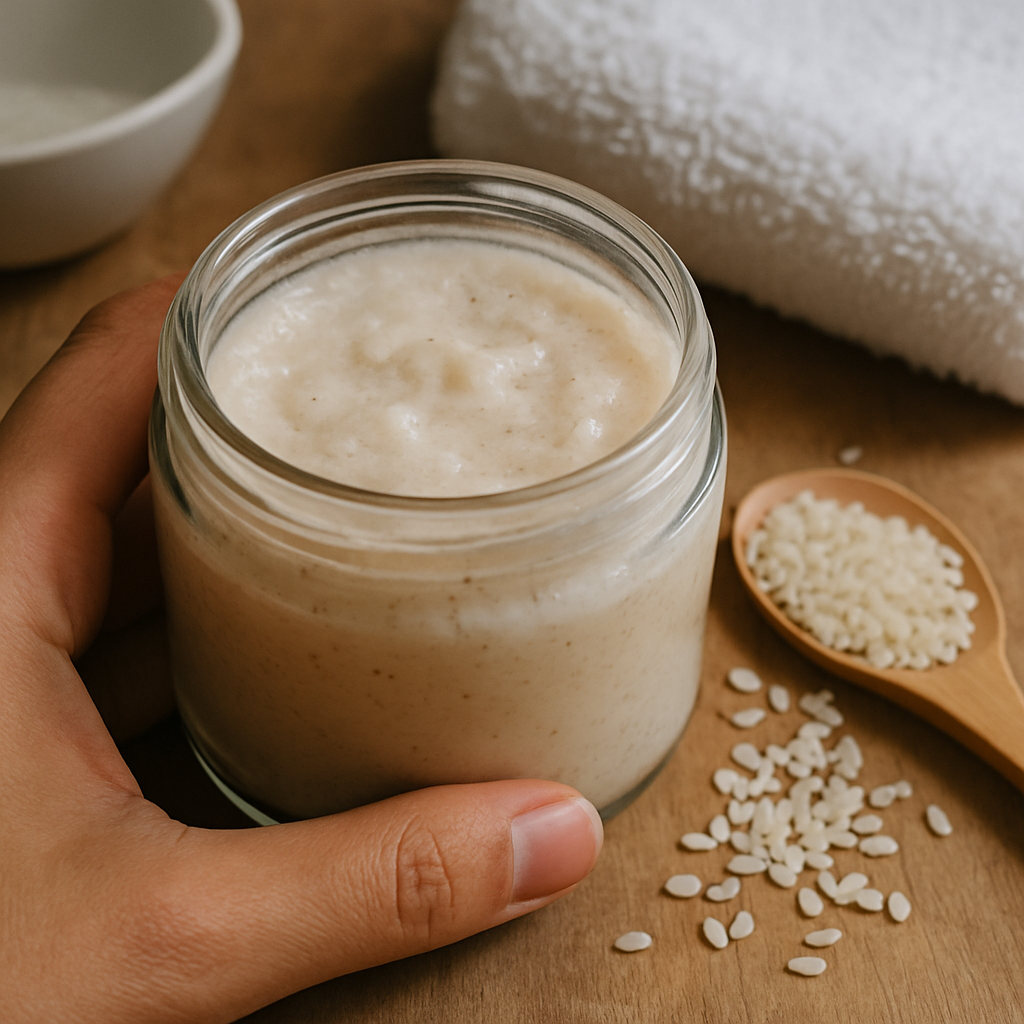
How to Make Rice Scrub for Face
You’ll need:
-
1 tablespoon rice flour or ground rice
-
1 teaspoon honey
-
A splash of rose water
Steps:
Mix into a paste. Apply and scrub in soft circular motion. Wash off after a few mins.
Why it works:
Rice scrub for face brightens complexion and improves skin texture over time. It’s often used in Korean and Japanese skincare rituals.
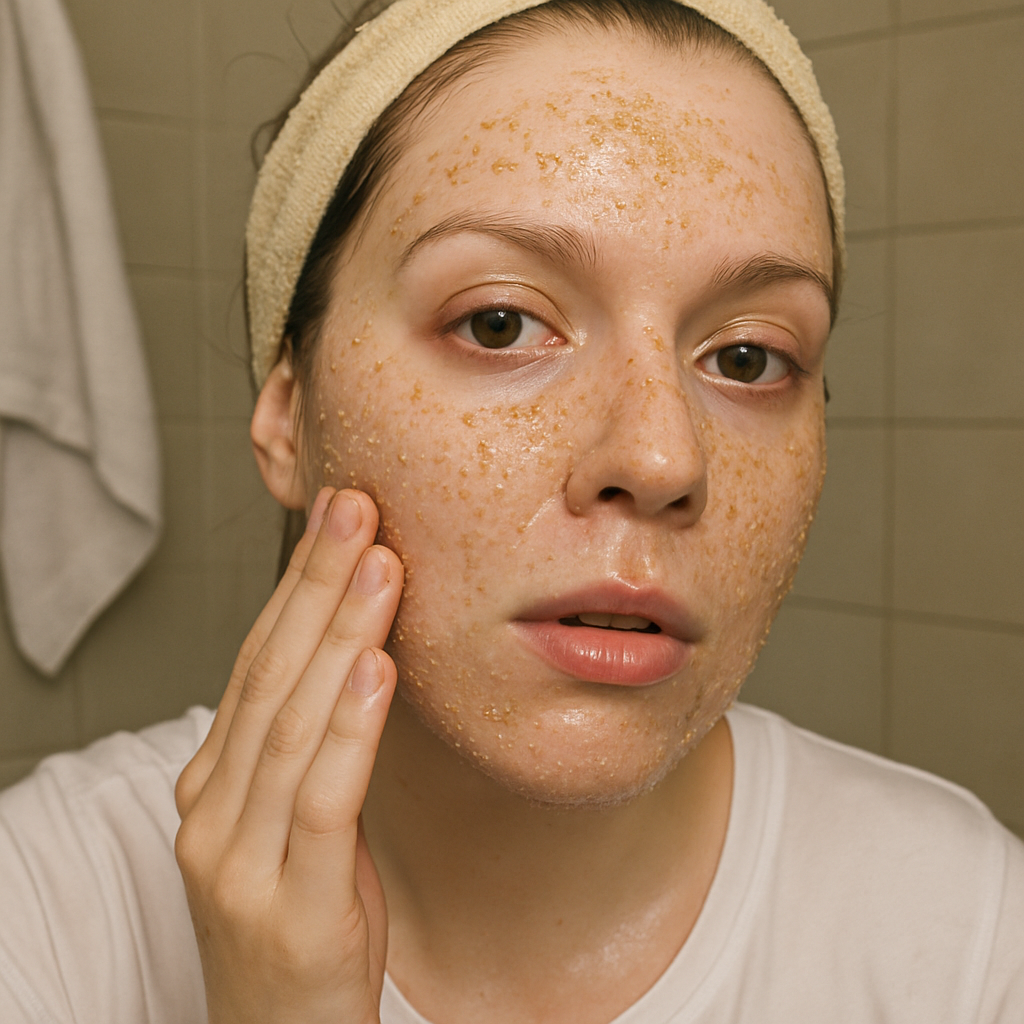
Best Homemade Scrubs for Different Skin Types
No two faces are the same, and neither are their skincare needs. Making a face scrub at home lets you tailor the recipe to your unique skin type. Here's how to find your match:
Face Scrub for Oily Skin
Oily skin? Then you're no stranger to clogged pores, blackheads, and that all-day shine. A good scrub for face with oil-prone tendencies needs to balance excess sebum without stripping natural moisture.
Try This:
-
1 tbsp multani mitti (Fuller's Earth)
-
1 tbsp coffee grounds
-
Rose water (enough to make a paste)
Multani mitti soaks up excess oil while coffee exfoliates and tightens pores. This natural face scrub at home is ideal for people looking for how to make coffee scrub for face at home that actually works for oily skin.
Note: Use 2–3 times a week. Over-scrubbing can make skin produce even more oil. Yeah, our faces can be drama queens like that.
Face Scrub for Dry Skin
Dry skin needs something hydrating and exfoliating. Rough, flaky patches? We got you.
DIY Hydrating Scrub:
-
1 tbsp oatmeal (ground)
-
1 tbsp honey
-
1 tsp olive oil
This homemade face scrub gently removes dead skin cells while moisturizing. Honey's humectant powers + olive oil's fatty acids = a dream combo.
Avoid harsh granules like walnut or sugar if your skin's feeling Sahara-dry. You don’t want to go in with sandpaper, right?
Face Scrub for Glowing Skin
Let’s be honest, we’re all after that healthy, dewy glow — like you just had 8 hours of sleep and drank 3 liters of water (even if neither are true).
Best face scrub for glowing skin:
-
1 tbsp rice flour
-
1 tbsp yogurt
-
A pinch of turmeric
Rice brightens, yogurt contains lactic acid for gentle exfoliation, and turmeric adds that glow-boosting magic. Seriously, if you're googling “how to make face scrub at home for glowing skin,” bookmark this recipe.
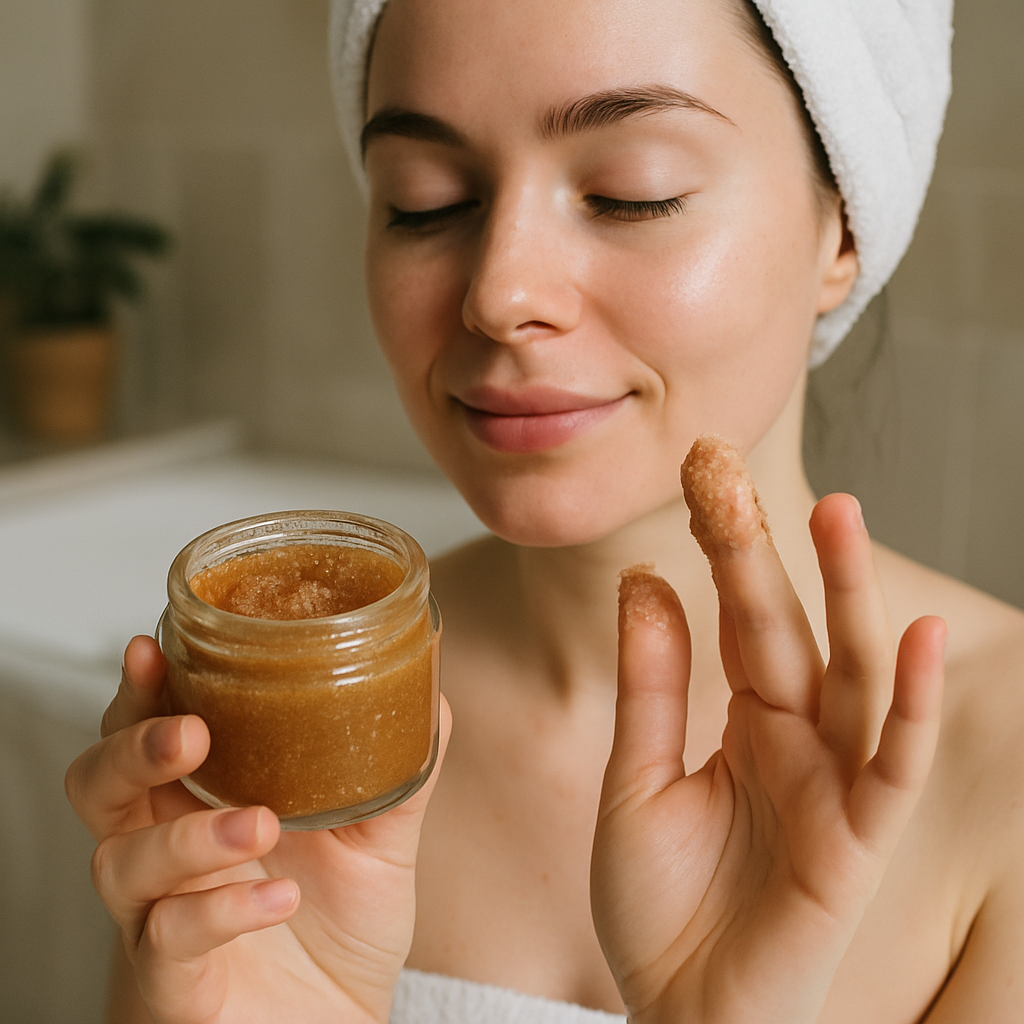
How to Apply Scrub on Face the Right Way
A lot of people get this wrong — and then blame the scrub. Technique matters just as much as ingredients.
Step-by-Step Application and Massage Tips
-
Start with clean skin – Wash your face with lukewarm water or a mild cleanser.
-
Take a small amount of scrub – A teaspoon is plenty.
-
Use your fingertips – Gently massage in circular motions. Don't use your whole hand like you’re washing a plate!
-
Focus on areas with buildup – Like your nose, chin, and forehead.
-
Be gentle – No scrubbing like you're sanding a table. Your skin's delicate.
-
Rinse with lukewarm water – Cold if you want to tighten pores.
-
Pat dry and moisturize – Always finish with a light, non-comedogenic moisturizer.
How Often to Use Scrub Based on Skin Type
-
Oily skin: 2–3 times a week
-
Dry skin: Once a week
-
Combination/Normal: 1–2 times a week
-
Sensitive skin: Once every 10 days or skip entirely — test first!
Exfoliating too often can damage your skin’s barrier and actually increase breakouts or dryness. So go easy, okay?
Coffee, Walnut, Apricot: Which Face Scrub Is Right for You?
Choosing between coffee face scrub, walnut face scrub, and apricot scrub for face depends on your skin type and sensitivity level.
-
Coffee Scrub – Great for tightening and brightening; good for most skin types.
-
Walnut Face Scrub – Powerful exfoliant, but can be too harsh for sensitive skin. Use with caution.
-
Apricot Scrub for Face – Offers a milder exfoliation; better for dry or combination skin.
Some store-bought versions of these scrubs use overly large or sharp granules that can cause microtears — especially walnut! So when possible, opt for a gentler homemade version.
Face Scrub at Home vs Store-Bought: Pros and Cons
Let’s talk real for a sec. Is making a face scrub at home really better than buying one off the shelf? The answer — like most things — is: it depends.
Pros of Homemade Face Scrubs
-
Natural ingredients: You control what goes in. No hidden sulfates or mystery "fragrance" labels.
-
Customizable: Adjust for your skin type or issues (like acne, dryness, dullness).
-
Affordable: You probably already have most of the ingredients at home.
-
Eco-friendly: Less packaging waste. Plus, you're not buying microbeads that harm marine life.
Cons of Homemade Face Scrubs
-
Short shelf life: Most DIY scrubs don’t last more than a week unless refrigerated.
-
Inconsistent texture: Some may be too runny, grainy, or just...meh.
-
Time-consuming: Let’s be honest, sometimes you just wanna grab and go.
In contrast, store-bought scrubs often come with preservatives for longer shelf life, consistent formulation, and some do contain beneficial actives like salicylic acid. But you gotta read labels carefully, because not all "natural" scrubs are actually natural. Go figure.
Safety Tips and Common Mistakes to Avoid With Face Scrubs
Okay, now here’s the part where we save your skin. Even the best face scrub for glowing skin can cause damage if used the wrong way. And you’d be shocked how many people make these mistakes.
Common Mistakes:
-
Scrubbing too hard: Redness and microtears are not a vibe.
-
Using large, jagged particles: Like raw sugar or crushed walnut shells. Nope.
-
Exfoliating broken or irritated skin: Let it heal first, always.
-
Skipping moisturizer afterward: Exfoliation opens the skin up; you need to seal it back in.
-
Not patch-testing: Especially when trying a new ingredient. That turmeric stain ain’t cute on day 3.
Pro Tips:
-
Always make sure your hands are clean before mixing or applying.
-
Store scrubs in clean, dry containers — glass jars are best.
-
If using perishables like yogurt or milk, refrigerate and use within 2–3 days max.
Conclusion
So, now you know exactly how to make scrub at home for face care that’s natural, budget-friendly, and actually effective. Whether you’re using a sugar scrub for face brightening, a coffee face scrub for circulation, or a rice scrub for gentle exfoliation — there’s something for every skin type.
Remember: It’s not just about what you use — it’s how you use it. Treat your skin with kindness, and it’ll glow right back at you.
Want better skin without breaking the bank? Your kitchen just might be your new skincare lab.
👉 Ready to try a recipe? Pick your favorite and share your results with a friend — or better yet, make it together!
FAQs
Which scrub is best for the face?
It depends on your skin type. Coffee and rice scrubs are great for glow, sugar scrubs work well for exfoliation, and oatmeal scrubs are ideal for sensitive skin. For a quick fix, the best face scrub for glowing skin at home is a rice + yogurt + turmeric combo.
Can I scrub my face daily?
Nope. Over-exfoliating can damage your skin’s protective barrier. Stick to 1–3 times a week depending on your skin type. Less is more.
Is coffee scrub good for oily skin?
Yes, coffee scrub is excellent for oily skin. It helps unclog pores, absorb excess oil, and improve blood flow — but don't overdo it. Twice a week is plenty.
How long can I store homemade face scrub?
Most homemade scrubs last about 3–5 days in the fridge if they contain fresh ingredients like milk or yogurt. Oil-based scrubs (like coconut oil + sugar) can last up to 2 weeks if stored in a clean, airtight jar.
If you enjoyed this guide on how to make face scrub at home, pass it along. Who knows — you might just start a scrub-making trend in your group chat 😉
आयुर्वेदिक डॉक्टर से एक प्रश्न पूछें और मुफ़्त या सशुल्क मोड में अपनी चिंता की समस्या पर ऑनलाइन परामर्श प्राप्त करें।
2,000 से अधिक अनुभवी डॉक्टर हमारी साइट पर काम करते हैं और आपके प्रश्नों की प्रतीक्षा करते हैं और प्रतिदिन उपयोगकर्ताओं को उनकी स्वास्थ्य समस्याओं को हल करने में मदद करते हैं।
संबंधित आलेख